Travelling by bike around Flanders and northern France to see Dwars door Vlaanderen, Ronde van Vlaanderen (Tour of Flanders) and Paris-Roubaix
I have wanted to attend the iconic spring classics for some time. Having watched them on TV I knew that they would be a bit crazy, but I thought it would be really cool to take a bike, cycle some of the routes, and watch the races. And, in my opinion, likely to be much more fun than the challenge of visiting the Tour de France.
When looking into doing this I found there wasn’t a lot of information on what it would be like to cycle to/from the races. Routes were a little hard to decipher, information rarely discussed how to get around by bike, and there was little publication of what you could expect at particular viewing points. So, having done my best and then given it a crack, I would say this: it is reasonably straight-forward, is wonderfully enjoyable, and I would not hesitate to recommend it.
Tour of Flanders (Ronde van Vlaanderen, or RvV)
I was aware that Belgium goes pretty crazy for the Tour of Flanders. That would be a bit of an understatement.
Watching the race
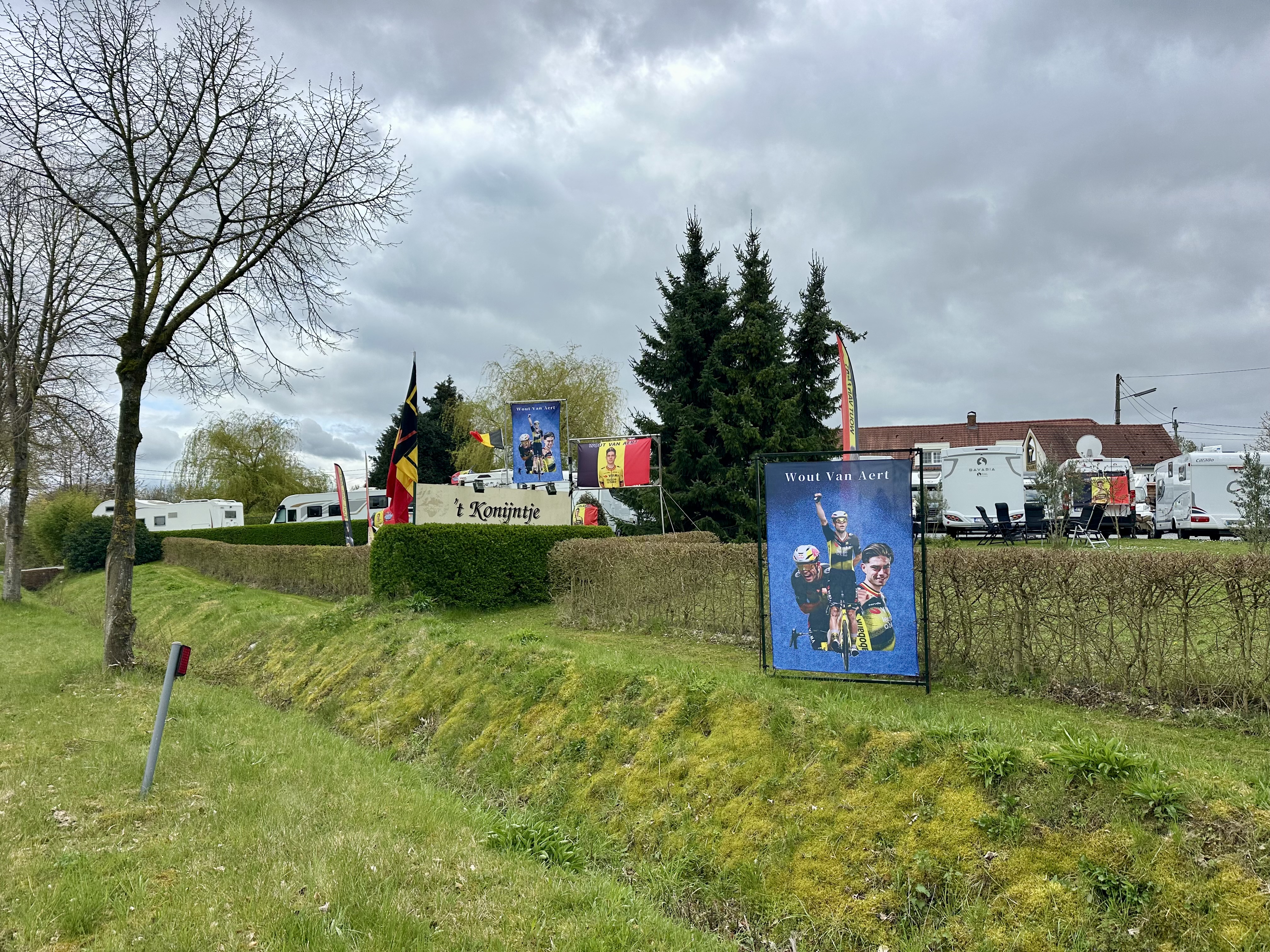
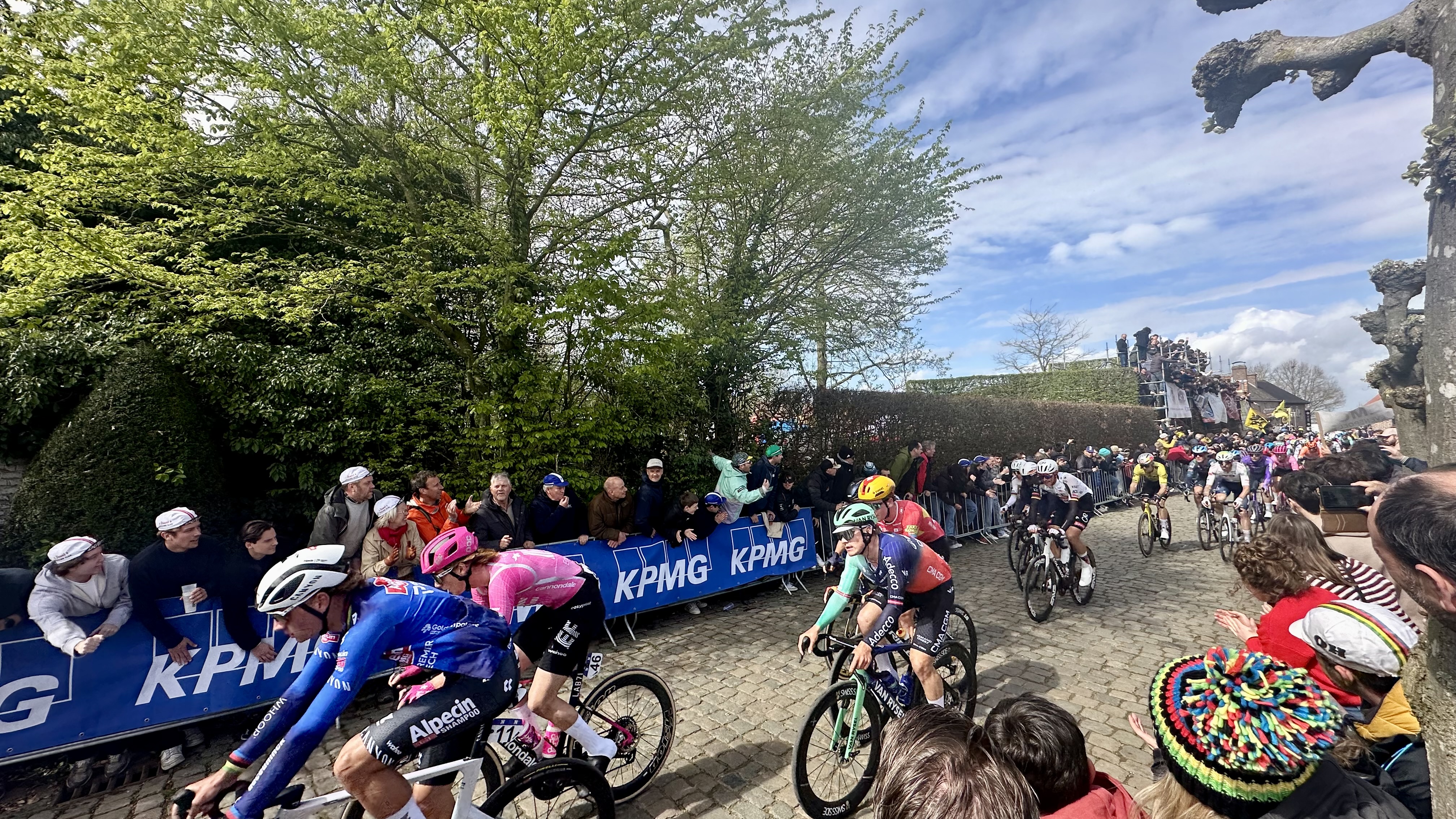
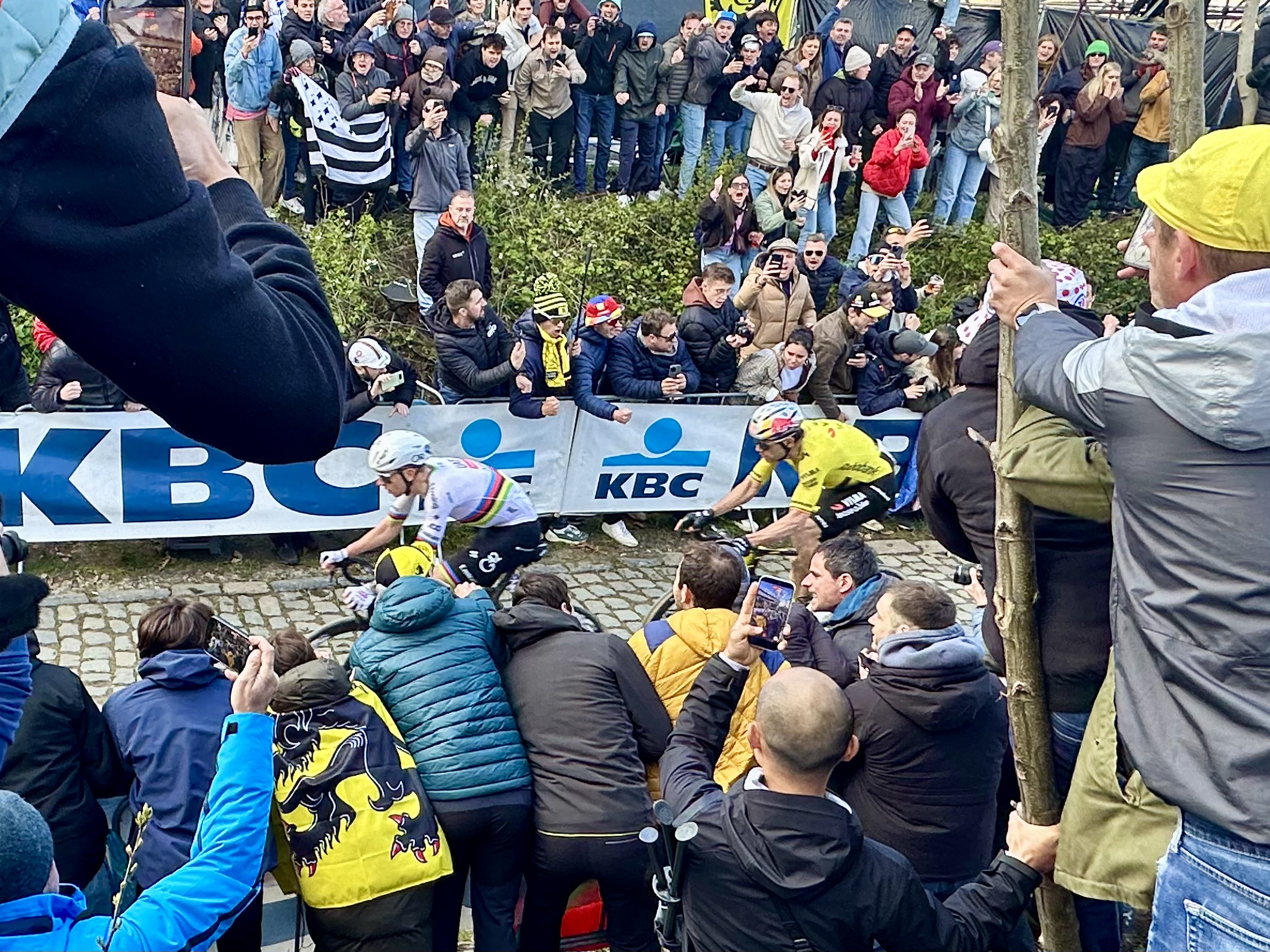
By many reports, a proper experience of the mania that is RvV involves the Kwaremont. It is mad, but it is fair to say that the main pleasure at this location is fan watching (less the cycling watching). I stayed for two passes of the men’s race – on the first time around nothing much was happening but by the second the serious front runners were starting to get sorted (see above – Pogačar and Wout van Aert together). There is beer, food and toilets available, but crowds are crushing.
Whilst all a bit crazy I had no issues cycling to the race. I was staying in the very affordable town of Brakel which was not super close but still an easy cycle away. I rode up Keuzelingsstraat to near the route, locked my bike up next to a police van (with a bunch of other bikes), and then watched the race (having arrived about 30 minutes before the first pass). If you want a fence-front position, you need to be there hours before that.
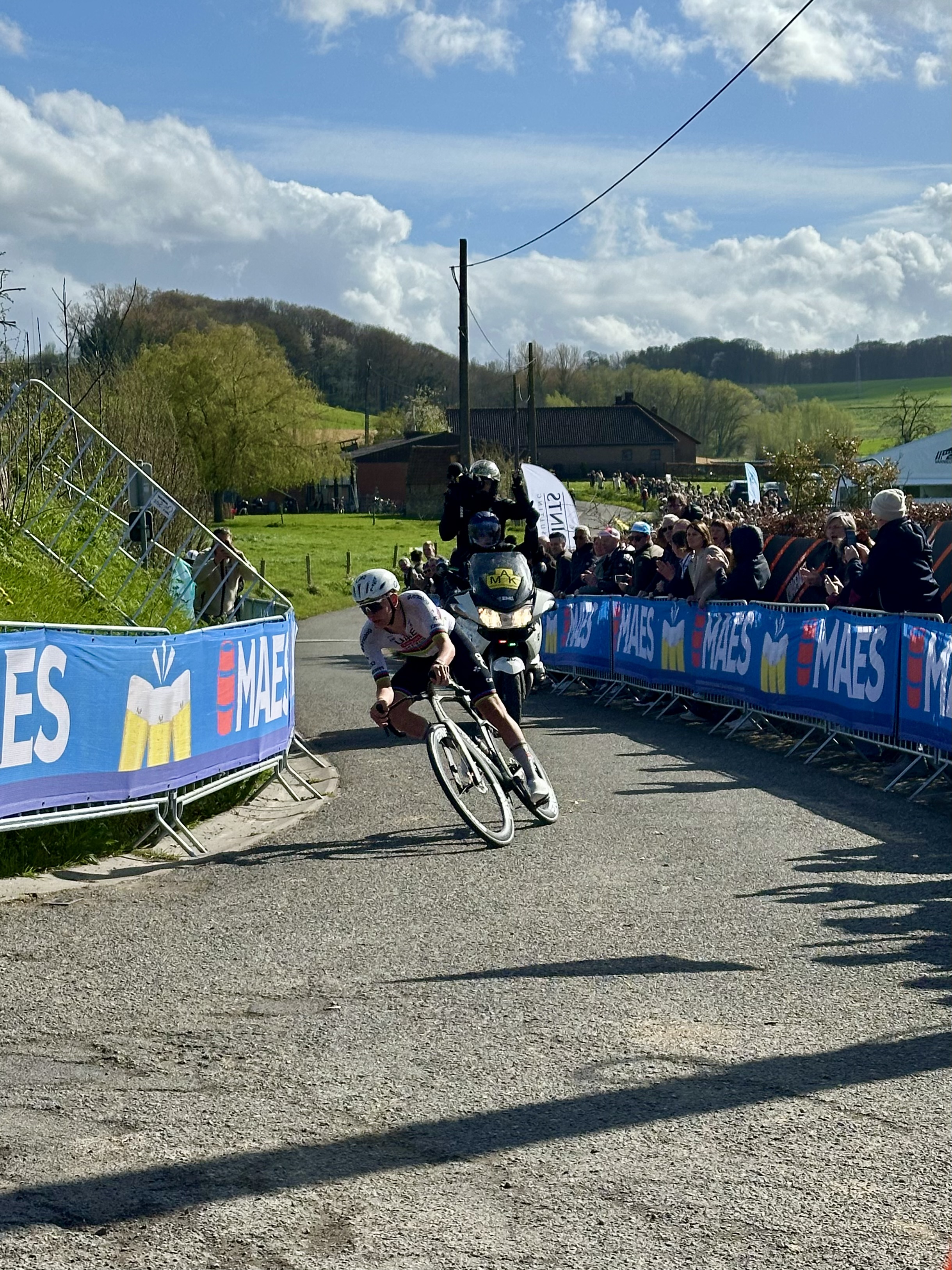
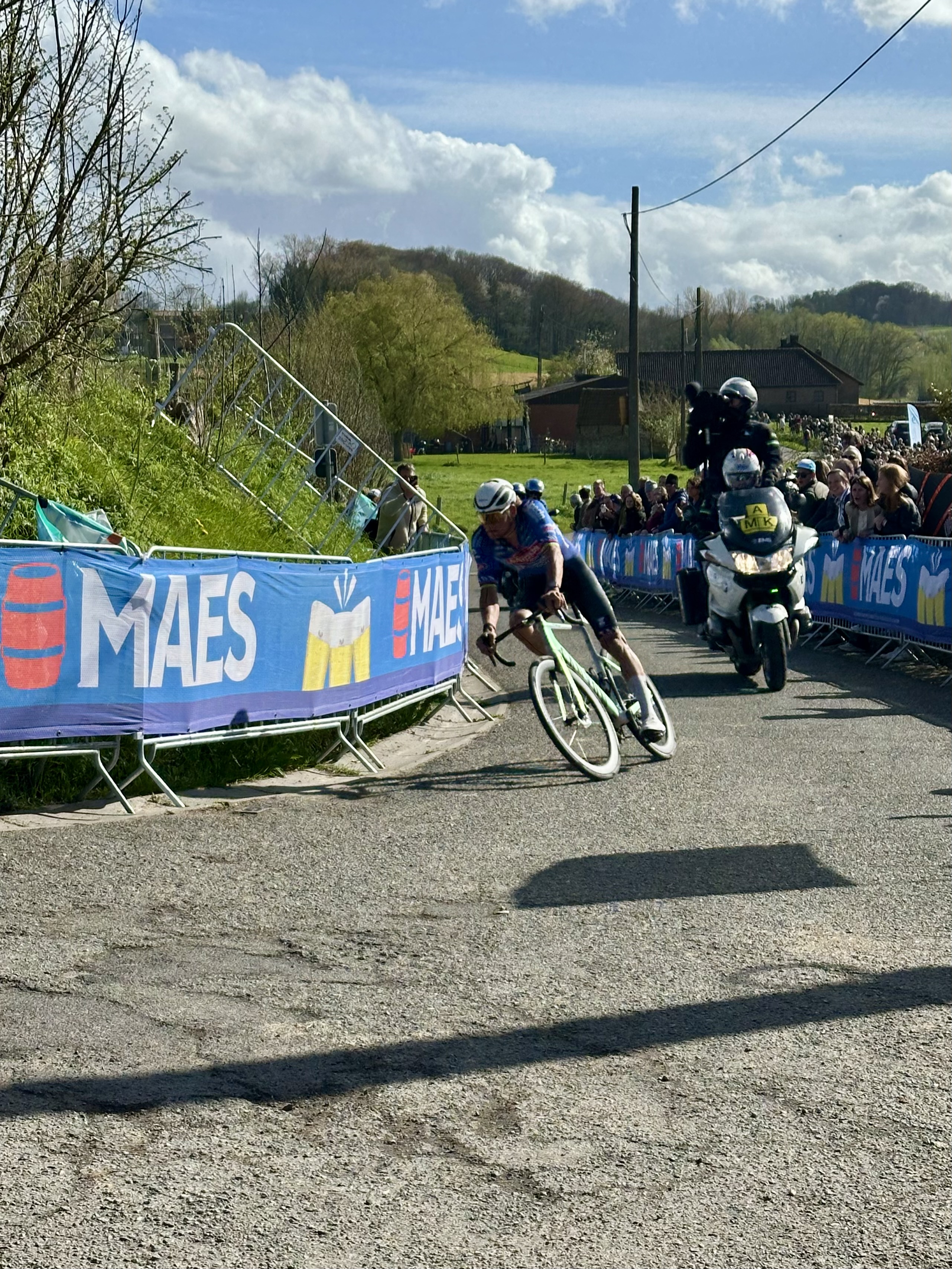
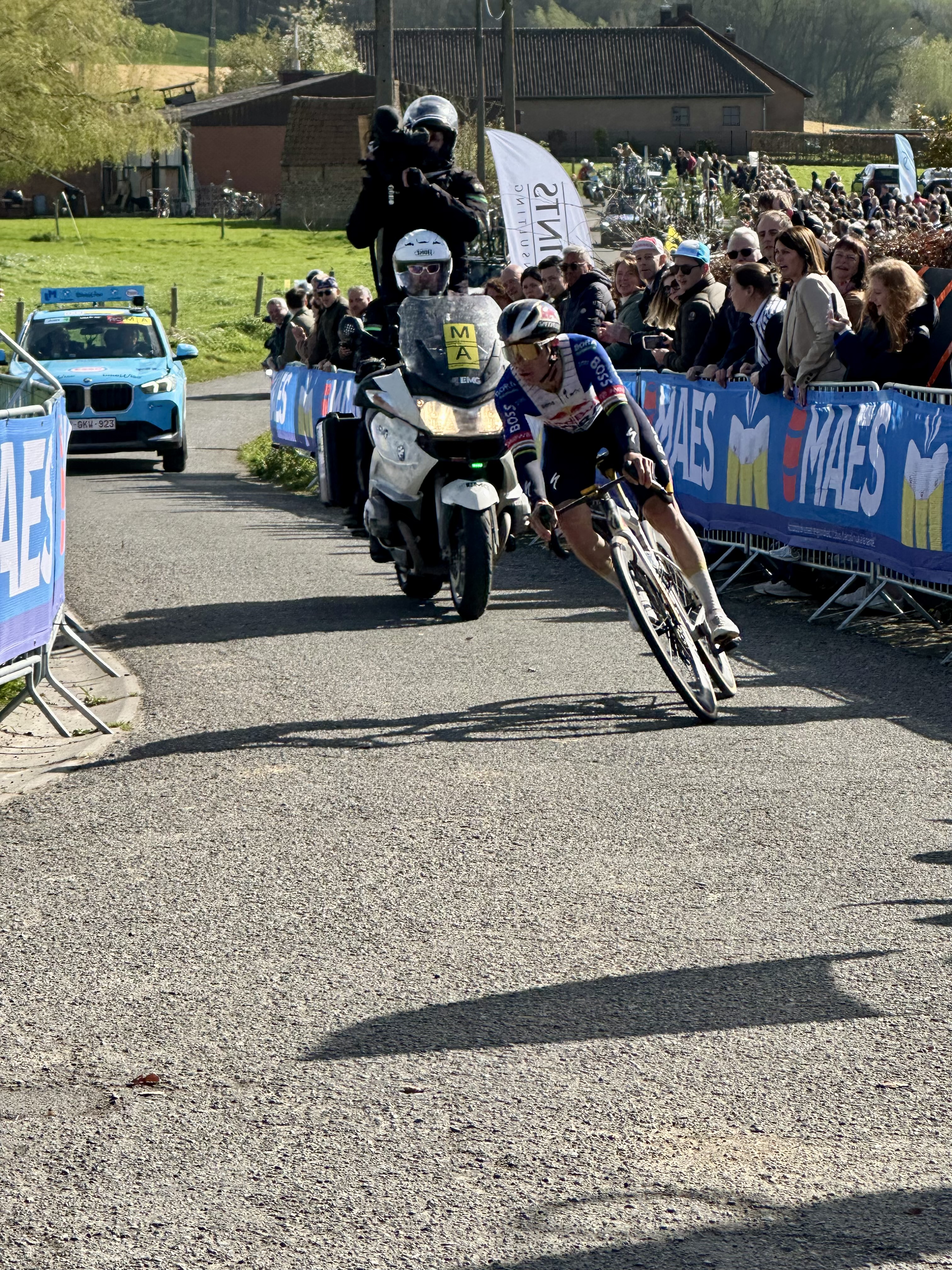
After the second Kwaremont pass I decided it was time for a different perspective and cycled to the nearby base of the Paterberg. Unexpectedly this was a brilliant place to watch how the race had sorted out before the finish, and it was possible to get a fence-front view at the corner – see above. It was fantastic.
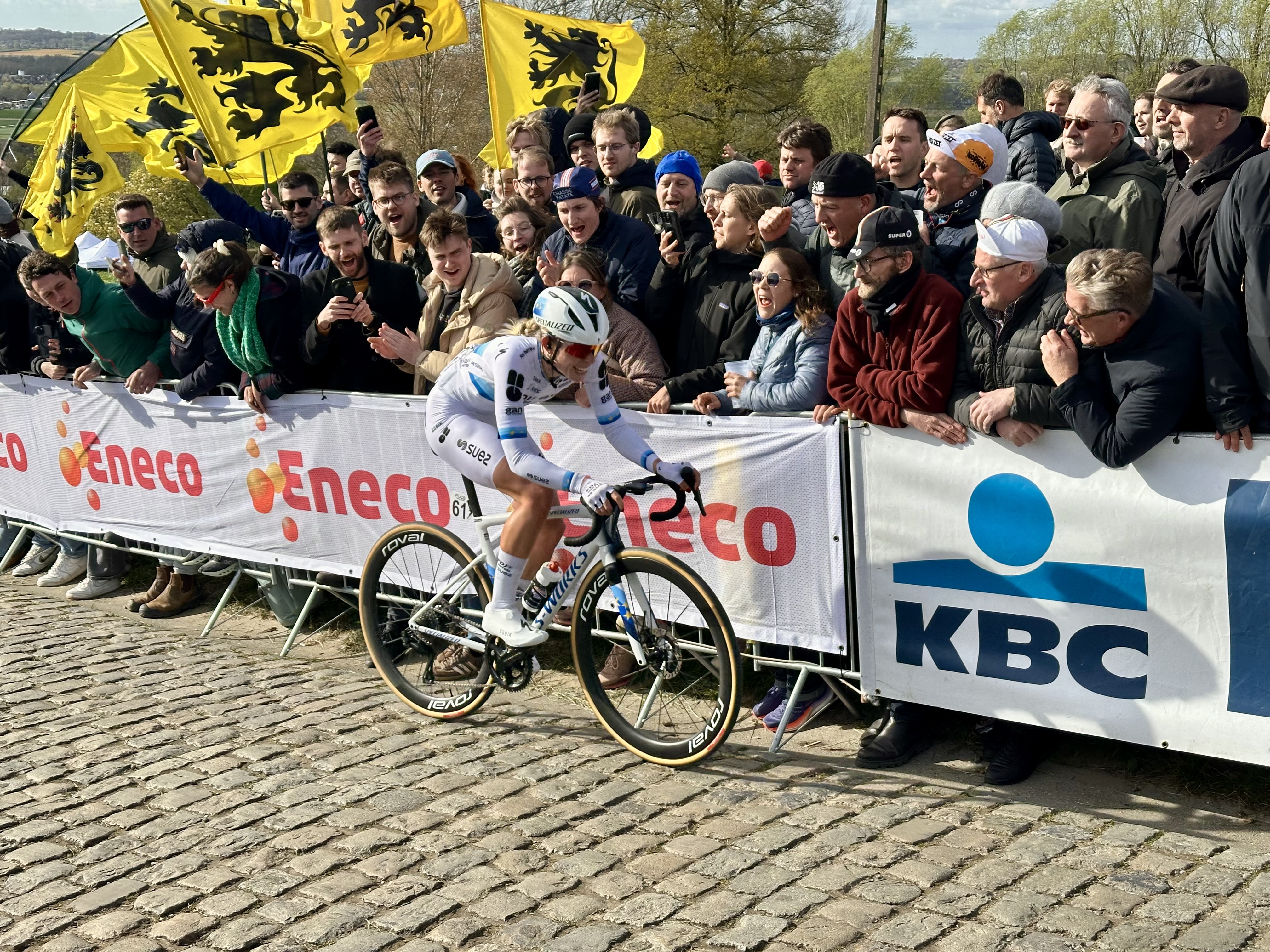
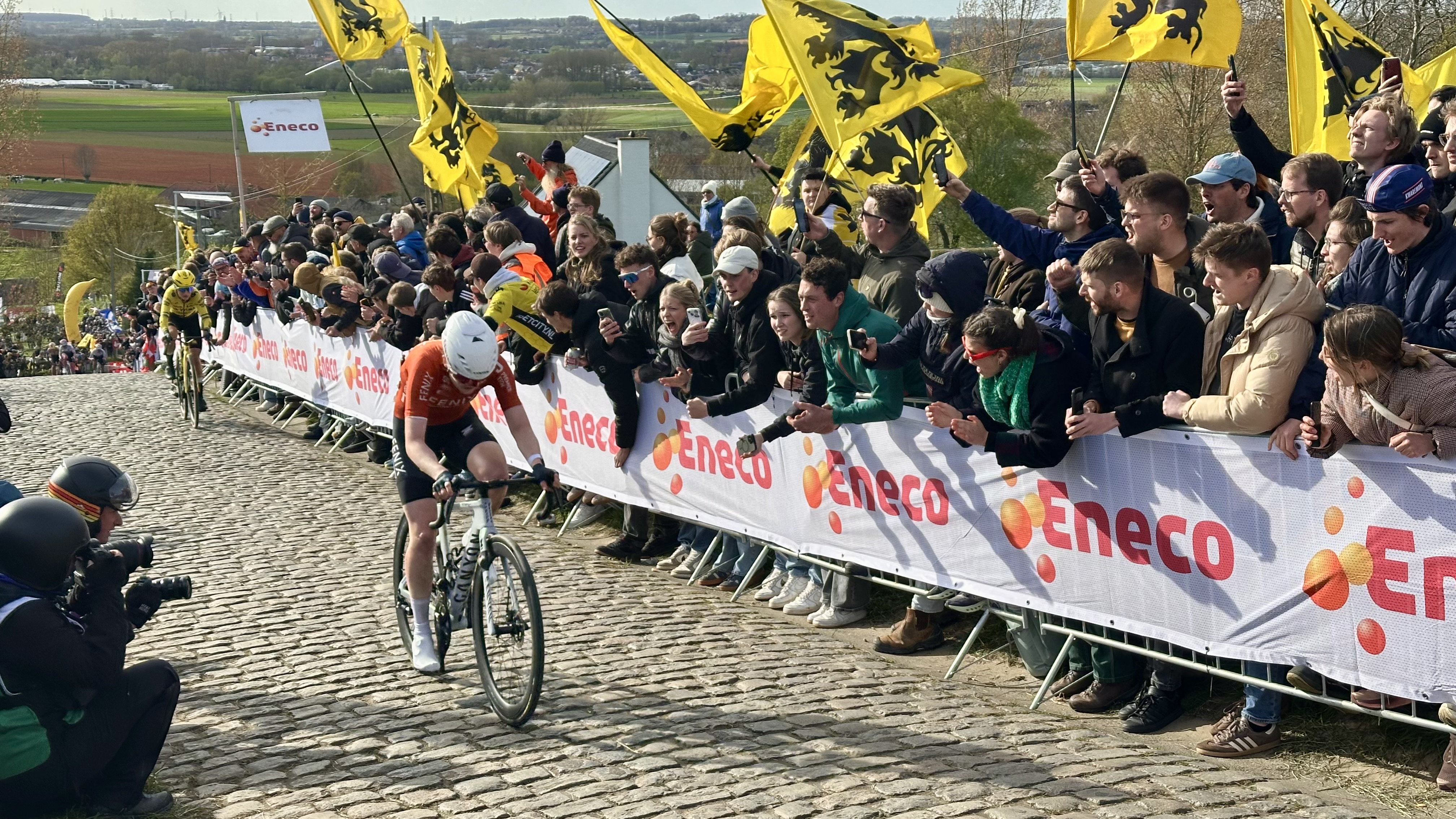
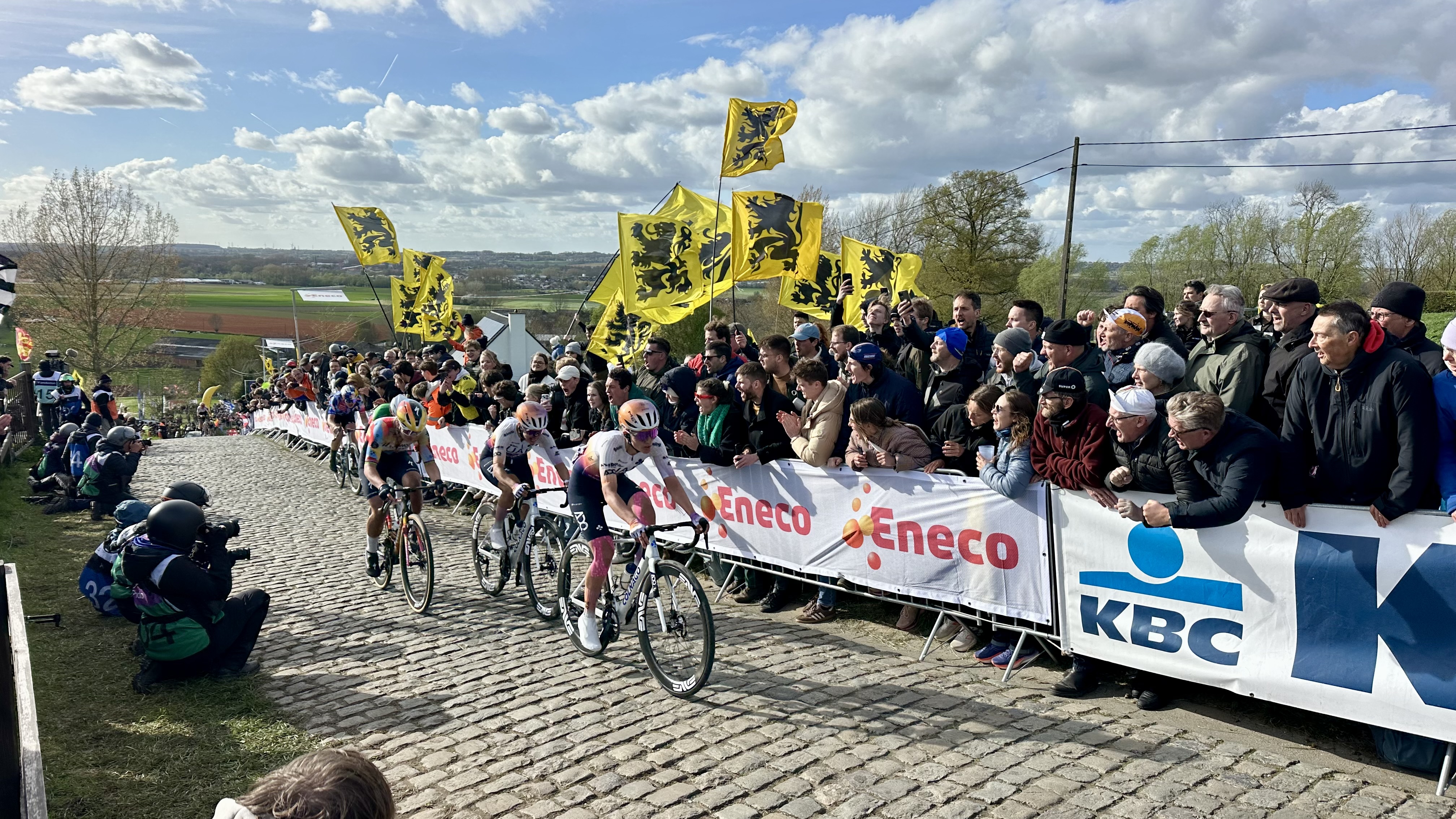
After the men’s peloton (split up everywhere) had passed and road declared open, a lot of folk started heading home – before the women’s race. I took the opportunity to head up the hill. This was a fantastic place to watch the women’s race – you could see the cyclists heading down the valley on Middelloopstraat towards the base of the climb (I could tell Demi was in front from her distinctive kit) and then the atmosphere at the top was pretty cool. Food, beer, toilets and a big screen to watch the race were all available so I was able to stay to watch the finish. The views were also fantastic.
Cycling parts of the route
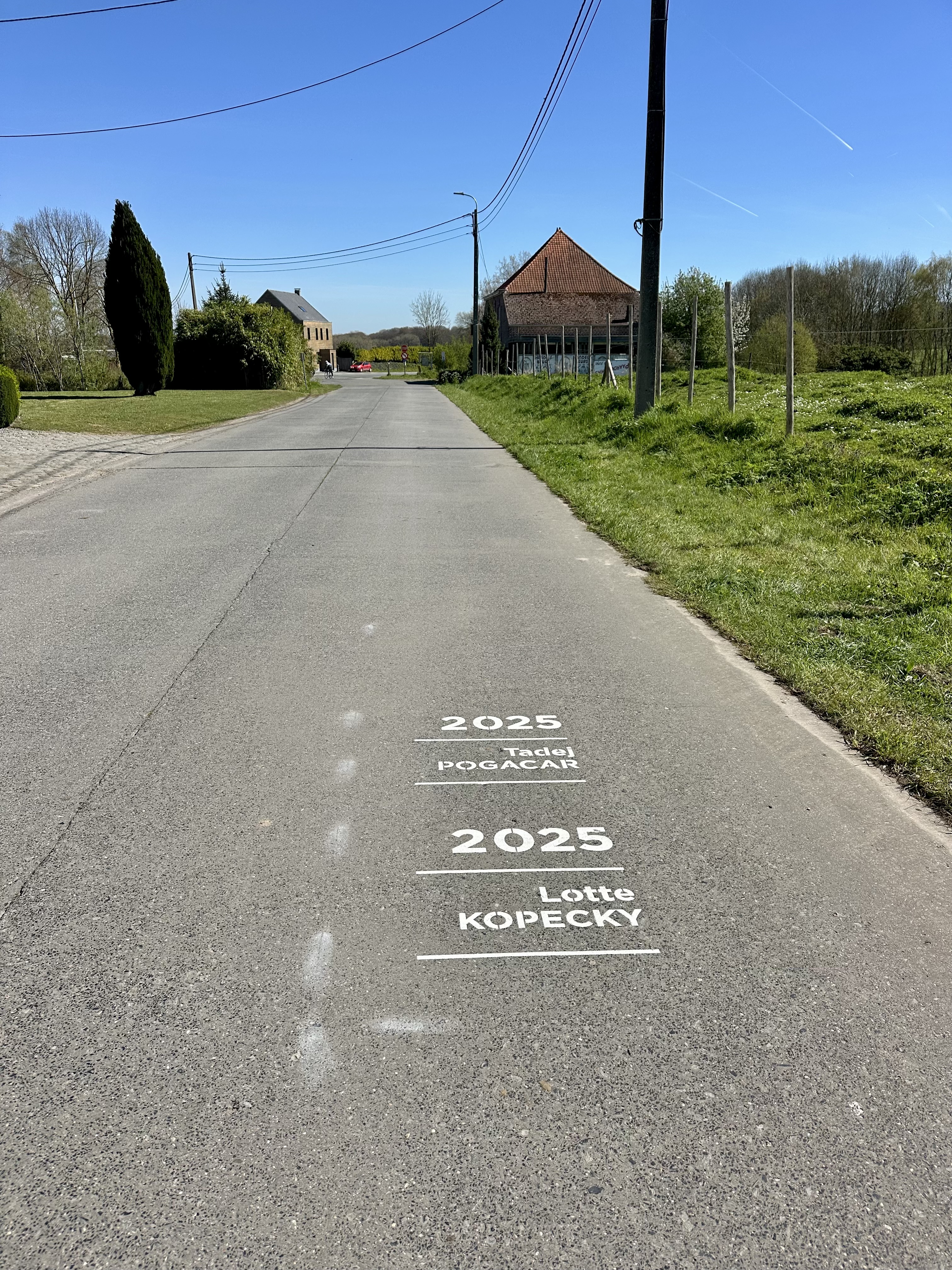
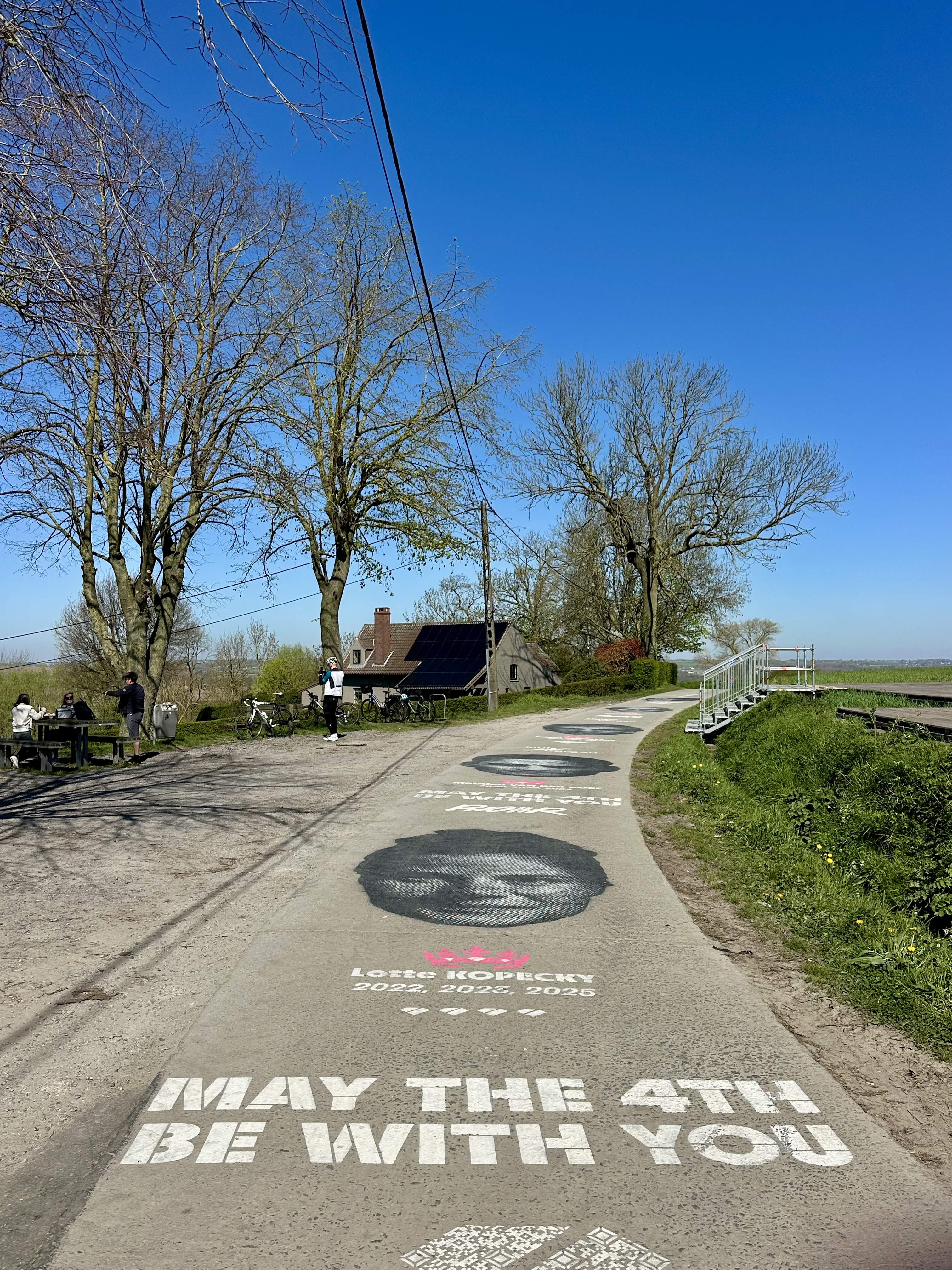
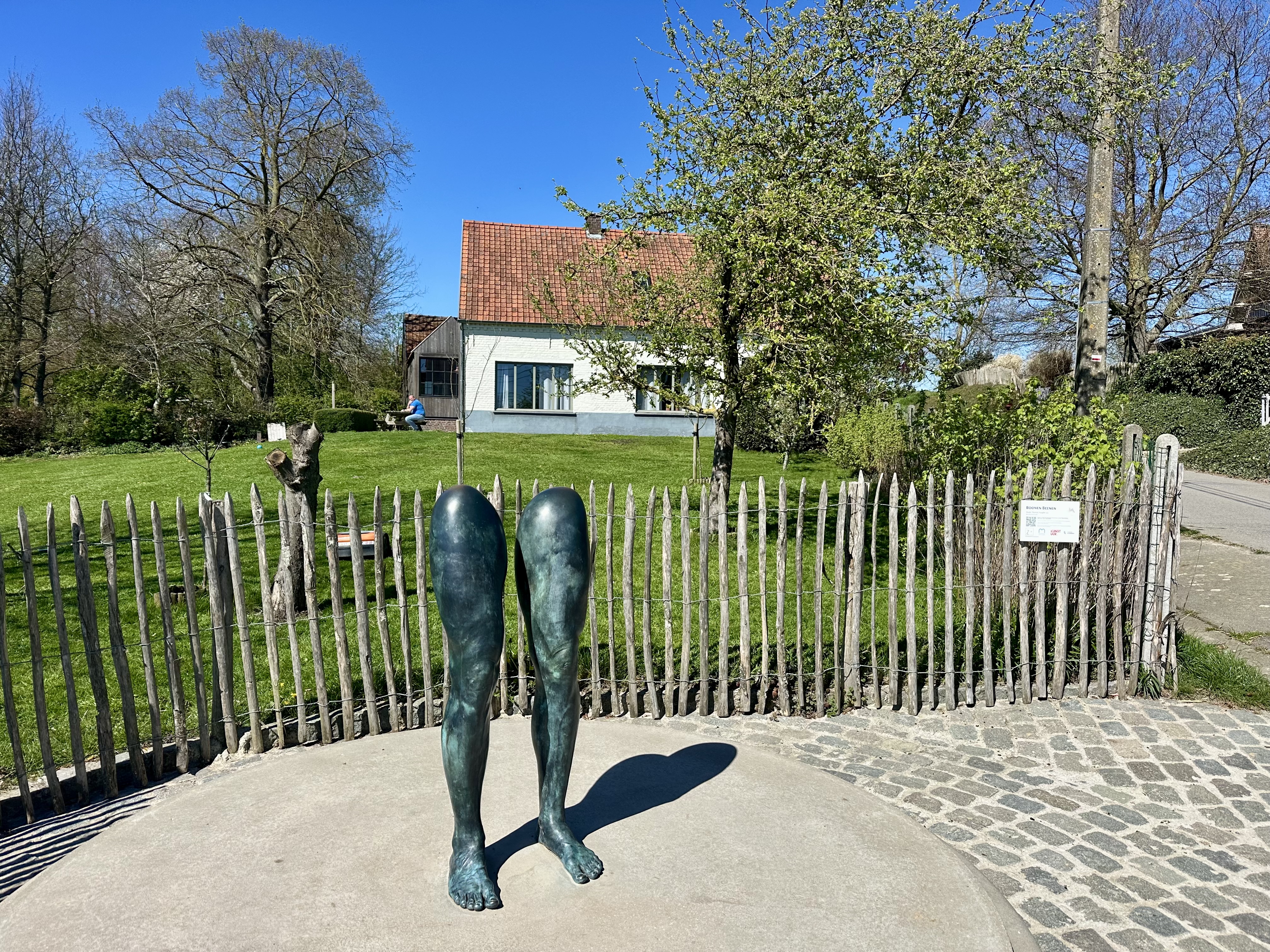
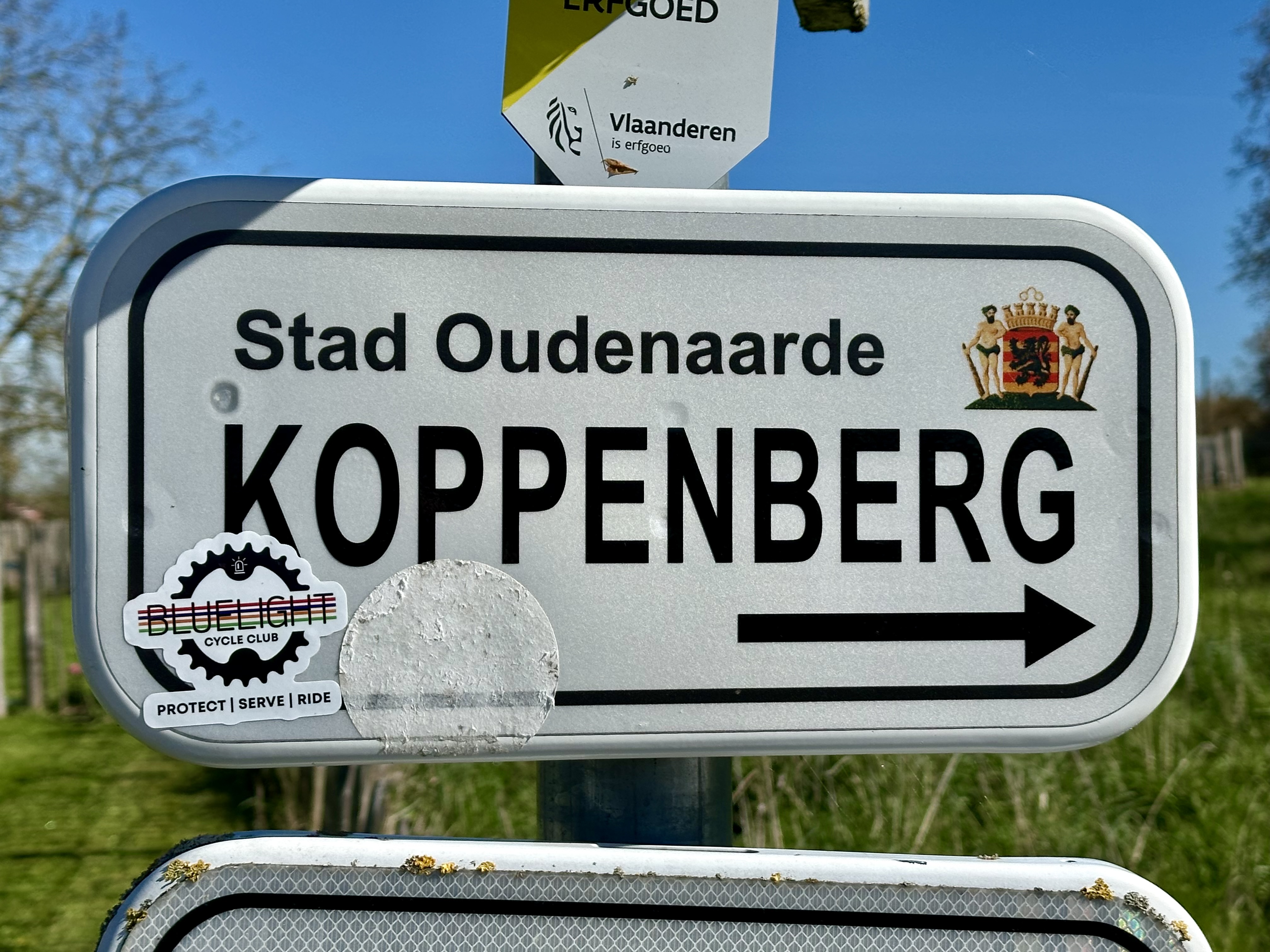
The day before Tour of Flanders is the sportive, but after the race the route is completely clear to explore at your leisure. It is great to cycle and find some of the ways in which local heroes are celebrated (e.g. Lotte Kopecky’s face and Tom Boonen’s legs) and previous winners highlighted with names on Ronde van Vlaanderenstraat (Tour of Flanders Street).
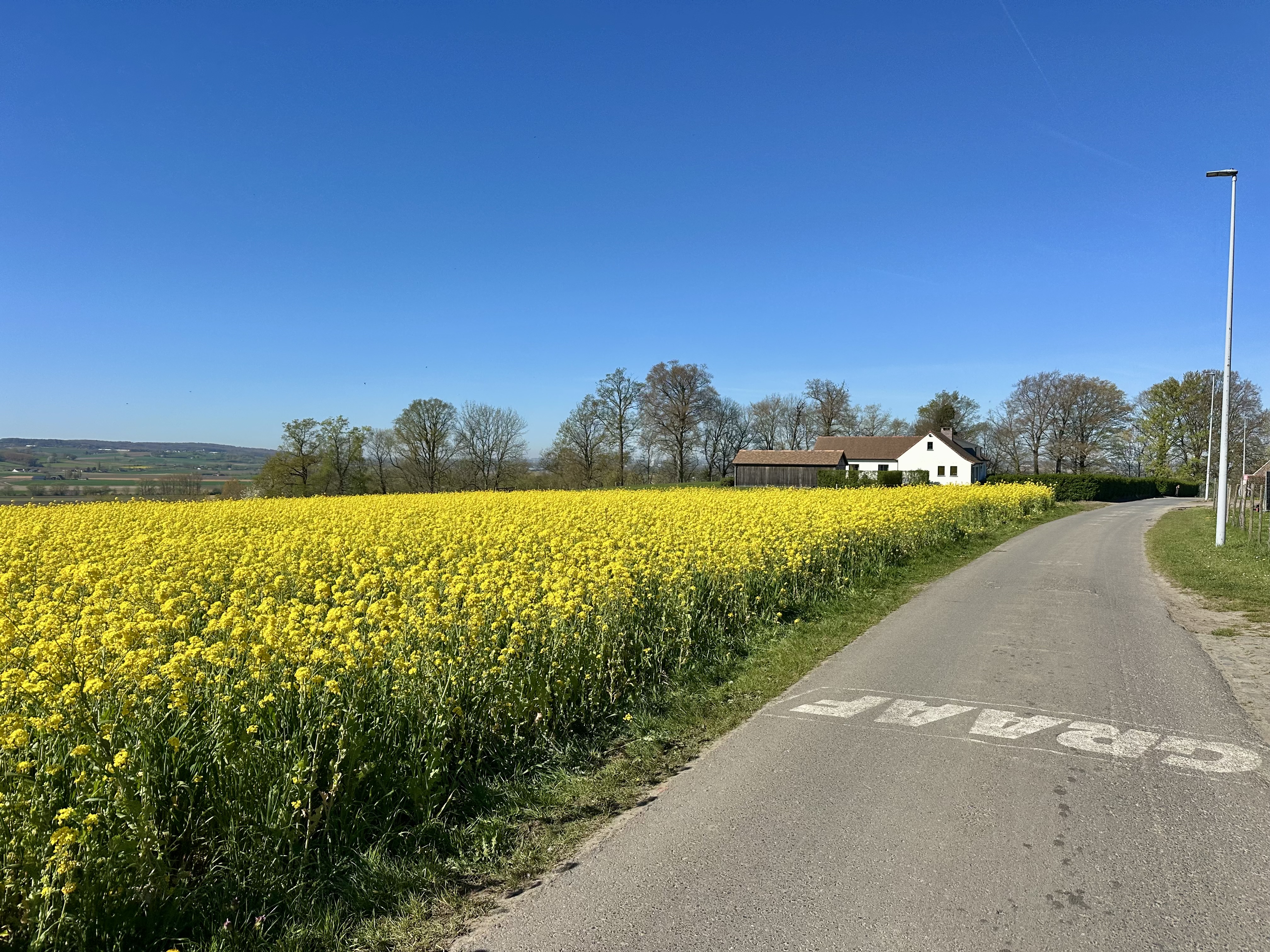
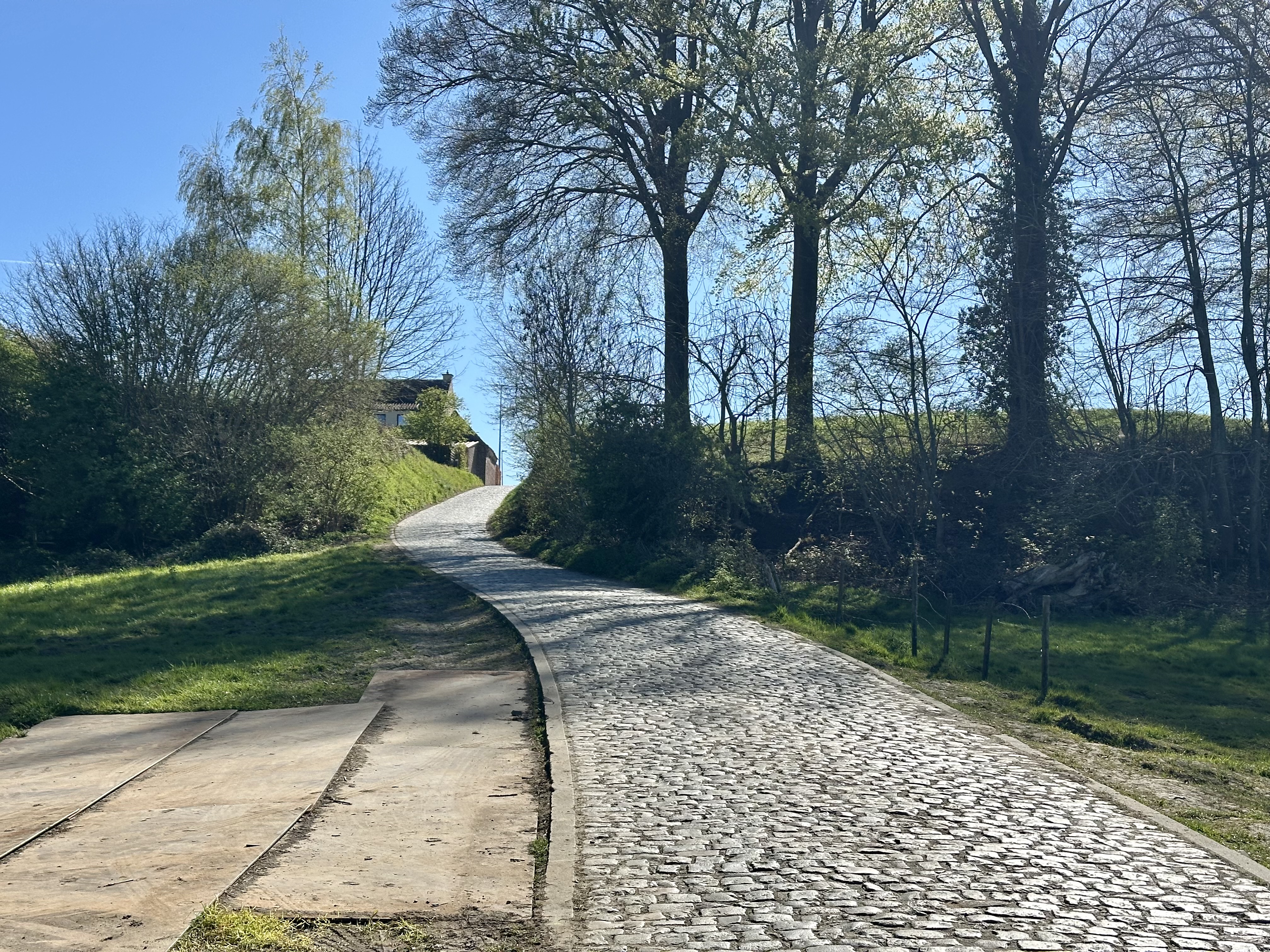
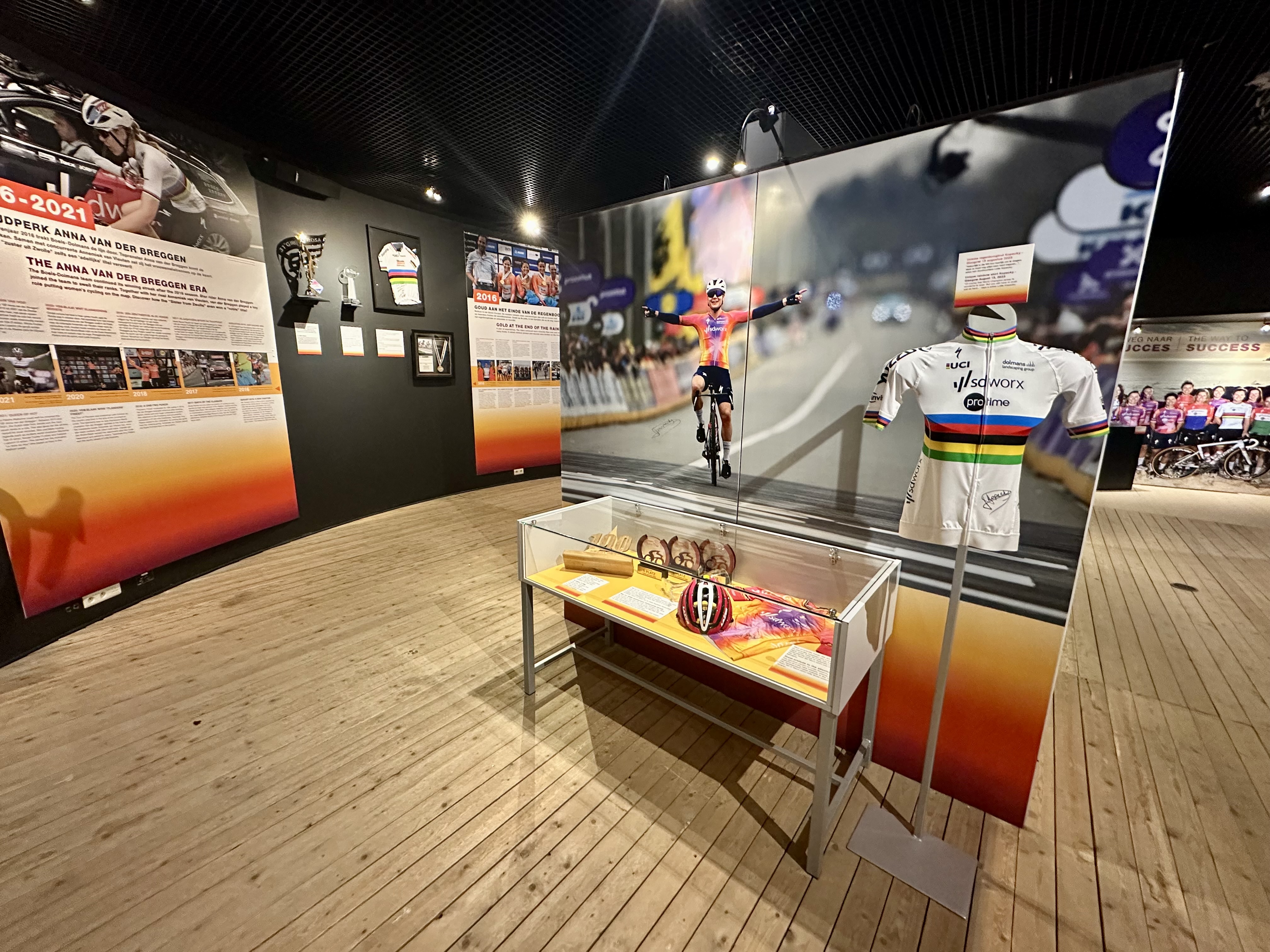
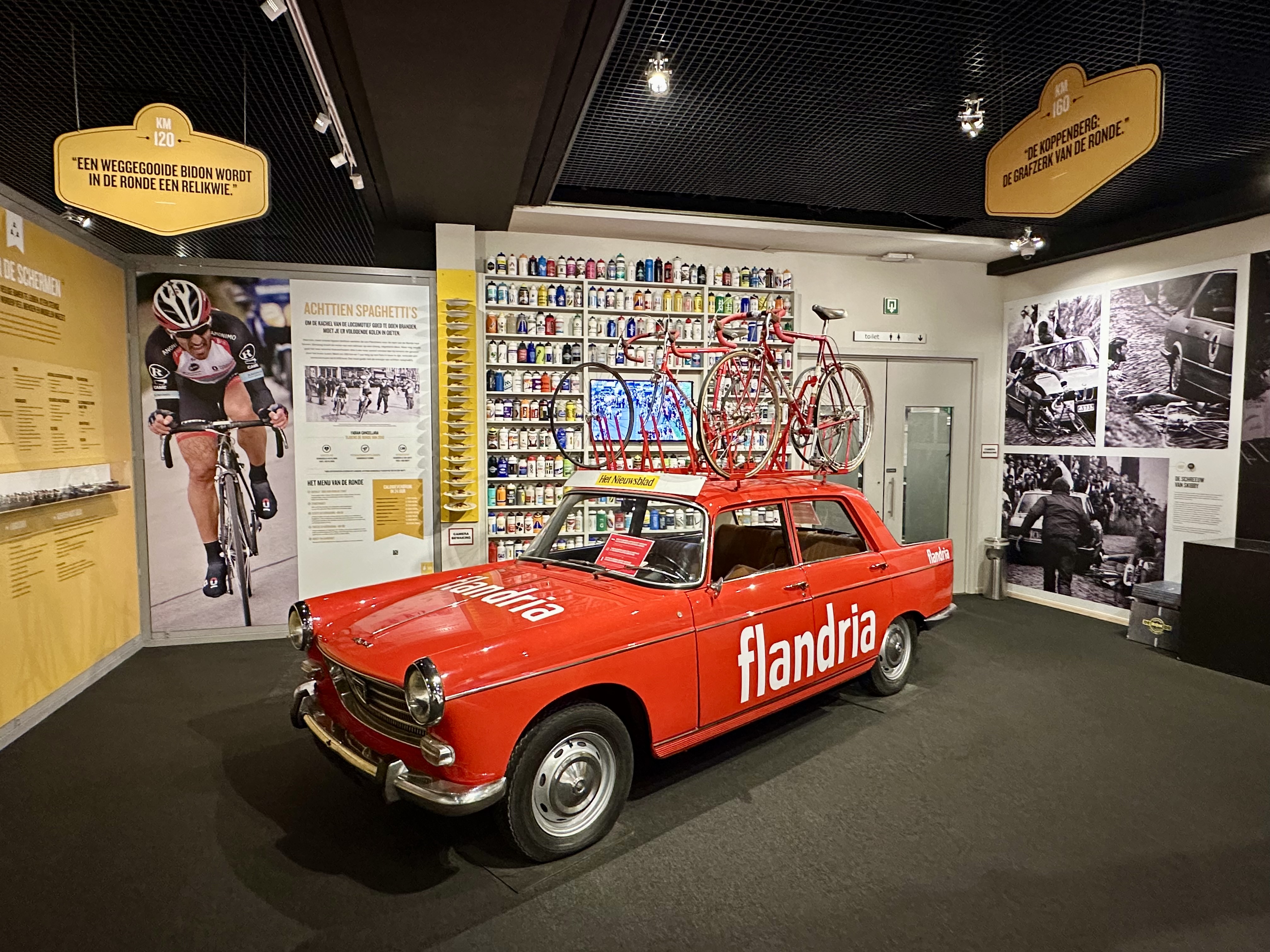
You can take your own time to cycle up and down iconic climbs, but I also recommend a visit to the Tour of Flanders Centre. It is a pretty cool museum that explains the history of the race as well as celebrating some great Belgian cyclists. It also has a great cafe attached – it is obviously a favourite with local cyclists.
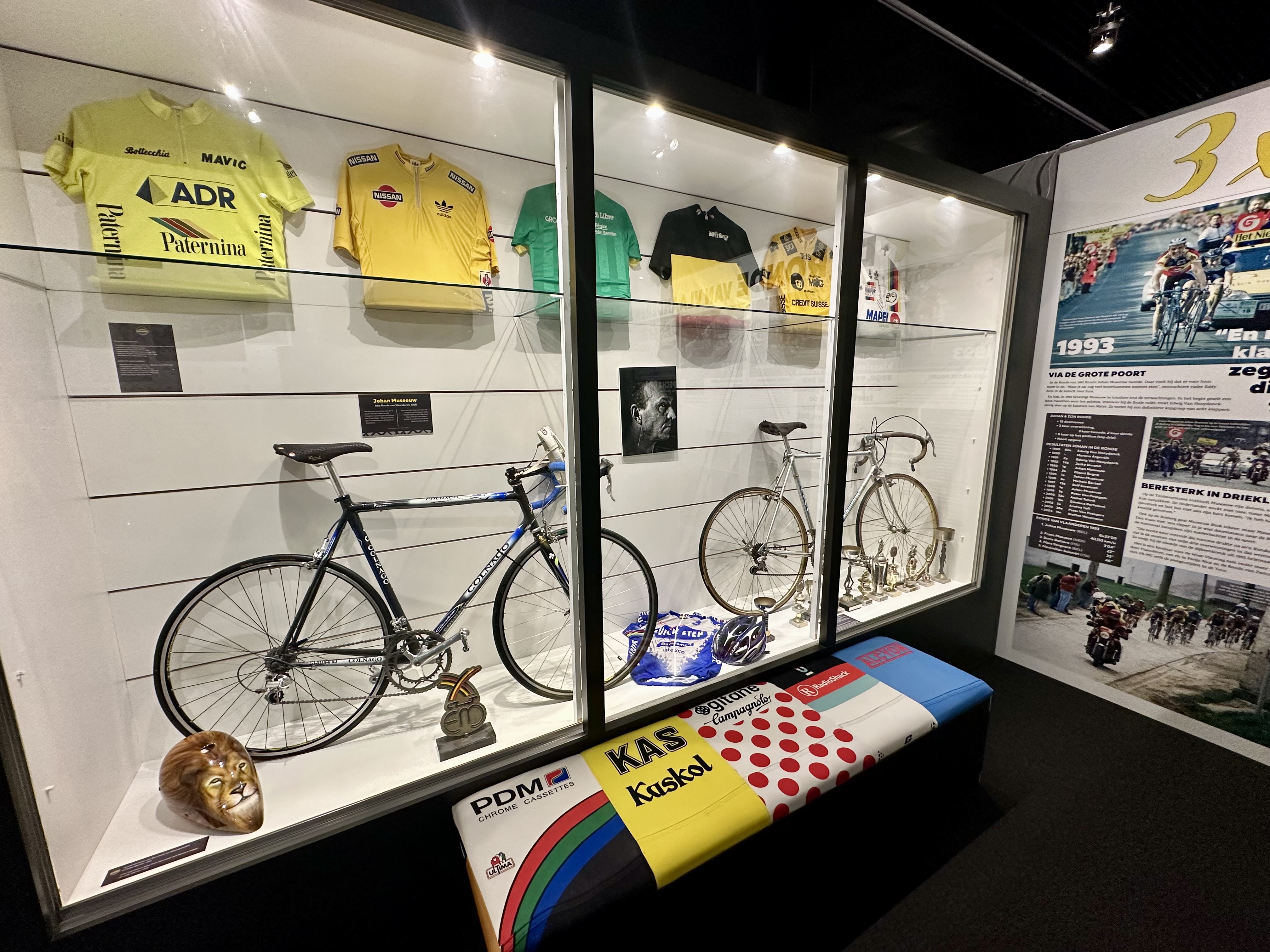
Paris-Roubaix
The ‘Hell of the North’ is a little more challenging to watch in multiple locations as it doesn’t loop around like RvV. So picking a good viewing spot is key.
Watching the race
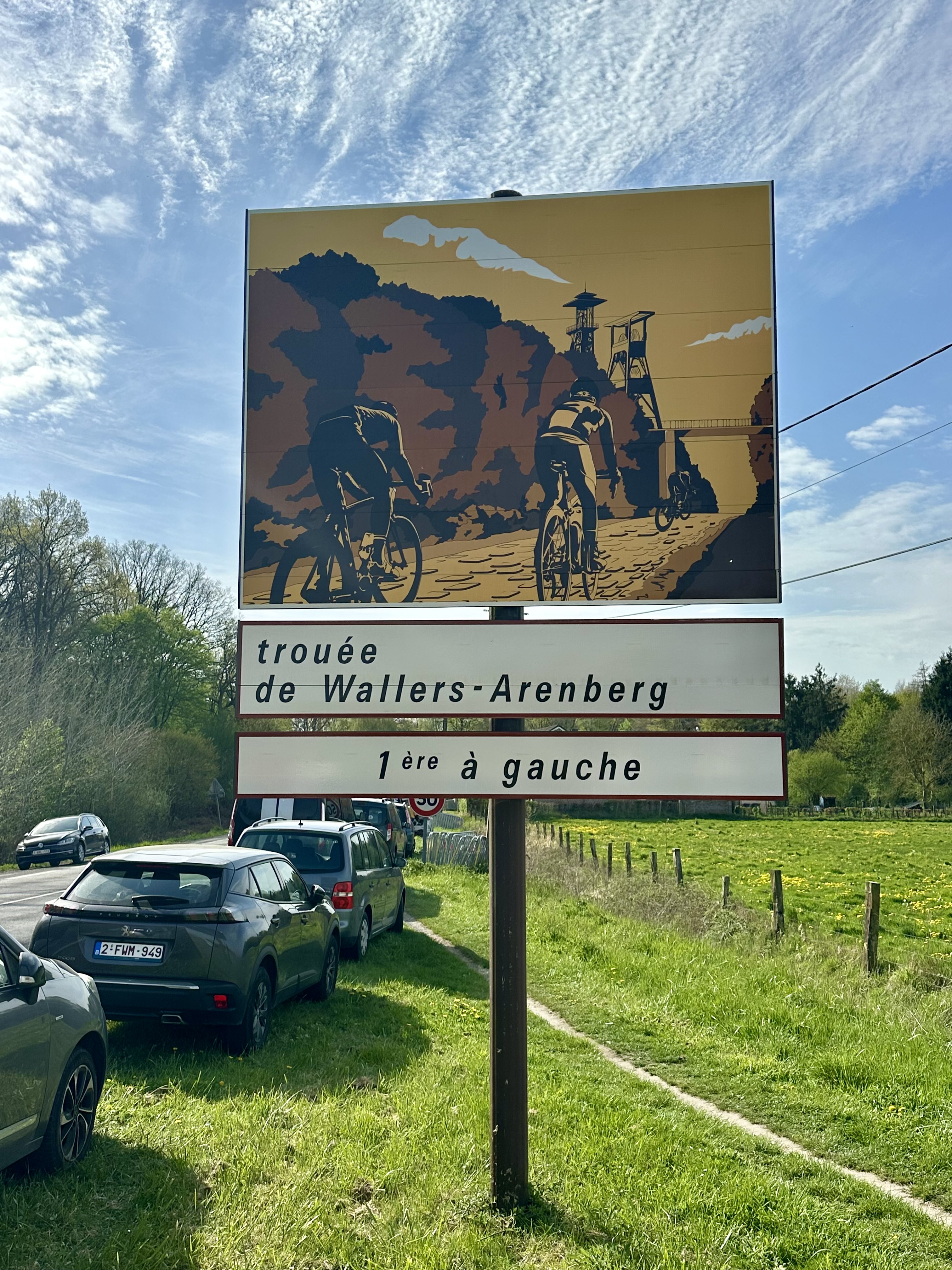
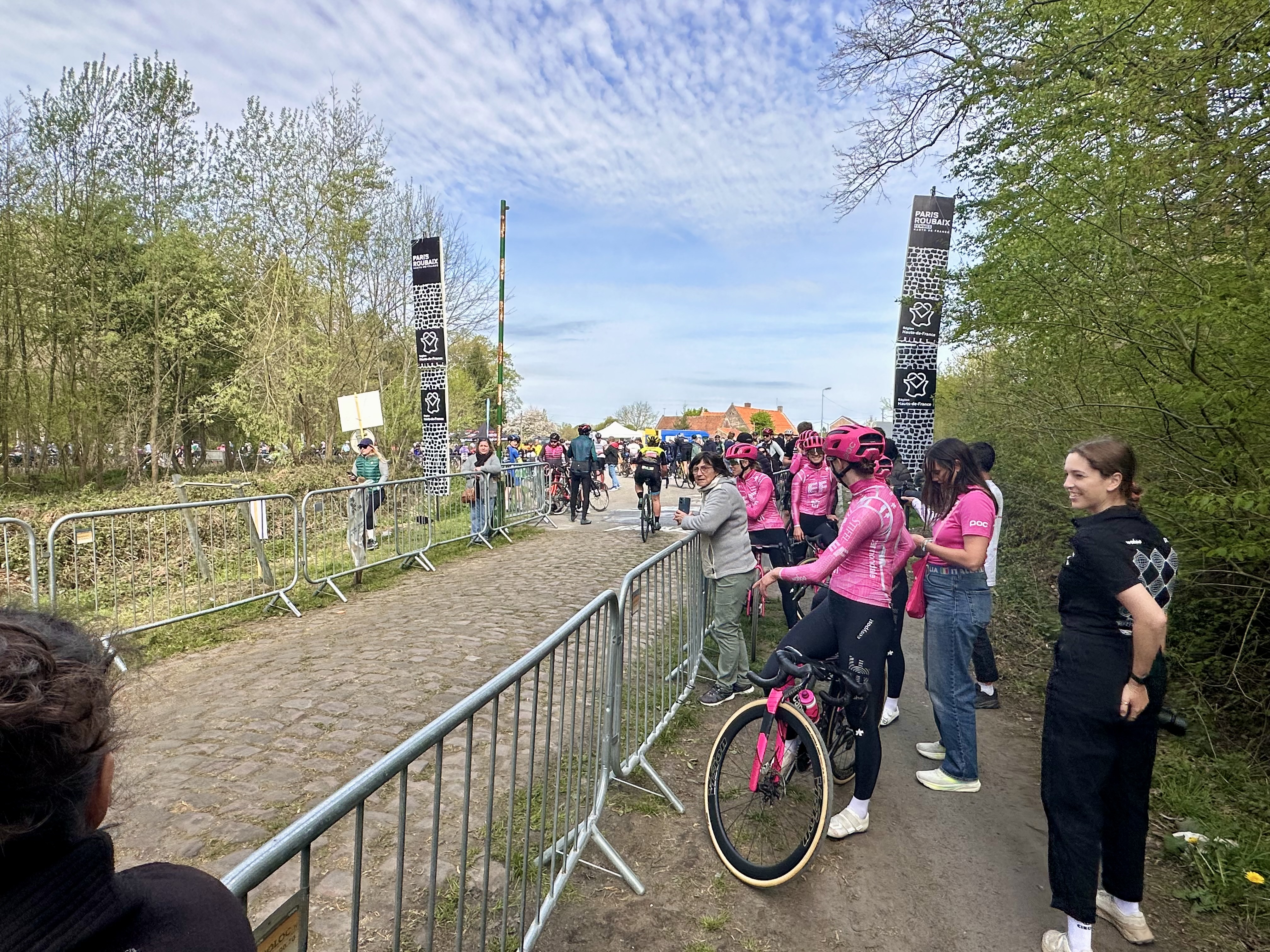
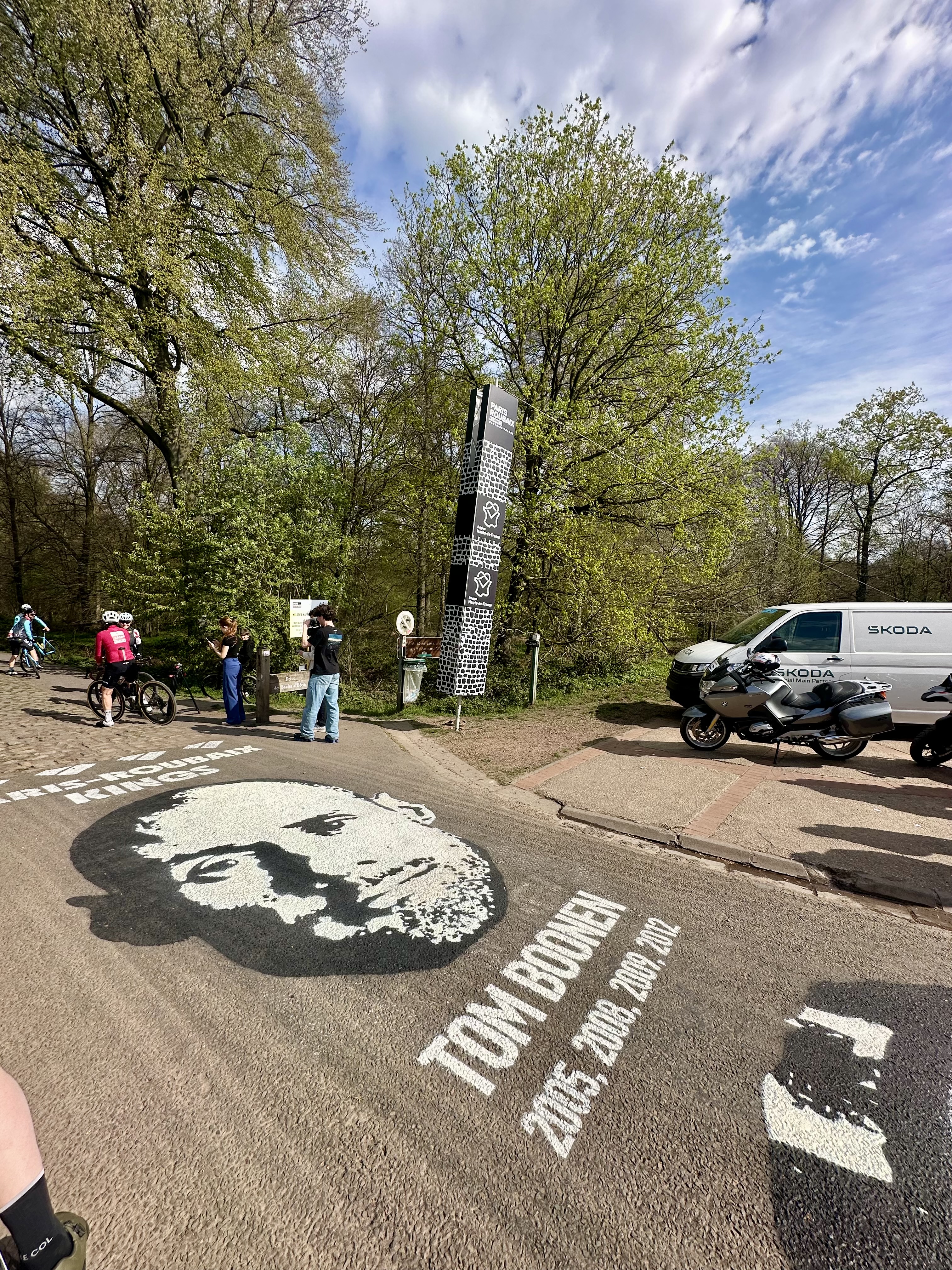
Without being a race expert, it does seem that the most iconic places to watch Paris-Roubaix are the Trouée d’Arenberg and the velodrome. These locations are crazy busy and, in the case of the Arenberg, not useful for viewing the women’s race (at least in 2026, they did not cycle this part of the men’s route).
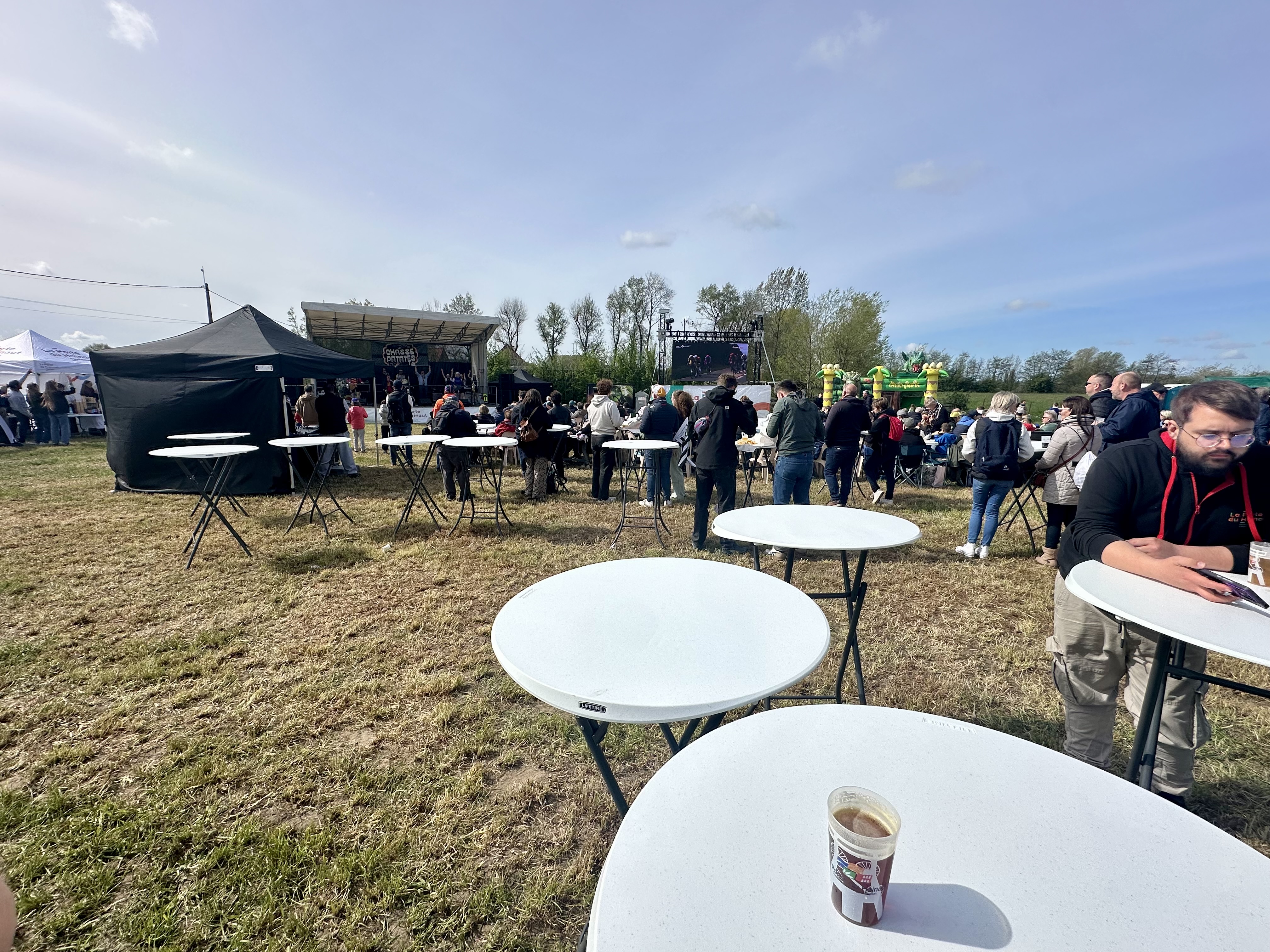
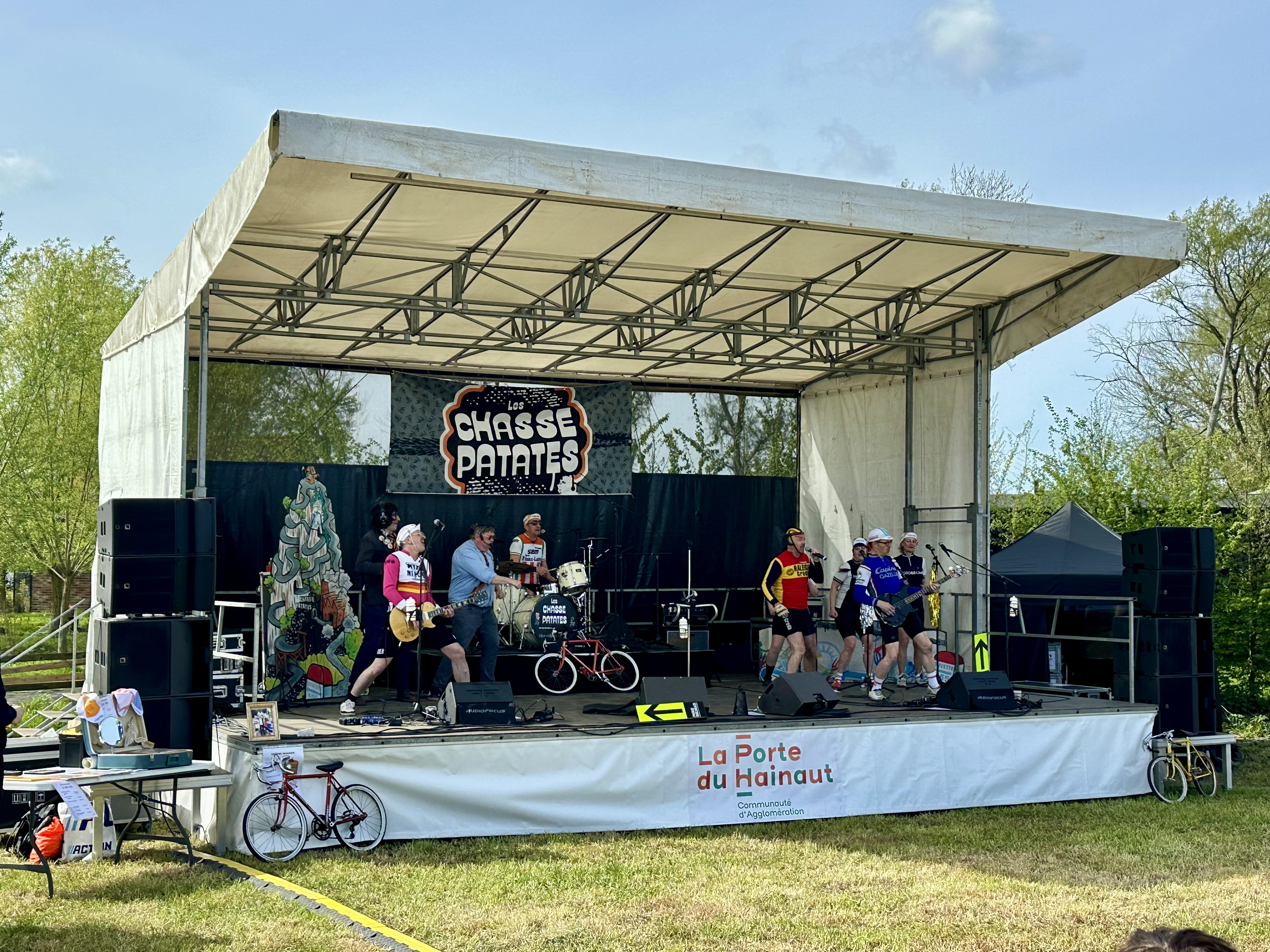
CyclingGravel decided to check those locations out on other days (it is totally worth that, see below) and go somewhere else: Sars-et-Rosières was the choice at the end of cobbled section #15. This proved to be a really fun day. There was a band playing with a decidedly cycling bent (Chasse Patates means more to cycling fans than the literal translation suggests), a big video screen and beer and food on offer. Then, before the race came through for both men’s and women’s stages the crowd poured out to the cobbles to watch, and then returned to watch the finish on the screen. Suffice to say Wout van Aert was a popular winner.
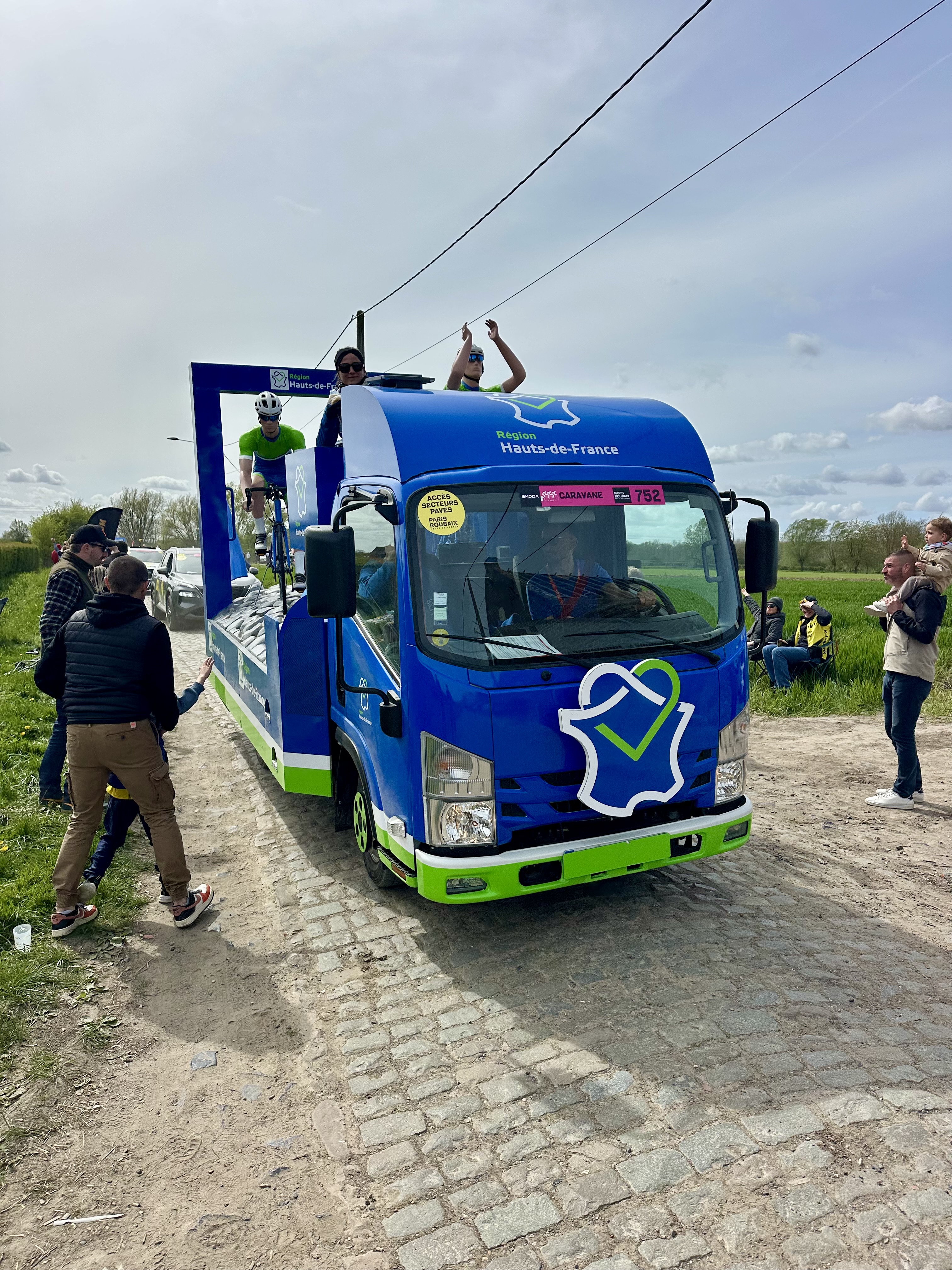
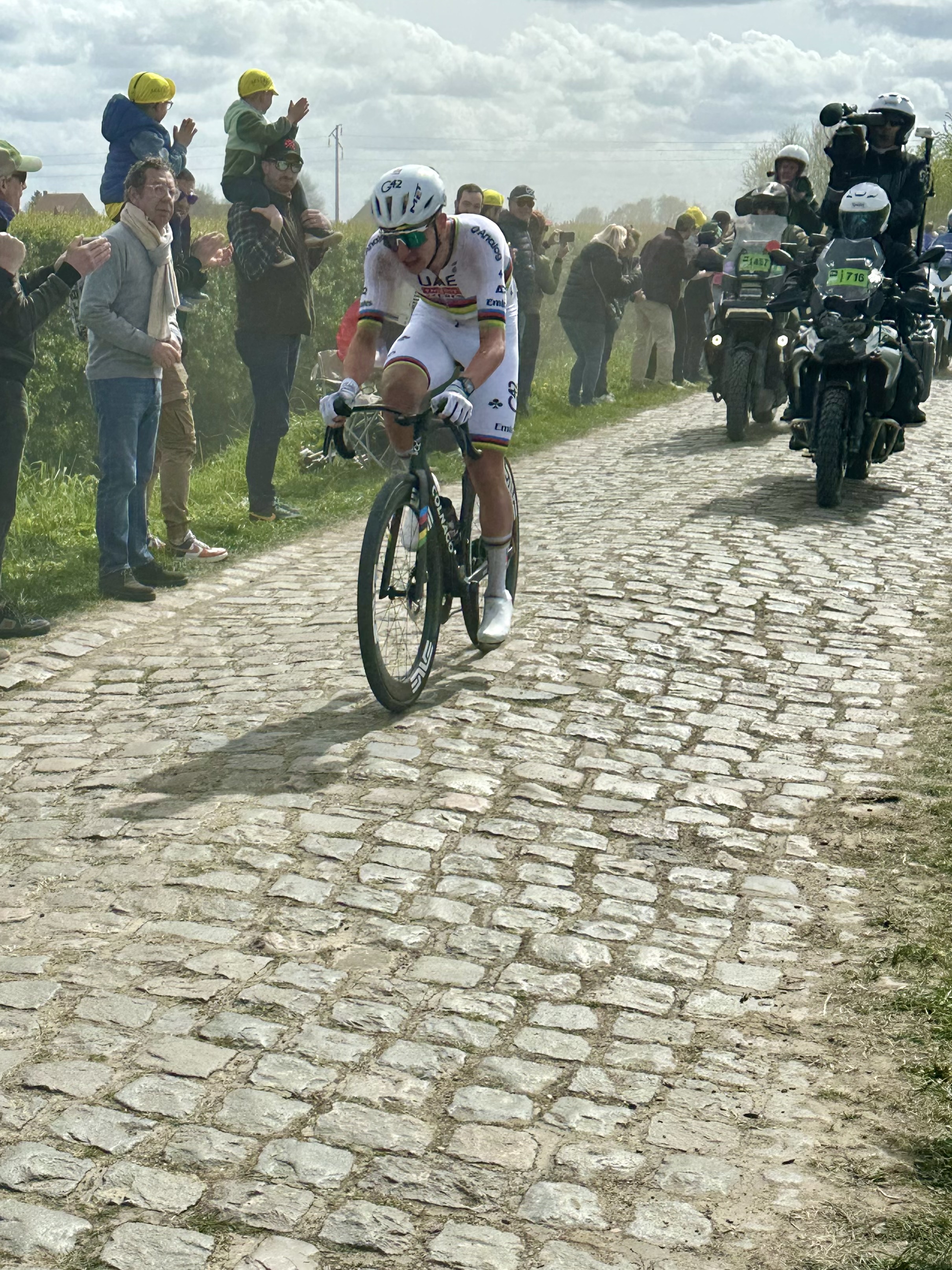
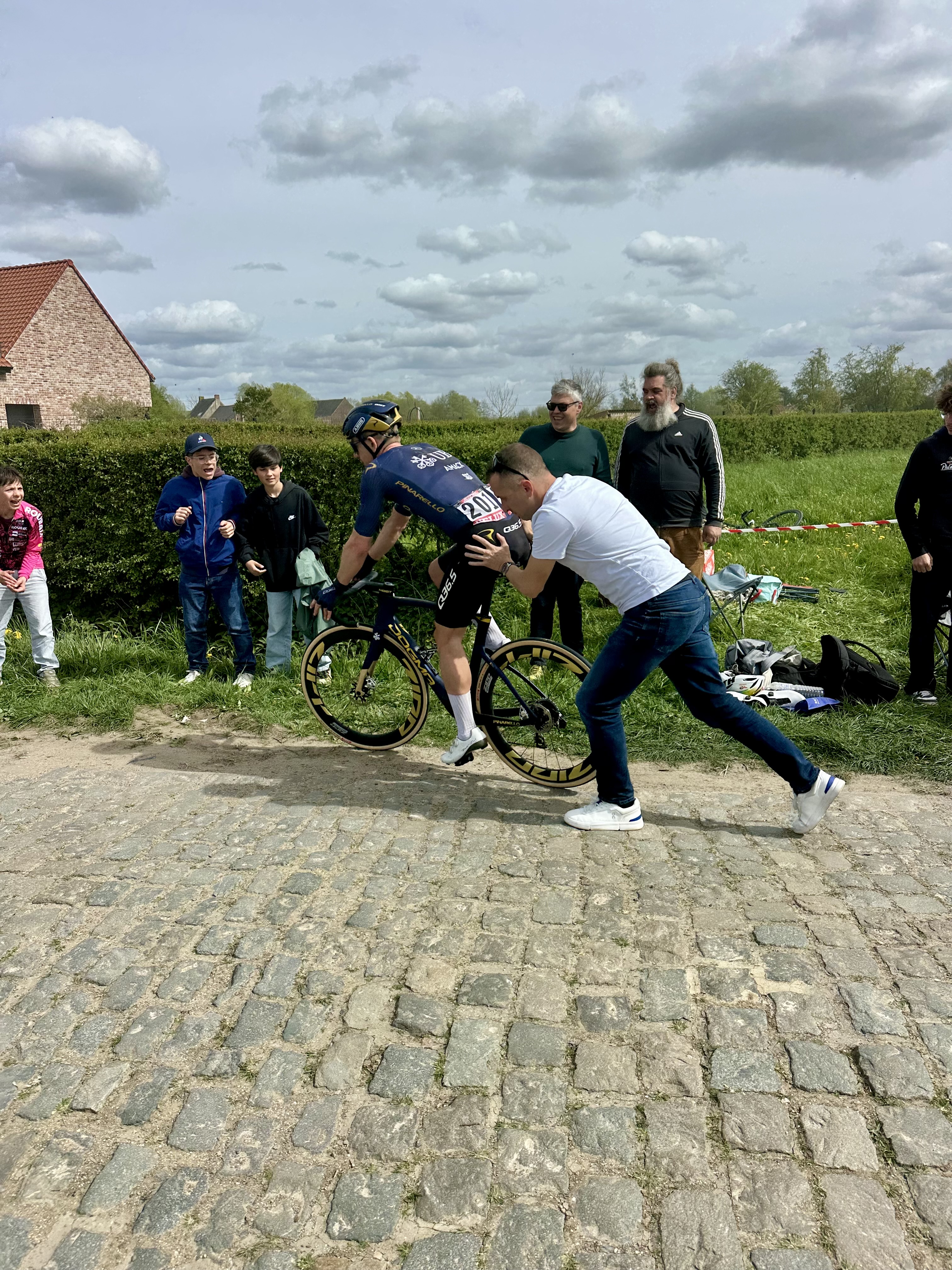
To make this work, CyclingGravel stayed in Saint-Amand-les-Eaux – this was a great location to be based not far from the Arenberg and many other cobbled sectors. It had a real advantage of being close to the race but seemingly not affected by crowds or cost increases for the weekend.
Cycling parts of the route
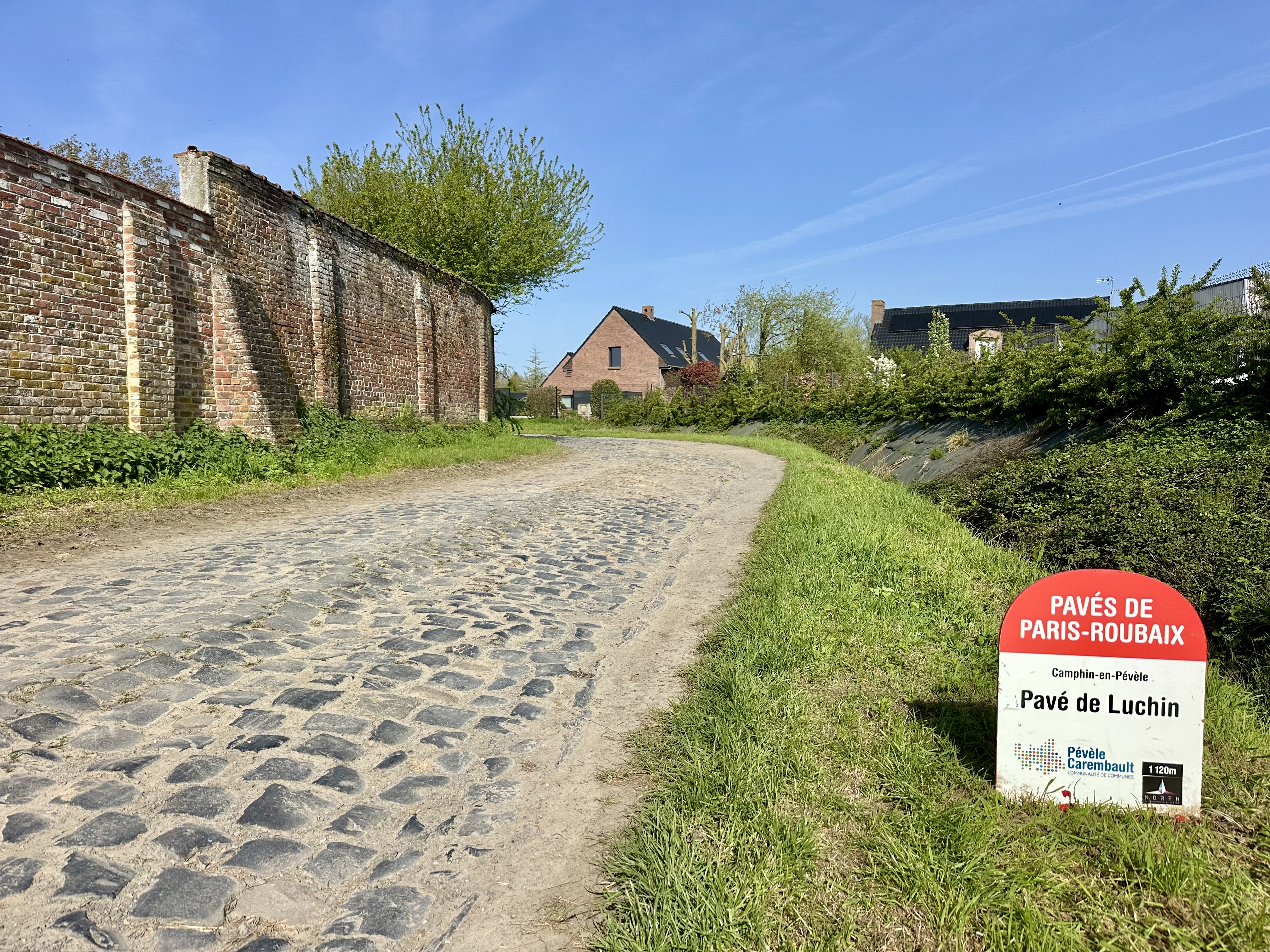
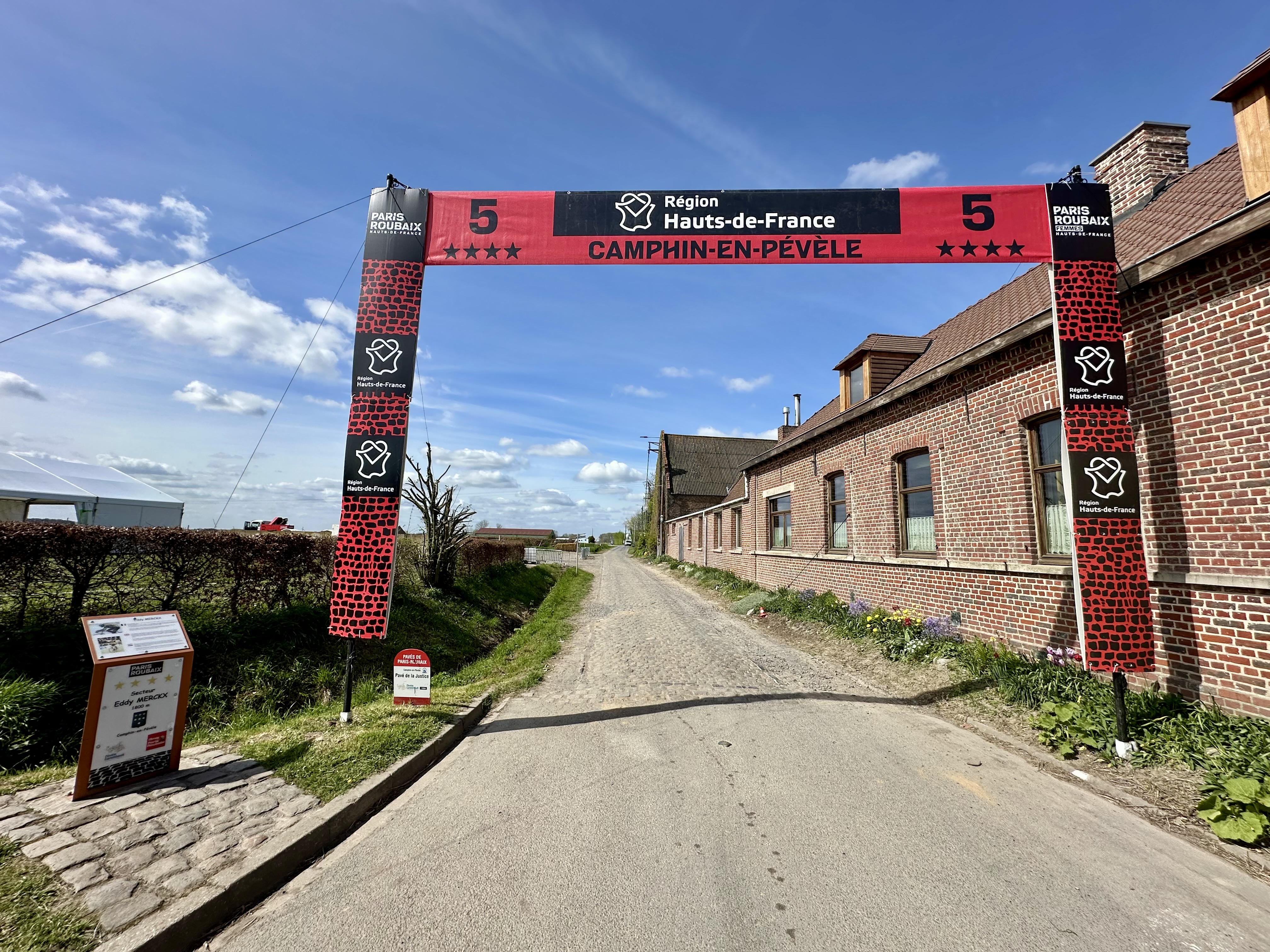
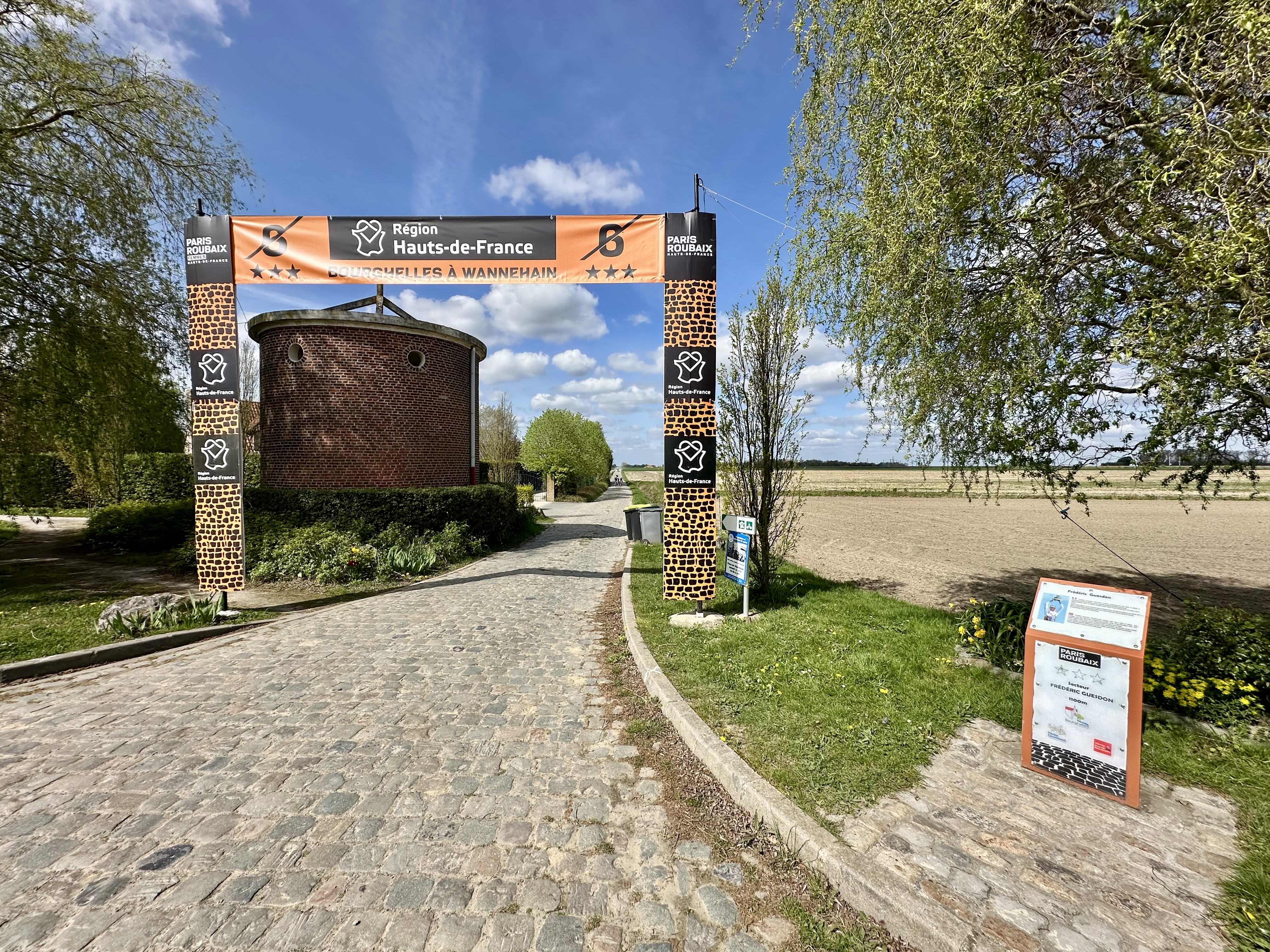
Similar to the Tour of Flanders, the Saturday prior to the race offers a sportive for amateurs to experience the ‘hell of the north’. There were a lot of very unhappy looking cyclists this day….
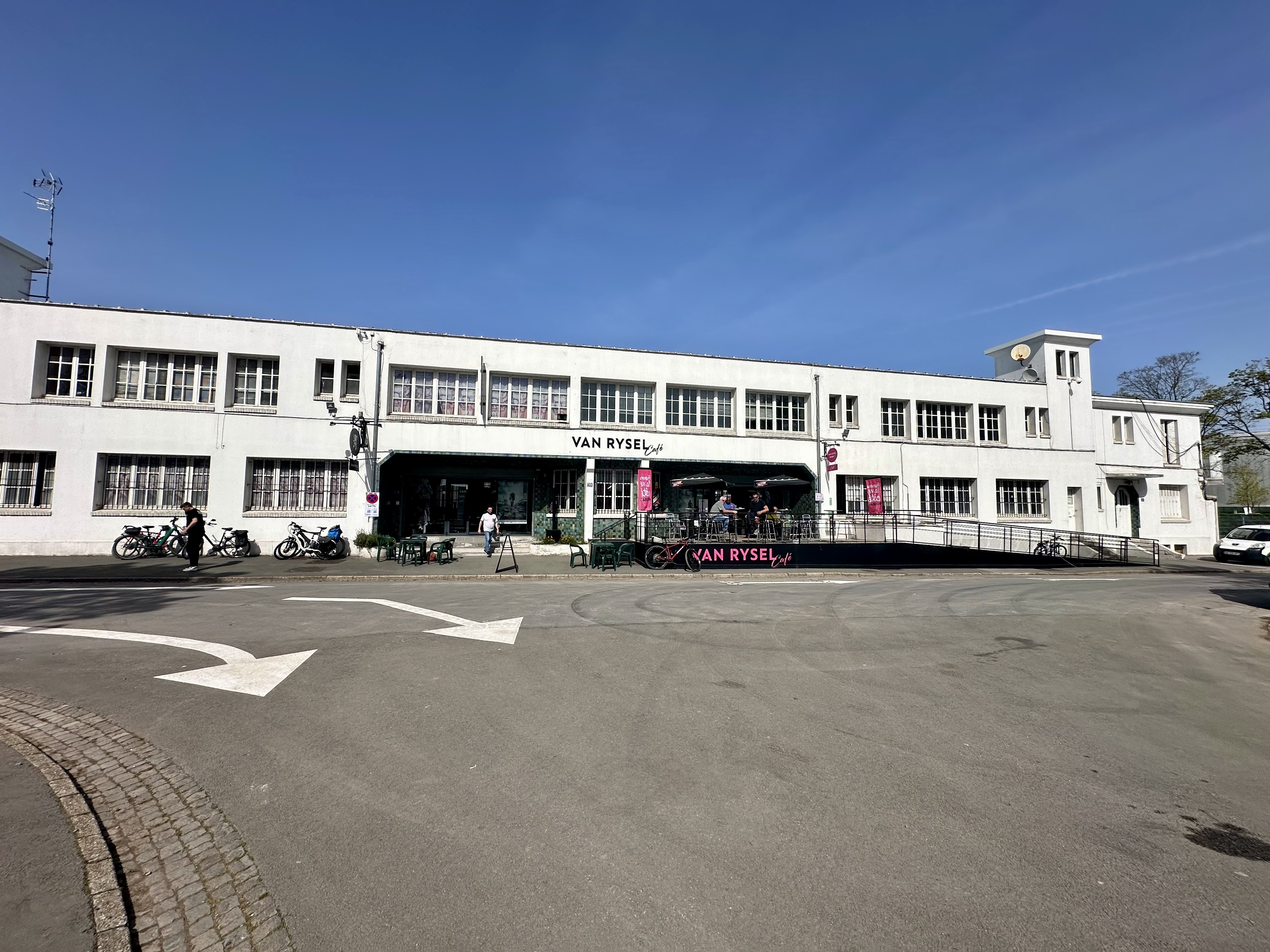
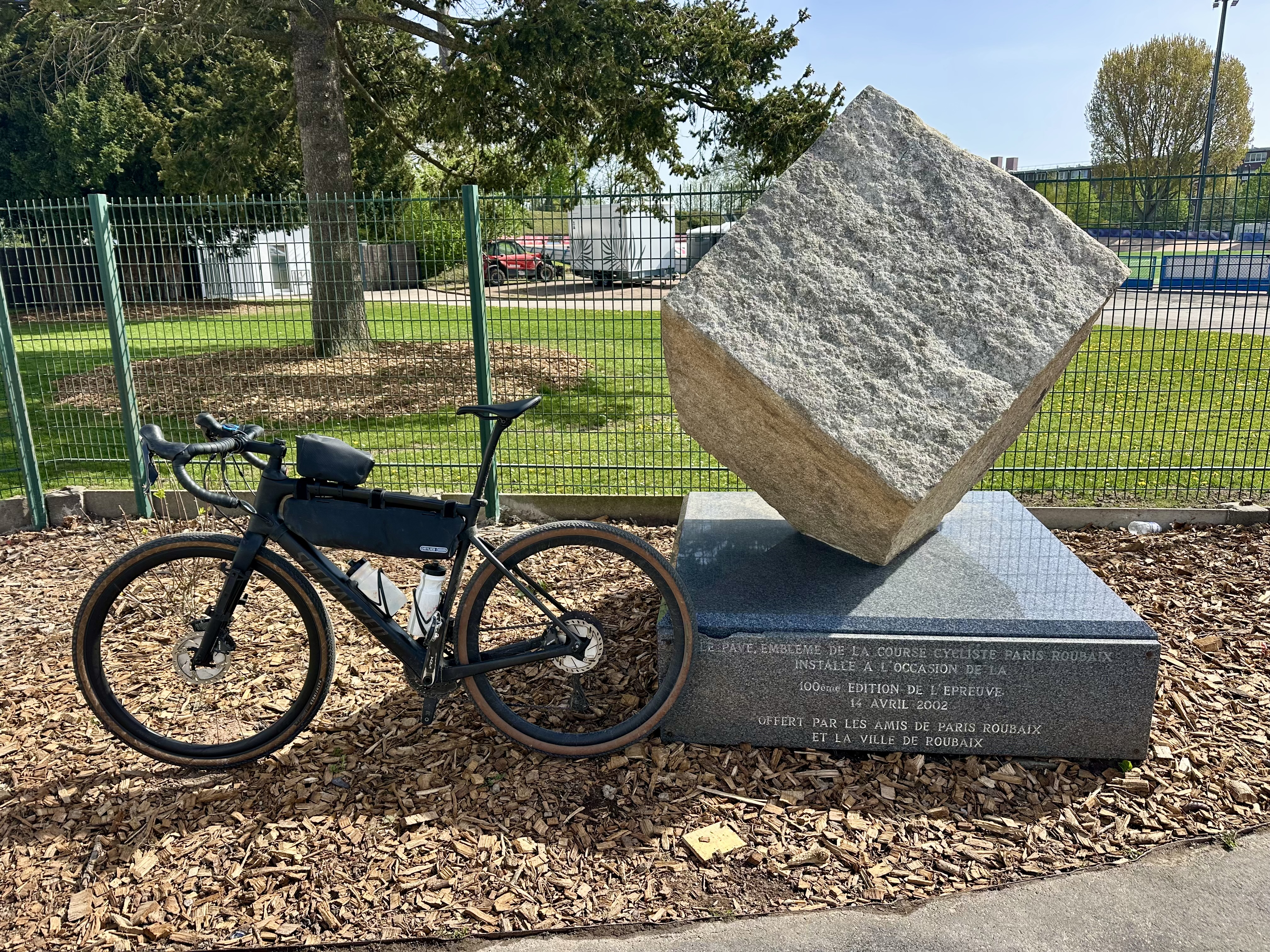
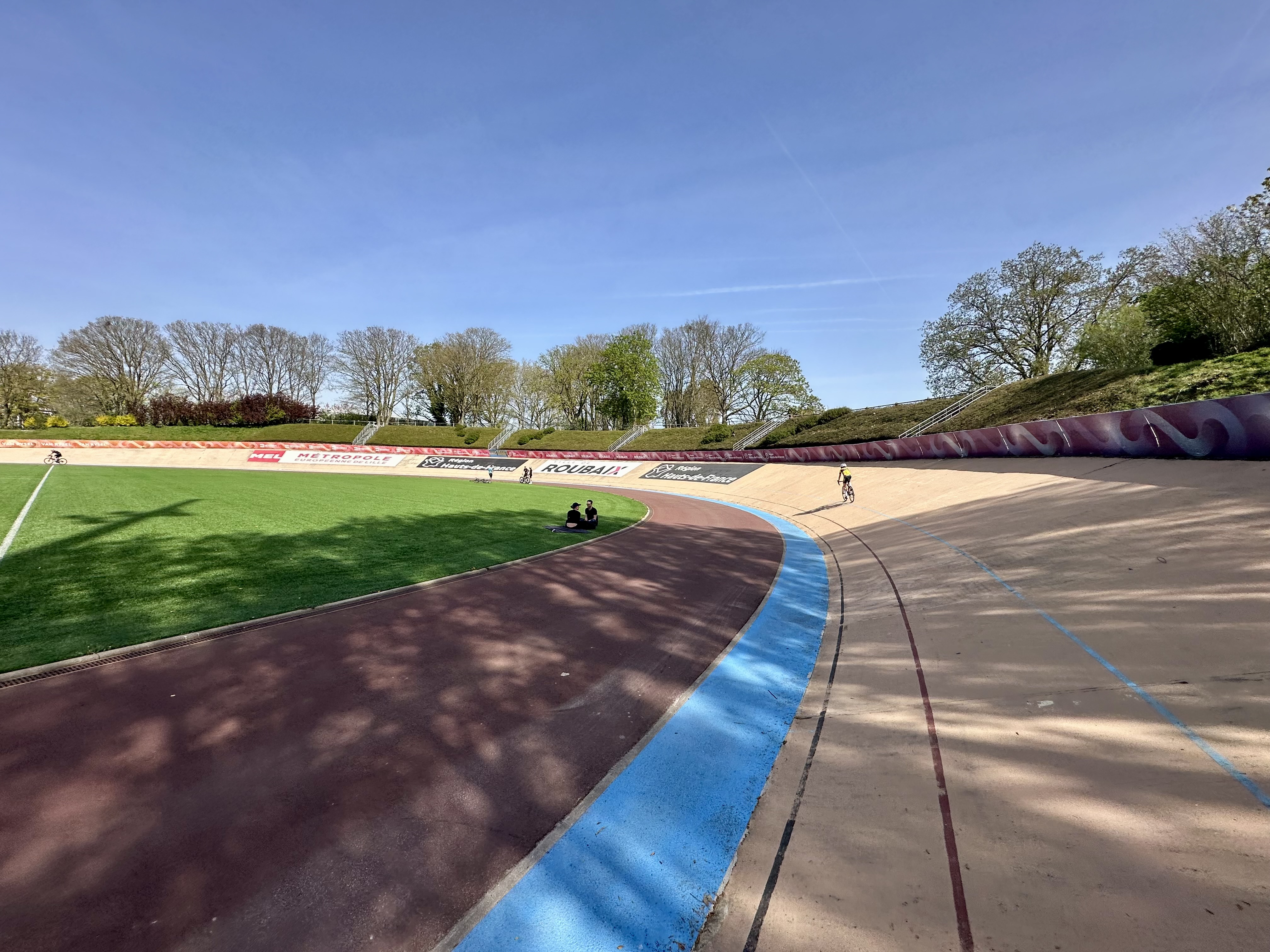
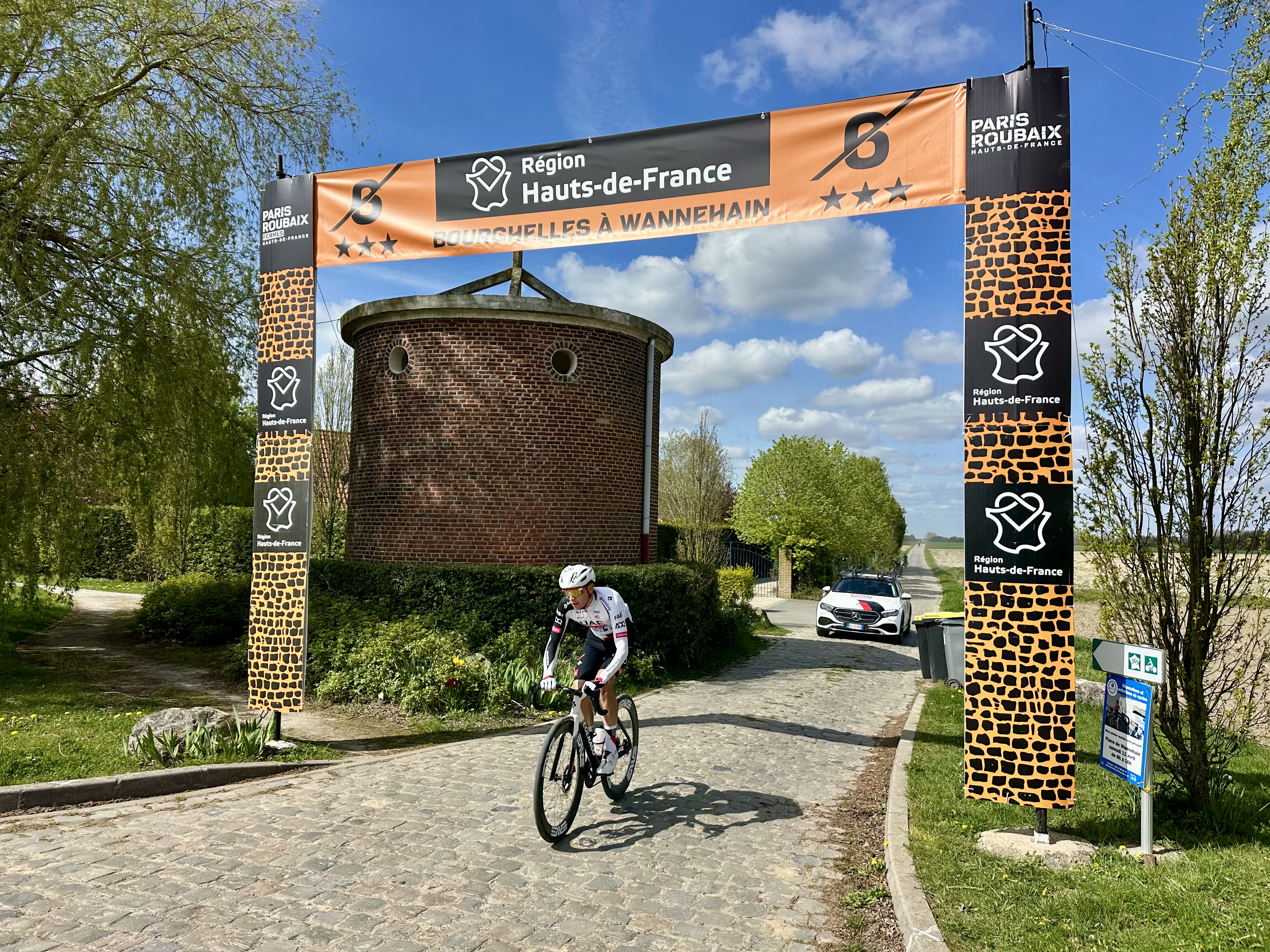
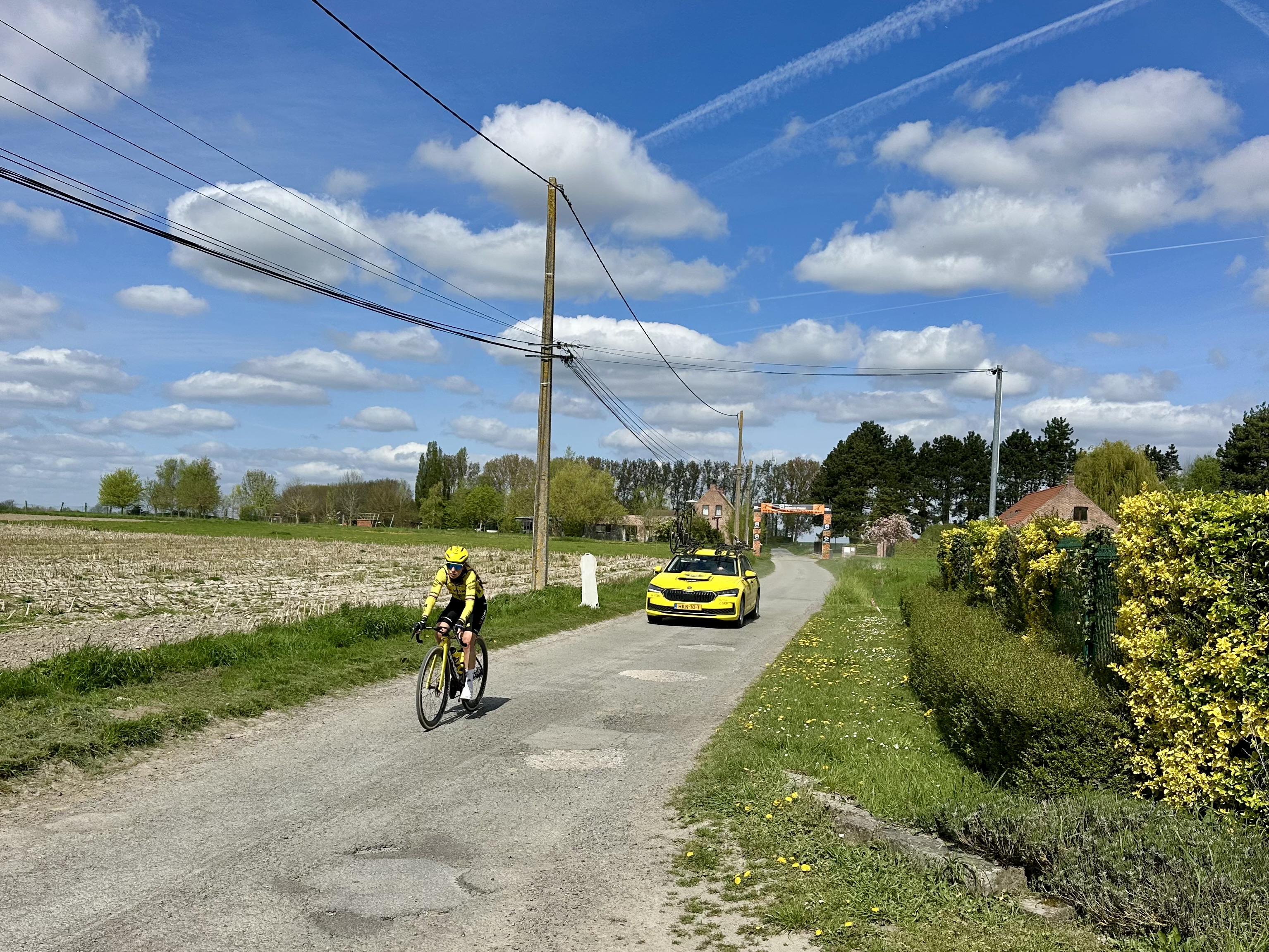
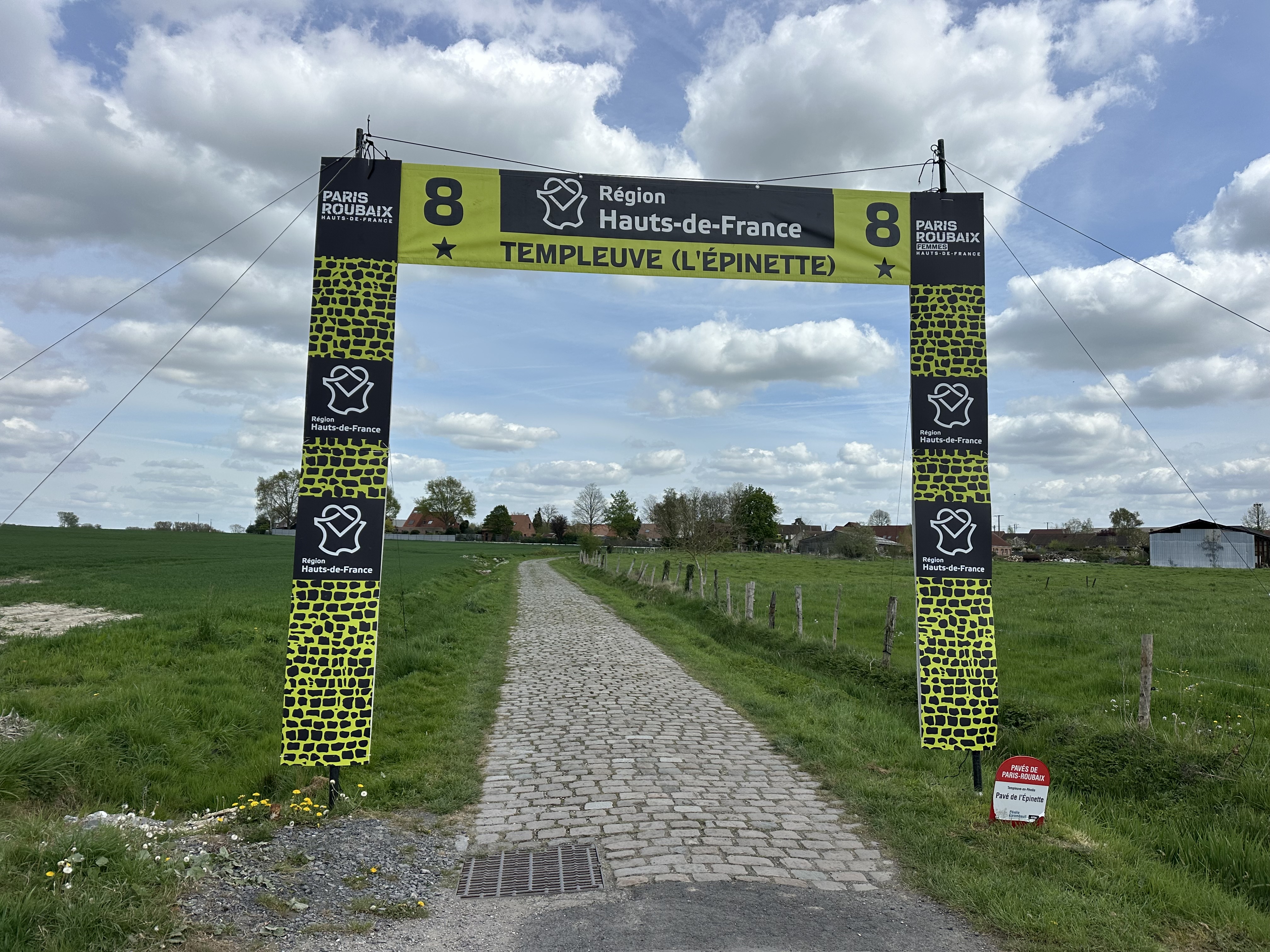
Instead, CyclingGravel took the opportunity to cycle parts of the route on the Thursday and Friday prior. This was perfect – the route markings were out but you could cycle as you’d like with little interruption (other than professional teams and individual superstars out for a training run, which was pretty cool). It was also possible to cycle around the Roubaix velodrome and check things out. Awesome.
Dwars door Vlaanderen (DdV)
In addition to the two monuments, there are a number of other cobbled classics in the weeks prior. If attending the Tour of Flanders, I strongly recommend thinking about catching Dwars door Vlaanderen. Held on the preceding Wednesday, the crowds were nowhere near as crazy but the entry list (particularly in the women’s race) was high class.
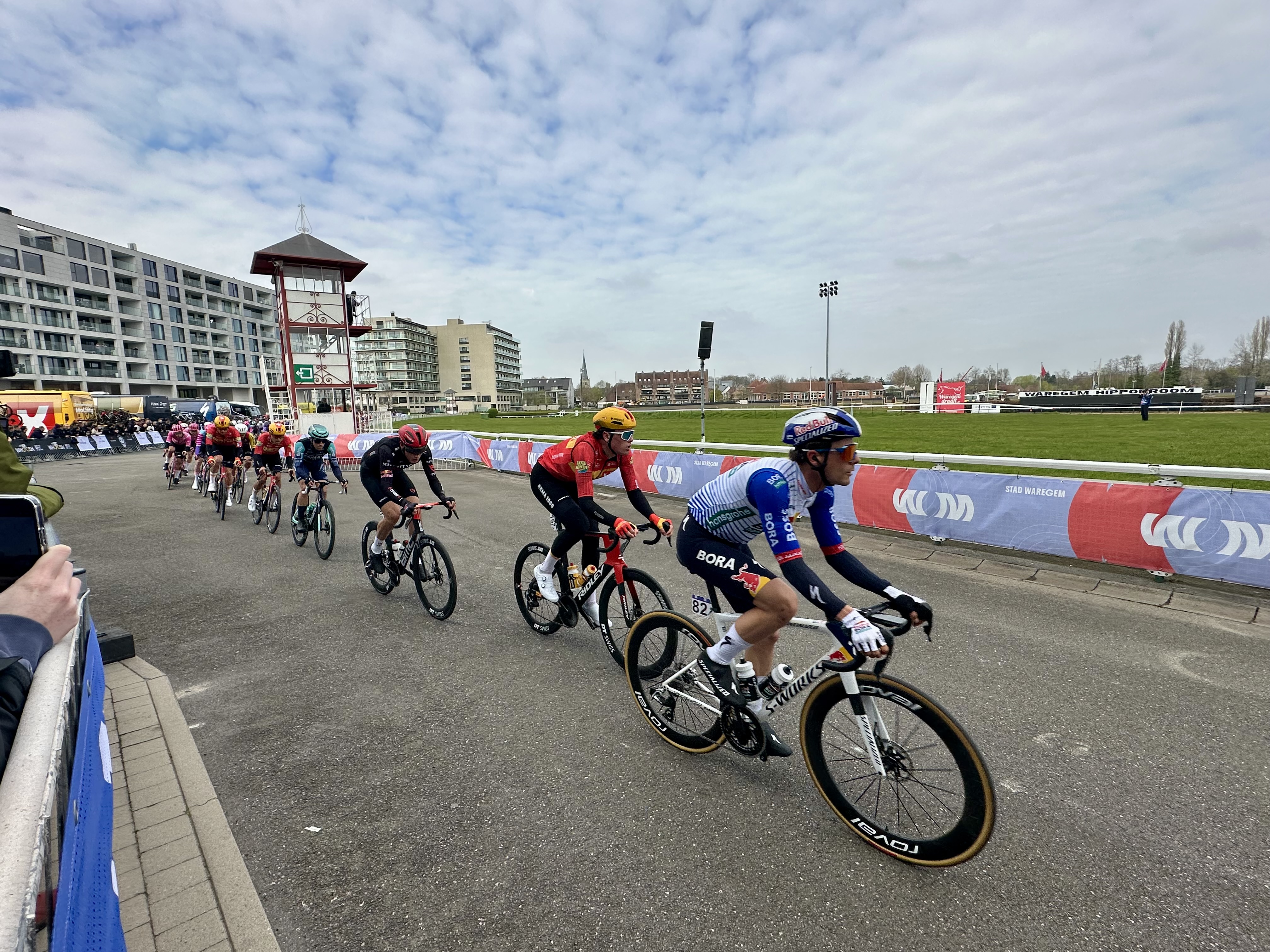
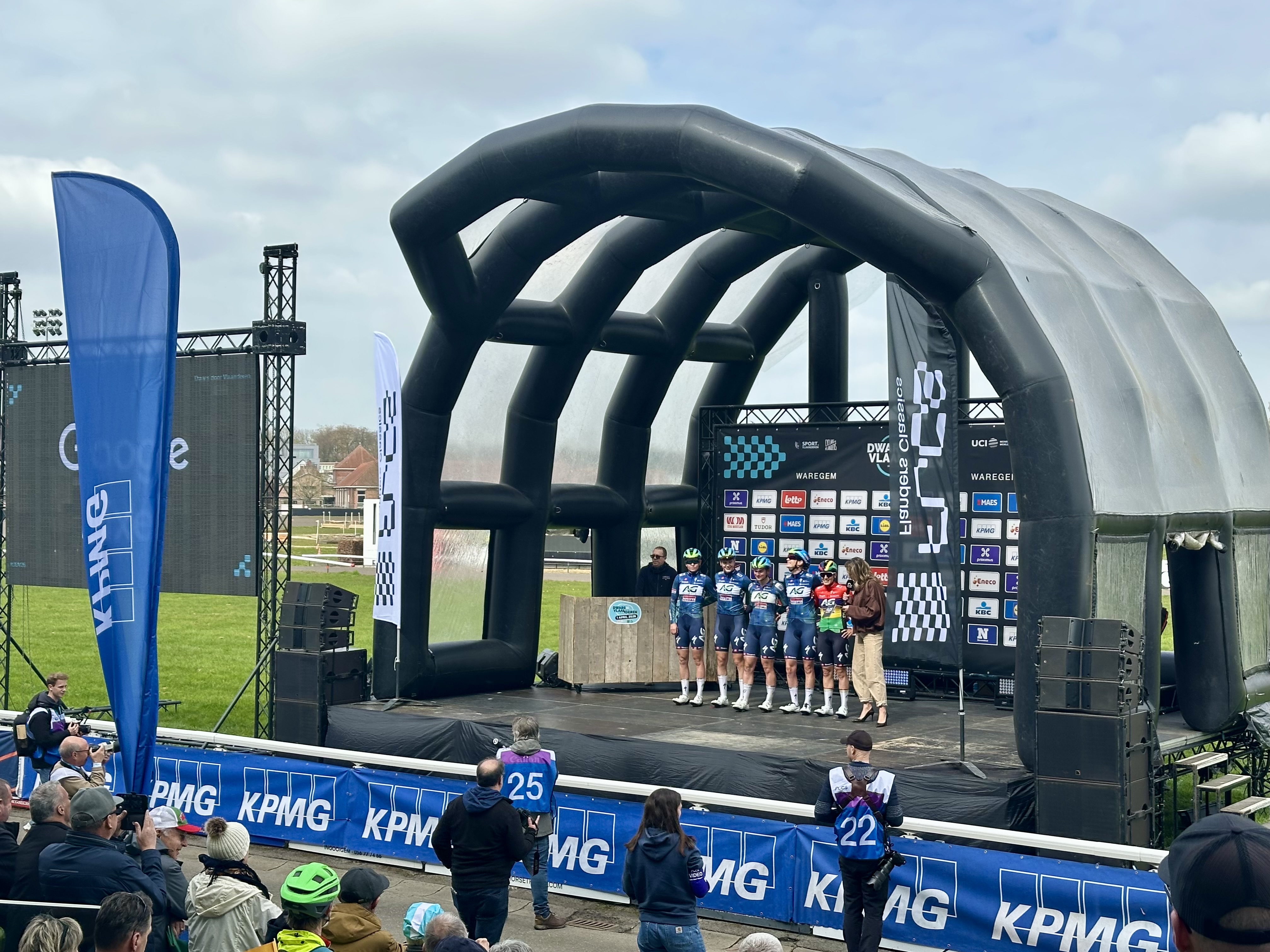
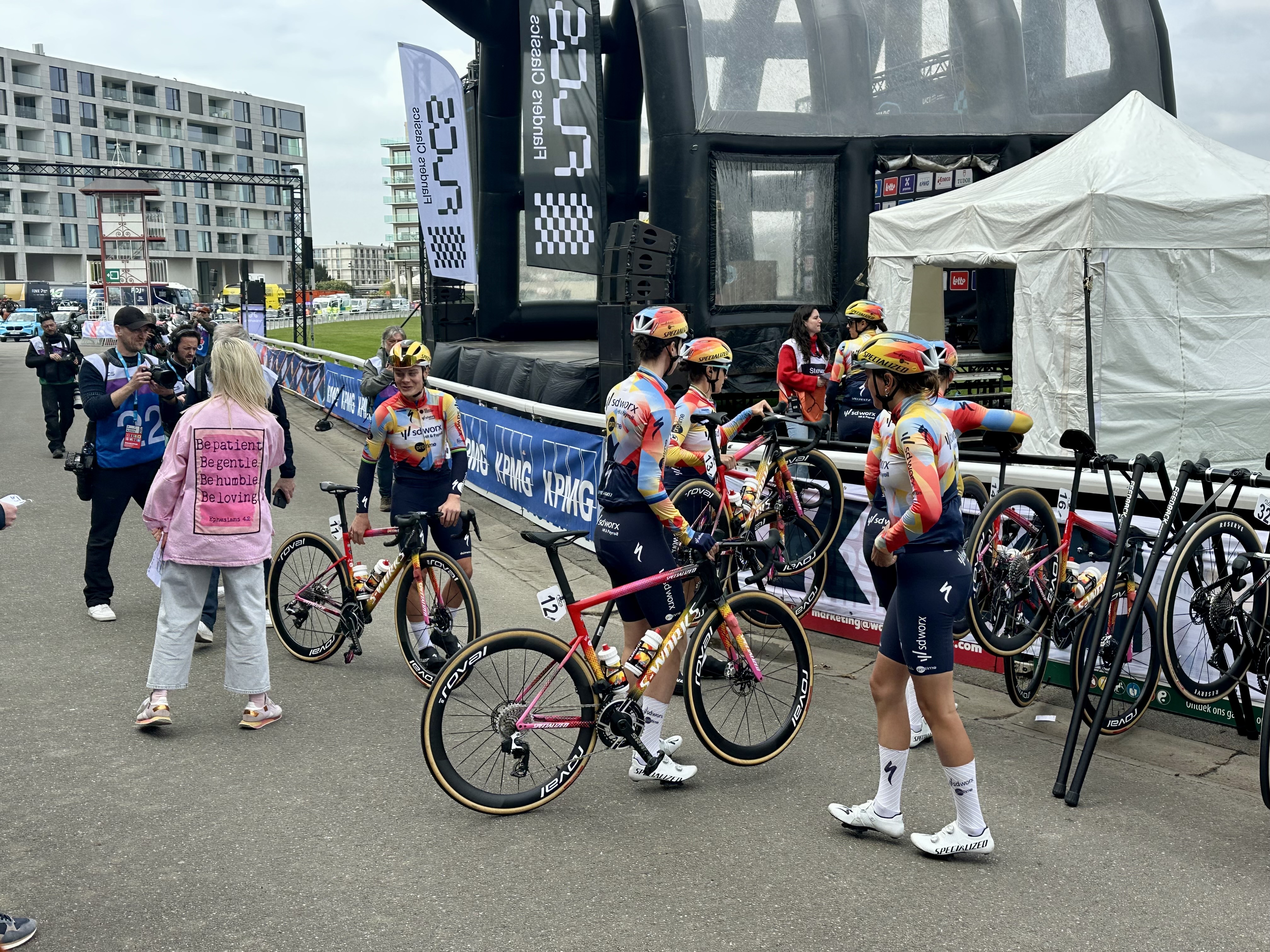
Waregem hosts the start and finish of the women’s race (as well as the men’s finish). All the women’s team buses are parked at the Hippodrome and it is possible to wander around and check out the bikes. The men’s race comes through soon after their start, and this is followed by the women’s team introductions and their race start. Whilst many of the rider interviews were in Flemish, this was not always the case. This was a great way to see many of the biggest stars of women’s cycling without massive crowds (while also enjoying a beer and snack).
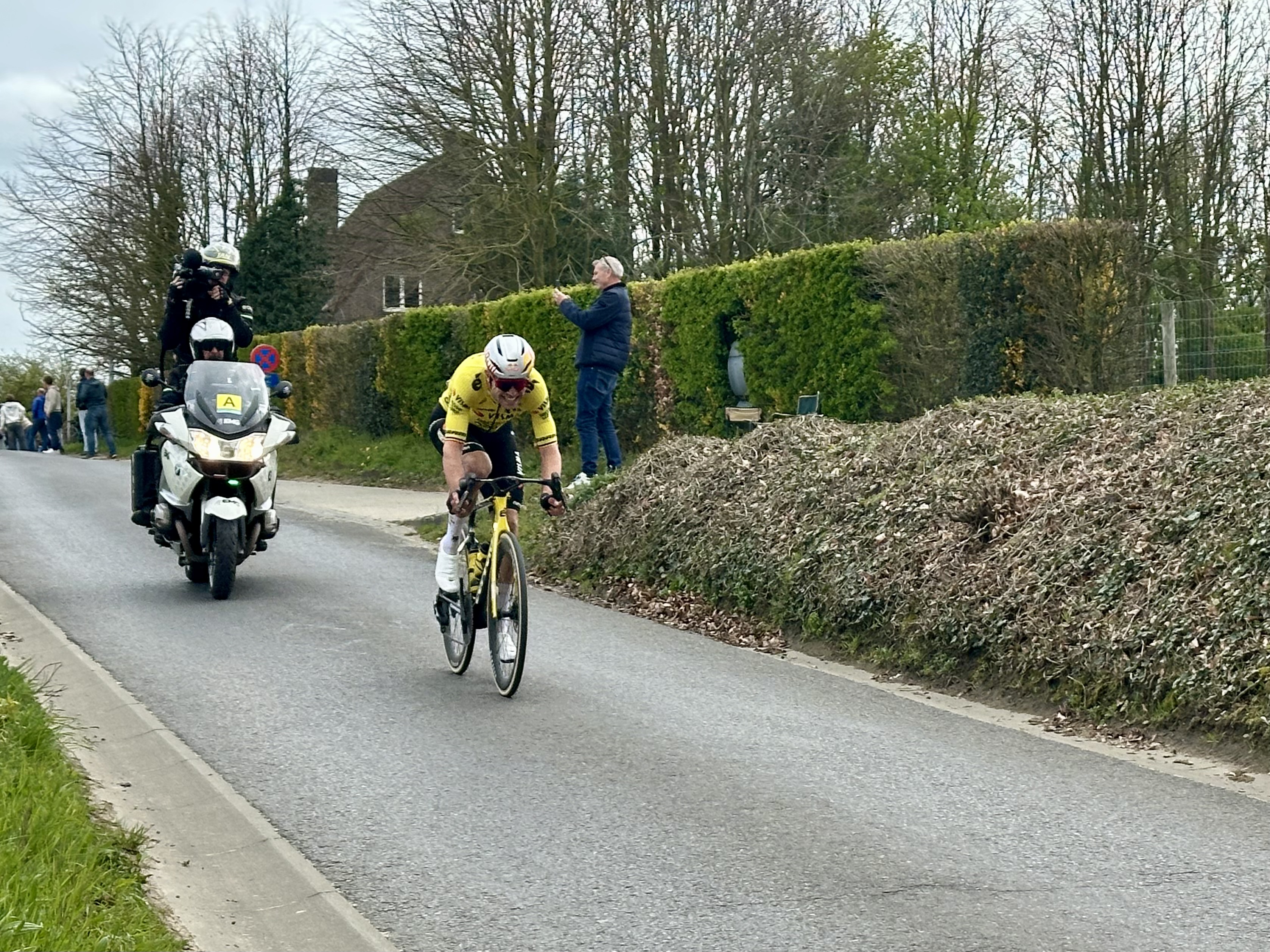
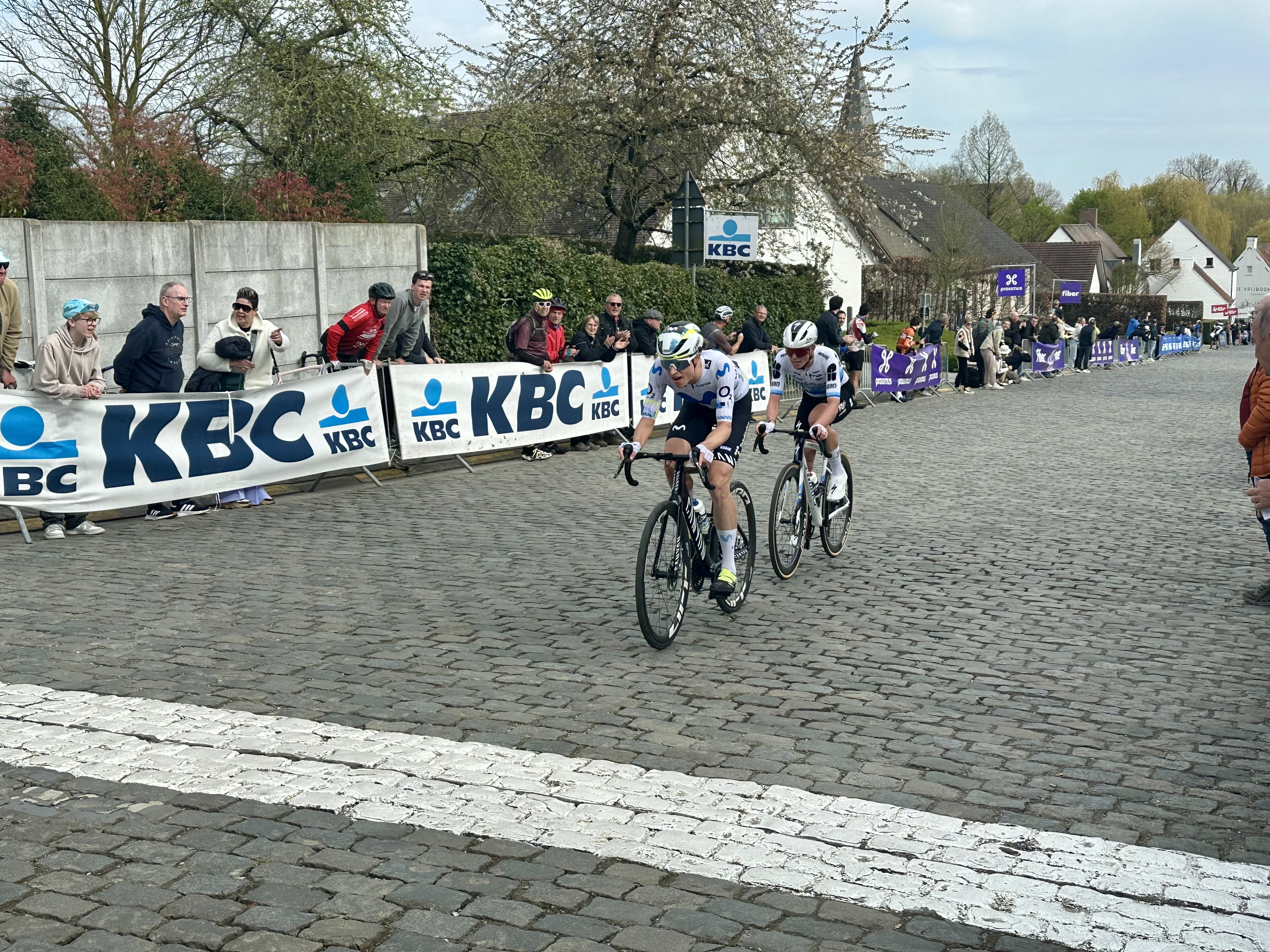
After this you can stay in town and wait for the finish. I chose to relocate to the top of the Nokereberg. For both the men’s and the women’s race this was the final major climb before the sprint finish, and each race passed twice in quick succession – once via the cobbles through Nokere, and then a second time up Waregemsesstraat – before descending Holstraat. The only downside was the lack of a screen to watch the finish – in both cases I found a friendly local watching on their phone so I could see what was going on (Filippo Ganna overwhelming Wout van Aert on the final straight, and Marlen Reusser just pipping Demi Vollering at the line).
To make this work it was easy to stay in a nearby town and travel out and back – I stayed in Kortrijk.
Between DdV and RvV: World War 1 history
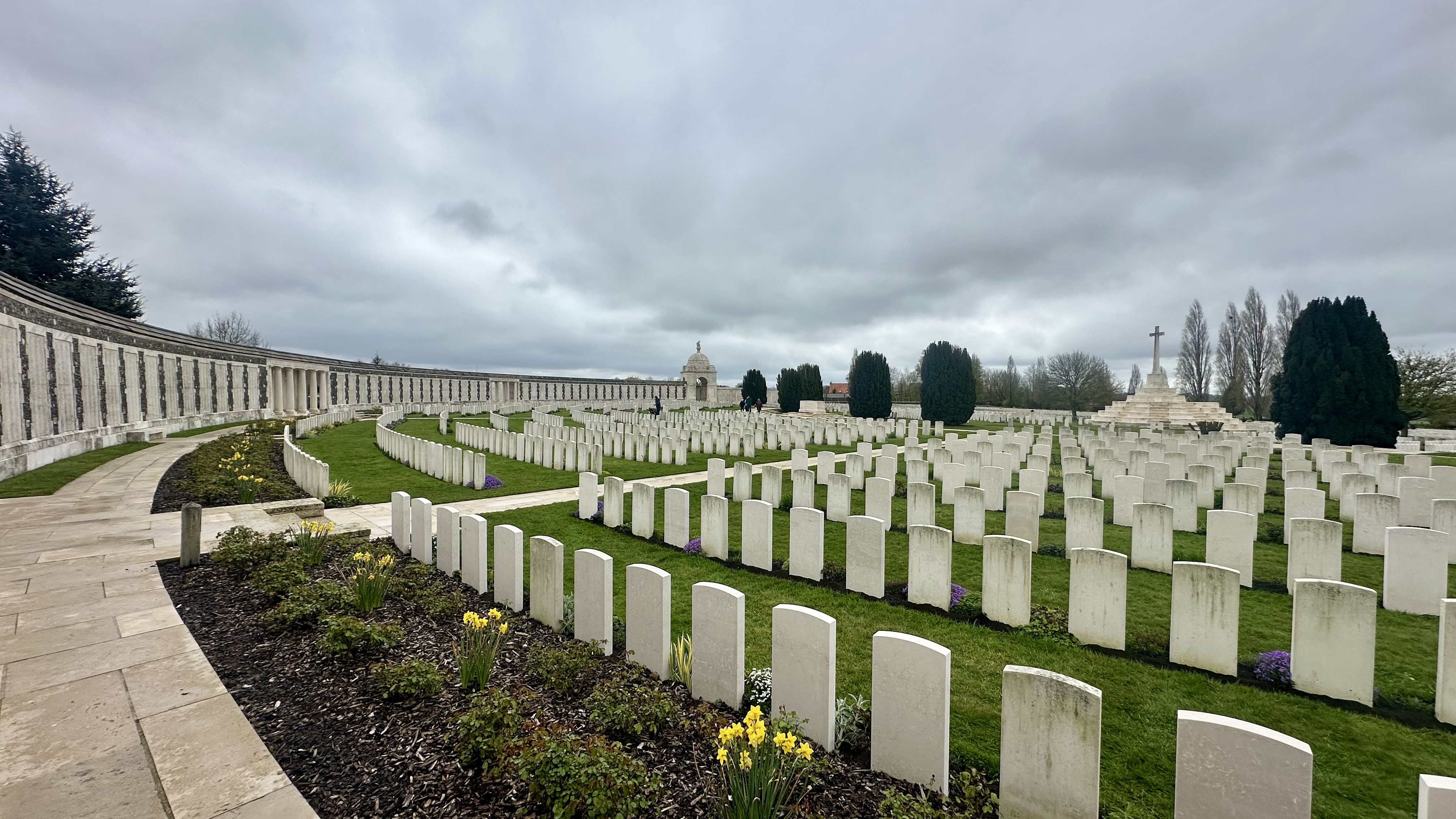
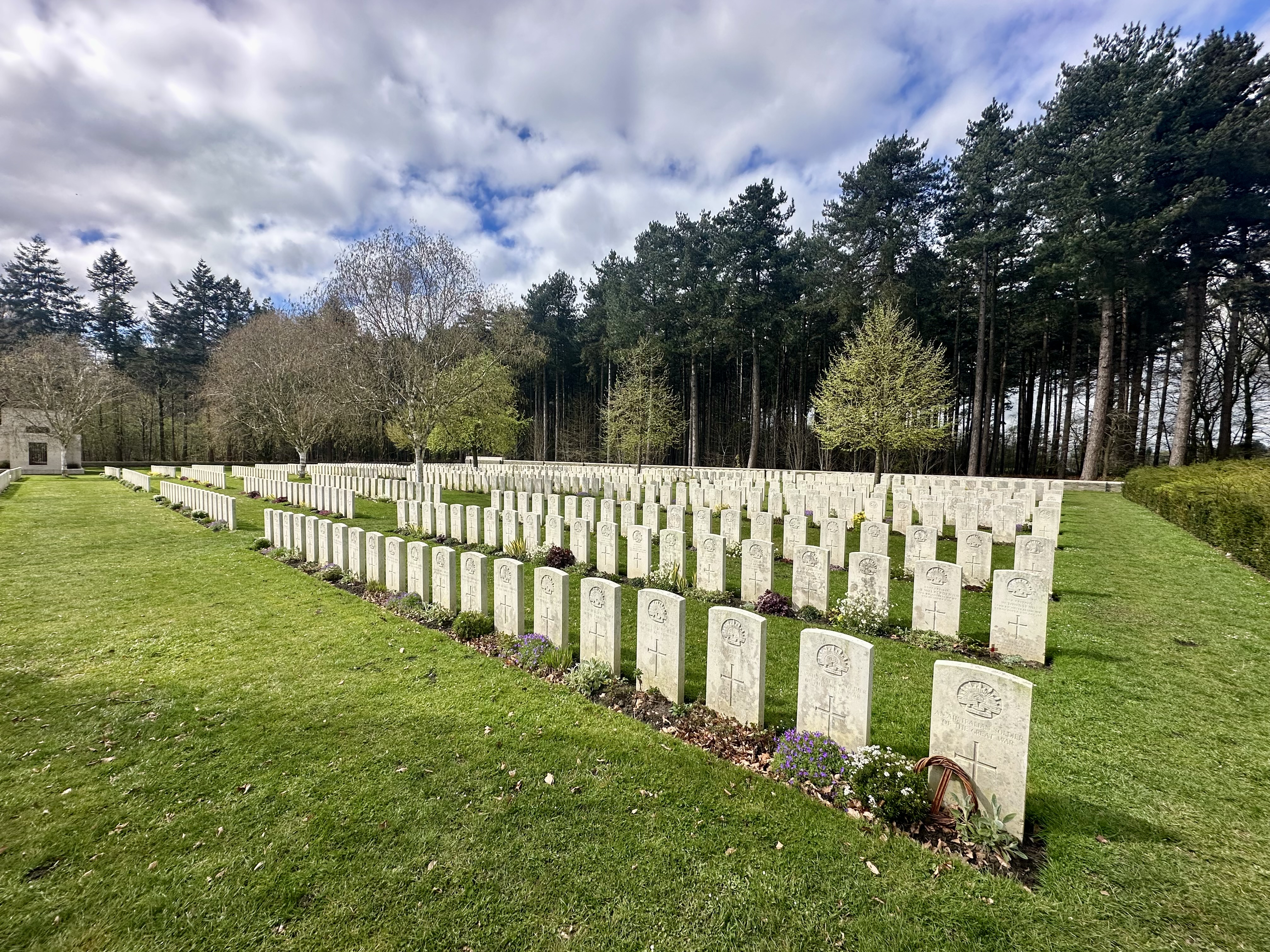
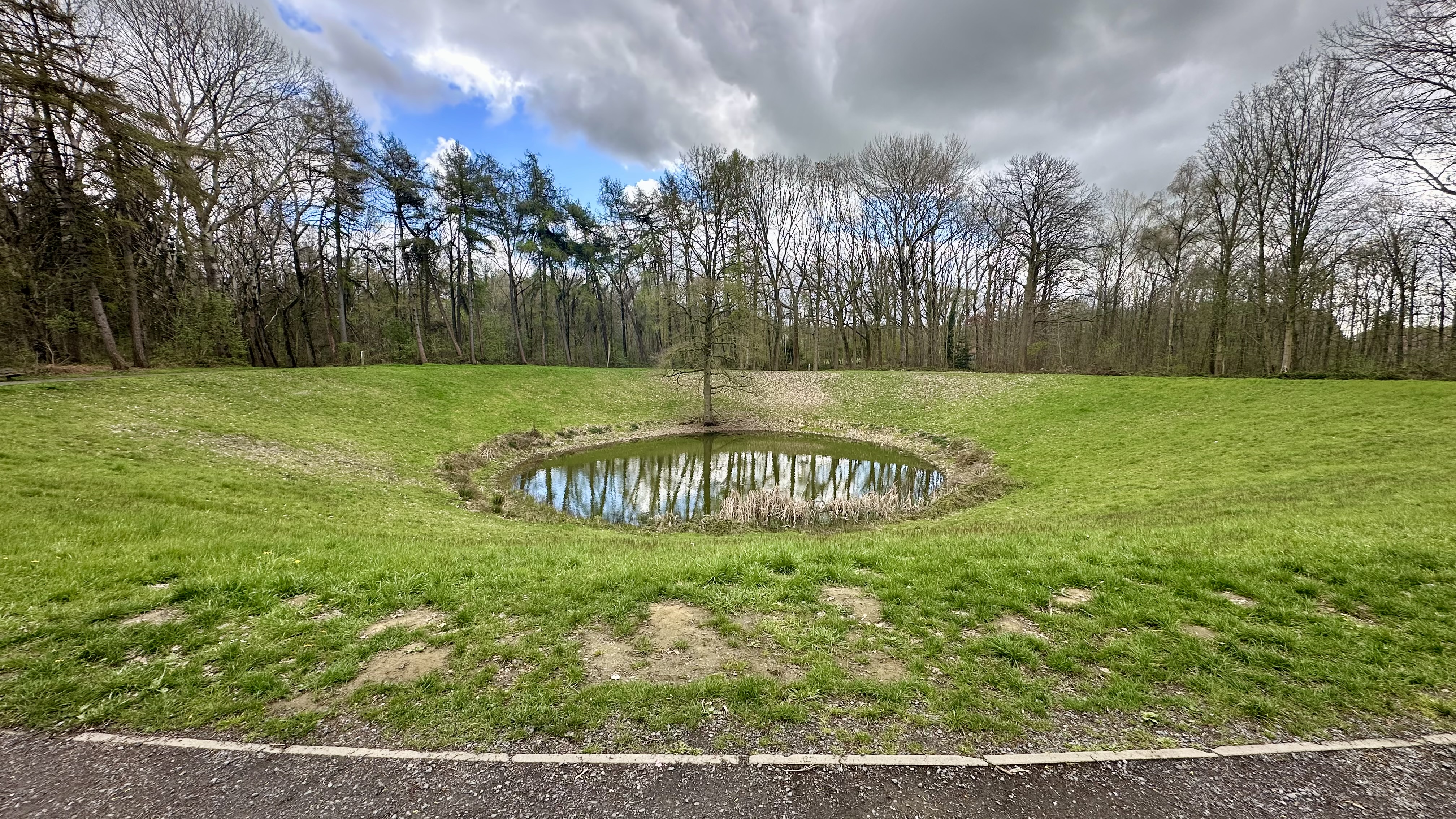
Having grown up in Australia in the 70s and 80s, World War 1 history was not only taught at school but there was living memory of the war – WW1 veterans still marched on ANZAC Day. The dioramas and details at the Australian War Memorial stuck in my mind from an early age. So, to have the chance to visit places like Ypres, Passchendaele and Polygon Wood was moving. The sheer waste is obvious from the front lines and cemeteries, and then brought home by the Ypres Gate list of almost 55,000 Commonwealth personnel killed in the war but whose remains were never found.
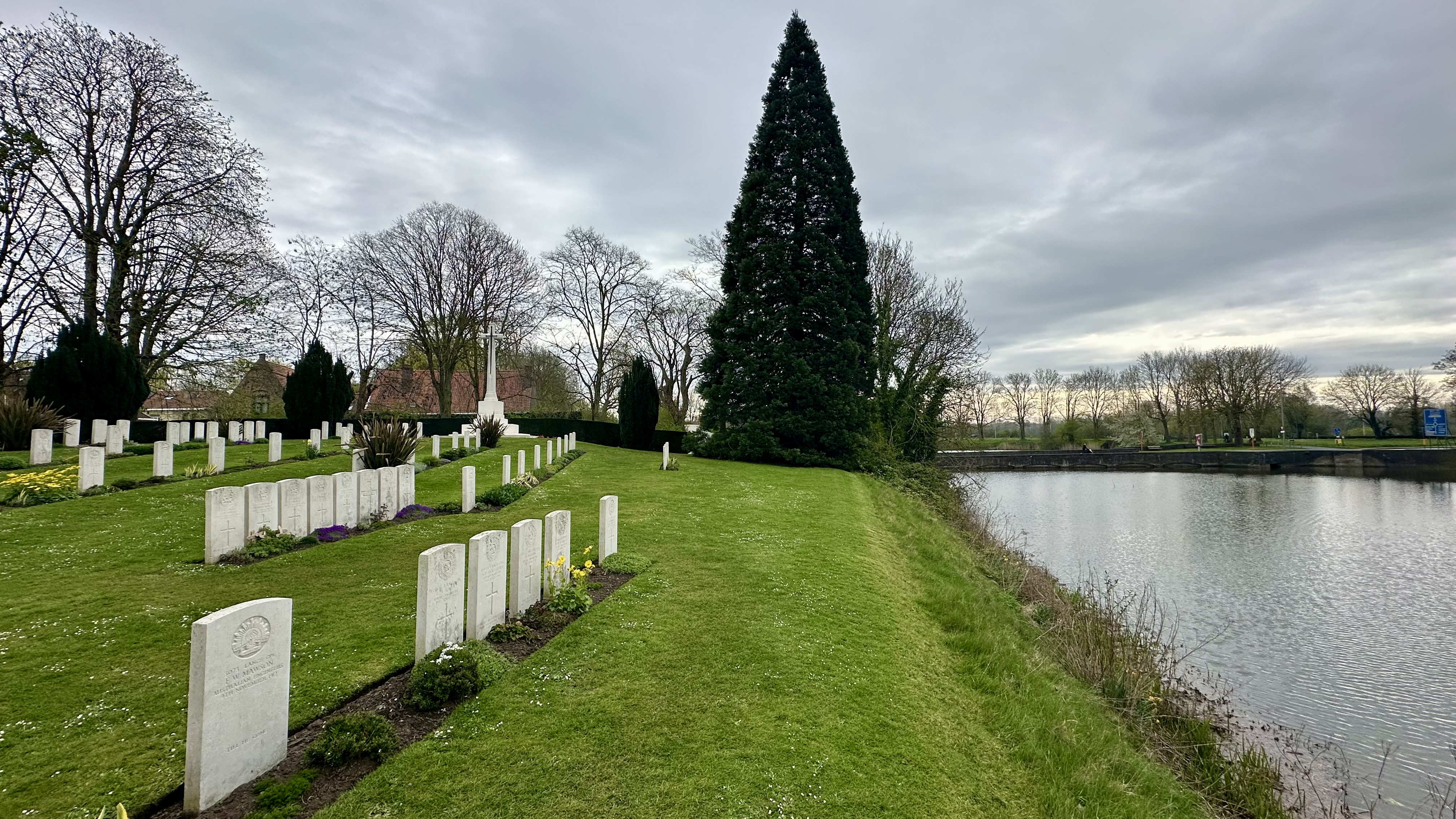
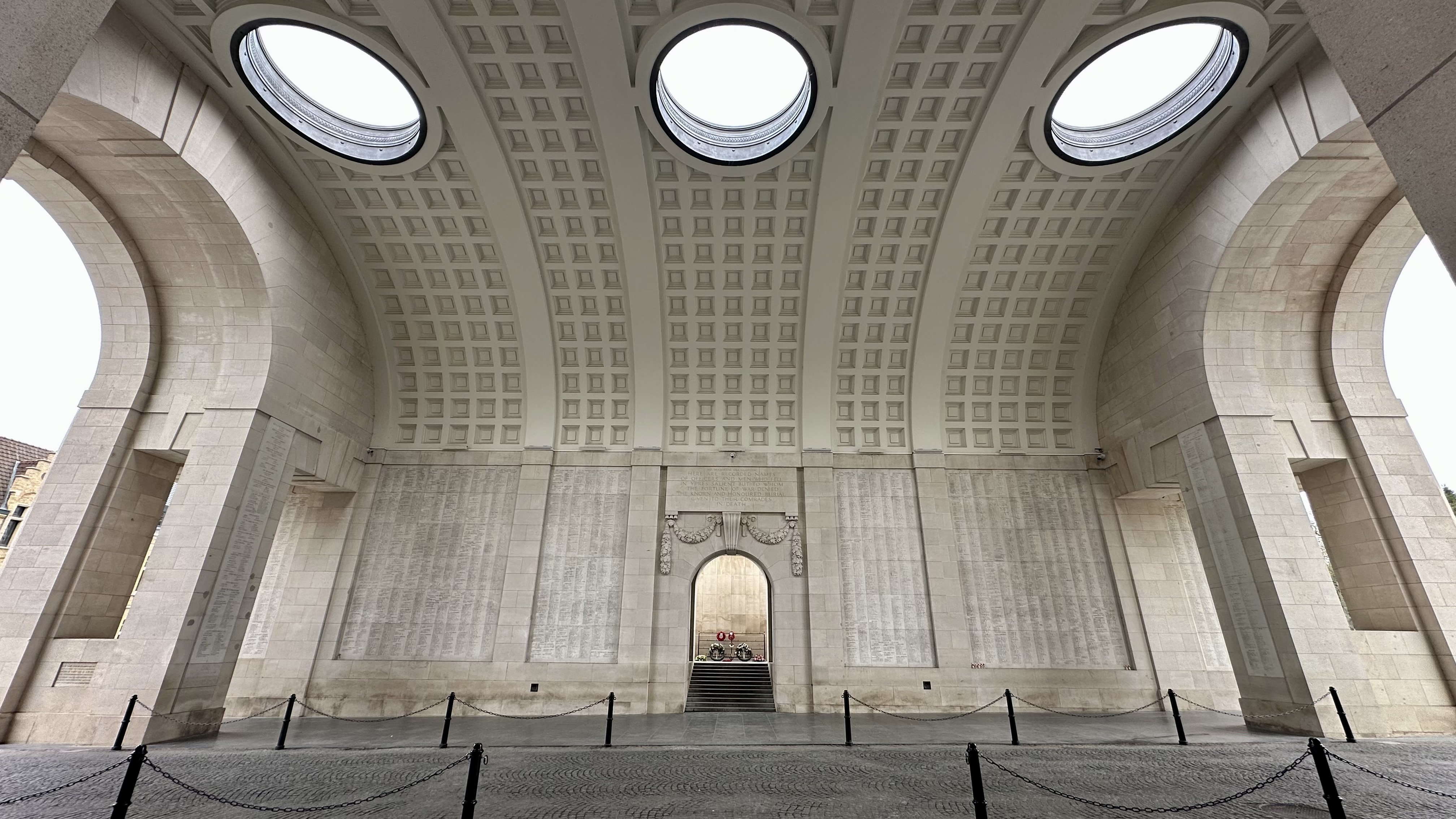
Between DdV and RvV I took a day to cycle around these sites, and also stayed a couple of nights in Ypres before heading to Brakel. Absolutely worth it.
Making it all work
Your journey and choices will no doubt depend on where you are travelling from and the cost of flights. My original plan was cancelled by the Middle East conflict, leading to last minute rebooking from Australia via USA. Affordable, but not great for jet lag. Here is how I did it:
- I travelled with my bike bagged – in a Scicon Aerocomfort 3.0. I flew a combination of Qantas, American Airlines and British Airways, carefully ensuring the bike bag was under the item weight limit. I had no issues.
- The Scicon bag’s dimensions were just right to take as luggage on a TGV directly from Charles de Gaulle (CDG). Not only does it comply with the published dimension limits (just) but the ticket and on-train staff didn’t take a second look (although fitting it in the luggage racks was tight). A normal bike box exceeds allowed dimensions, and you cannot take a ‘built’ bike on these trains.
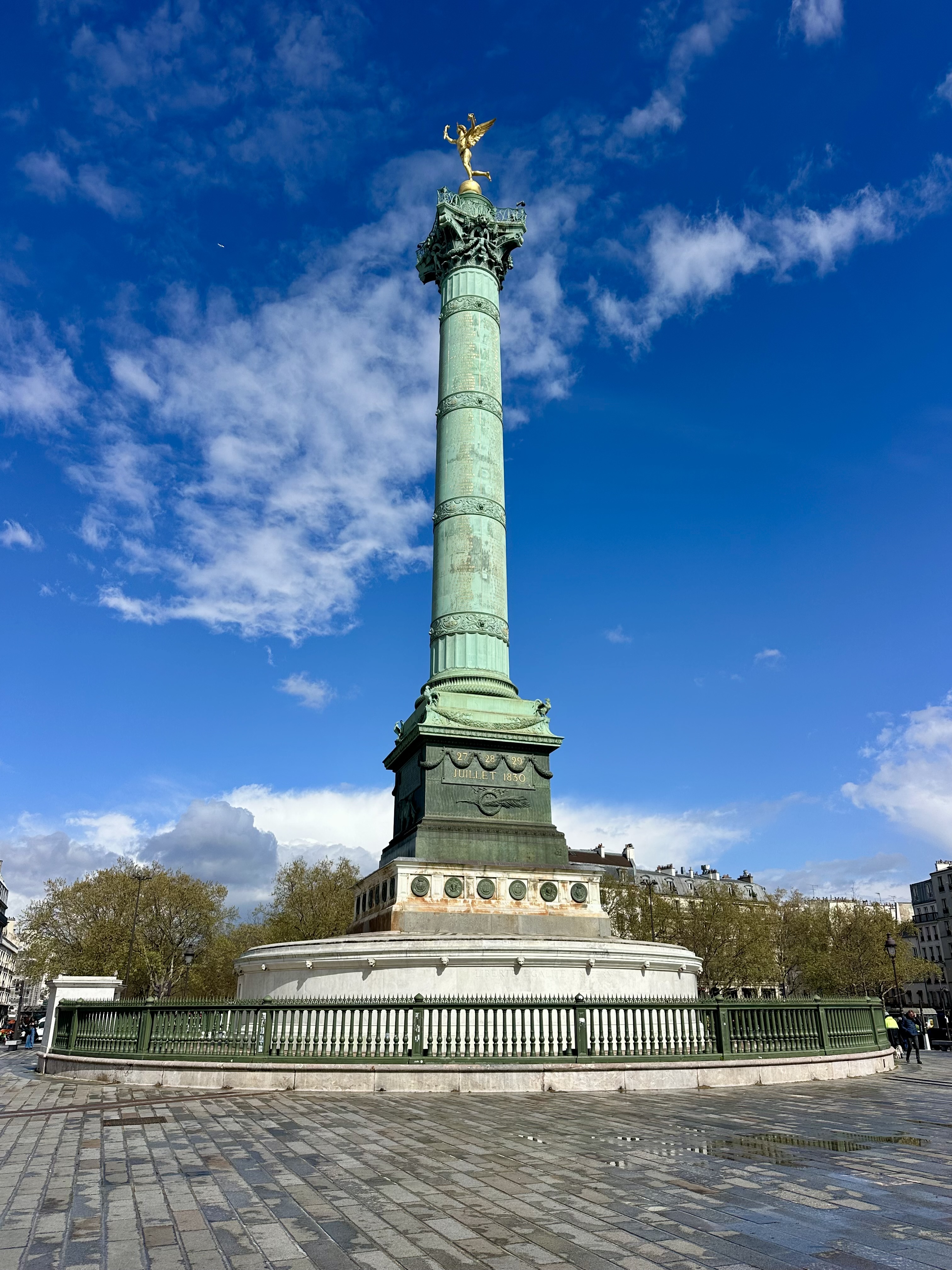
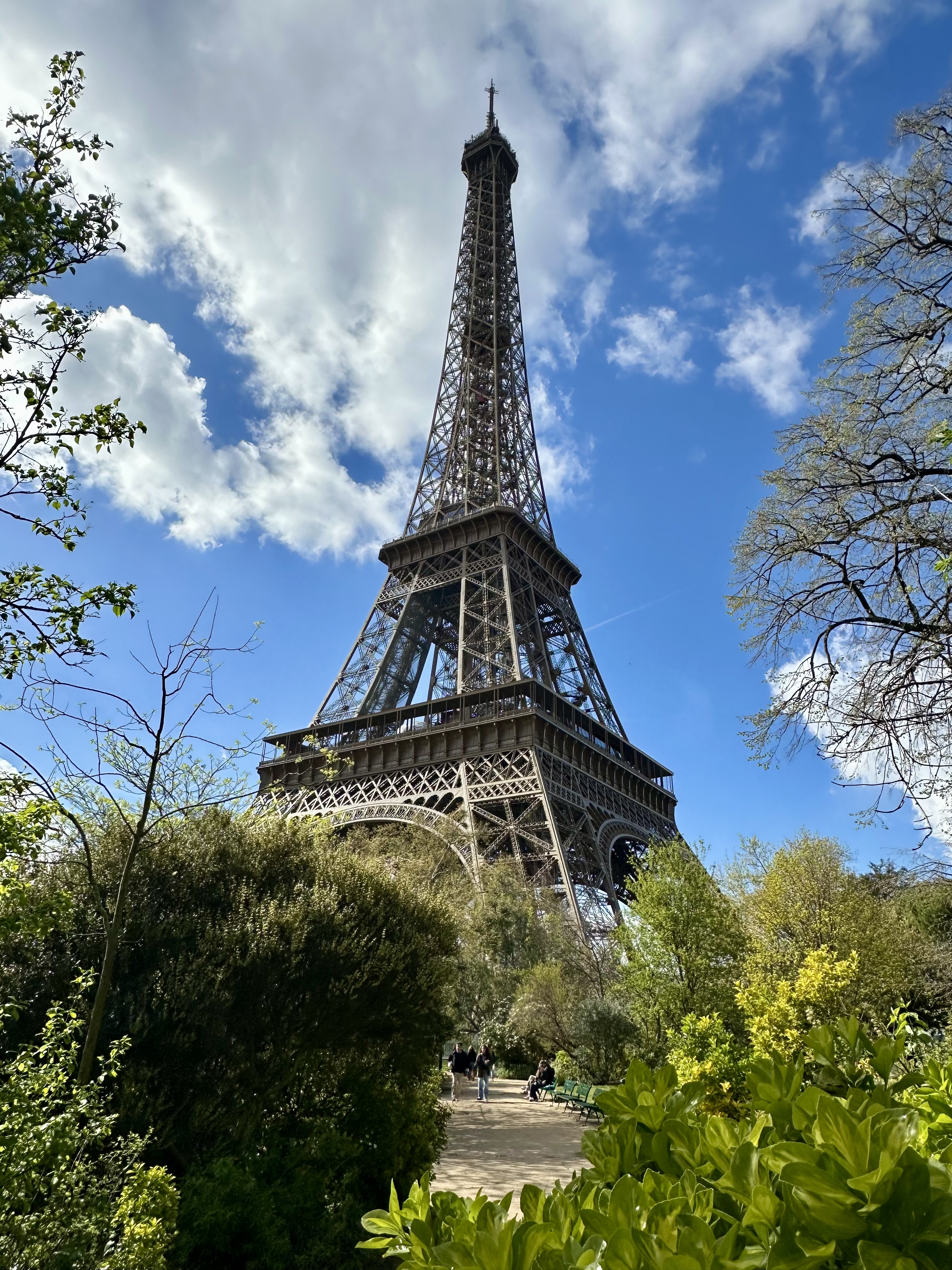
- After an early morning arrival at CDG (and prior to catching the TGV), I chose to spend the day in Paris (catching the RER train into town, and then hopping around town on the Vélib’ Métropole city bikes). This was super fun and a good way to start shaking the jet lag. To make this work, I left my luggage at Bagages du Monde at the airport – not super cheap but secure and convenient. Note: continental Eurostar trains did not allow bike bags, hence leaving luggage at CDG and returning, rather than taking a train from Gare du Nord.
- I caught the TGV from CDG to Brussels and having assembled my bike left luggage in a hotel for my return. I’ve found many hotels are happy to do this – either for free or a modest fee – if you check with them in advance. Moxy Brussels stored my luggage free.
- Having completed my trip, I flew home from Brussels airport. It would have been just as easy to catch the TGV back to CDG for a flight, or substitute Brussels for Lille as a place to catch the train to/from and leave a bike bag (this would have been slightly more convenient after Paris-Roubaix).
A top tip if you are new to European cycling is that it is worth familiarising yourself with Belgian road rules, including where you can ride, what different markings mean, and things like the give way rules. You can try and read up on this, but these videos were a quick way to understand what you need.
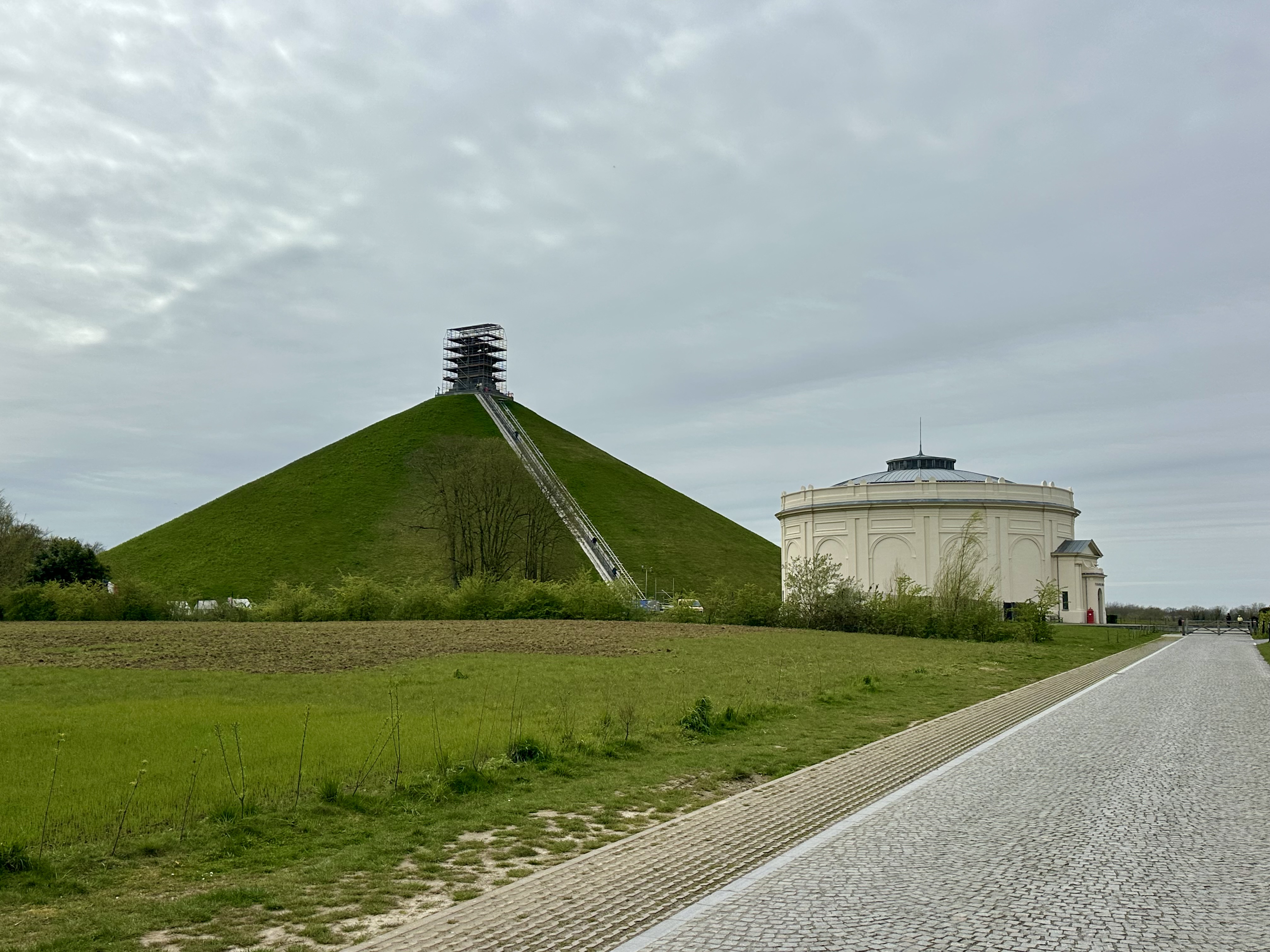
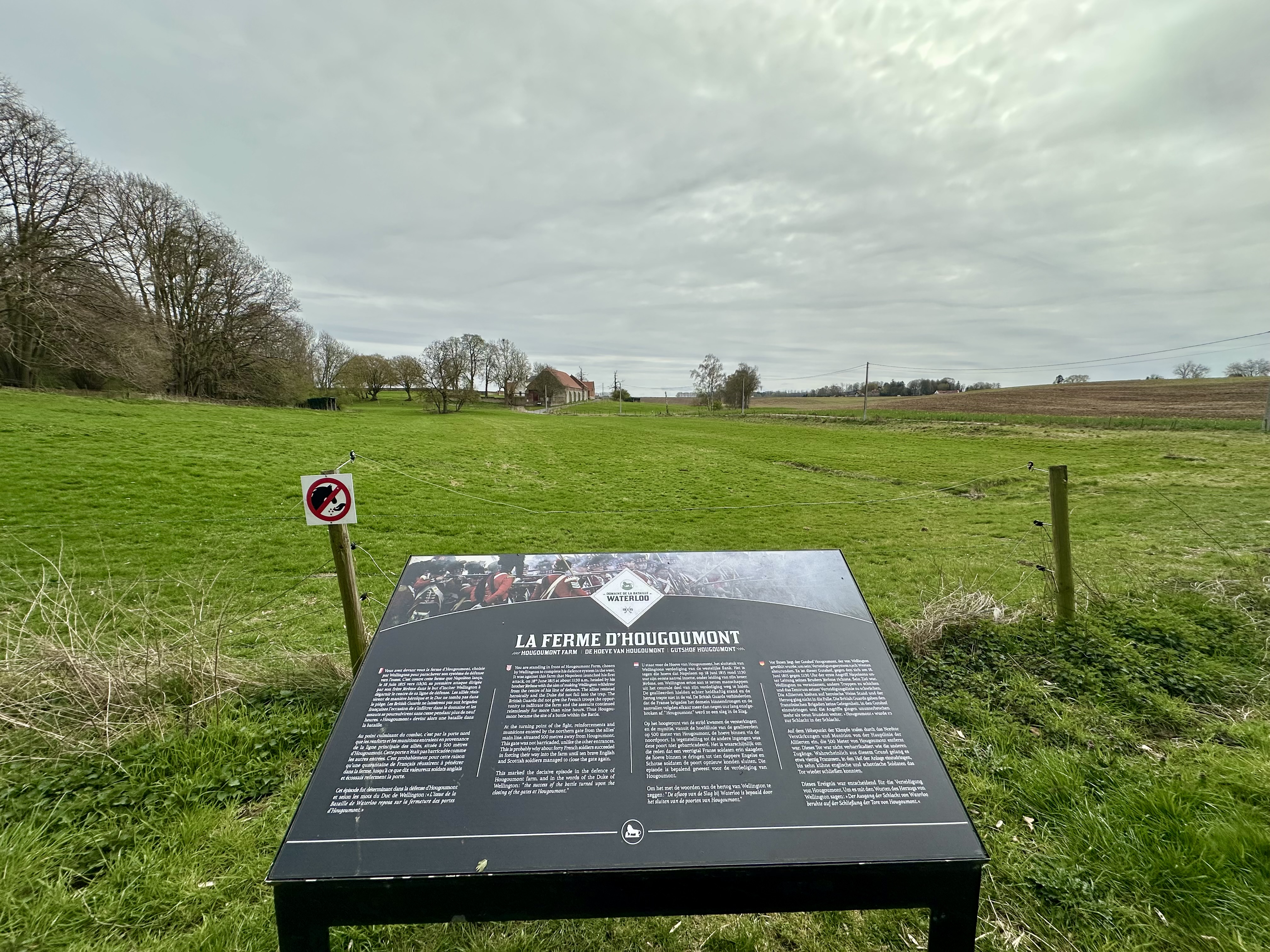
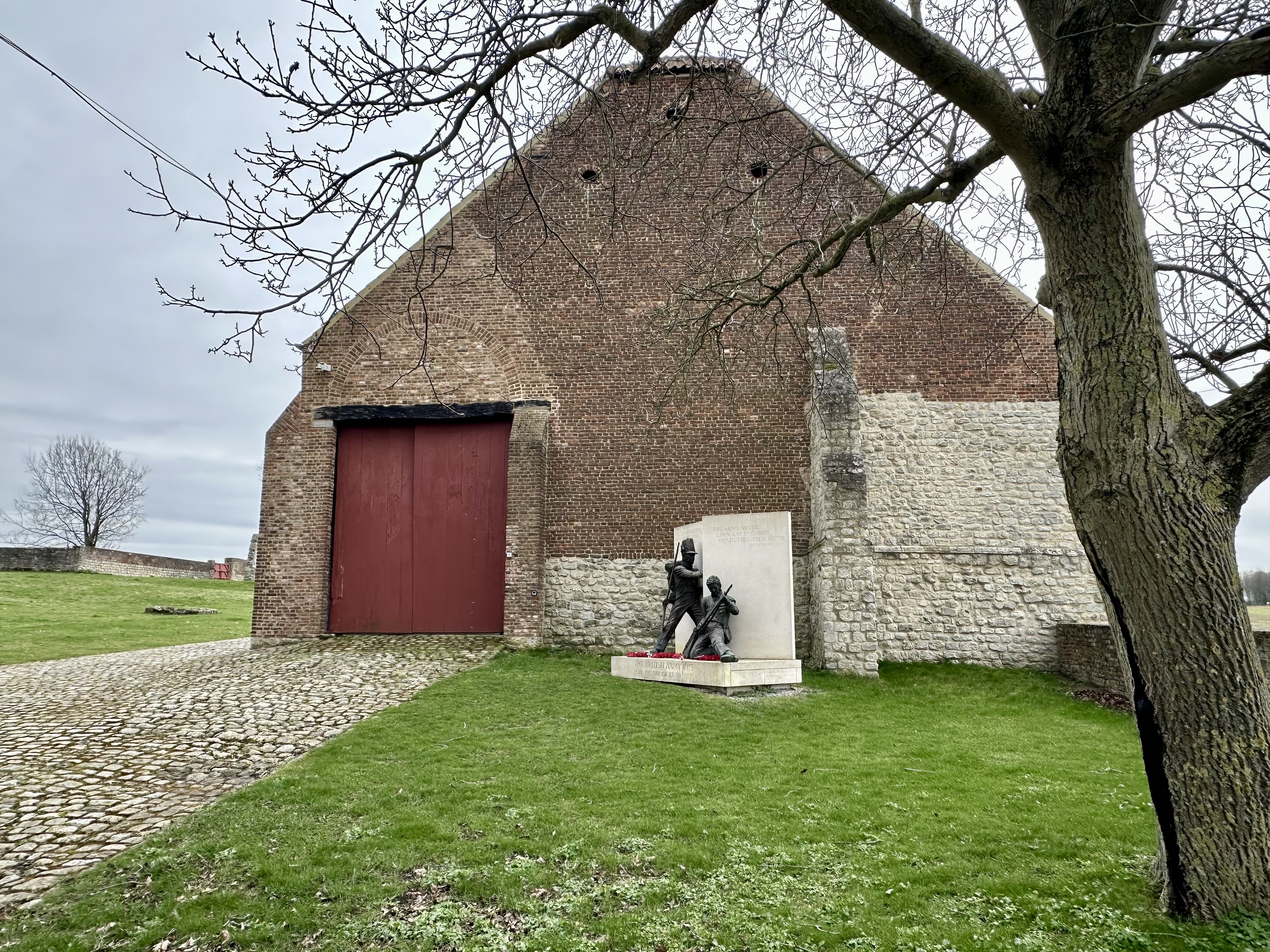
Oh, and if you are into military history at all, a cycle out to Waterloo from Brussels is well worth it. I’d read about the battle including the ridge used by the British and Hougoumont Farm. Seeing this place brought it to life.