

In planning to bikepack the Route des Grandes Alpes I investigated a number of different options as to how to get there. Turned out, flying into and out of Zurich was one of the cheaper options (go figure) so I decided to add some Swiss cycling to my trip. And I am so glad I did.
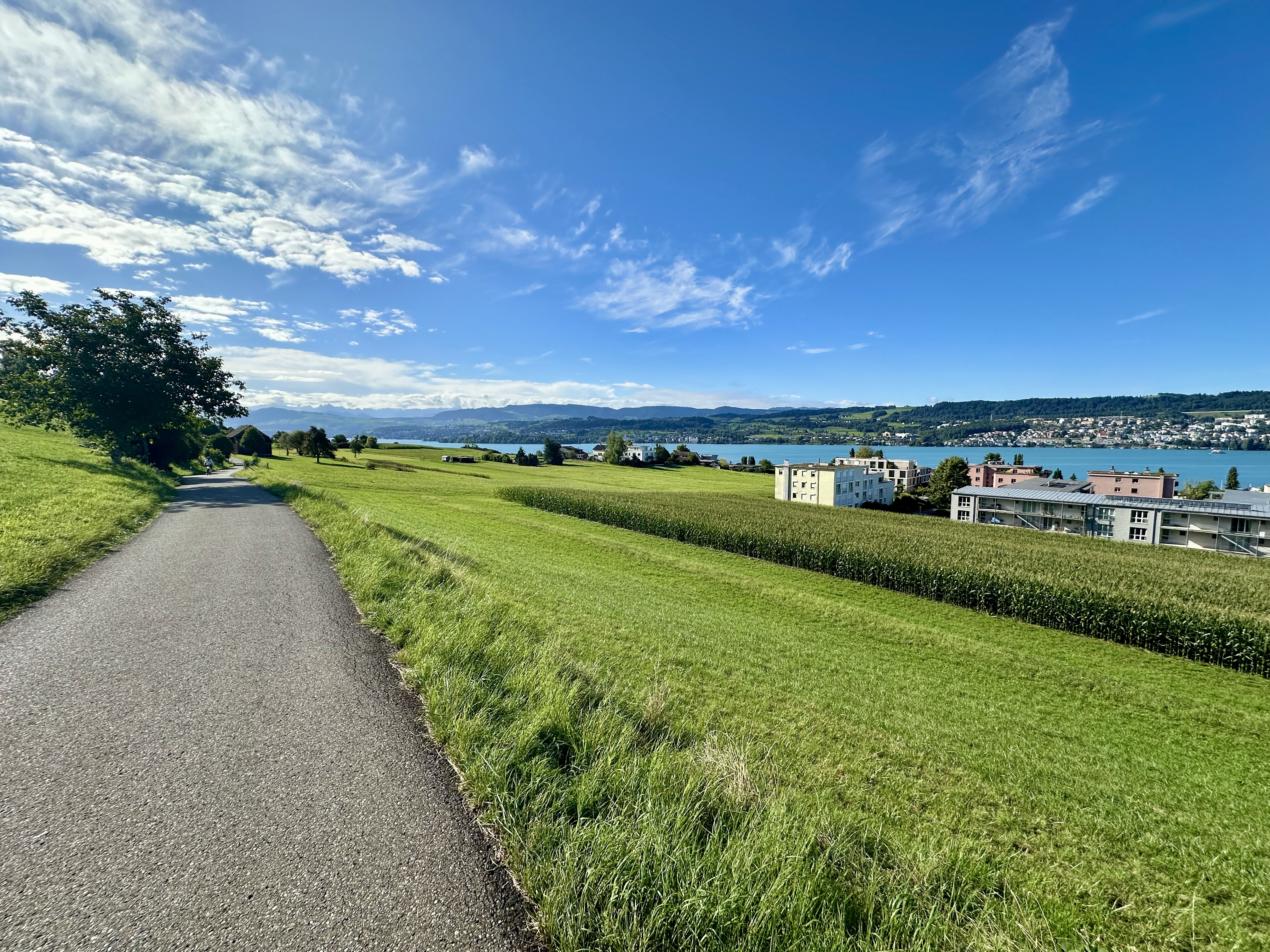


It is worth stating the obvious: Switzerland is not a cheap place. But with a bit of planning to find sensible accomodation options (e.g. youth hostels, hotels with single rooms, farm stays) and a lot of meals from supermarkets (Coop, Migros and Volg) it was not break-the-bank expensive. And it is so worth it. The scenery is magic (including the towns and cities), and there are some unbelievable climbs and descents.
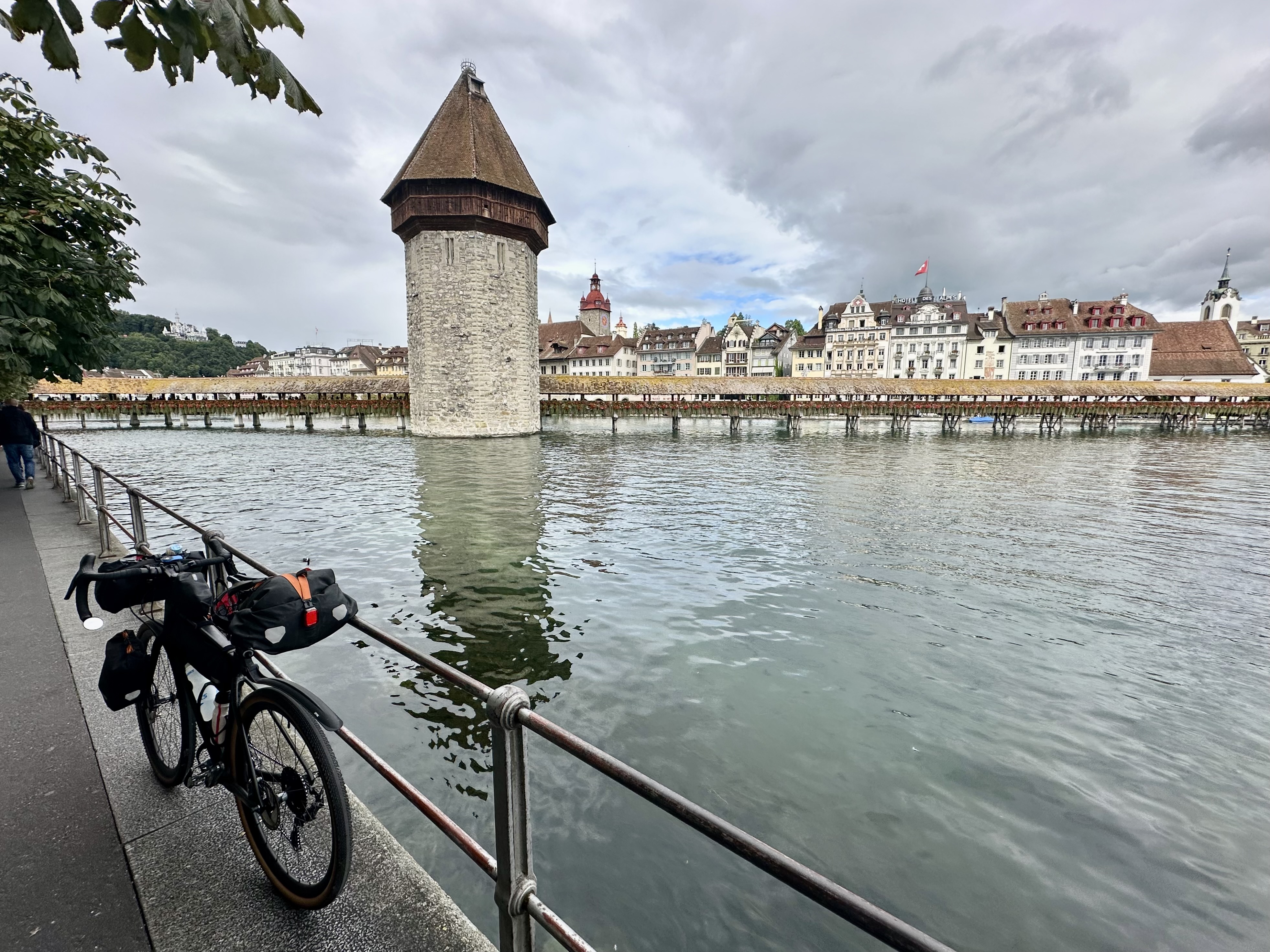
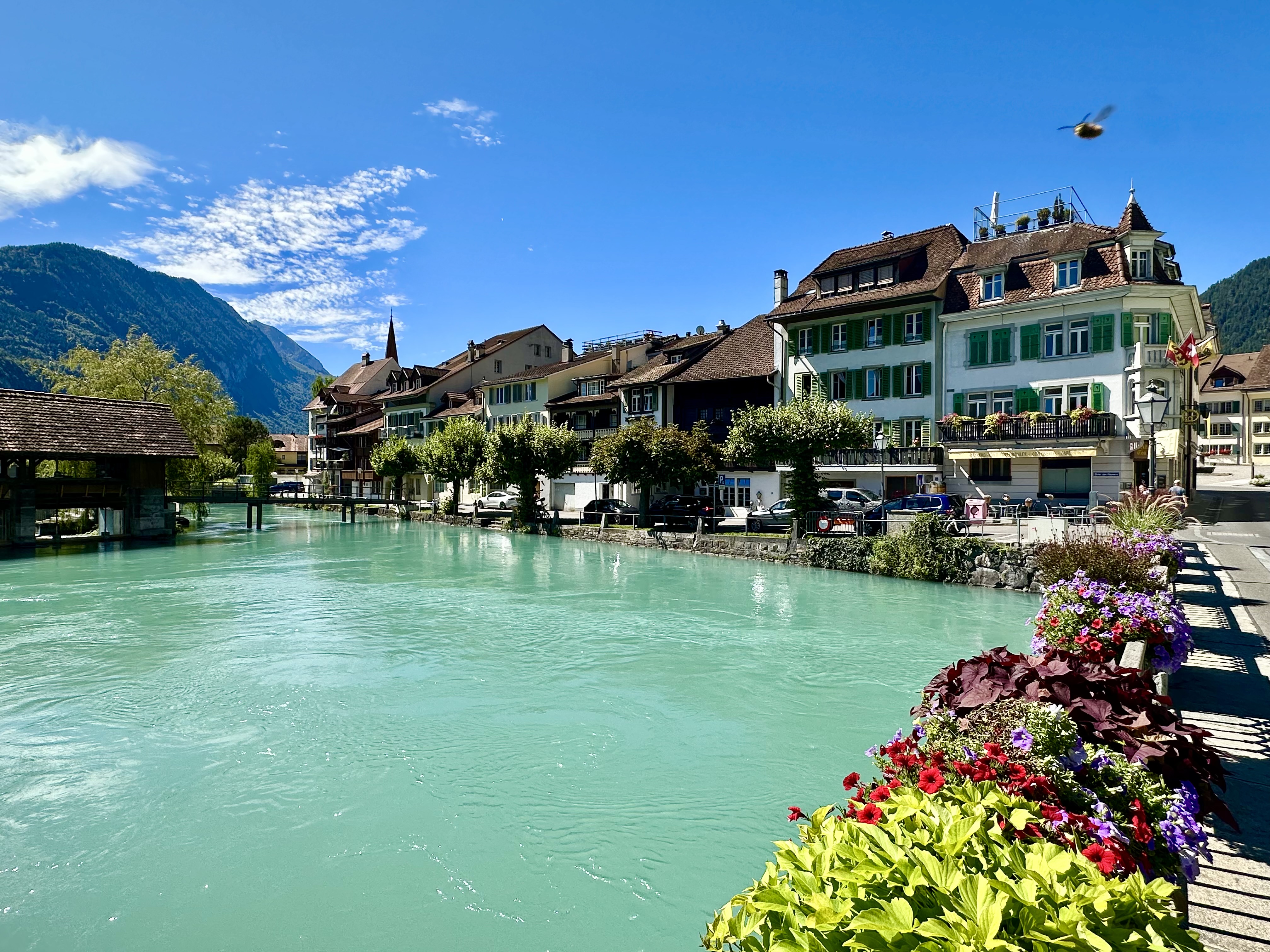
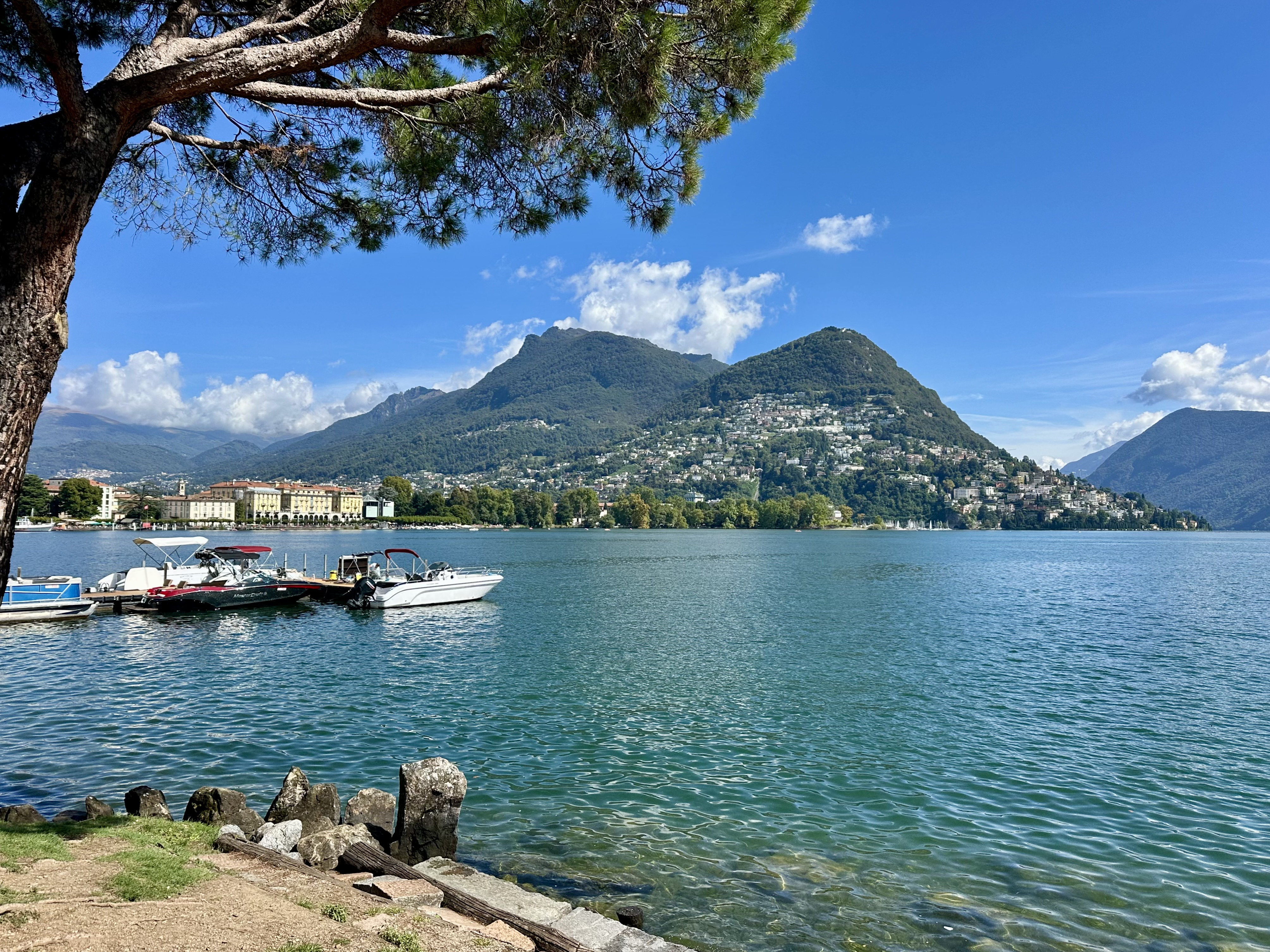
I stitched together a bikepacking trip that first took me from Zurich to Geneva, and then after cycling in France I caught the train to Milan, cycled around Lake Como and then back into Switzerland from there. I’ve not included routes for all my days of cycling, but instead have included the routes on the days with the best climbs. Why? Because the Swiss have cycling routes everywhere and they are amazing. I recommend building a route that takes you to where you want to go, and it is really easy to do.
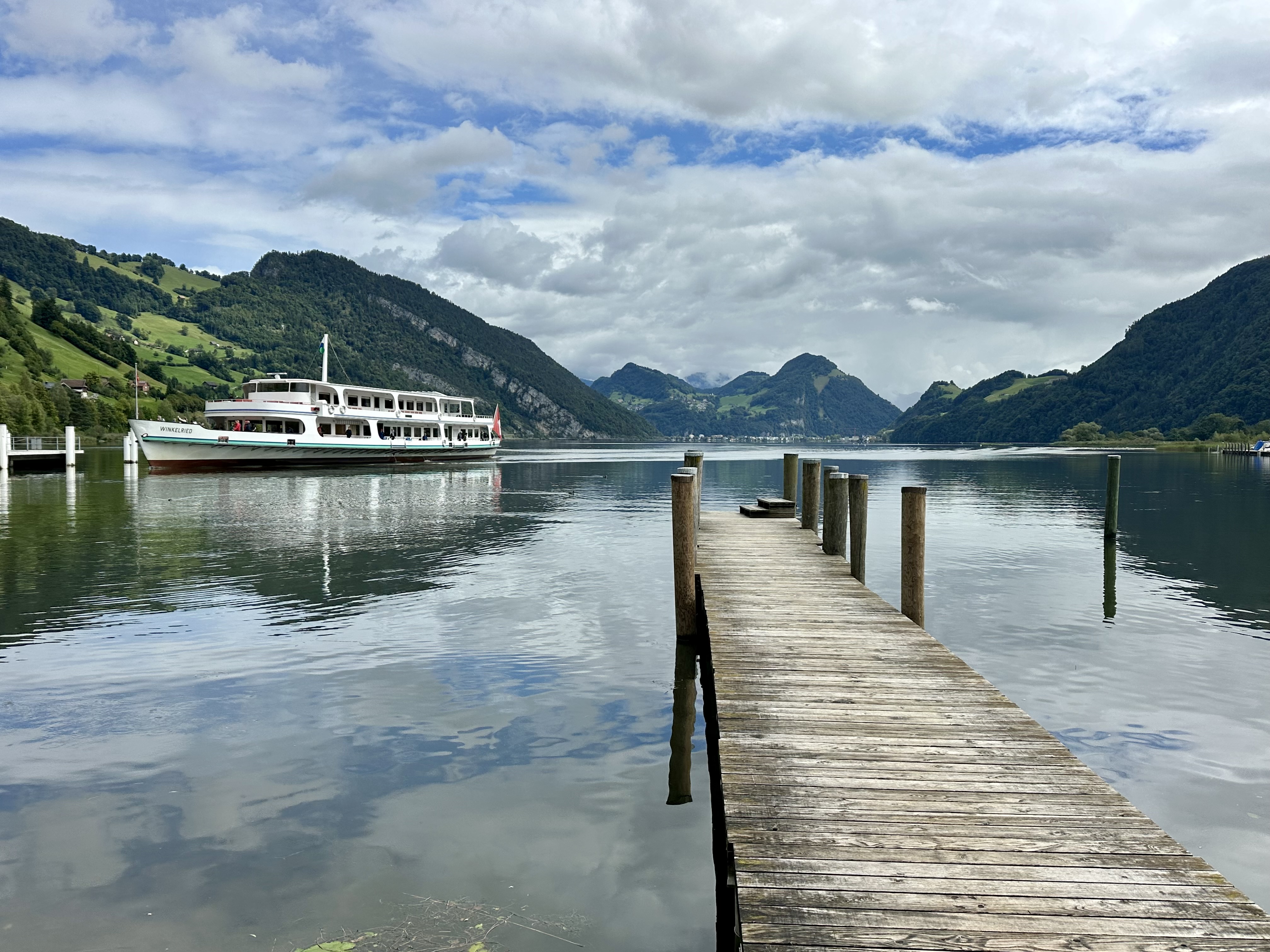
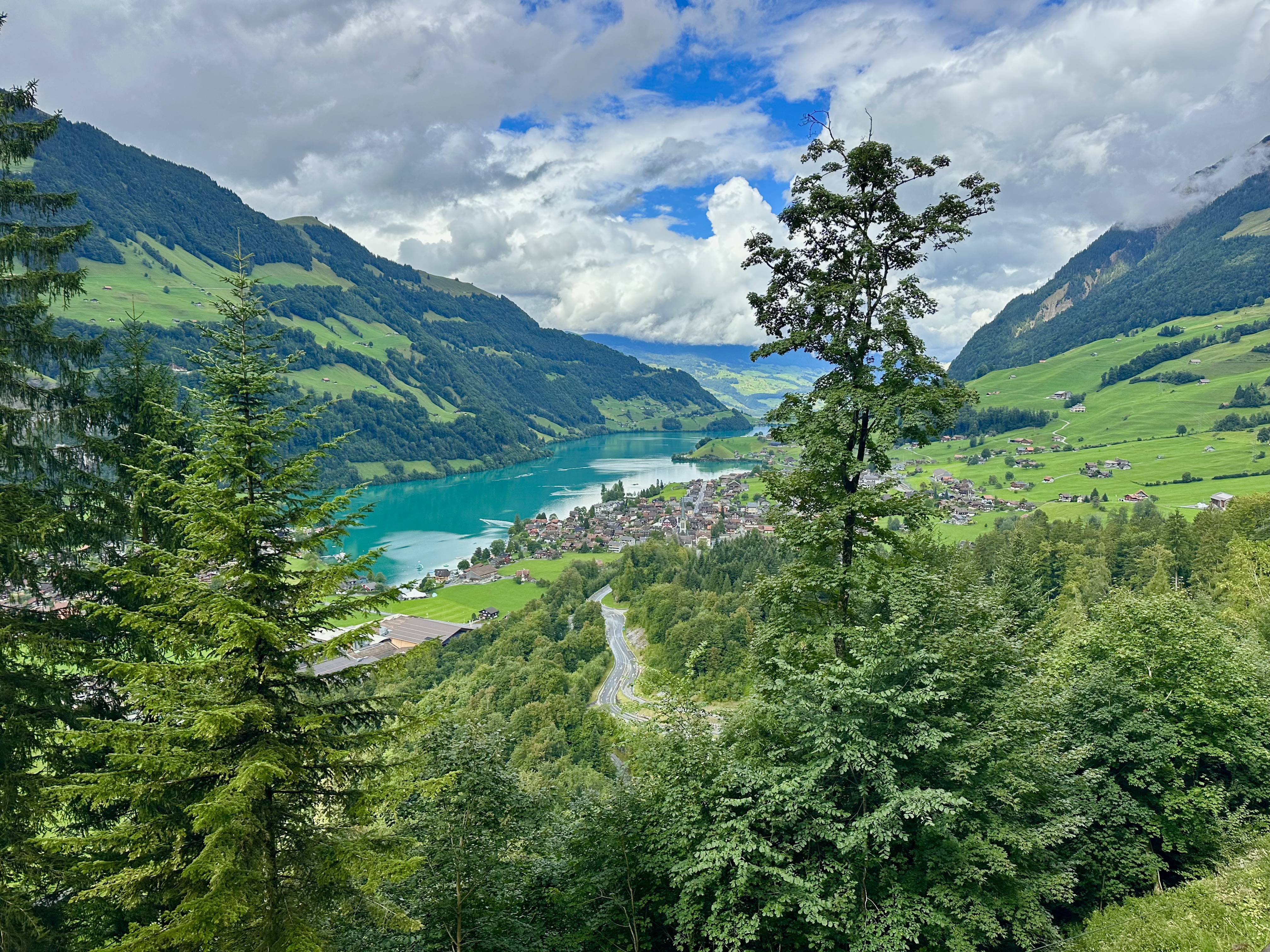
Swiss cycling routes
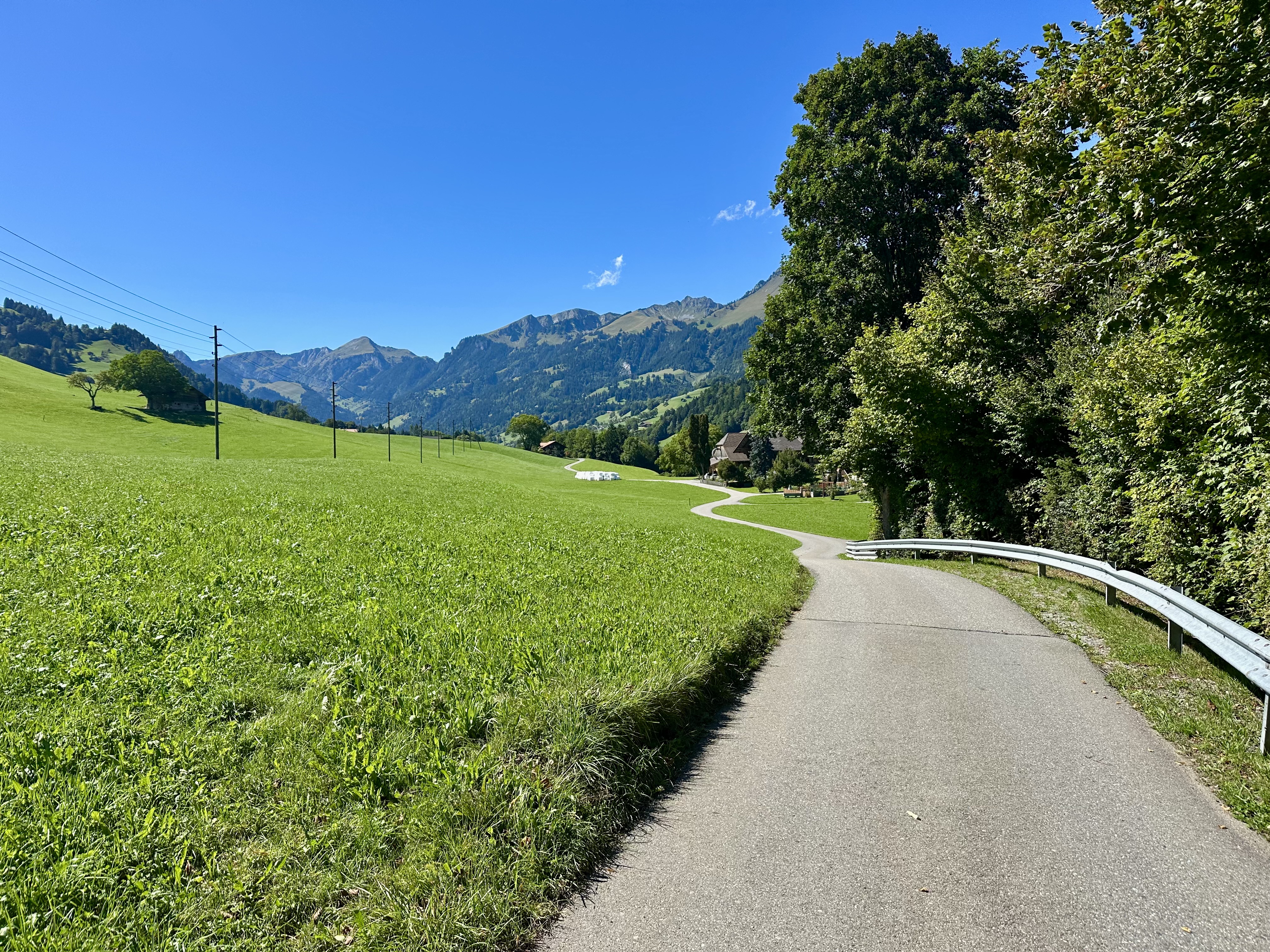

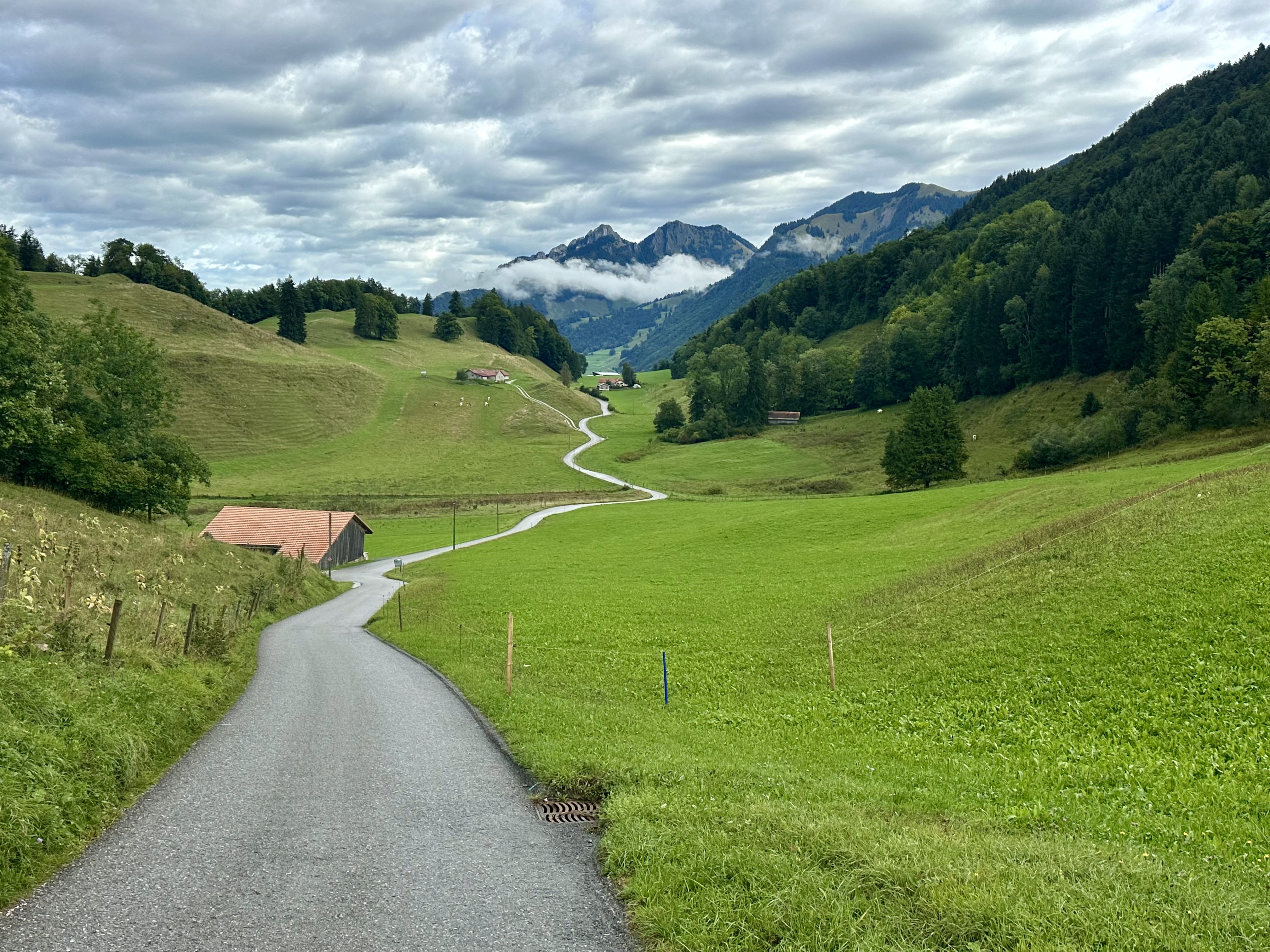
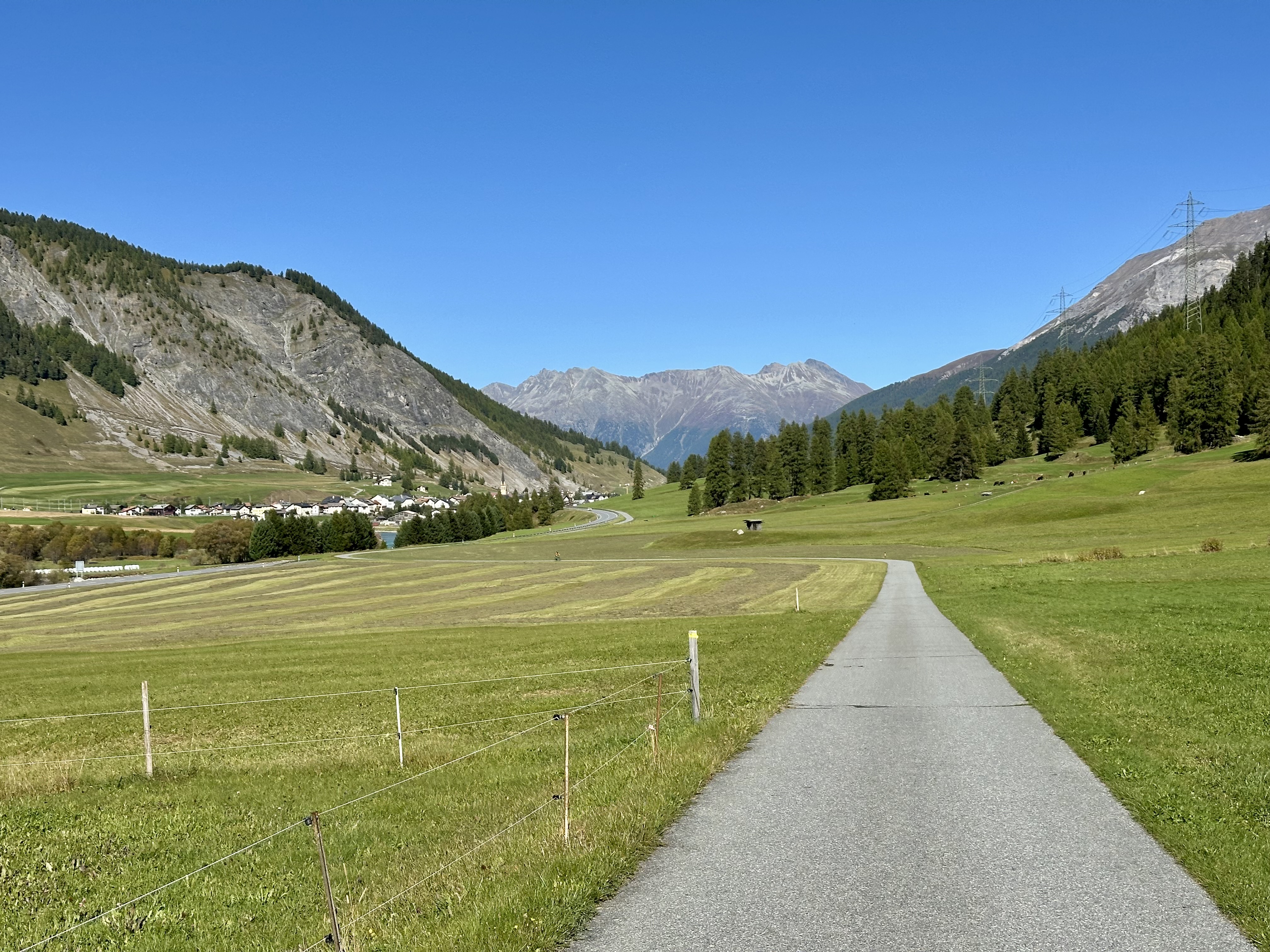
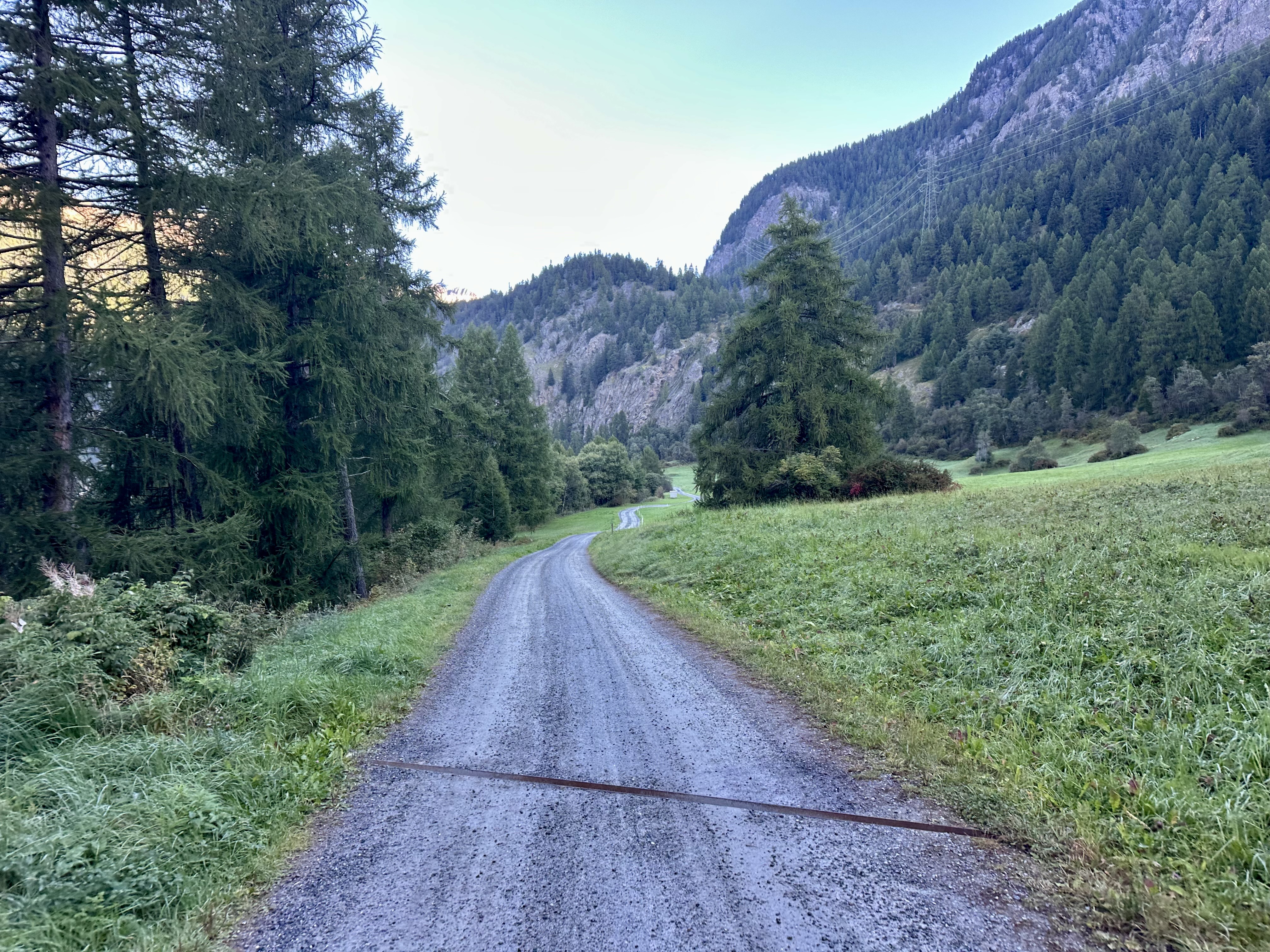
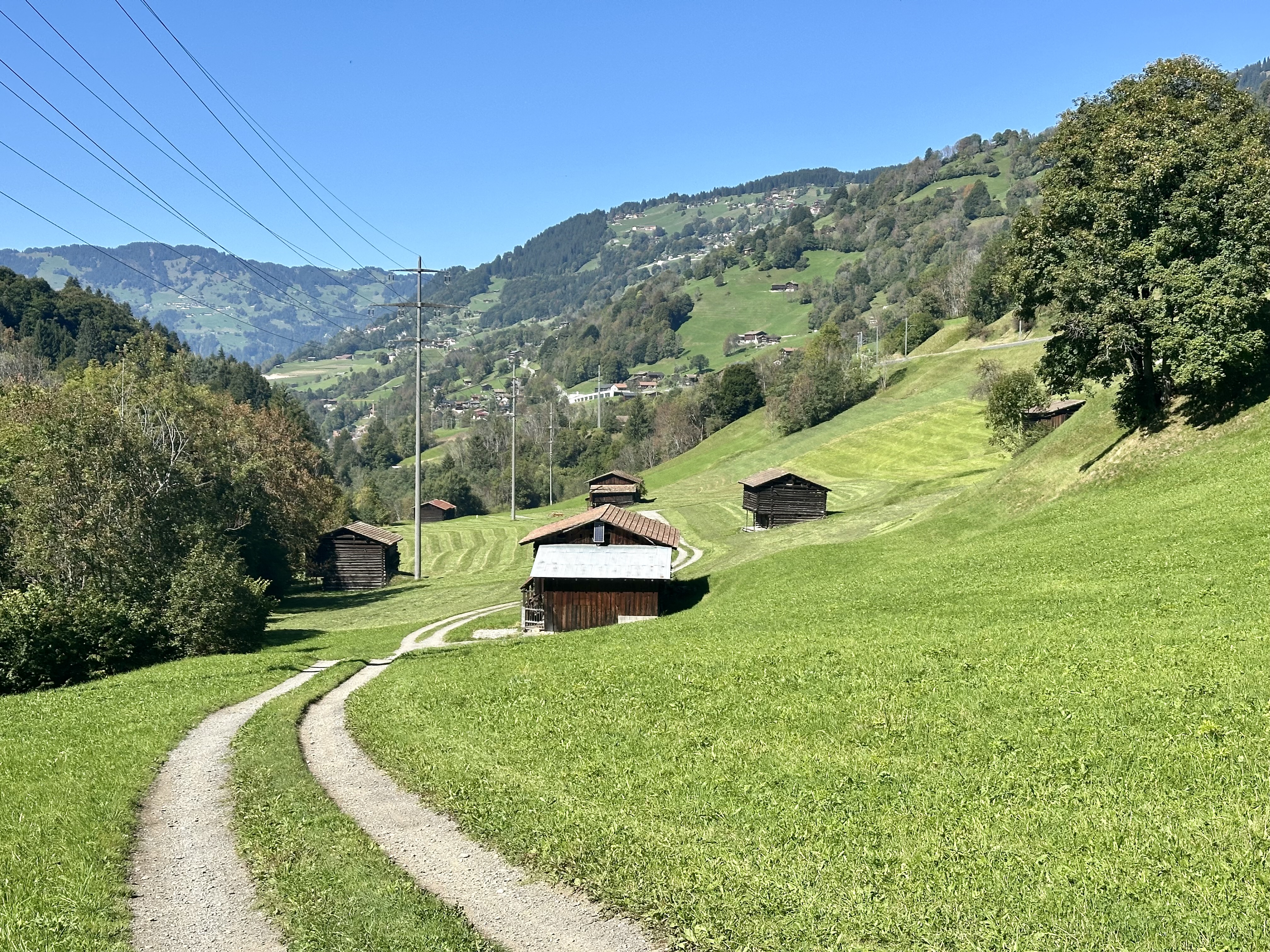
Switzerland is paradise for cycling. There are marked routes everywhere, and a fantastic app you can use for planning (the routes are also well documented Komoot). The great thing about the routes is how they stitch together on-road cycling lanes, back routes, paths, gravel tracks and connecting paths. In doing so, you end up taking routes that often have low or no traffic. When you do end up on a road, Swiss drivers (like the French and Italians) are also generally pretty respectful of cyclists.
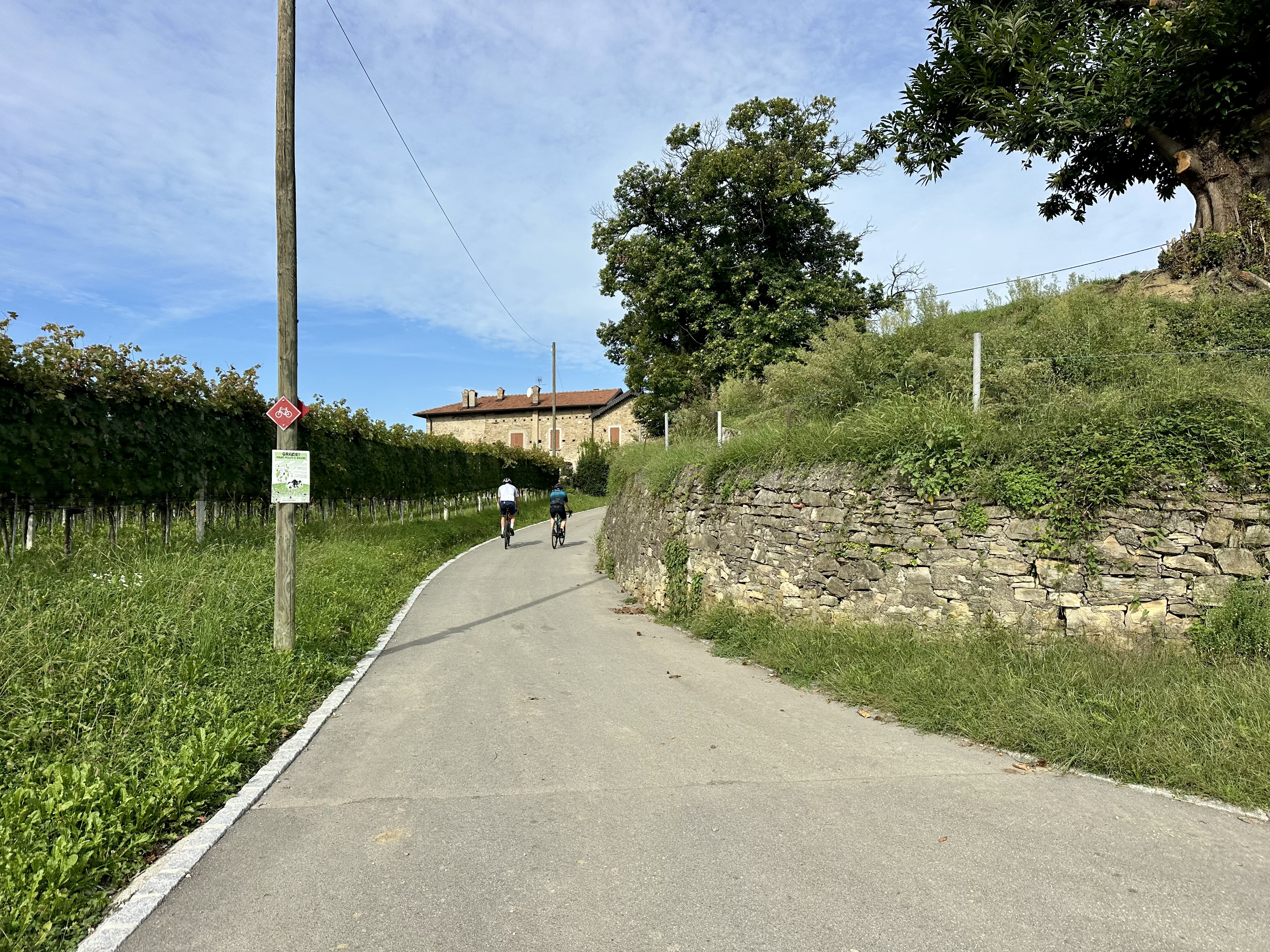
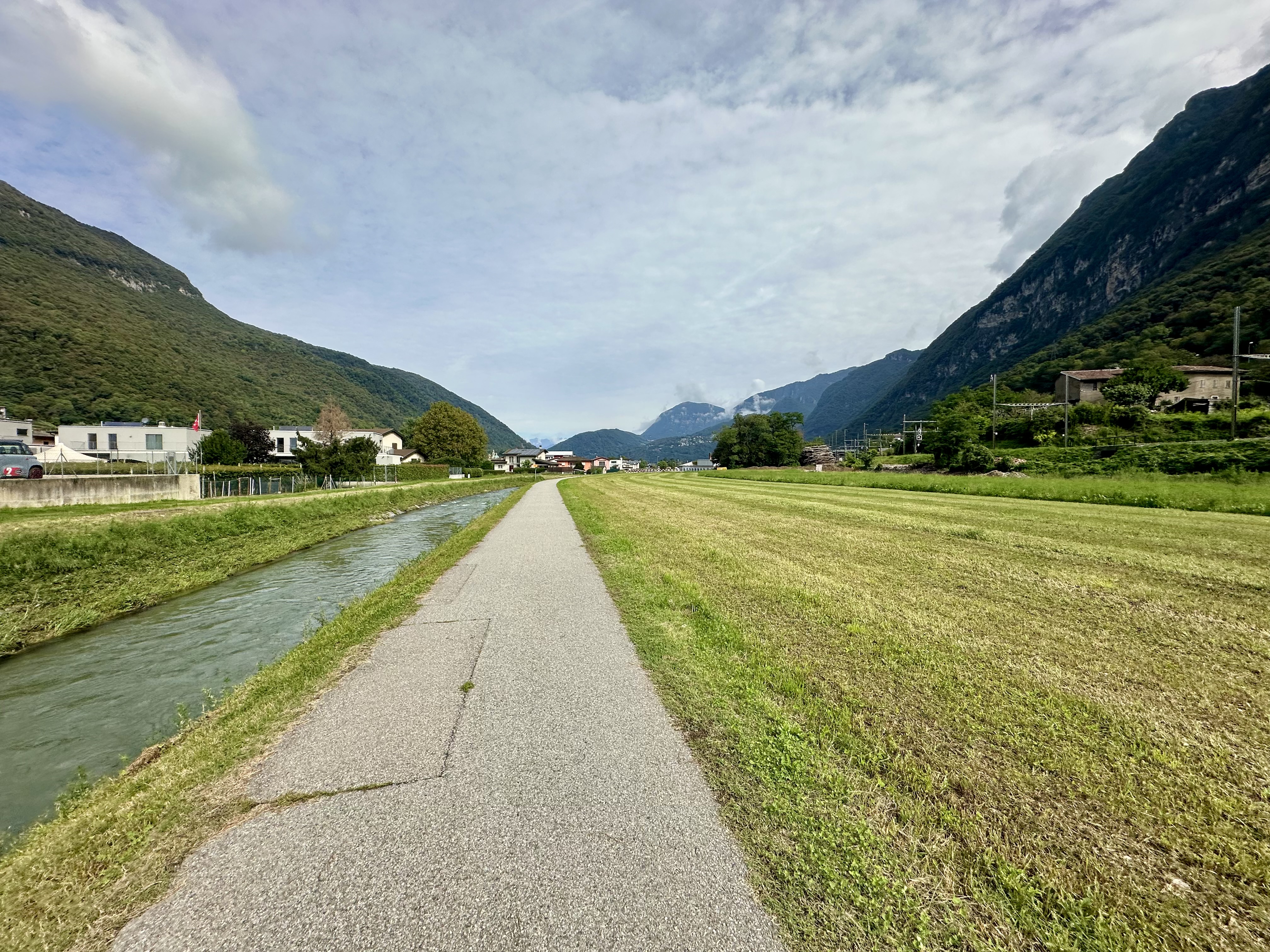

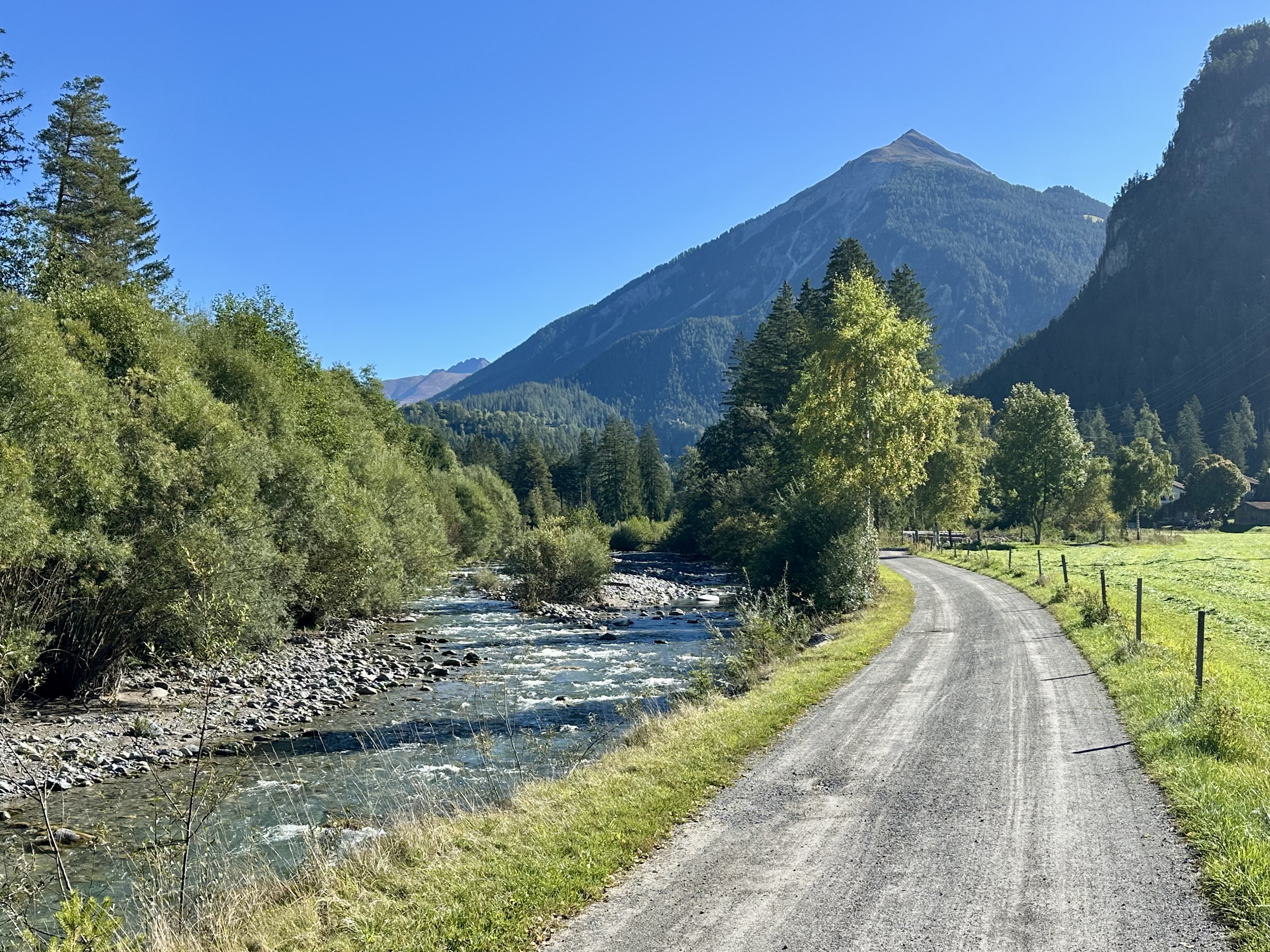
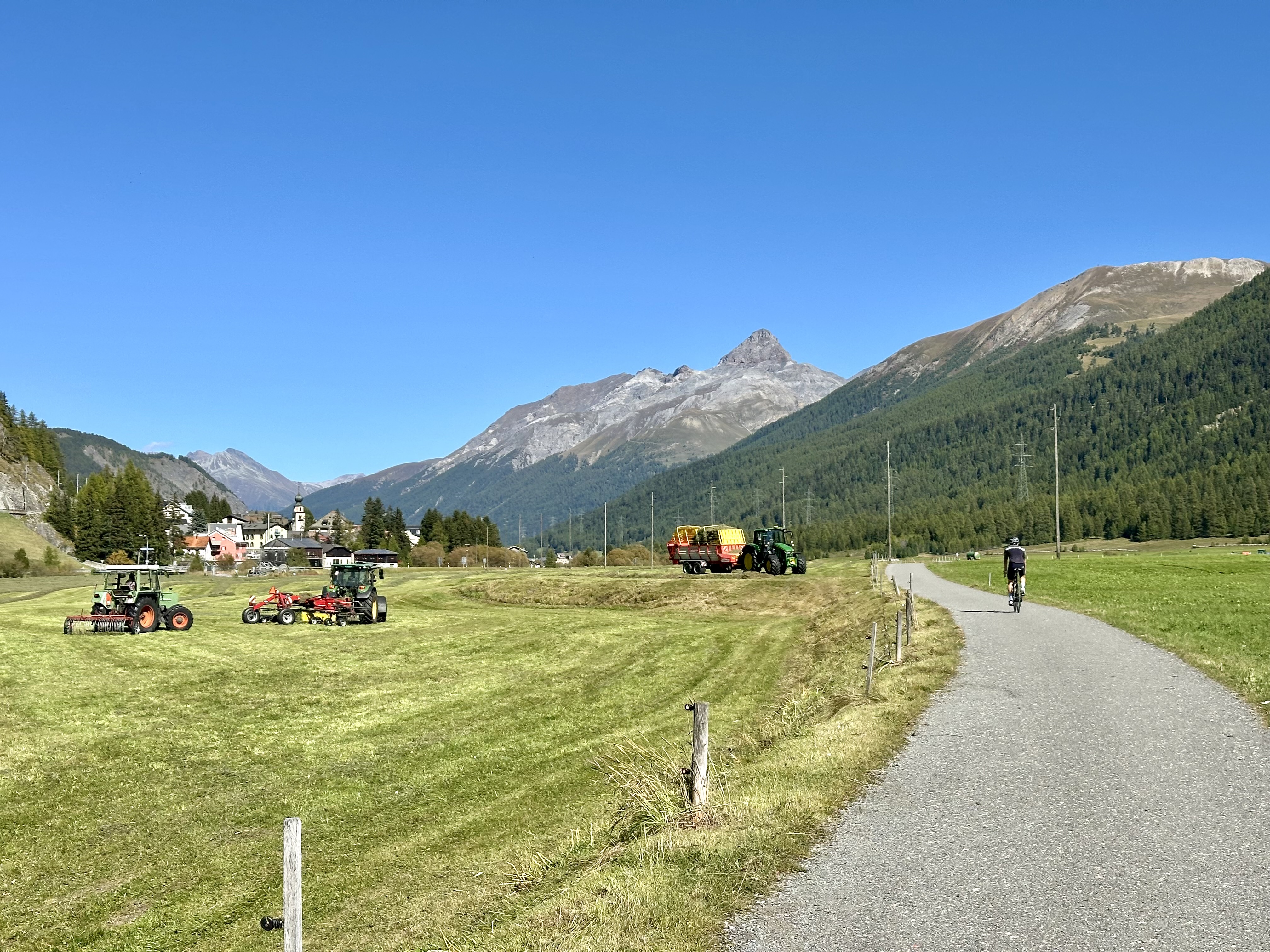
While the main routes do include gravel, I’m not sure you need a gravel bike to take them – almost without exception the gravel was well maintained and smooth. The paths I cycled in Grisons are good examples of this, which switched regularly between sealed and unsealed.

Climbs
I’ve ordered the climbs in the rough order of how epic and enjoyable they were. Views may differ based upon the weather, but they are all highly recommended!
Grosse Scheidegg
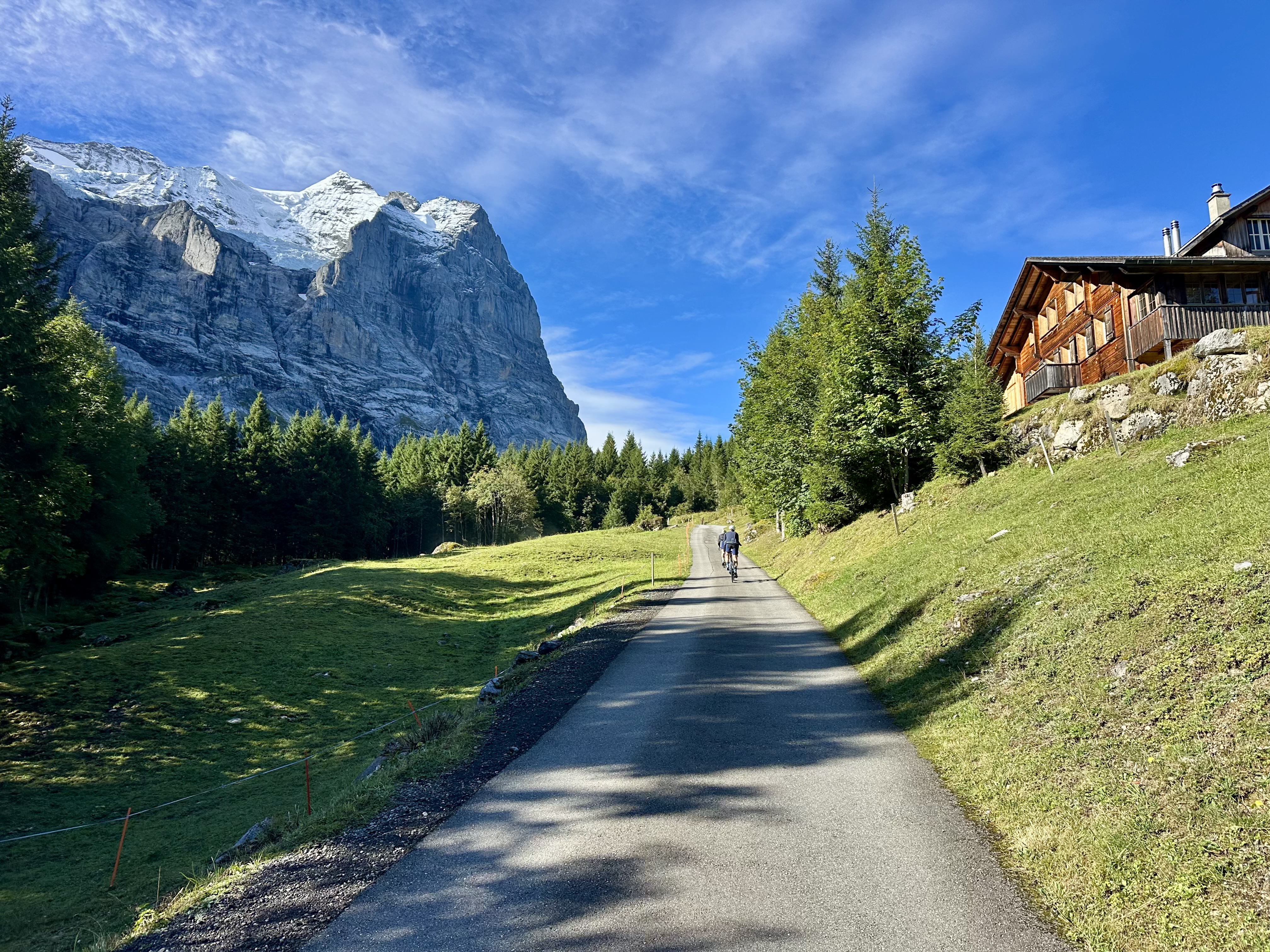

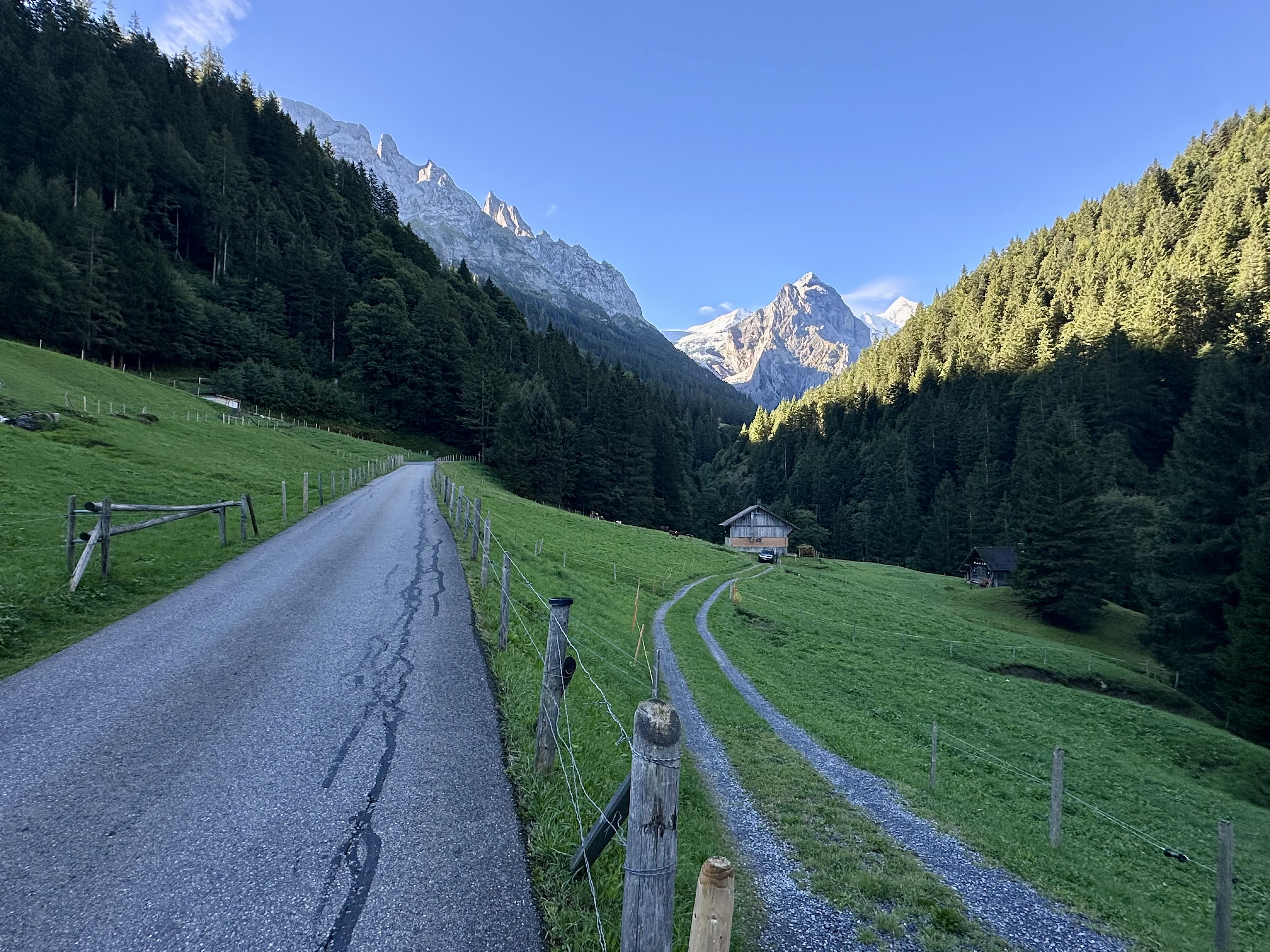
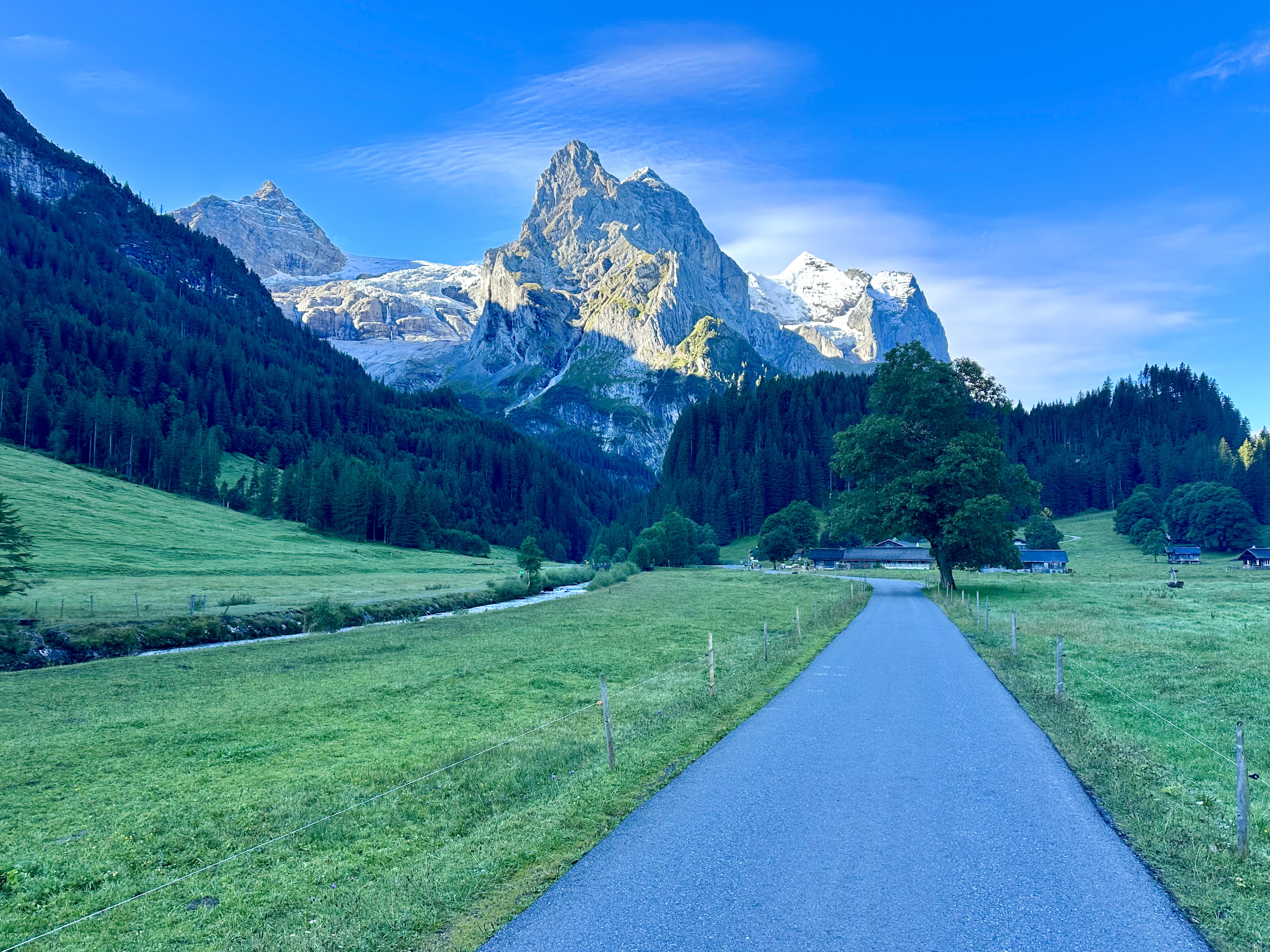
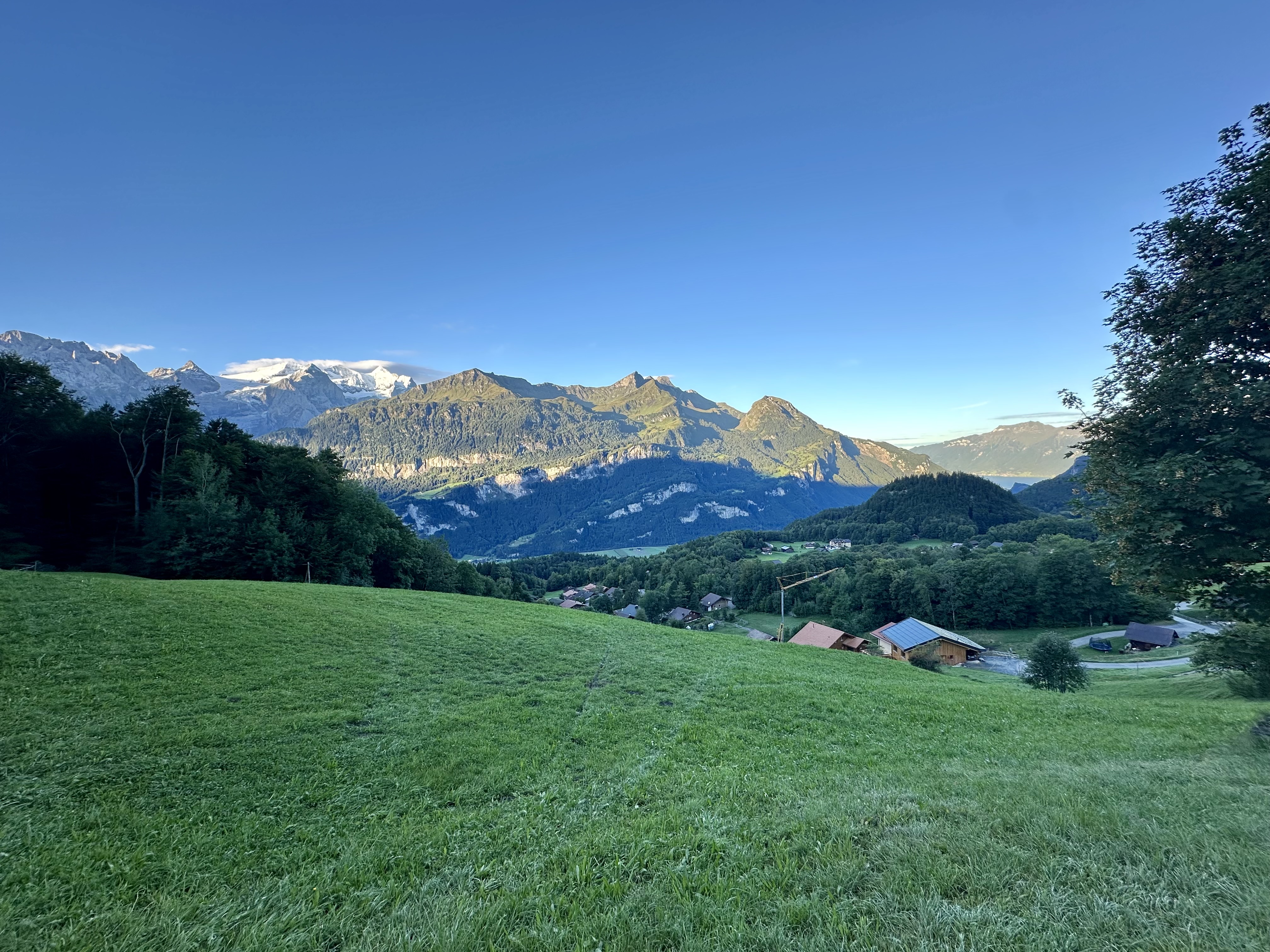
I’ve never experienced anything like the views from climbing Grosse Scheidegg. The sheer cliffs and ice and snow are absolutely gobsmacking. This alone is the the best reason for this climb.
Other reasons?
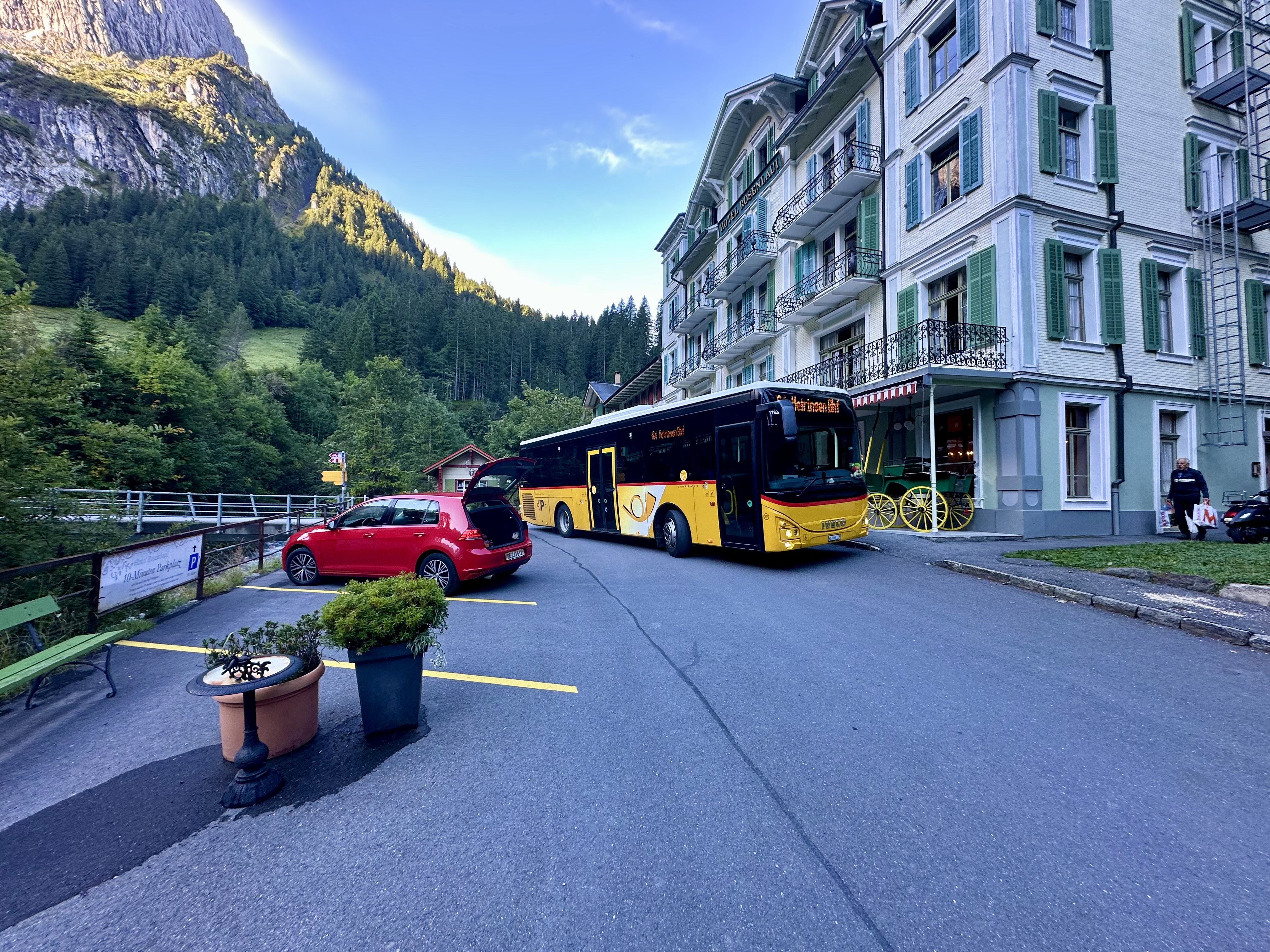
- The climb is close to traffic free. No through-traffic is allowed other than the PostBus so the cycling freedom that comes with that is amazing. There are some cars (e.g. to farms and lodges) but it is as limited as I experienced anywhere. Pretty cool.
- The views of Eiger on the southern side, both from the top and also Grindlewald, are also epic.
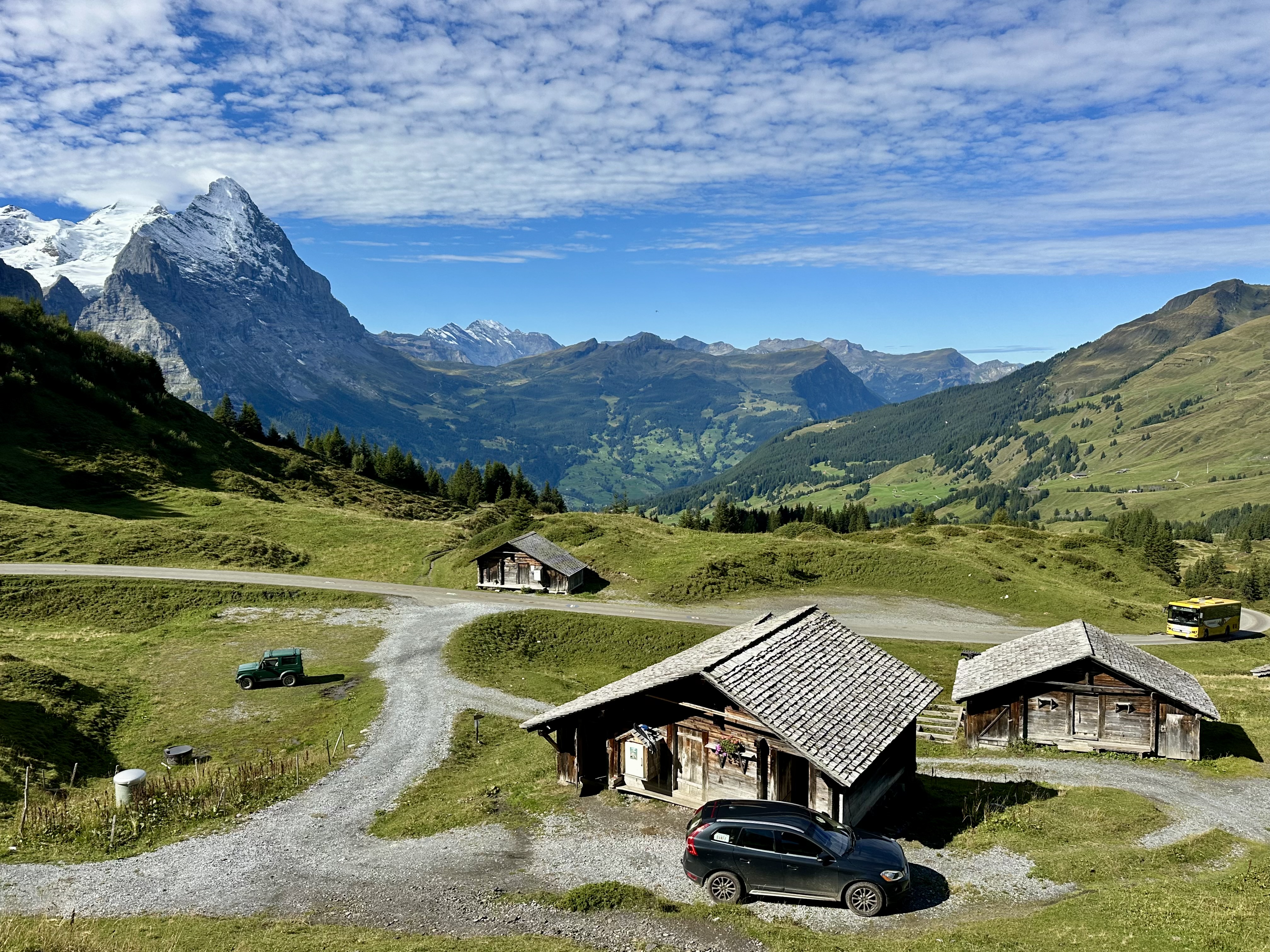
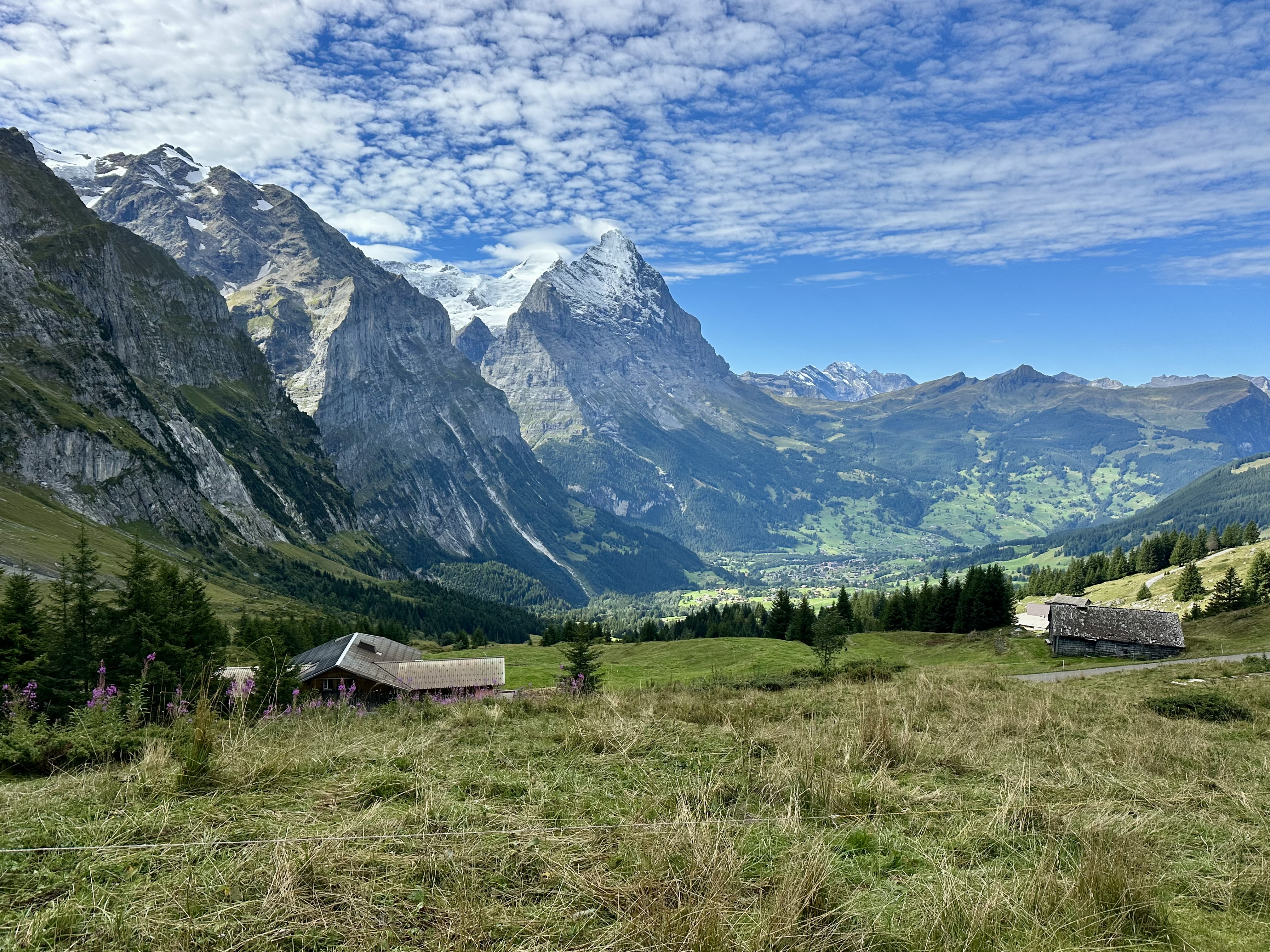
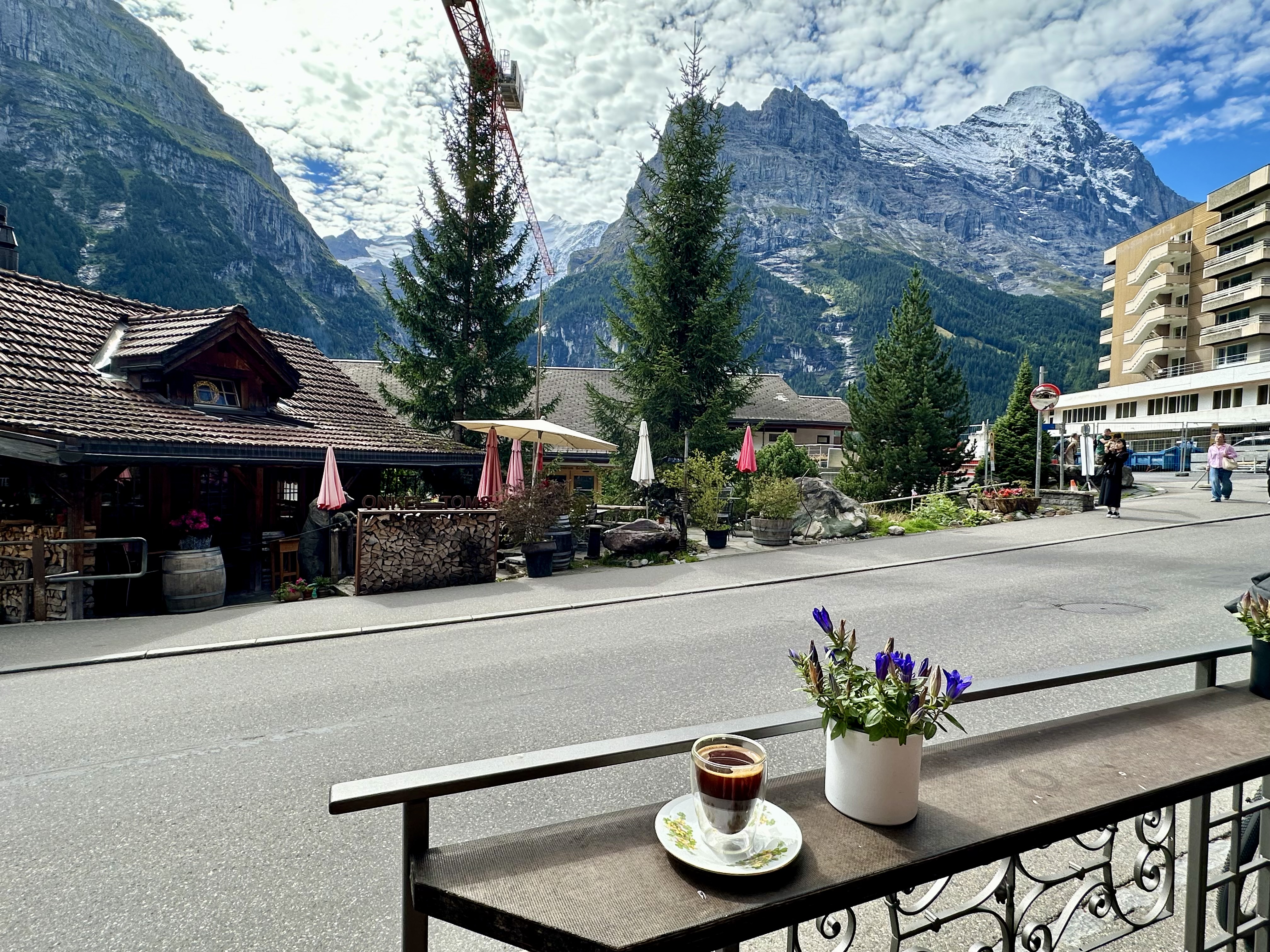
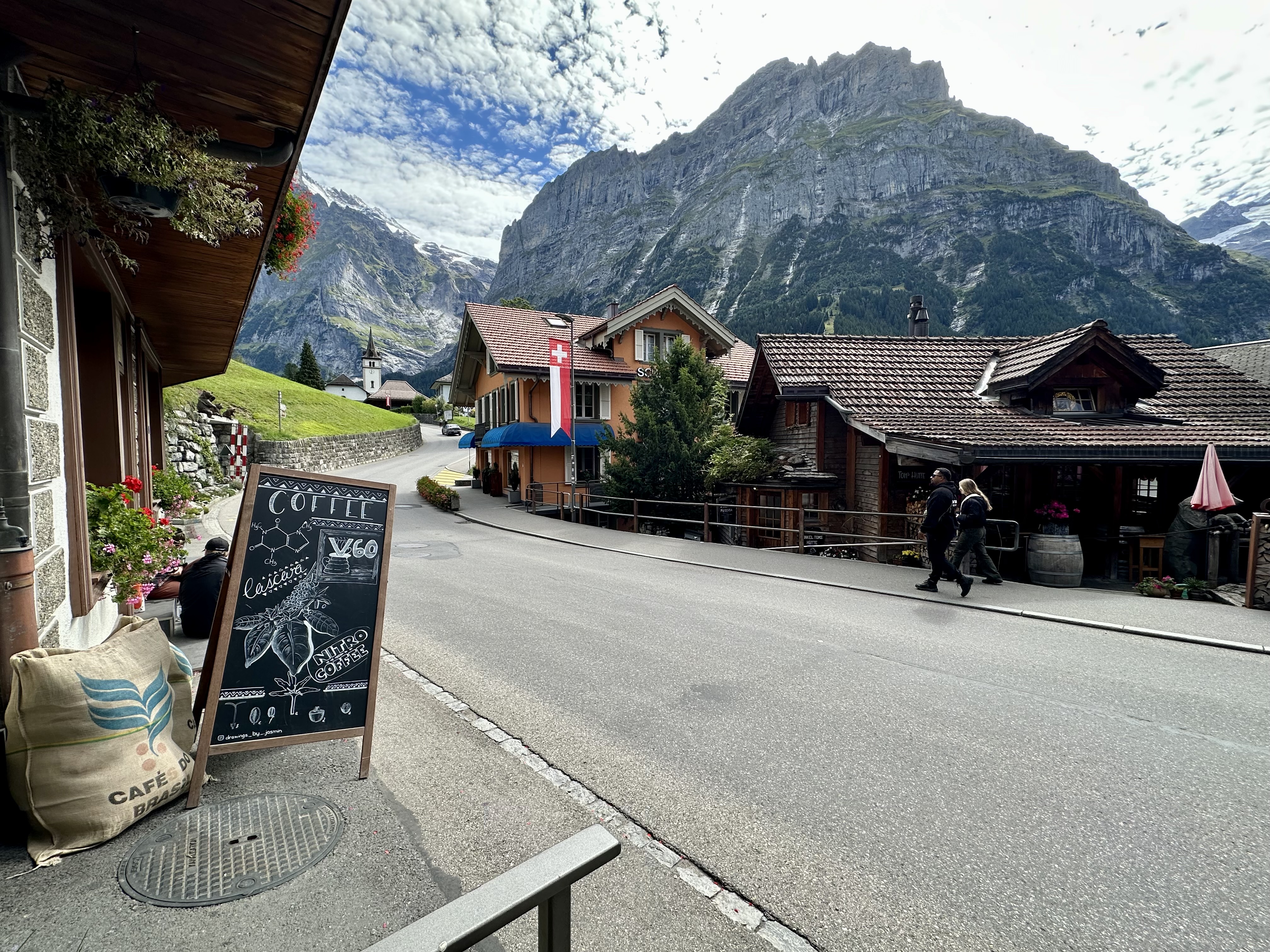
I didn’t stop to take too many photos on the descent, but the views remain amazing. When you reach Grindelwald it is worth recovering at Cafe Eiger Bean to take in the view again….
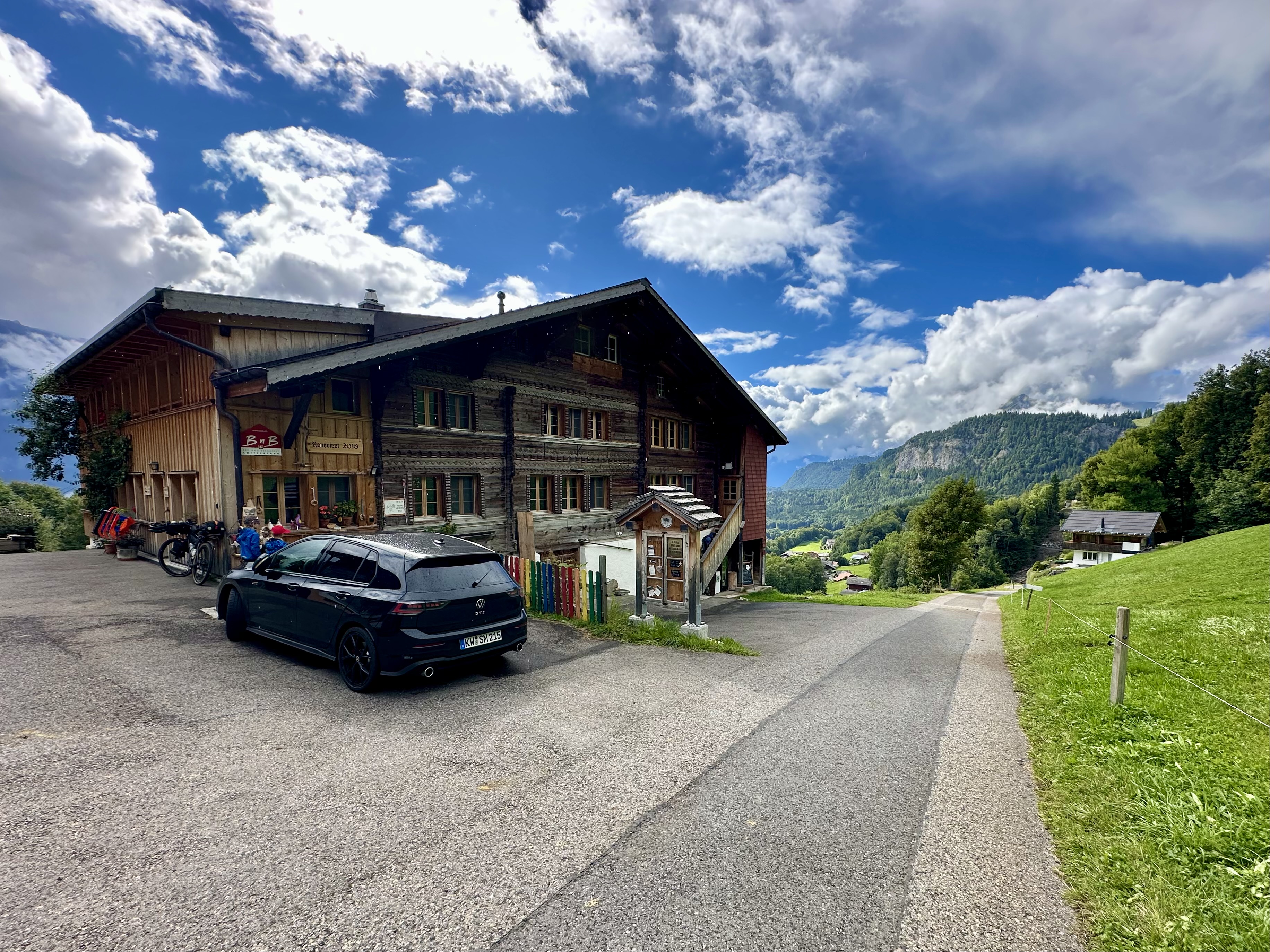
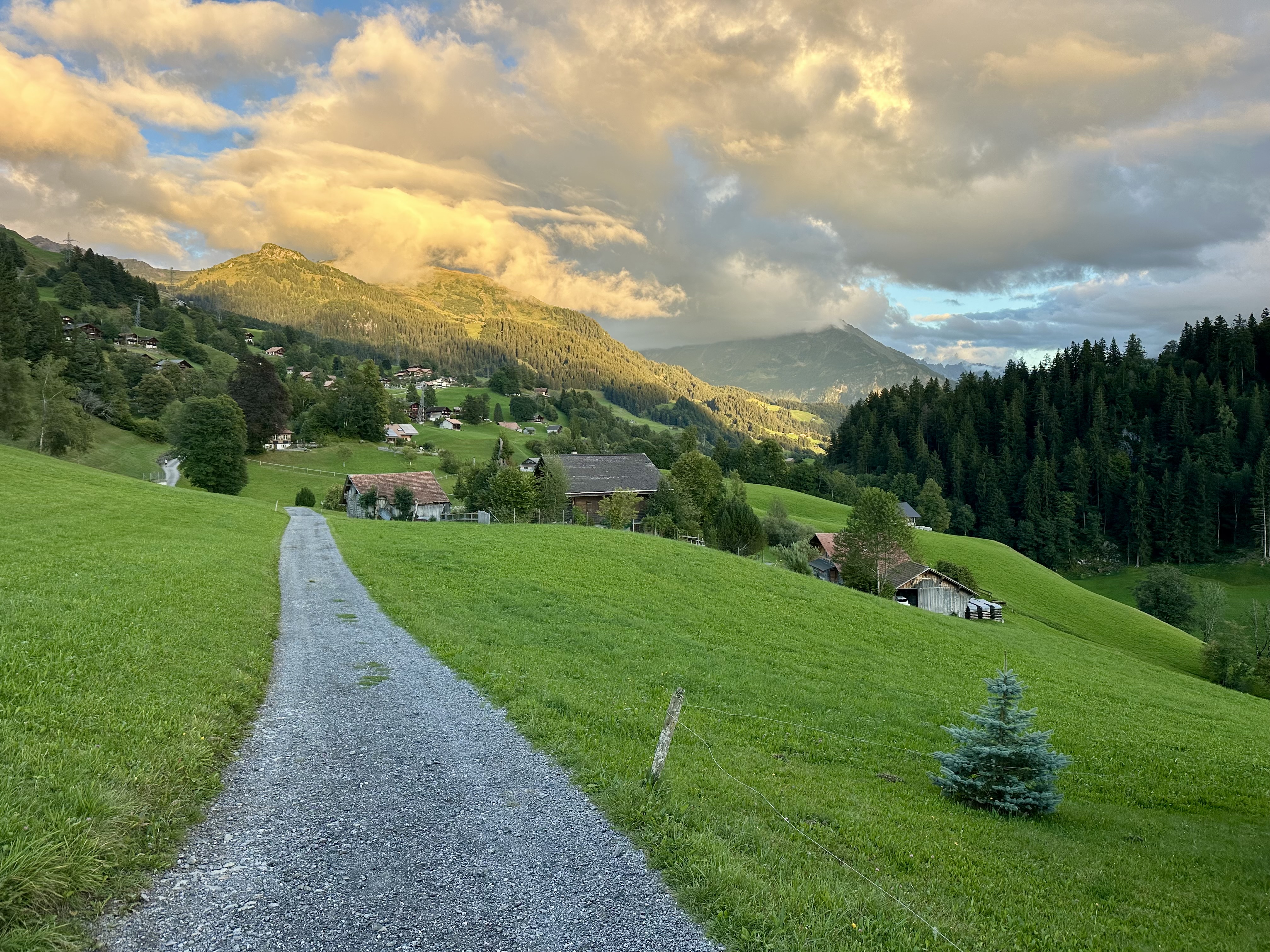
One thing to call out is that prior to this climb I stayed at an awesome Airbnb – B&B Beutefluh. The views from up here are amazing, and it was a quiet comfortable night on a local farm. Brilliant.
Furka, Grimsel & Susten

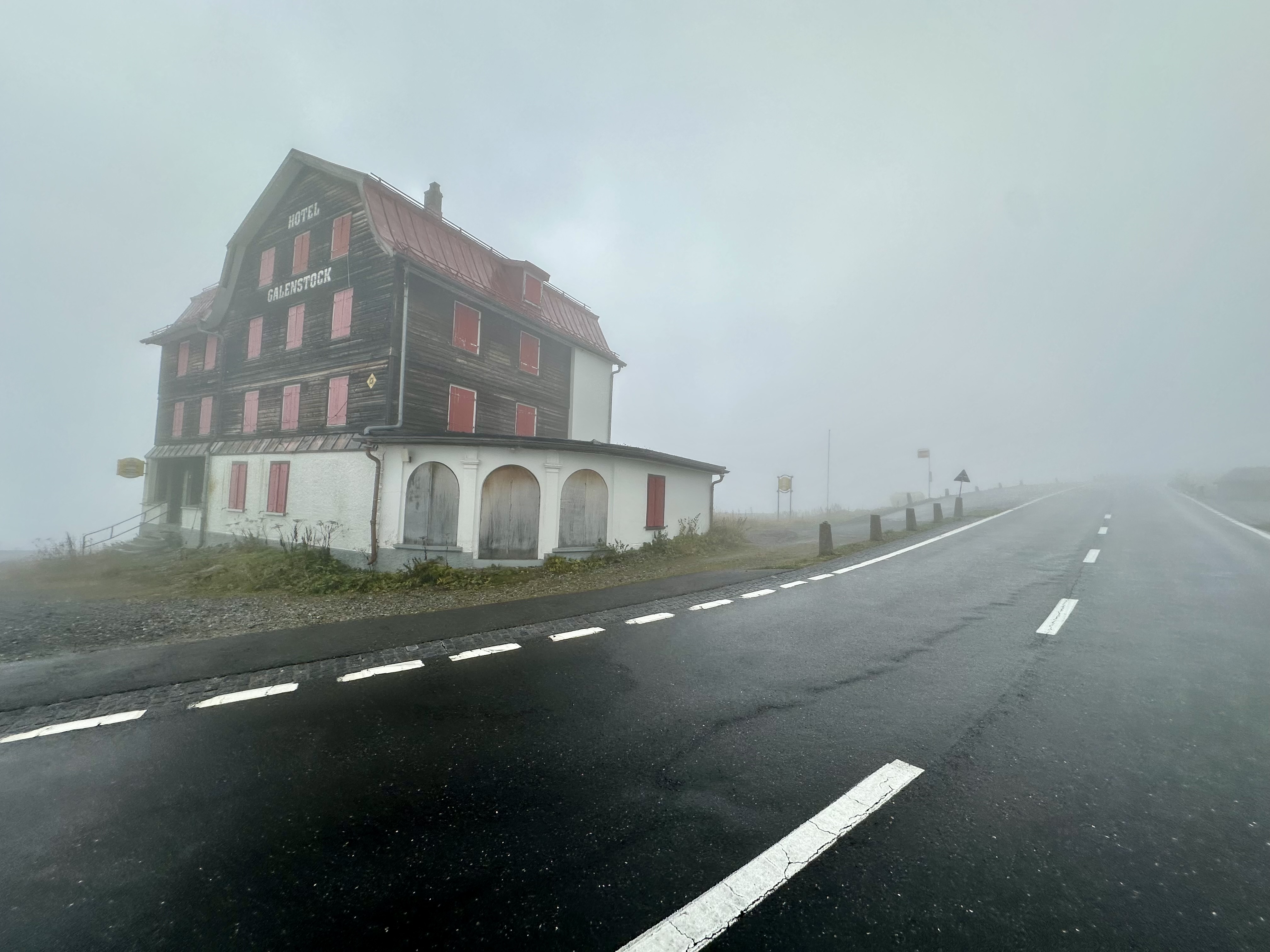
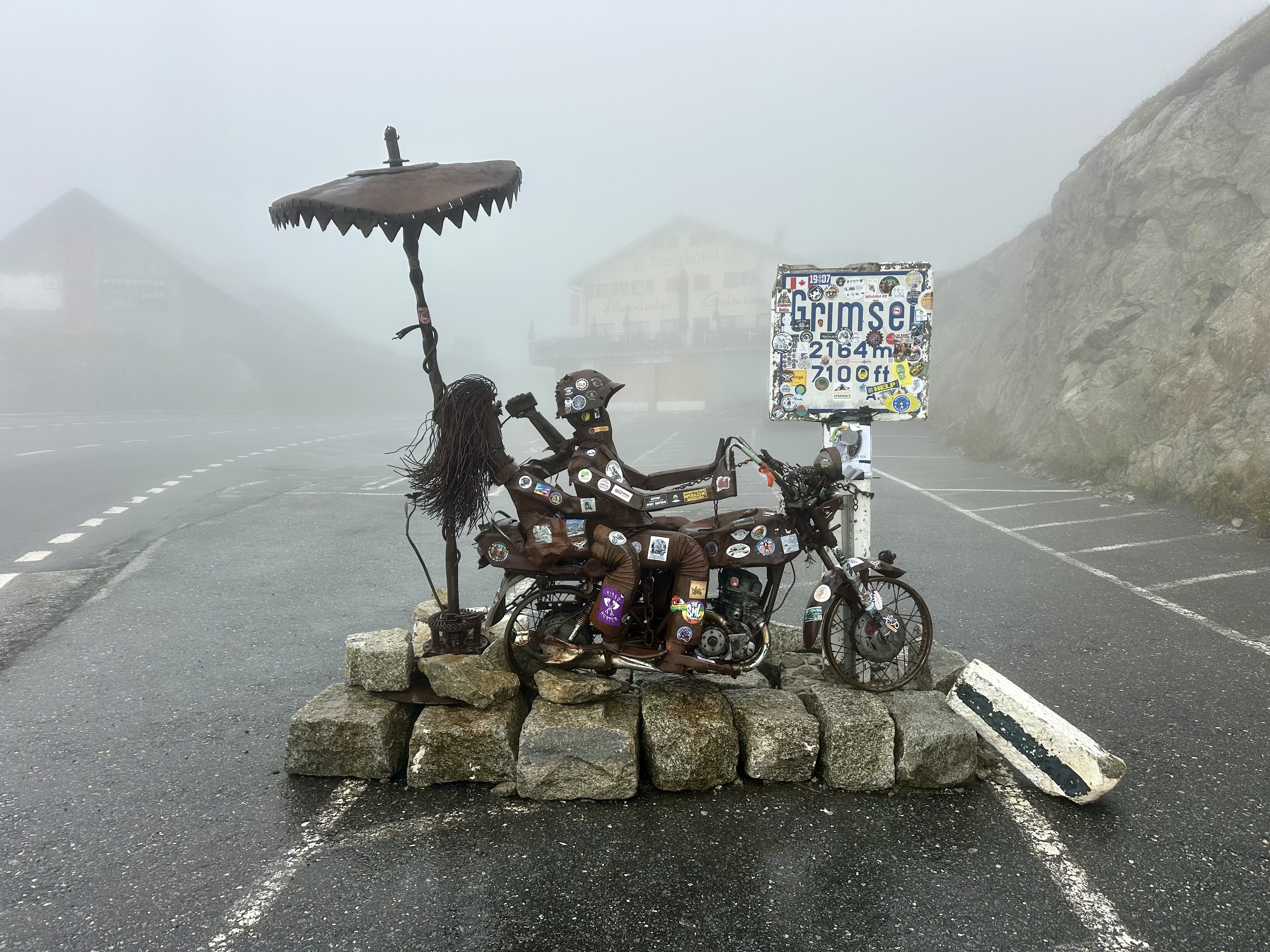
I was incredibly blessed with the weather in my time in Switzerland and France. The one genuinely cold day was when I tackled the three climbs of Furka, Grimsel and Susten, starting with a foggy climb up Furka (starting out from Andermatt). A great reminder that you need to bring layers as well as fingered gloves when cycling here.
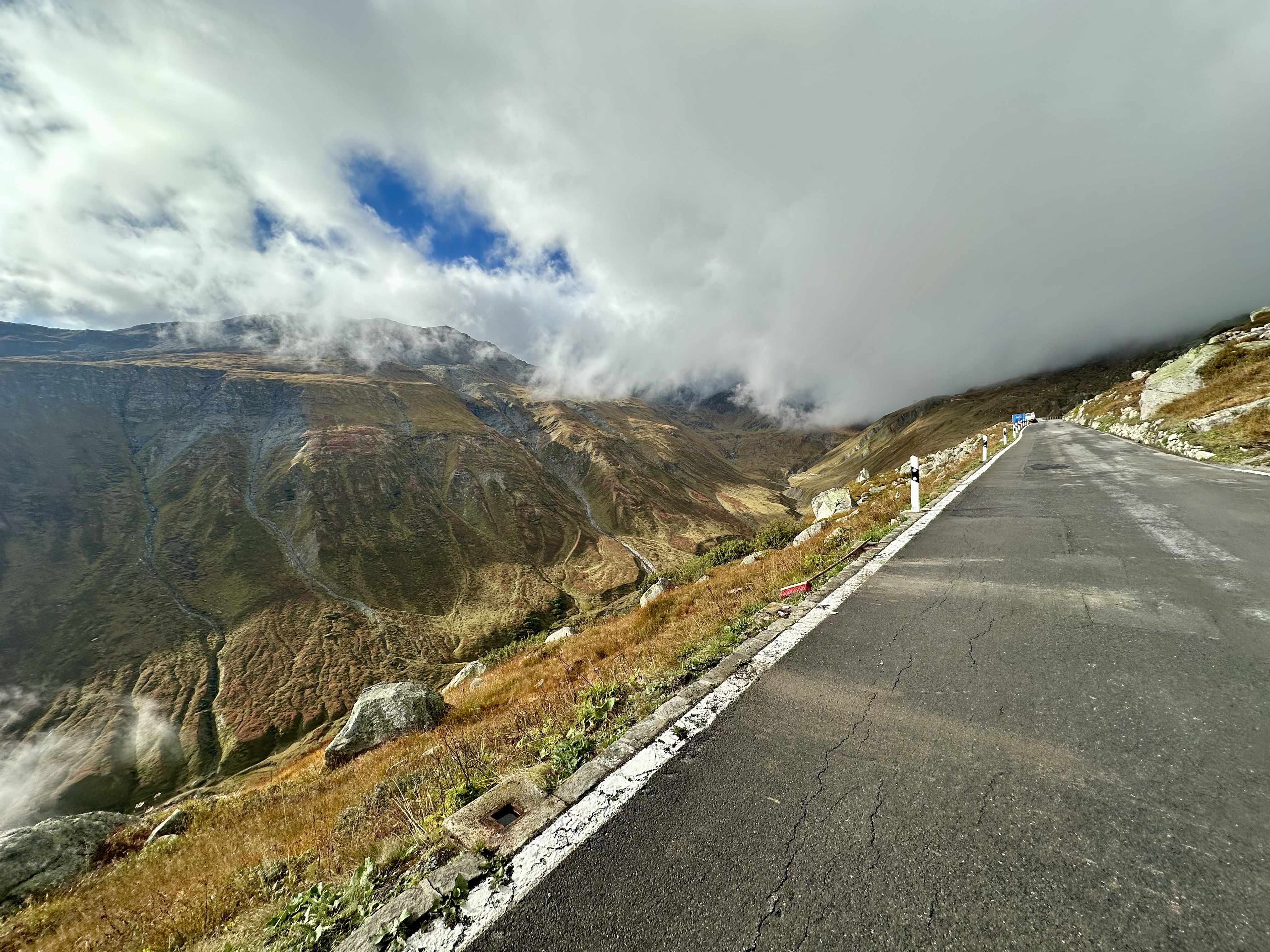
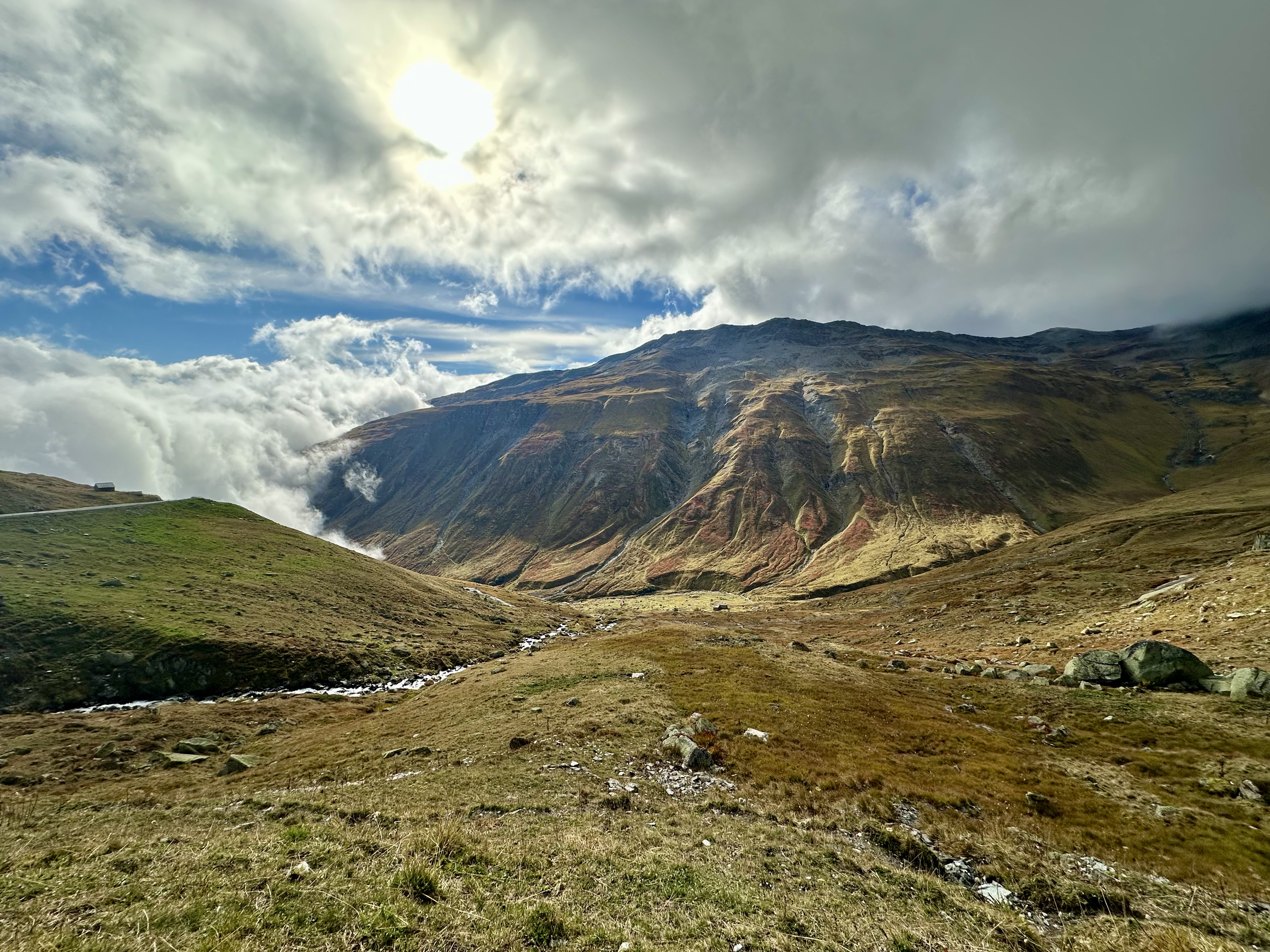

Amazingly the views opened up when approaching the Furka summit – I think I’d climbed over the cloud! On the descent the fog returned, but again cleared out when getting towards the bottom – just past the iconic Hotel Belvédère. The views over to Grimsel pass are stunning – and you can see the switchbacks you’ll soon tackle. Before doing so, there are coffee options in Gletsche. One was cute (you could sit in retired ski gondolas), but the coffee average.

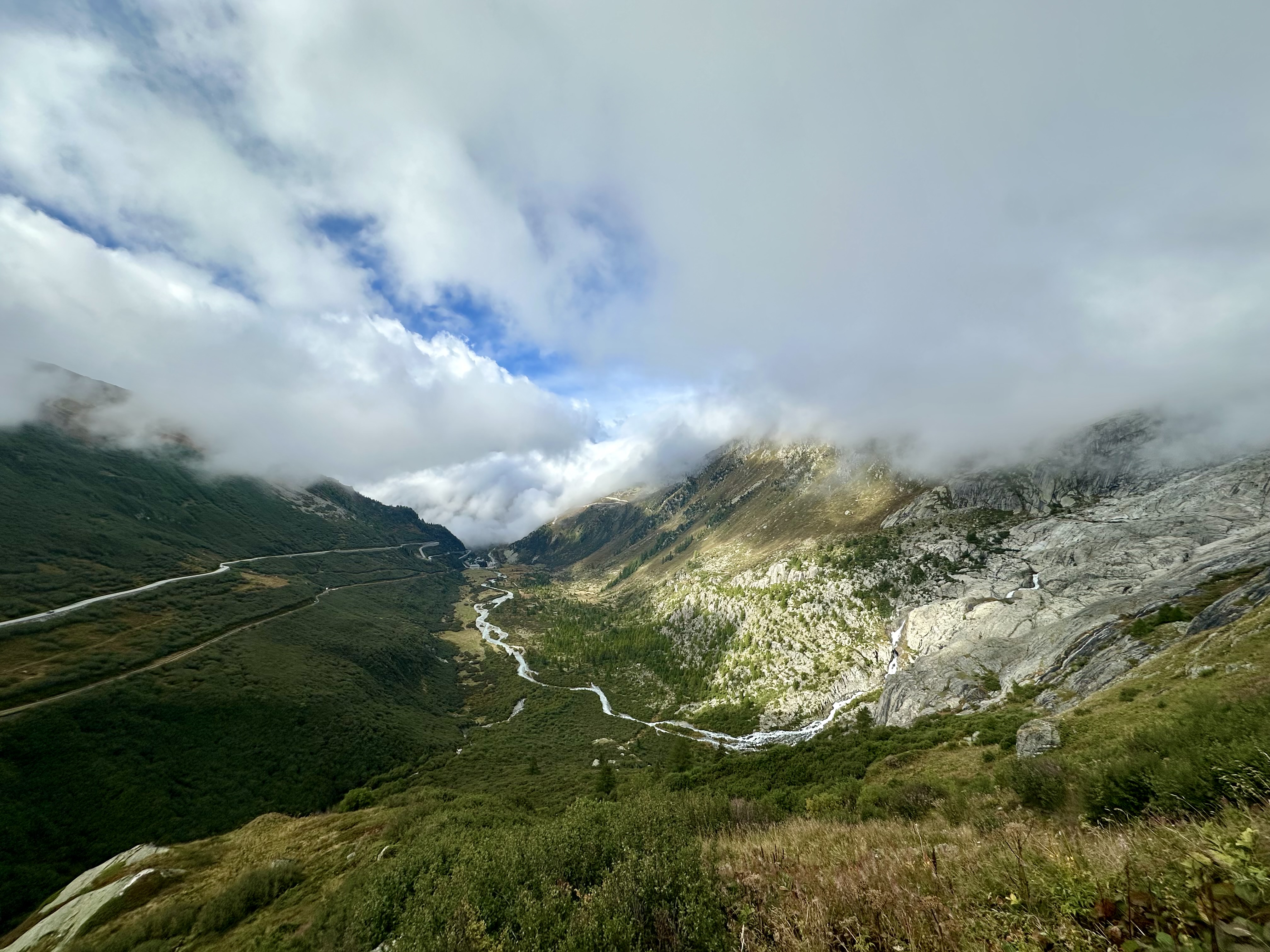

Heading up the Grimsel climb you can look back towards Furka, but towards the top my views were limited again by fog. Shame.
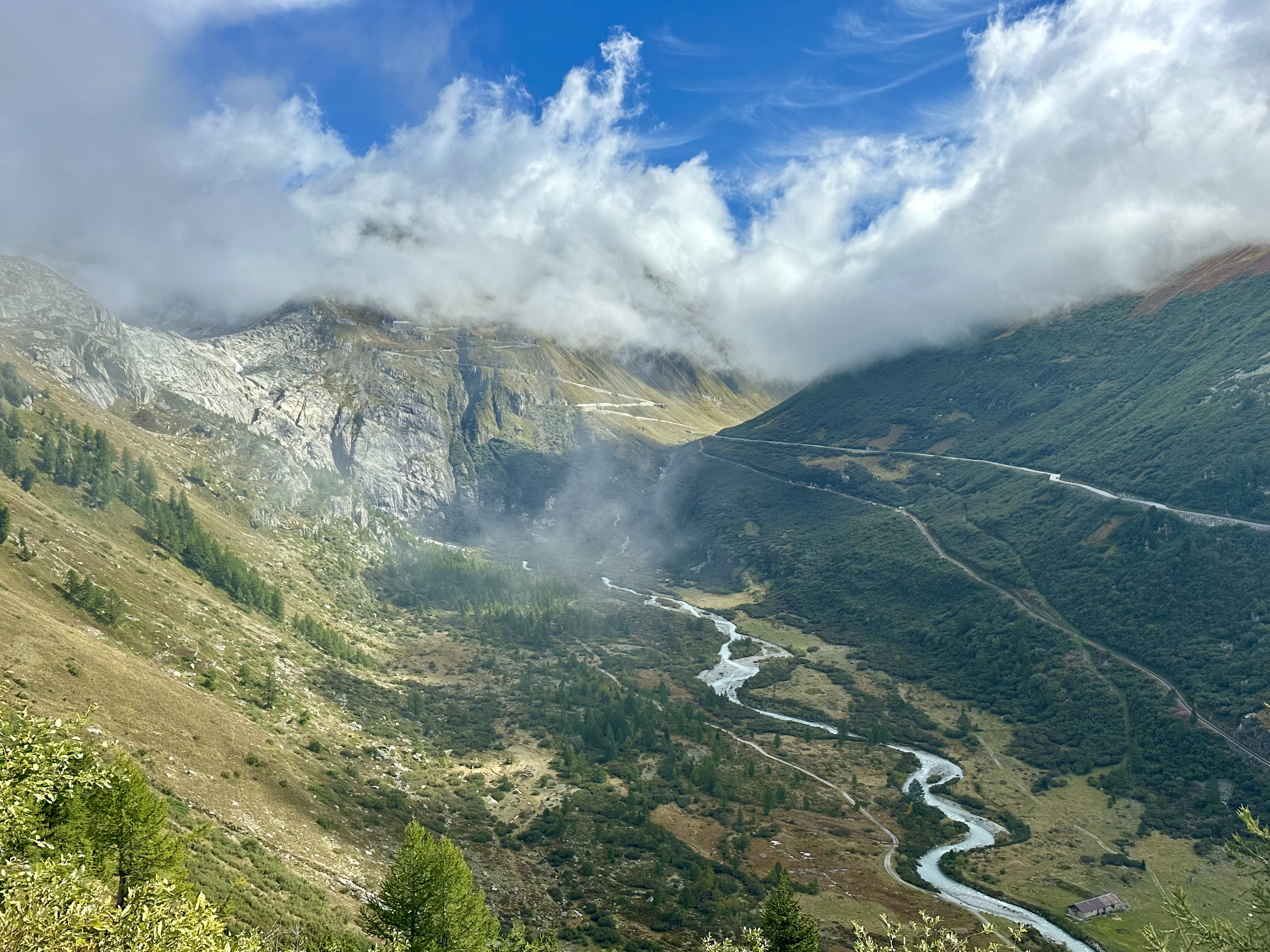
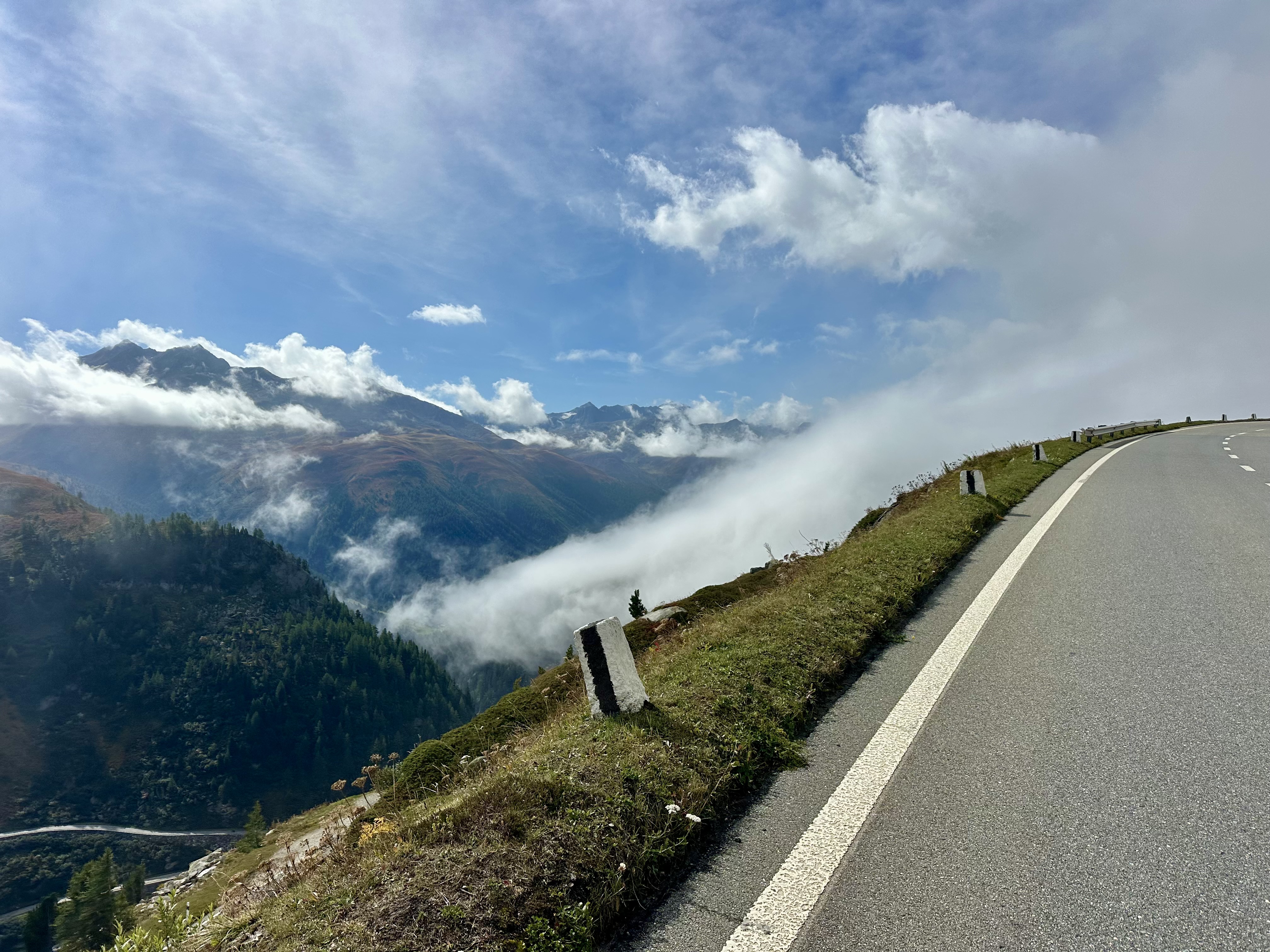
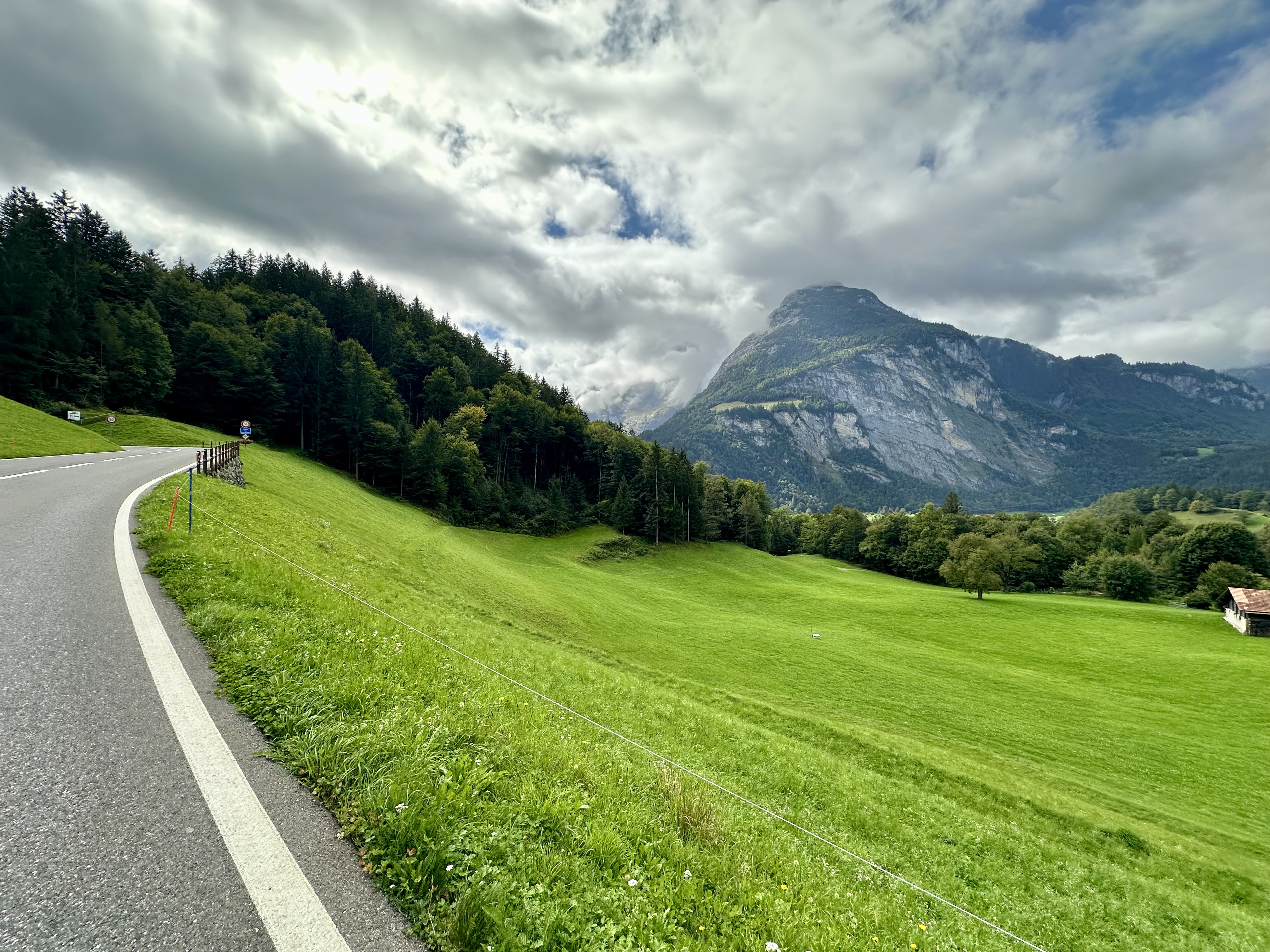
After a lunch break in Innertkirchen, Sustenpass was quite a different proposition. Early on the climb was through a valley of farms and villages, after which things kicked up into more alpine scenery for the second half.
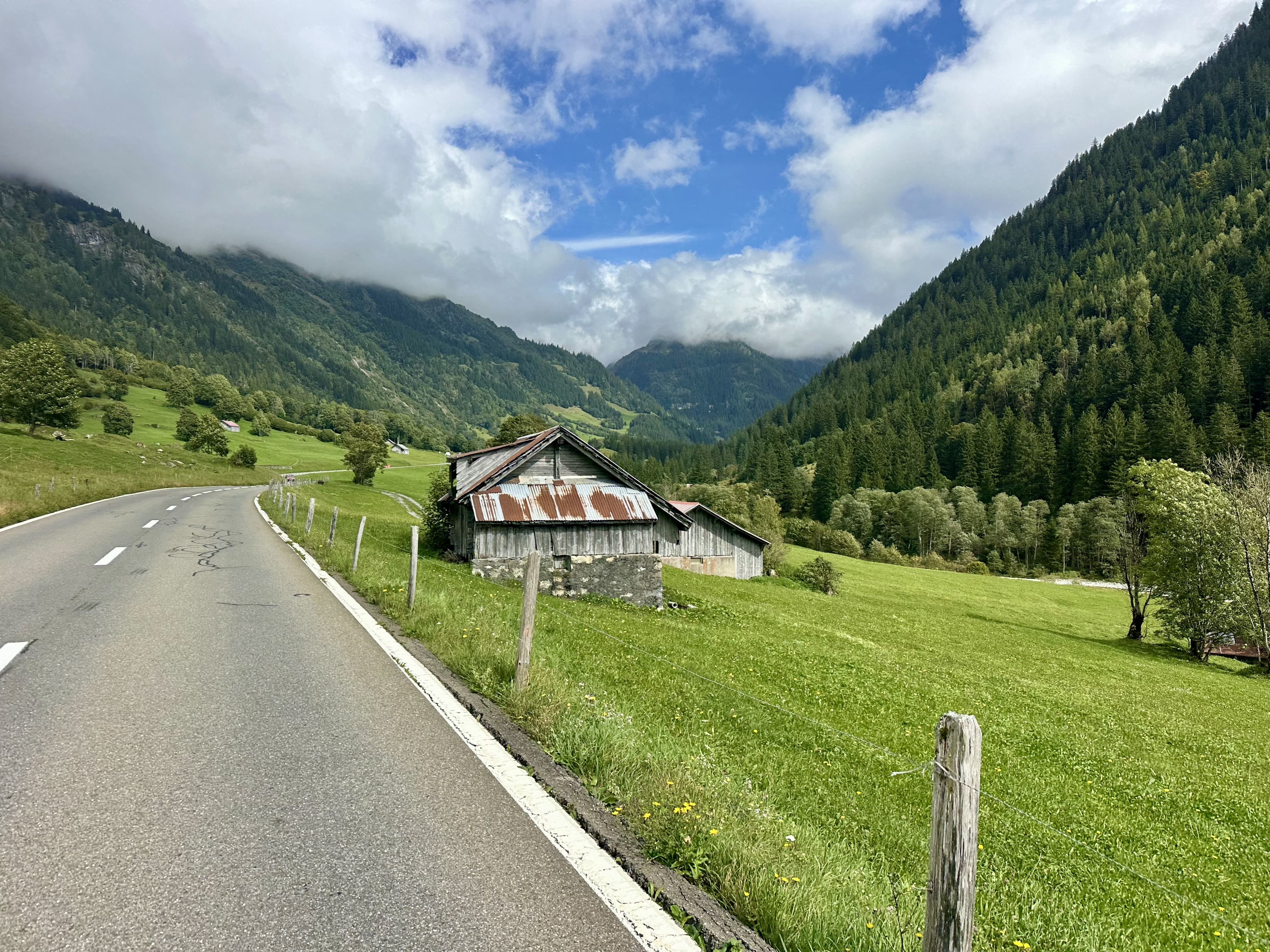
Towards the top switchback climbs started, and again there was some fog, but the descent….
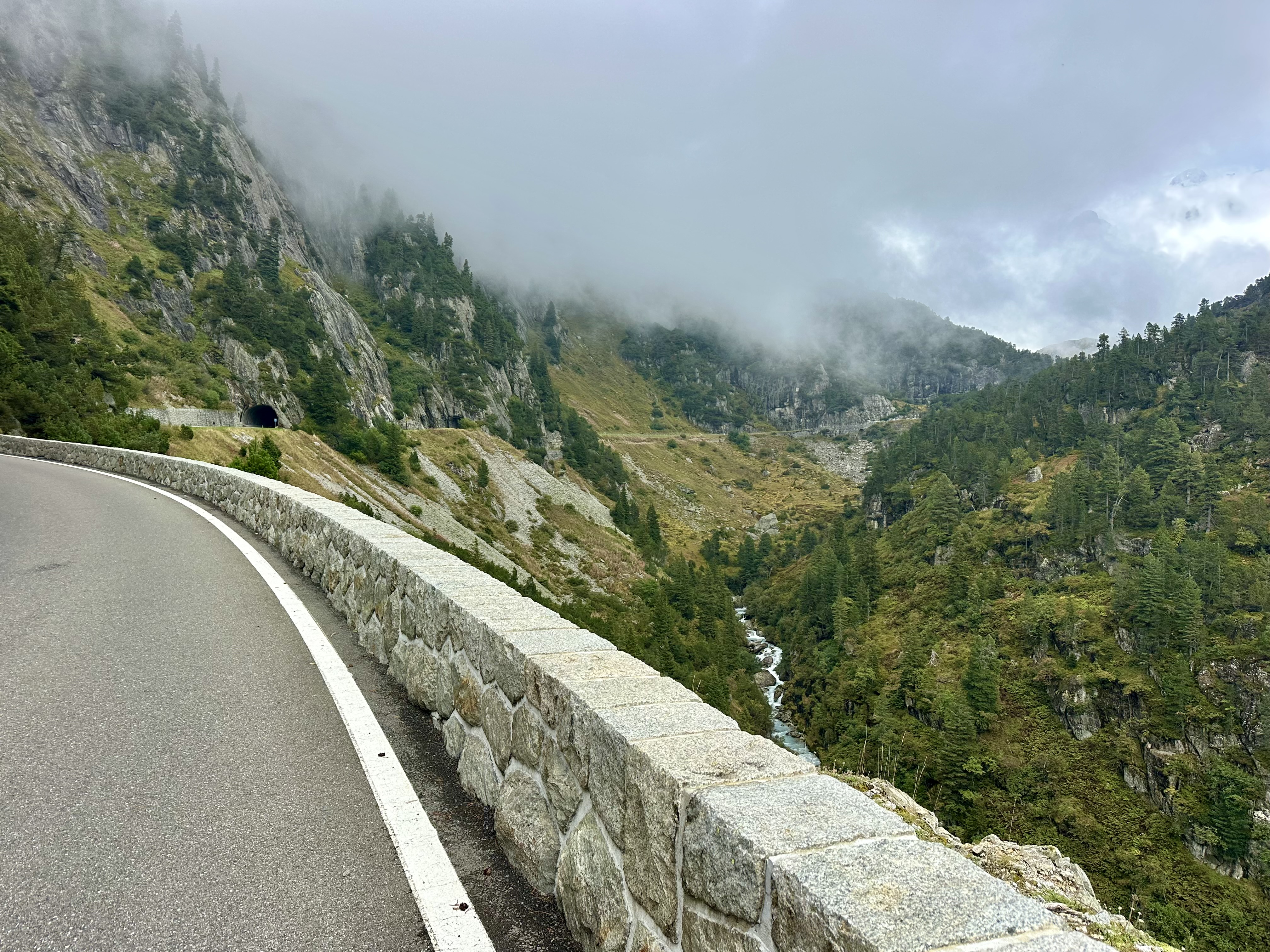
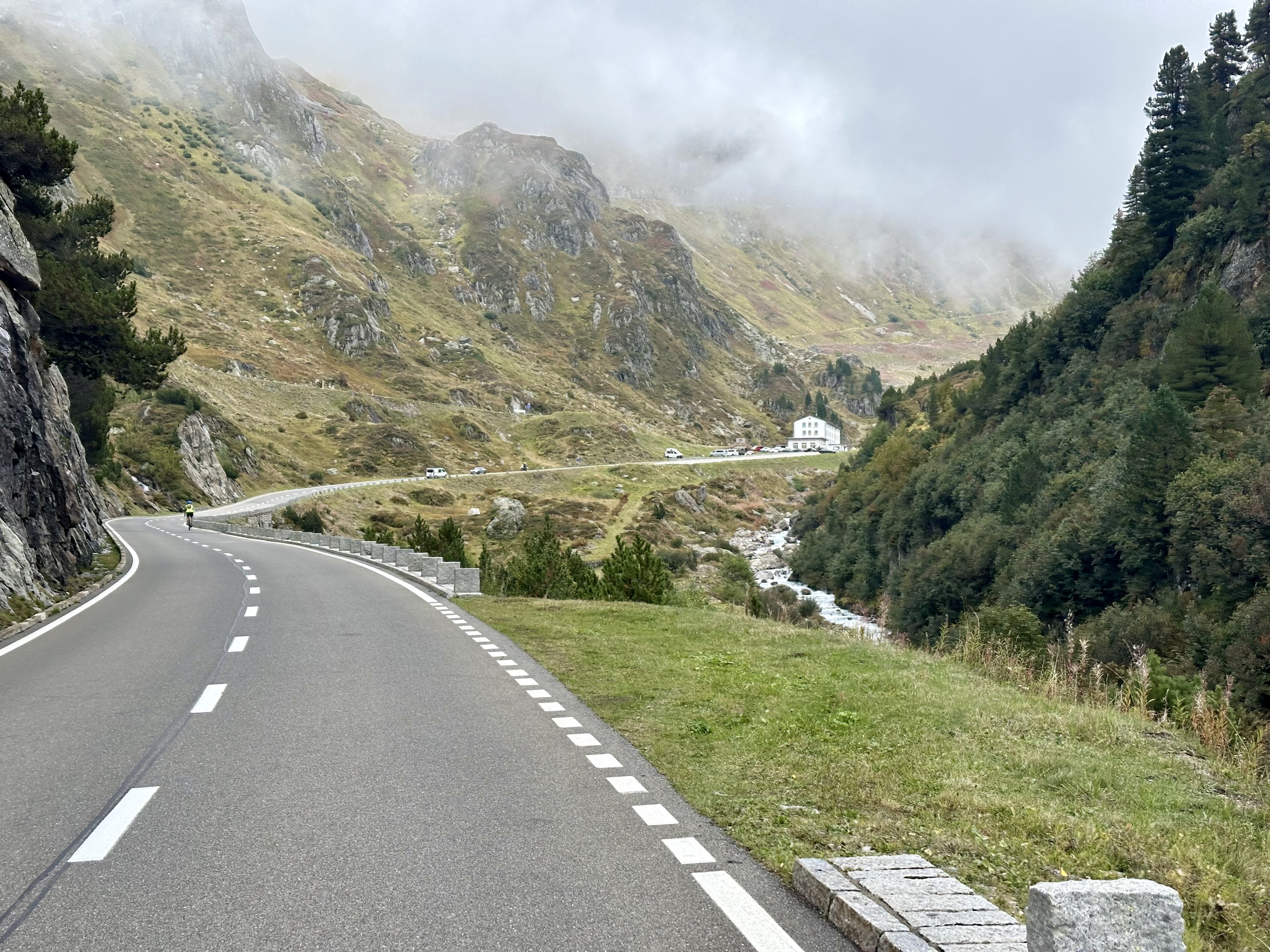
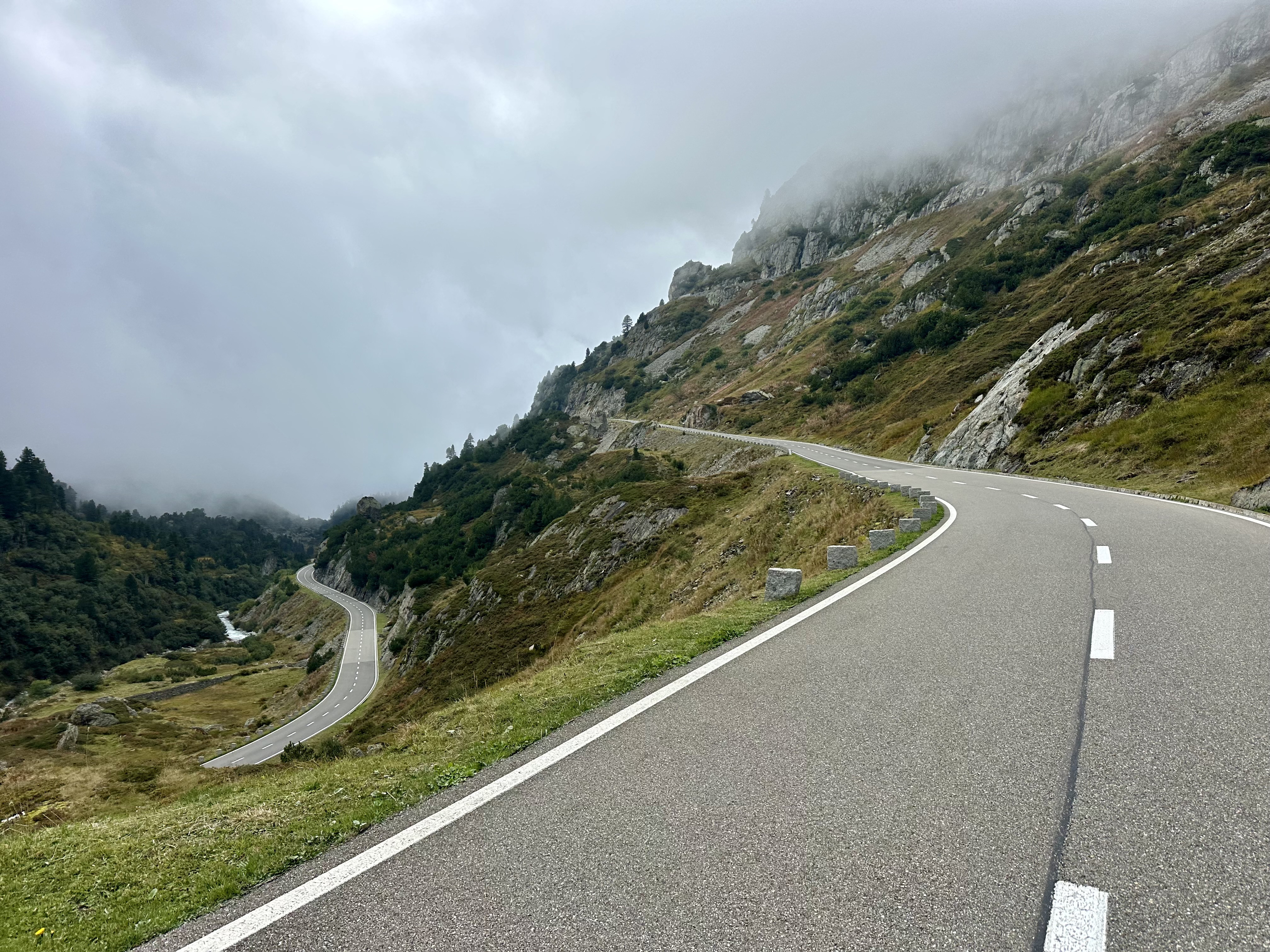
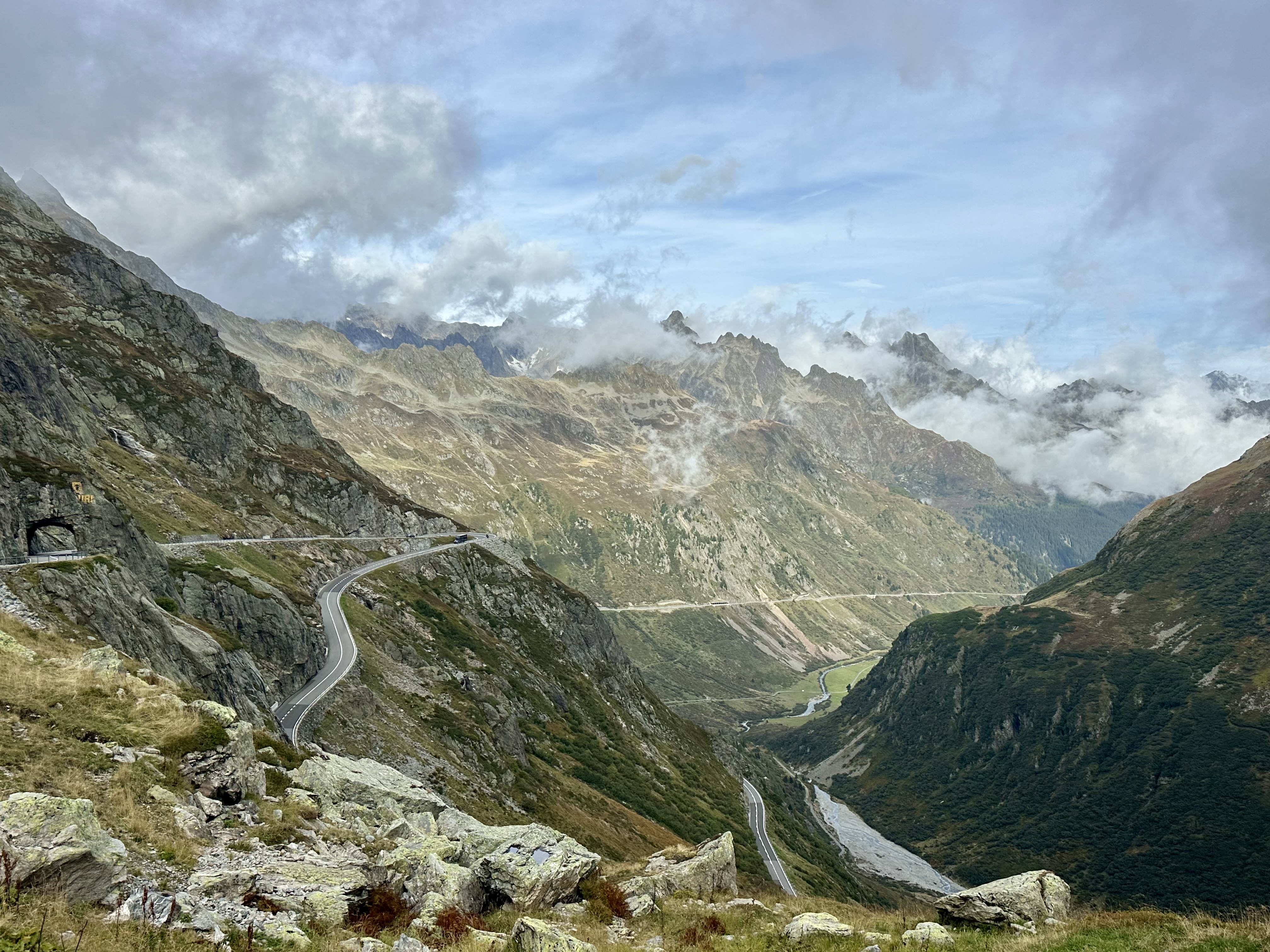
The descent was absolutely epic. It just went on and on and the views had opened up by mid-afternoon. Unbelievable. And Wassen is super cute: I stayed at Hotel Gerig which provided good value Swiss hotel meals (for Switzerland), had a great breakfast, and reasonable rate for a single room.


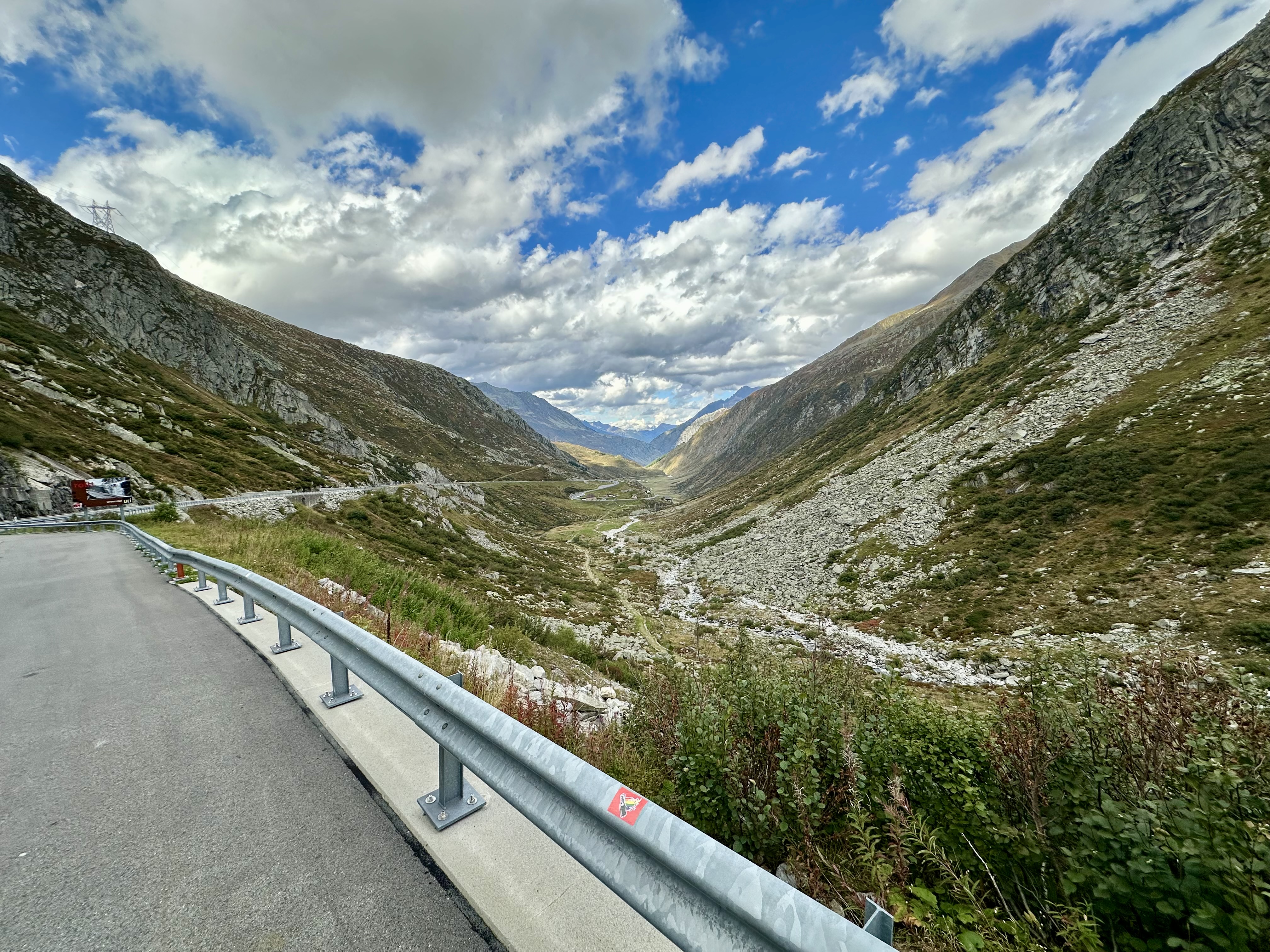
St Gotthard
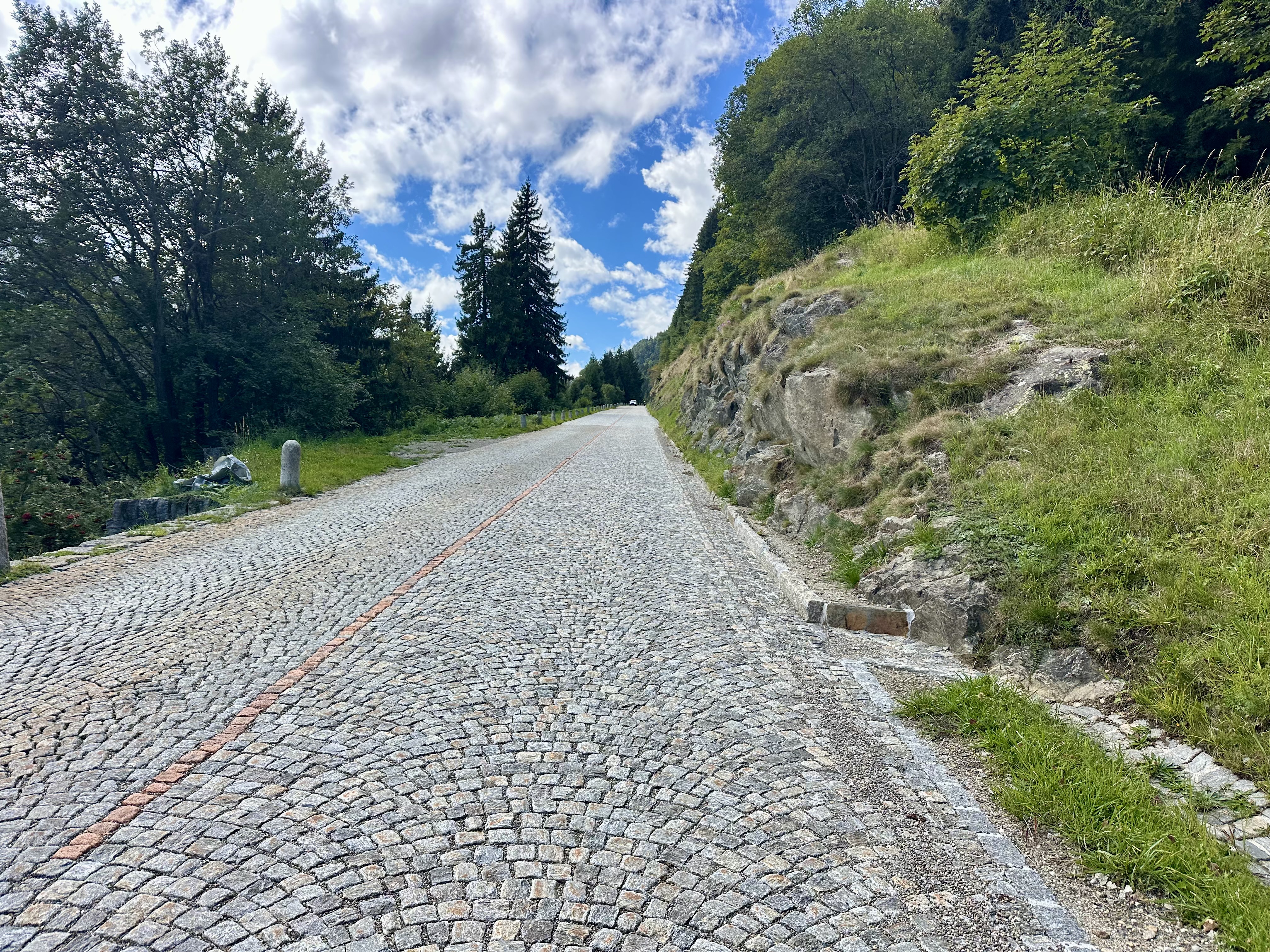
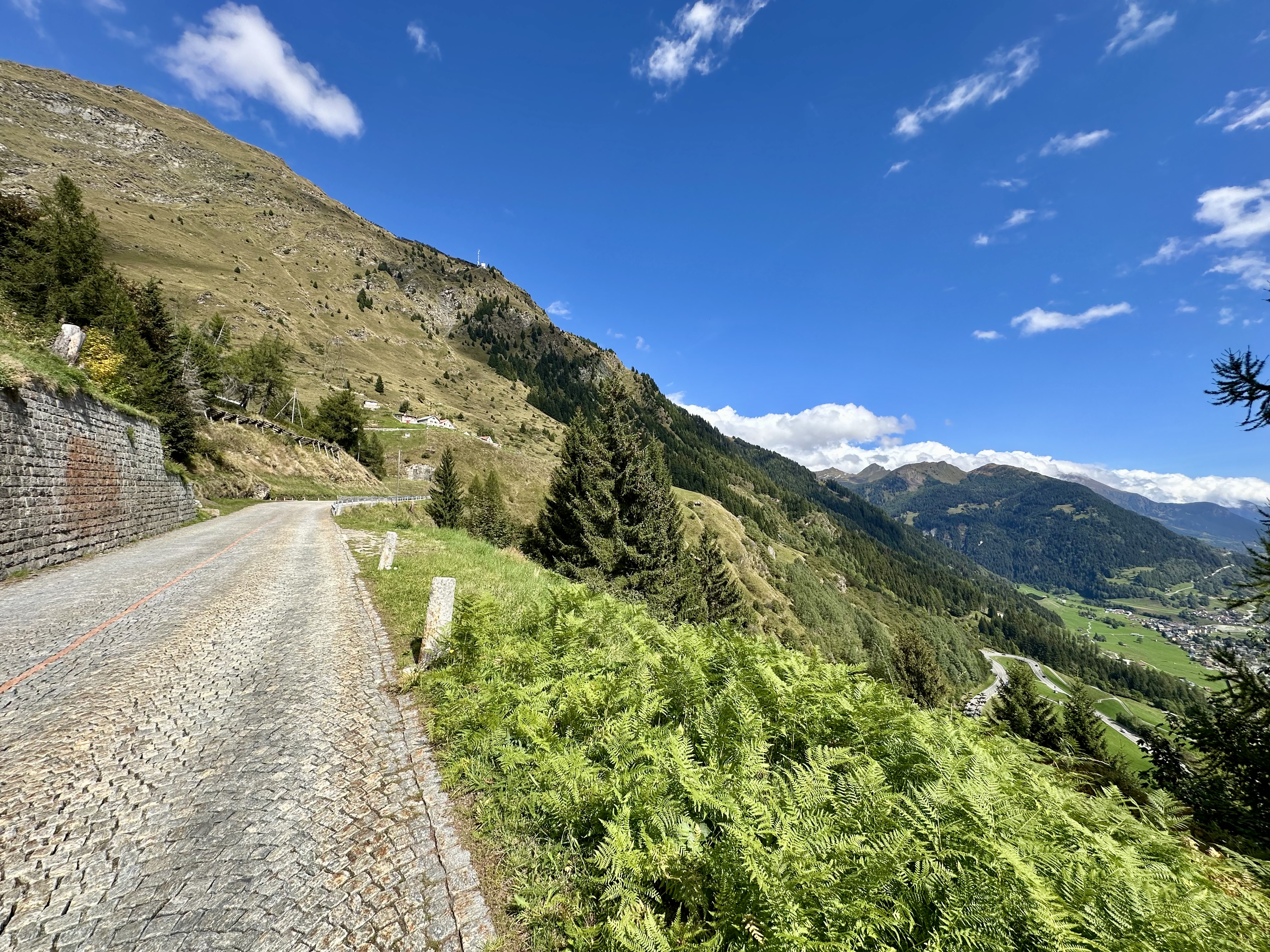
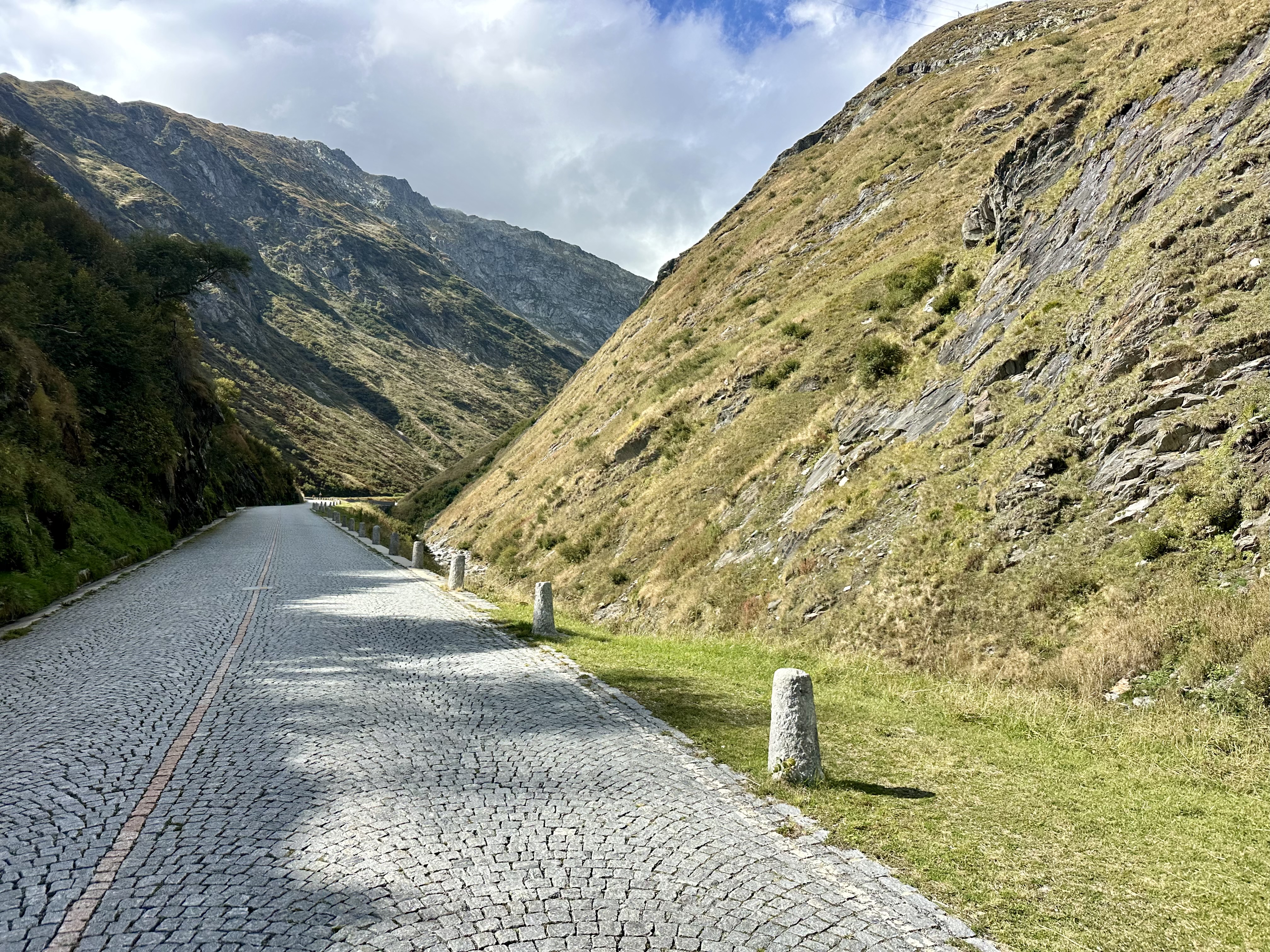
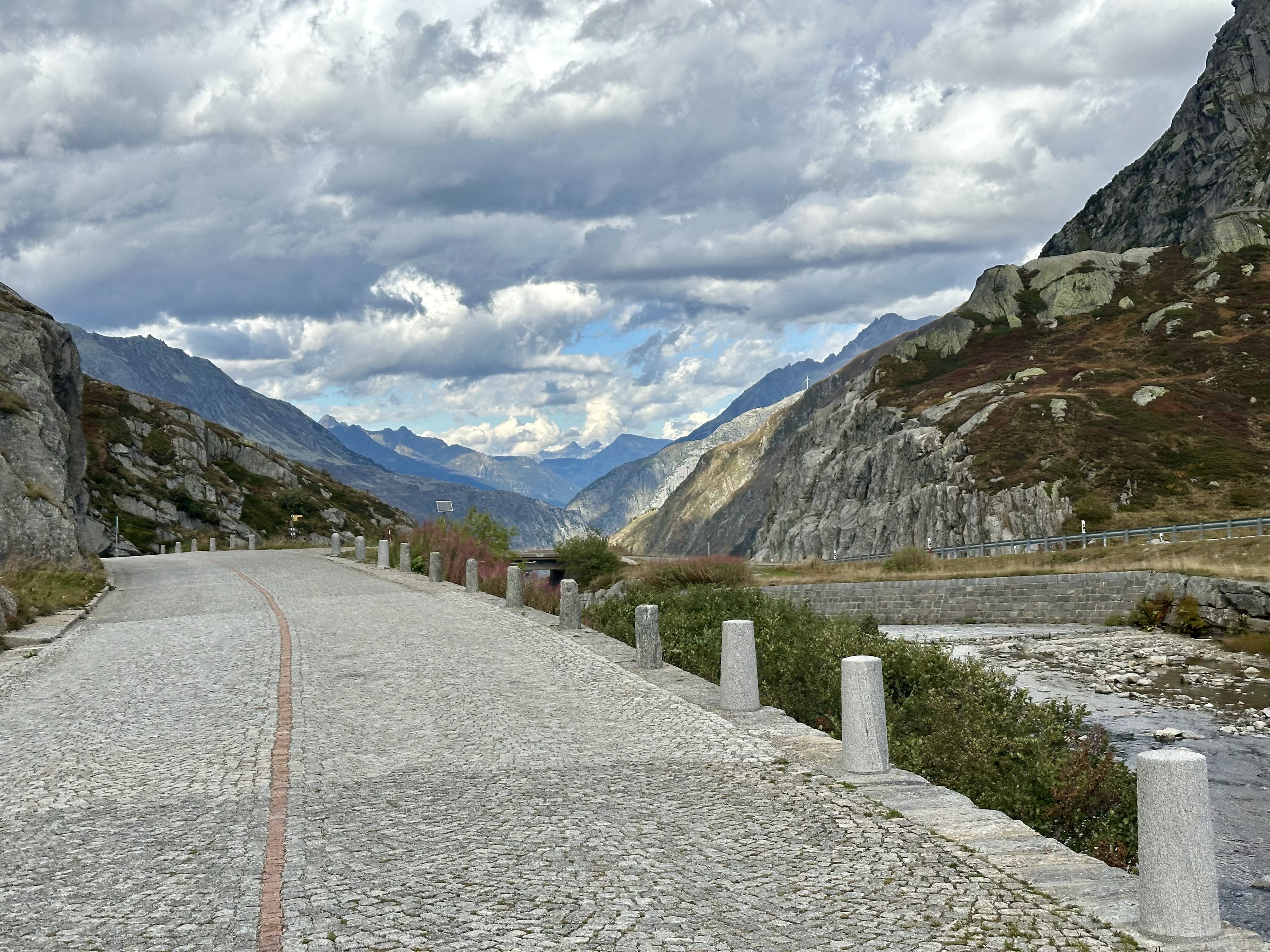
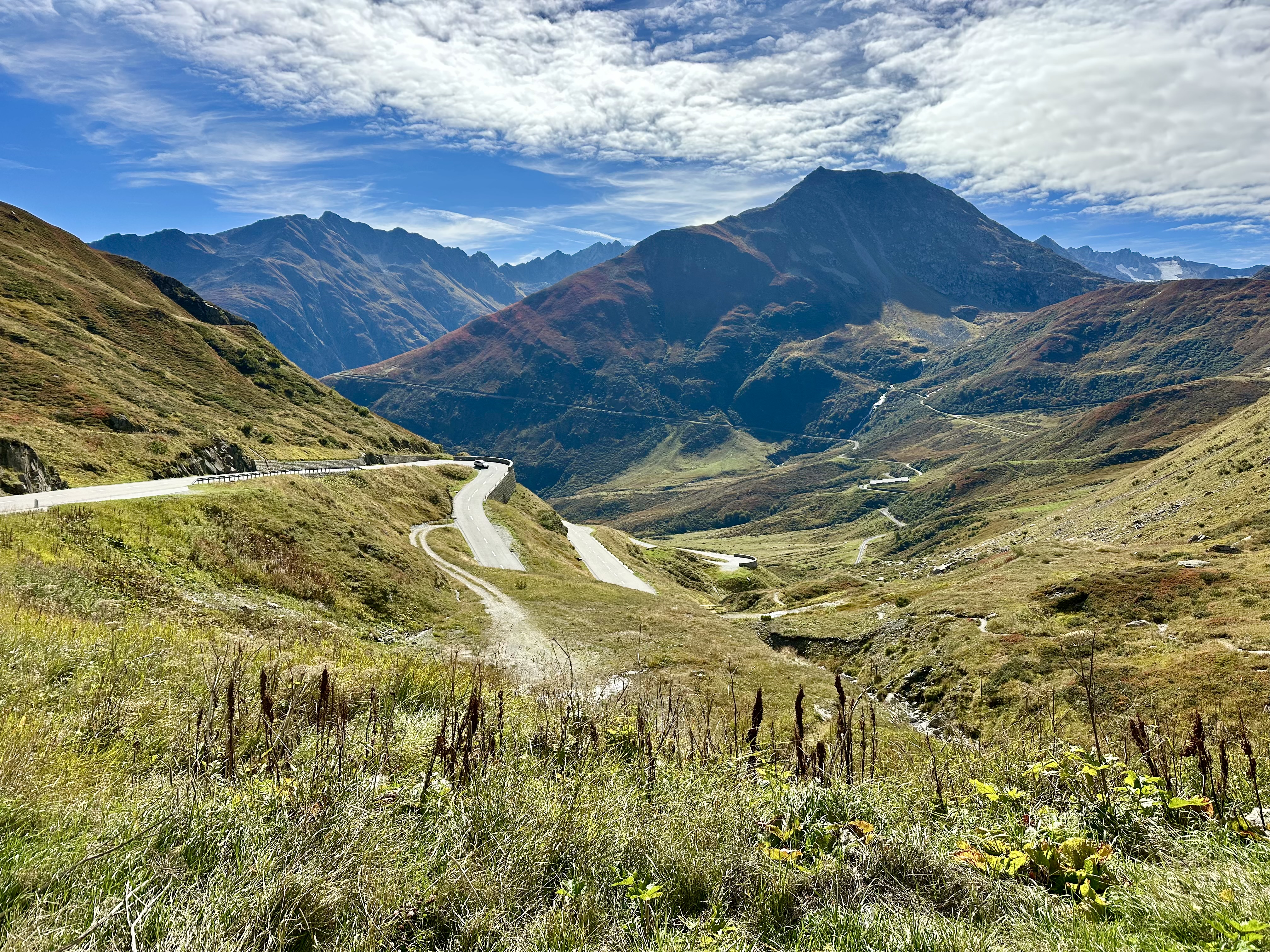
Similar to Grosse Scheidegg, St Gotthard benefits from large parts of the climb being on roads that receive limited traffic. In this case, while motorised traffic can take the Tremola, most do not as there is an alternative main road over the pass. With the cobbles I have to say I was grateful not to be on road tyres for this ascent, and I passed a number of roadies descending towards Airolo who looked a little unhappy.
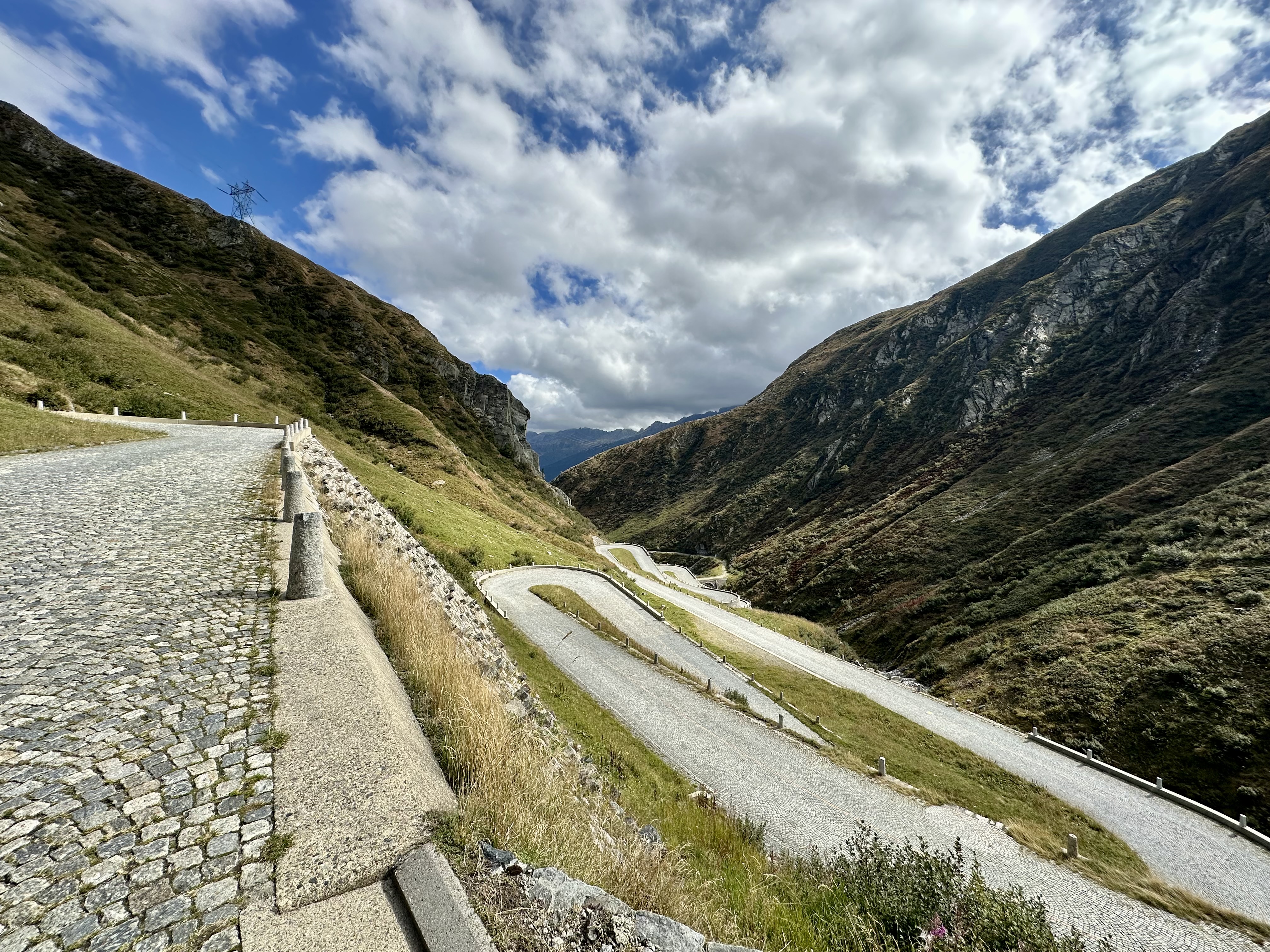
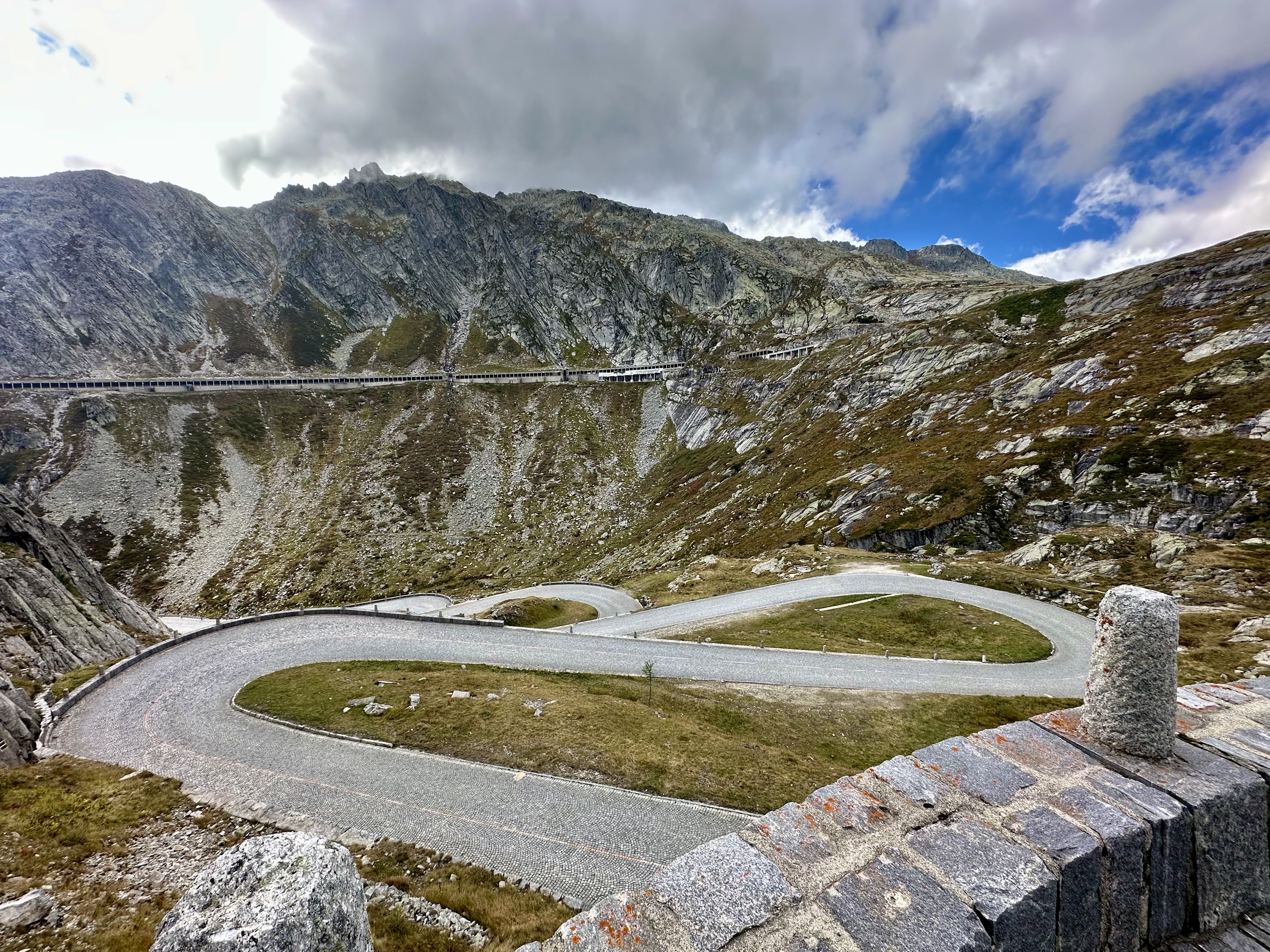
After the stunning switchbacks, it is well worth stopping for a beer and bratwurst at the top. There are a number of different options here, but I confess to taking the one with the large number of tables in the sun. I realised that I had become too accustomed to Swiss prices when I thought 10 francs for beer, sausage and bread wasn’t terrible value!
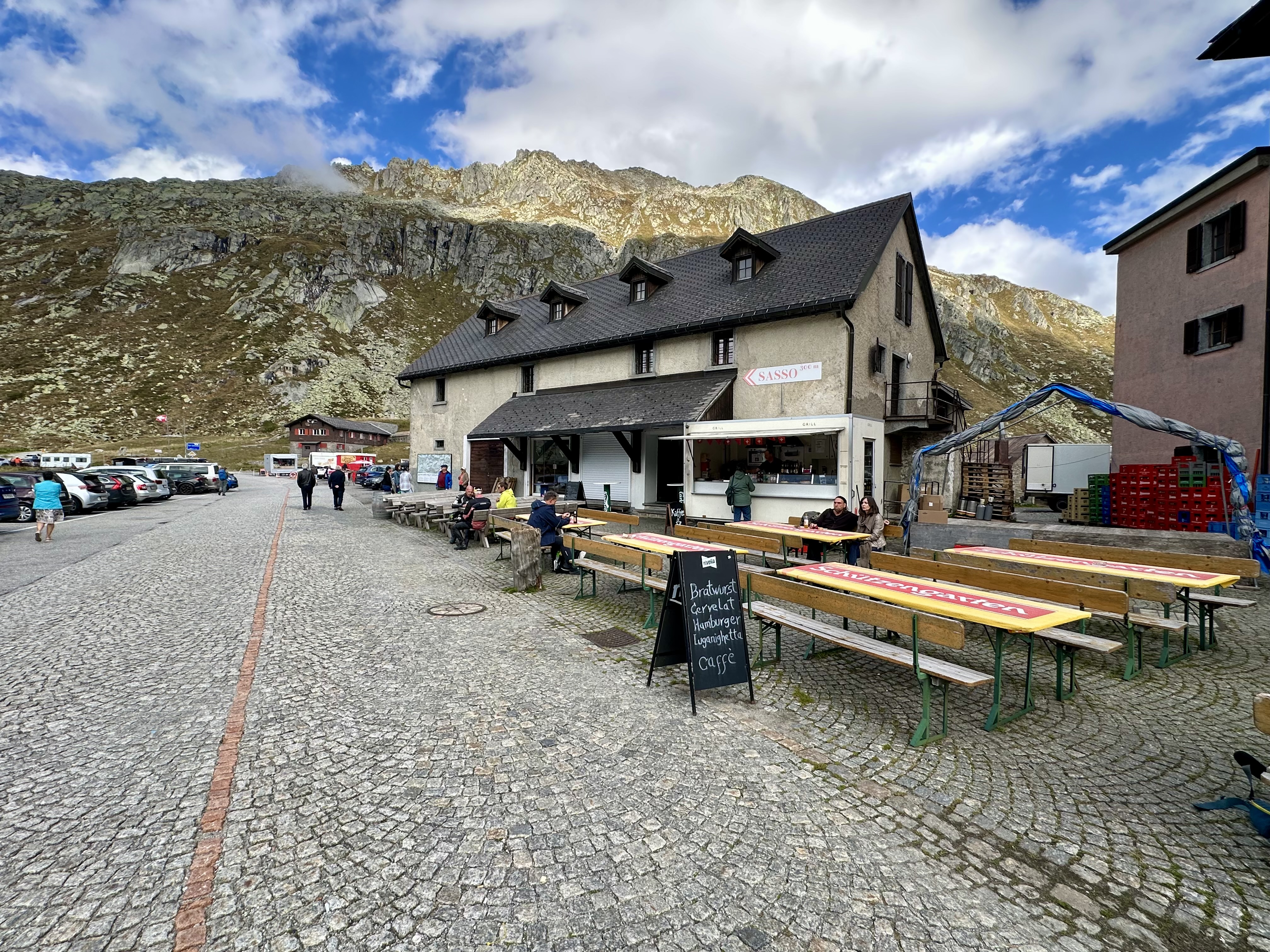
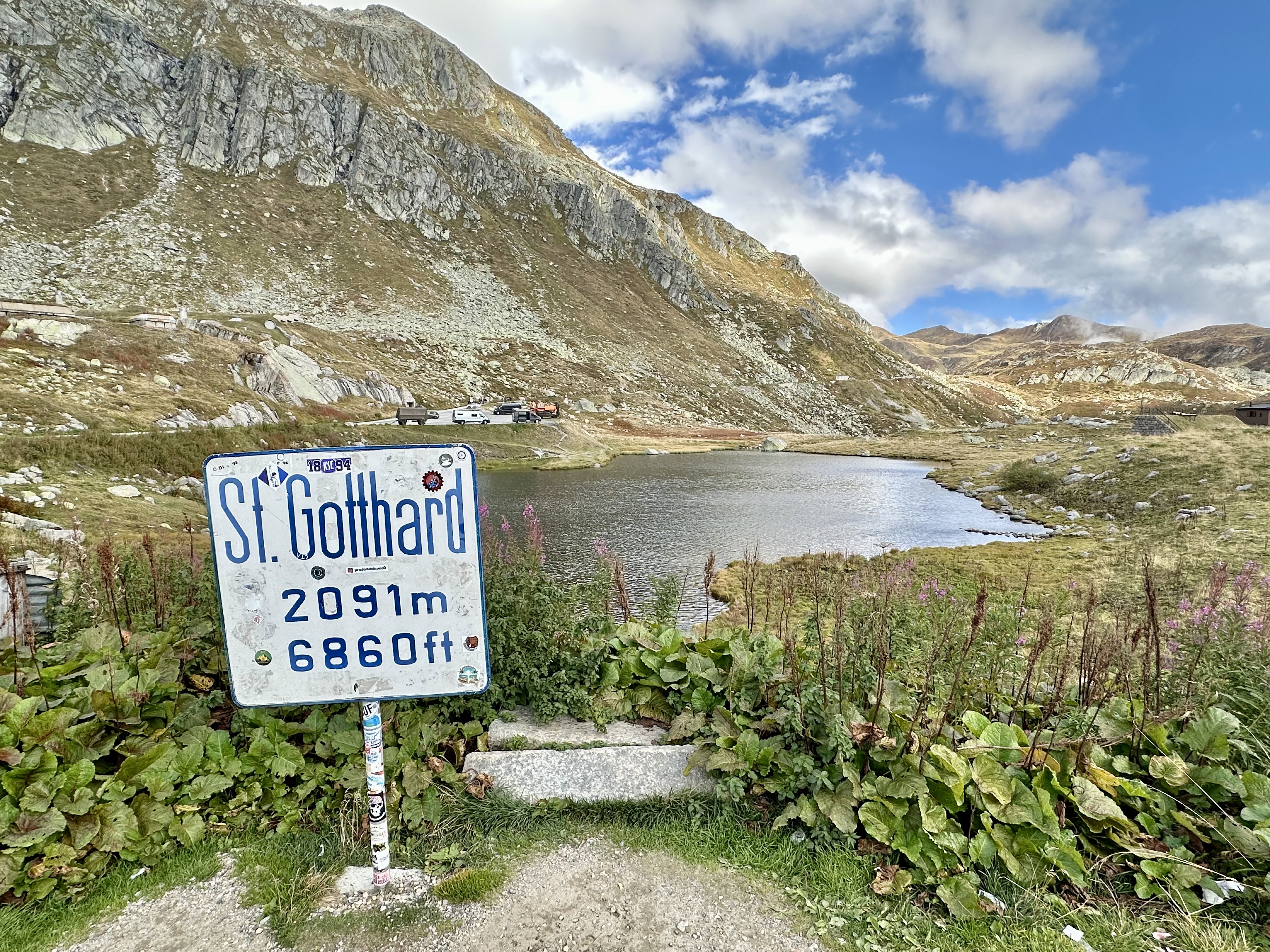
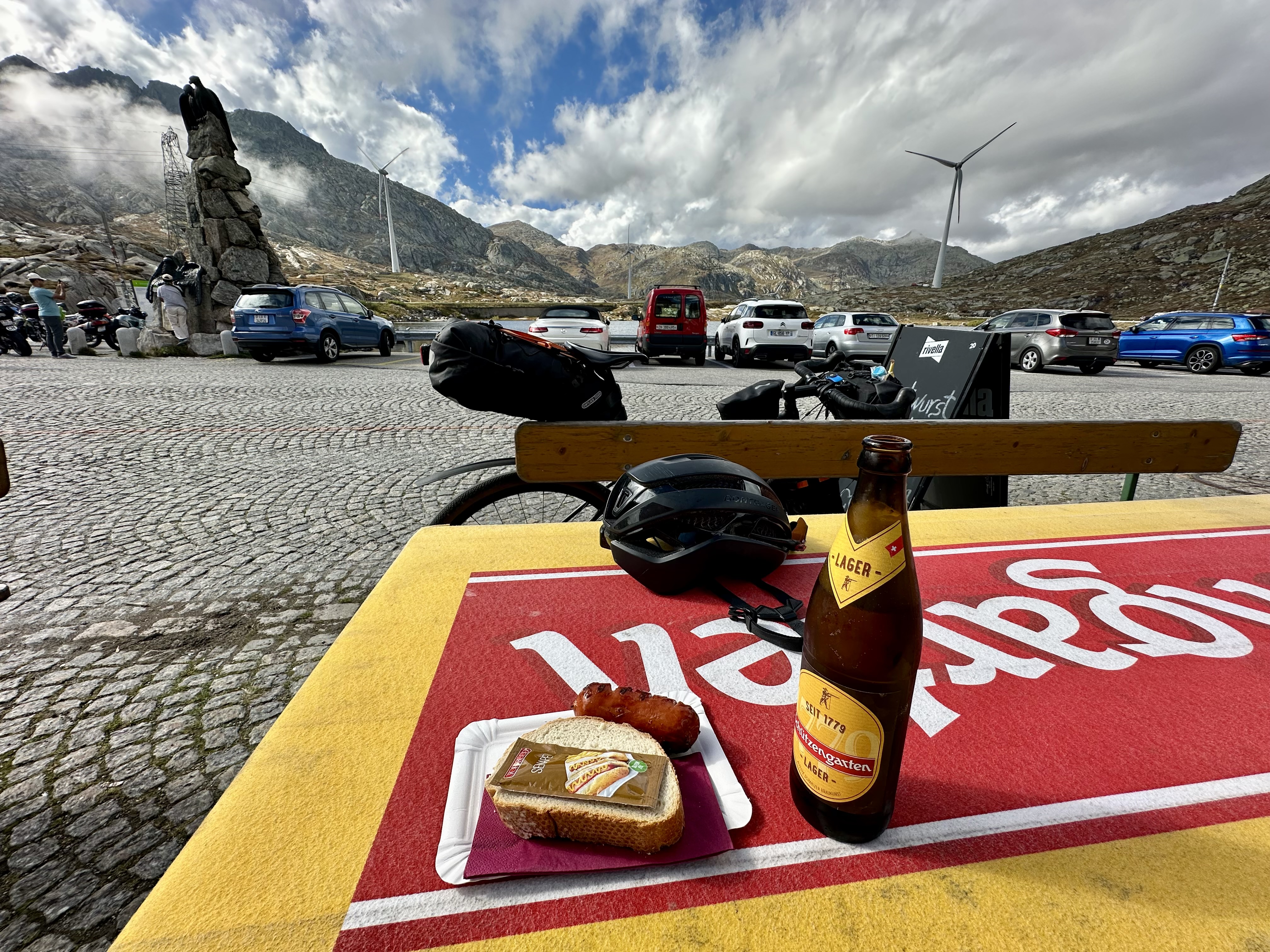
The first part of the descent to Andermatt is similarly traffic-free, but soon after you join the road with traffic. In good news, the descent is fast and you are travelling at sufficient pace that you can keep up with the cars until the final flat road into the training home of Tudor Pro Cycling. Hotel Bergidyll was a great option to stay with a cost-effective single room option, and included a fantastic breakfast.
Oberalp
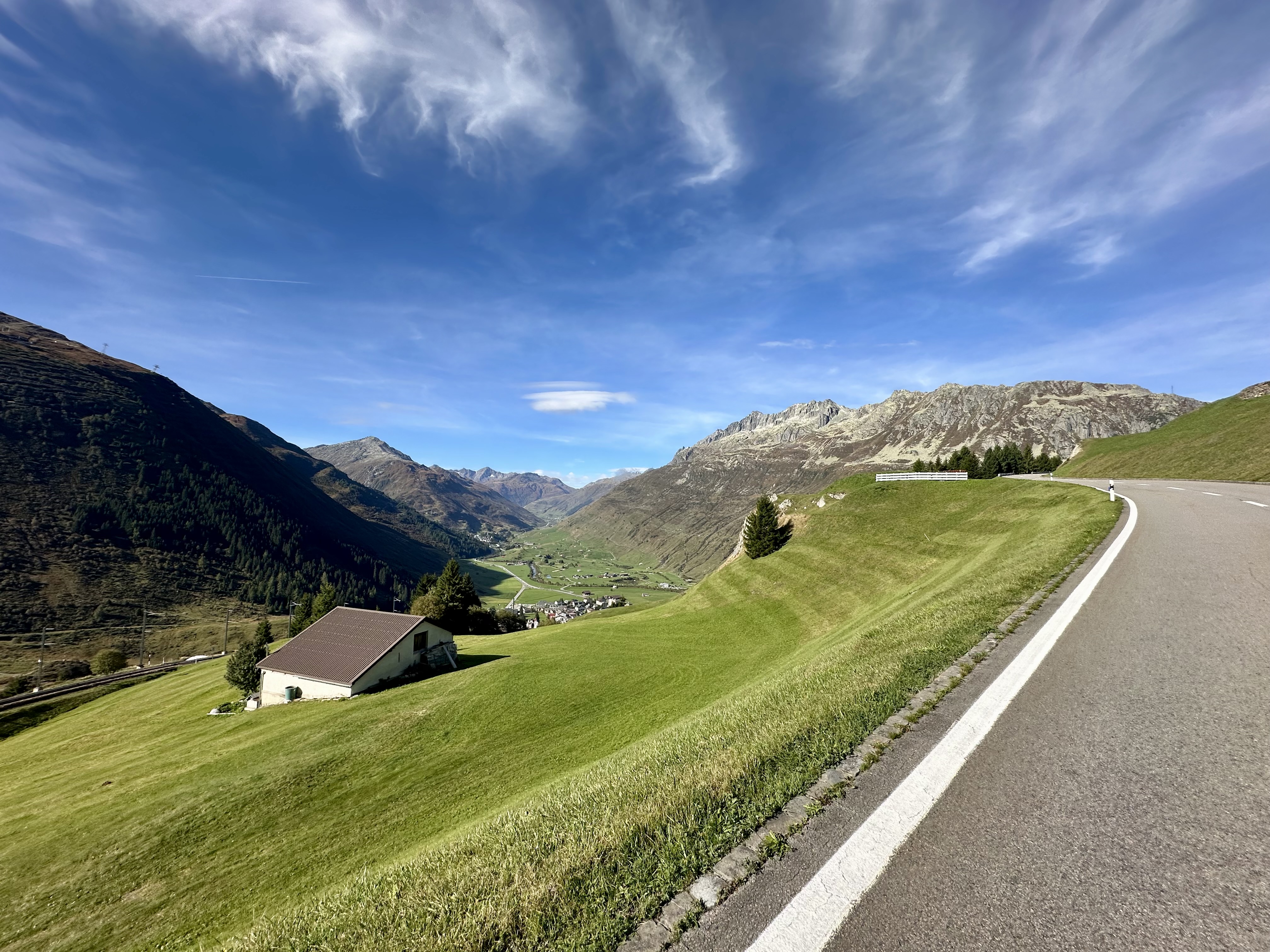
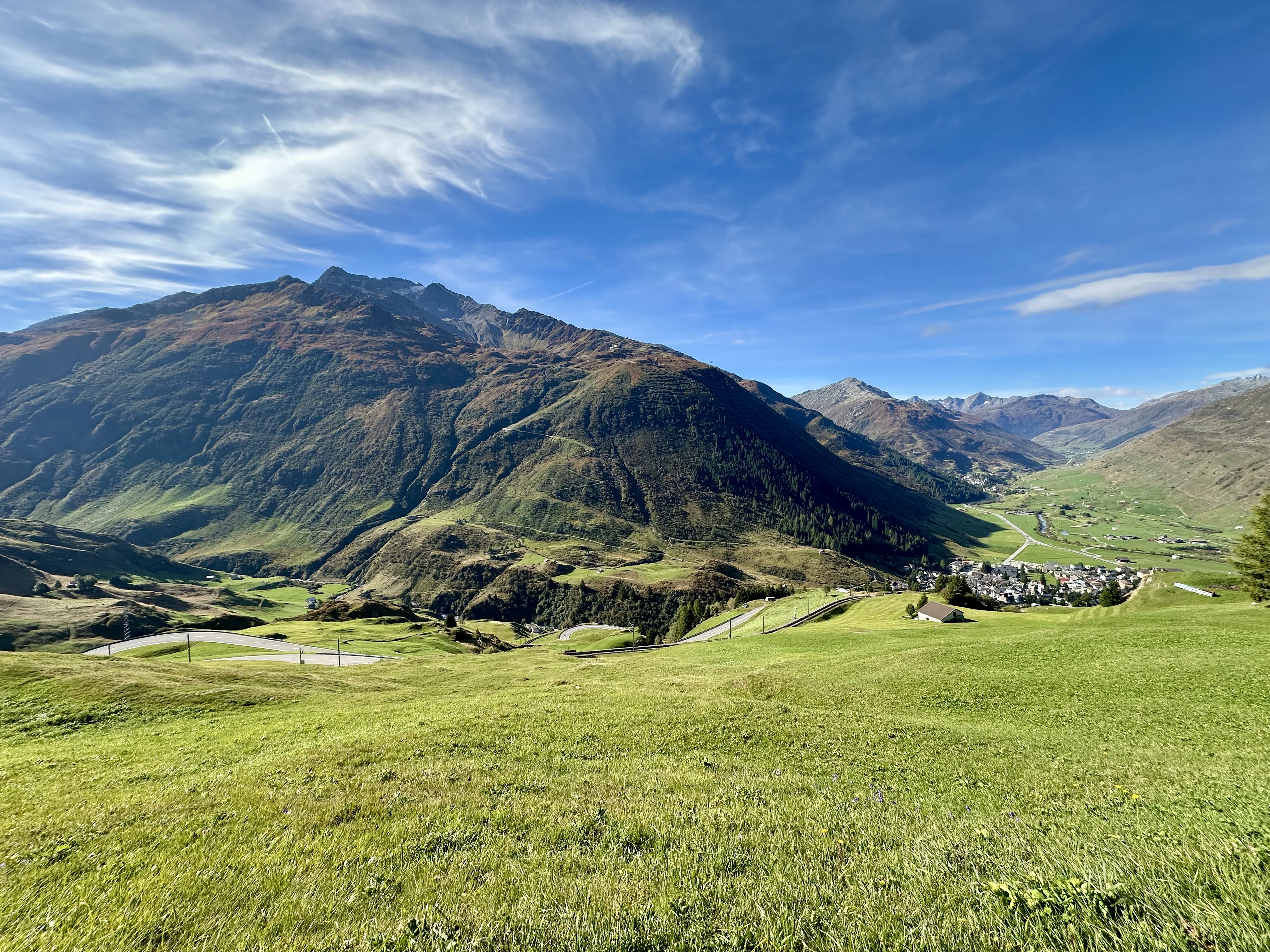
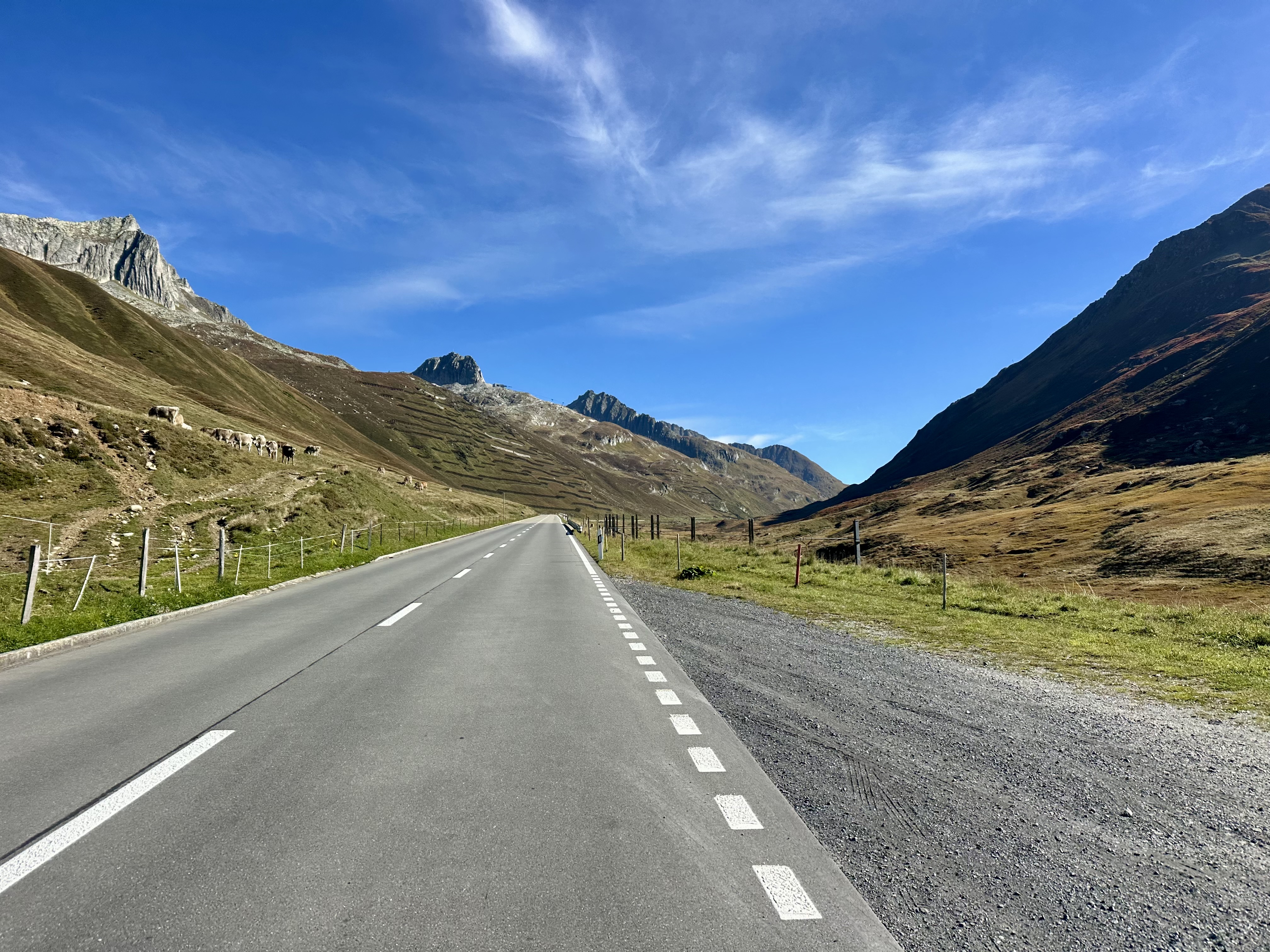
Climbing out of Andermatt via the Oberalp pass is the start of the Eurovelo 15 Rhine Route. Clearly popular with road cyclists, this climb is paralleled by a train route up the valley to the ‘source of the Rhine’.


The climb isn’t super long, and is followed by a pretty nice descent. I was heading to Chur, and to get there you follow the Rhine along fantastic connecting paths.

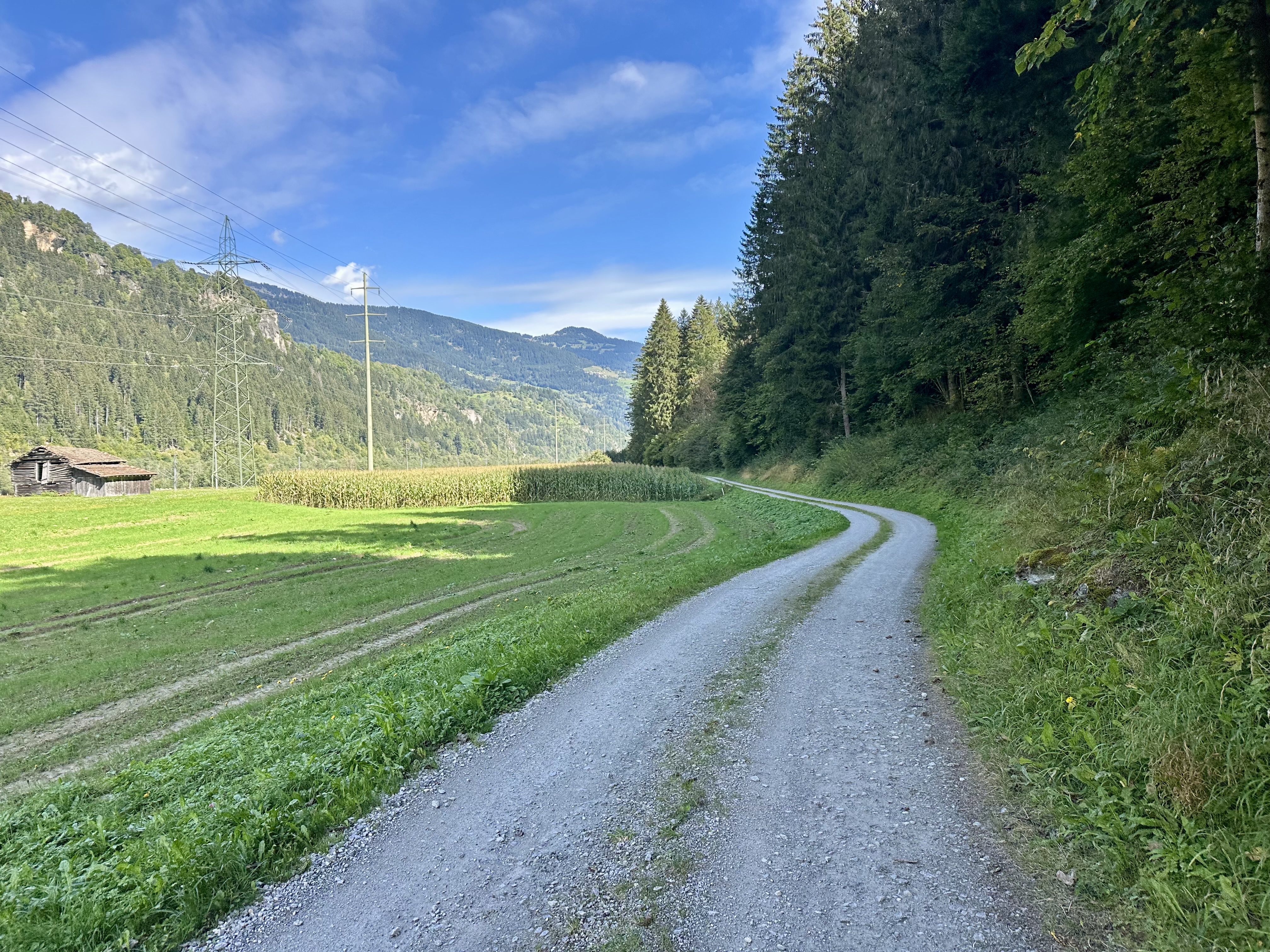
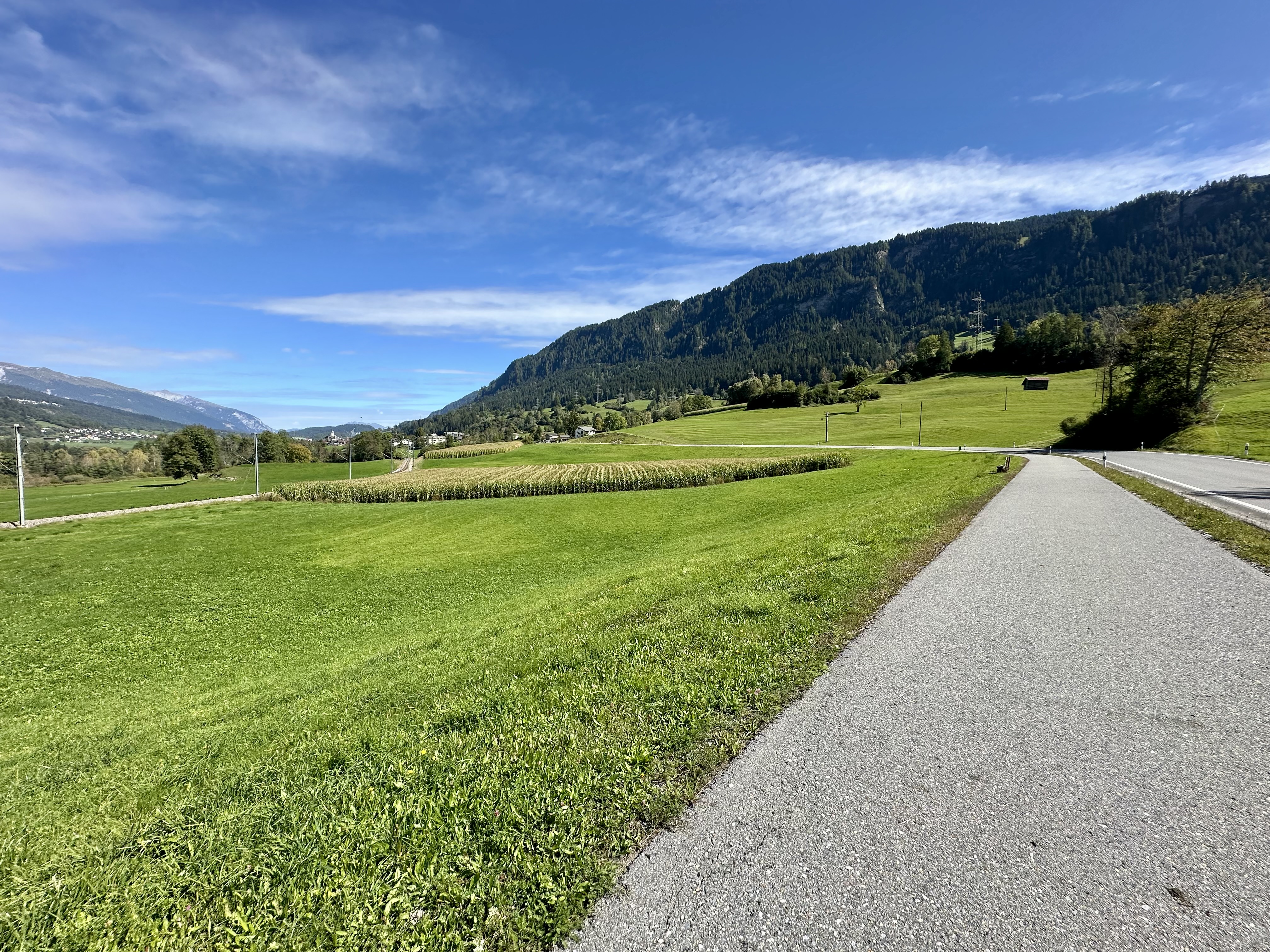
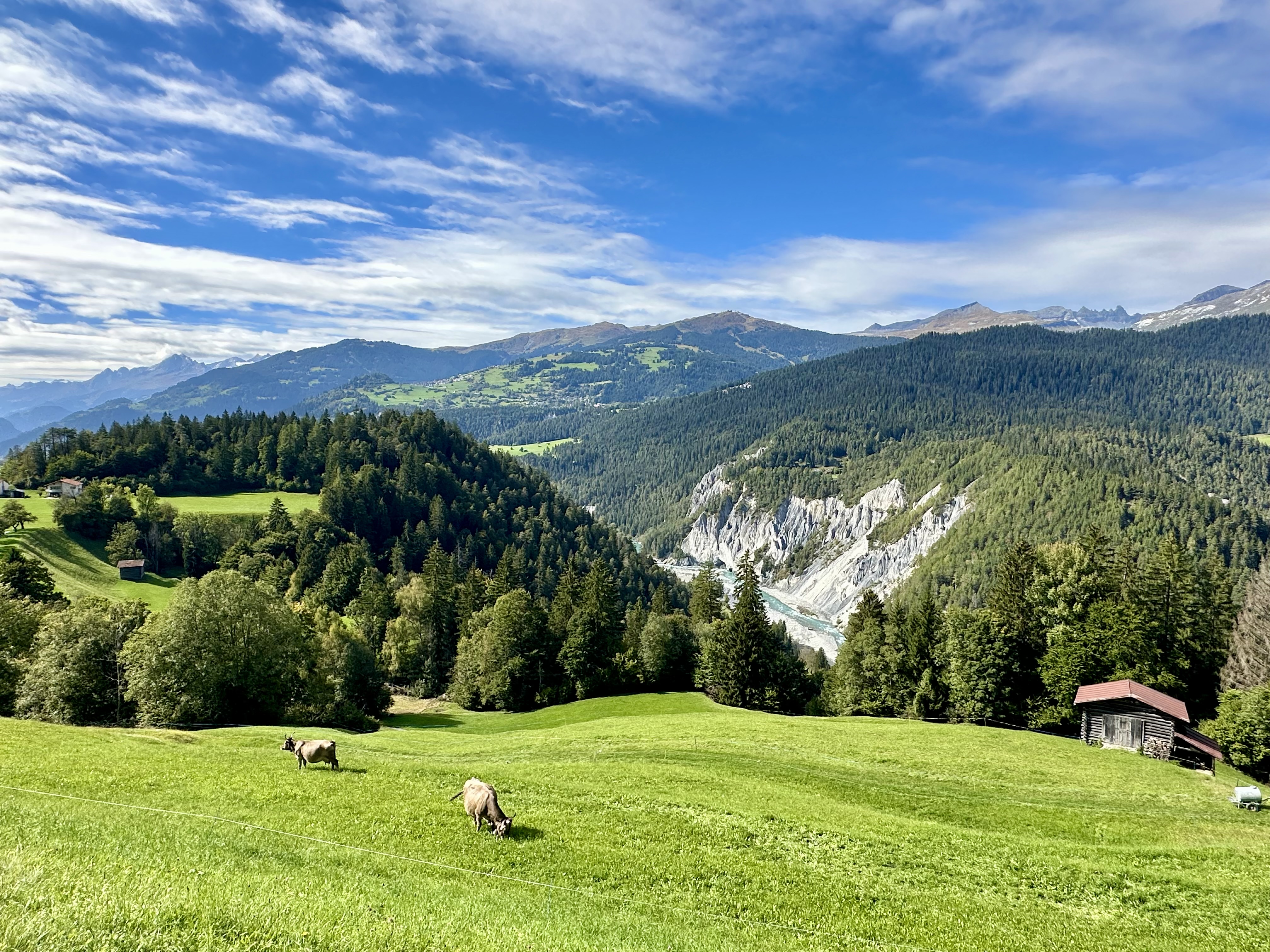
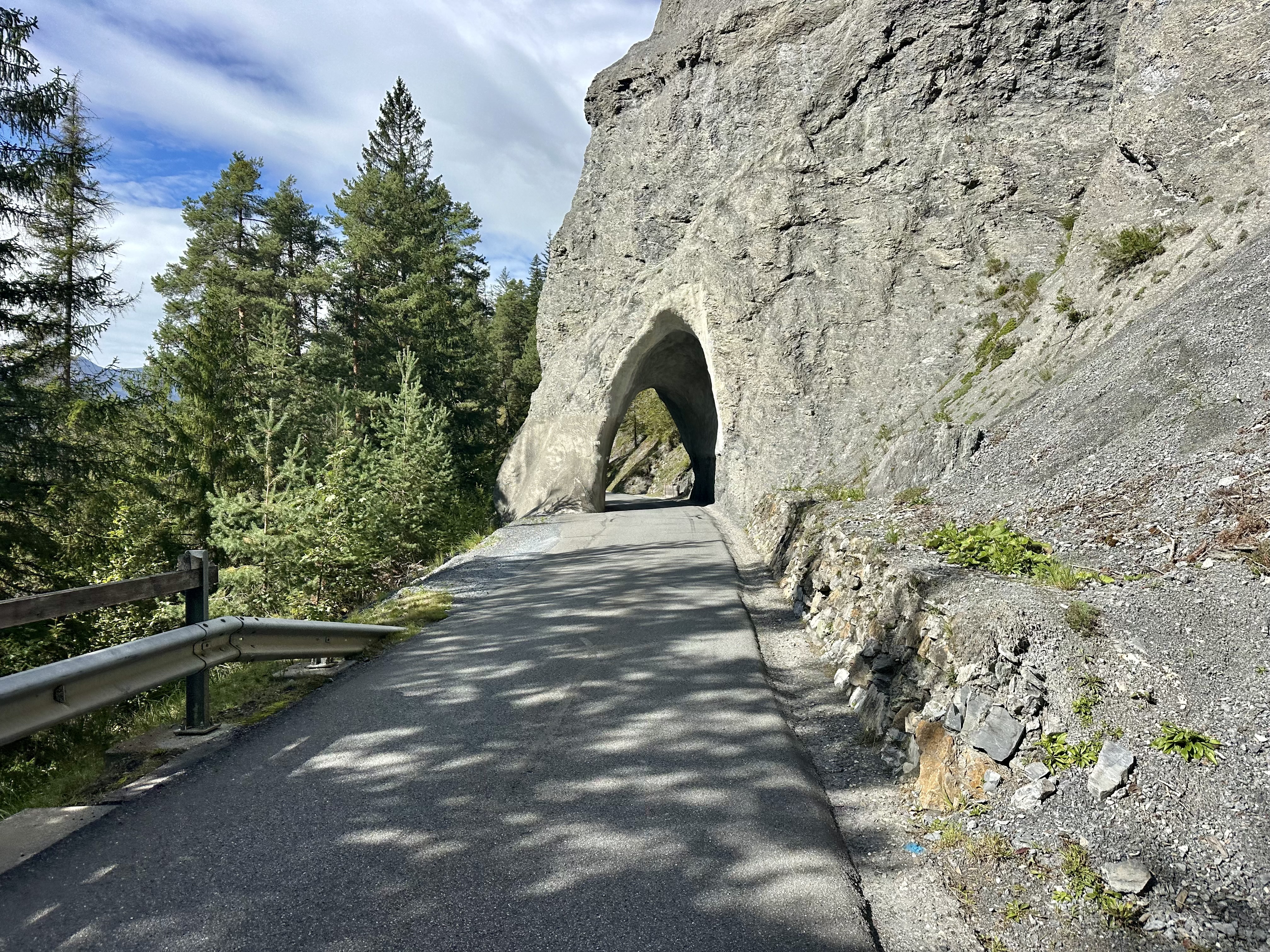
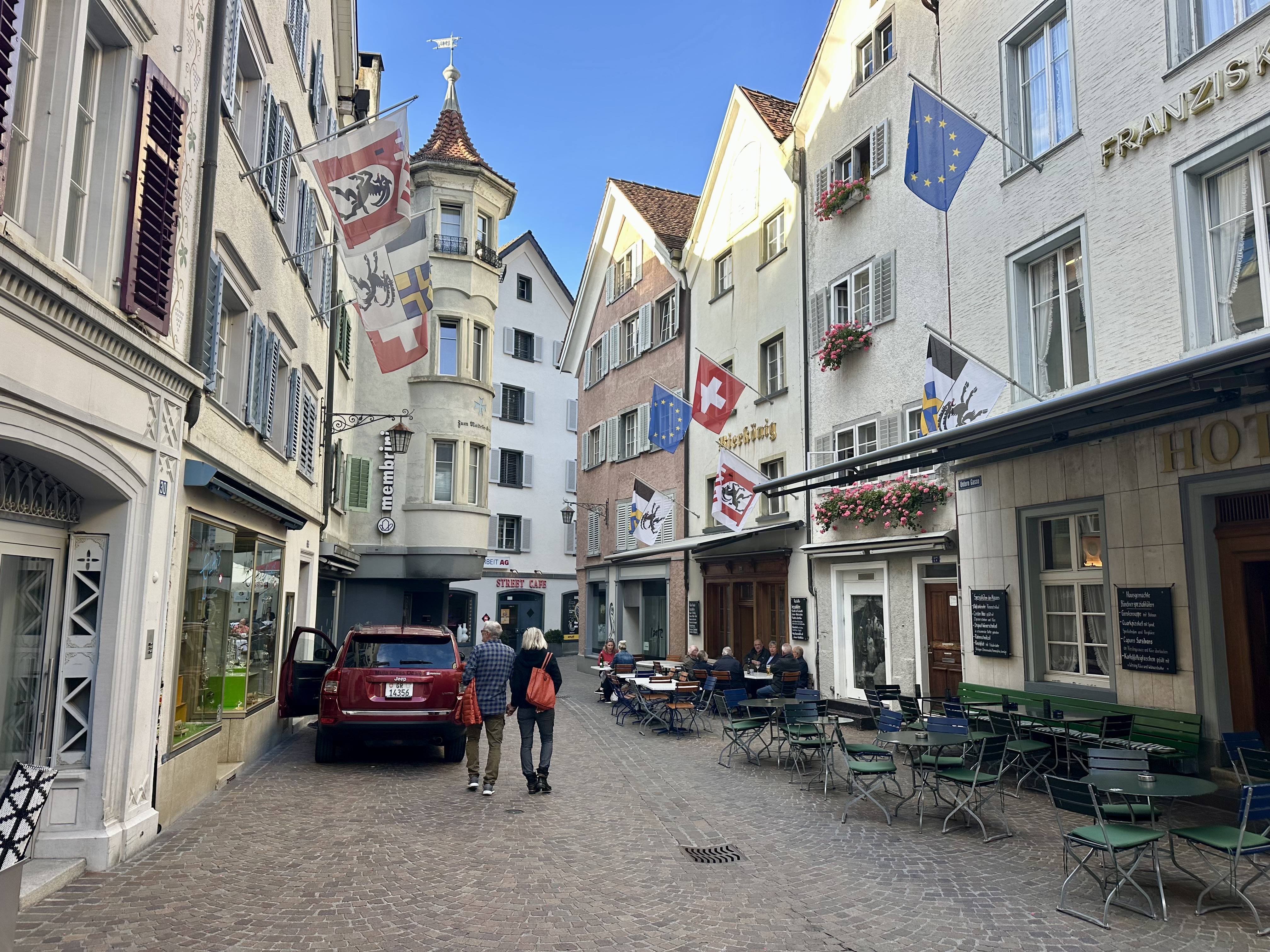
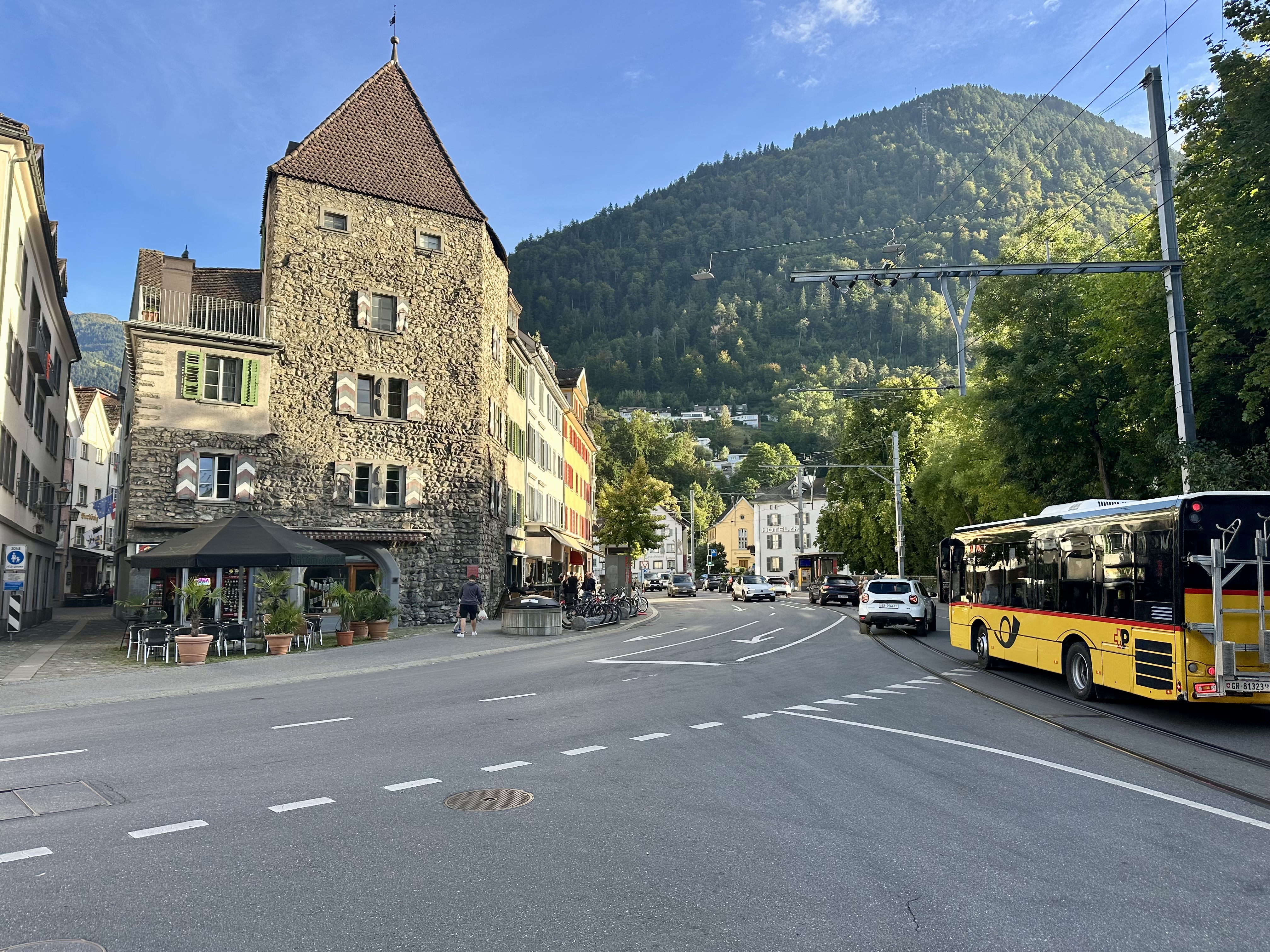
After Ilanz the best part of this route is the road that runs beside and above the Rhine. Spectacular cliff carved single-land roads are a real highlight. And it is then worth stying in Chur – a beautiful old town with great architecture and narrow streets to explore.


Albula

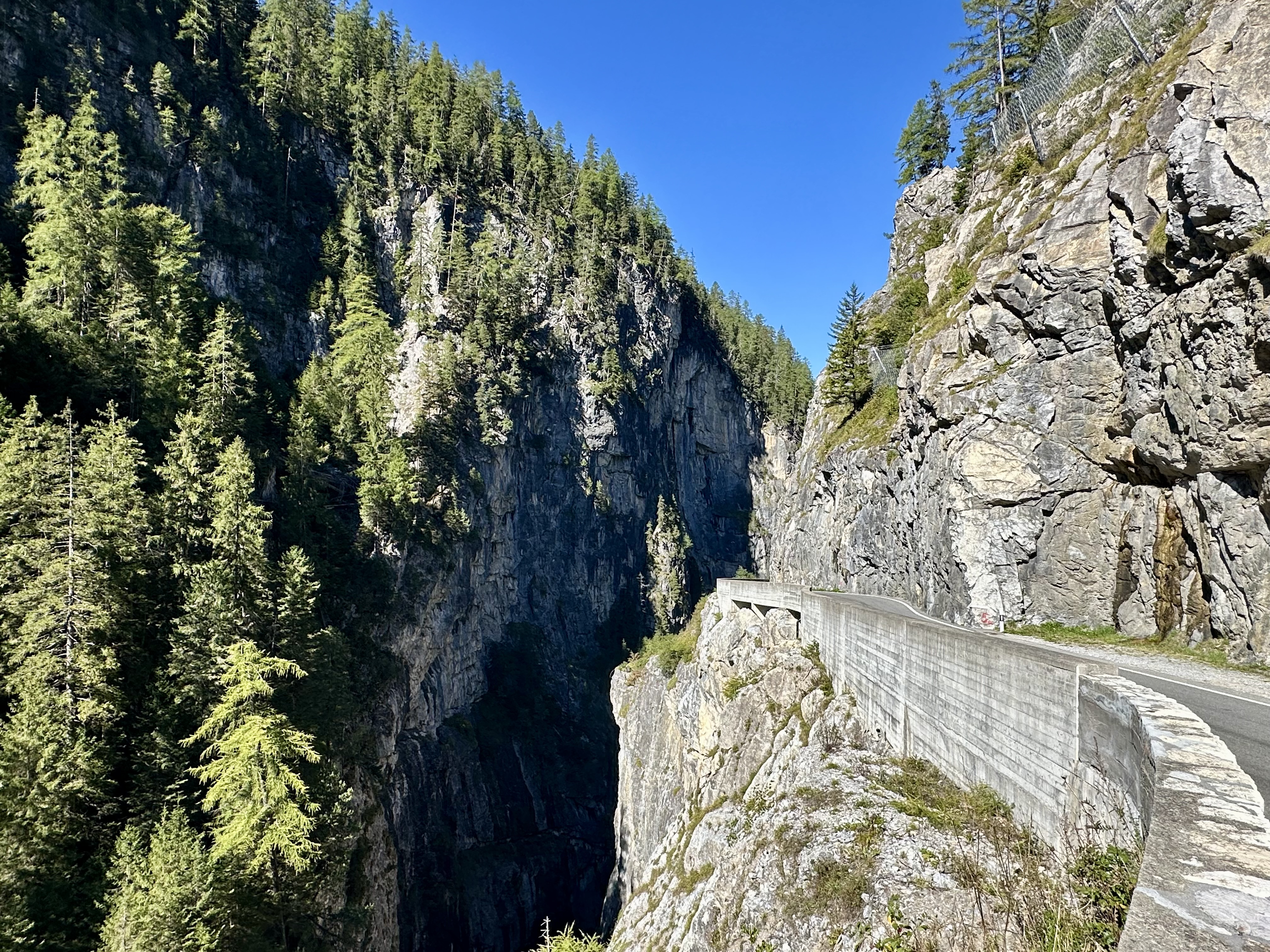
Cycling Albula pass was the only occasion where official and unofficial advice recommended not travelling by road to get there. At a minimum it is recommended to avoid cycling in the road tunnels between Thusis and Tiefencastel – in my case I jumped on the train in Chur to cut the cycling down a little. From Tiefencastel, it is pretty soon that you get off the main road onto paths and then up a fantastic gorge climb.
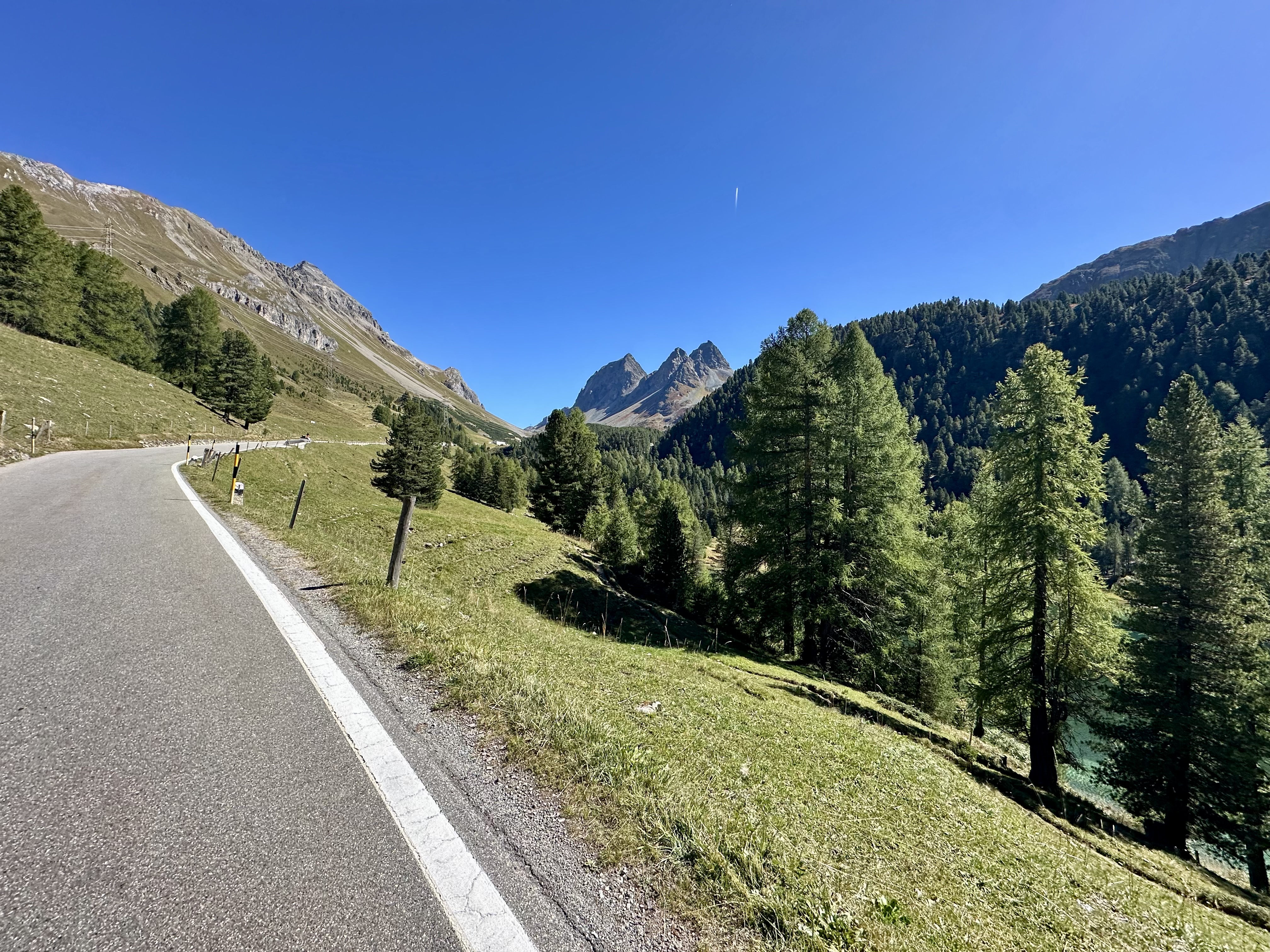

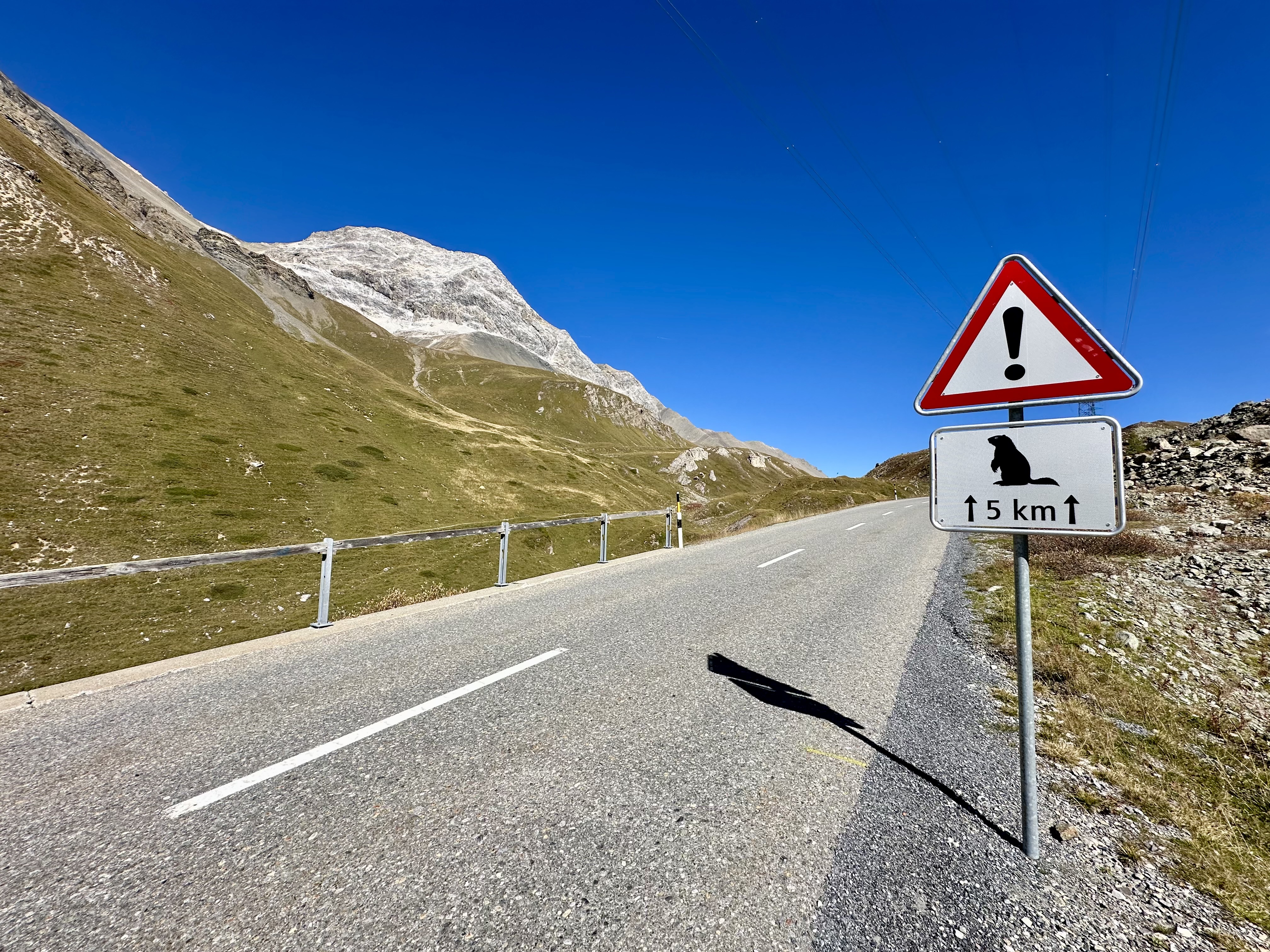
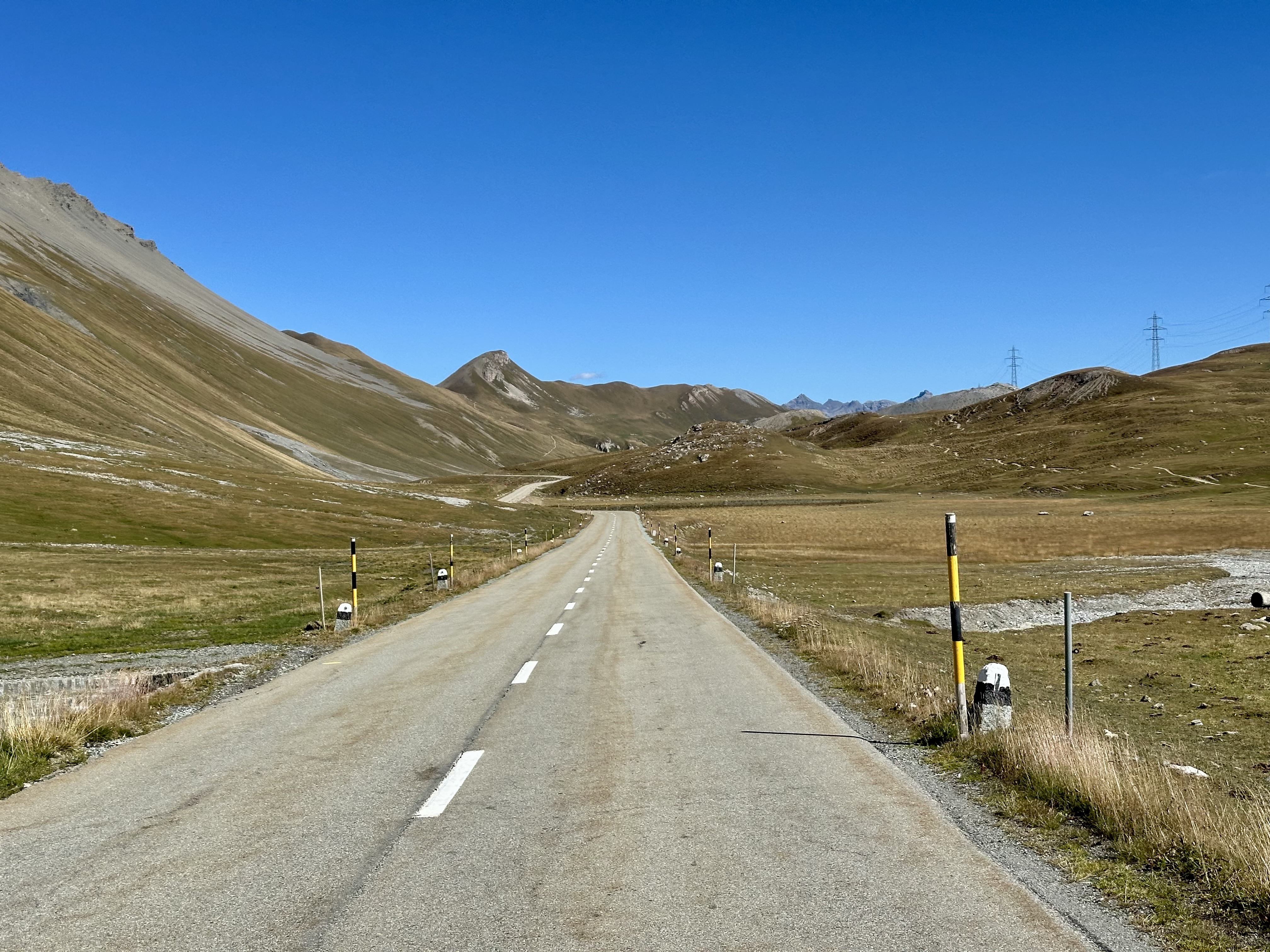
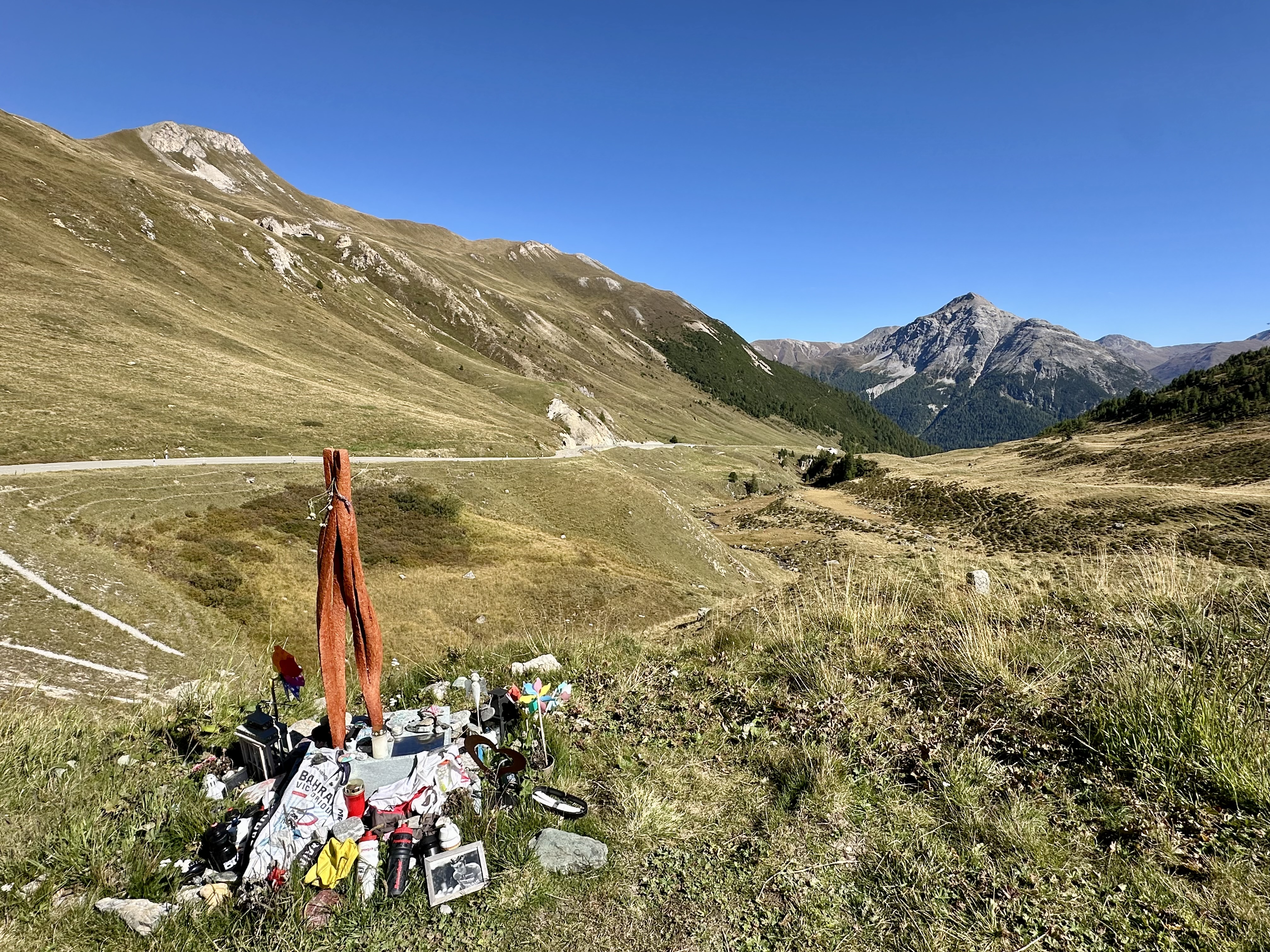
The main final climb is spectacular, and at the top the route opens to broad alpine plains before descending to La Punt Chamues. While on the descent it is worth stopping at the modest Gino Mäder memorial (you need to plan to find this – it is not super obvious) to remind yourself that at speed it is possible to have a horrible bike accident – particularly poignant when I reflected that this definitely wasn’t the fastest or trickiest descent I’d done on the trip.

Fluela

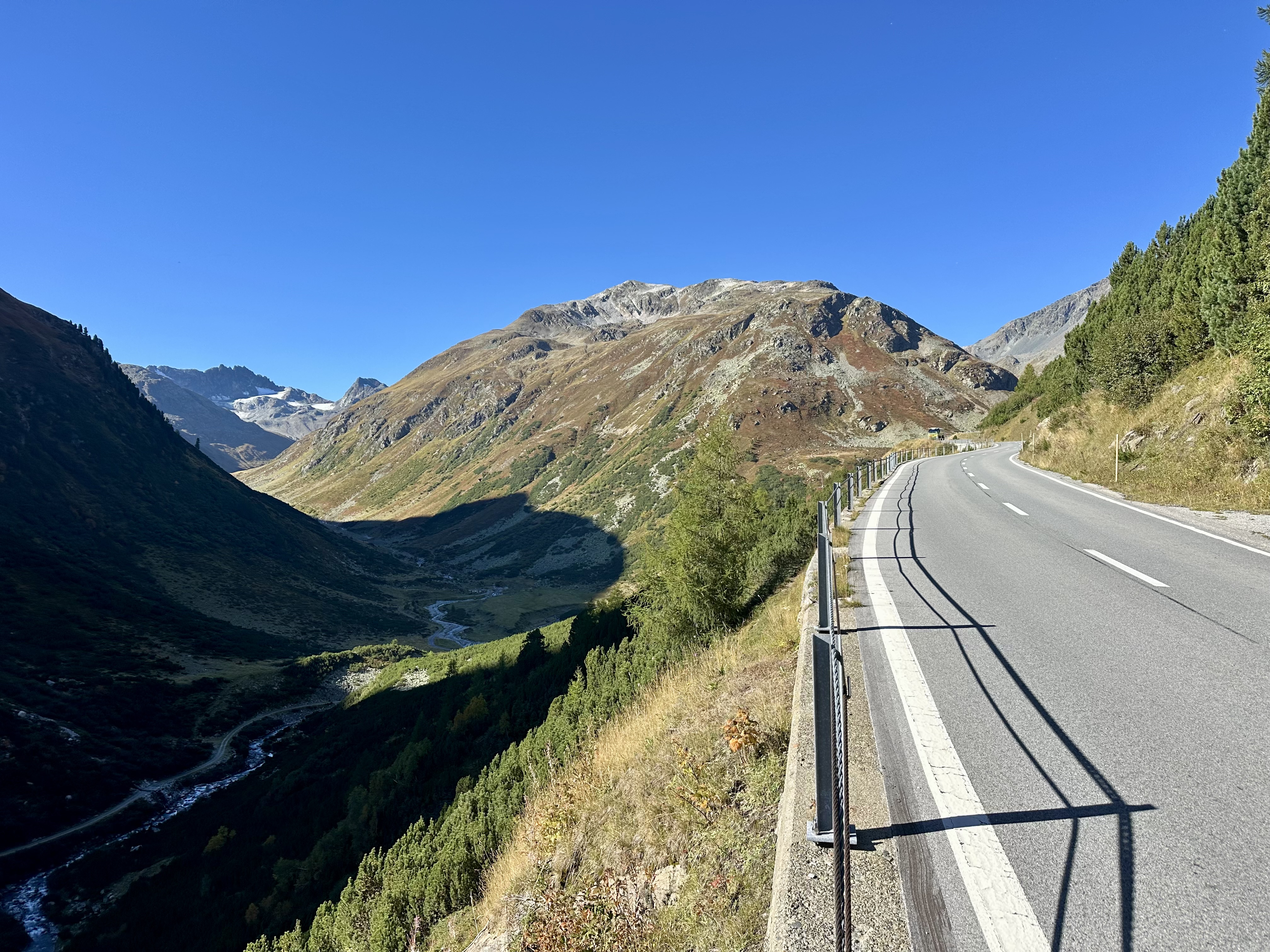

My final climb of the trip was over Fluela pass. This climb had the most traffic of all the climbs, so it is worth bearing that in mind.


After so-so coffee but great cake from the kiosk on the right side of the summit, the descent to Davos is rapid – keeping up with the traffic is no issue.
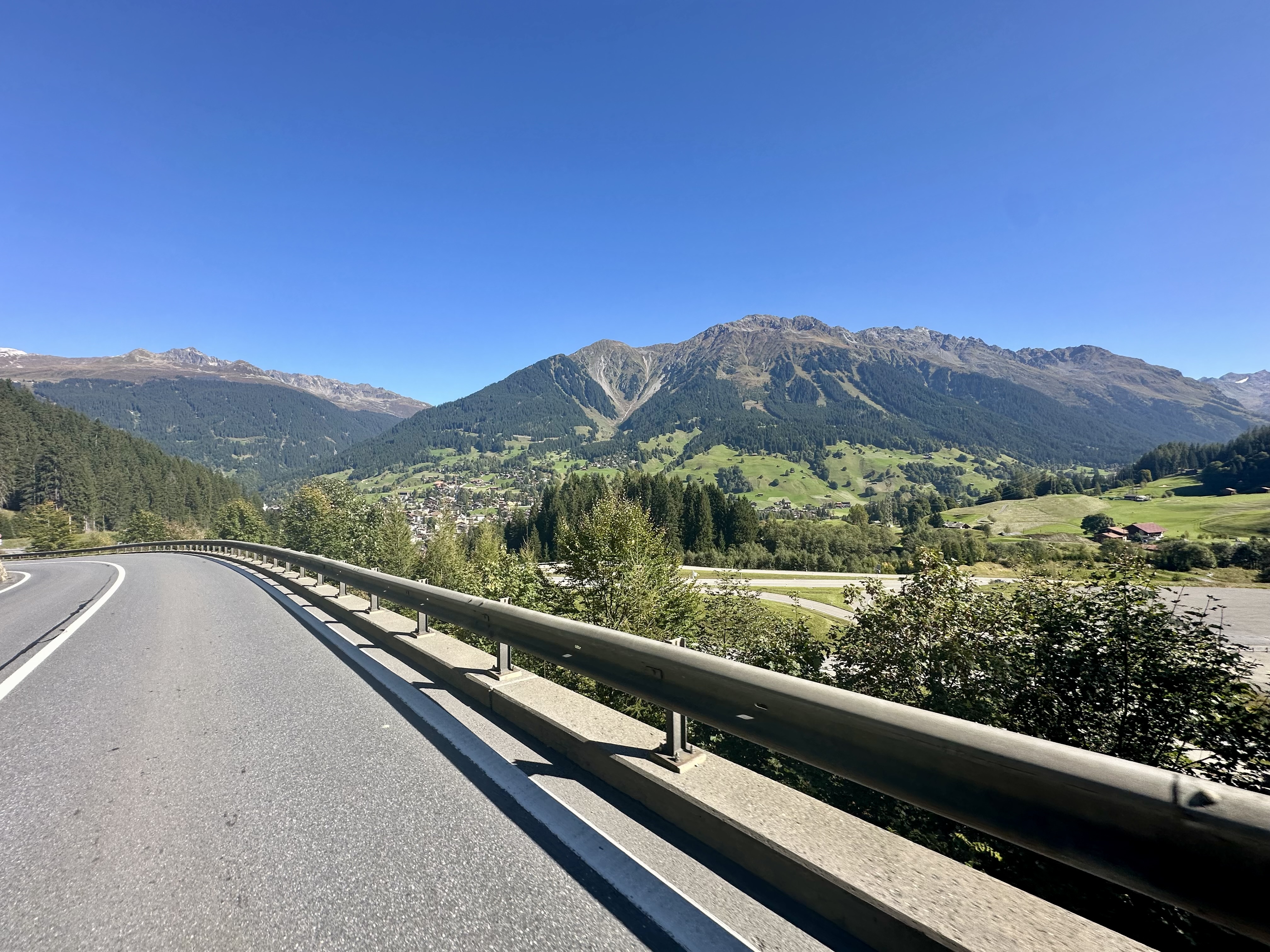
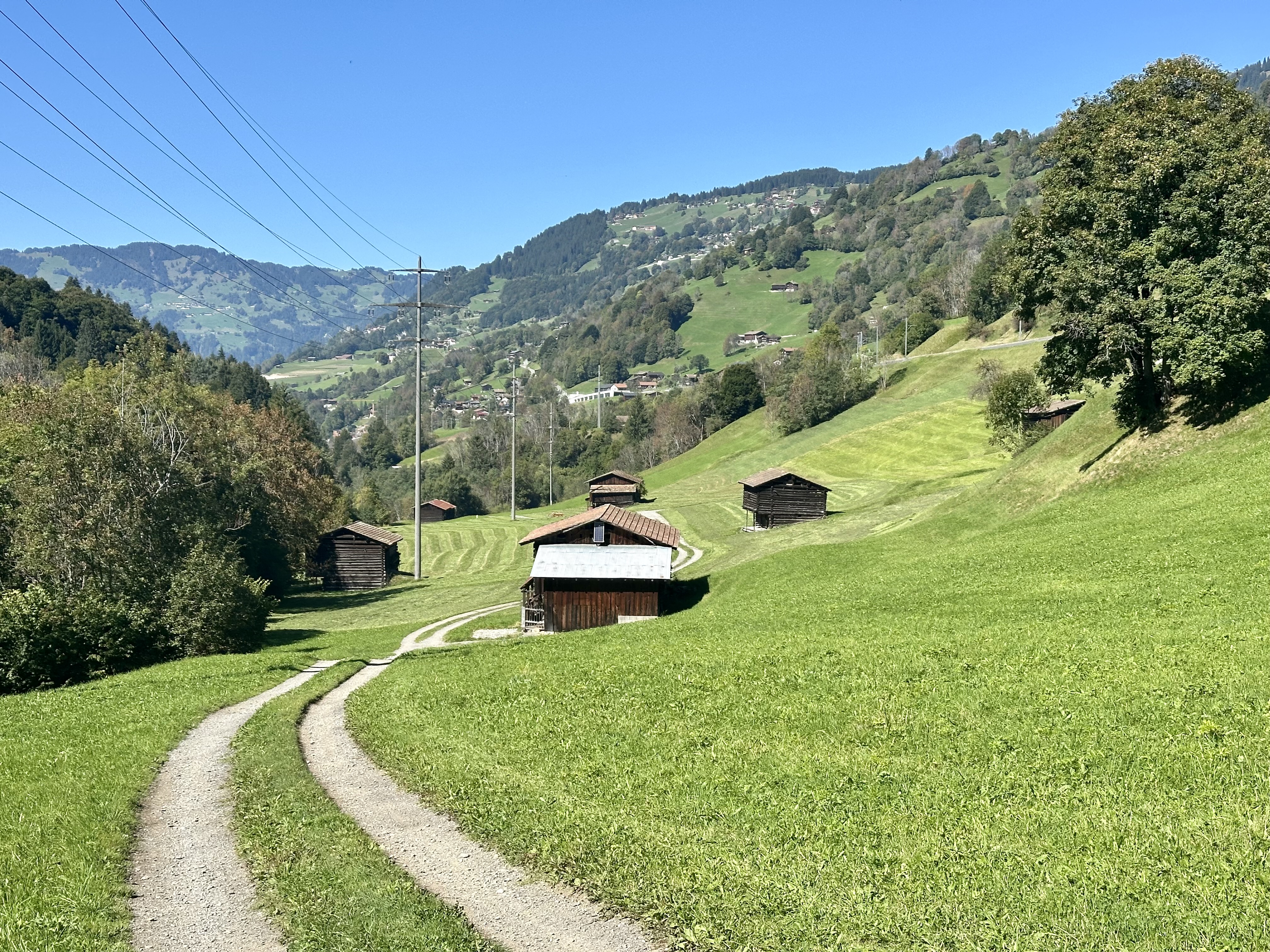
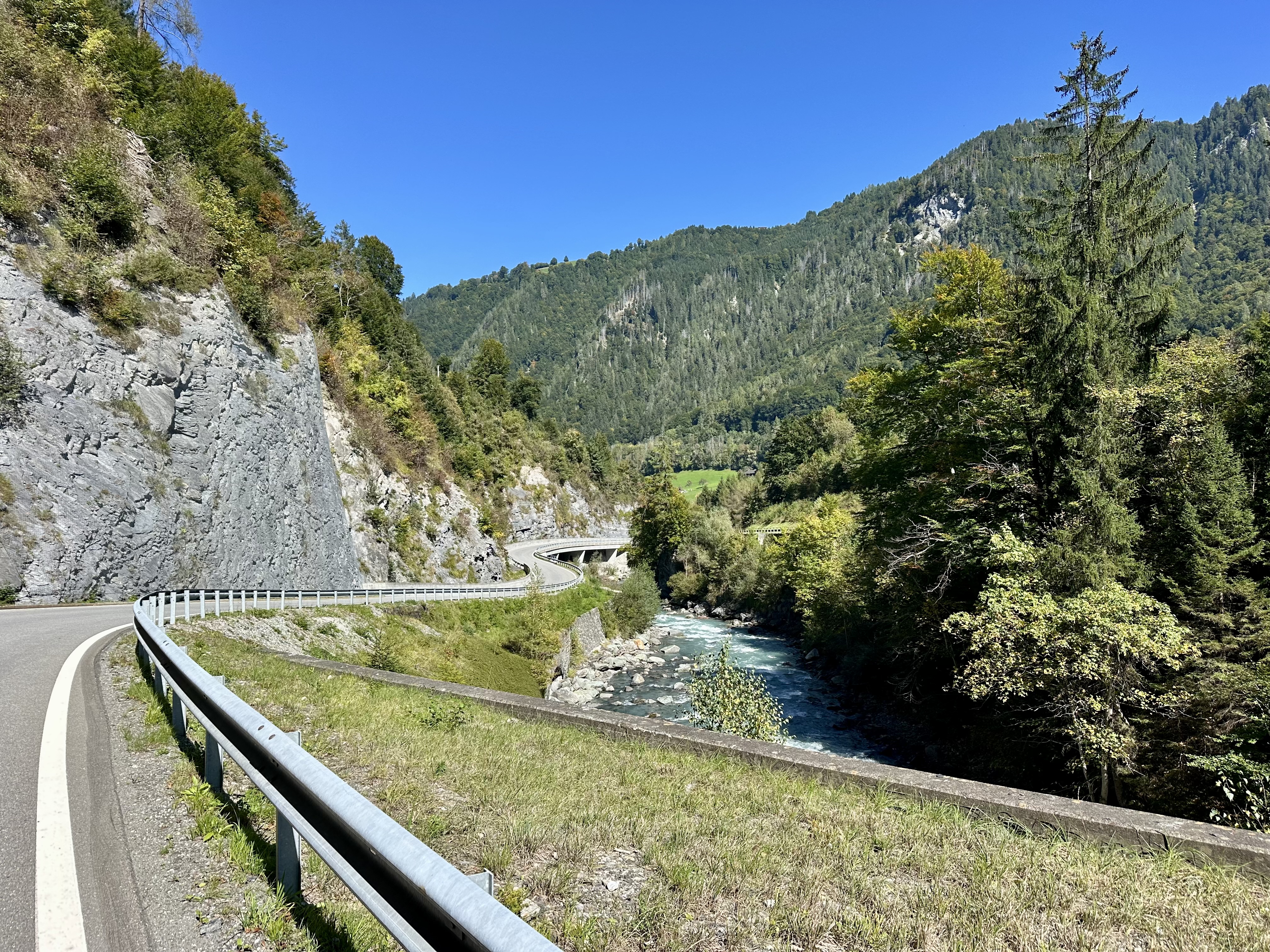
My favourite part of crossing Fluelapass was the continued descent all the way to the Rhine near Liechtenstein. On road to Klosters, the route continues on back roads, gravel track and paths for a long way. On return to the Rhine things are pretty flat, but the scenery through to Liechtenstein is pretty cool.

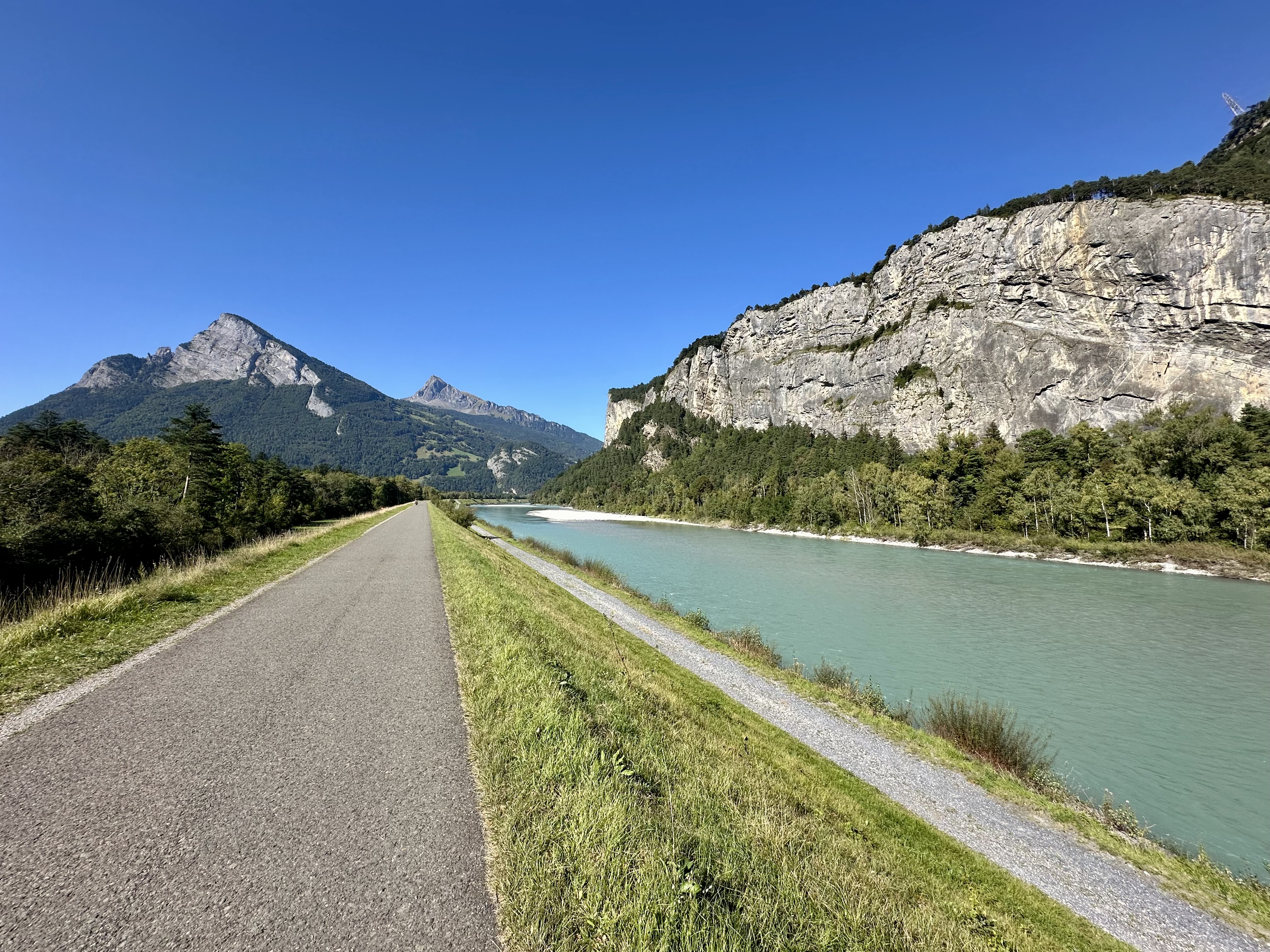
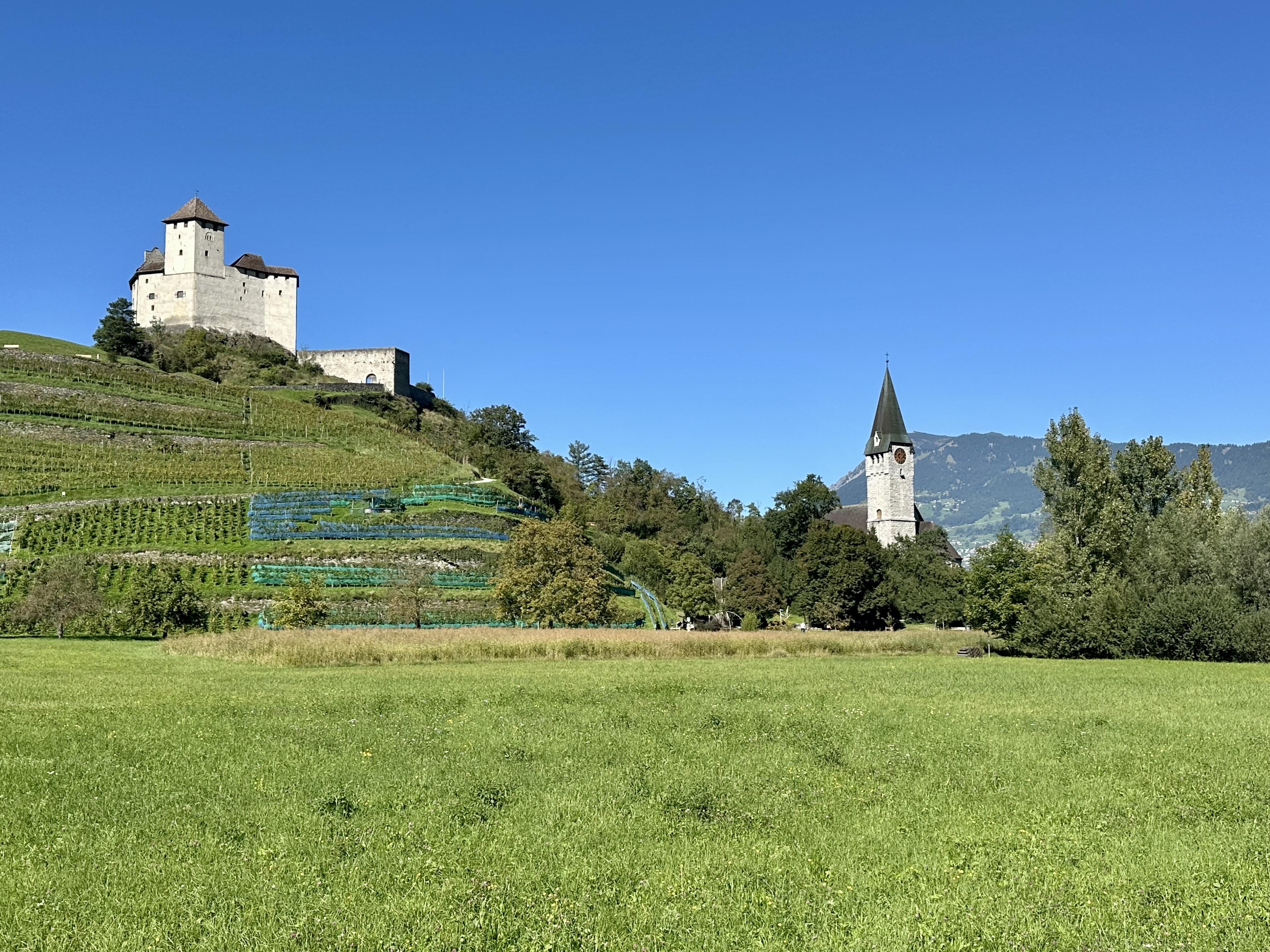
I can recommend spending a couple of nights in Liechtenstein. With free public transport (if you are staying in accommodation) it is easy to get around if you don’t want to cycle, and the views from Vaduz Castle are fantastic (well worth the hike up the hill). The youth hostel in Schaan was one of the very best I’ve ever stayed in, and I can also recommend Liechtensteiner Braustube for beers and pleasant views.
Summing up
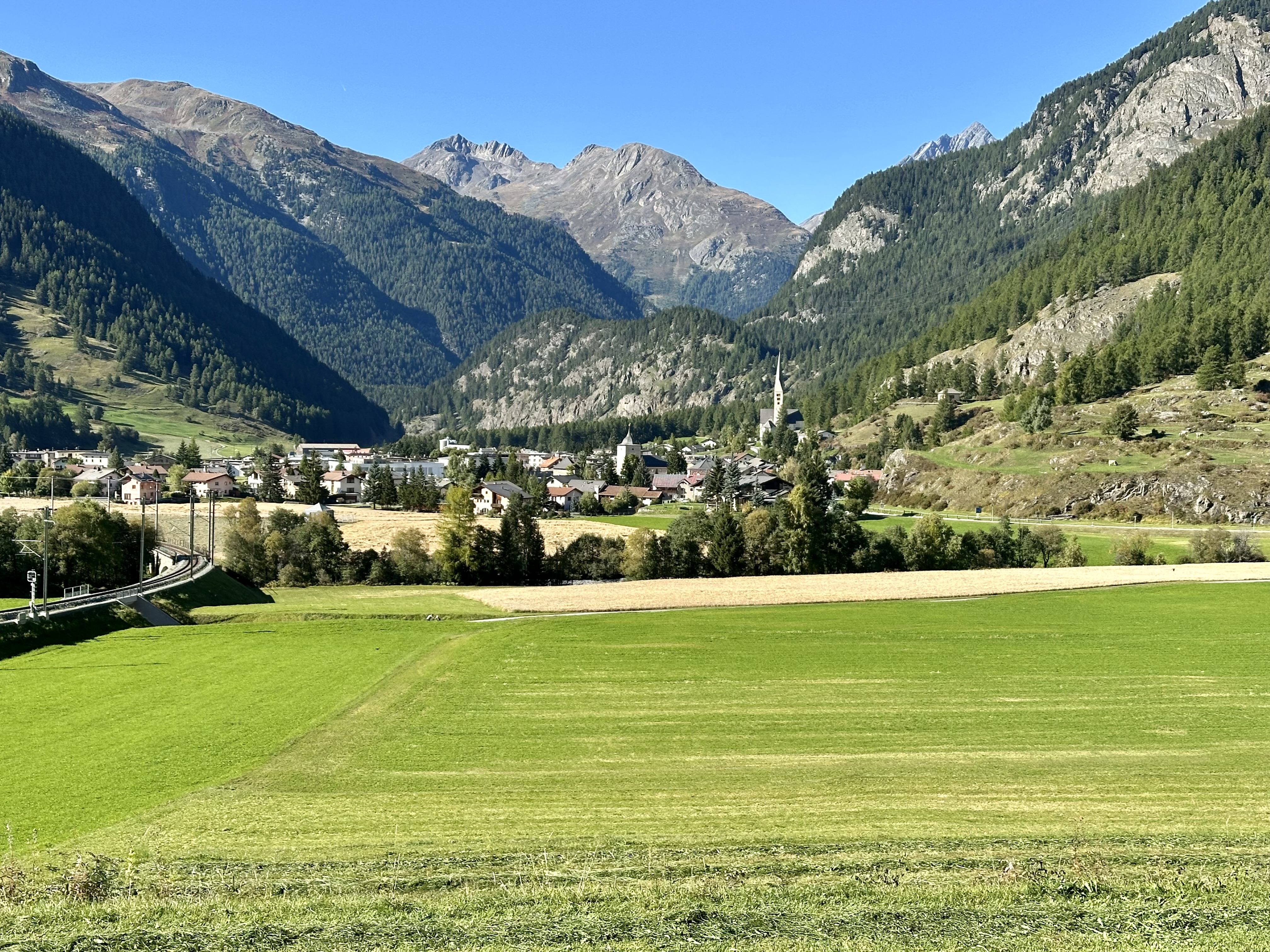
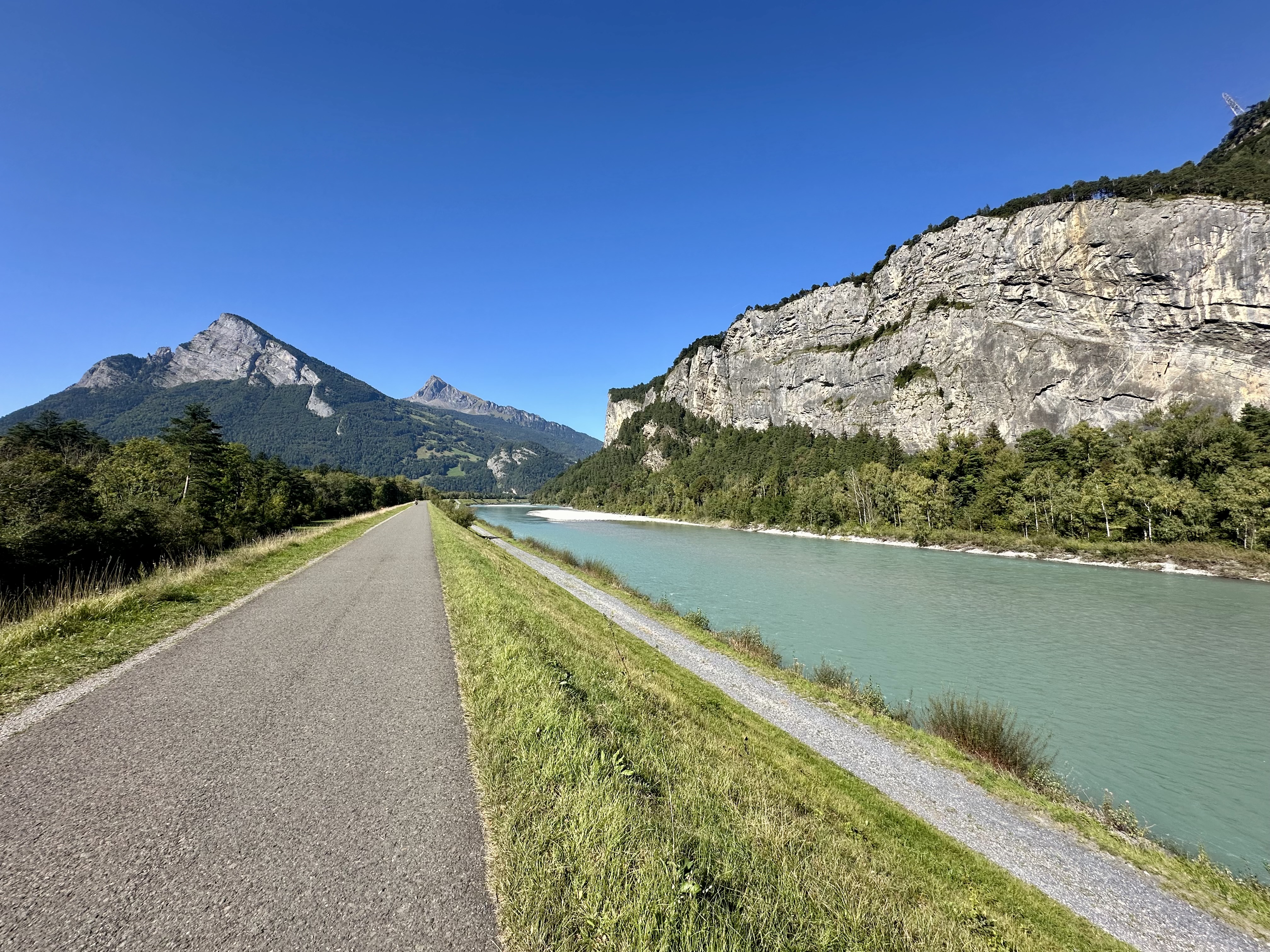

Throughout my time in Switzerland I managed to visit regions covering all four of the country’s official languages, as well as Liechtenstein. There were some differences (you’ll notice it most quickly in the road signs) but all were friendly and beautiful. Doing the climbs across the mountains and through the valleys really helps with understanding how these Swiss regional differences – particularly for Italian and Romansh – were strongly influenced by geography. I’m sure that you can get a good appreciation of this travelling in other ways, but travelling by bike really makes you feel it. And when the country puts so much effort into fantastic cycling routes it is a real pleasure. I so want to go back….


 CyclingGravel