

This ride was the result of one of CyclingGravel’s mates wanting to cycle the French Alps (and in particular some iconic Tour de France climbs). When considering an organised tour this seemed super expensive. So, in typical CyclingGravel style, we went with a self-supported option. The Route des Grandes Alpes fitted the bill!

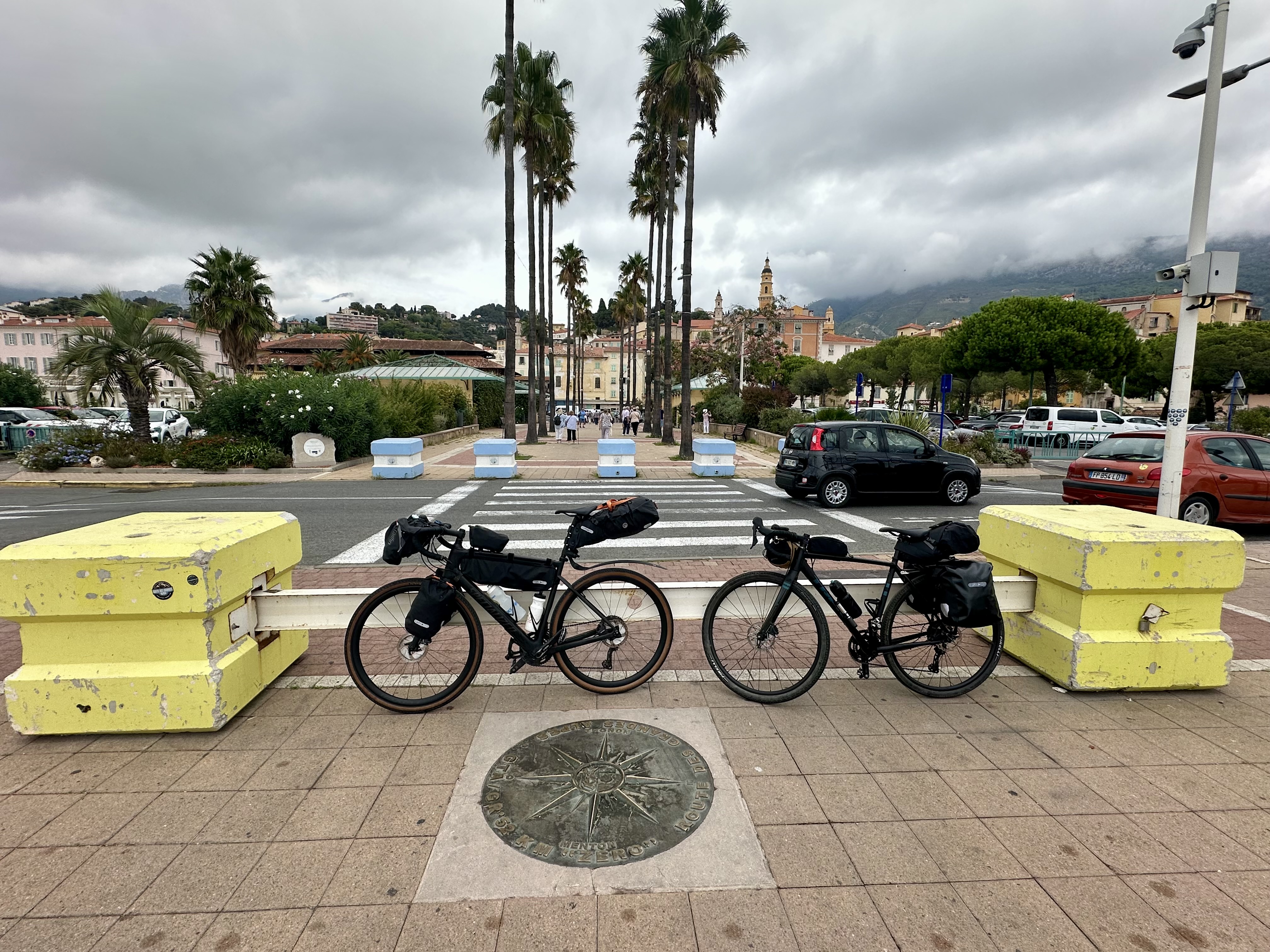
There are good resources available to help plan a trip: the official route site is helpful and there is a fantastic book with example itineraries breaking the route up into different numbers of days for the trip. These also offer details of detours and alternative routes, but in our case we stuck to the main route and pushed the timeline to a pretty short duration, taking 6.5 days (see komoot below).
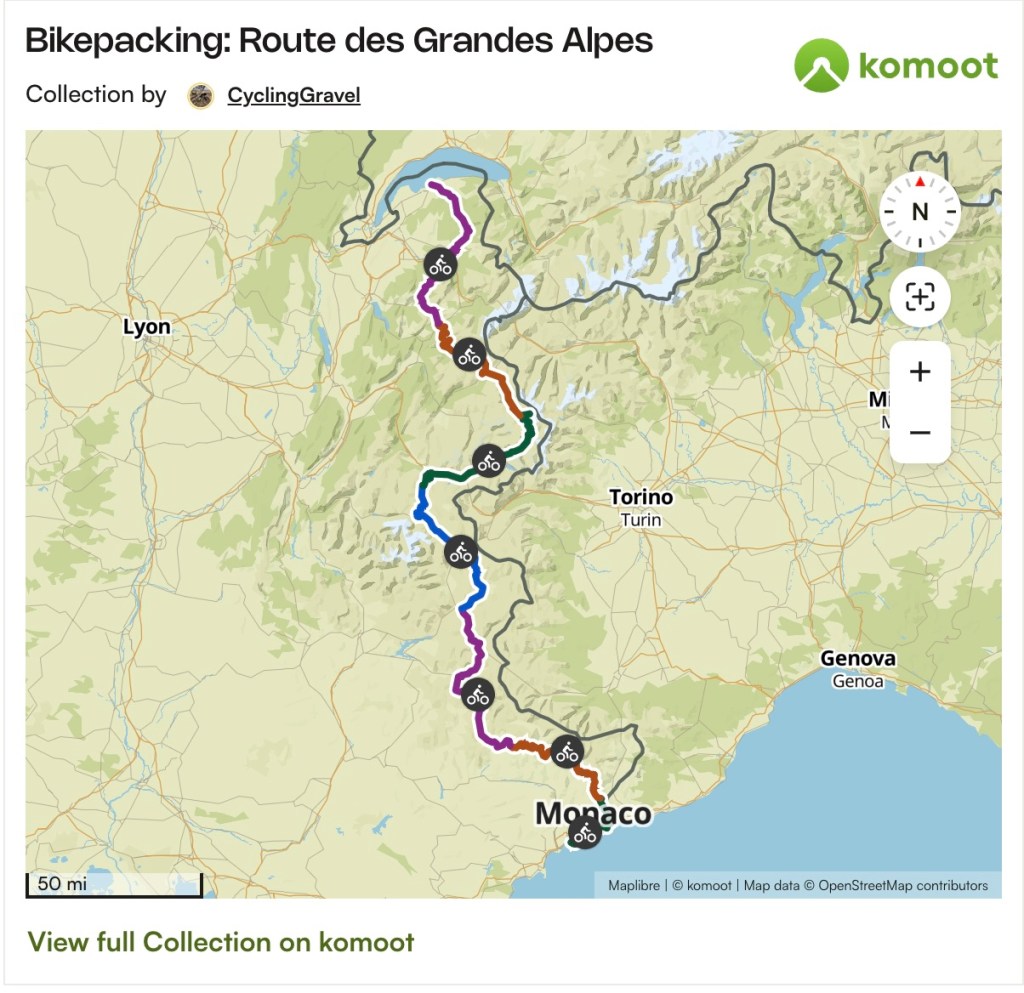
There is no such thing as a best way to bikepack, nor I think a best way to cycle this route. But having had an amazing trip filled with great climbs, super descents and epic views, there are some things I would say to someone planning their own trip (other than “there isn’t much gravel!”).
Some famous climbs were indeed epic
Le Cormet de Roselend (1967m)
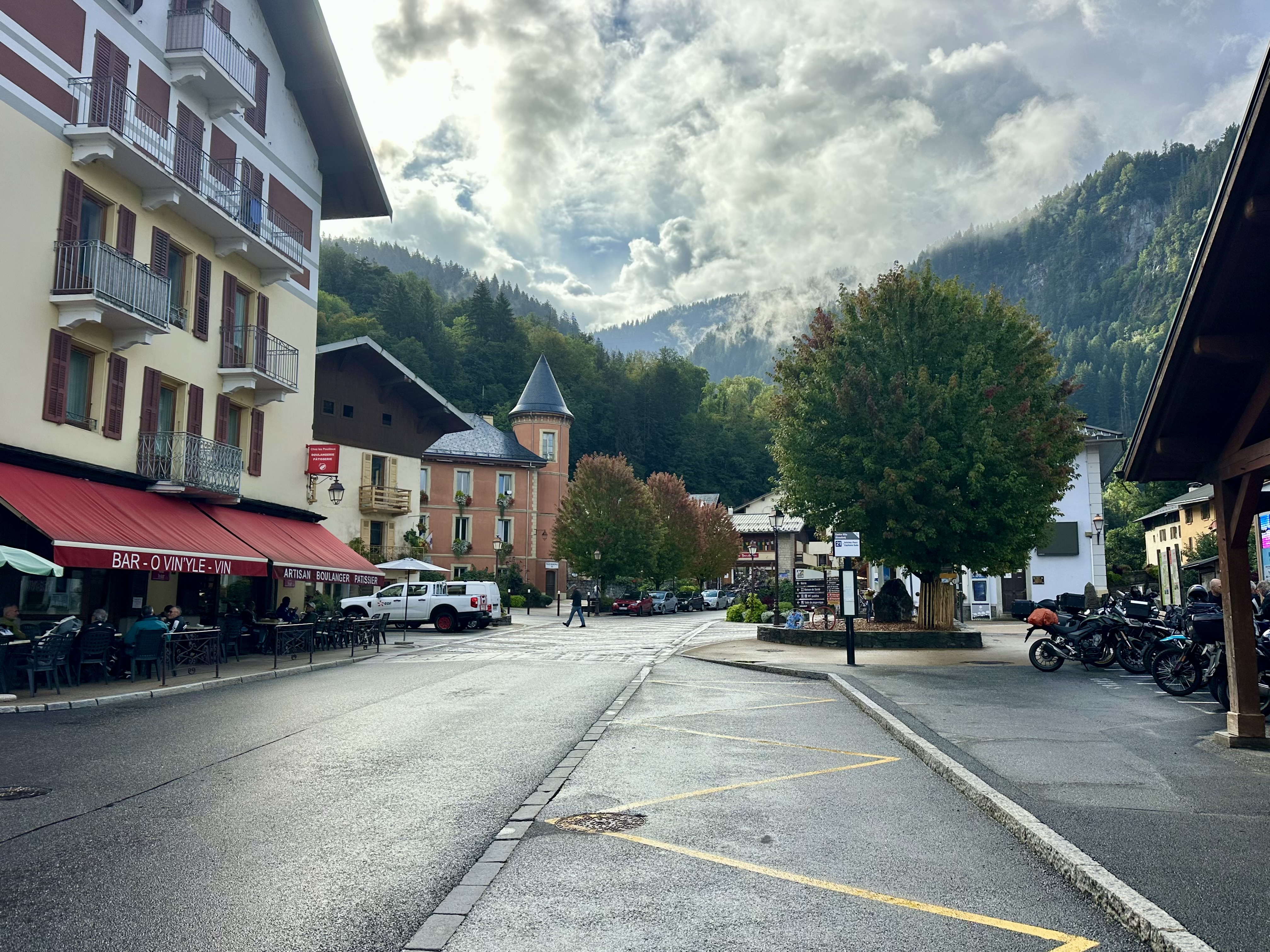
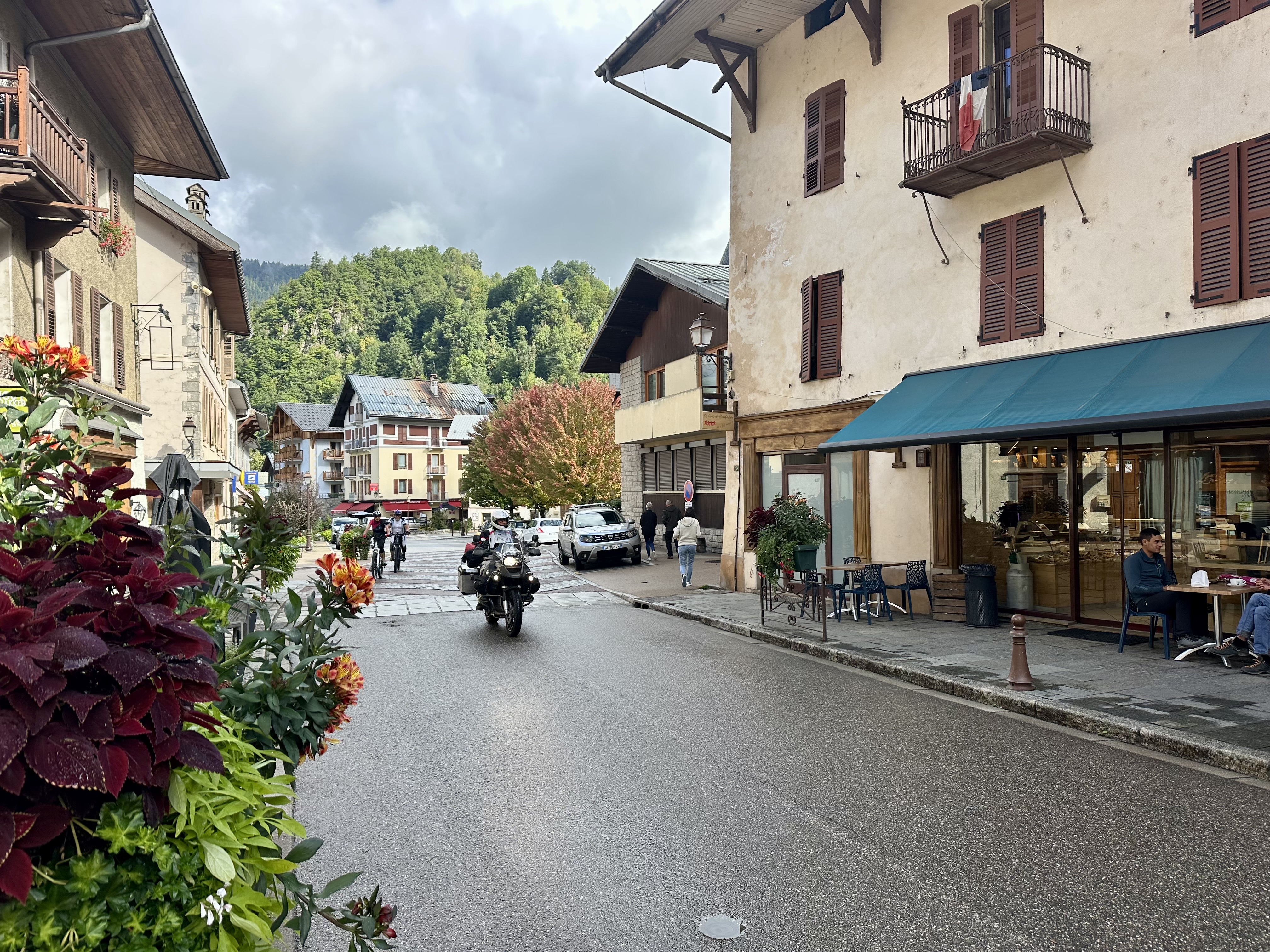
The climb starts from Beaufort, a beautiful town with one of the very best Patisseries of the trip – Les Croës du Beaufortain. Seriously, don’t miss this place.
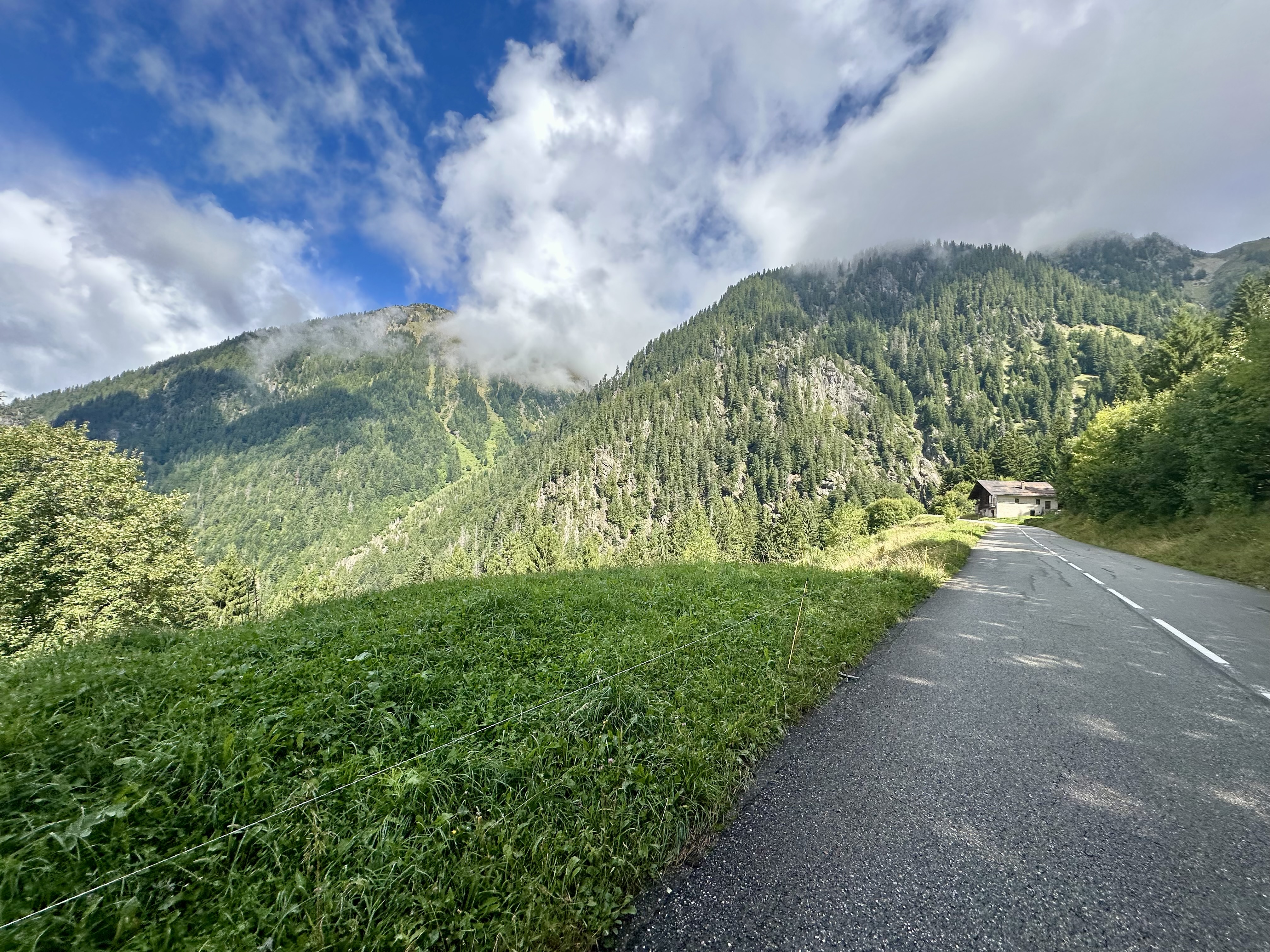

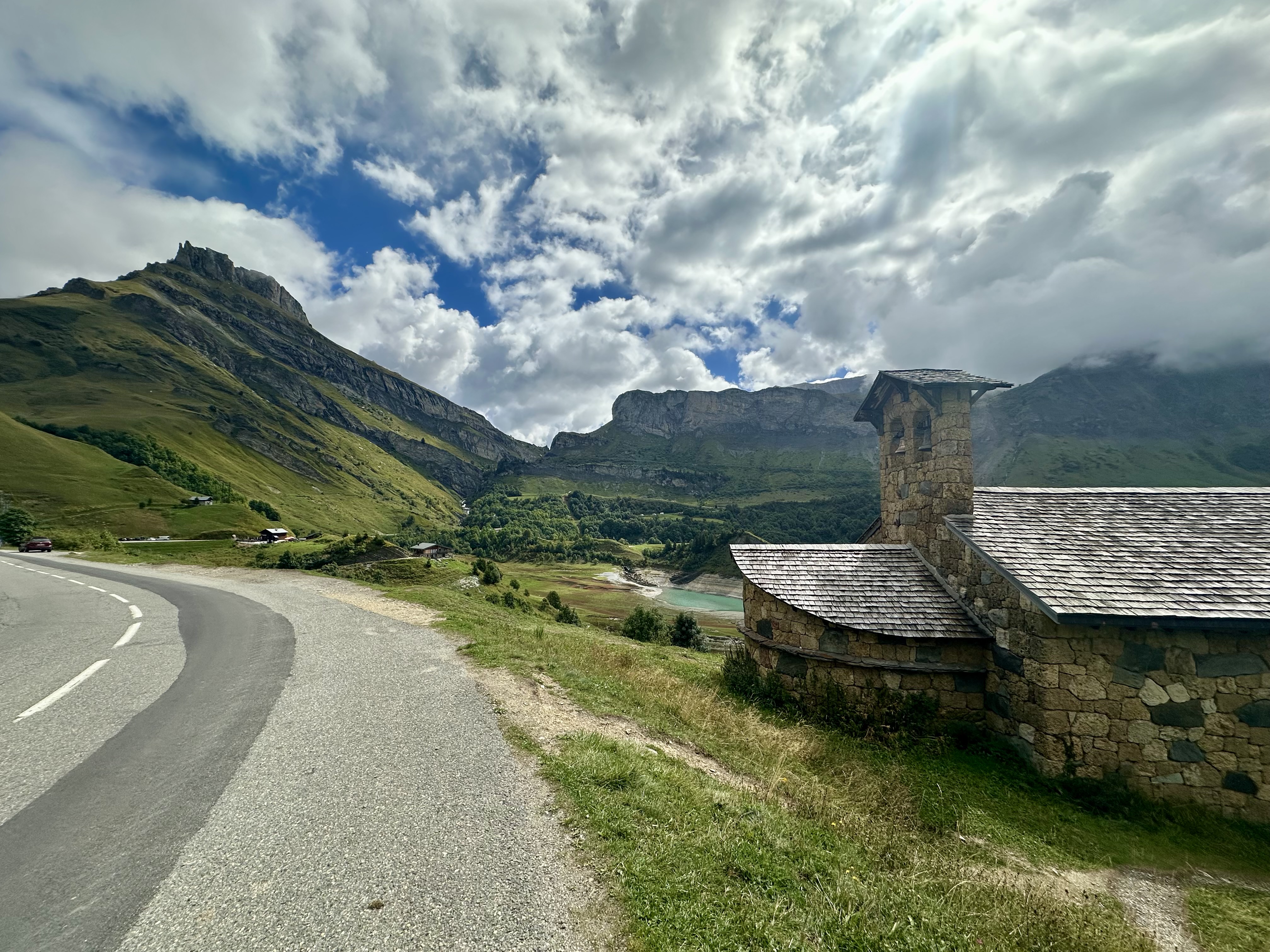
For most of the early climb the route is forested with occasional views. Where the climb truly becomes epic is from Lac de Roselend. At this point the views open up, the forest gives way to alpine peaks and rocky escarpments, and the road flattens out as you round the lake.
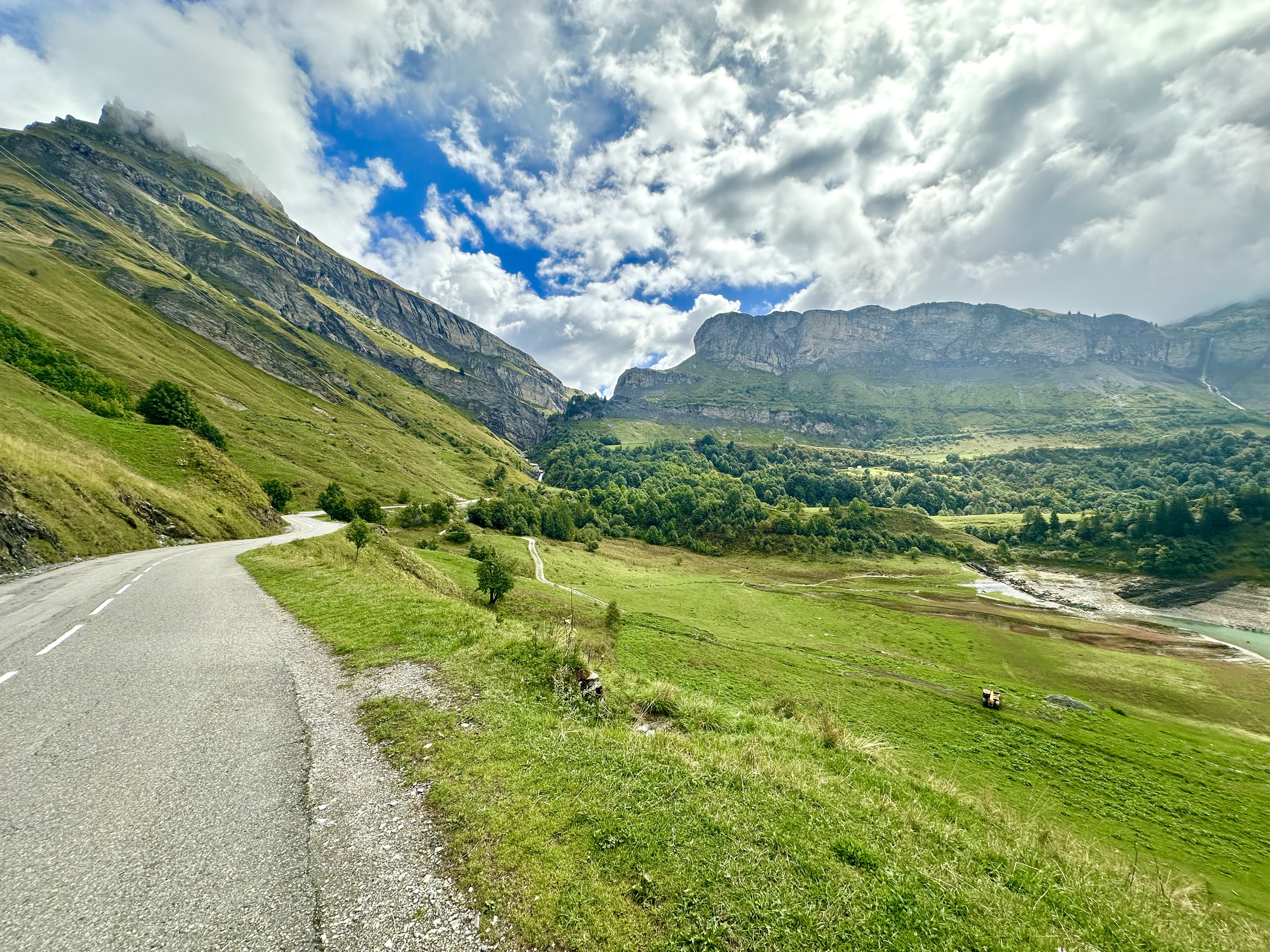
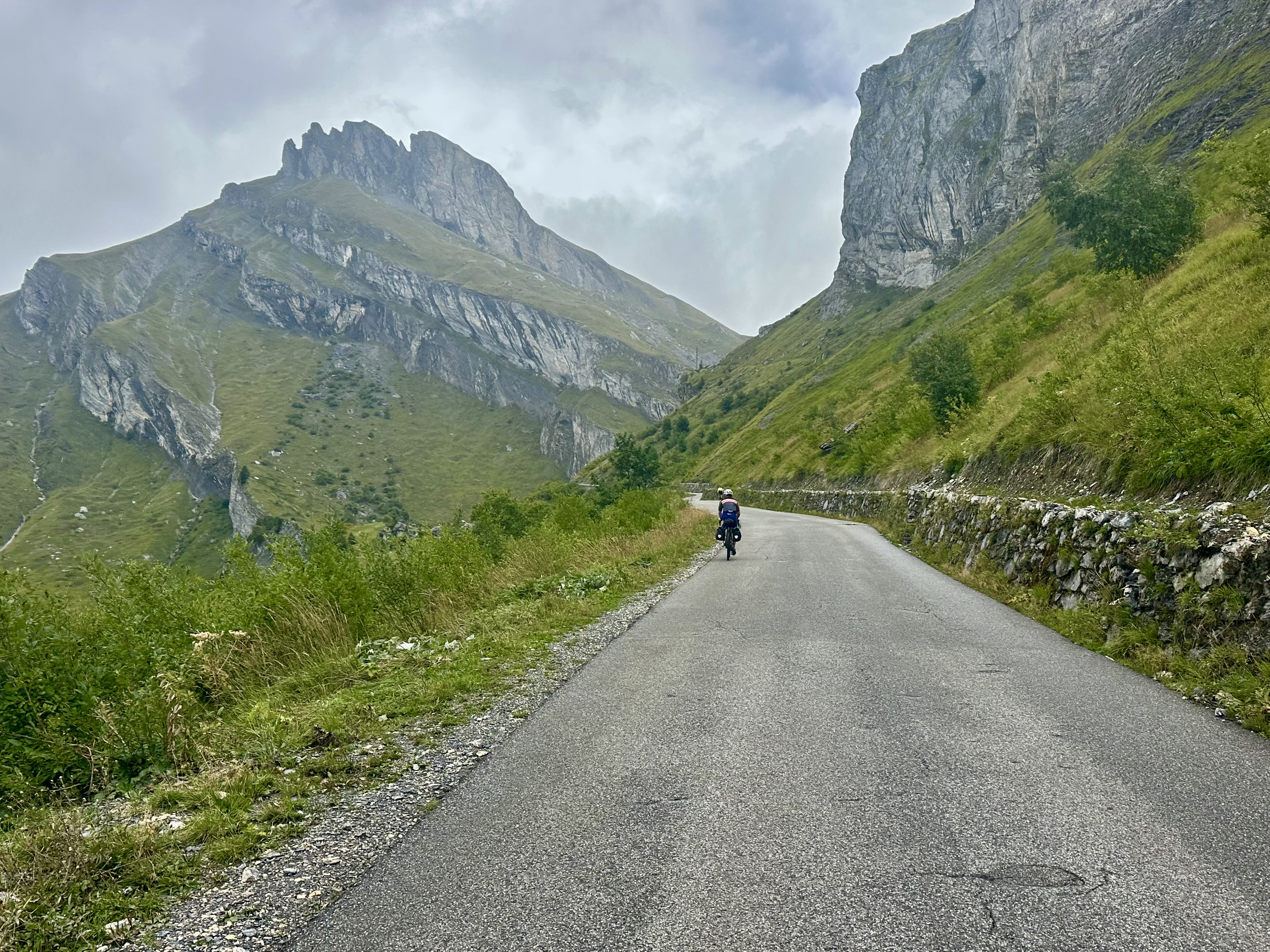

The final climb is super beautiful, and the road is also marked from its regular use on the Tour. We had some misty rain come through which also made things atmospheric.


On the day we were travelling through there was a vendor at the peak selling sausages, cheese, sandwiches and soft drinks: excellent! I not only enjoyed lunch from here but also took away some of the dried meat to consume over following days. The descent afterwards was also magic – not the most vertiginous of the trip but a lovely long flow down the valley.
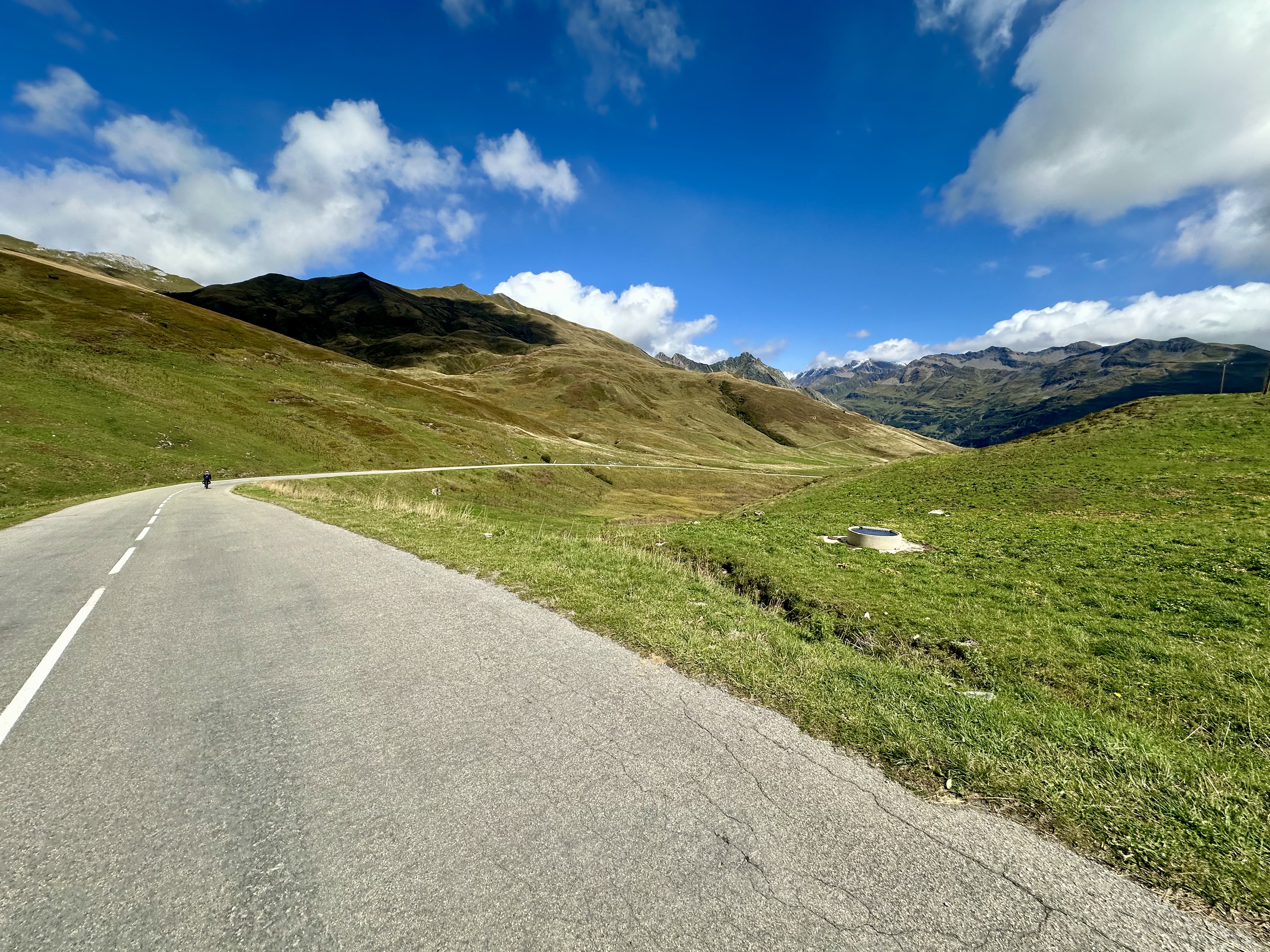

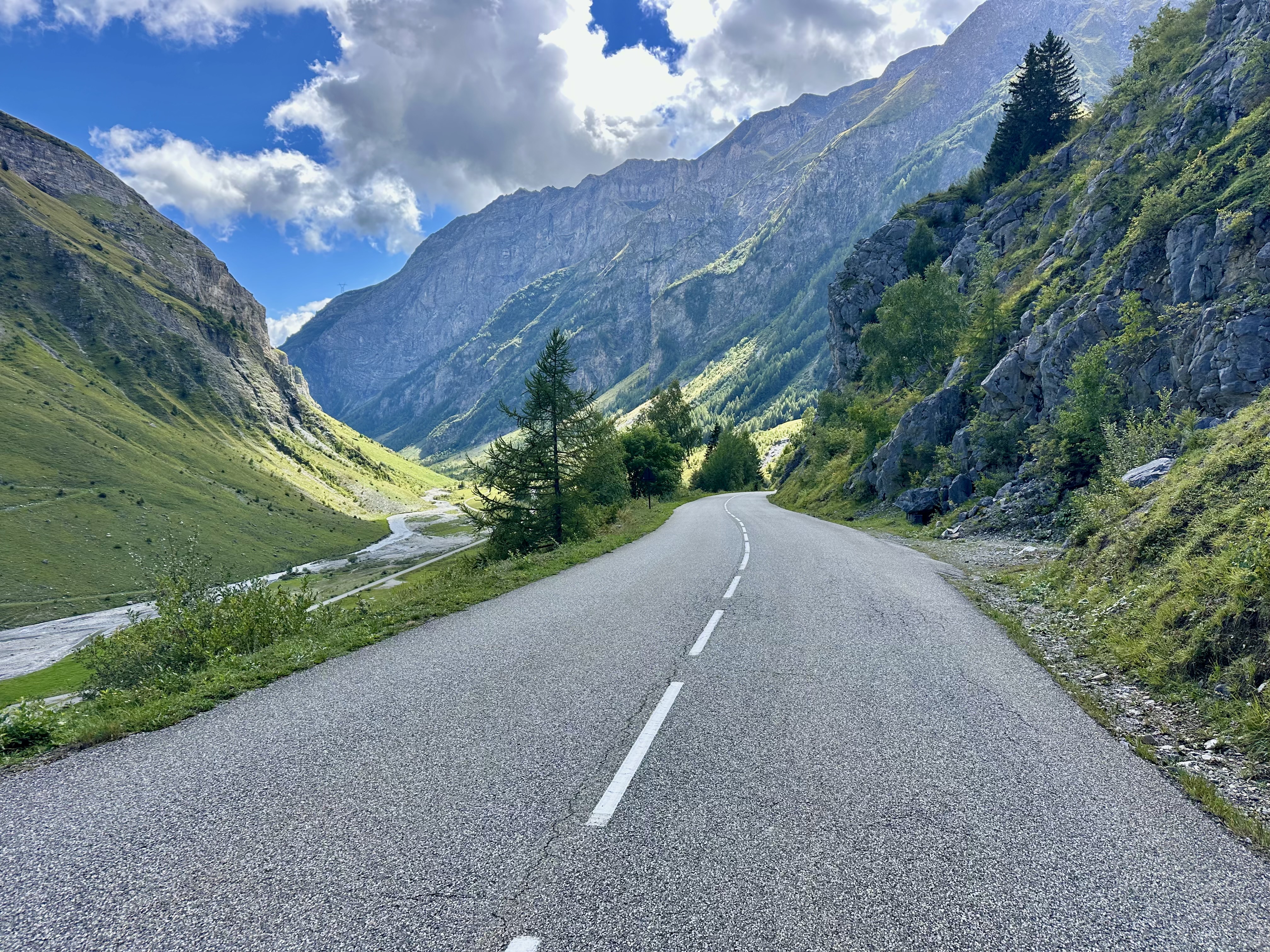
Col de L’Iseran (2764m)
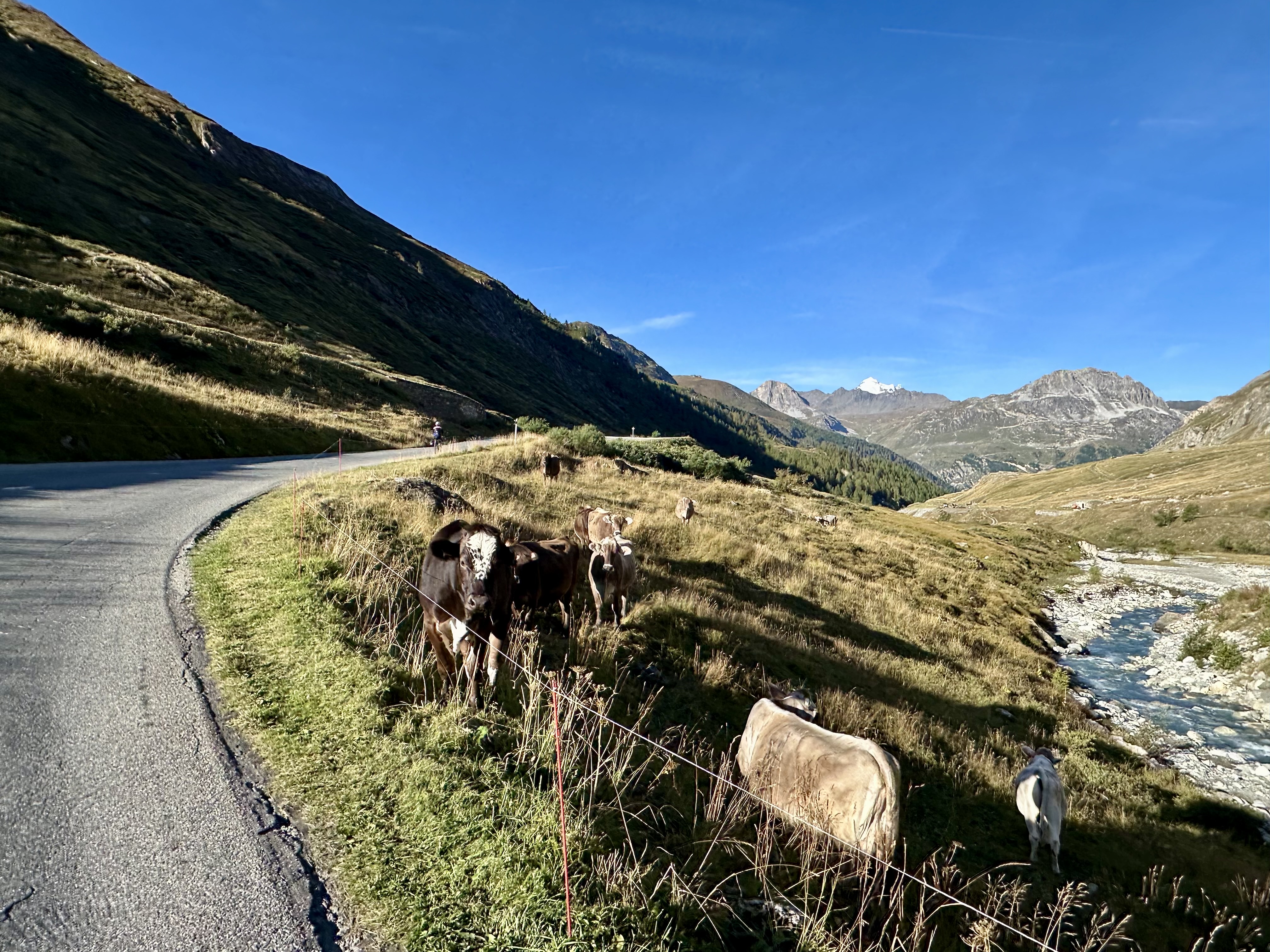
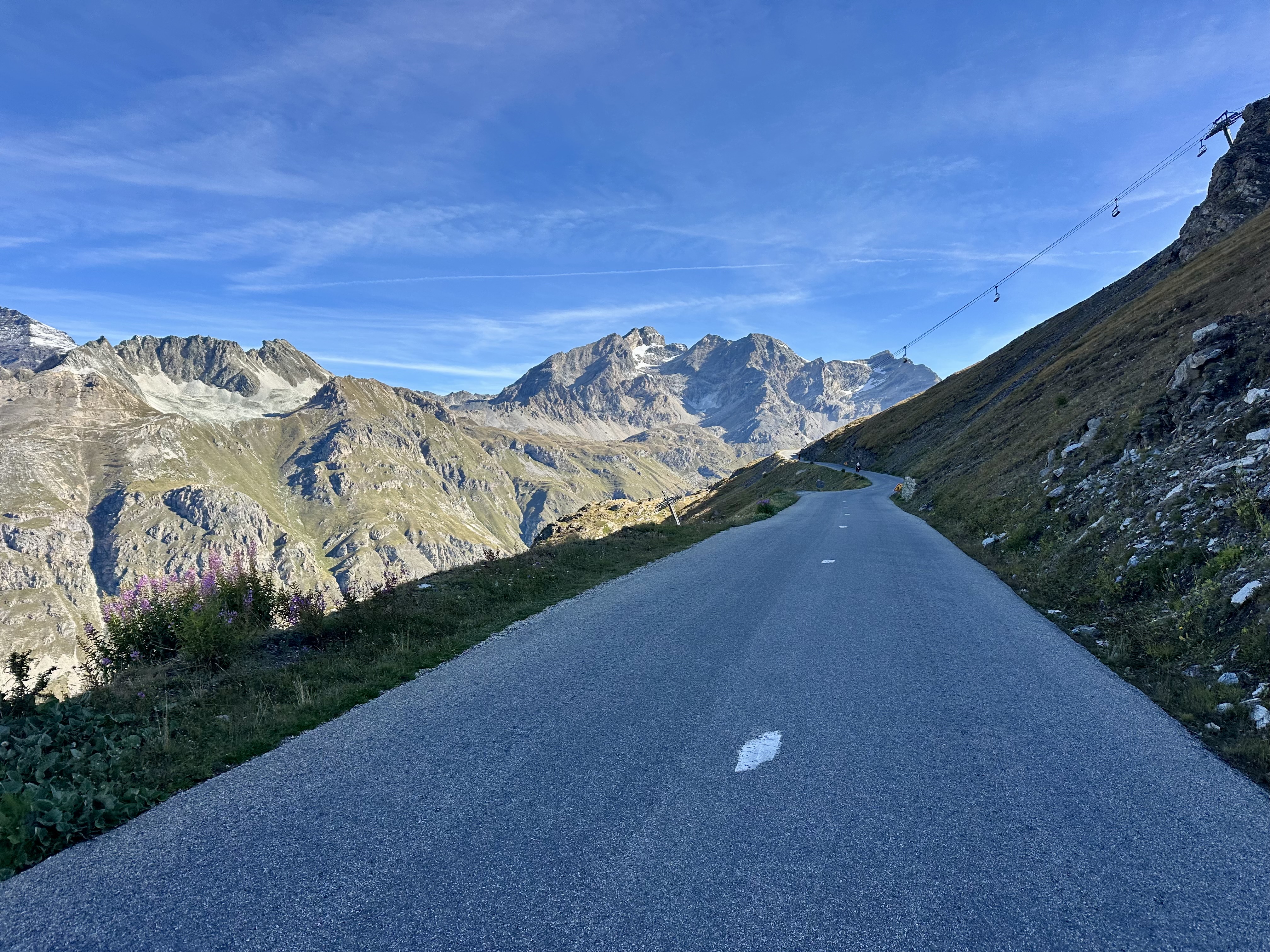
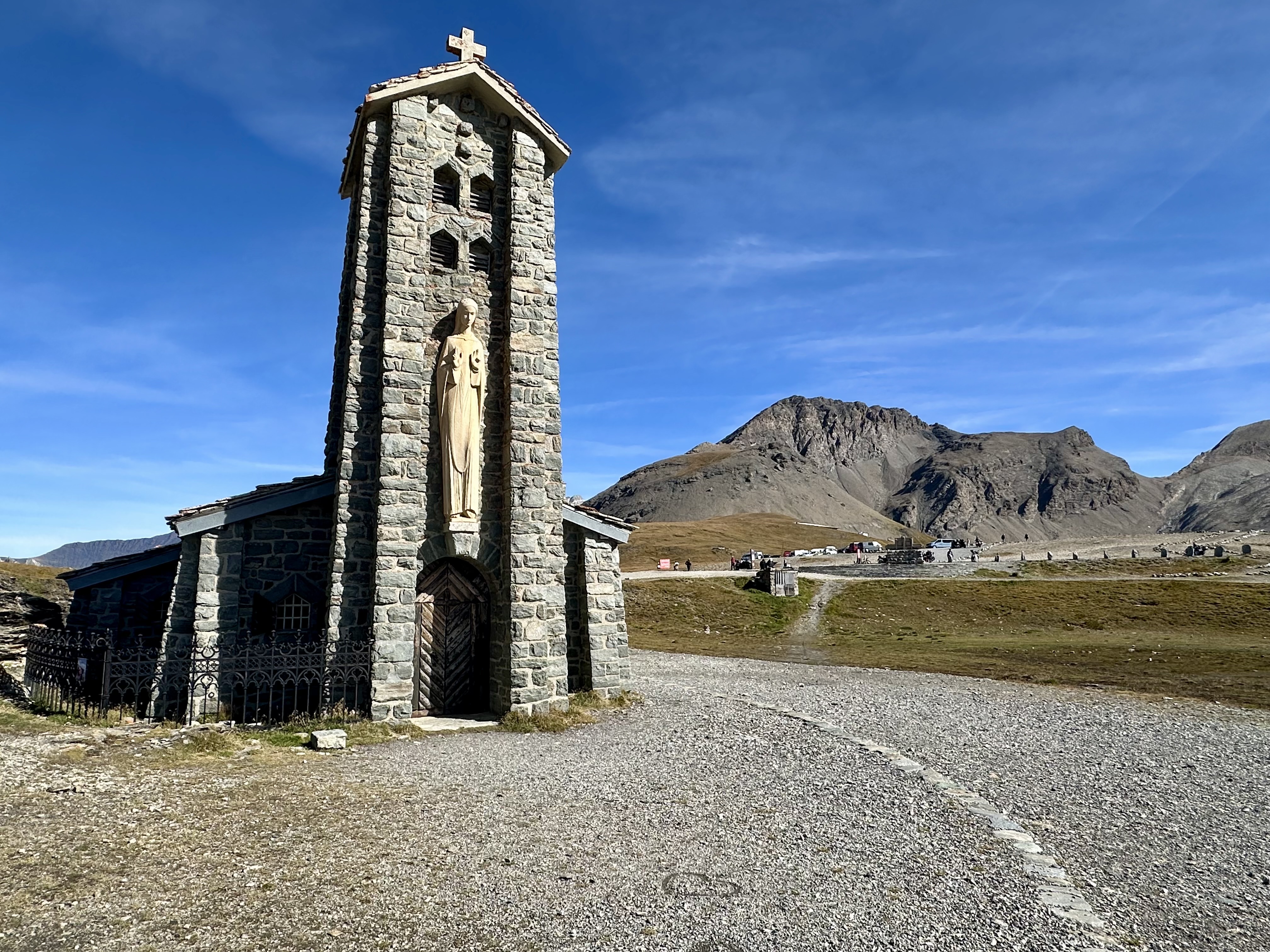
It is not the climb that makes the Col de L’Iseran, which apparently is the highest paved pass in the Alps. Cycling up from Val d’Isere is nice enough but not one of the most spectacular ascents of the trip. Possibly the highlight if you leave early enough in the morning is the presence of plenty of marmots that are easy to spot.
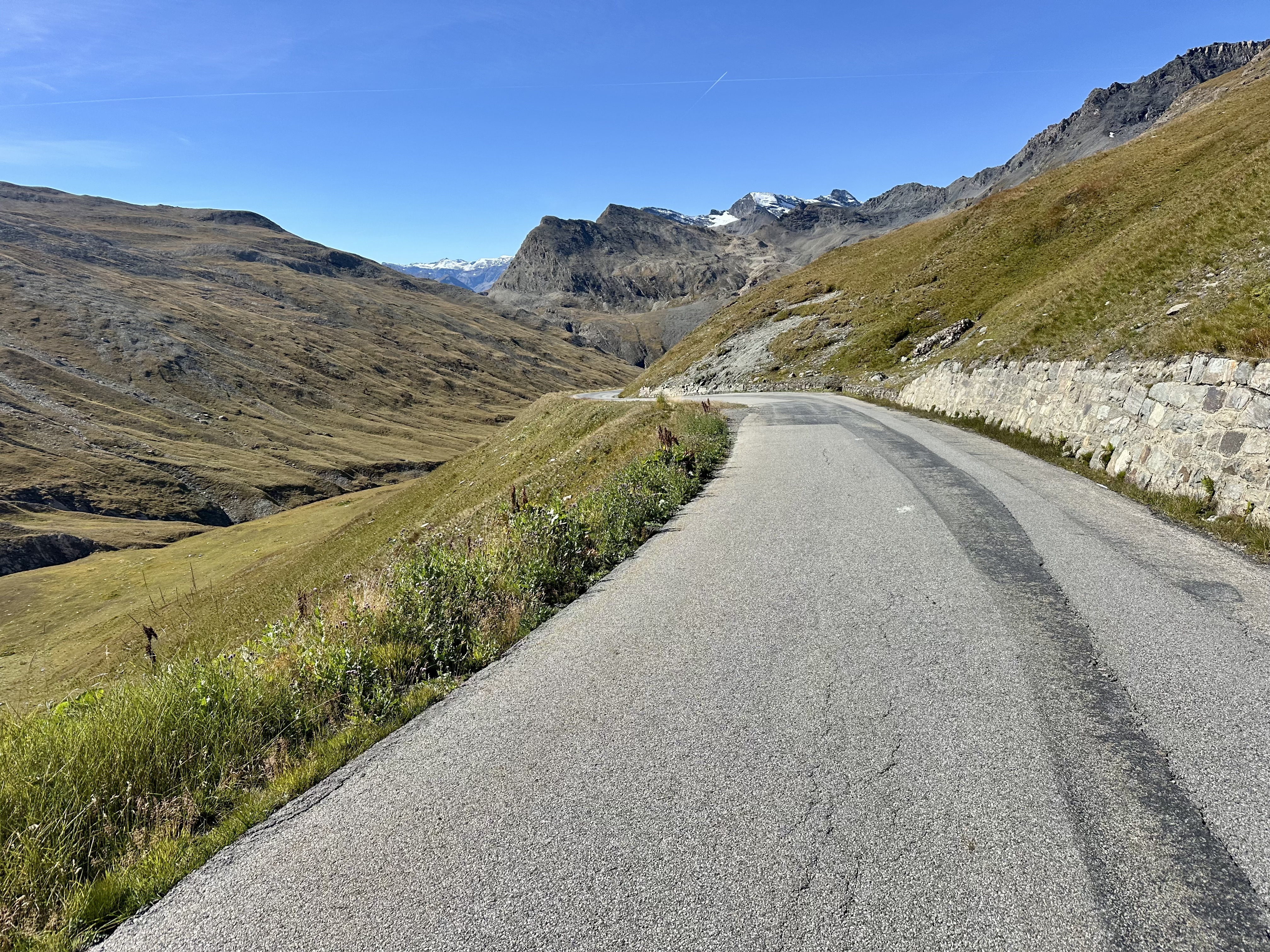
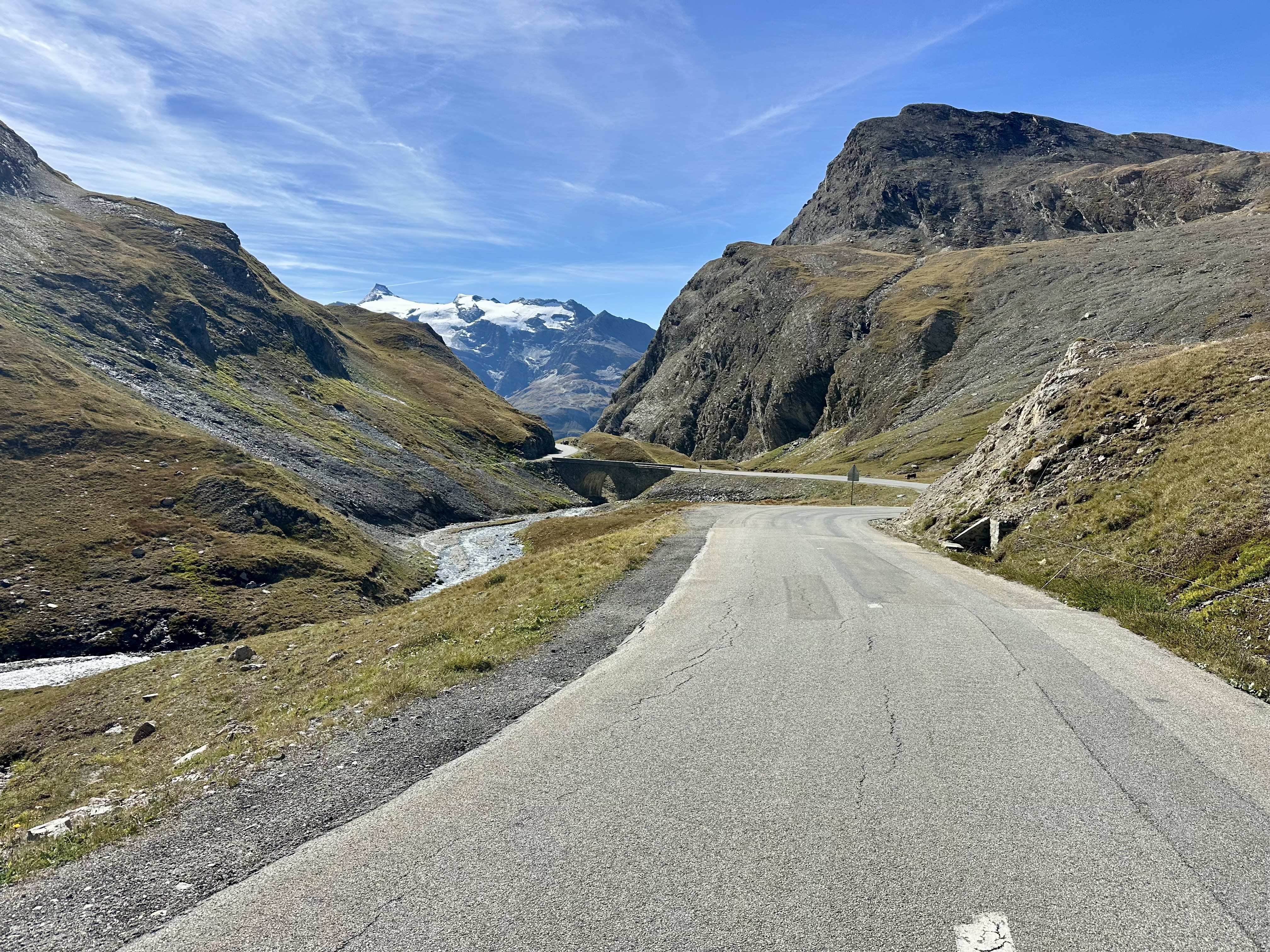
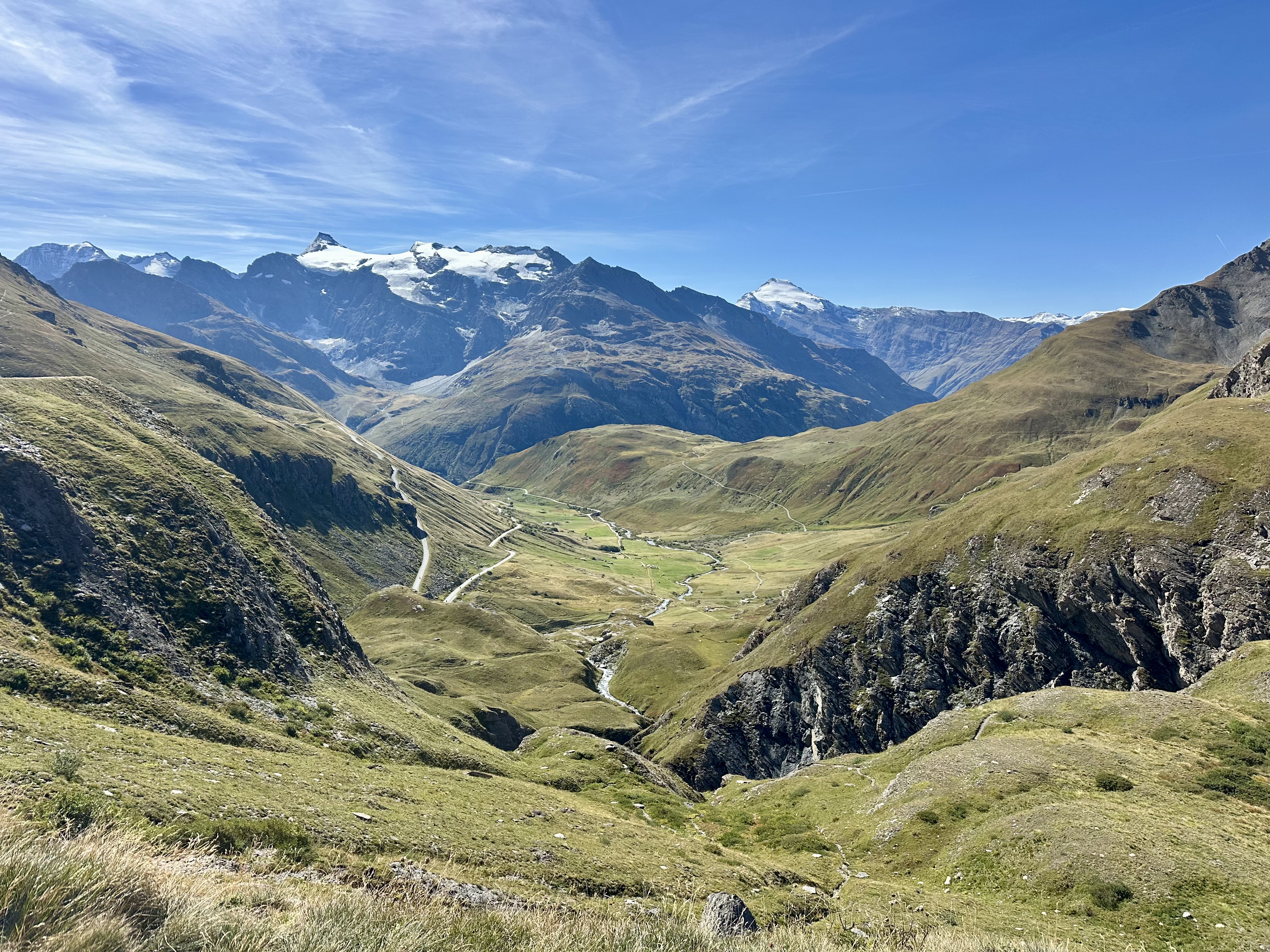
The descent to Bonneval-sur-Arc, however, is a completely different matter. It is breathtakingly epic, and you want to regularly stop and take in the view.

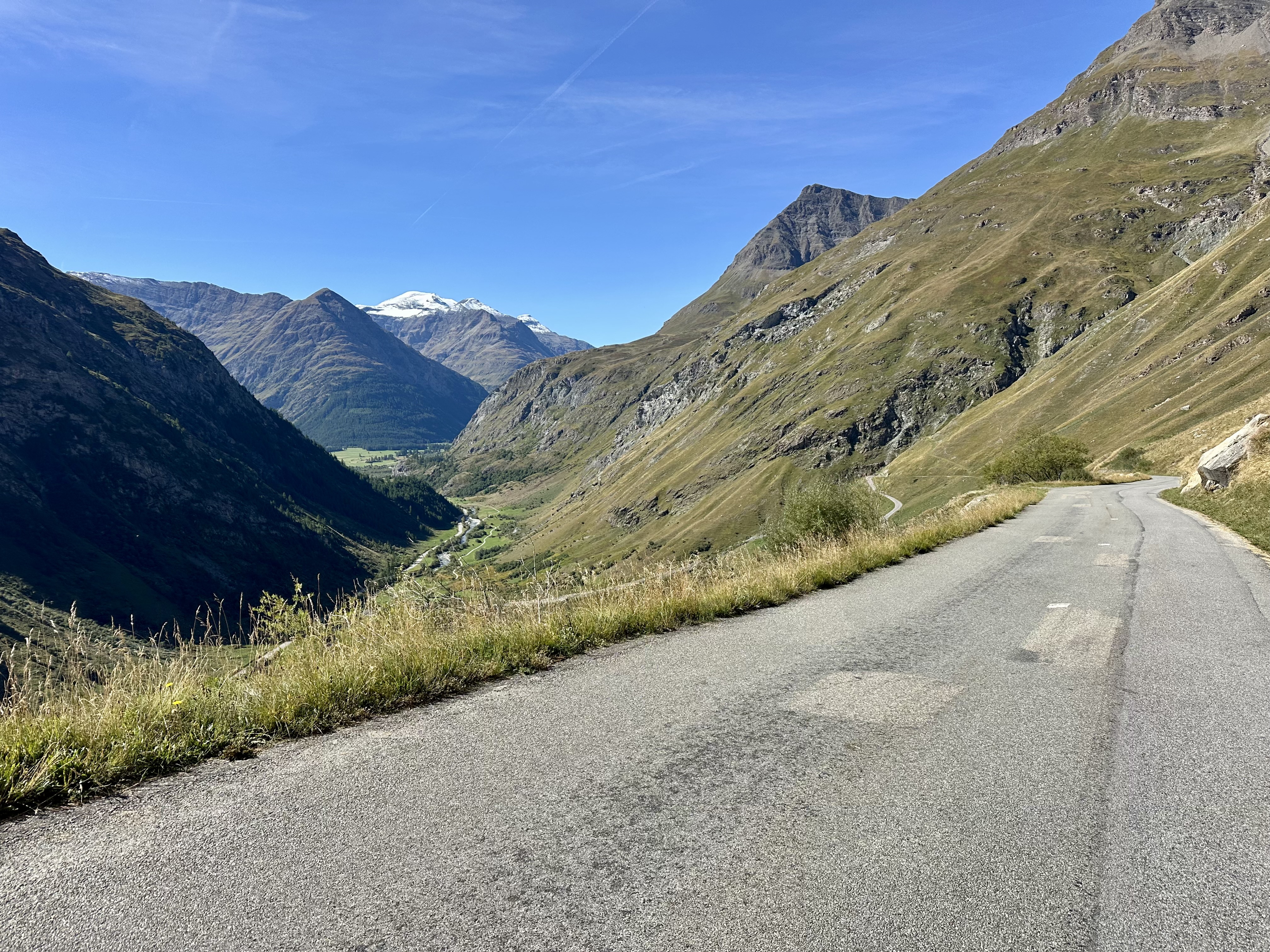
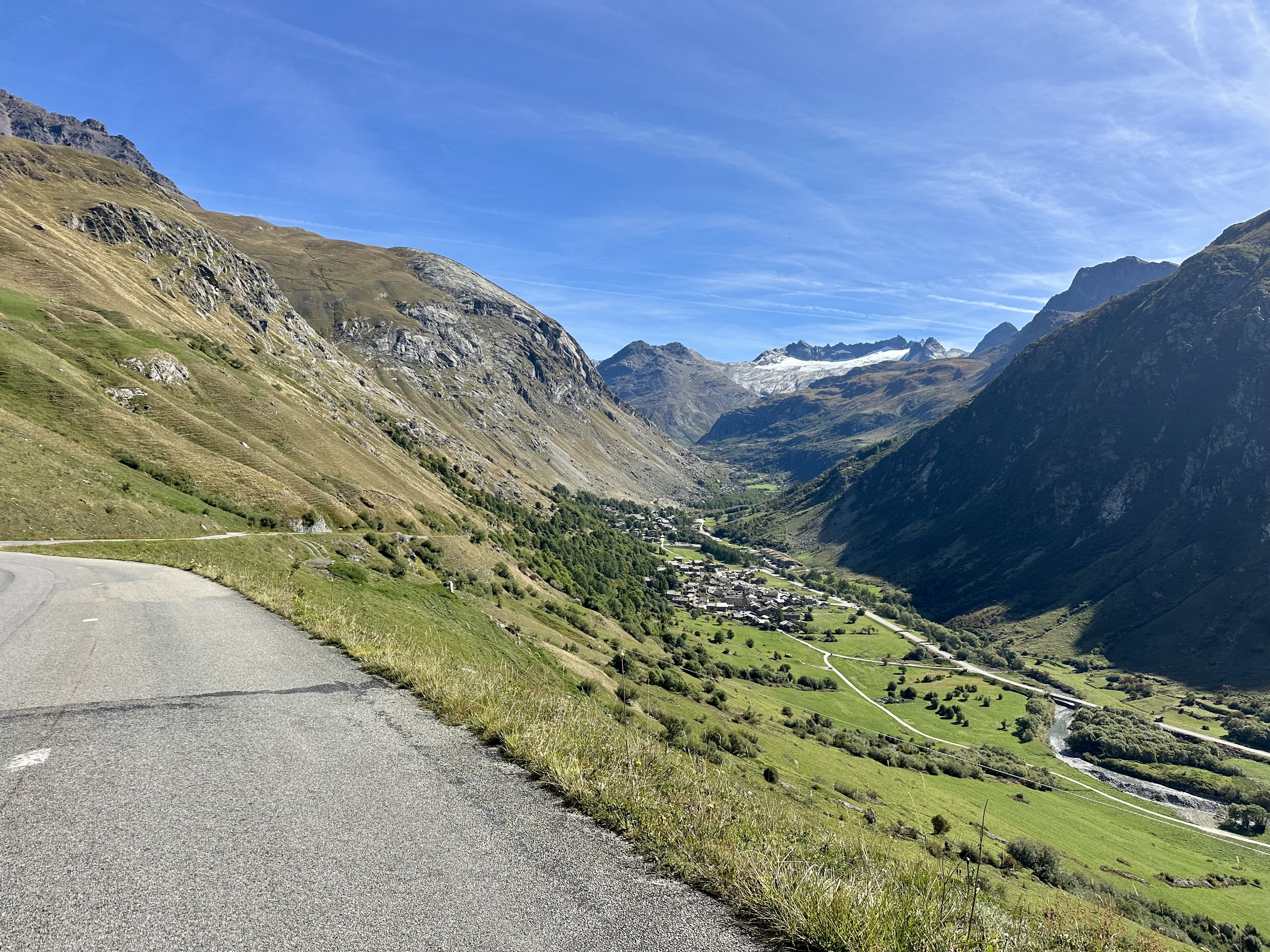
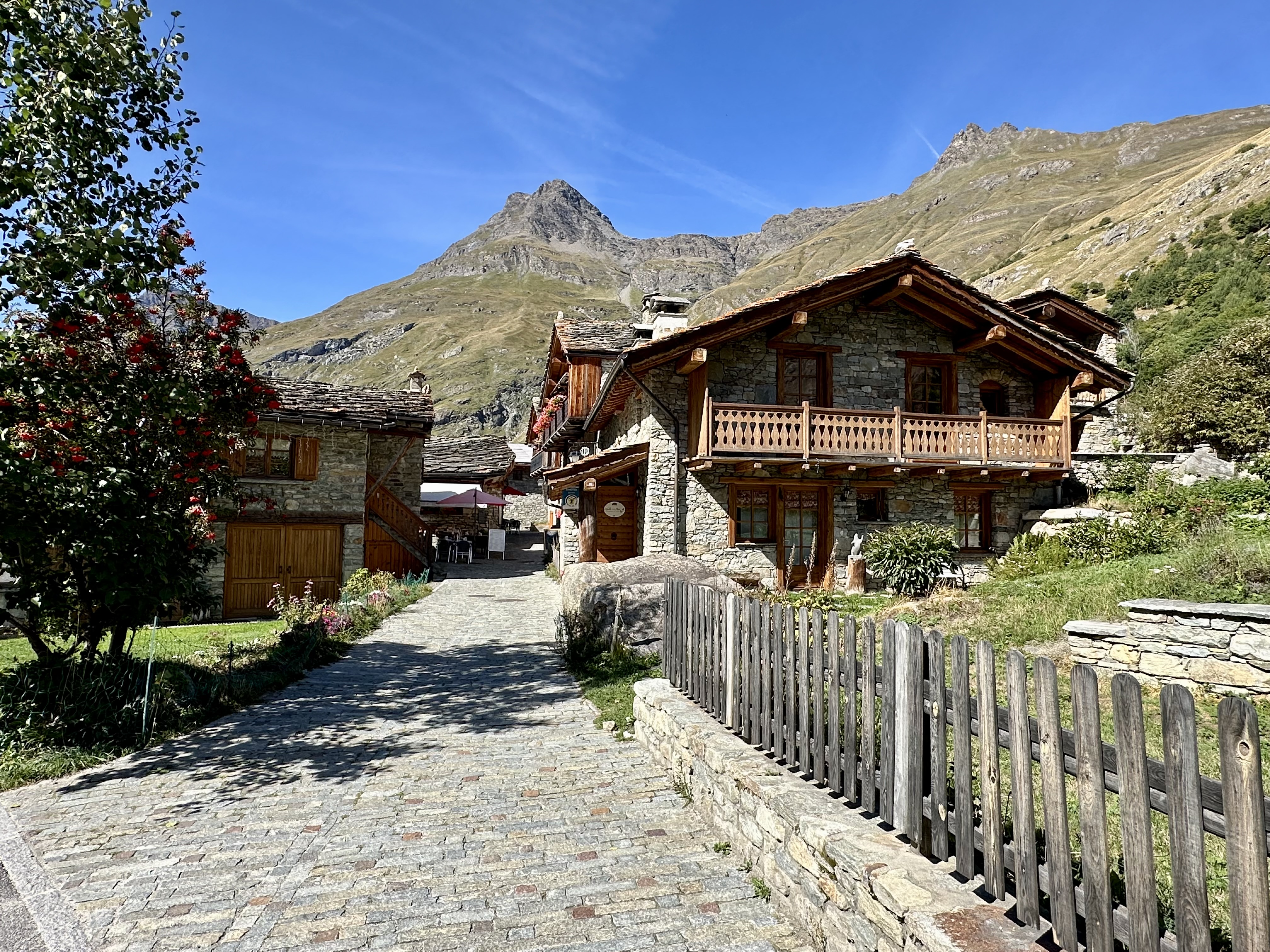
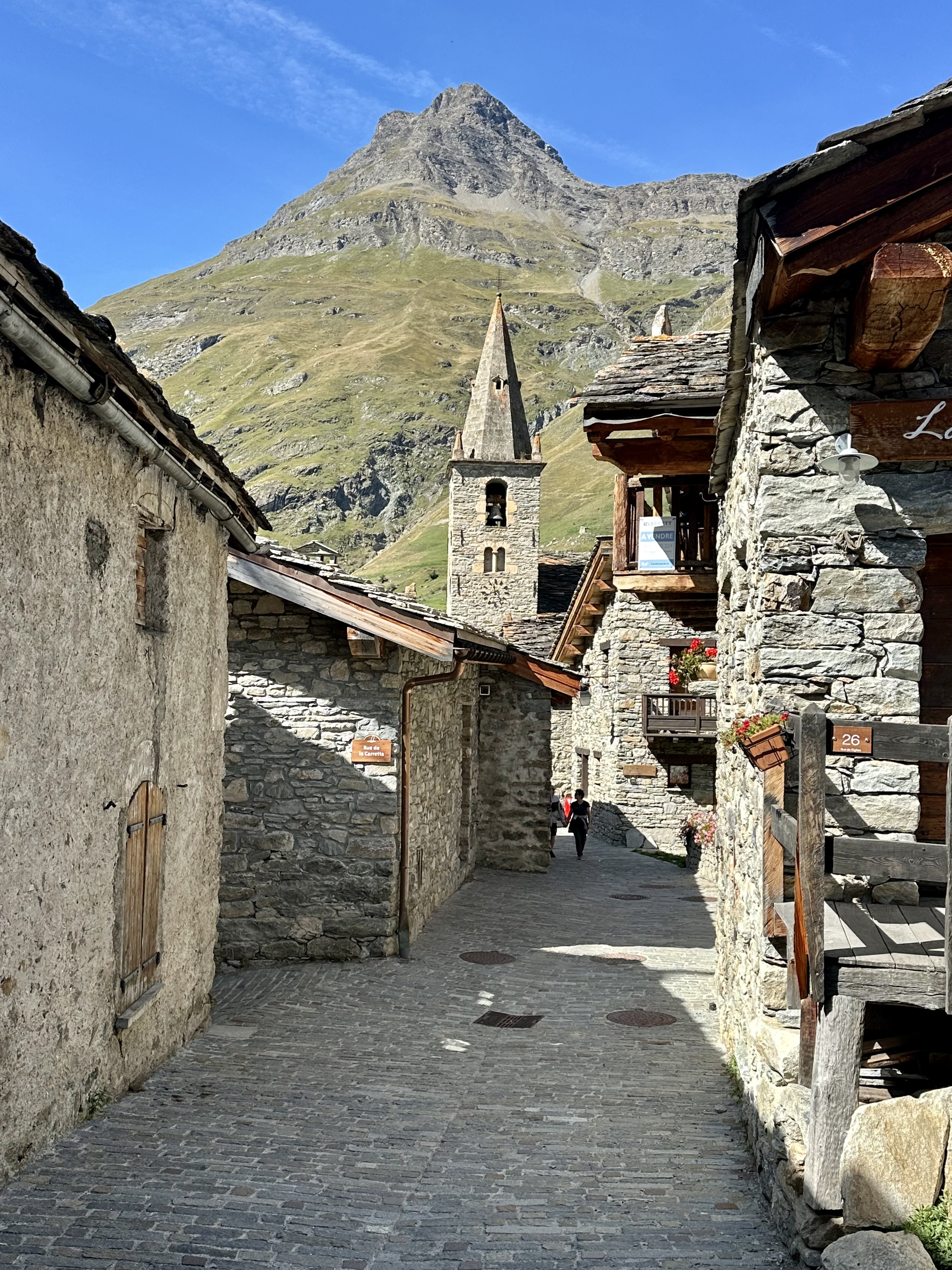
To top things off, Bonneval-sur-Arc is incredibly pretty with stunning mountain backdrops with plenty of cafes and a bakery. The valley that follows as you cycle down to Col de la Madeleine is also fantastic.

Col du Galibier (2642m)
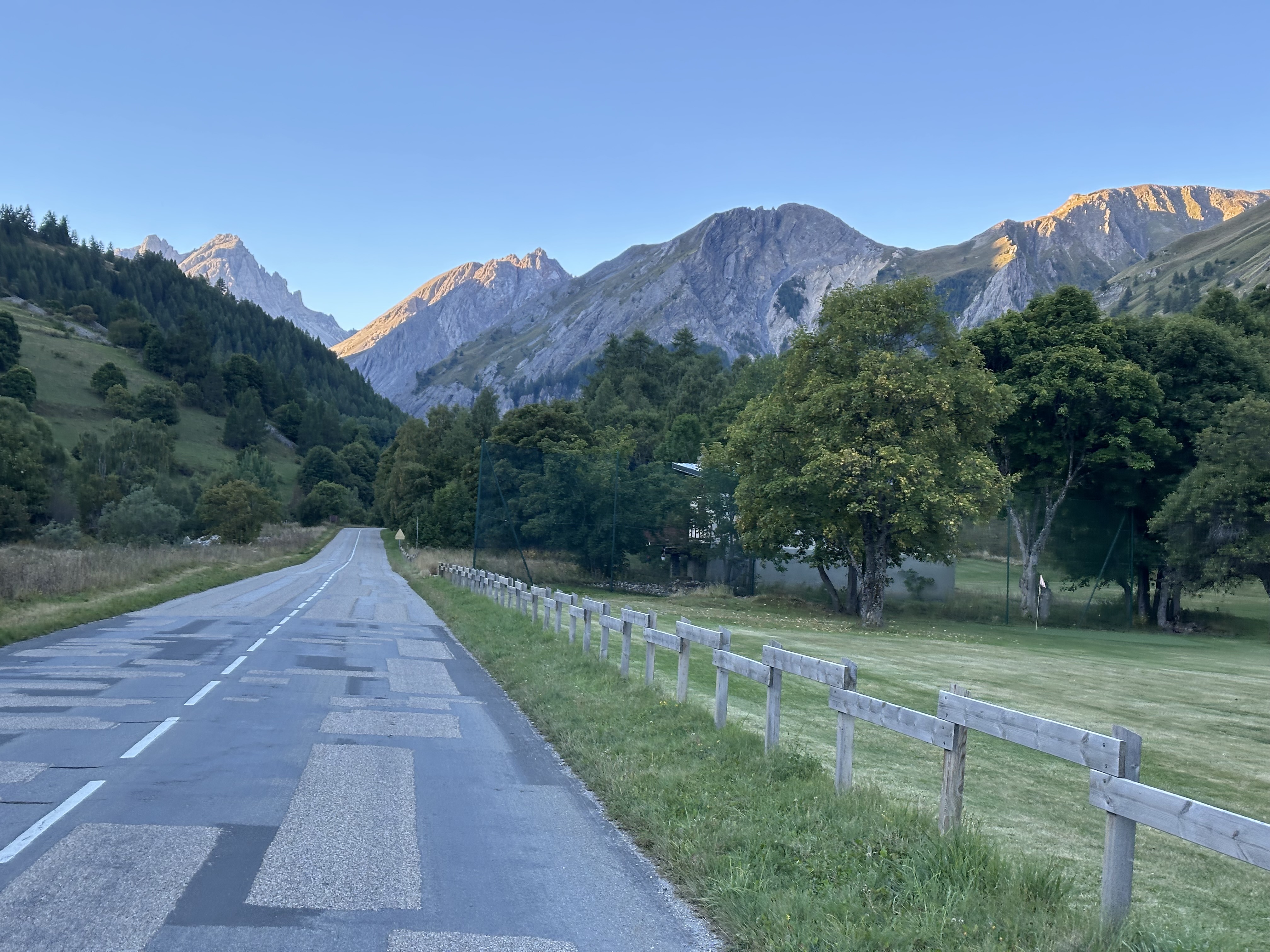
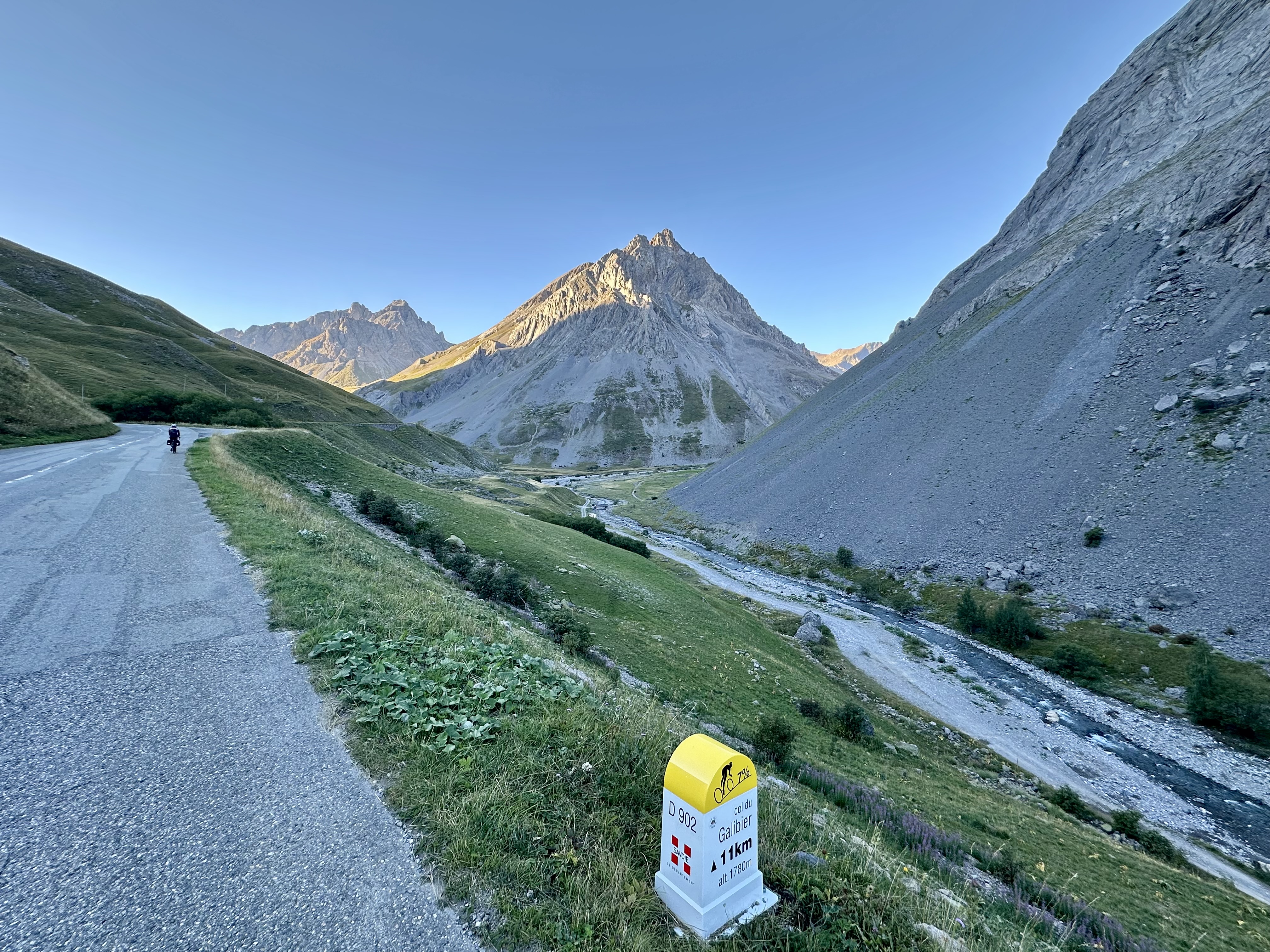

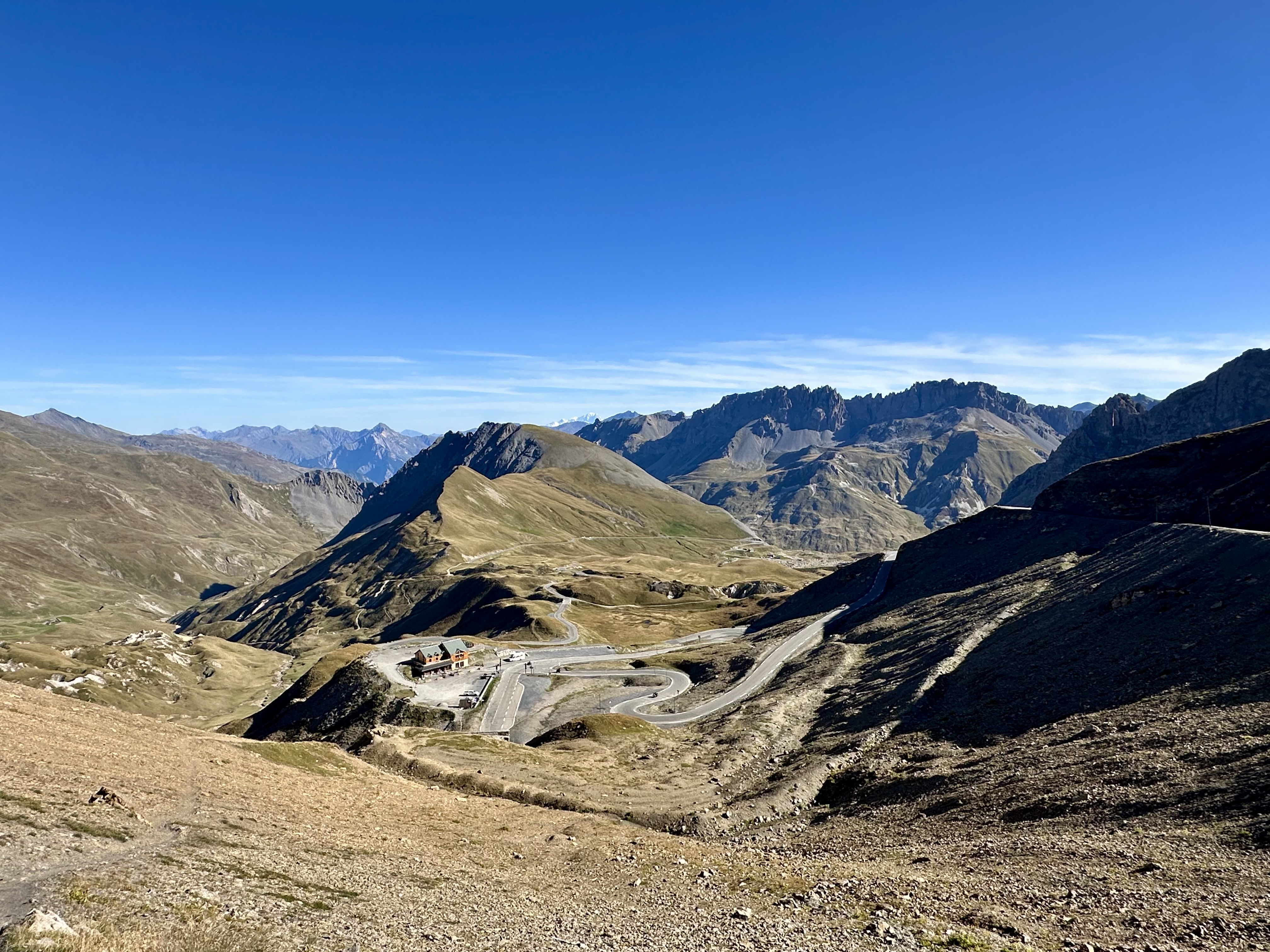
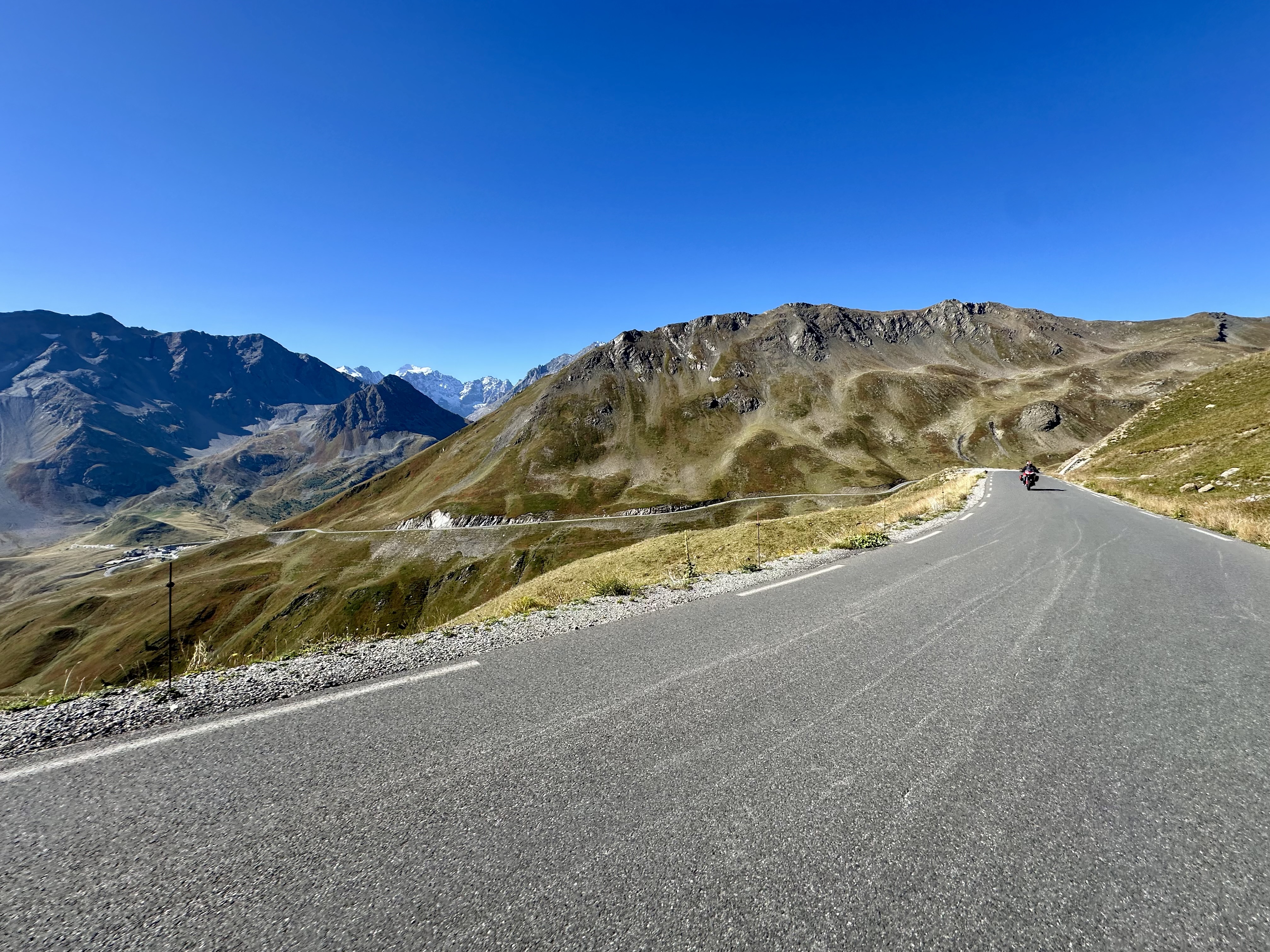
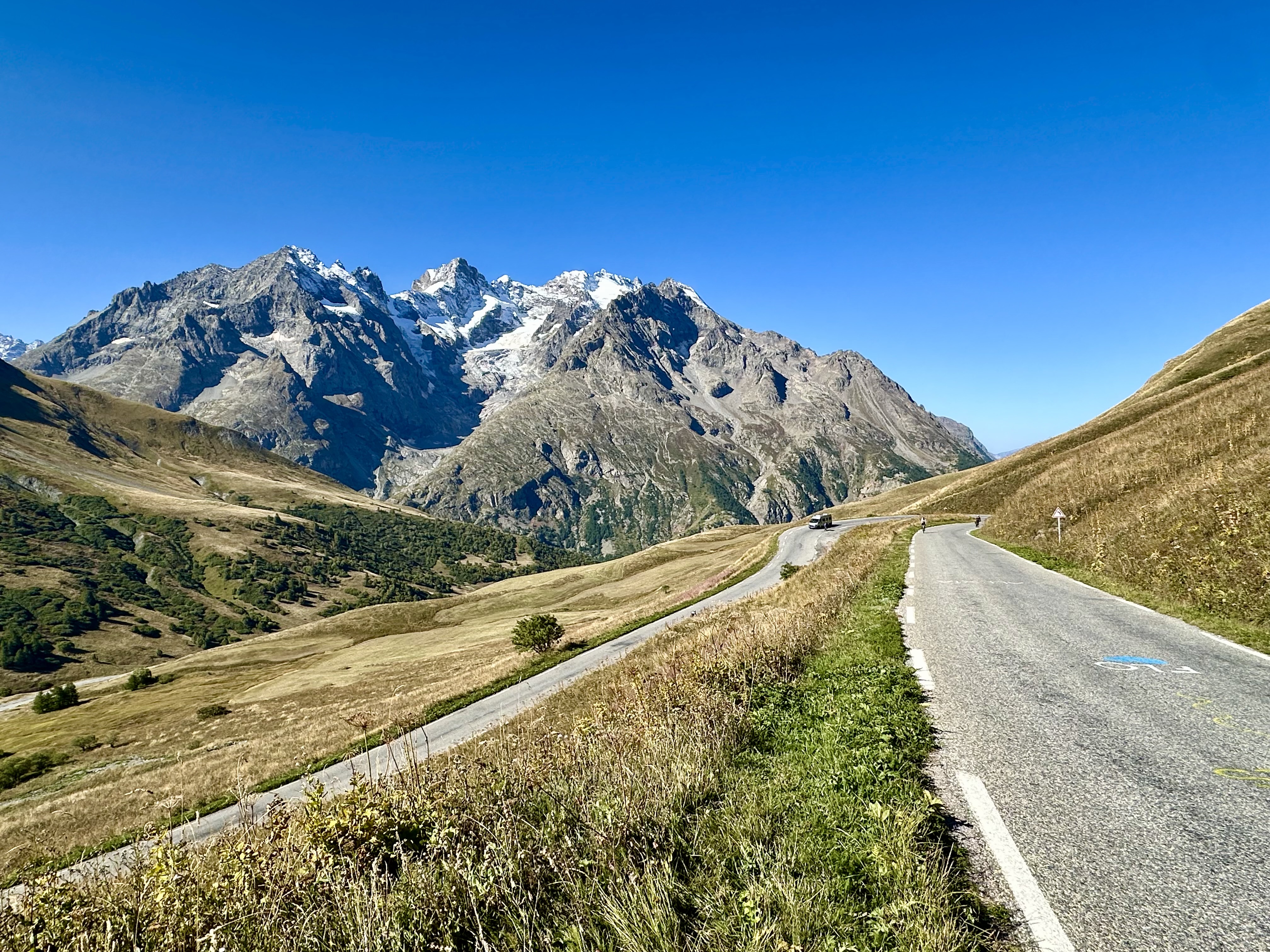
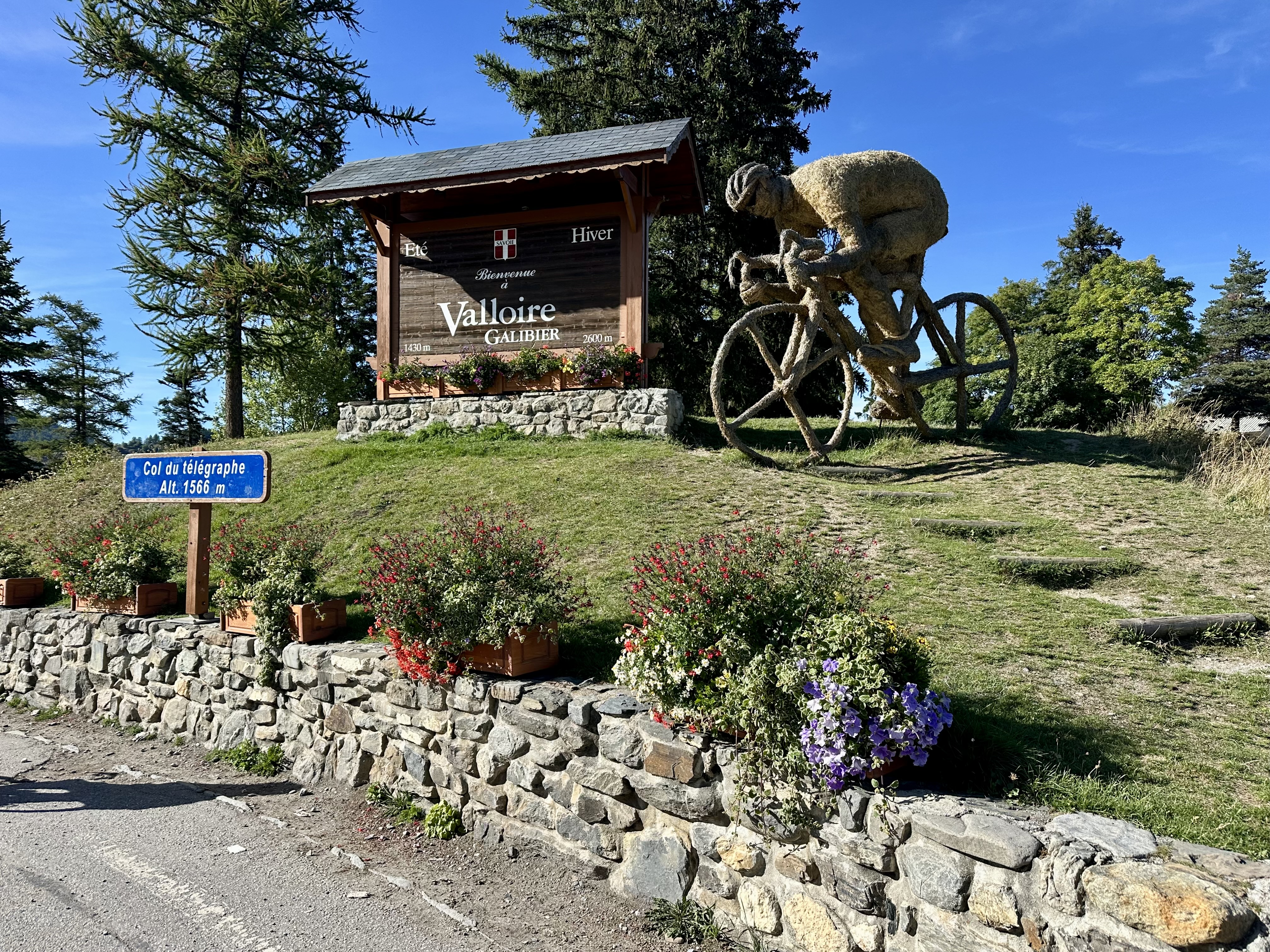
The Galibier was my favourite climb and descent combo of the trip, and certainly the whole day including Col d’Izoard was the best cycling day of the route – not least because the weather was epic. Heading out of Valloire (home of the fun Galibier brewery), you quickly experience fantastic mountain views, getting more spectacular as you follow river up a valley.

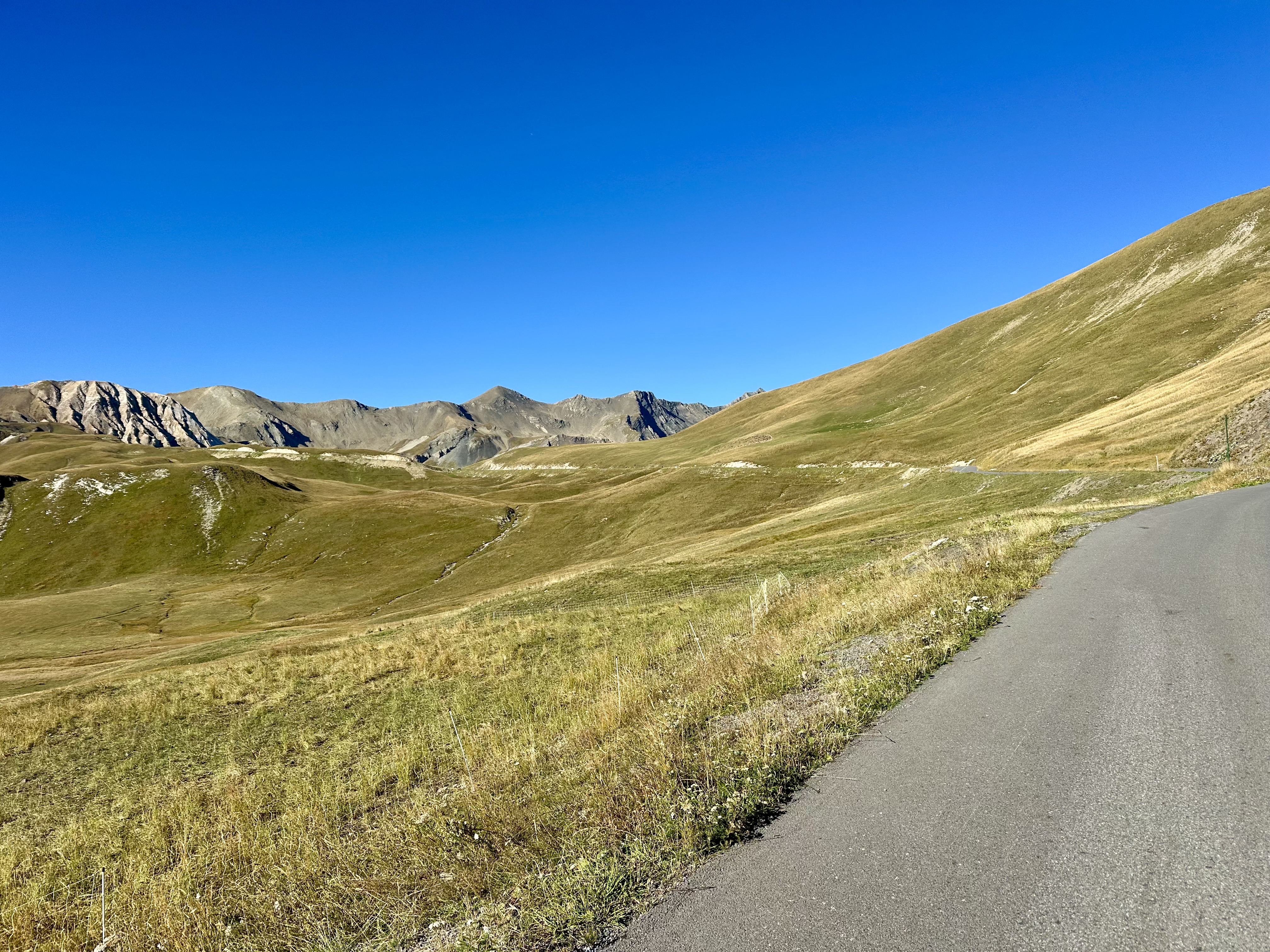
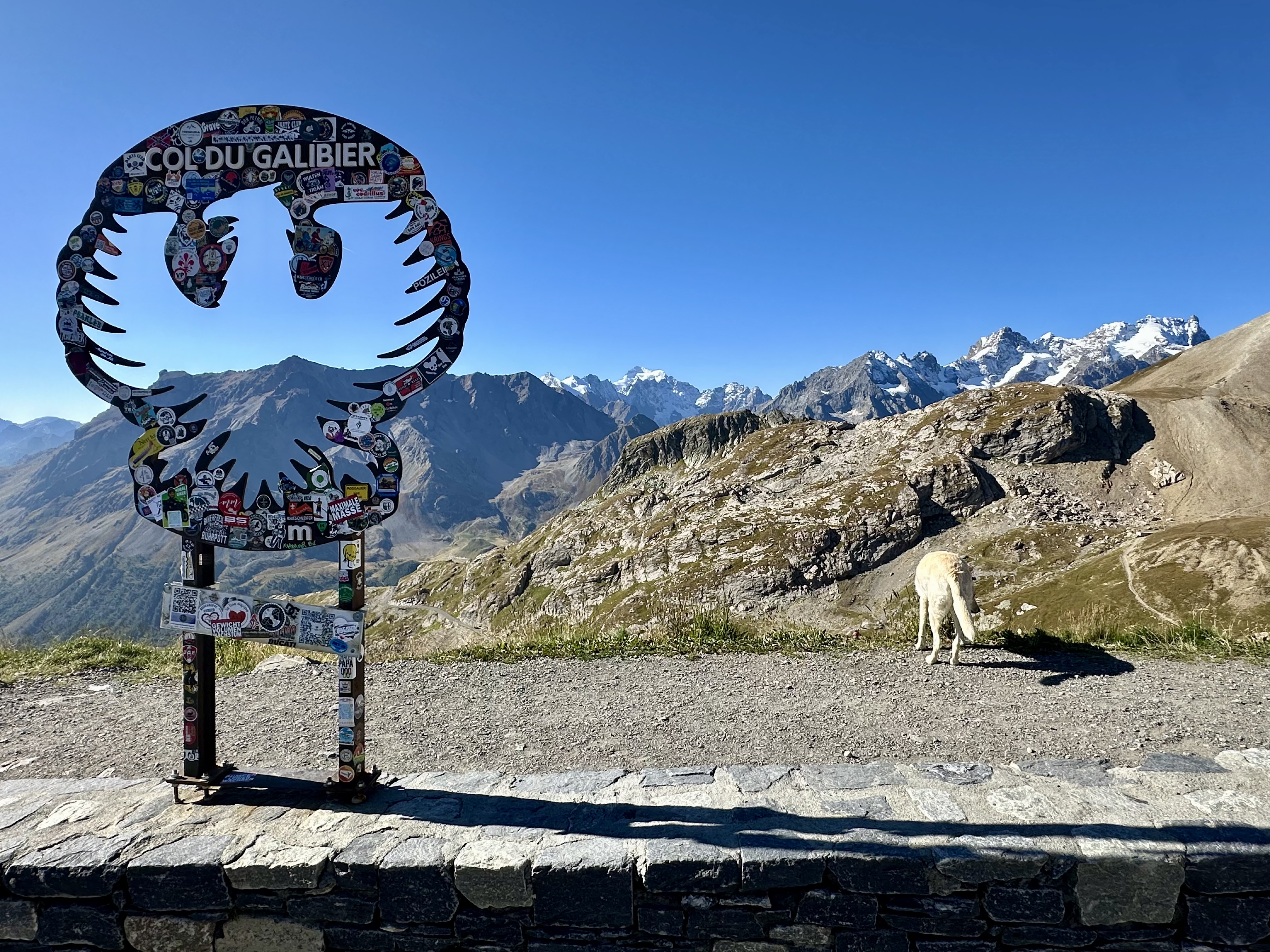
After following the river for about 11km, there is a 180 degree turn as you cross a bridge and start up a little more steeply for the final 8km where there are more switchbacks and amazing views. The descent is just as brilliant – wide mountain views that have to be seen to be believed. I had so much fun going down there were not that many photos taken!
Col d’Izoard (2360m)

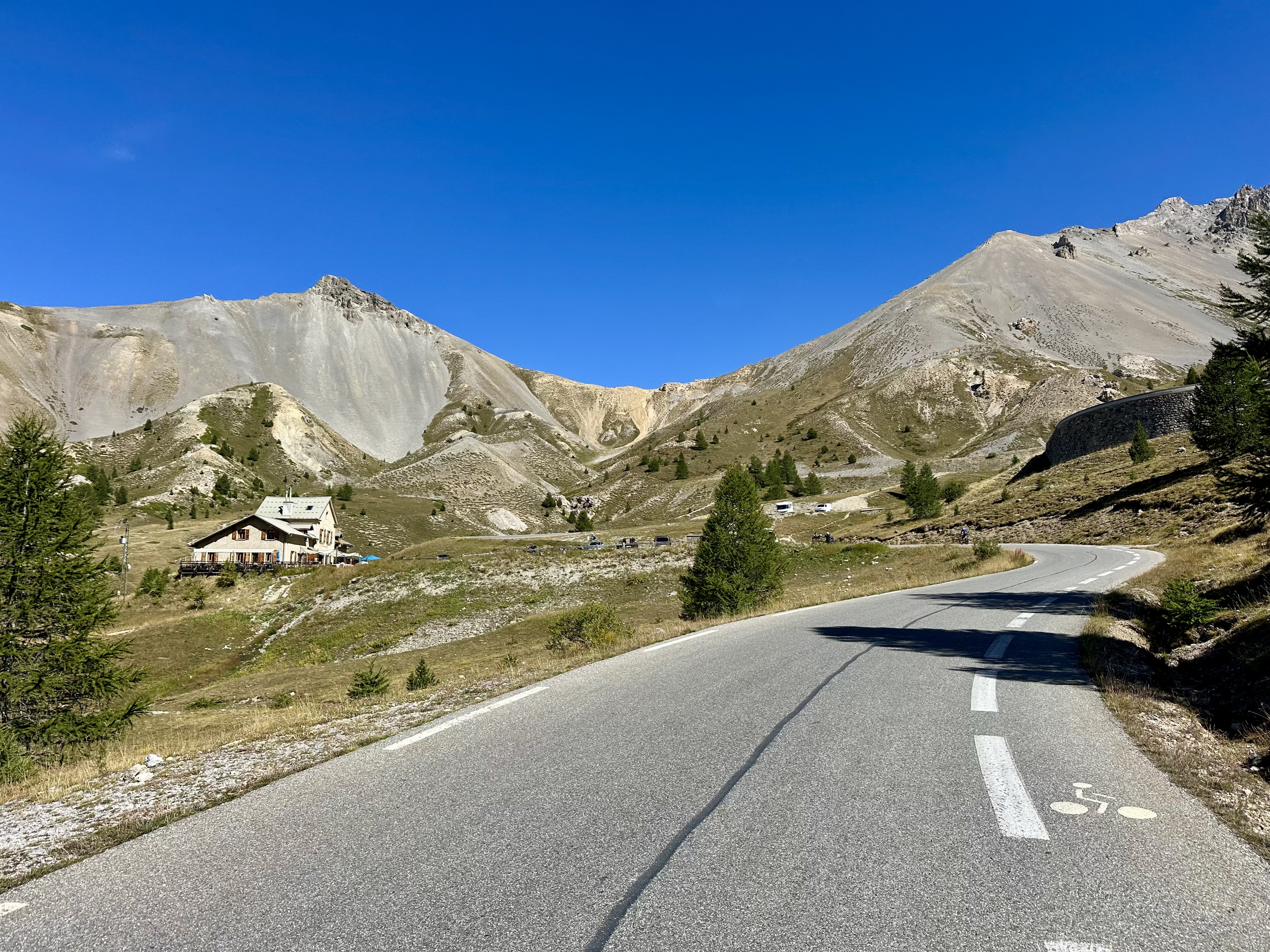
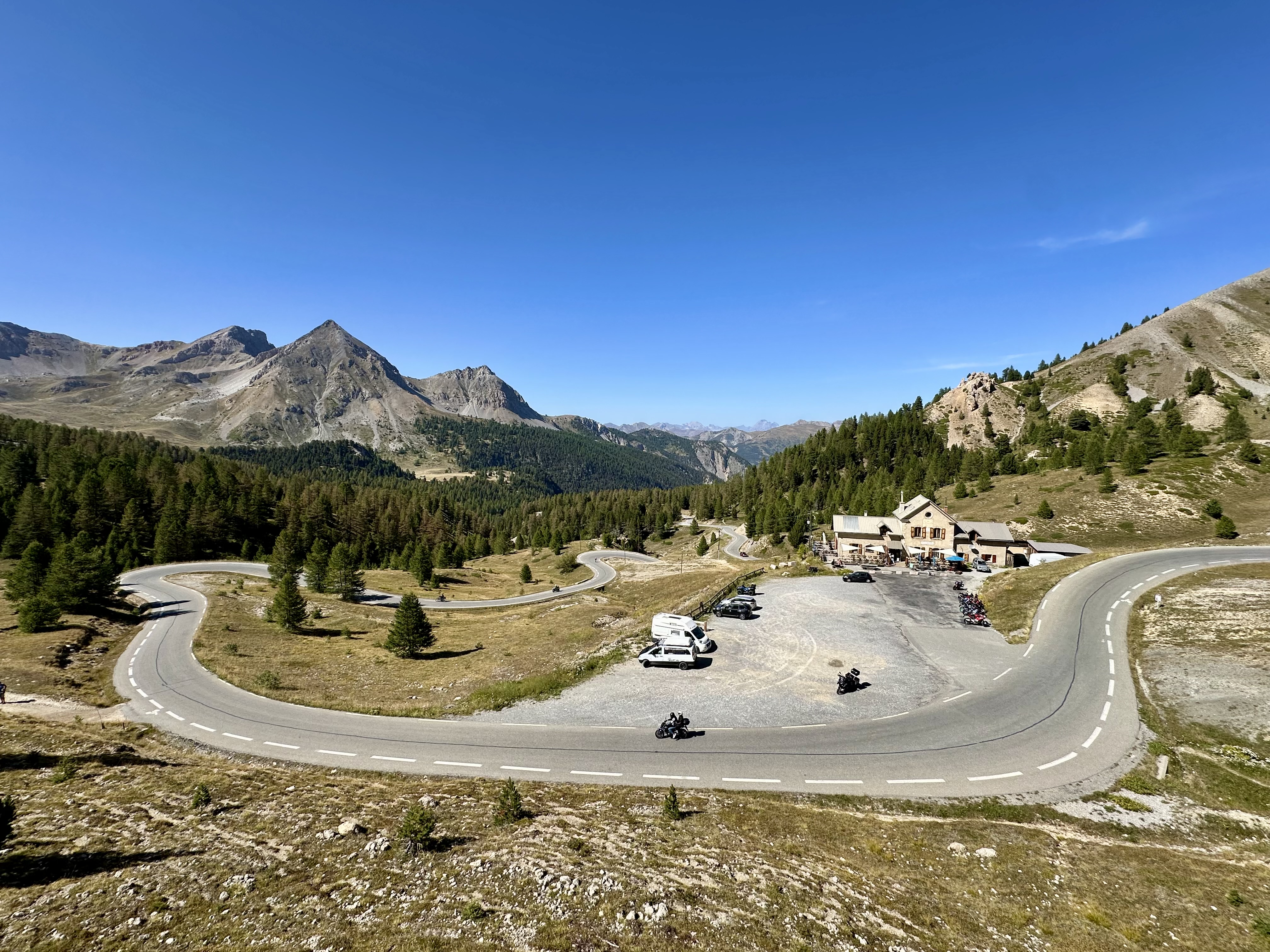
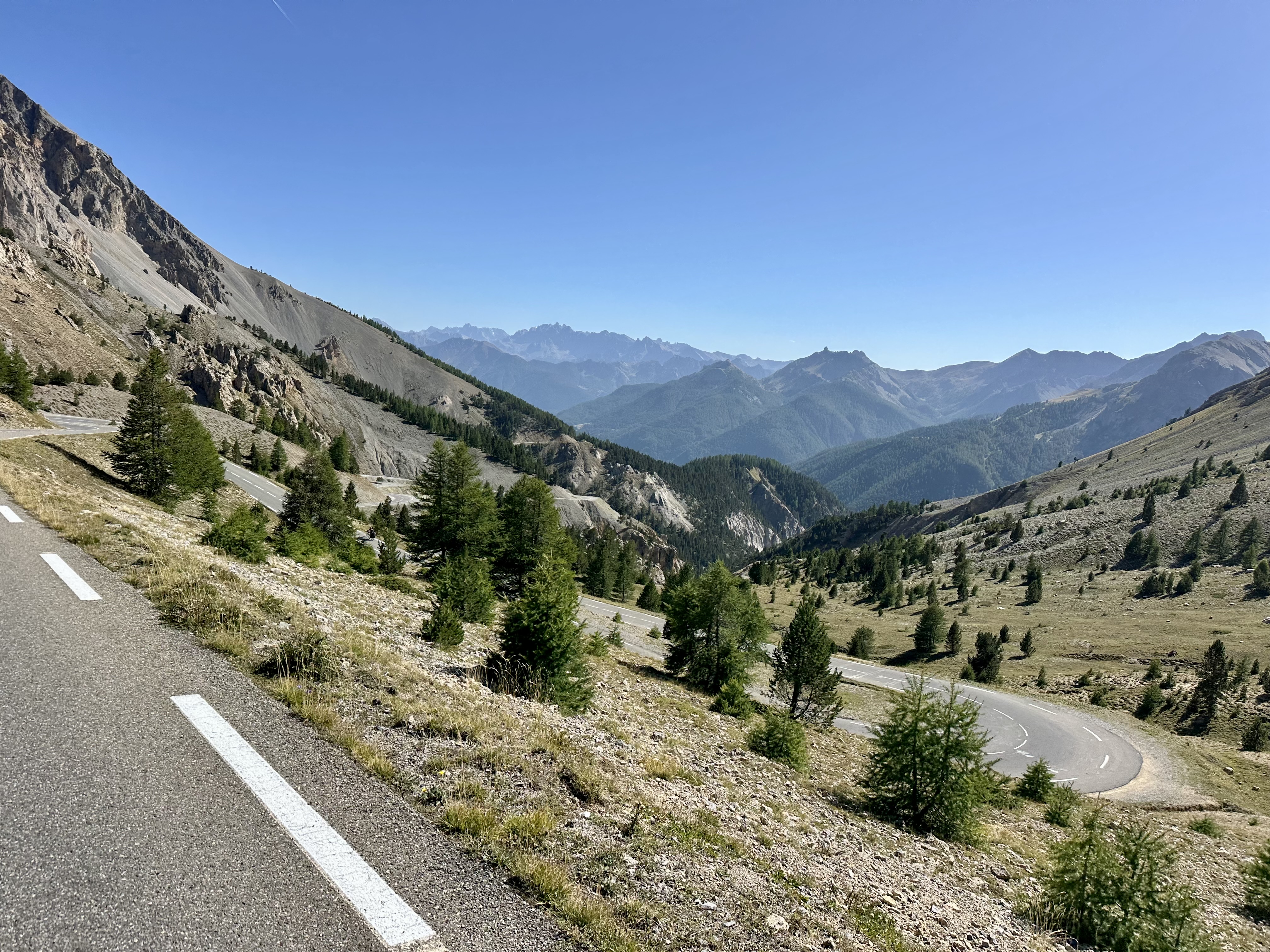
Col d’Izoard immediately followed the Galibier. The photos speak for themselves (it also has great views) but the major downside on the day we travelled was that it was a Sunday – so there were a lot of motorcyclists. Without much exception riders were respectful and provided plenty of space (or were patient on a pass when needed) but it was noisy having the bikes come past regularly. Having said that it was amusing when at the summit they got off to exuberantly celebrate successfully riding up a mountain. With an engine. Wow.
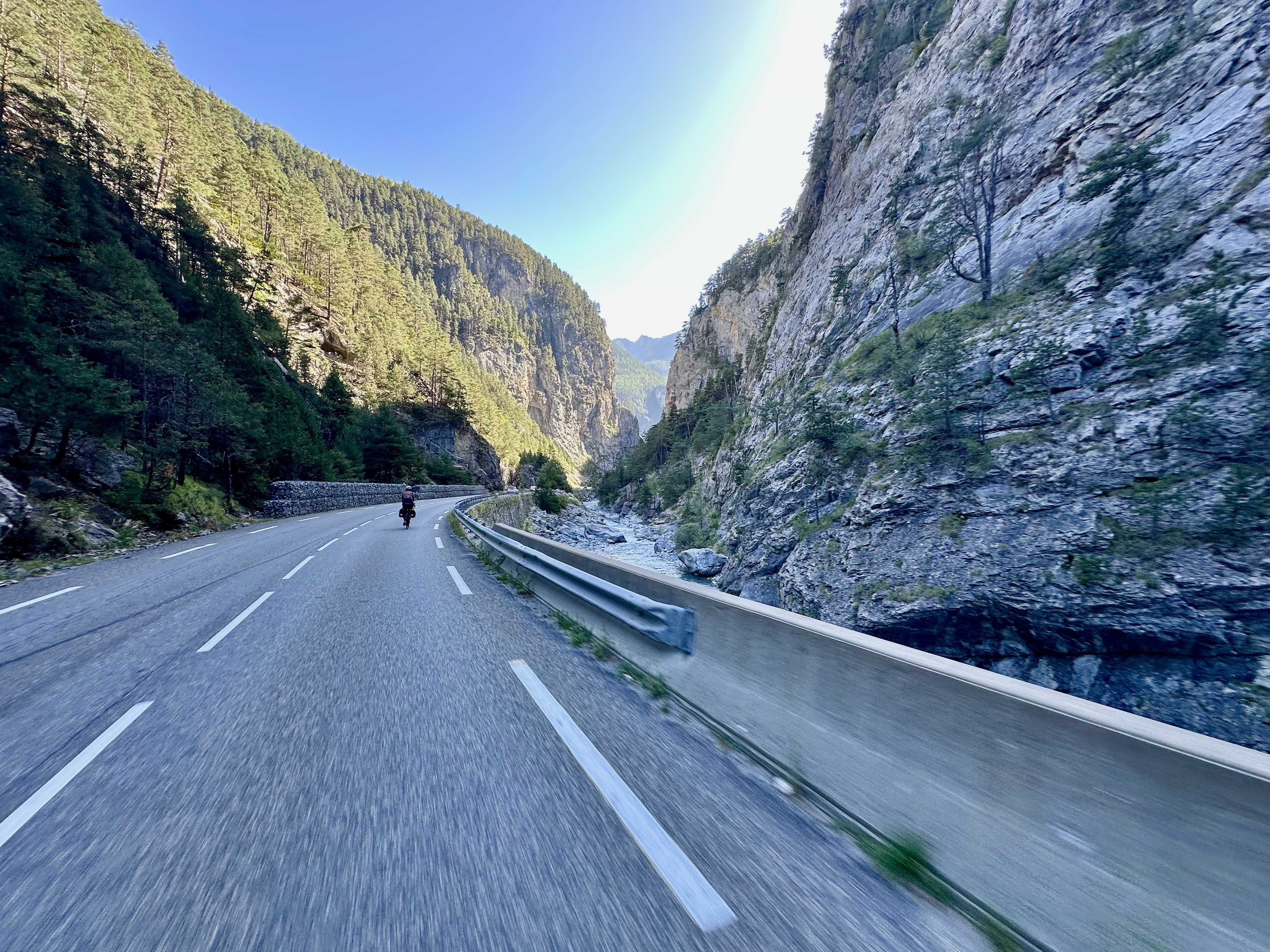
I particularly liked the descent – as it went from alpine, to trees and farmland, then finally a flowy gorge on the way towards Guillestre.

Some of the best climbs were unexpected
Col de la Cayolle (2326m)
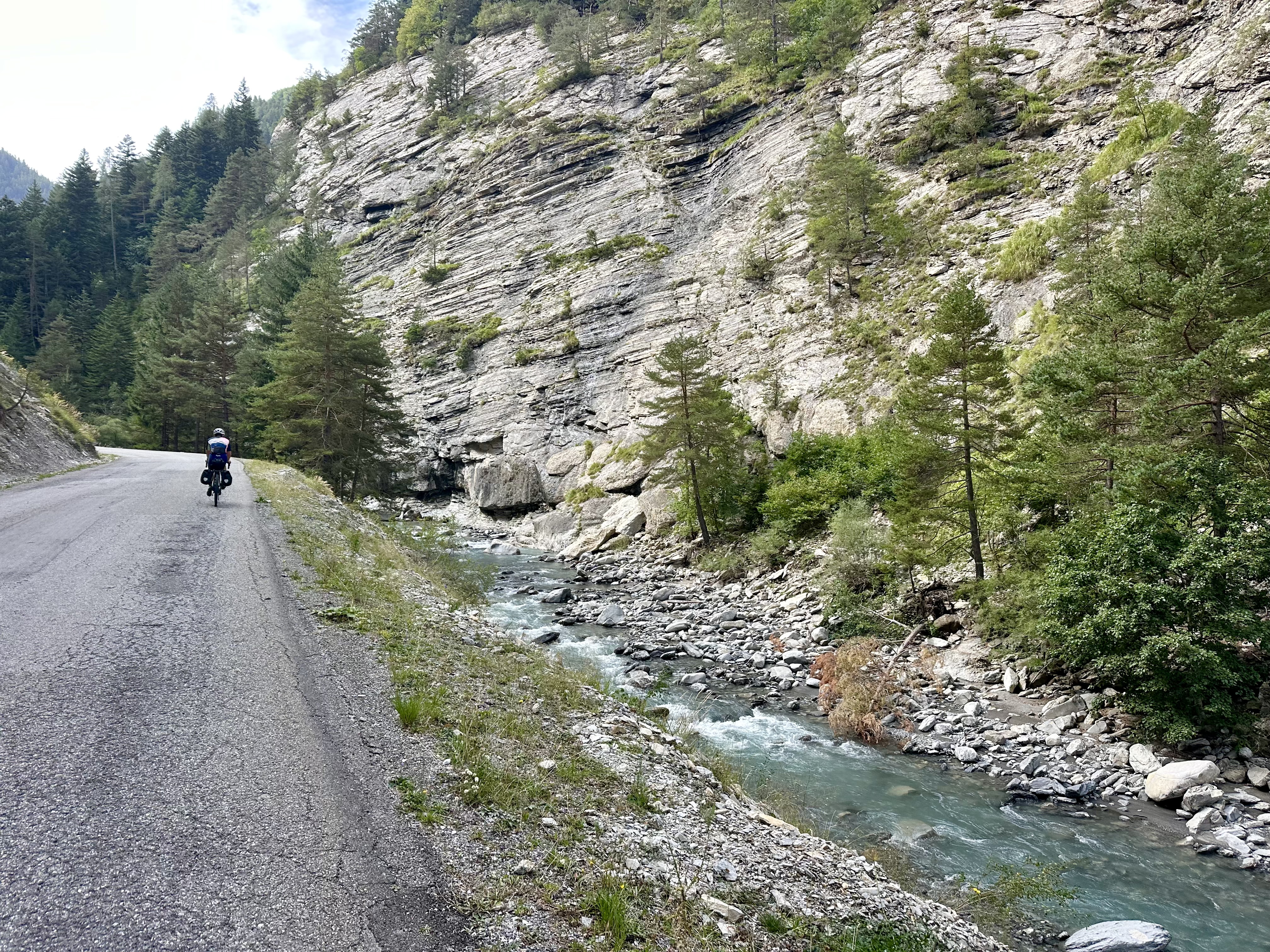
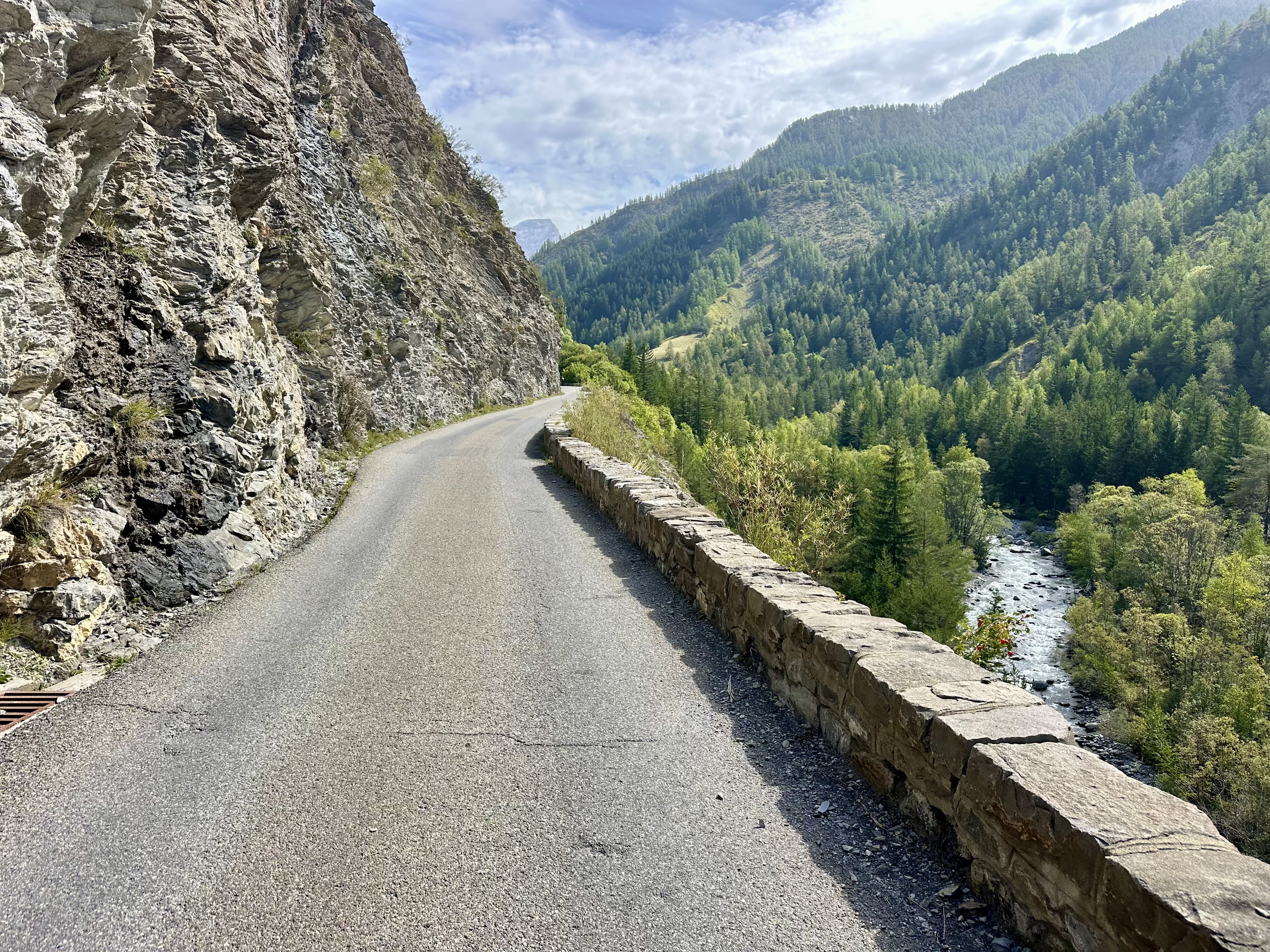
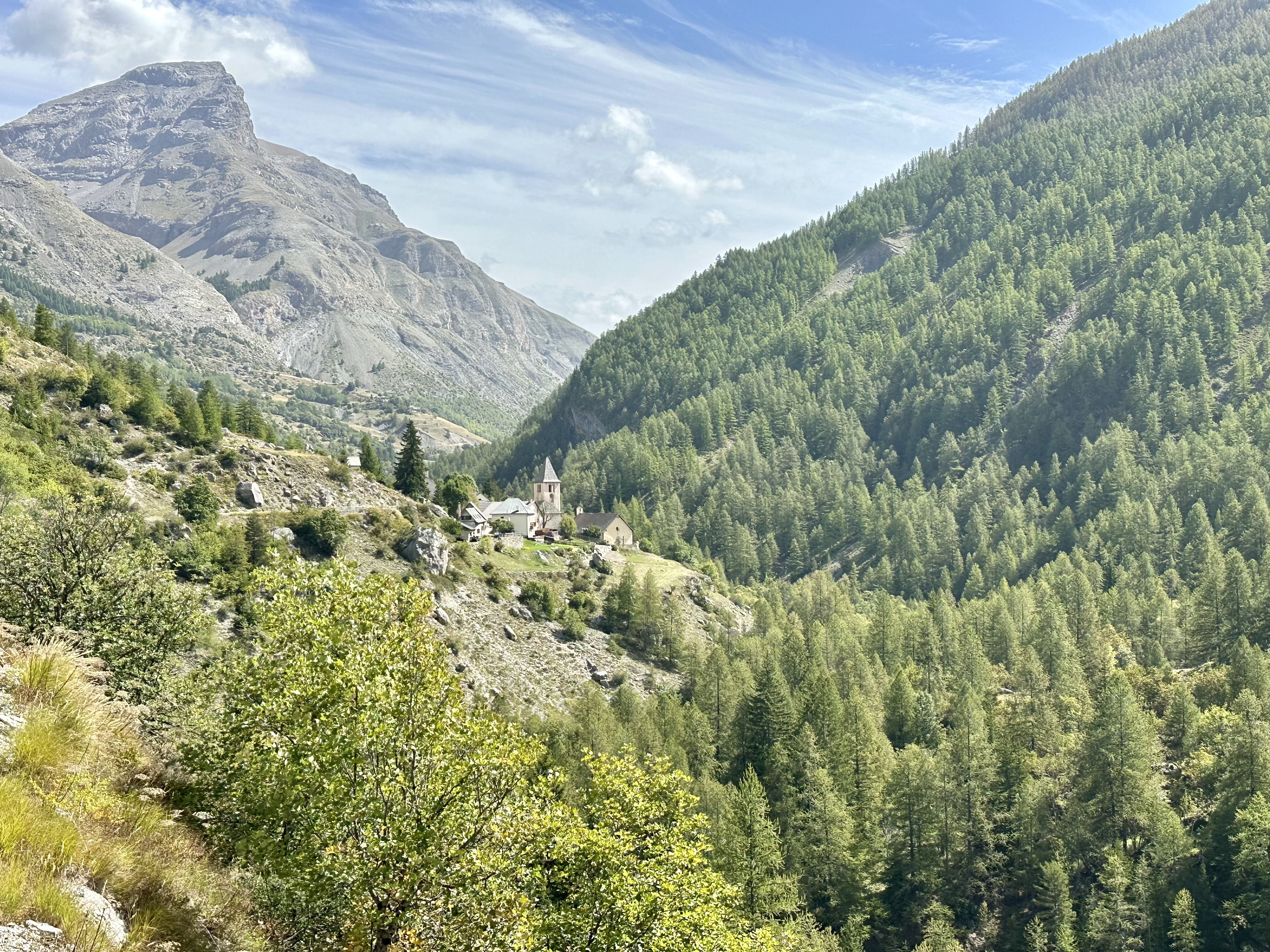
Heading out of Barcelonnette there is nothing initially to indicate that the Col de la Cayolle would be so memorable. One factor that helps make this a fantastic part of the Route des Grandes Alpes is that the narrow and less well maintained road significantly reduces the sports car and motorbike traffic.
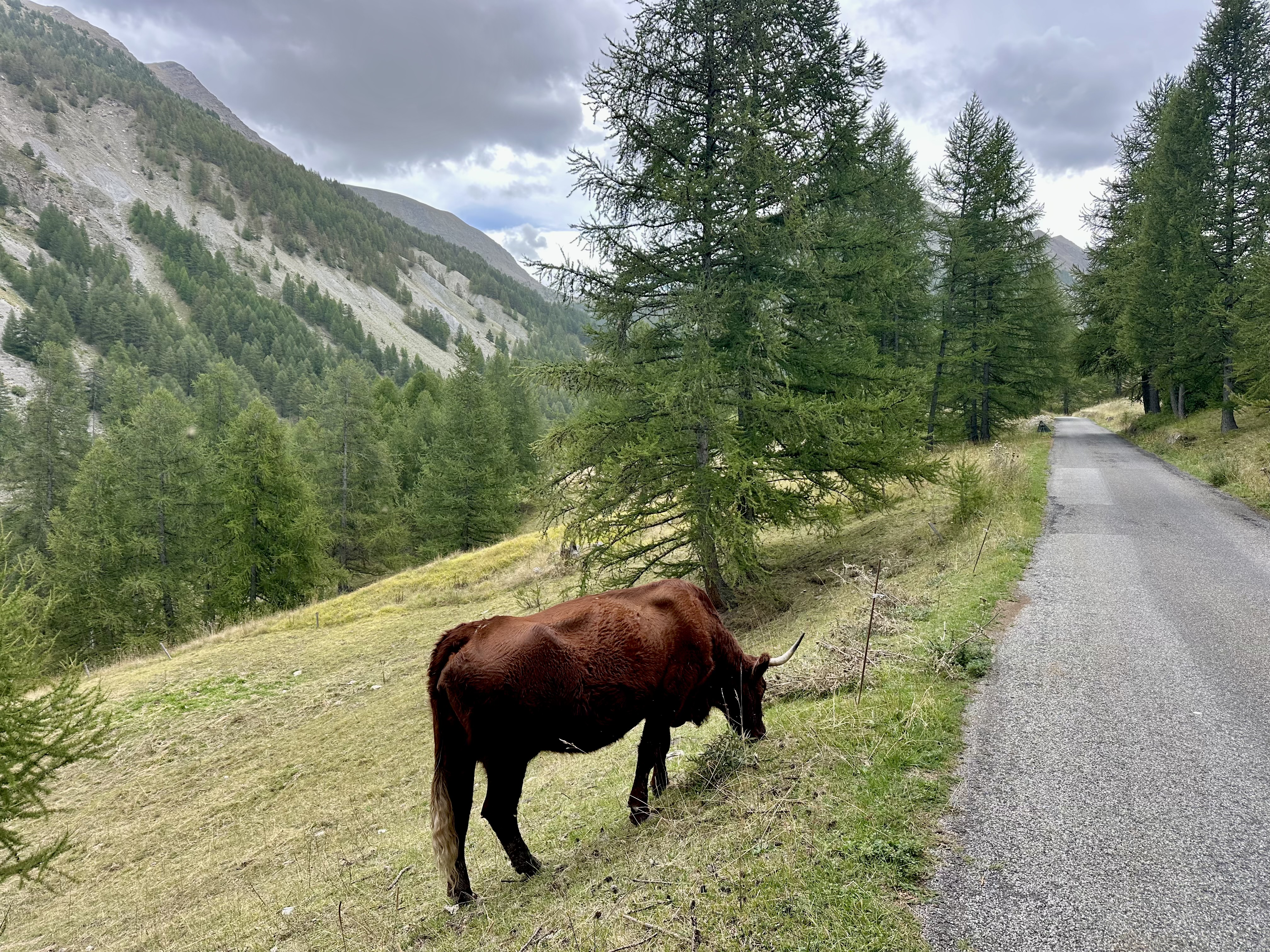
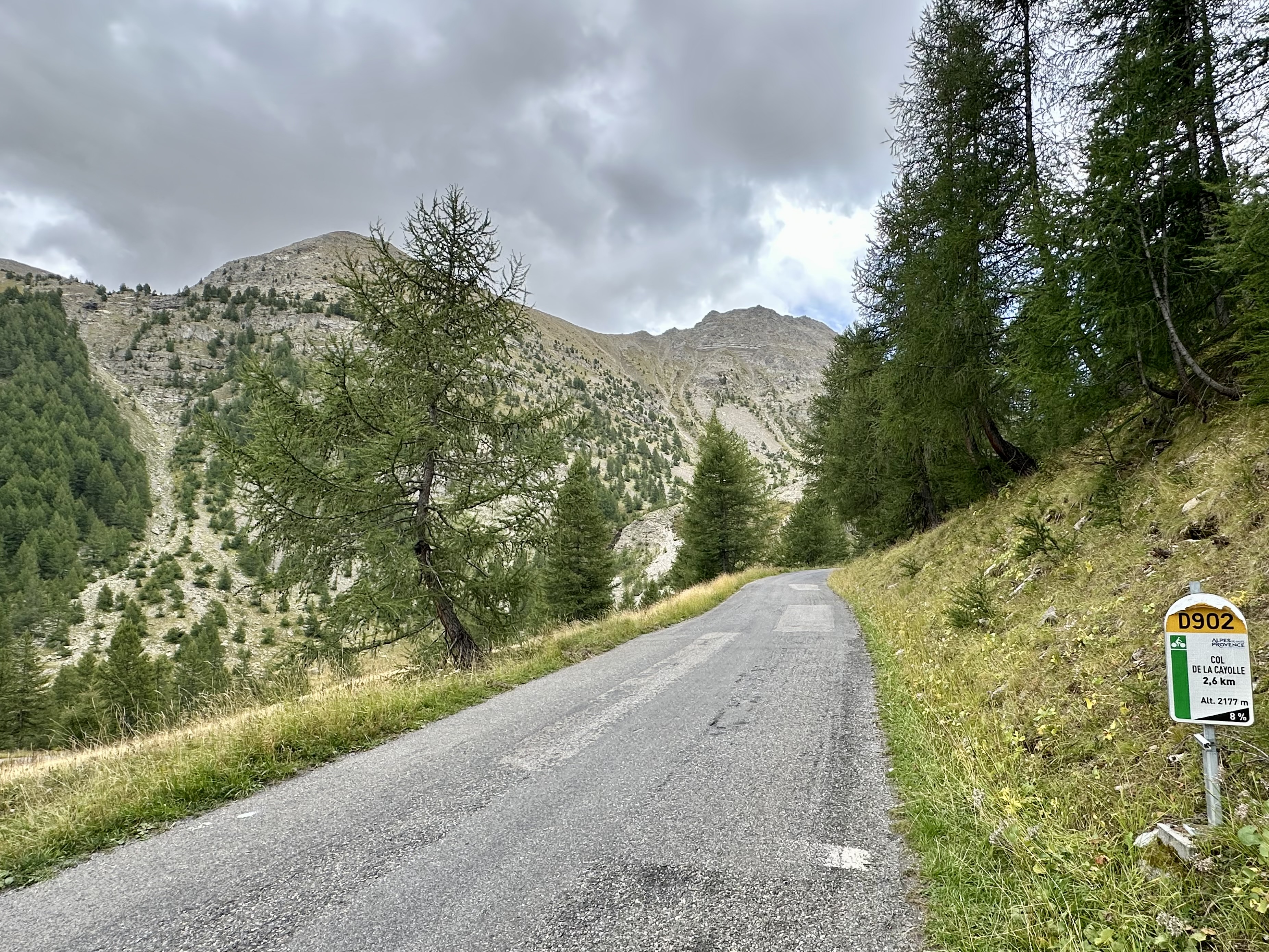
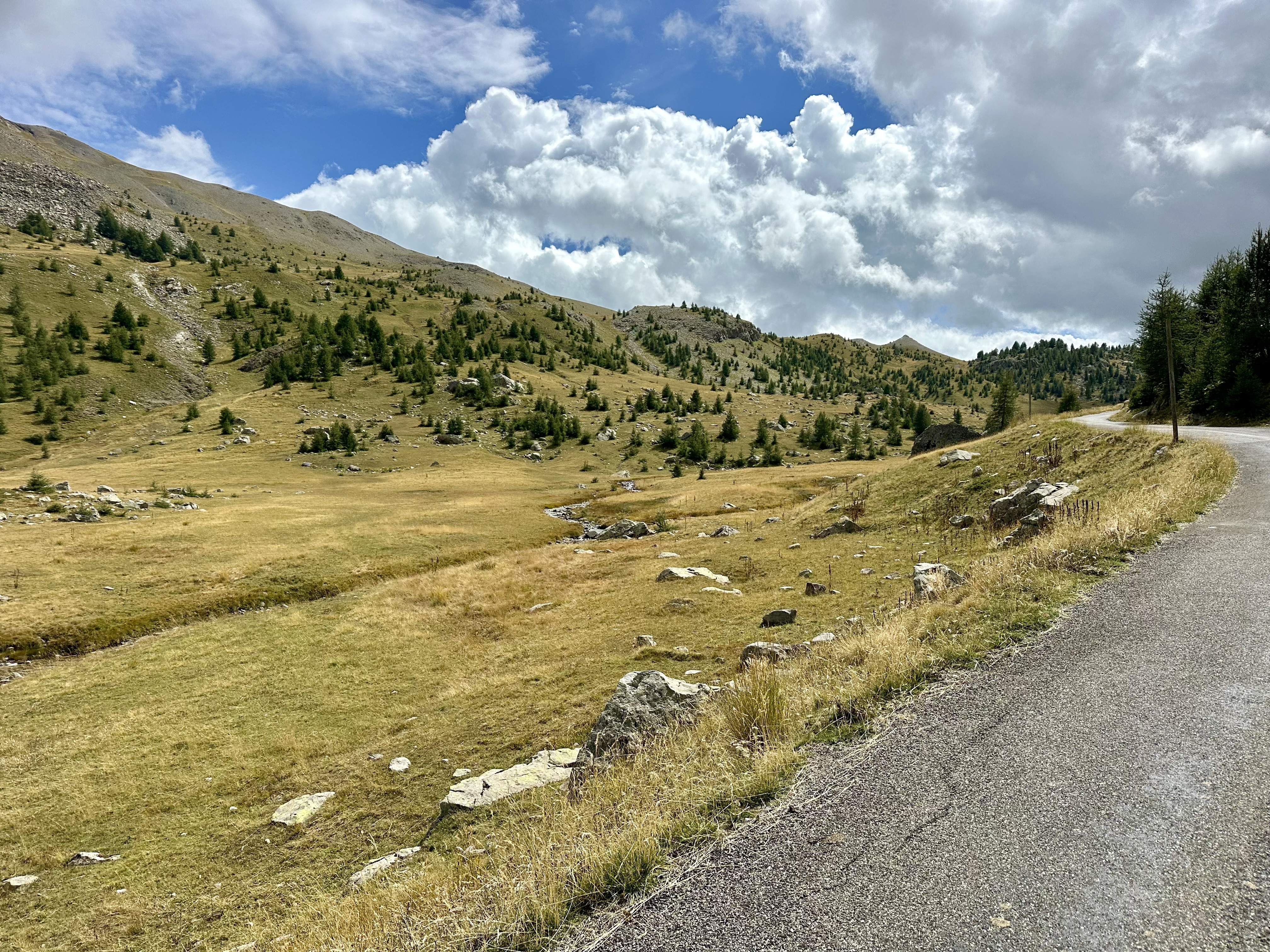
But, having said that, the climb is spectacular regardless. Hugging cliffs alongside a river for a large part of the early climb, the views gradually open up – first to pastures and then to alpine areas as the trees thin out.

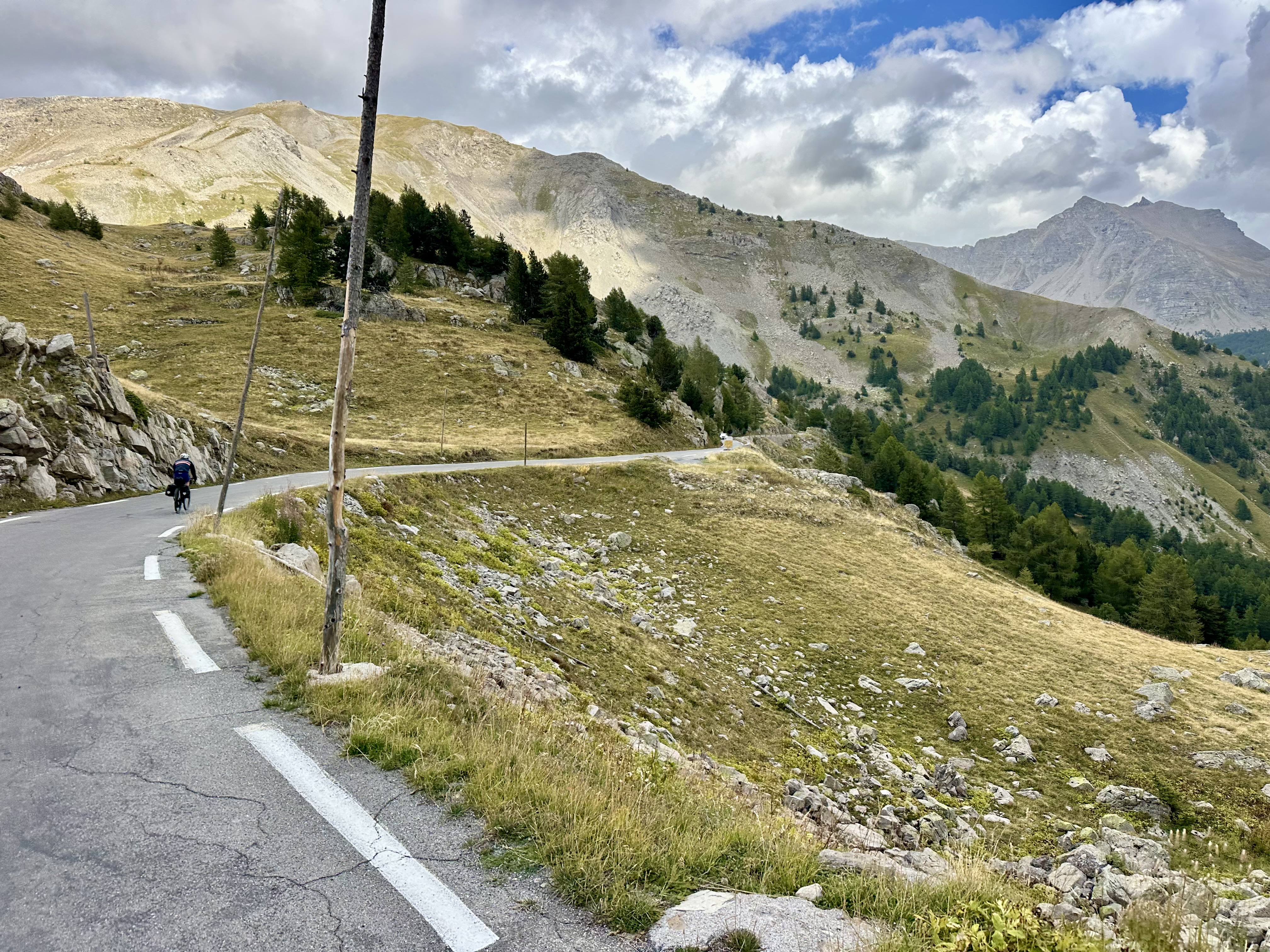
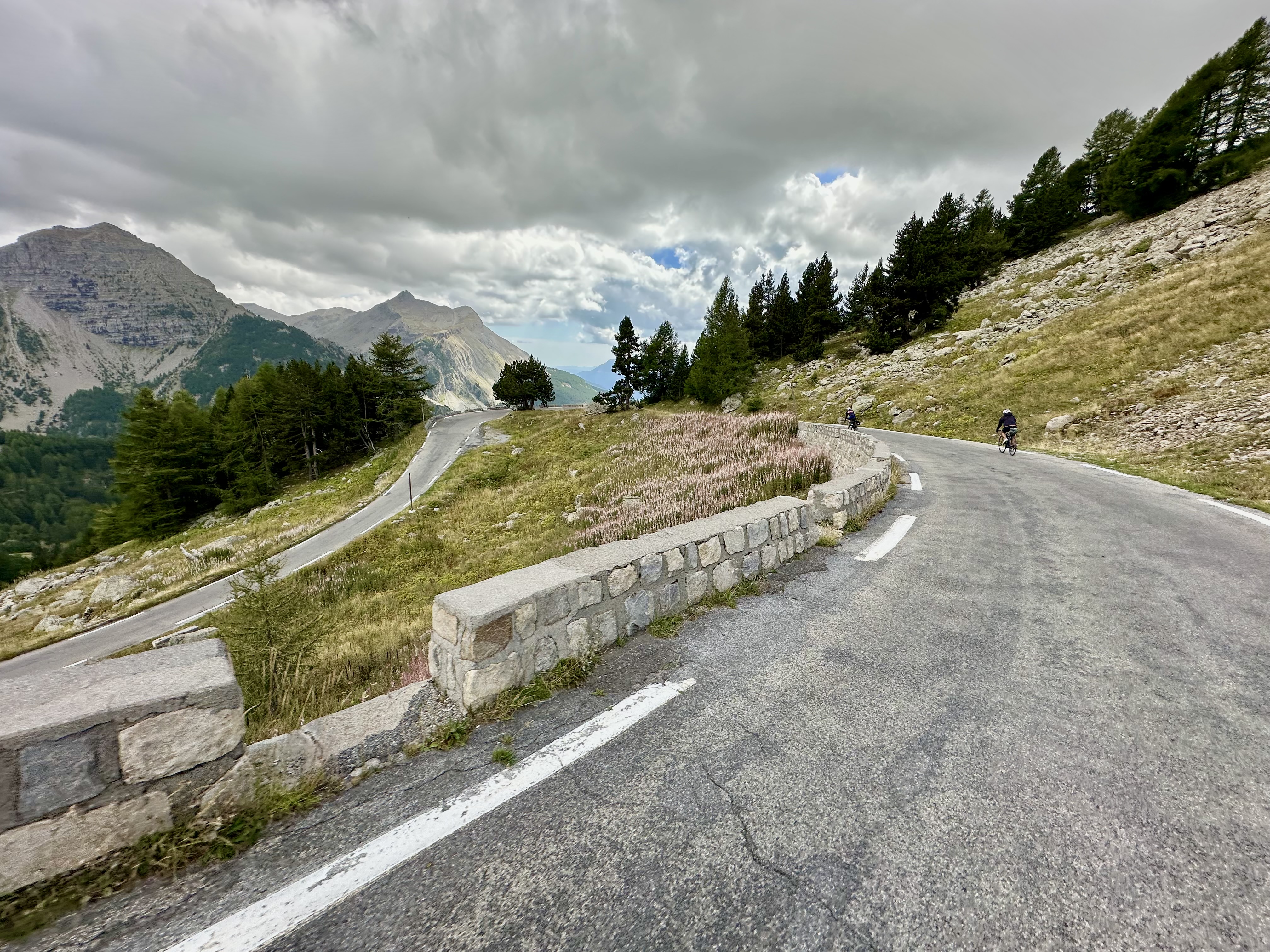
The descent on the southern end is also pretty fun, with some lovely switchbacks down the hill. After the village of Entraunes the road straightens out a lot, but it still remains fun, after which there are cafe choices for a refuel in Guillaumes.
Col de Turini (1604m)
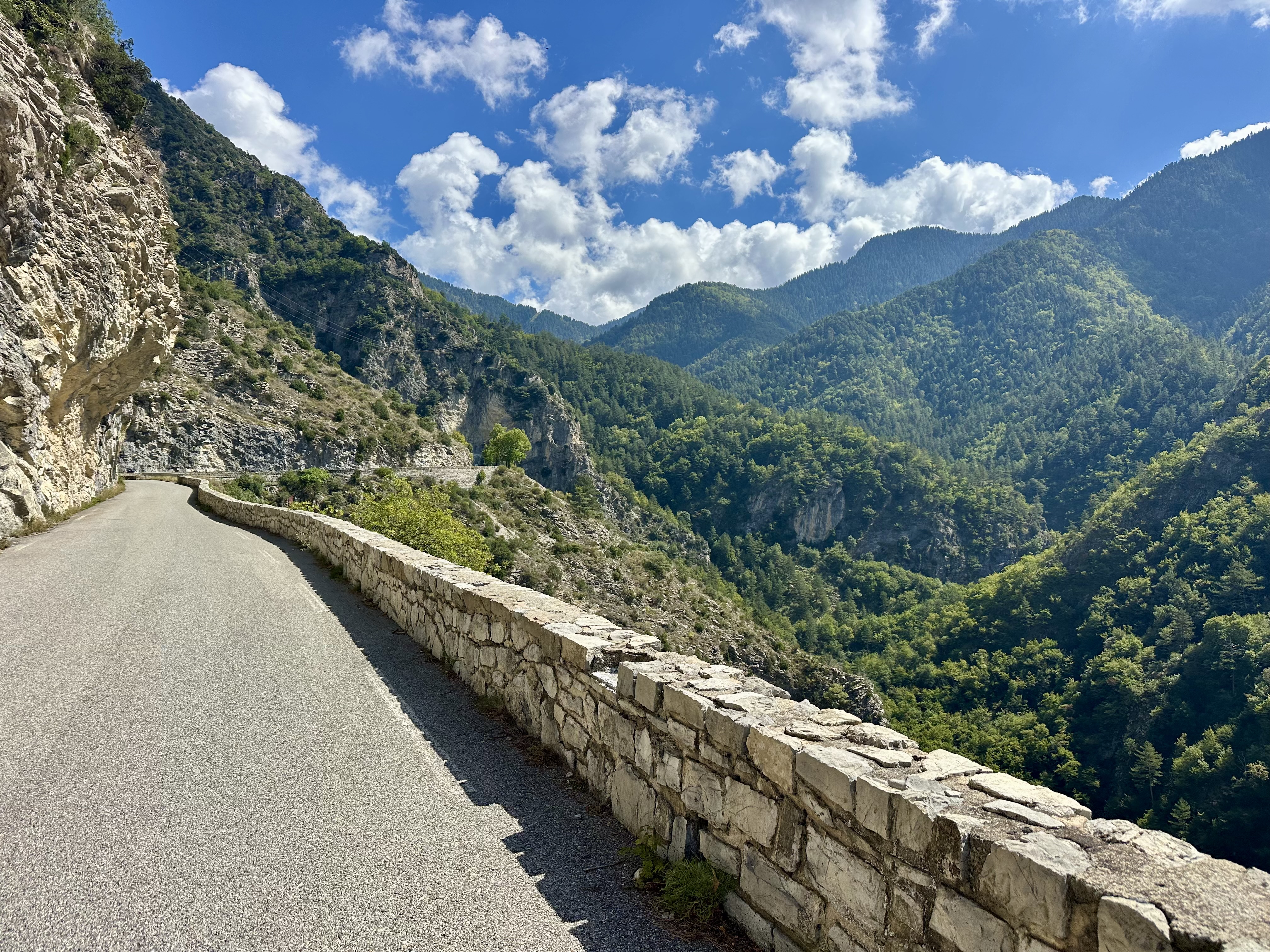
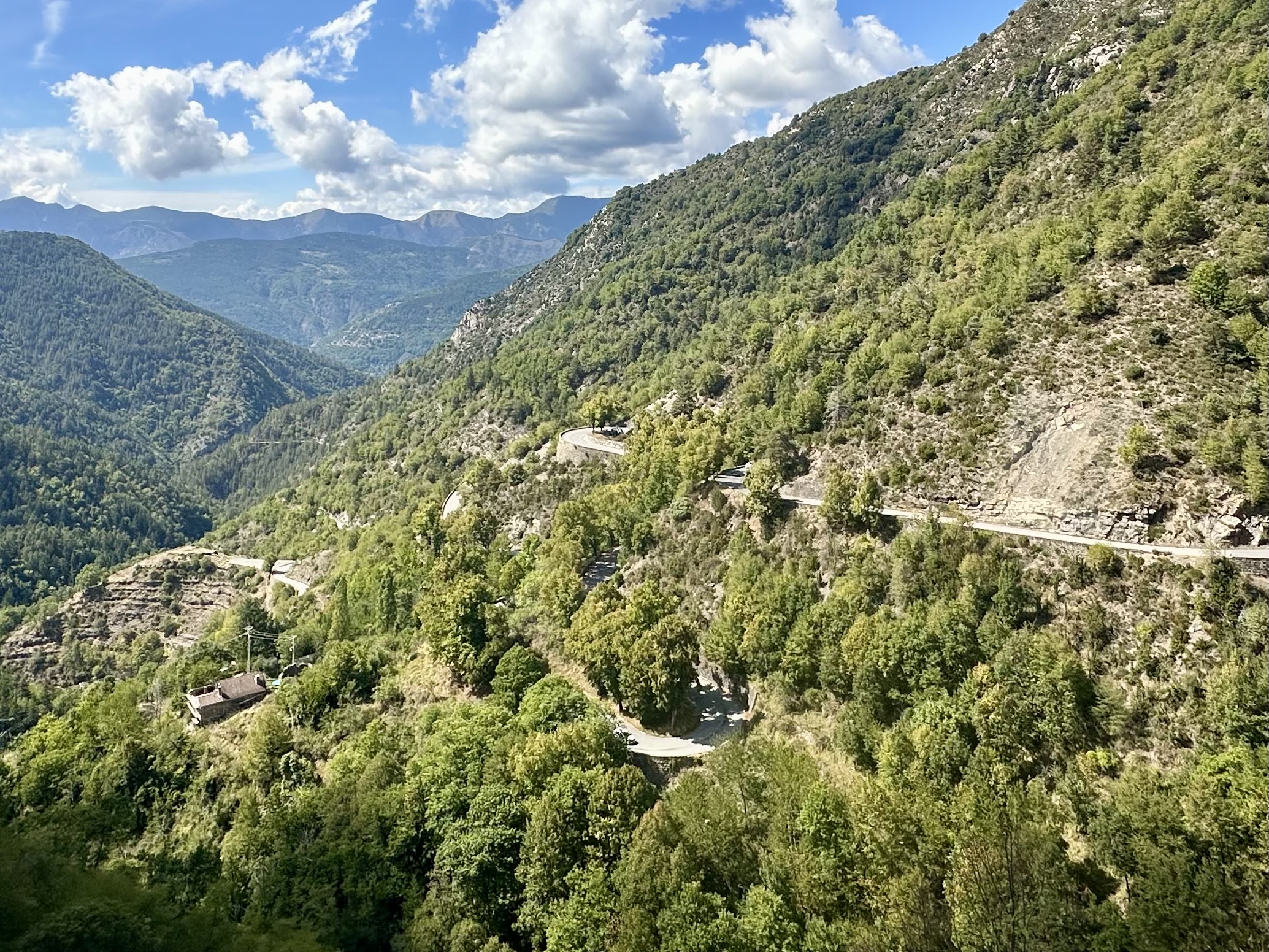
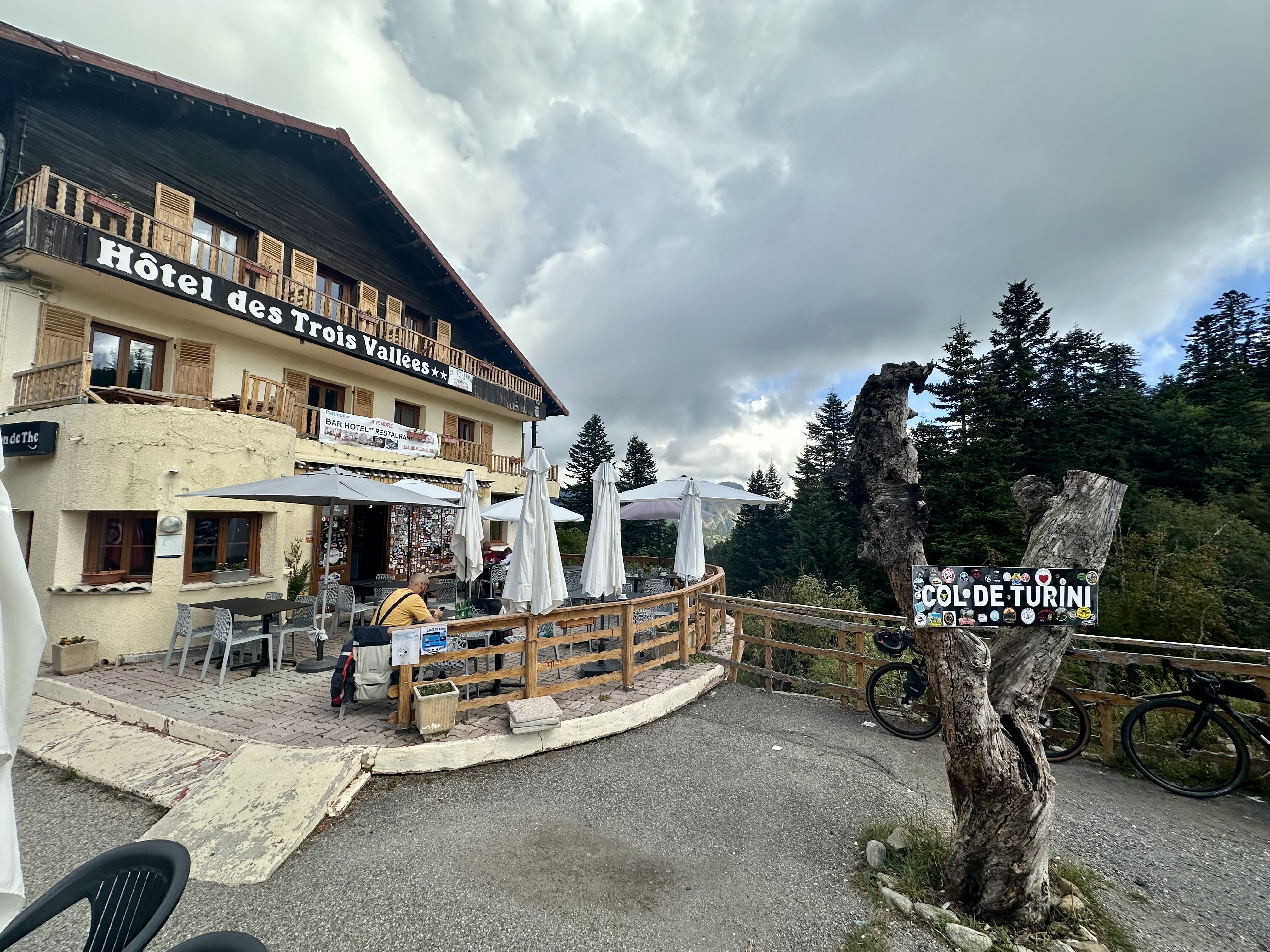
The Col de Turini is more famous (apparently) for its use in the Monte Carlo car rally, and it is easy to see why as you climb. It has also been used recently on the Tour de France, and it is absolutely spectacular – both on the northern ascent and southern descent to Sospel. There is a great hotel to stop for a beer at the top of the climb, which in our case was the last of three cols for the day.


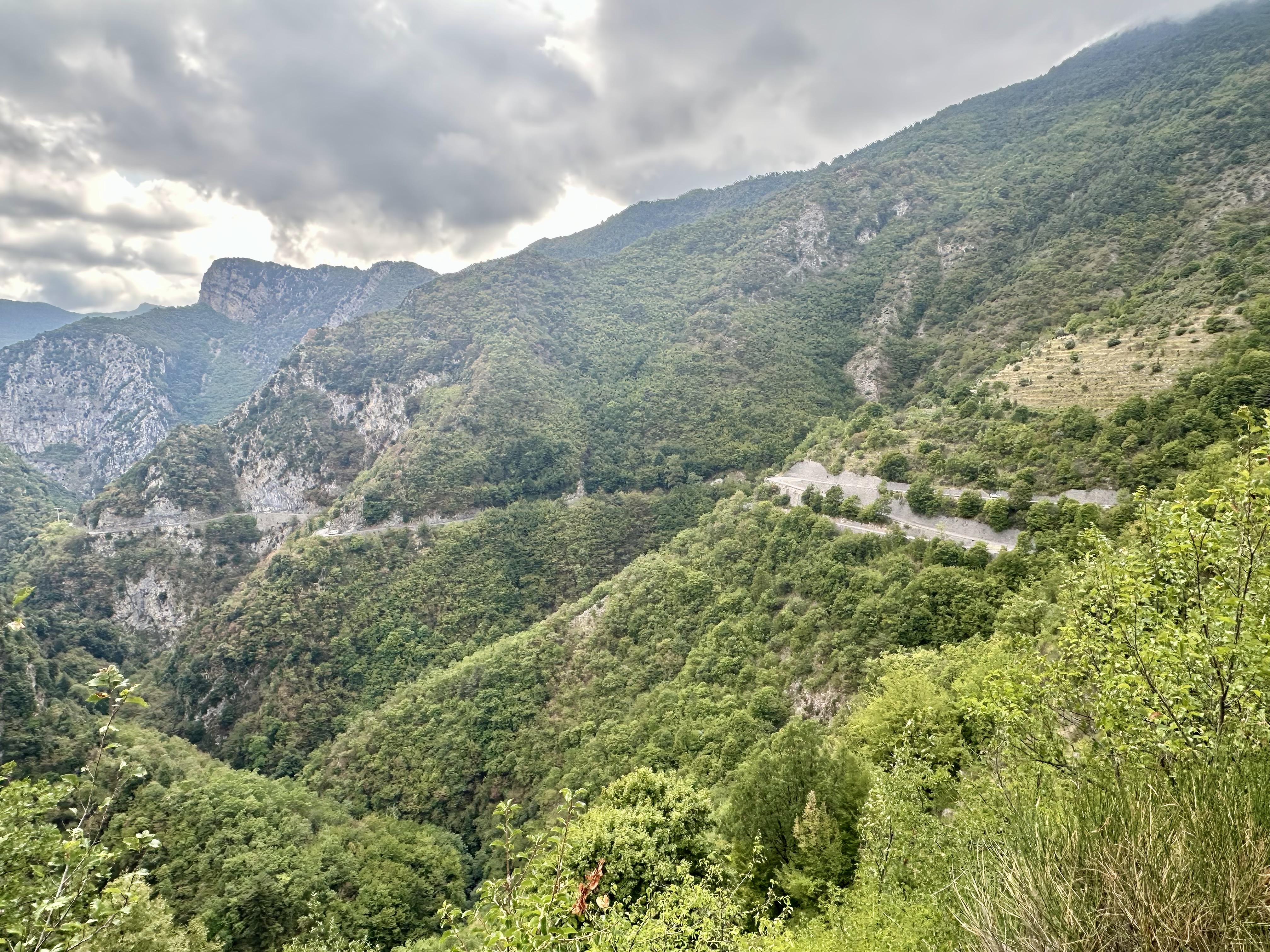
Special mentions also to…
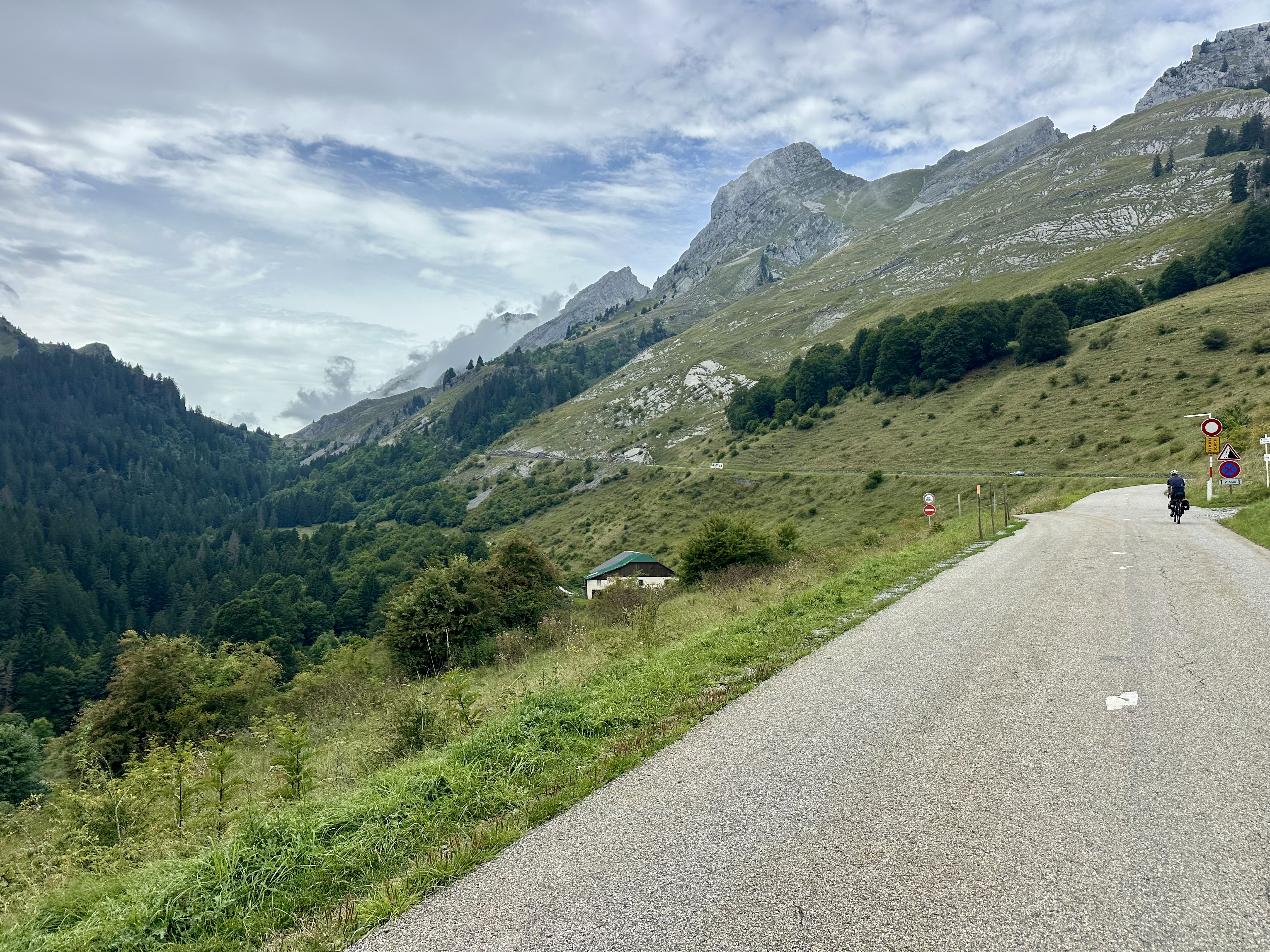
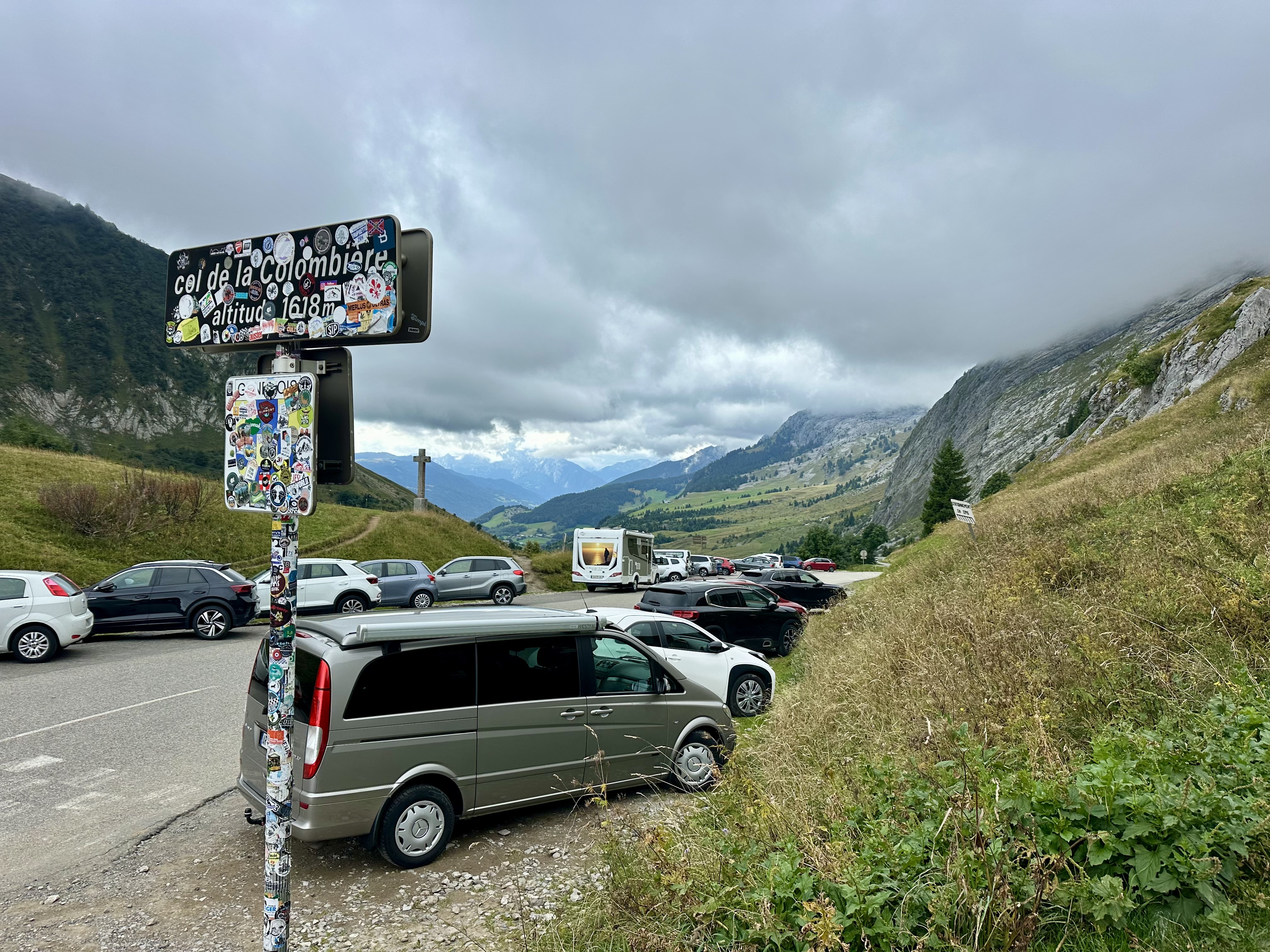

The Colombiere is a great early climb on the route. Certainly the highlight of day one.
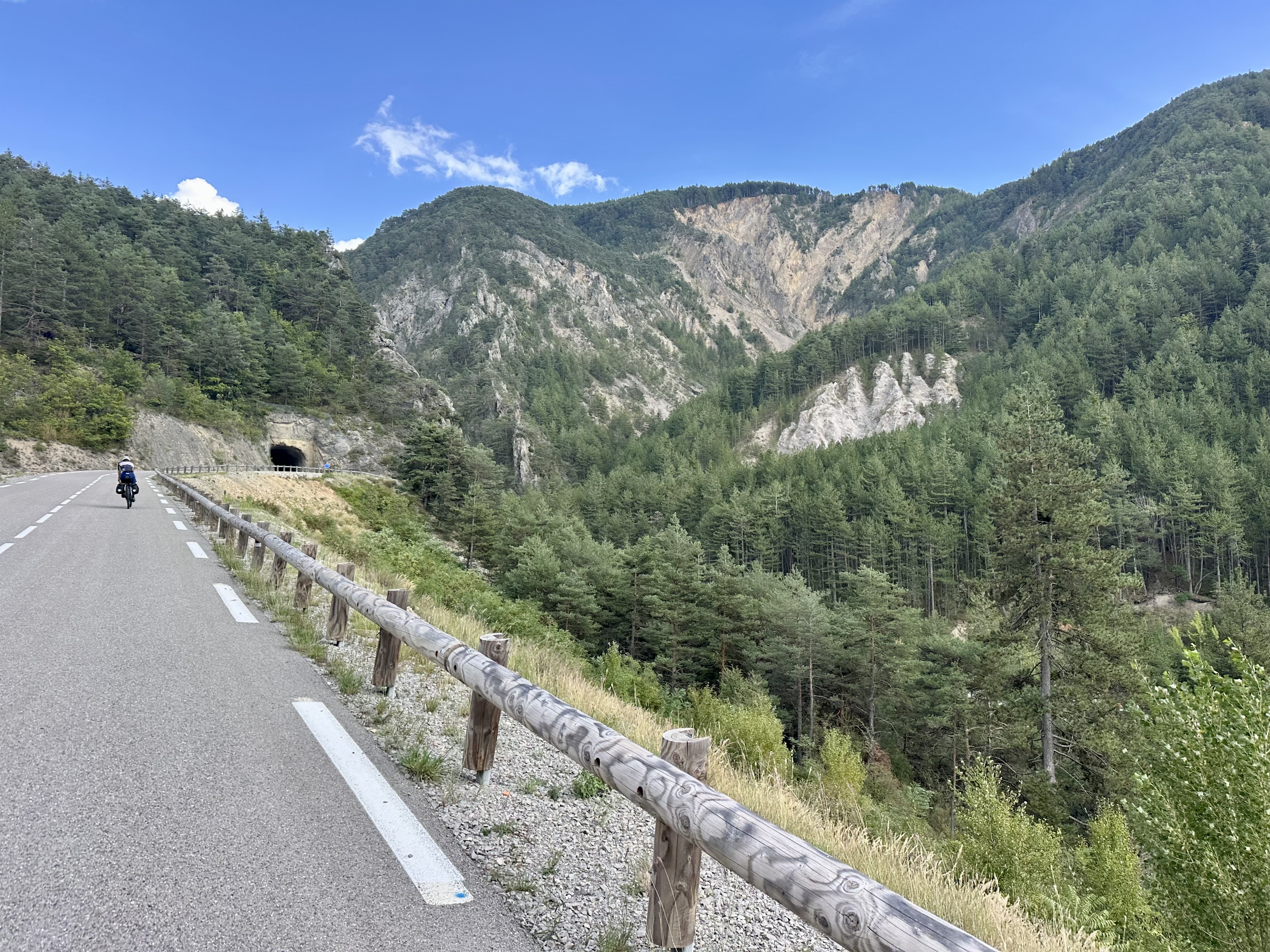
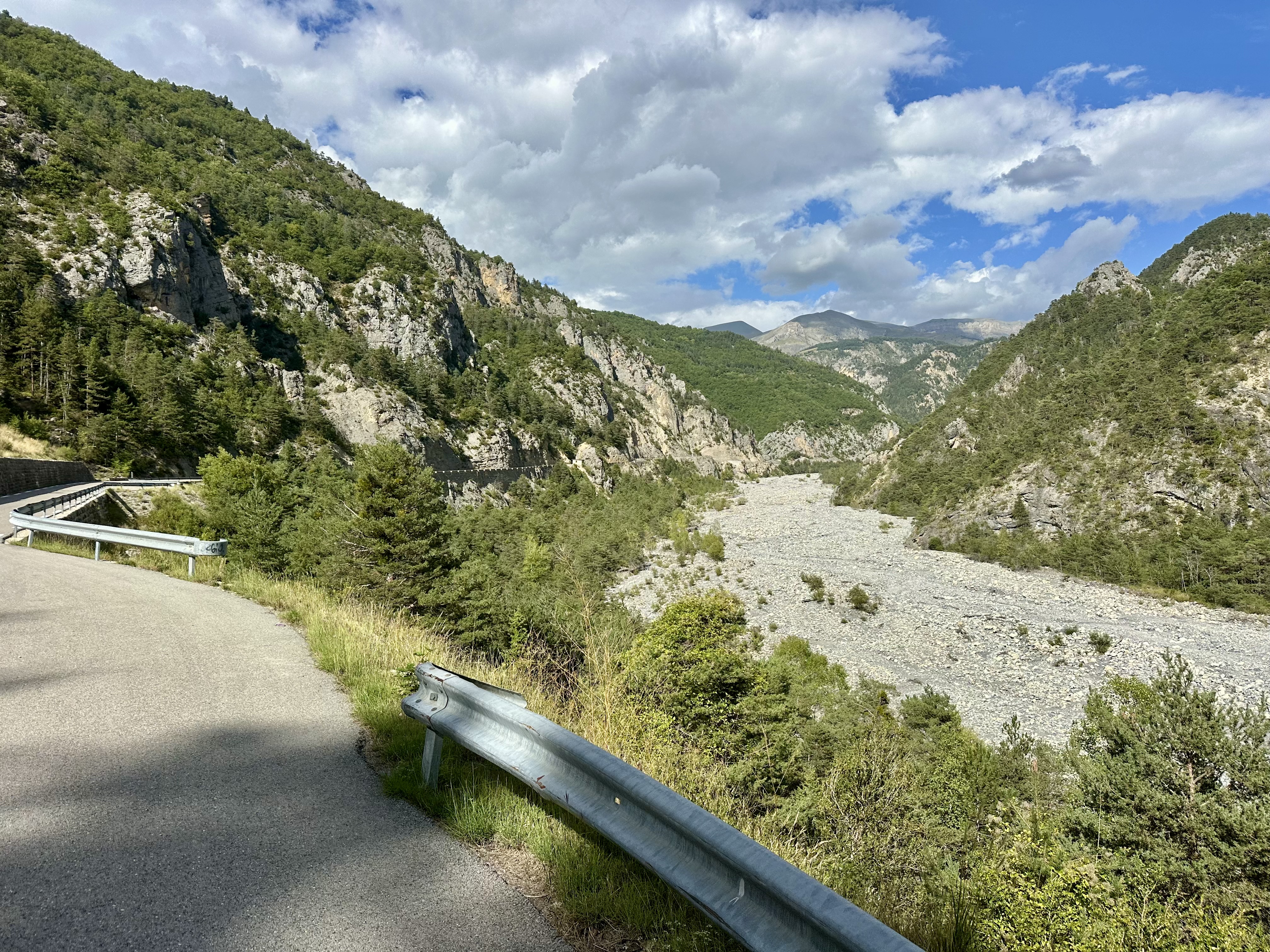
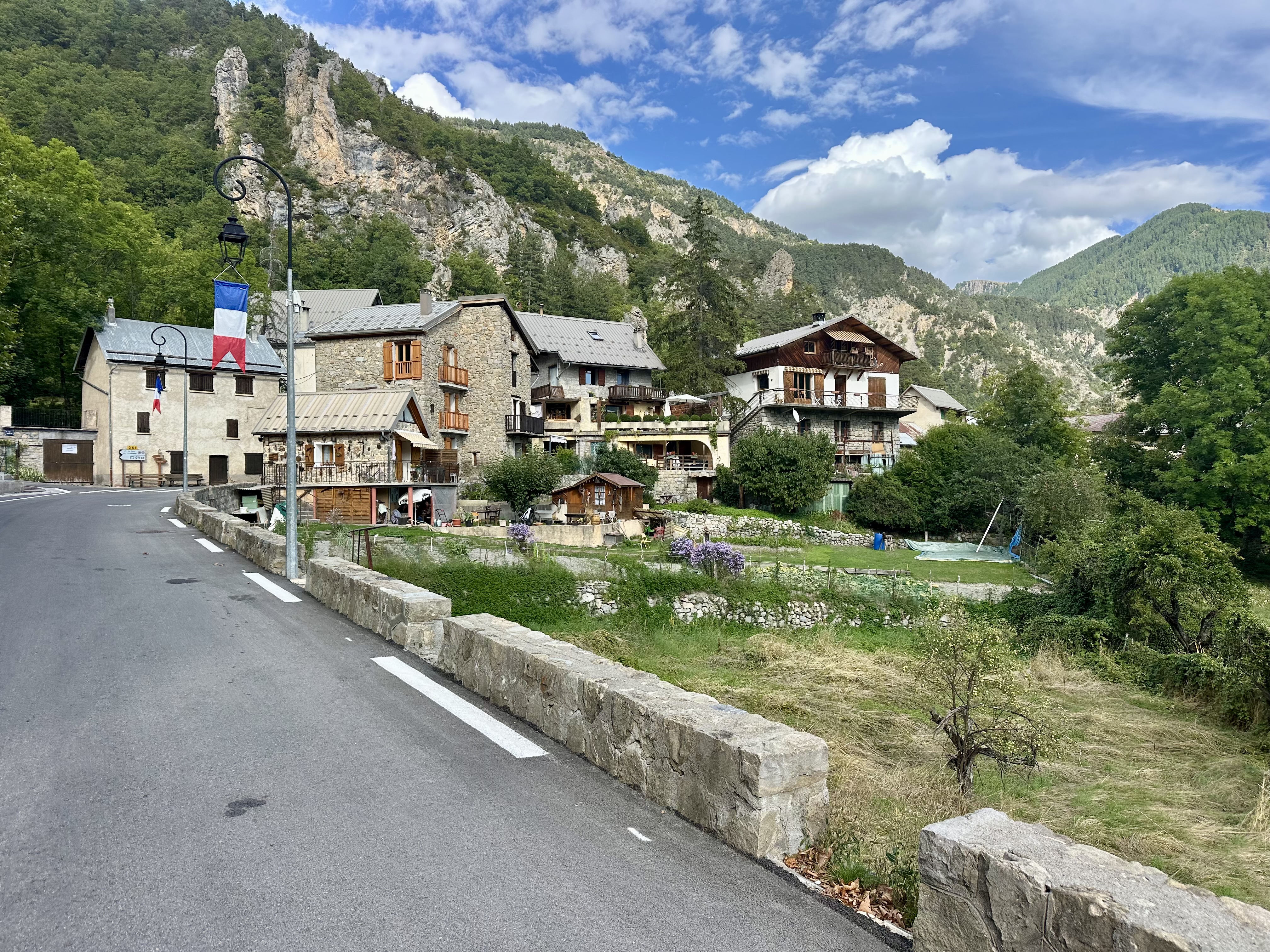
The Col de Vallberg is notable as it continues in a similar vein as the Col de la Cayolle, finishing in its eponymous ski resort town.
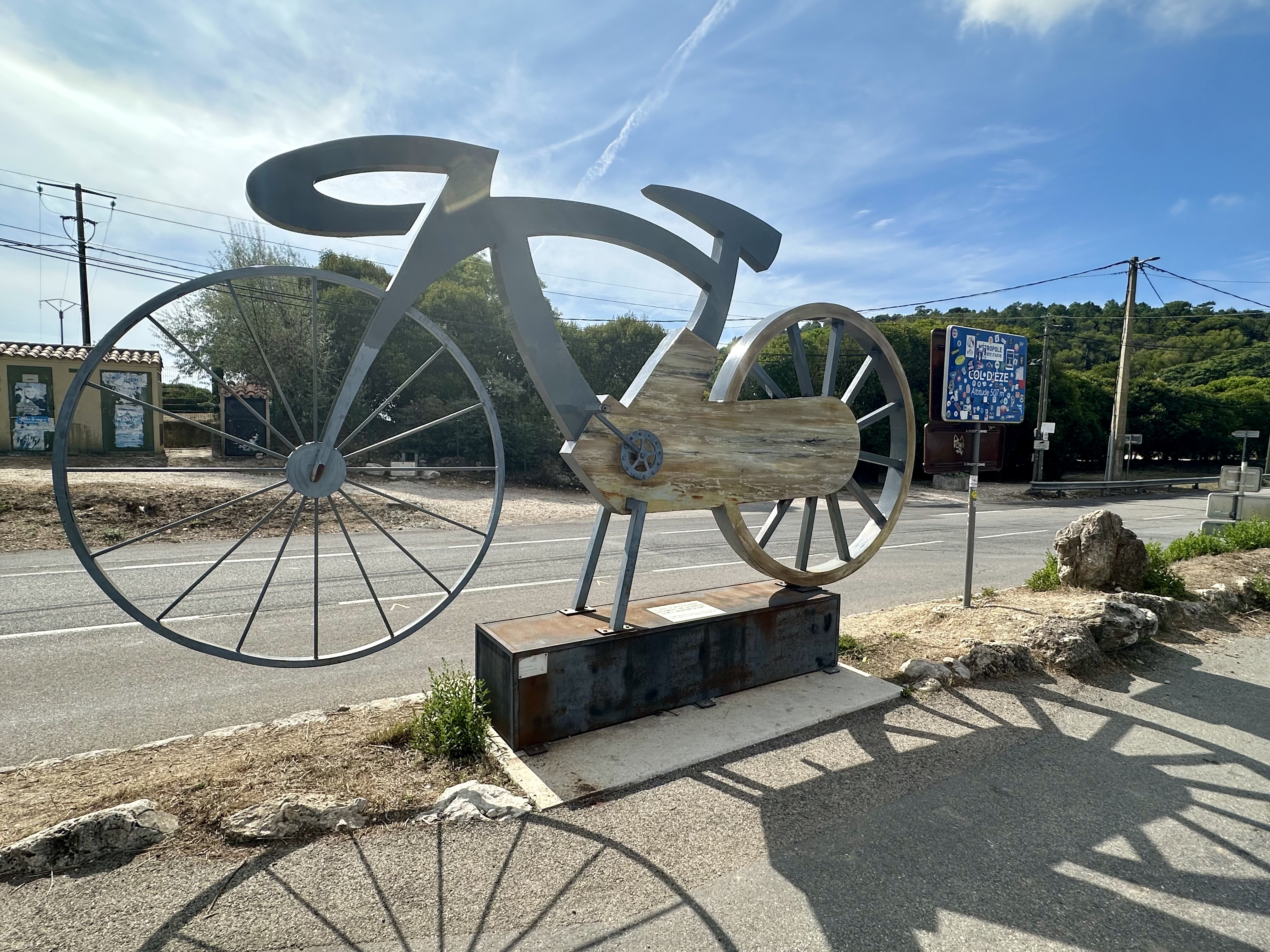
And the Col de Eze is a great way to finish as you head to Nice – while busy it is also a route where you start to see plenty of other cyclists climbing up from the various seaside locations on the Côte d’Azur.


Best overnight stays
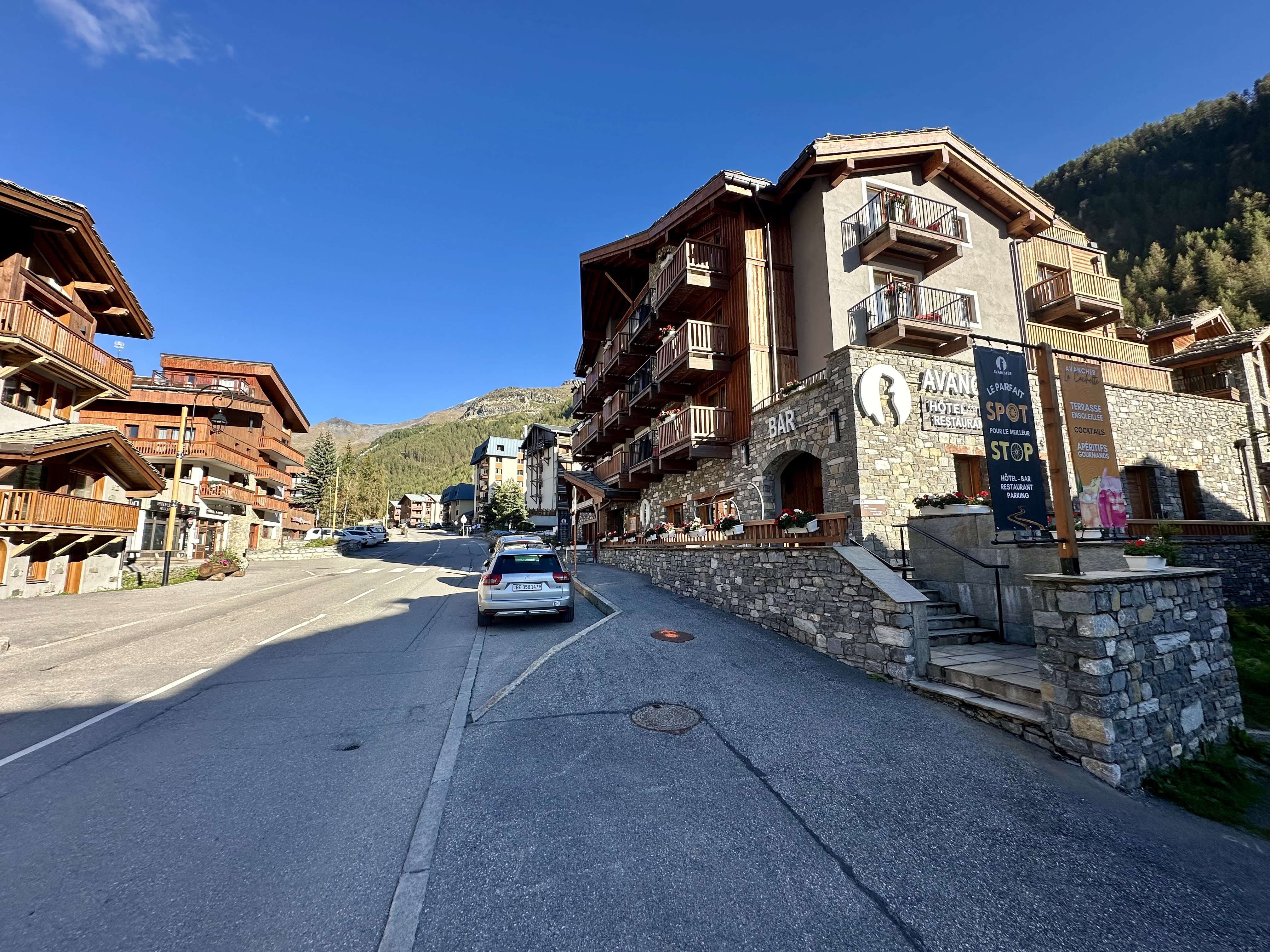
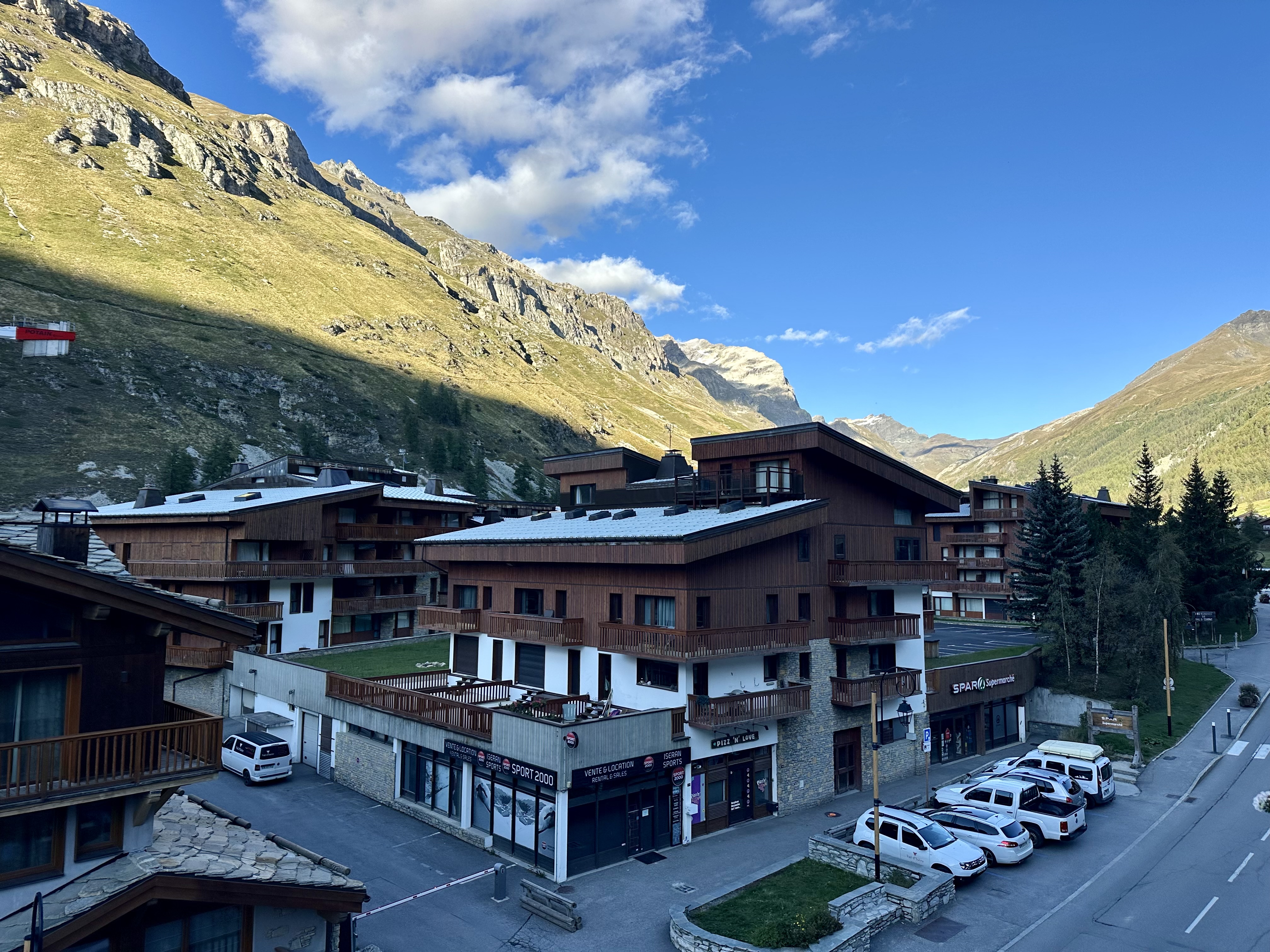
Three of the places we stayed on the route (Val D’Isere, Valloire and Valberg) were heavily oriented towards the ski season, and hence many of the restaurants, stores and hotels were closed during their off season. The best overnight stay we had was in Val D’Isere, where Hotel Avancher was super impressive. This was a high quality modern hotel and at 105 Euro per night the rooms were a small fraction of the price at peak of the snow season. The bar was great, and the breakfast (included in the price) tremendous.
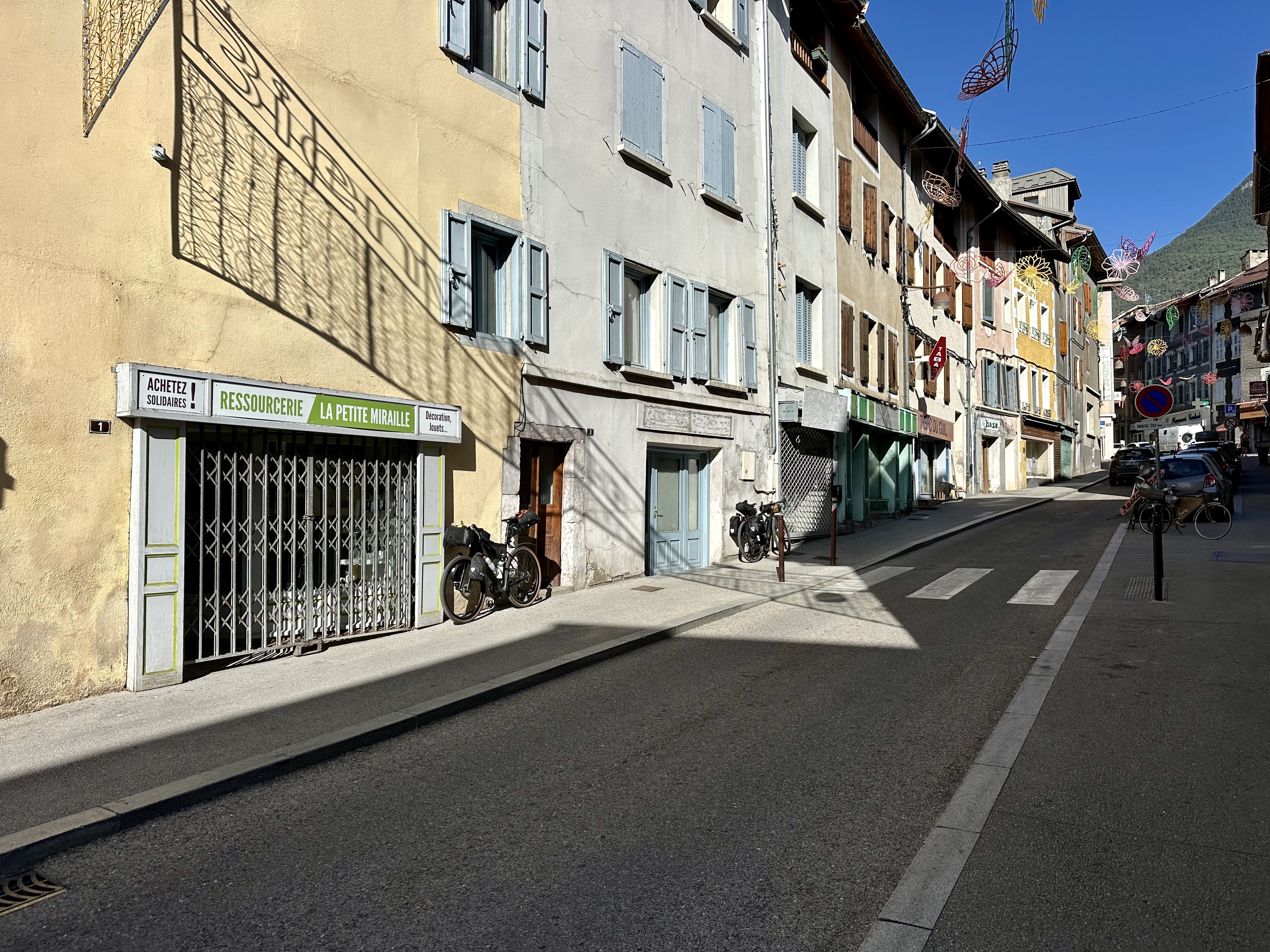
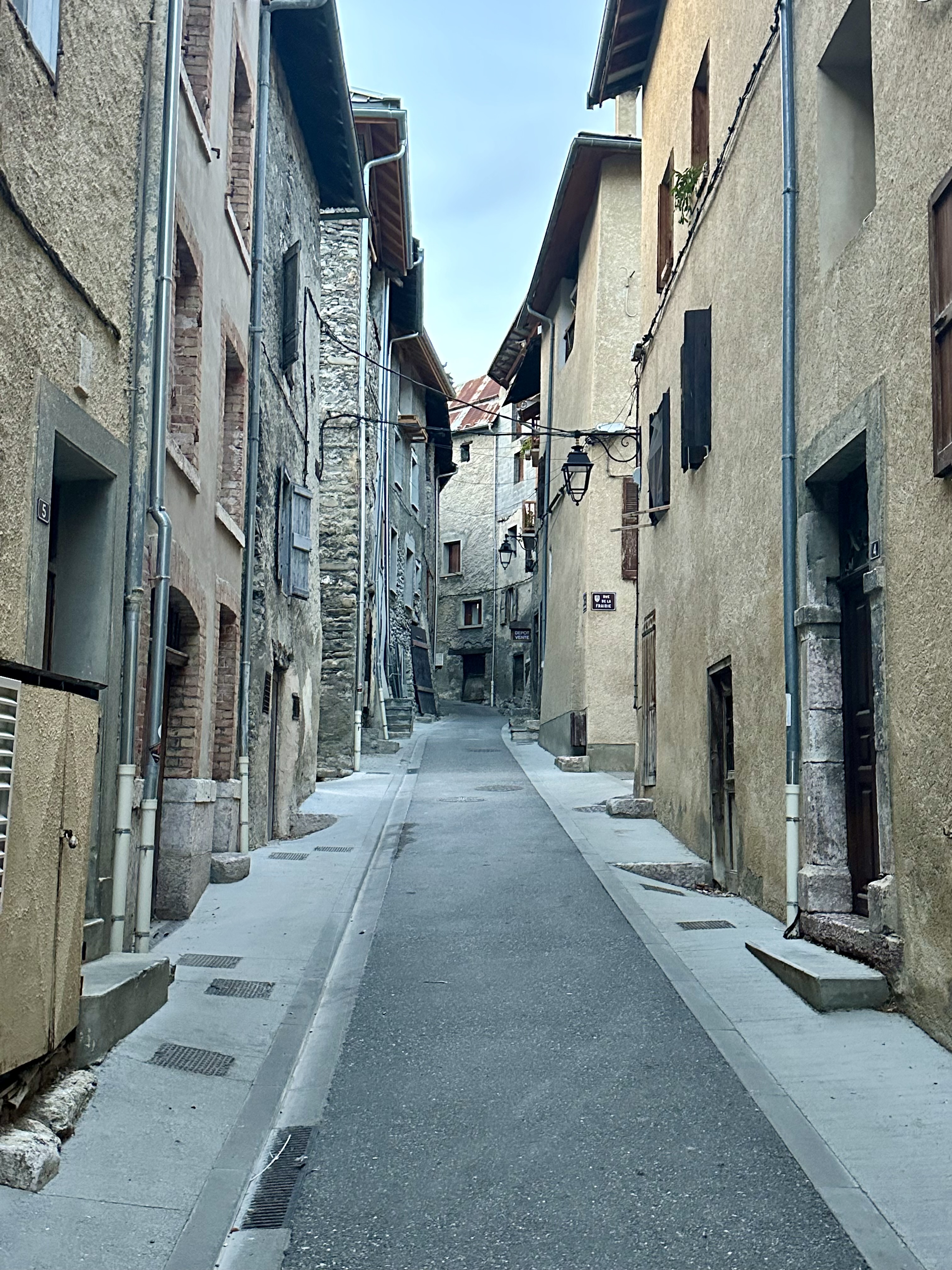
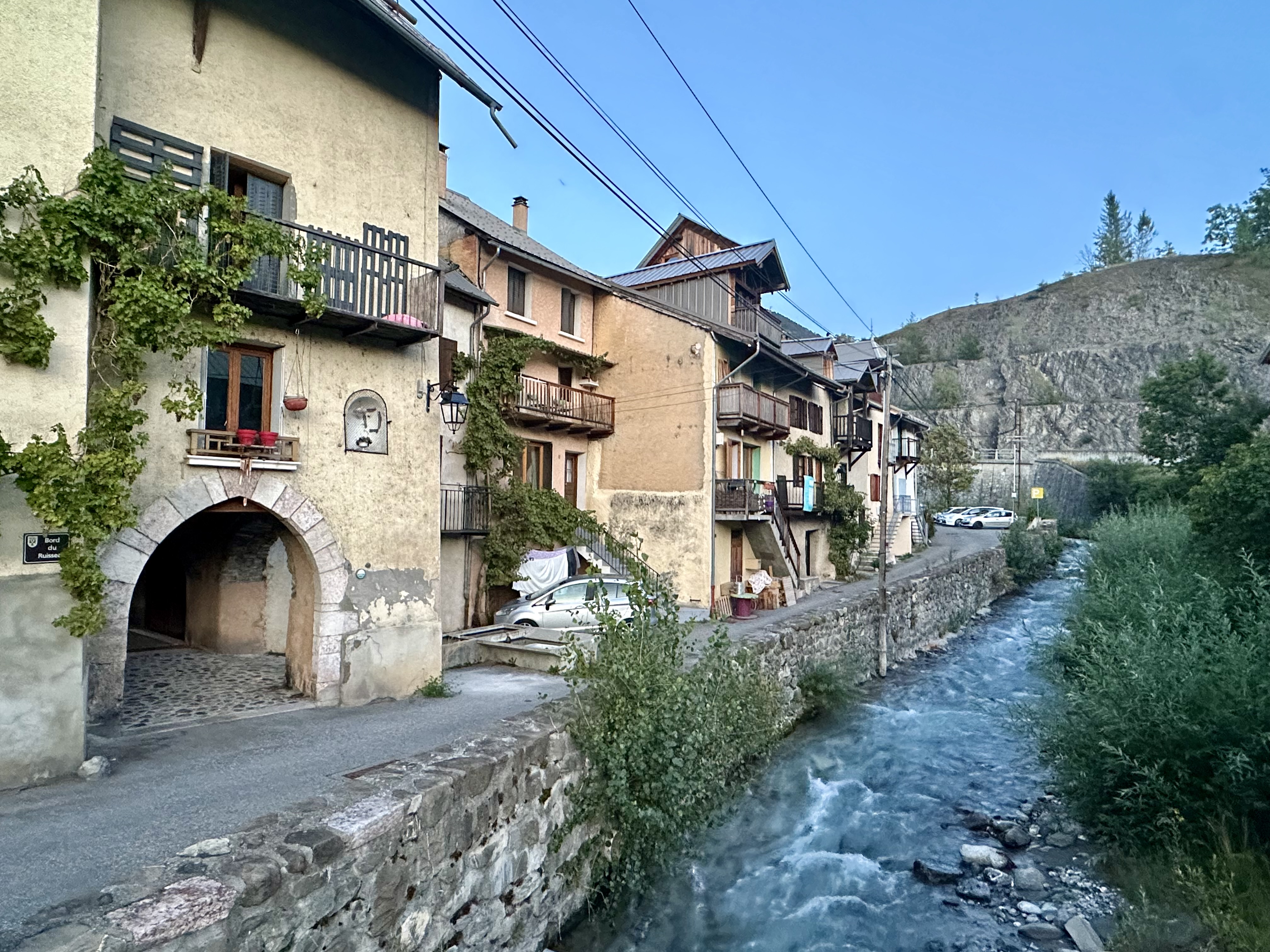
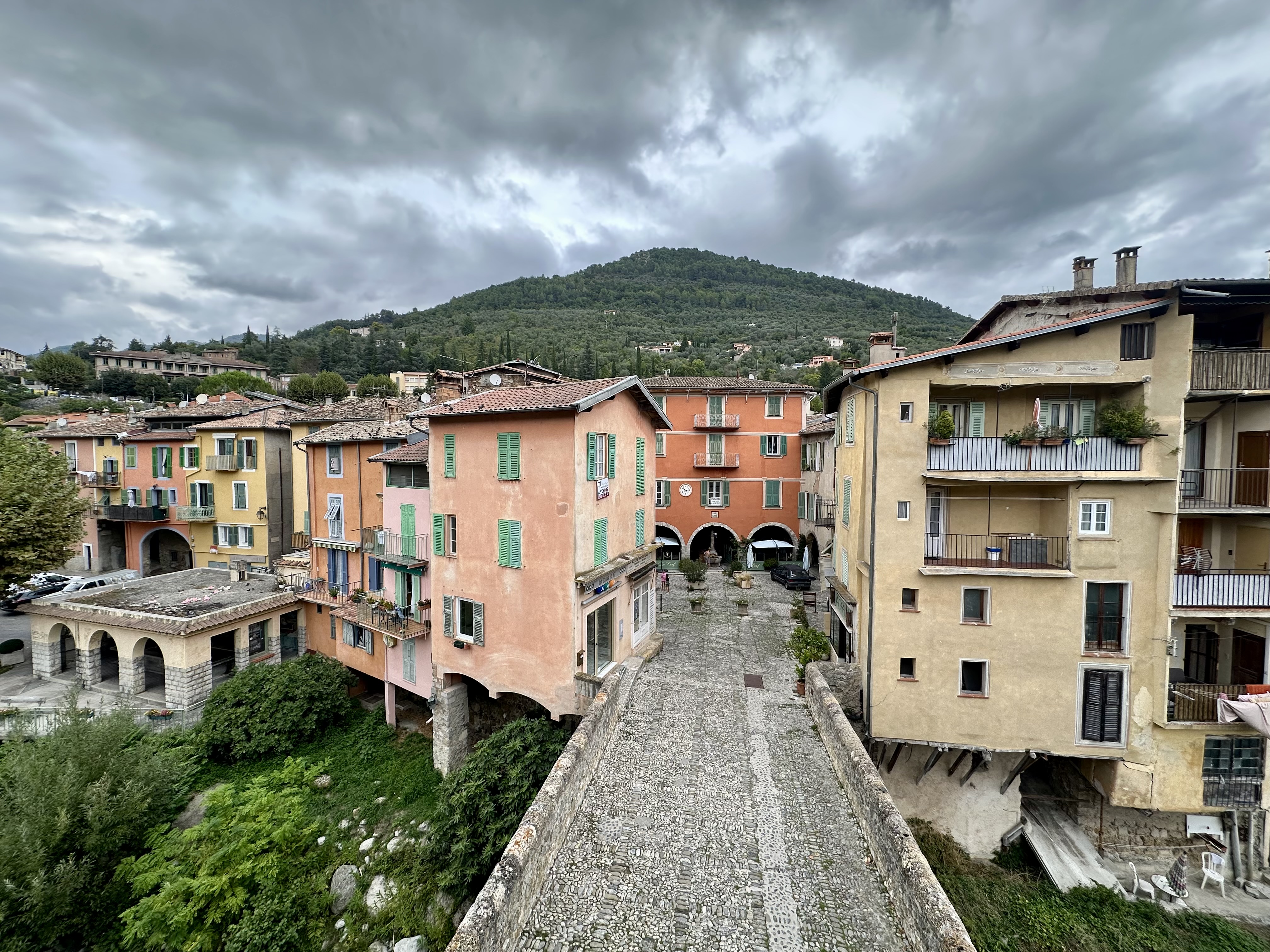
The two towns we stayed in Airbnbs were Guillestre and Sospel. Both were lovely historic towns that were walkable and had great restaurant and patisserie options.


Final advice?

Sort out your bike’s gearing. You’ll be miserable if you don’t sort this out. Grinding a bike up 8%-10% gradients for kilometres on end with any kind of bikepacking load requires low-range gearing. It is challenging enough in good times, let alone with altitude, imperfect weather and multi-day tiredness thrown in. And most gravel bikes on the market today with their lovely mounts and adventure possibilities are hopelessly geared for climbing. More on what I’ve done here.
Bear in mind that you are on public roads. Regrettably many of the climbs are popular with groups of motorcyclists and sports car enthusiasts. In early September it was busy, but apparently it is a lot less busy than other times of the year! I didn’t find this particularly problematic as European drivers are nothing like Australian drivers – they are almost always patient and give plenty of space.



 CyclingGravel