

The route: Ubud – Kintamani – Tirta Gangga – Amed – Lovina – Munduk – Pemuteran – Medewi – Jatiluwih – Ubud
Despite having travelled in many Asian countries, CyclingGravel had never been to Indonesia. To be frank, the stereotypical Bali holidays don’t really appeal. But after reading about some of the locations across the island it seemed that there were some interesting and more out-of-the-way areas to explore. So with an airfare secured, and having perused the amazing selection of inexpensive accommodation options all over the island, “flash bikepacking” was in order. And while cycling in any part of South East Asia brings challenges, I recommend considering Bali as a cycling holiday destination – and not just as a “Bali cycling” day trip.

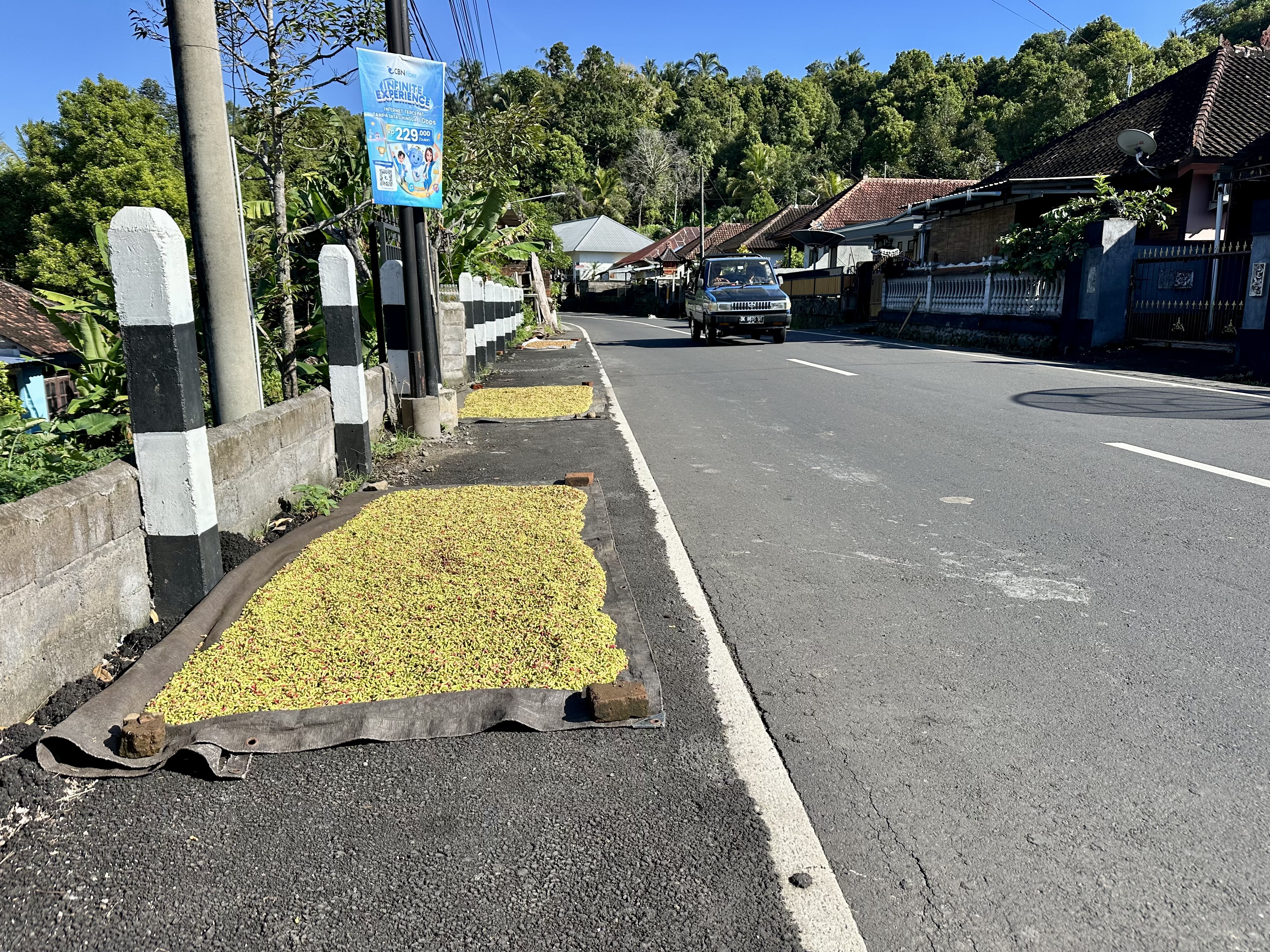
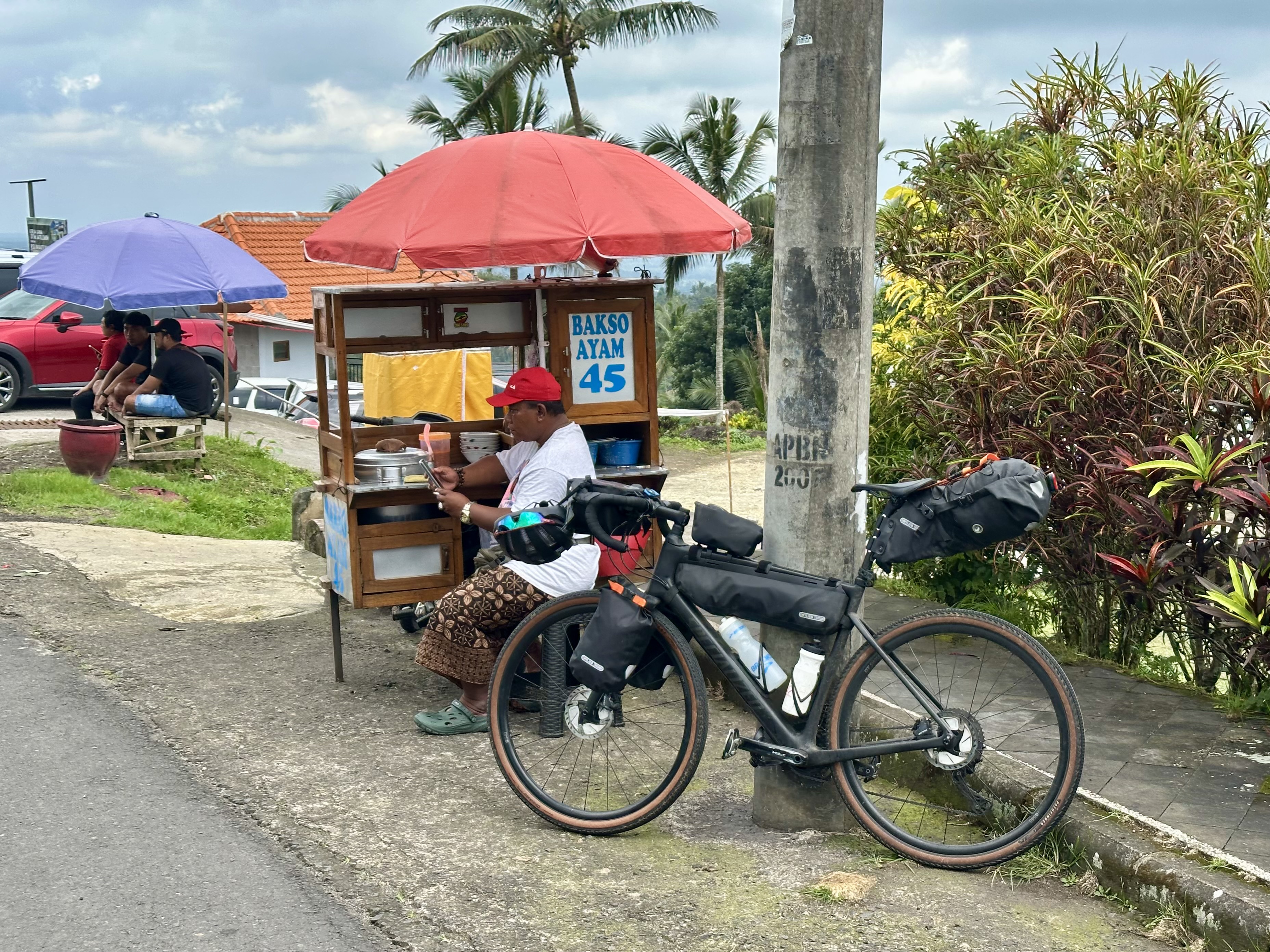
By bike it was possible to see so much more than beaches and the chaos around Denpasar (e.g. Kuta). Inland mountain areas are popular with hikers (I met a bunch, mainly from Europe) but they were fantastic to cycle up and down. Added to this were the opportunities provided when travelling by bike: when seeing something interesting, just stop! In Bali sometimes it was smell – not just warung cooking but things like the scent of freshly drying cloves. A delicious break was often right beside the road – for example a Bakso (meatball soup) vendor or fryer of Pisang Goreng (fried banana). Having said all that, it is worth planning….
Planning a bikepacking trip to Bali
Route planning
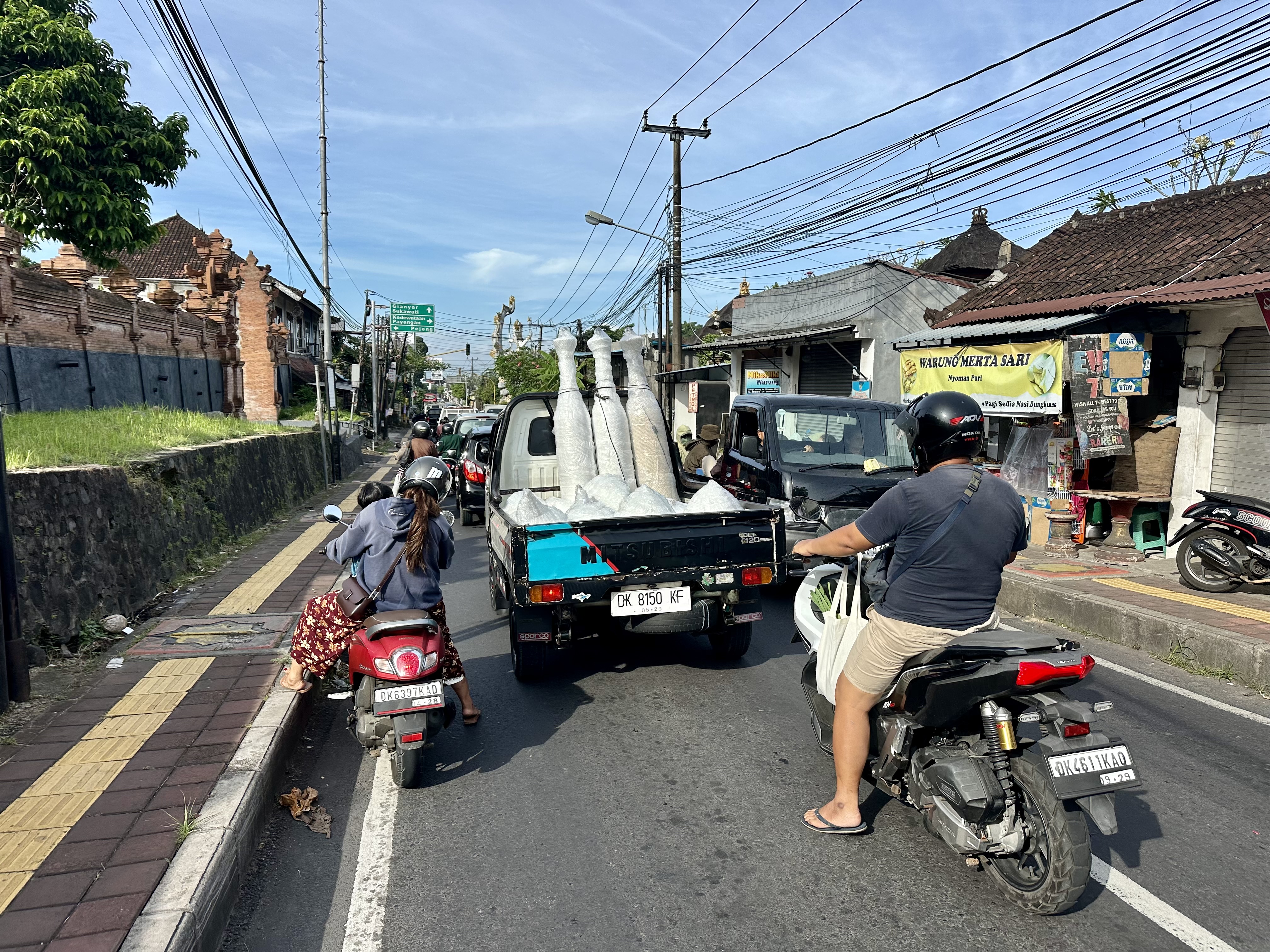

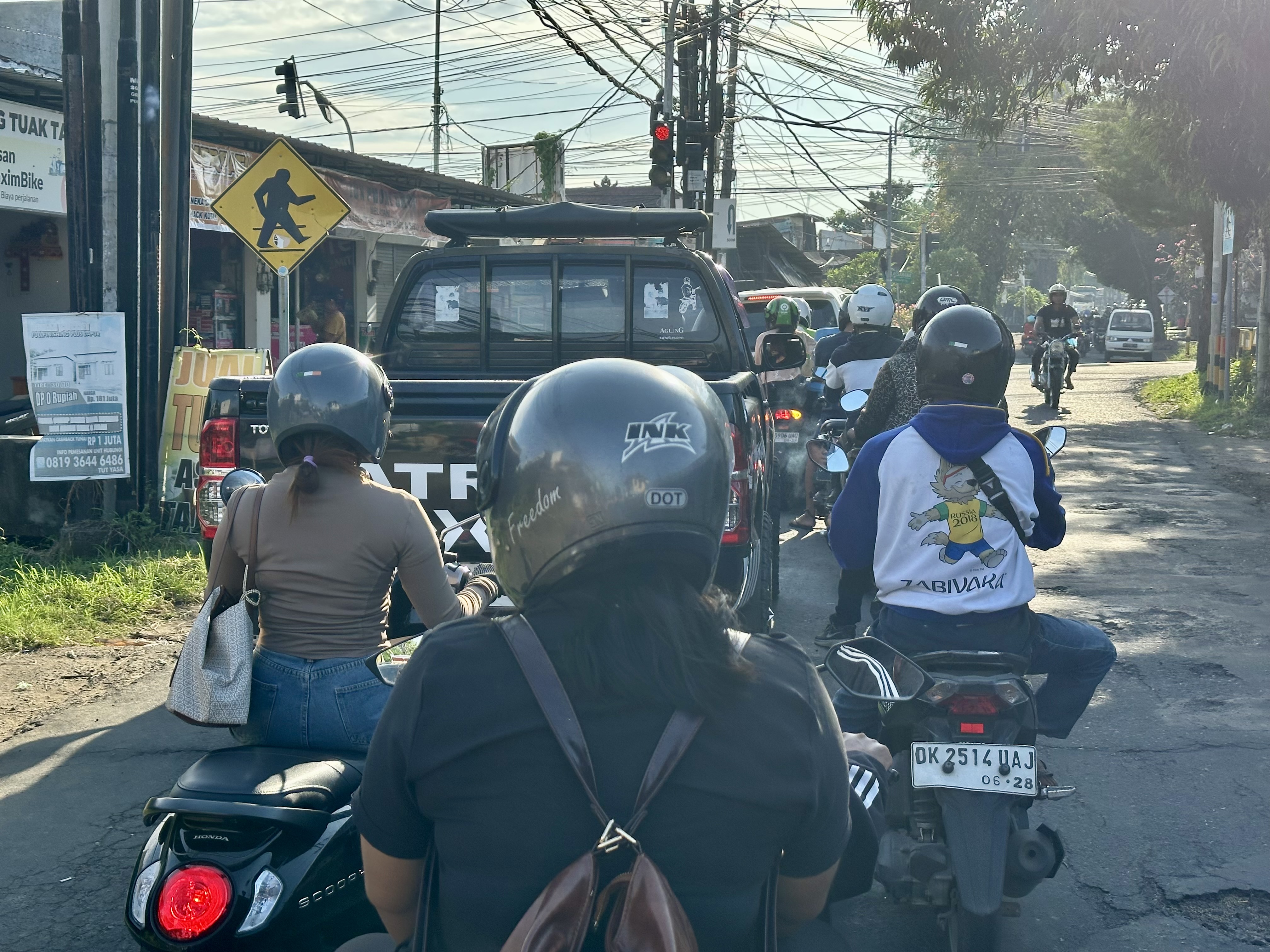
Of course, traffic-free is cycling nirvana. But, let’s face it: Indonesia is a populous country, and Bali has its fair share of large towns and cities. There will be traffic! And if you are completely avoiding larger metro areas, you also are often missing some better accommodation and food. The trick is to find ways to minimise the busy traffic wherever possible…
Where to start with the planning? Always Strava heatmaps: if other folk have been prepared to cycle there, you can probably do so as well. I did pass some local roadies, particularly on the weekend. Having said that, don’t be slavish in attachment to heatmaps – I found that sometimes a backroad just hasn’t been explored by someone using Strava (shock!). Google maps (including satellite and street view) proved helpful in confirming that there seemed to be a good way to avoid a main road.
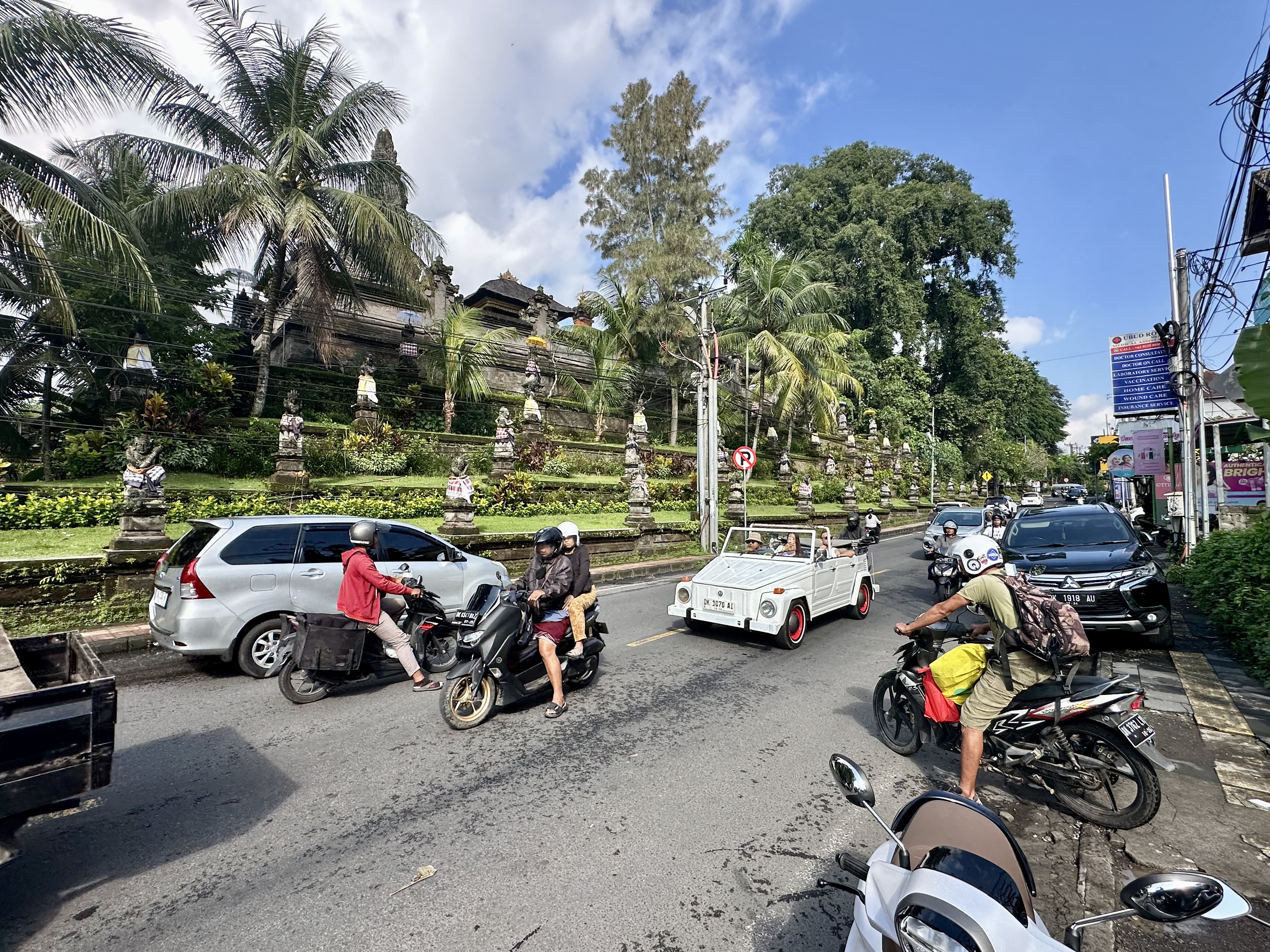
Don’t stress about the traffic. I heard someone say that the difference between Australian drivers and Bali drivers is that in Australia drivers think they own the road, but in Bali they think everyone can be on the road (walkers, dogs, cars, trucks, scooters). And I felt that. Traffic is also, with rare exceptions, quite slow. Having said that, you do need to keep your wits about you for scooters entering from the left, and there were times I was ready just to get away from traffic and exhaust fumes.
Take a track. Some of the best back routes to explore were single or double track between rice paddies and fields. These are often not smooth and typically are only travelled by motor scooter. But they are some of the best ways to see the scenery, and sometimes also the best ways to connect between roads.
Food, drinks and supplies

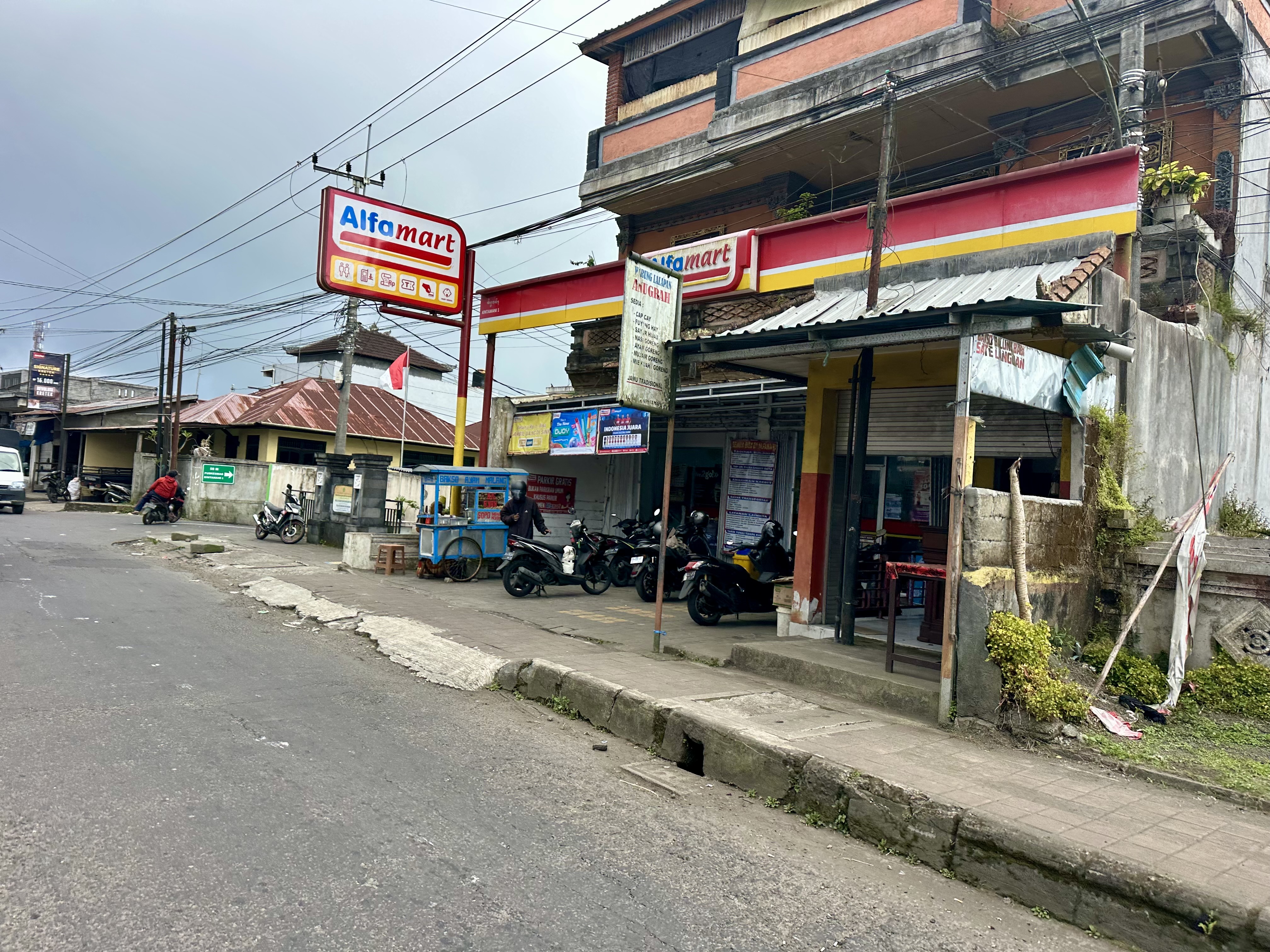
Indomaret and Alfamart are a good stop point. In addition to being airconditioned, they reliably are a source of an extensive selection of cold drinks and (if shown on the sign outside) offer decent toilet facilities (sometimes squat).
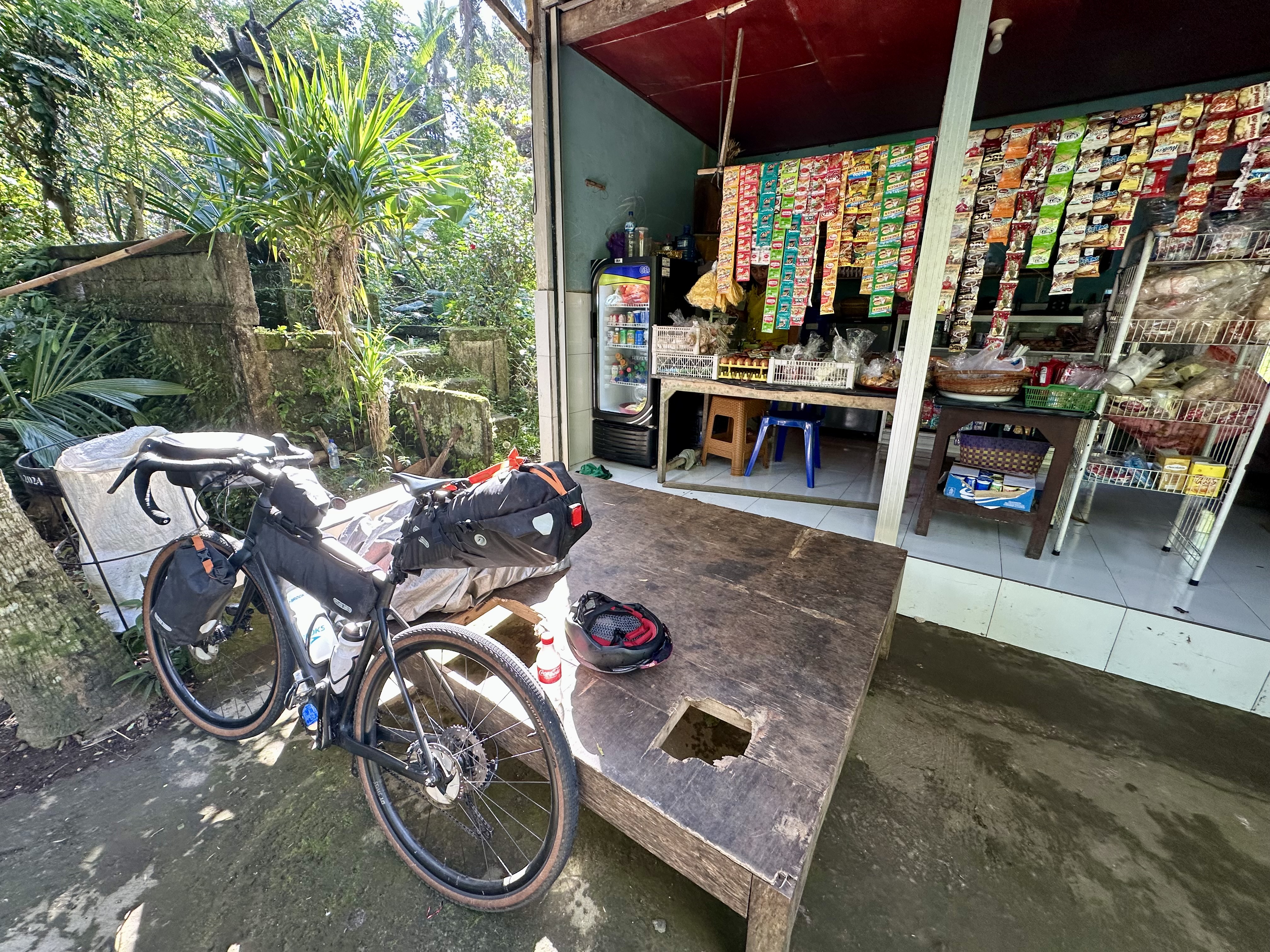
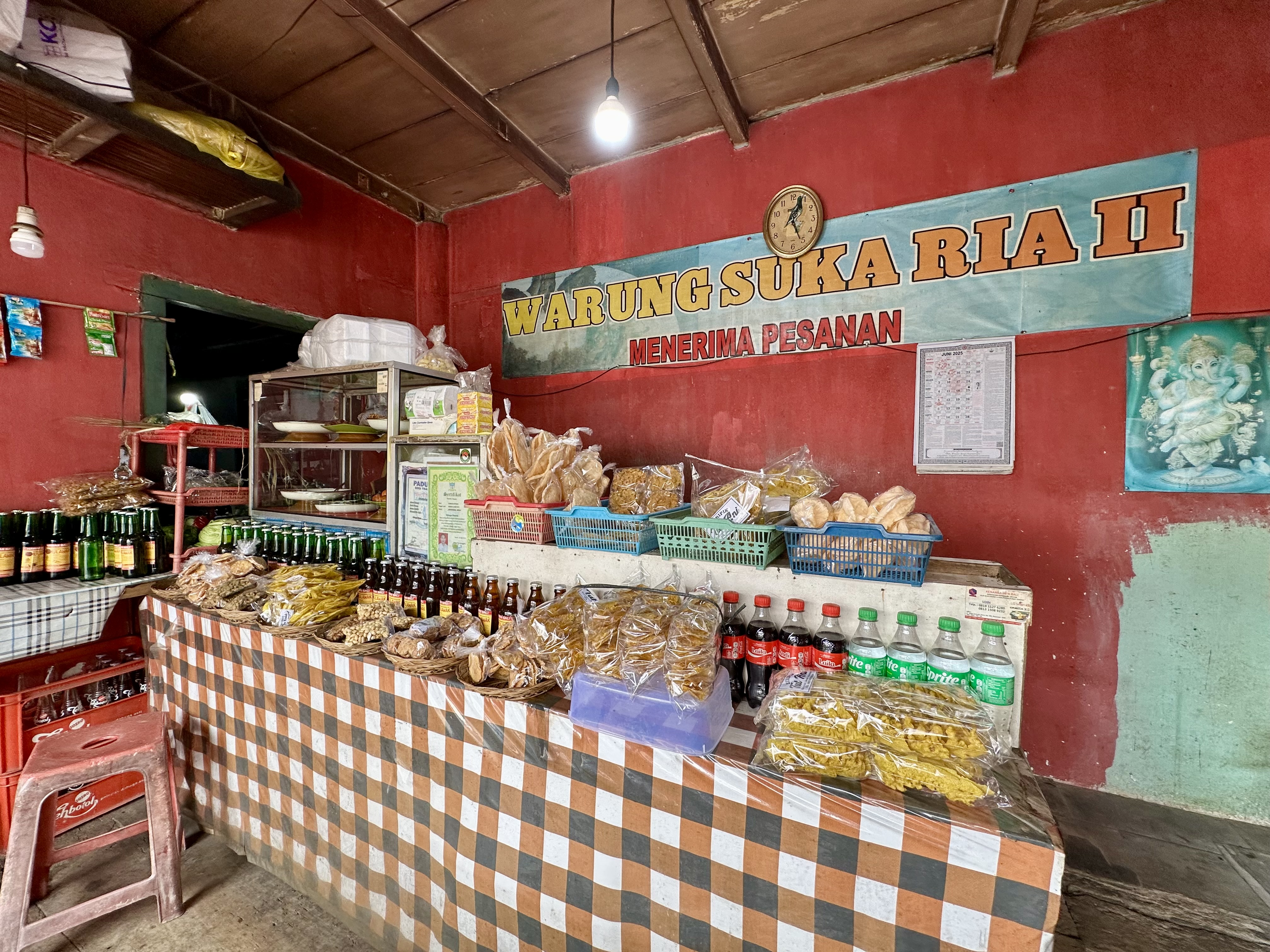
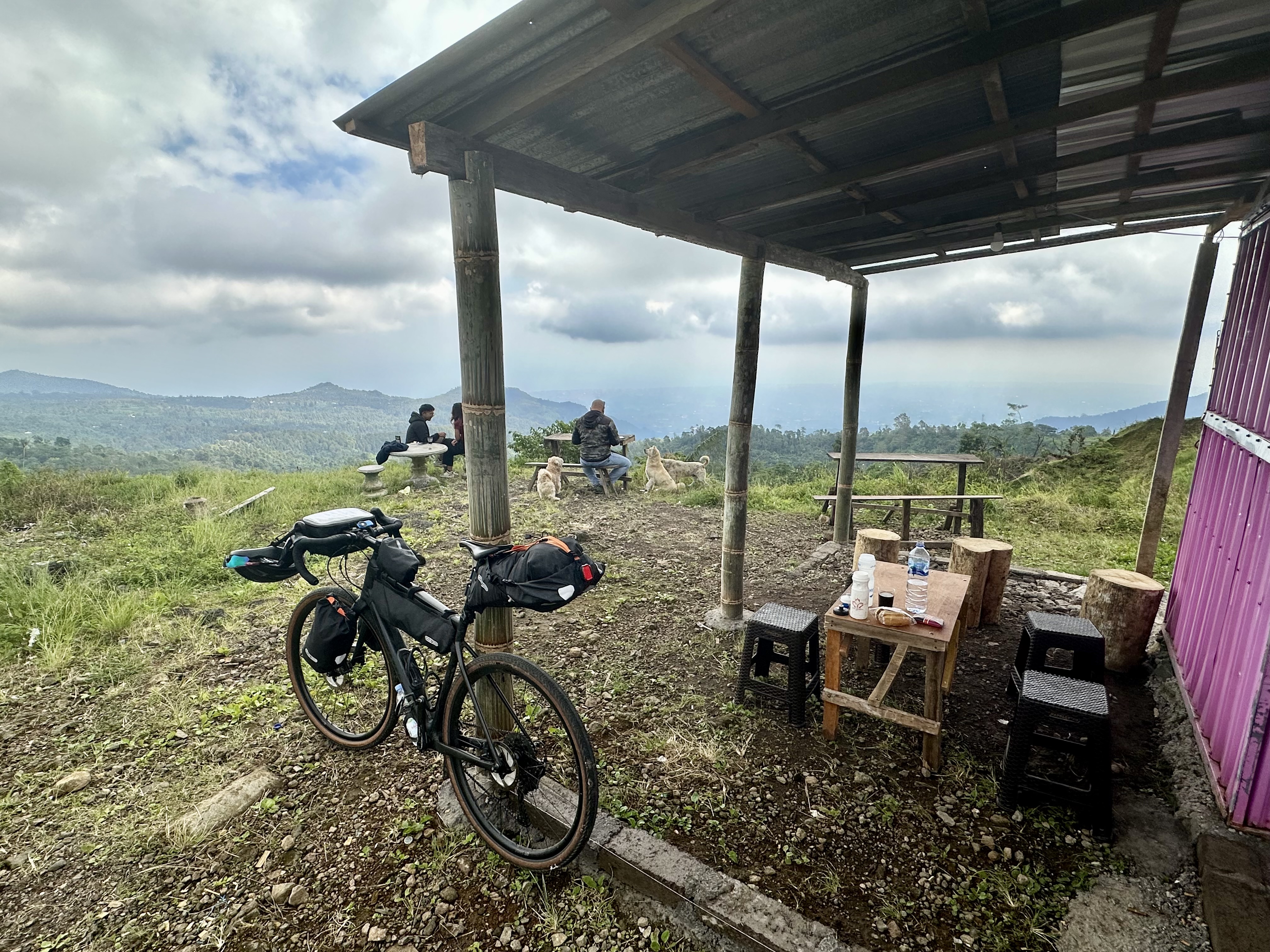
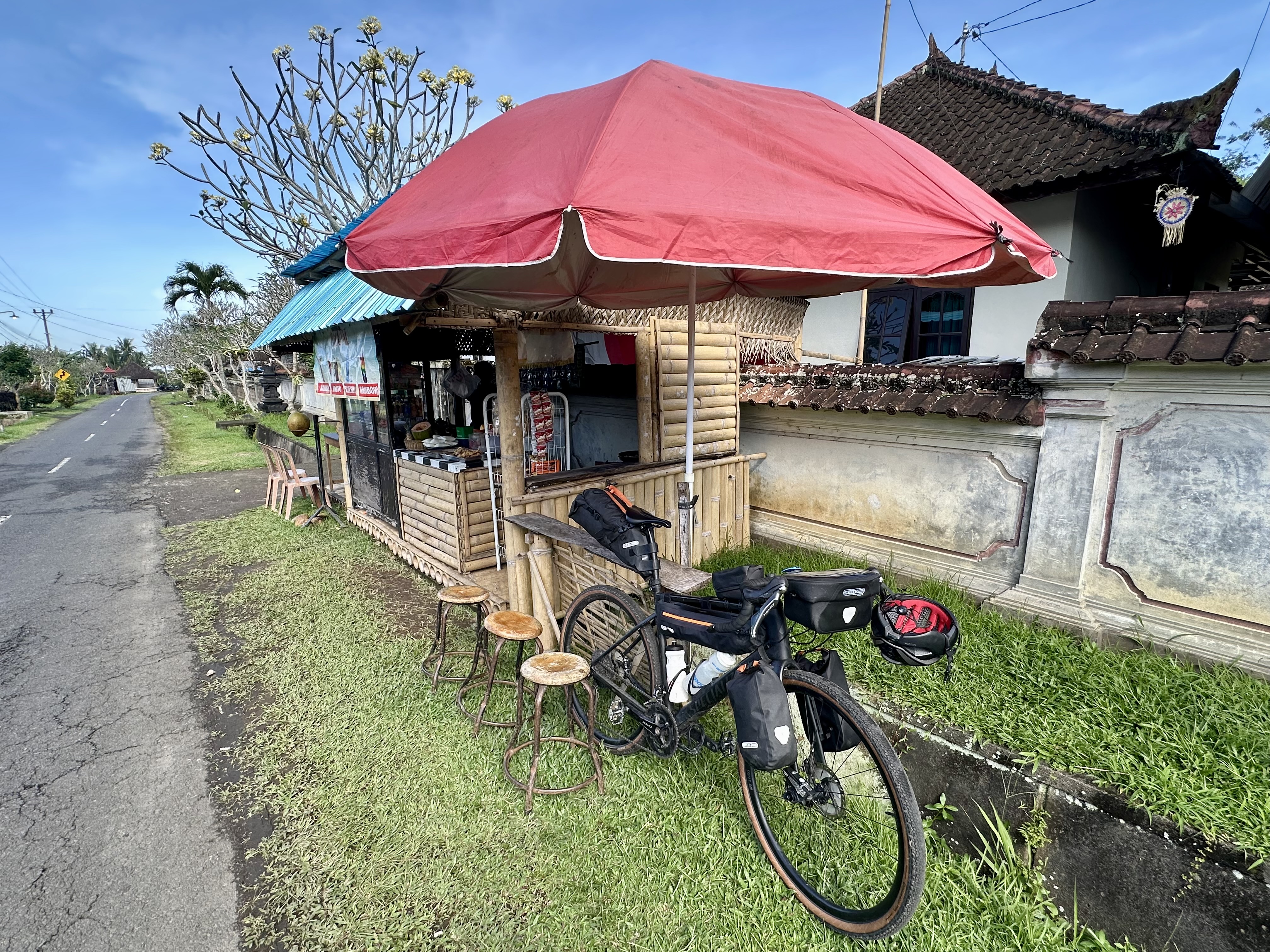
Road side stores and warungs are everywhere. Road side stores are a great source of water, a small selection of cold drinks (or at least ones that can have ice added), snacks and local-style coffee. And they are all around you, including in out of the way places. A simple and inexpensive Nasi Goreng or Kopi Bali is never far away.


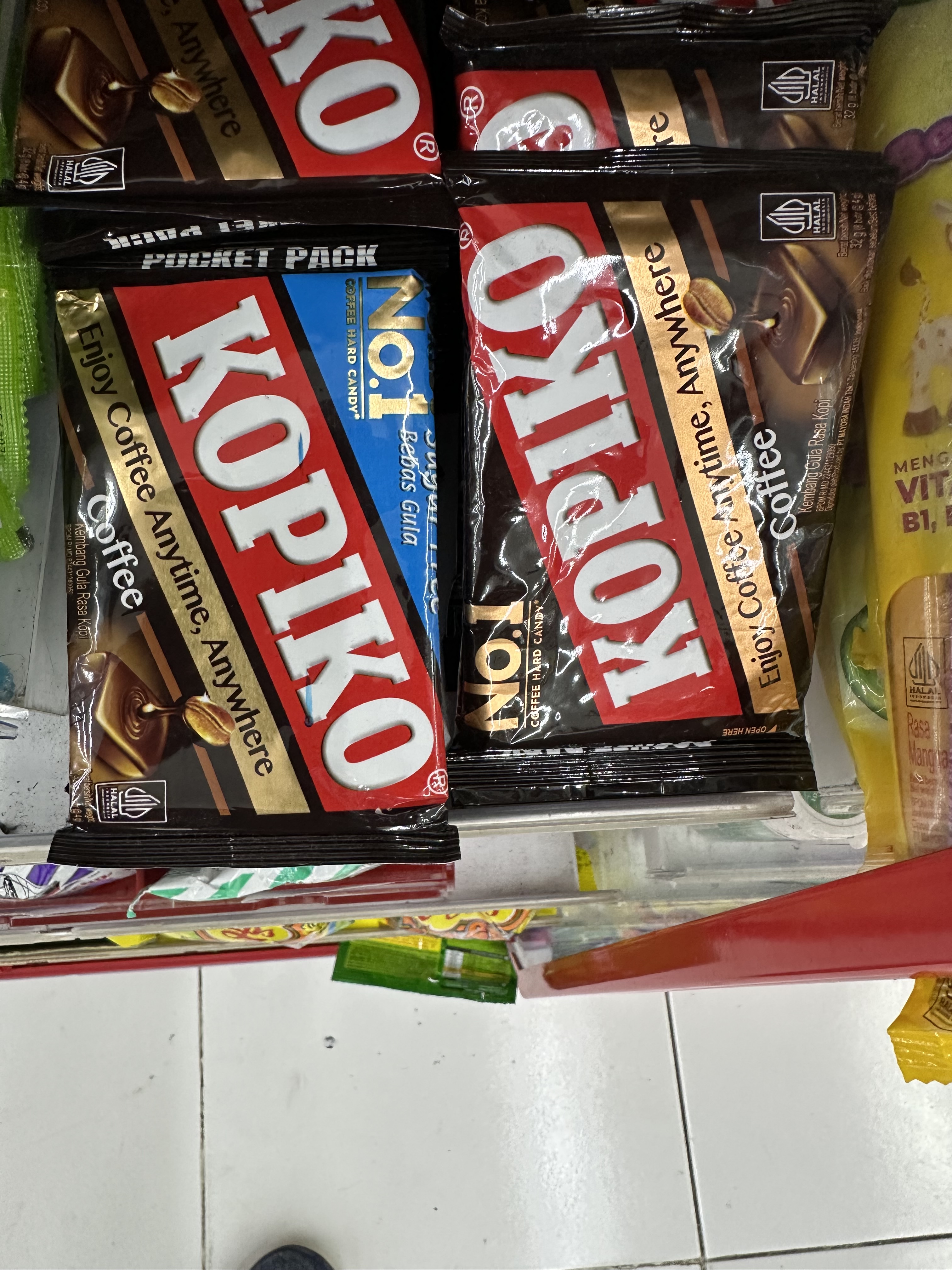
I became partial to a few local treats. If you’ve had Kaya toast in Singapore, Pandan Kaya sandwiches are similar and readily available from convenience stores. I also went through quite a bit of Kopiko and regularly chose Teh Botol over Coke.
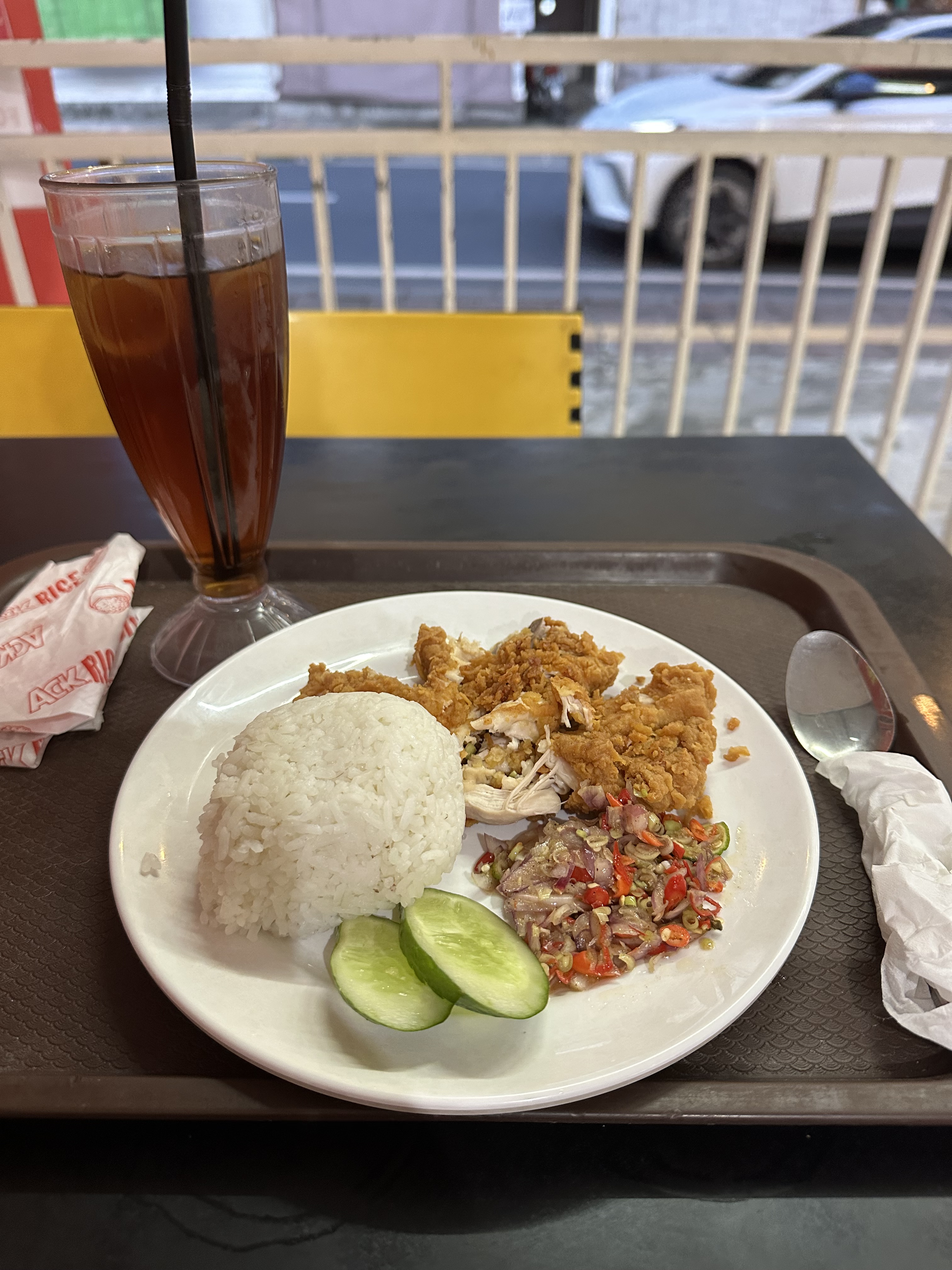
If in doubt, go to an ACK. I didn’t do this many times, but ACK fried chicken serves a pretty decent meal. In my experience, when you are tired and just need calories, it is helpful to know there is a reliable option to call on. And ACK hit the spot twice on this trip. If you are up for spicy, 24k ($2.30 AUD, $1.50 USD) for cold jasmine tea, rice, chicken and Sambal Matah (“Paket Geprack B Samal Matah”) is hard to beat.


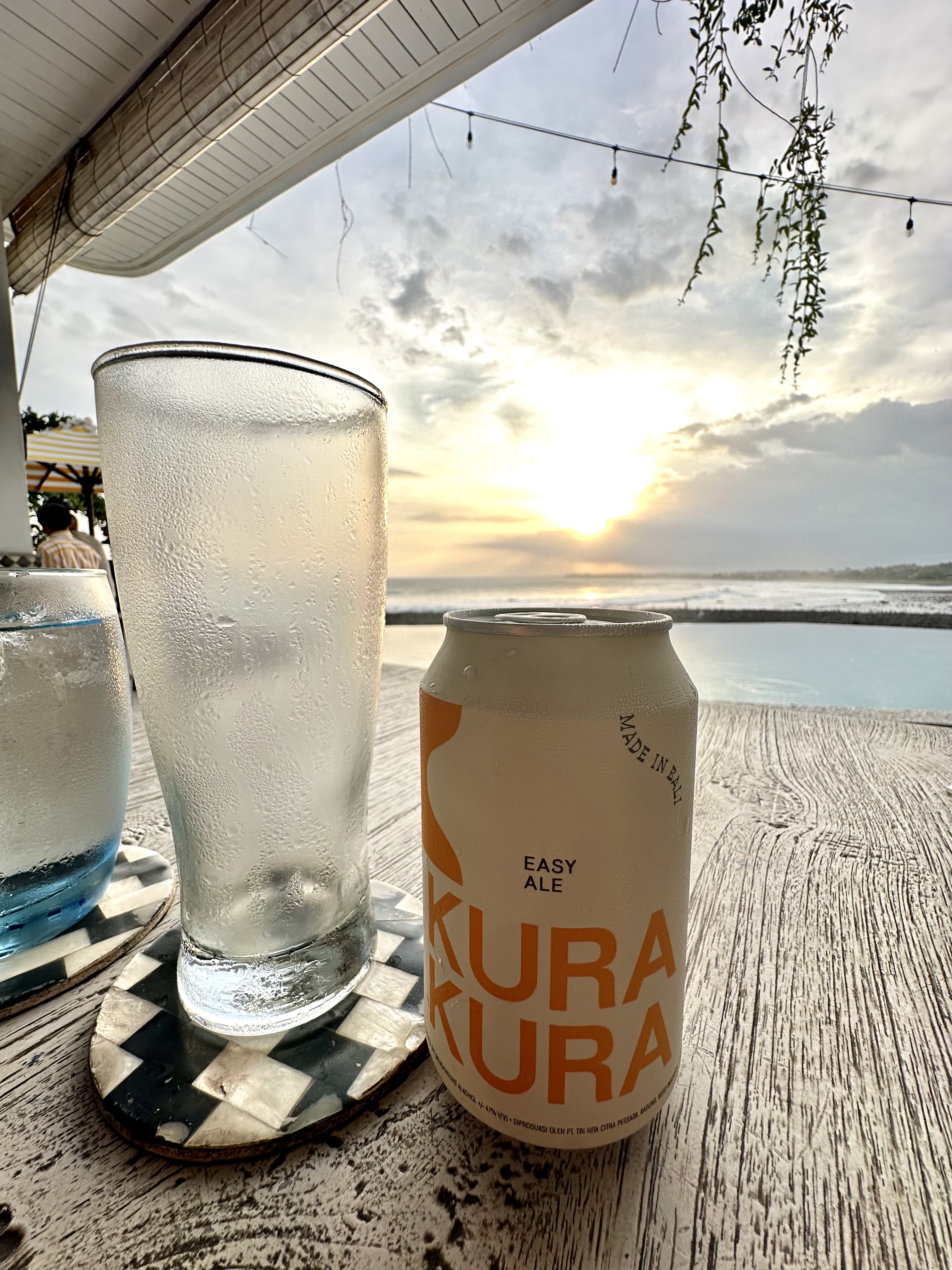
Beer. Being tropical, a light refreshing brew is in order and Bintang doesn’t disappoint. Having said that, I found the slightly cheaper and less well known Singaraja preferable. If you are after more of a boutique flavour there are some local boutique breweries – the Easy Ale from Kura Kura was an option for some flavour, but typically only available at more up-market accomodation.


Accommodation
I used booking.com and Airbnb to search for and find some great options on this trip. I particularly found the reviews from those who had previously stayed more accurate than Google reviews. In all cases the hosts were fine with me storing my bike in my room, although sometimes this meant carrying it up/down some steep stairs.
Starting and ending your trip
Start and end at the same hotel, leaving your bike luggage behind. I employ this strategy on a lot of my trips, which means being able to pack everything back in the packaging used at the start of the trip. International brand hotels that are not at an airport have proven reliably happy to do this, as have other places when I’ve asked in advance of booking.
Sort out your arrival approvals in advance. I applied for my visa and paid the Bali tourist levy in advance, and also filled out the customs declaration online before departure. This saved a lot of time at Denpasar airport – especially since oversize luggage came at at the same time as the rest of the bags. See, for example, Roaming Richard for links and video of the difference it makes.
Consider a location like Ubud to start/end. The traffic north and west of Denpasar is not great. I really benefited from getting a transfer to Ubud, from where it was not a long ride to get away and into rural Bali. The other benefit of the transfer was that it provided me an opportunity to observe traffic flow and behaviour – super helpful in advance of cycling in it.
10 days of cycling


I cycled for 10 days while in Bali, with a few rest days thrown in: Amed, Munduk and Medewi. I was pretty happy with these choices but would definitely choose spending more time in Pemuteran over Amed if I was to replan. I had the opportunity to explore Ubud after day 10 before flying home, but to be honest it wasn’t really my kind of place (other than as a location with decent hotels where poolside book reading was a great way to spend an afternoon).
Day 1: Ubud Loop
Having arrived in Bali the preceding evening, the intention of doing an Ubud loop was to help acclimatise, make sure the bike was in good order, and getting a sense of the on-road cycling. A goal was also to take some time and sedately explore given that a browse through Komoot showed some interesting views and highlights.


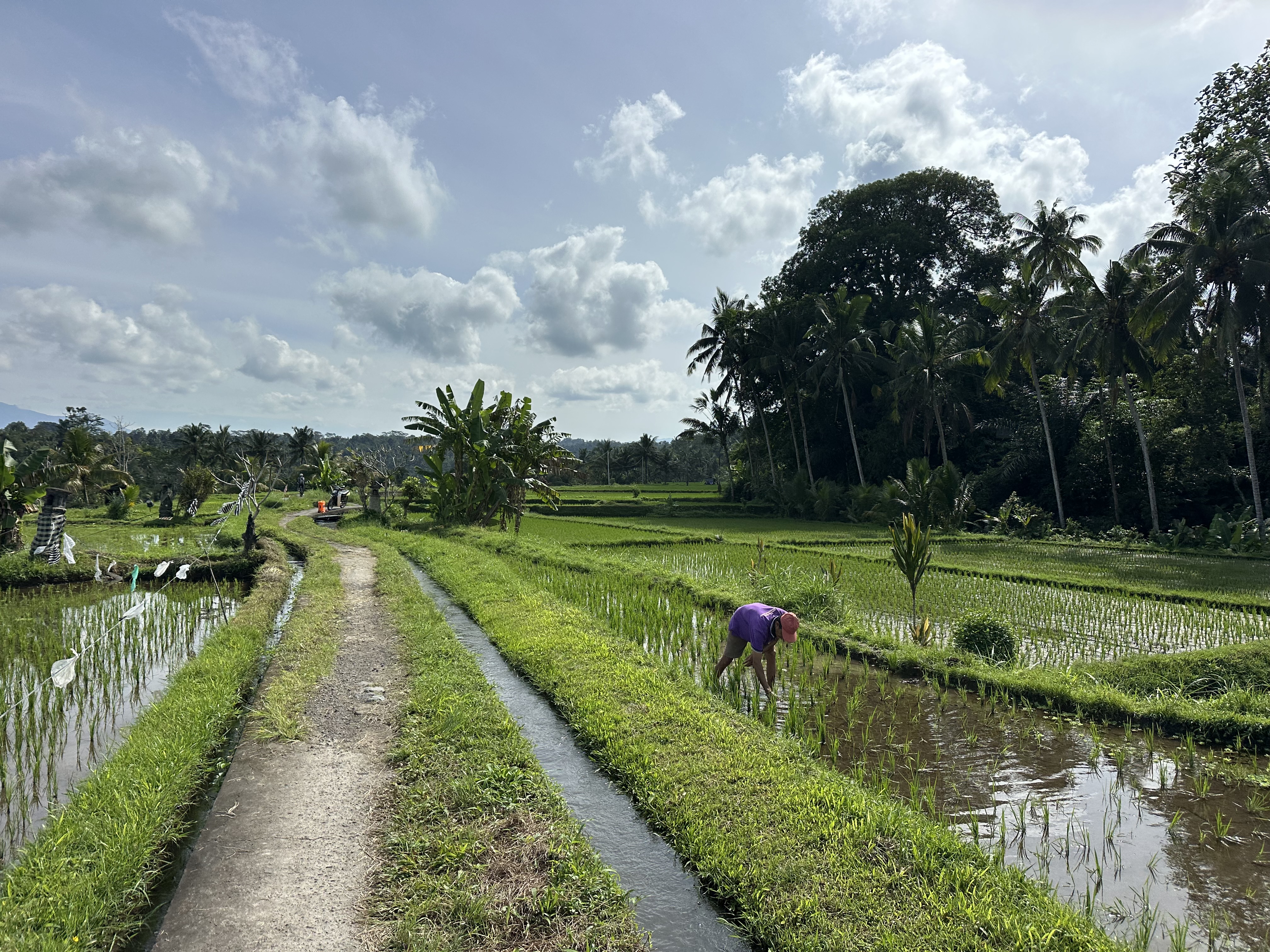
The scenery did not disappoint. After braving downtown Ubud traffic to get out of town, the narrow tracks through the rice farms were a great way to get around and some of the terrace views were fantastic. While cycling I did see some other cyclists on organised tours (travelling on eBikes and mountain bikes), but I definitely felt like the opportunity to travel in the fields as well as on the roads using a gravel bike was a better option if you are any more than a casual cyclist.
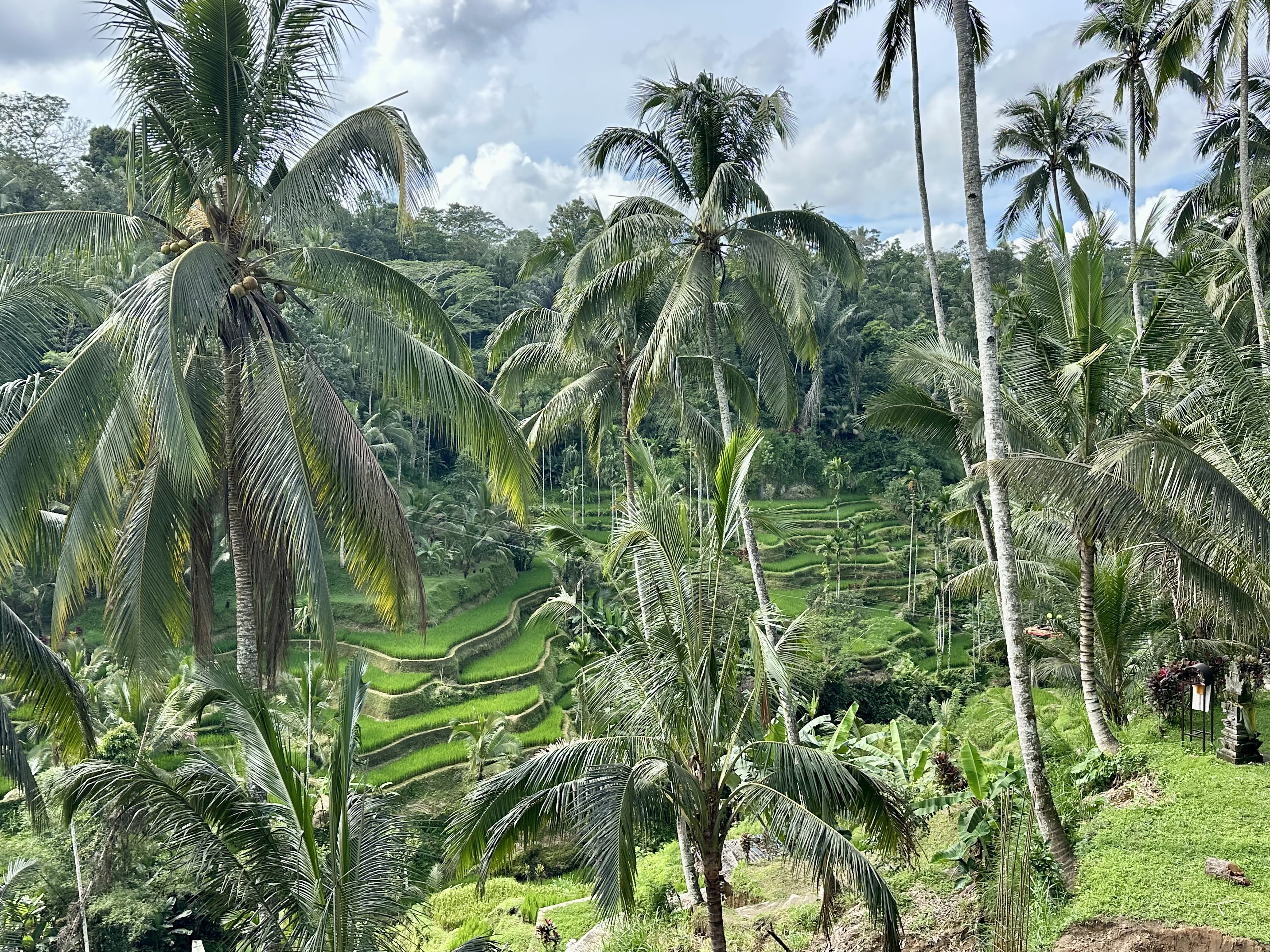
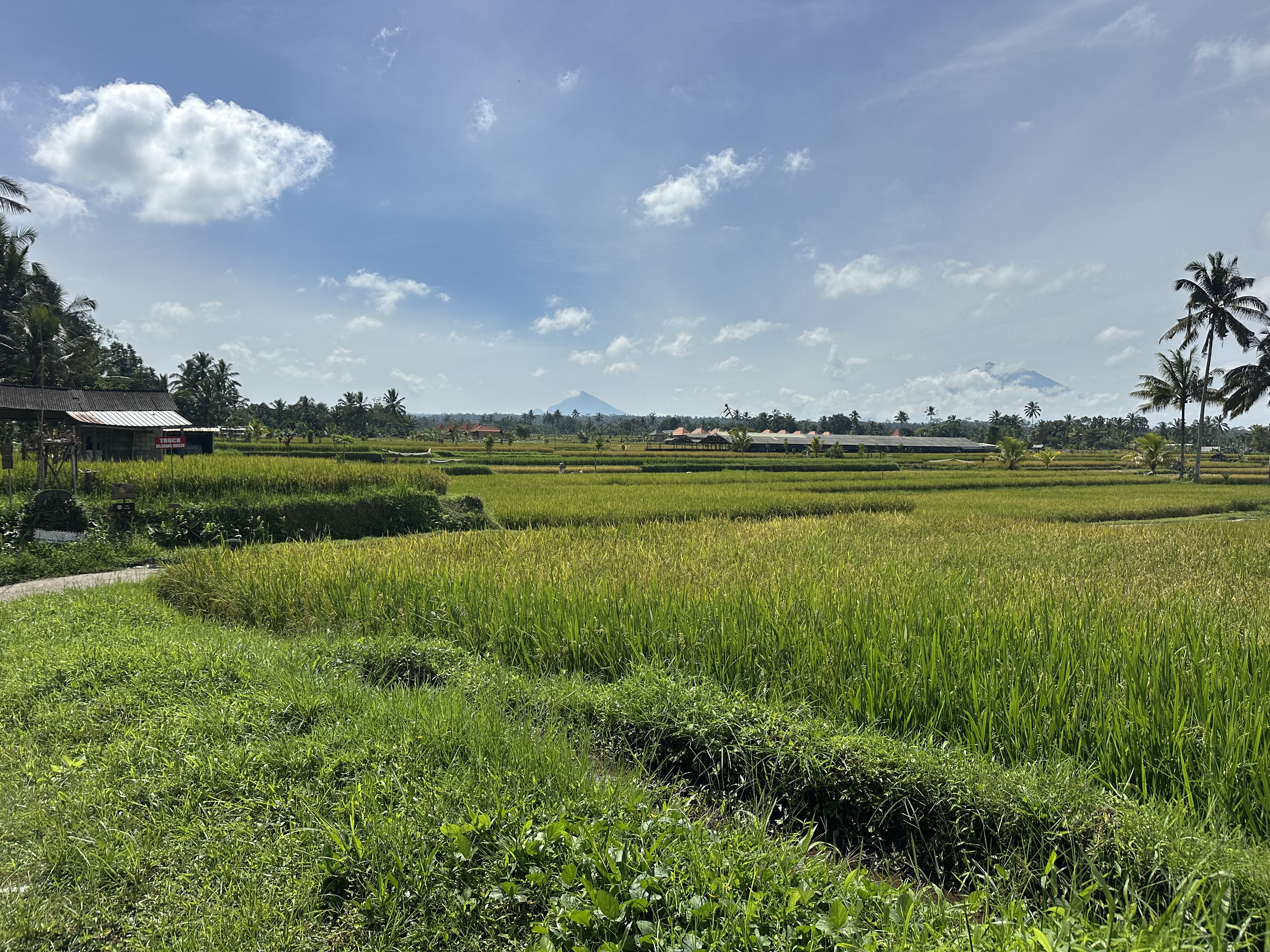
The backroads were fantastic. What you do quickly learn, however, is that there are a lot of roads up and down the mountains (e.g. north/south from Ubud), but where there are links between them there are short descents to creek or river valleys followed by steep climbs out. Some of these are super steep – you will be in need of low-range gearing (I took my Specialized Diverge on this trip, see more detail on gearing here). But the roads are not all the same – some travel alongside fields, others through forest, and sometimes a combination of the two.
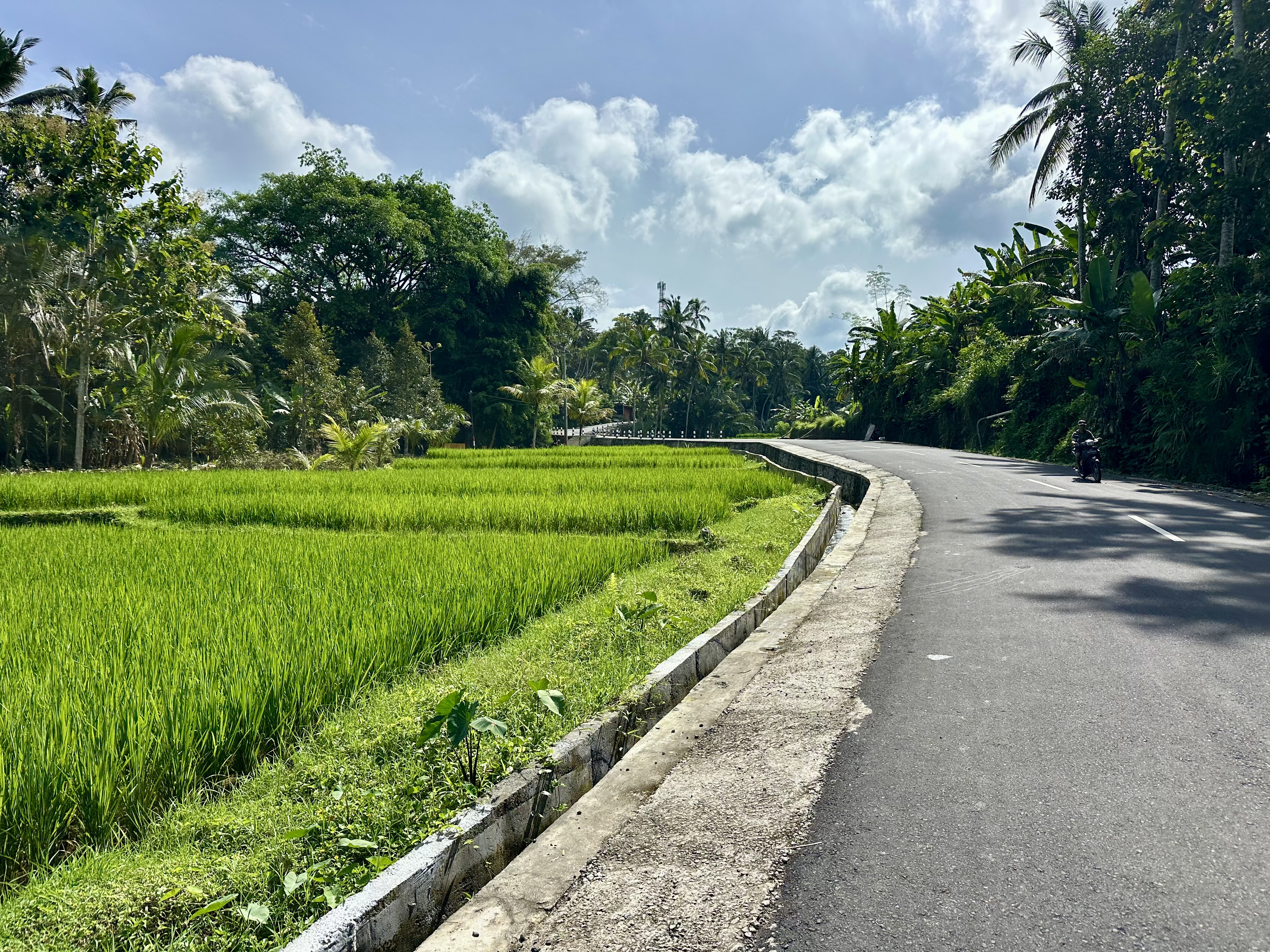


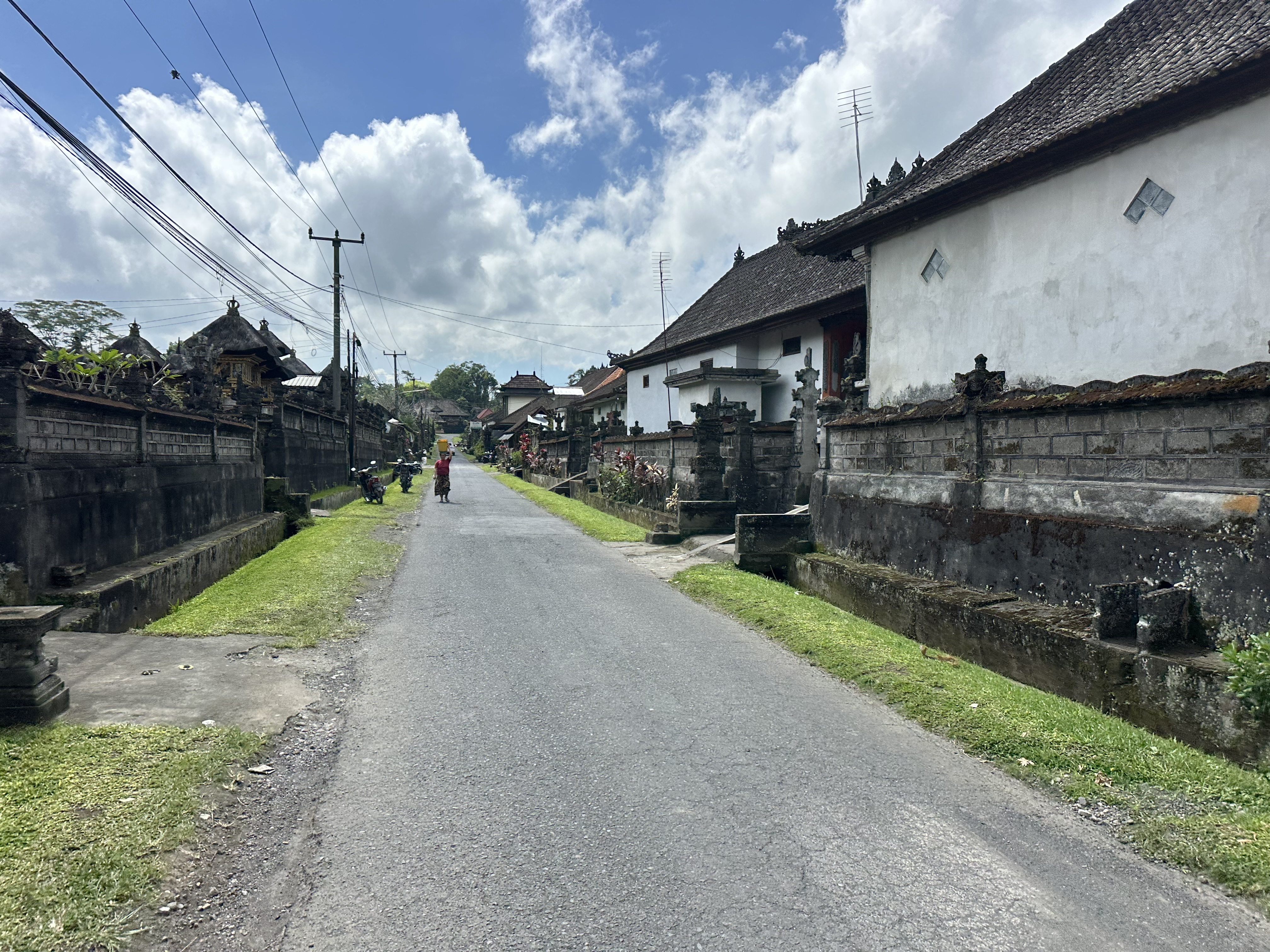
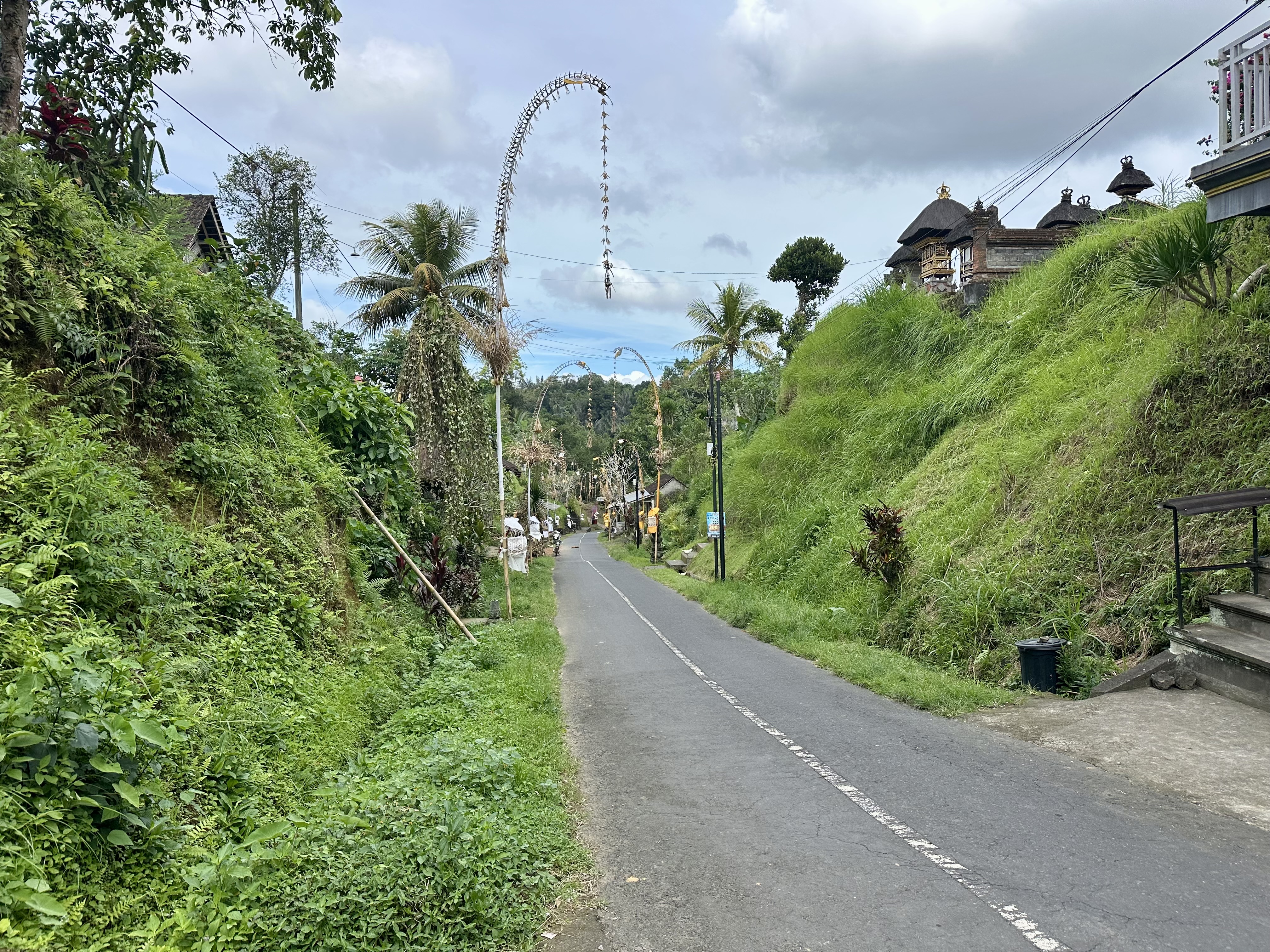
It also was interesting to get the first opportunity to travel through Balinese villages and to get a sense of what they were like – including the stores and roadside food options that were available. Over the course of the trip I got much better at knowing what to look for depending on need (e.g. food, drink) and what was a little unique (e.g. coffee). The most important thing to know is that you do not need to stress about hydration – there will be somewhere in every village you can grab extra water if needed.

Day 2: Ubud – Kintamani


Rather than taking the main road north out of Ubud, I started the trip with some back roads. This was a gentle way to start the climb up to Mount Batur, but also meant that the heavier traffic was missed as well. Once joining the main road at the town of Petang, the traffic was fine and the views epic.
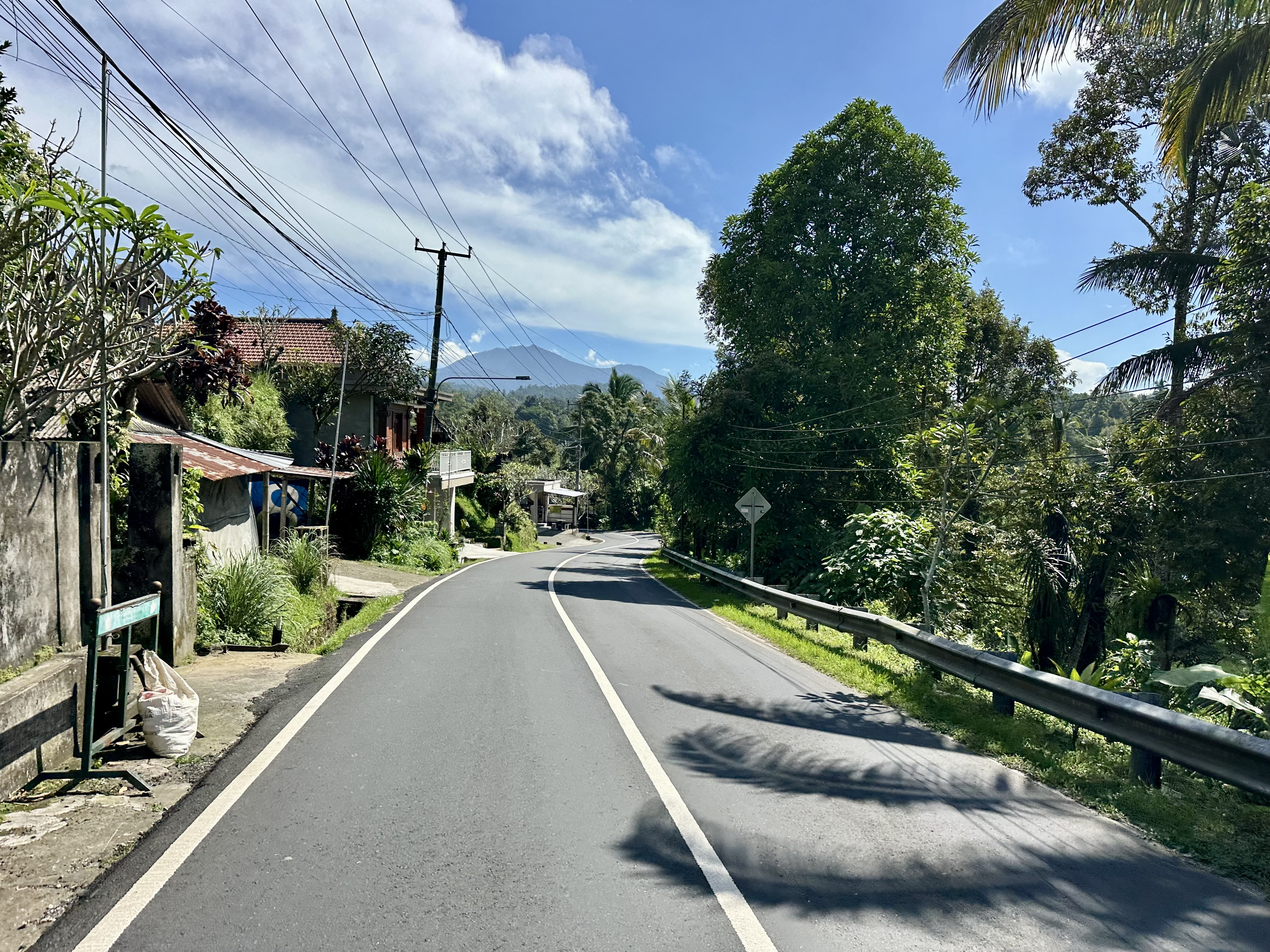


I quickly re-learnt a key consideration when cycling in hot and humid conditions: don’t push. Managing your body heat is just as important as hydration. It also just makes the climbs so much more enjoyable in places like this – take in the views!

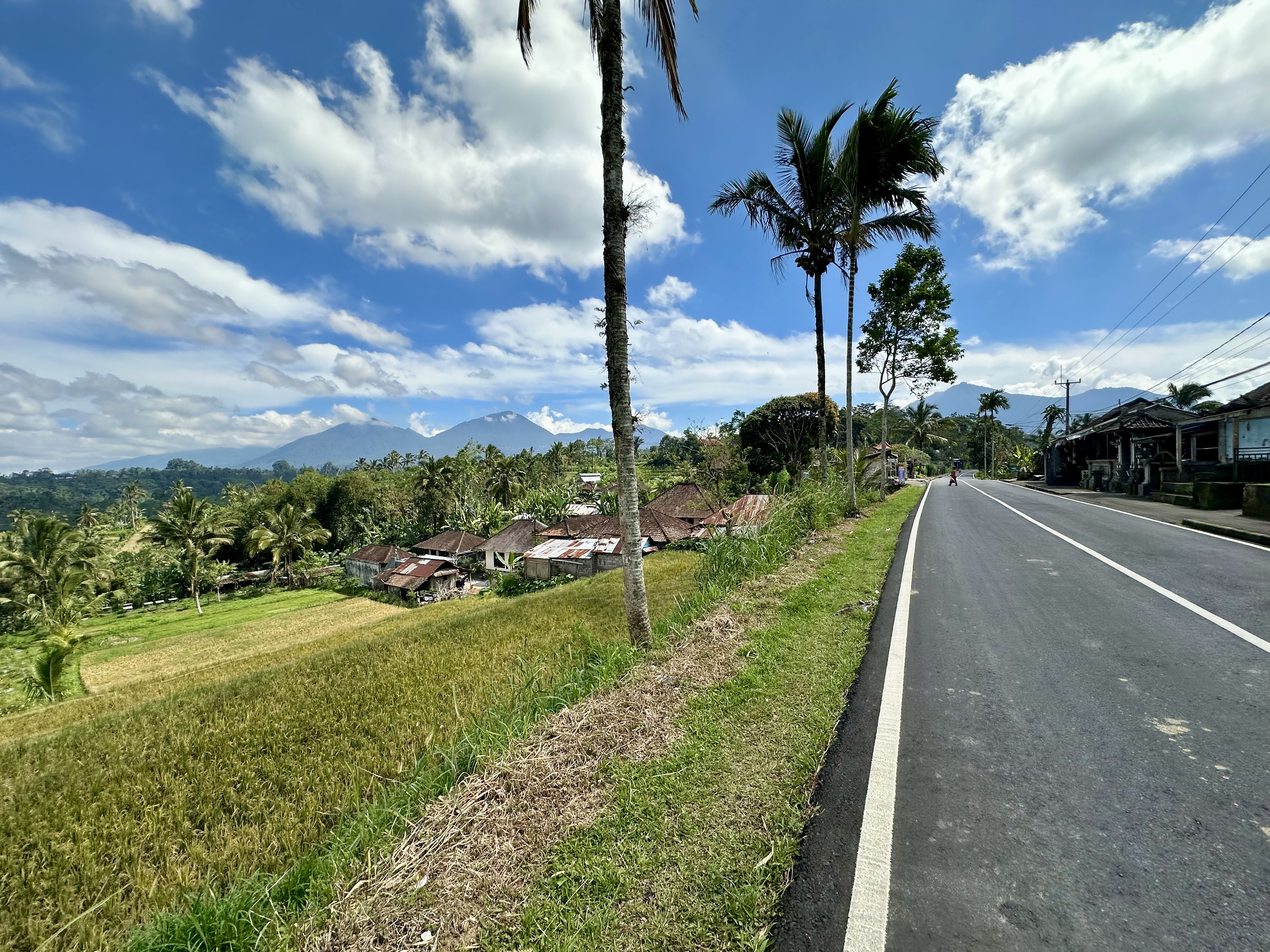

And the views are fantastic. Farms, paddies, irrigation and mountains. Also, once around 700-800m above sea level, things started to noticeably become cooler.
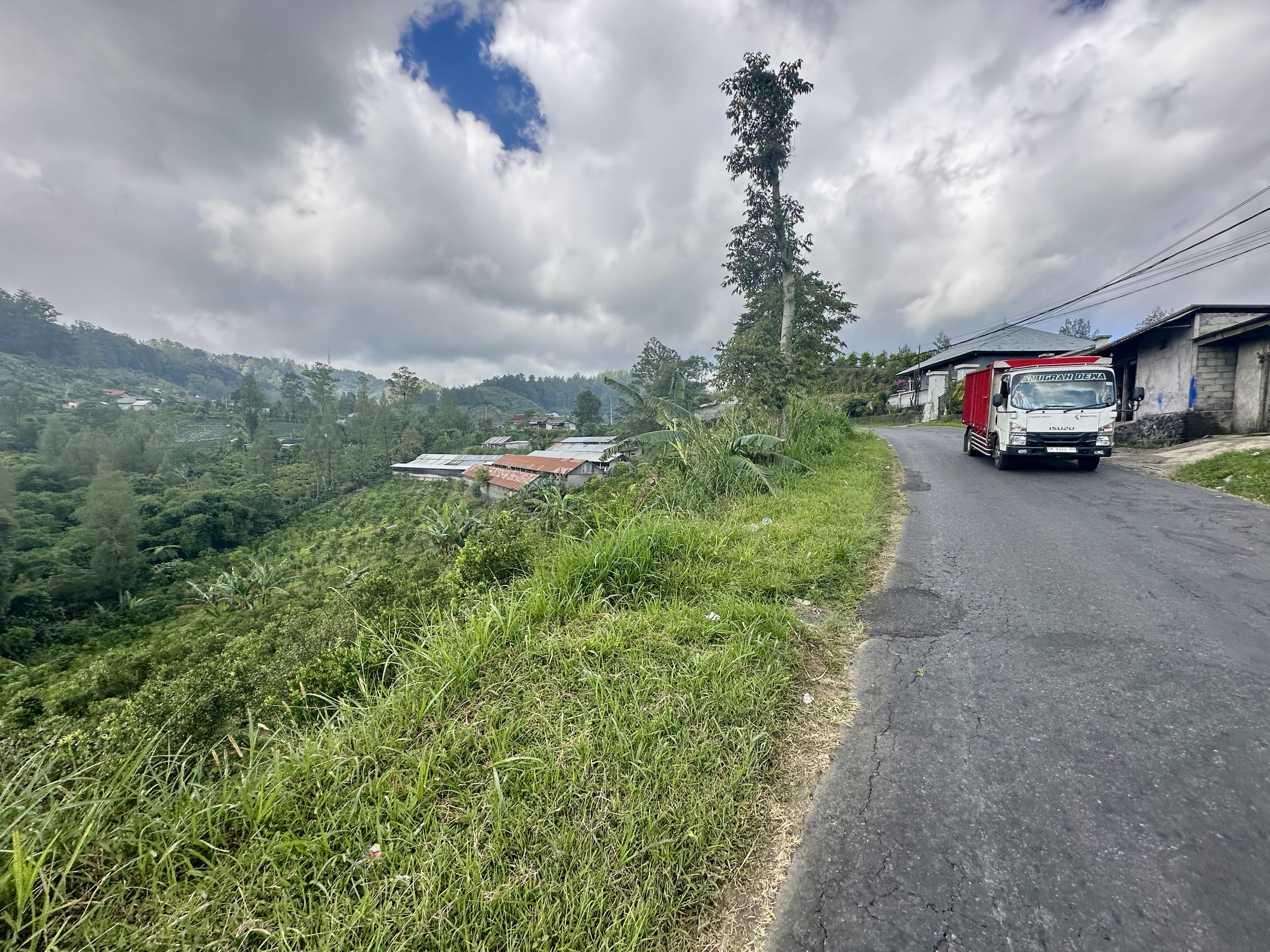


The road narrows and gets steeper in the final 5km climbing (after the town of Catur). A lot steeper, but not unmanagable. Regularly popping above 10% gradient, I got a number of callouts from passing scooters to applaud the effort and provide encouragement for getting to the top. Once there the traffic picks up as you head to Kintimani, but the final 6.5km are downhill!
Tips and recommendations

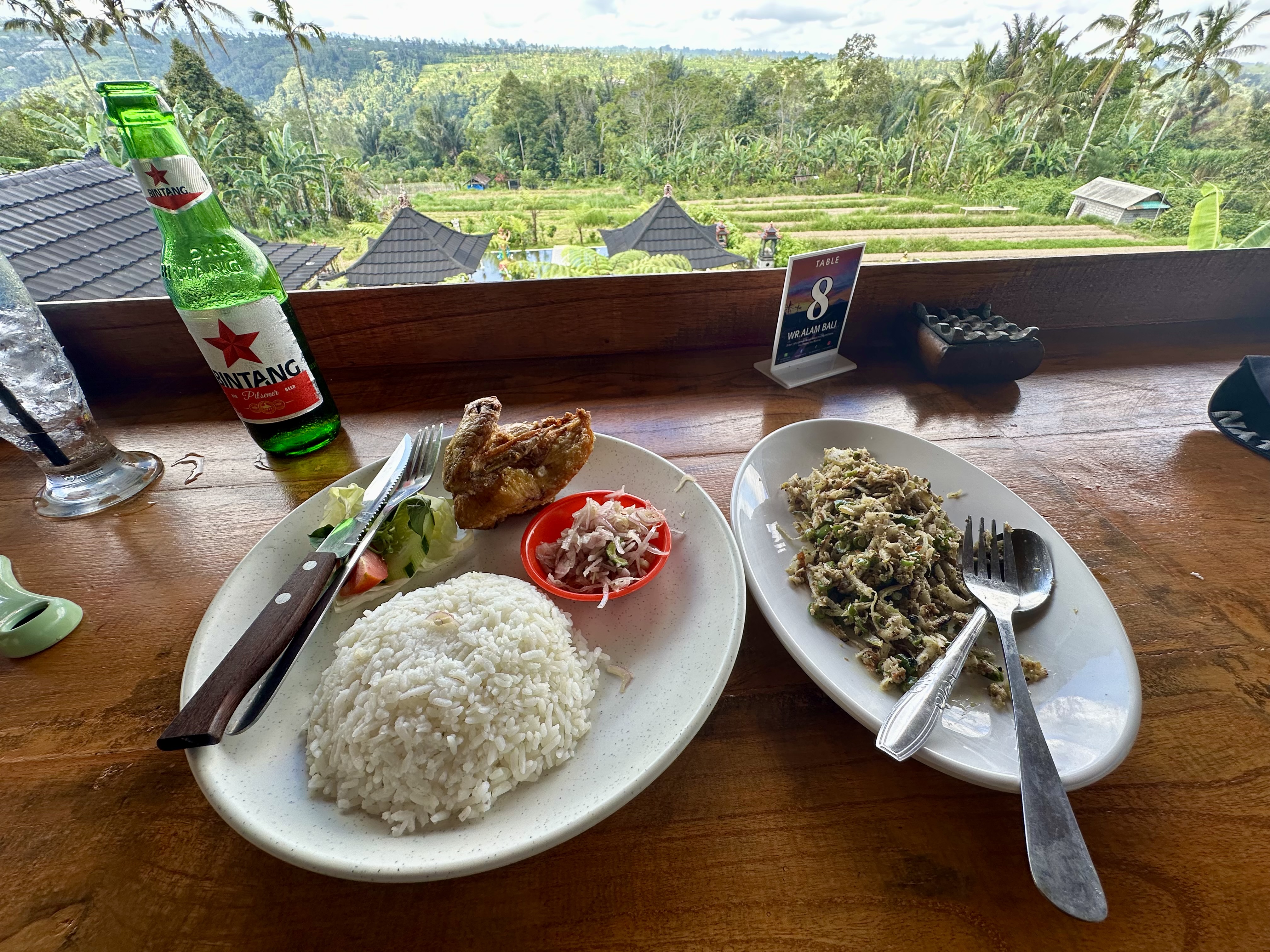
On passing Warung Alam Bali I smelled the food (delicious) and also saw what seemed excellent views. It was a great place to stop (marked as a highlight on the Komoot).

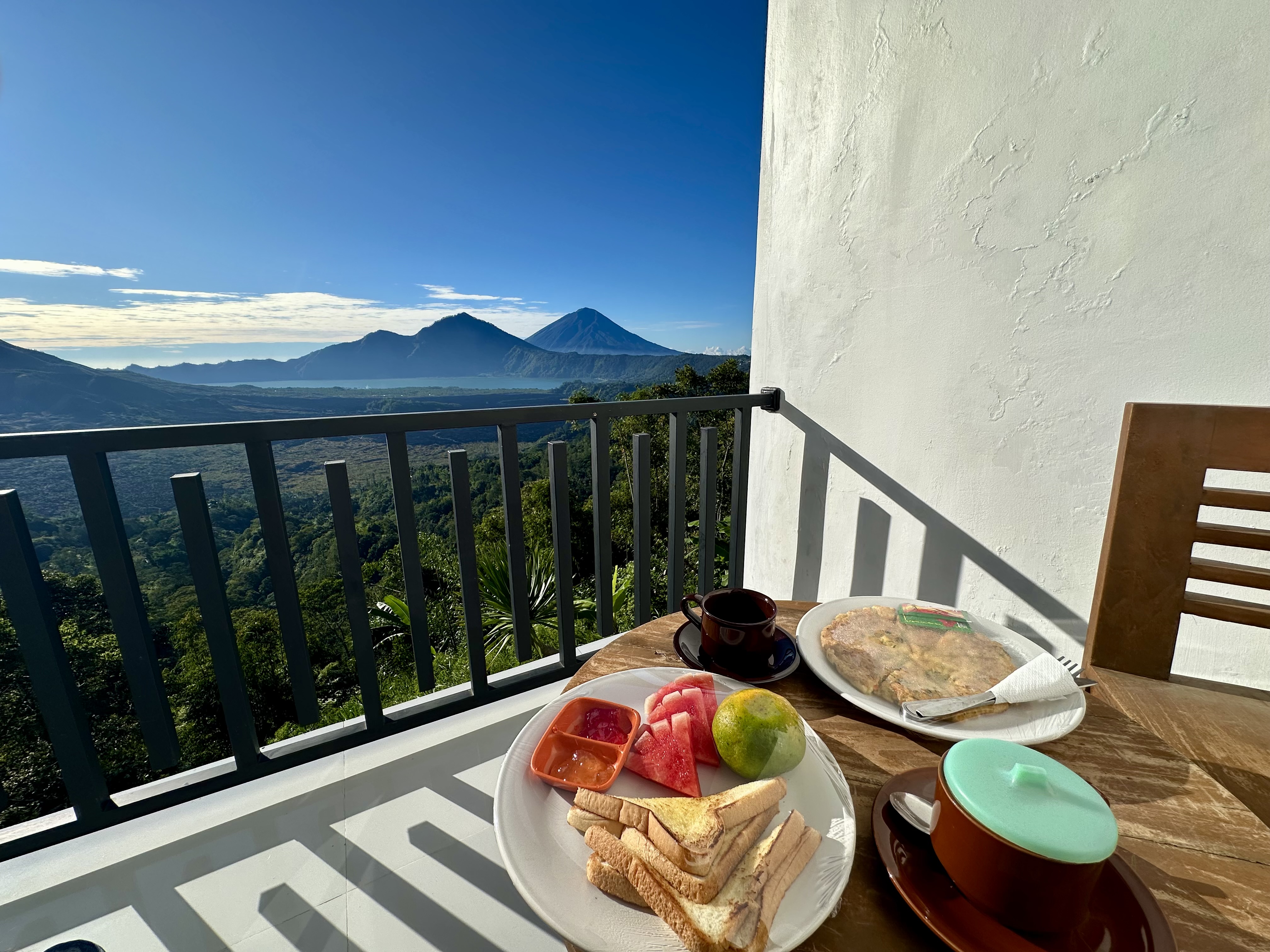
In Kintamani I stayed at Tegal Sari Cabin. I had a great night’s sleep, but the highlight was the location: the views speak for themselves. Just be aware you do need to carry you bike up and down quite a few stairs!
Day 3: Kintamani – Tirta Gangga


Without a doubt some of the most spectacular views of the trip are on offer when departing Kintimani, before the descent back down towards the coast. You could spend all day looking at it, and when combined with breakfast I did spend a bunch.
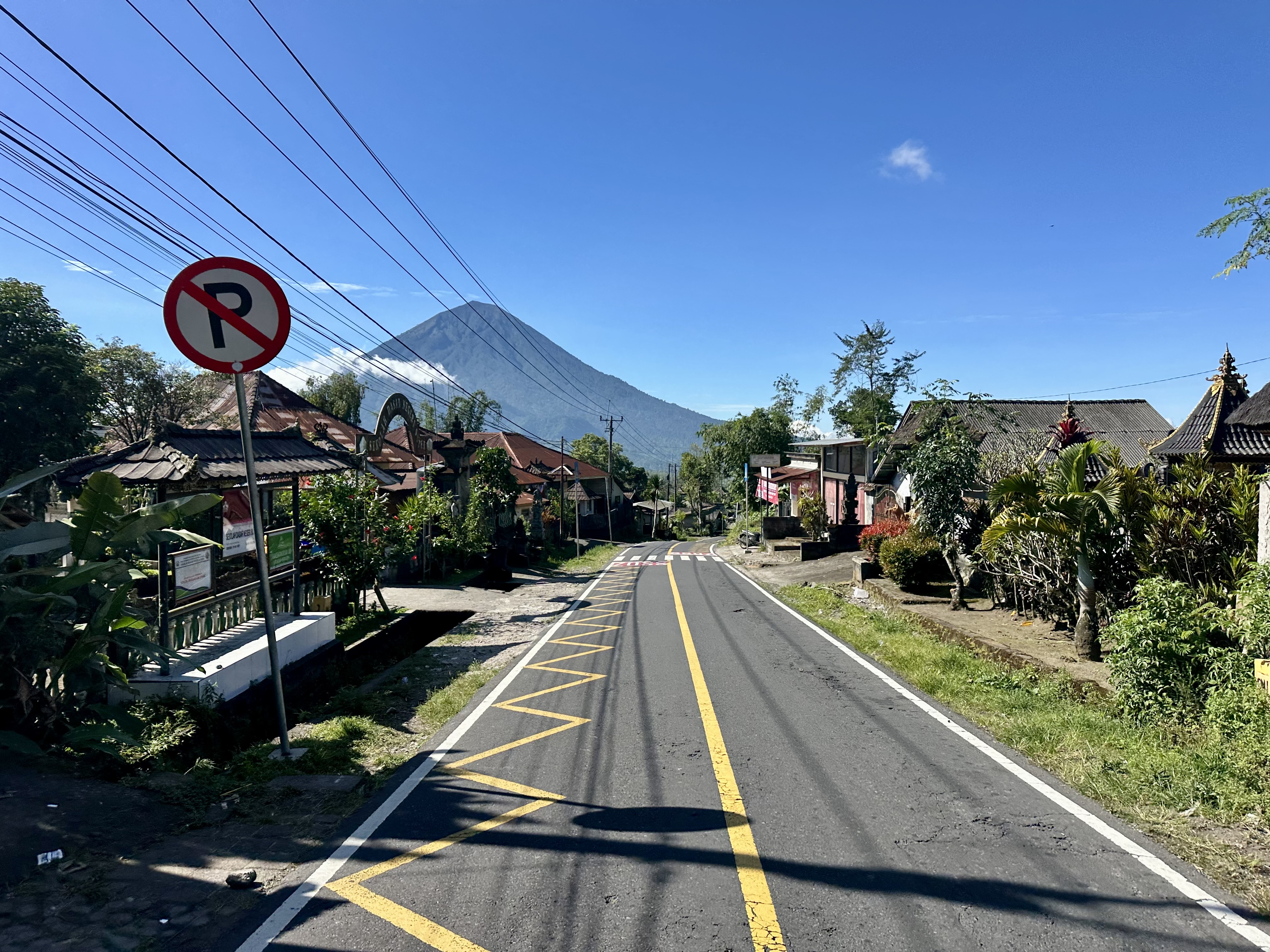

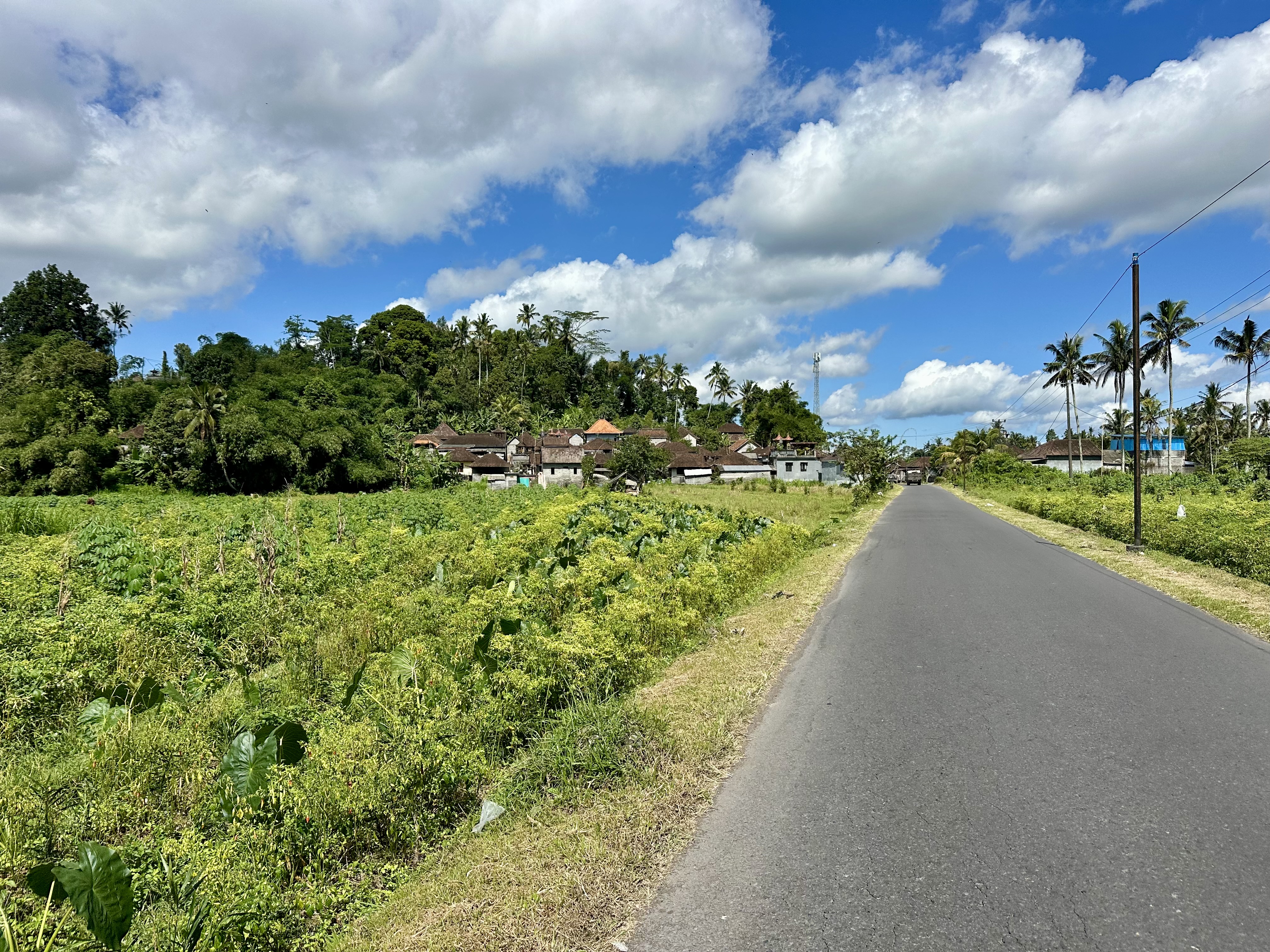
The descent is quick and on a good surface. It is worth going at a sedate pace so you can take in some of the views, and also check out some of the villages and farming activities.
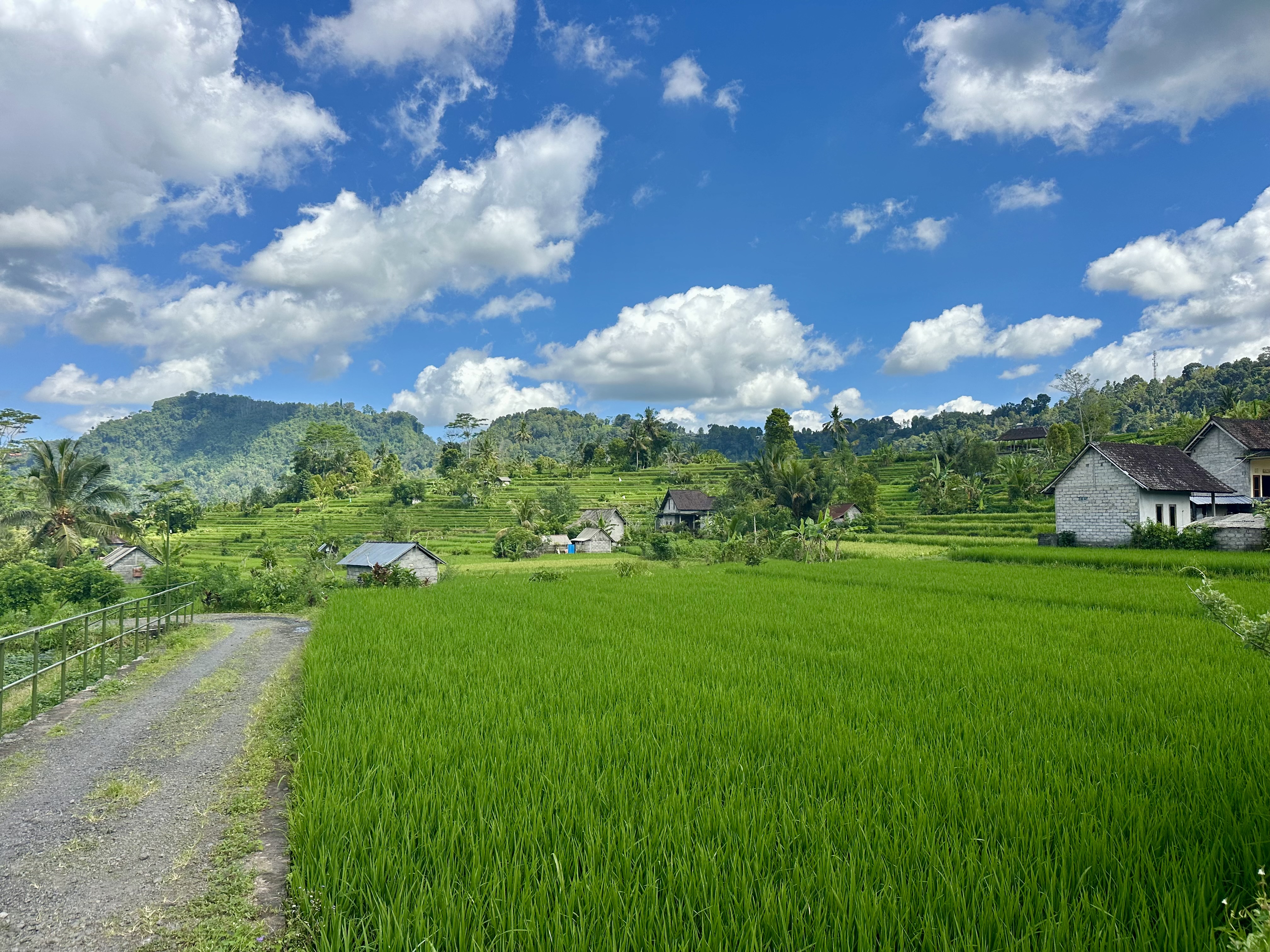
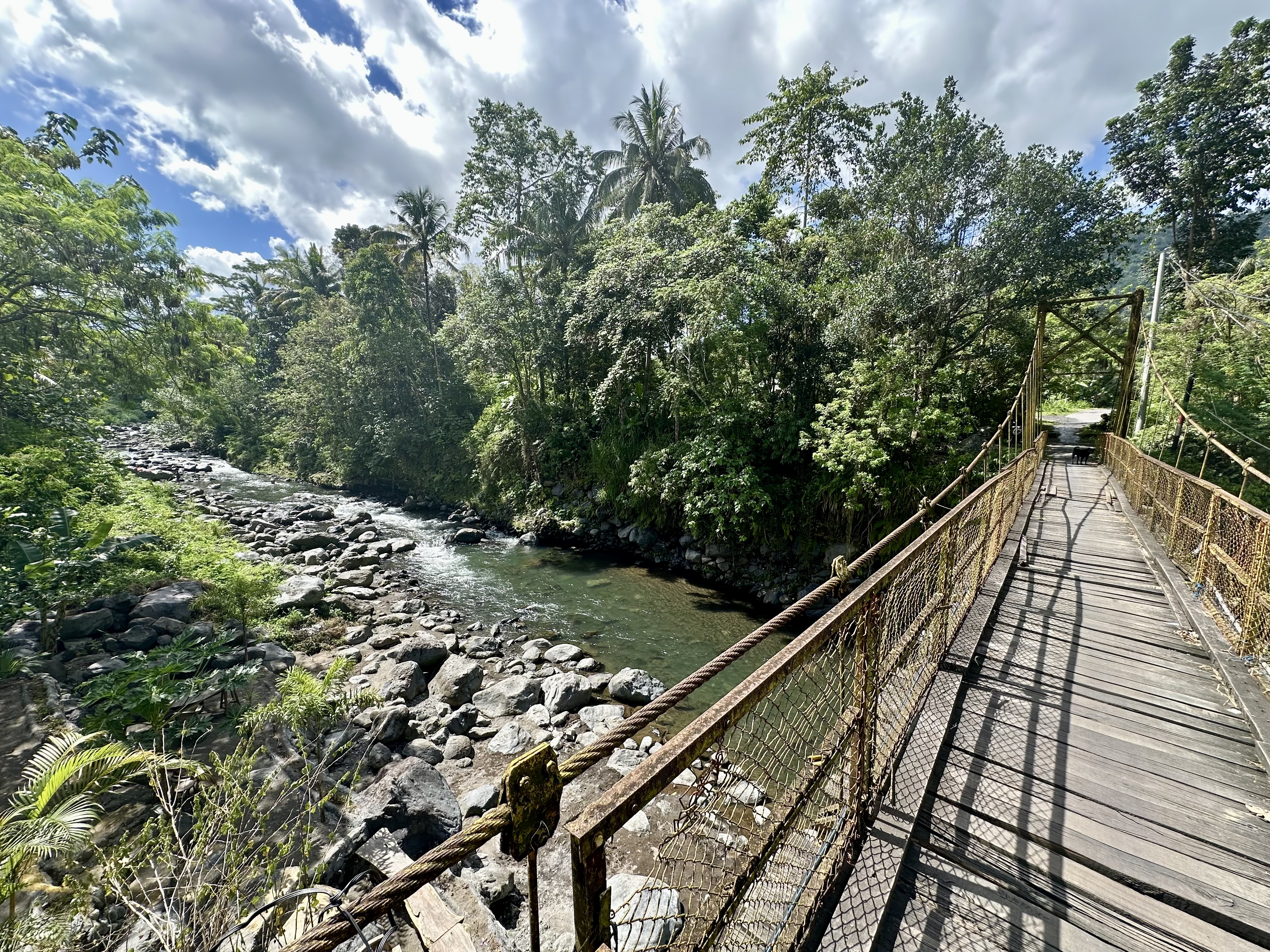

The rice paddies around Sideman and Sibetan are pretty – particularly when seen when cycling via some of the backroads. They don’t match up to the spectacular Jatiluwih, but there are many fewer tourists. I particularly enjoyed stopping at road-side warungs to sit back and check out the the views of each.


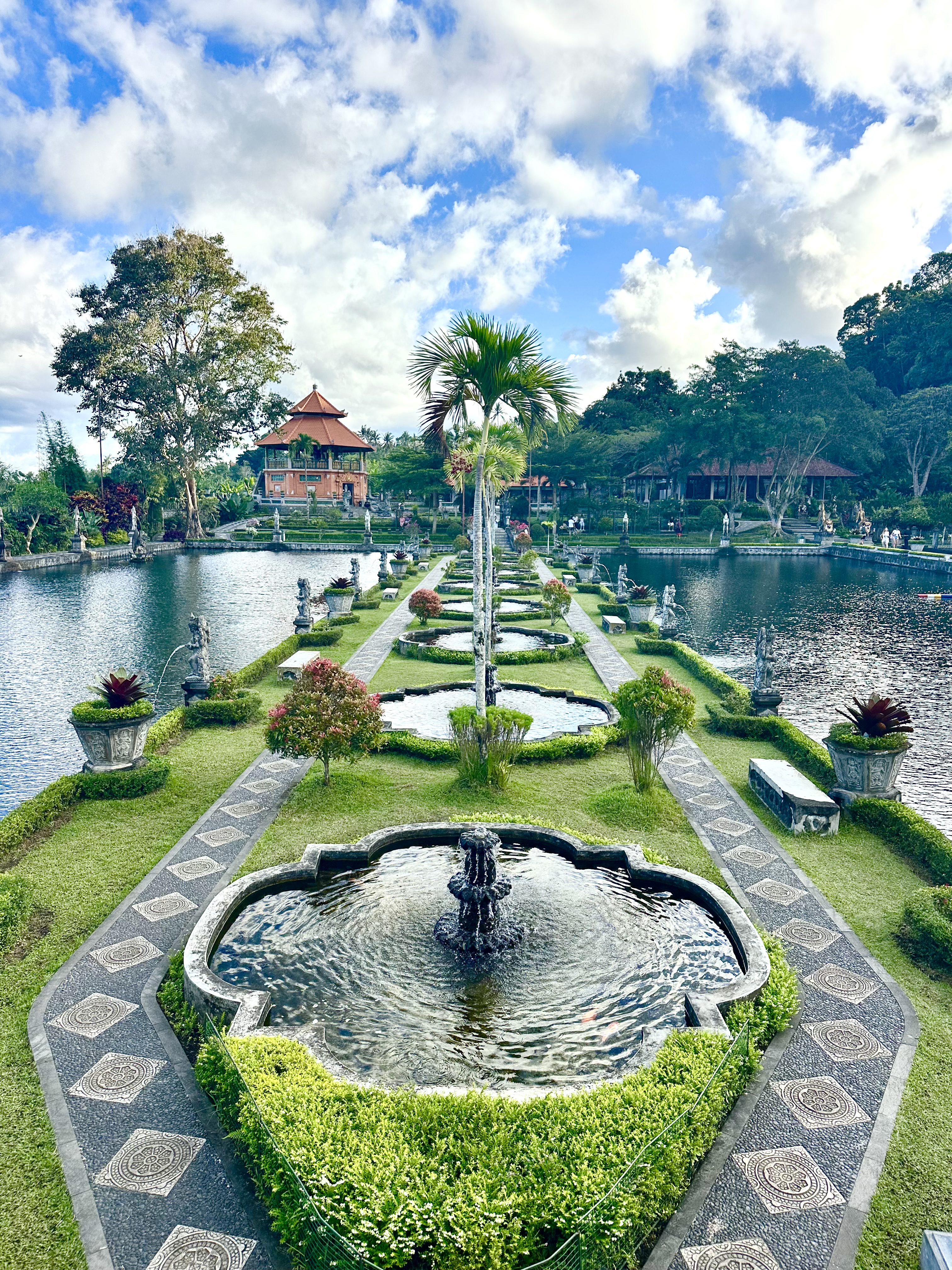
I ended the day staying on the hill behind Tirta Gangga, meaning that I was able to head down to the royal palace as the tourist crowds start to die down. I highly recommend this as later in the day it was possible to find some places that weren’t full of folk.



Tips and recommendations
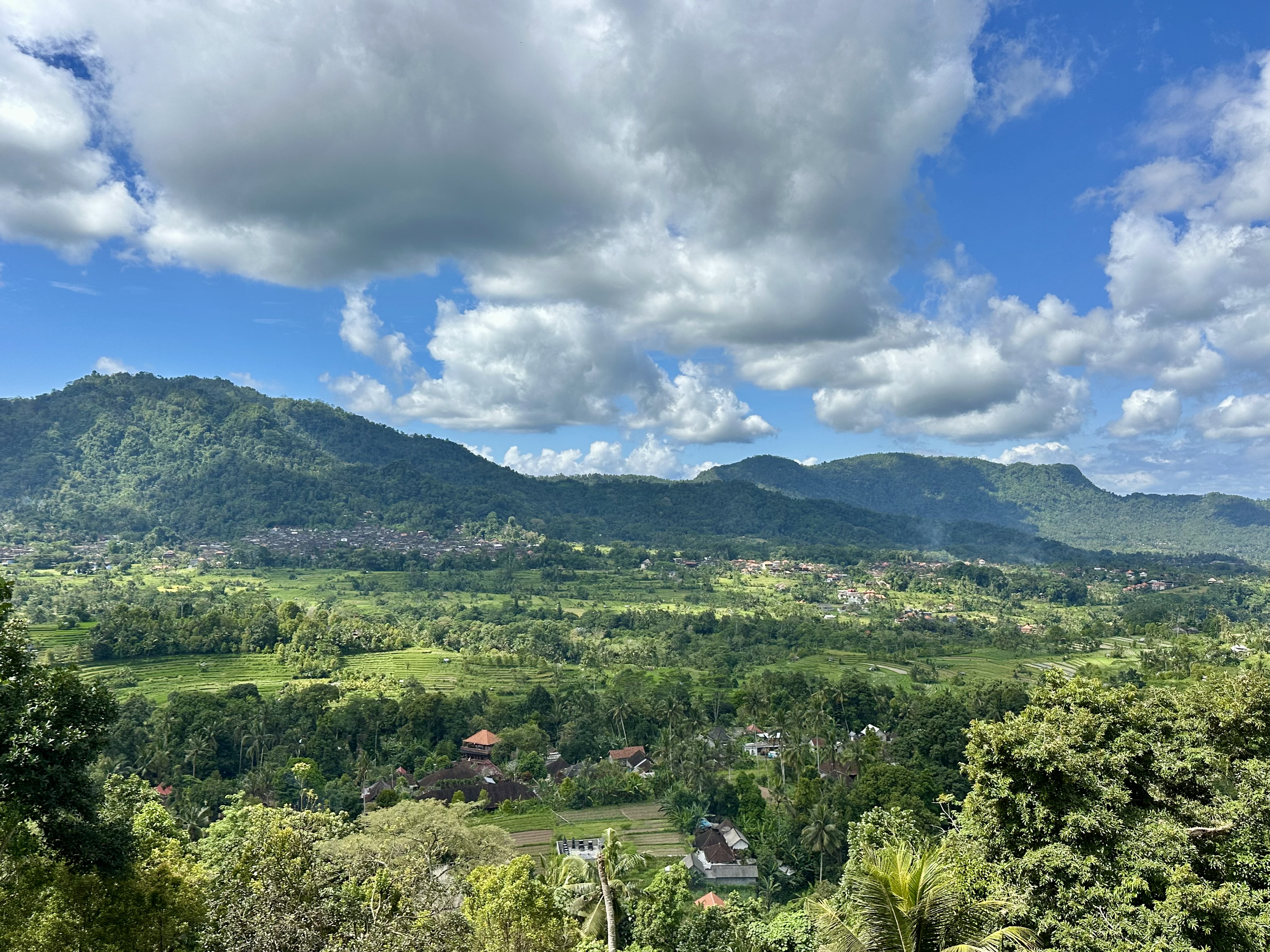
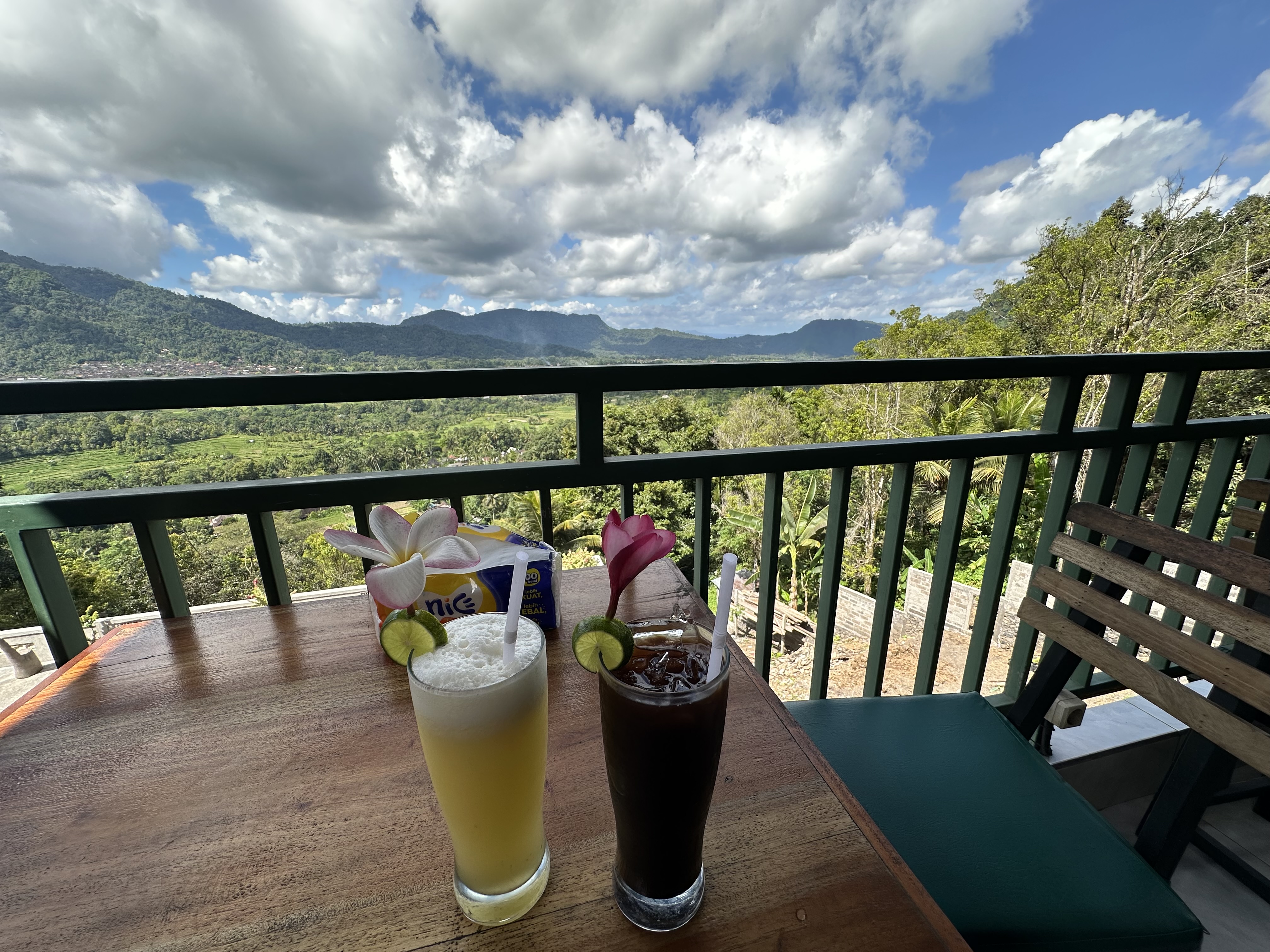
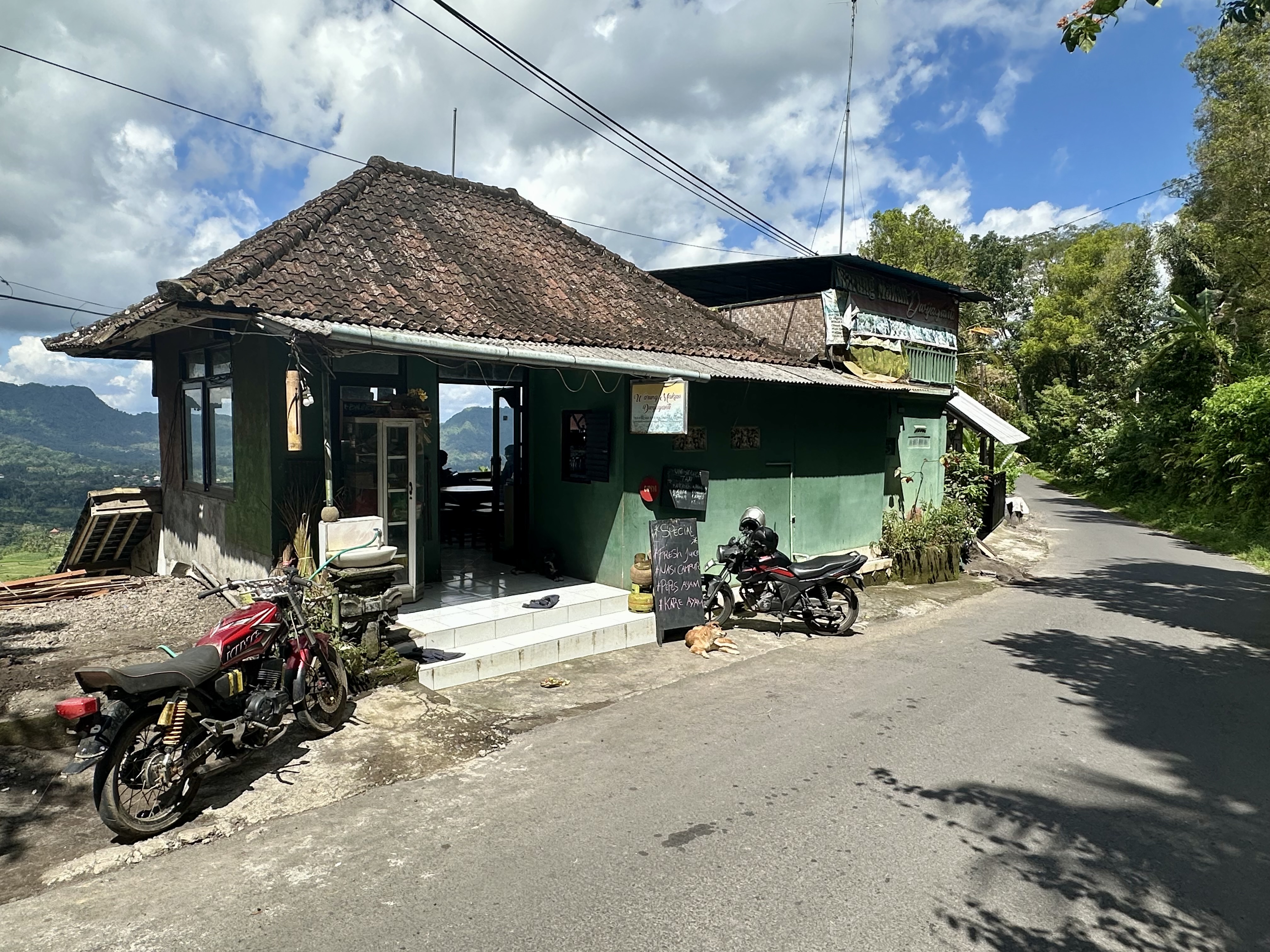
On the roadside above Sideman with spectacular views over the valley, Warung Makan Dwijayanti is a great place to stop. I can’t attest to the food, but it is fine for a cool drink and just checking out that view. After wandering Tirta Gangga, immediately across the road is Warung Rijasa – very much a non-touristy option for dinner serving a fantastic curry.
Day 4: Tirta Gangga – Amed
The most direct route to Amed is via the main road north to Culik. Instead of taking that route, CyclingGravel headed down through Amlapura (a busy town where you need to be aware of traffic) to ride around the coast road.
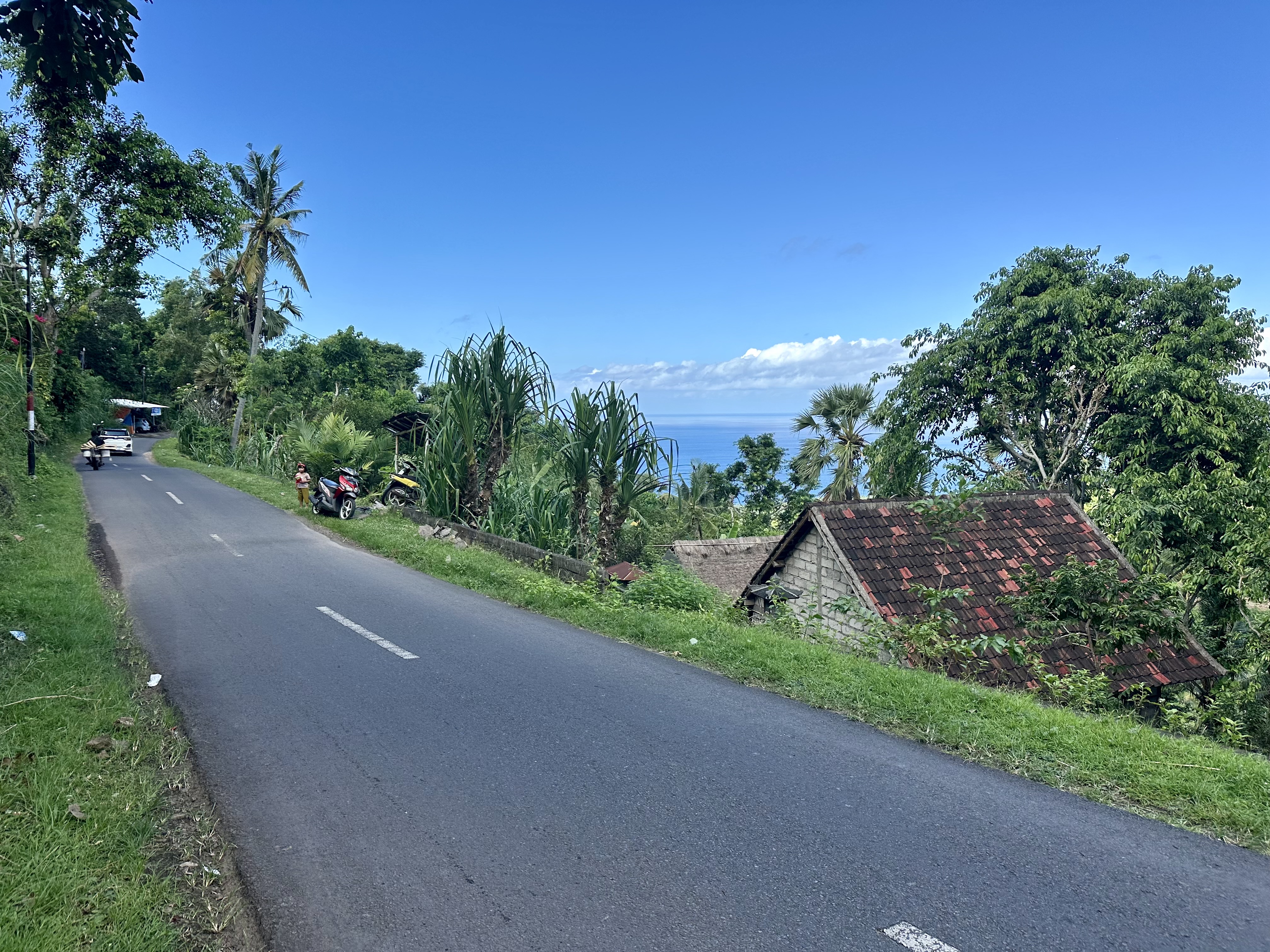

The coast road is definitely not a main road route – with much less traffic, road conditions that aligned with more of a back-road status, and also some quite steep punches up and over headlands before heading back down towards the beach. At times sea views were from heights, others as you rounded points with views down to the beach. Not easy work, but recommended.

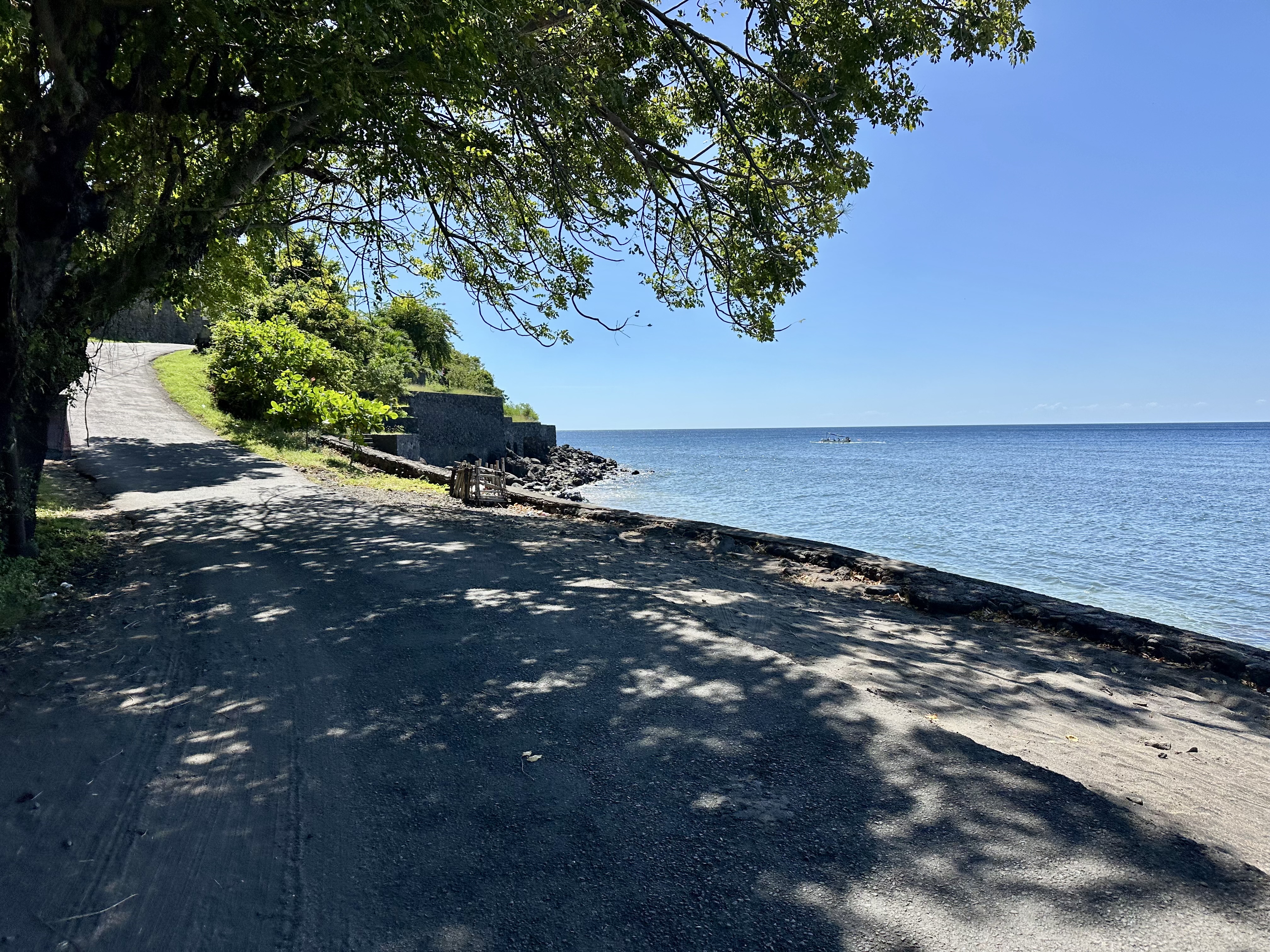
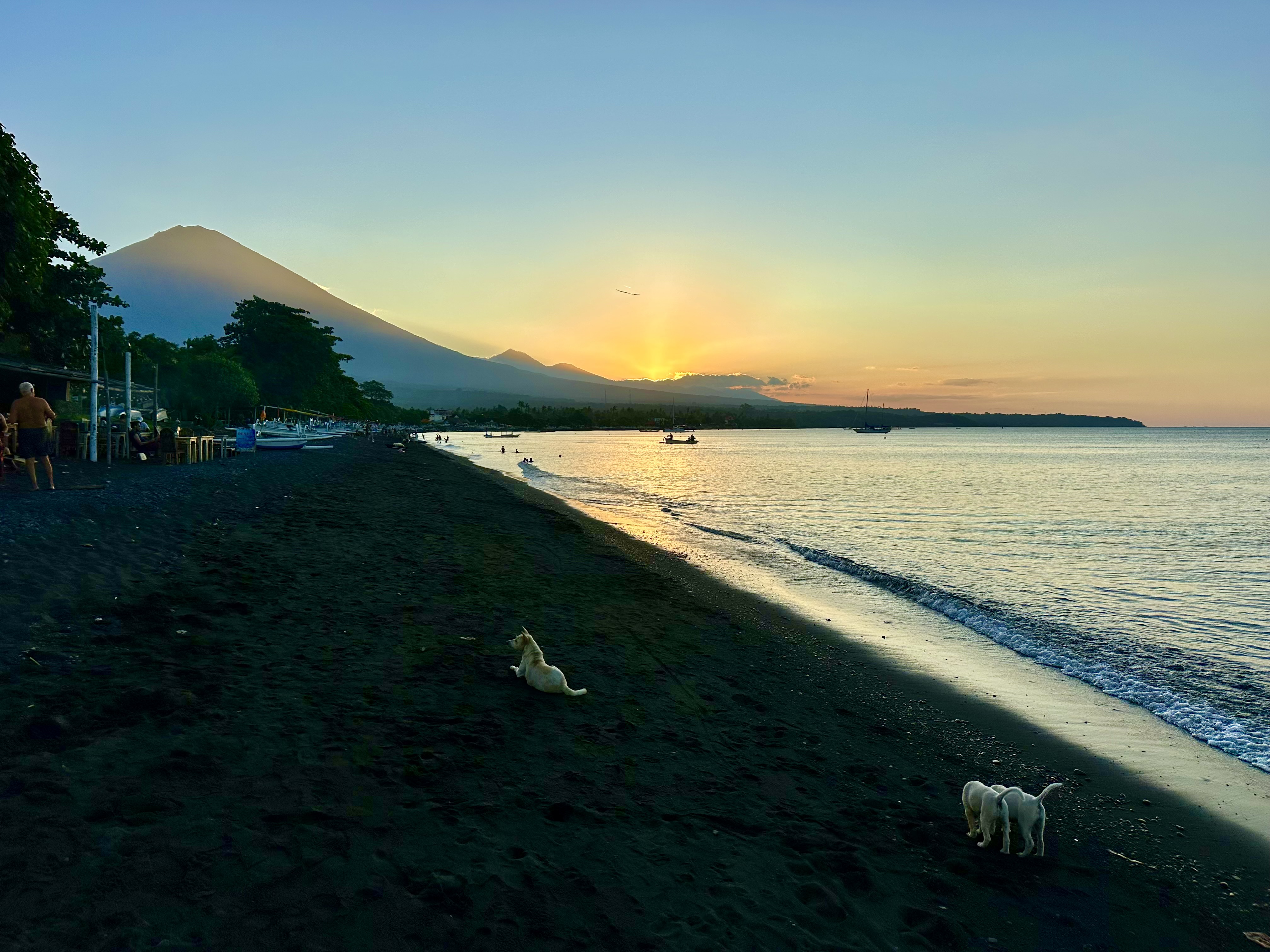
Amed was one of the busiest areas of the whole trip, and did suffer from the need to work your way around touts and beach vendors. The views from the beach, particularly at sunrise and sunset, however, were really nice. There also are some very pleasant on-beach restaurants for spending the evening whilst the sun disappears.


Tips and recommendations
Close to Amed, the well painted Ibus Seaview Warung is well worth a stop. With lovely sea views (and associated sea breeze) it has great seafood options on the menu: recommended for a stop before you get to the busy-ness of Amed itself.


Day 5: Amed – Lovina
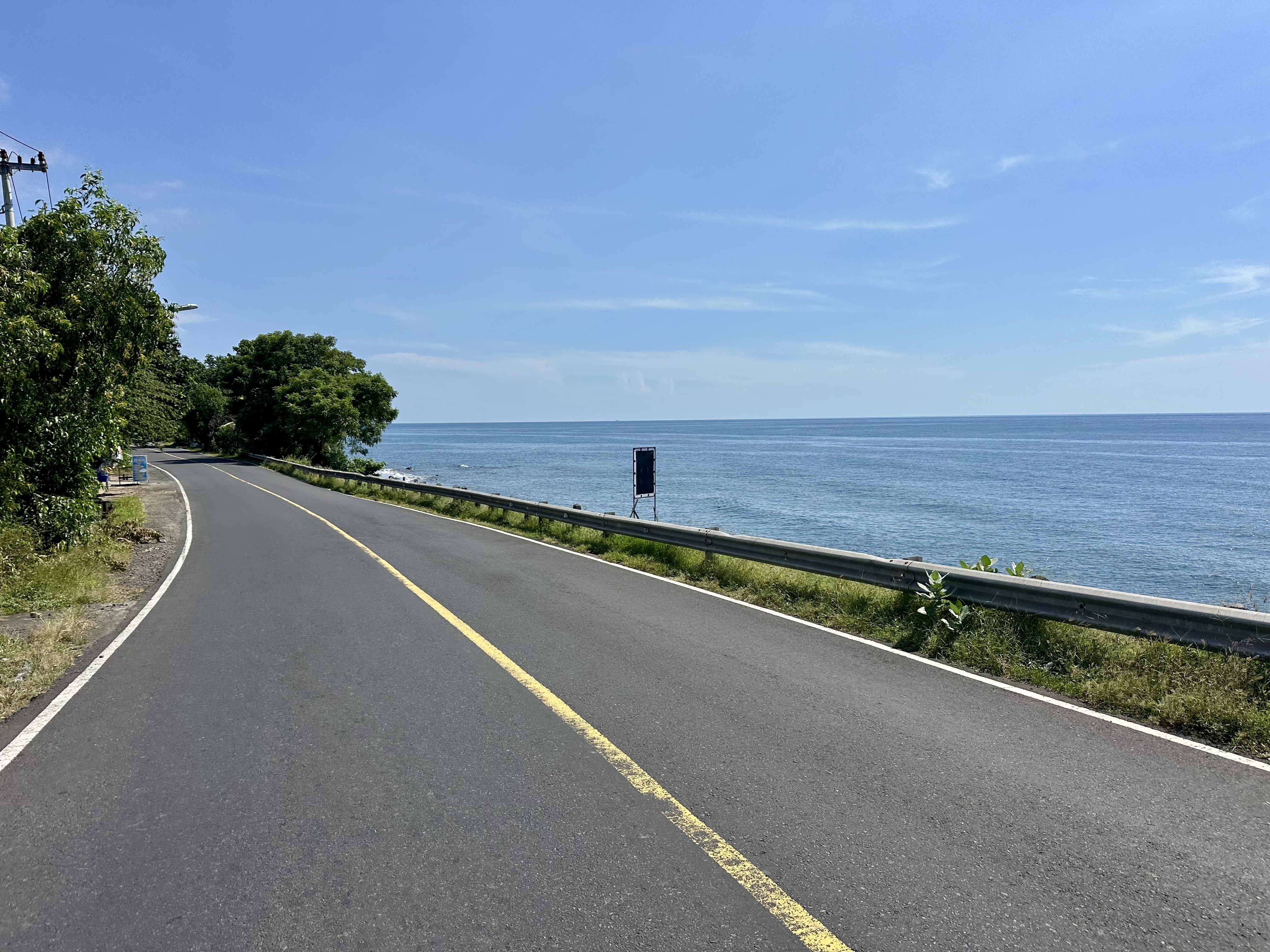
This day was my least favourite of the trip. I knew in advance that if my aspiration was to see most of the island then some days would involve main road cycling – particularly on the coastal routes. This was one of those days, and it just coincidentally happened to be the hottest day of the trip. Disappointingly despite being near the coastline there were few sea views on offer. Nor, with limited exceptions, options to avoid the main road.


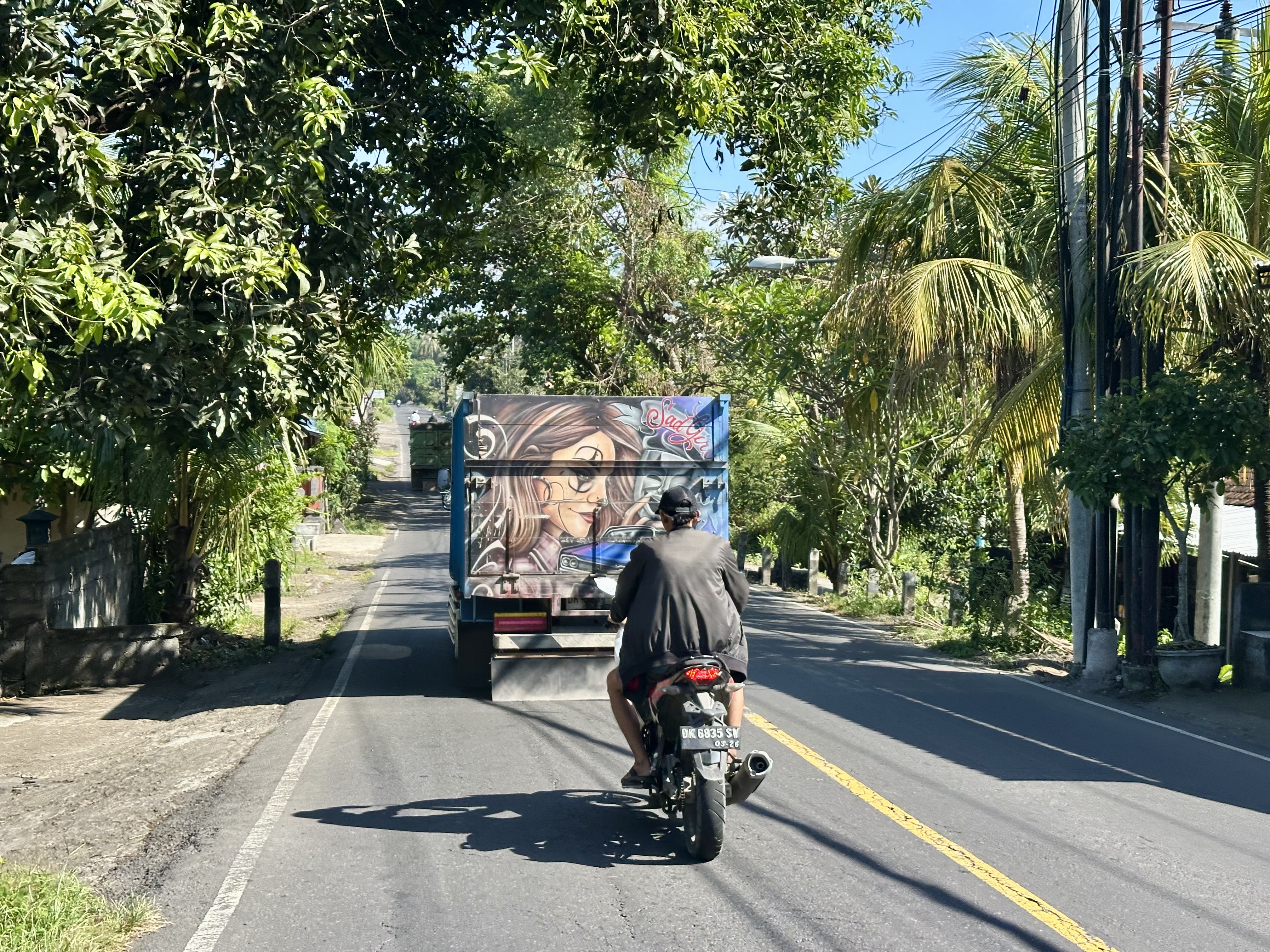
Singaraja is the second biggest city in Bali, and has the expected associated traffic. I took the opportunity to choose a local bakery – I found a few of these around the island and they offer a change from warung meals.

Tips and recommendations
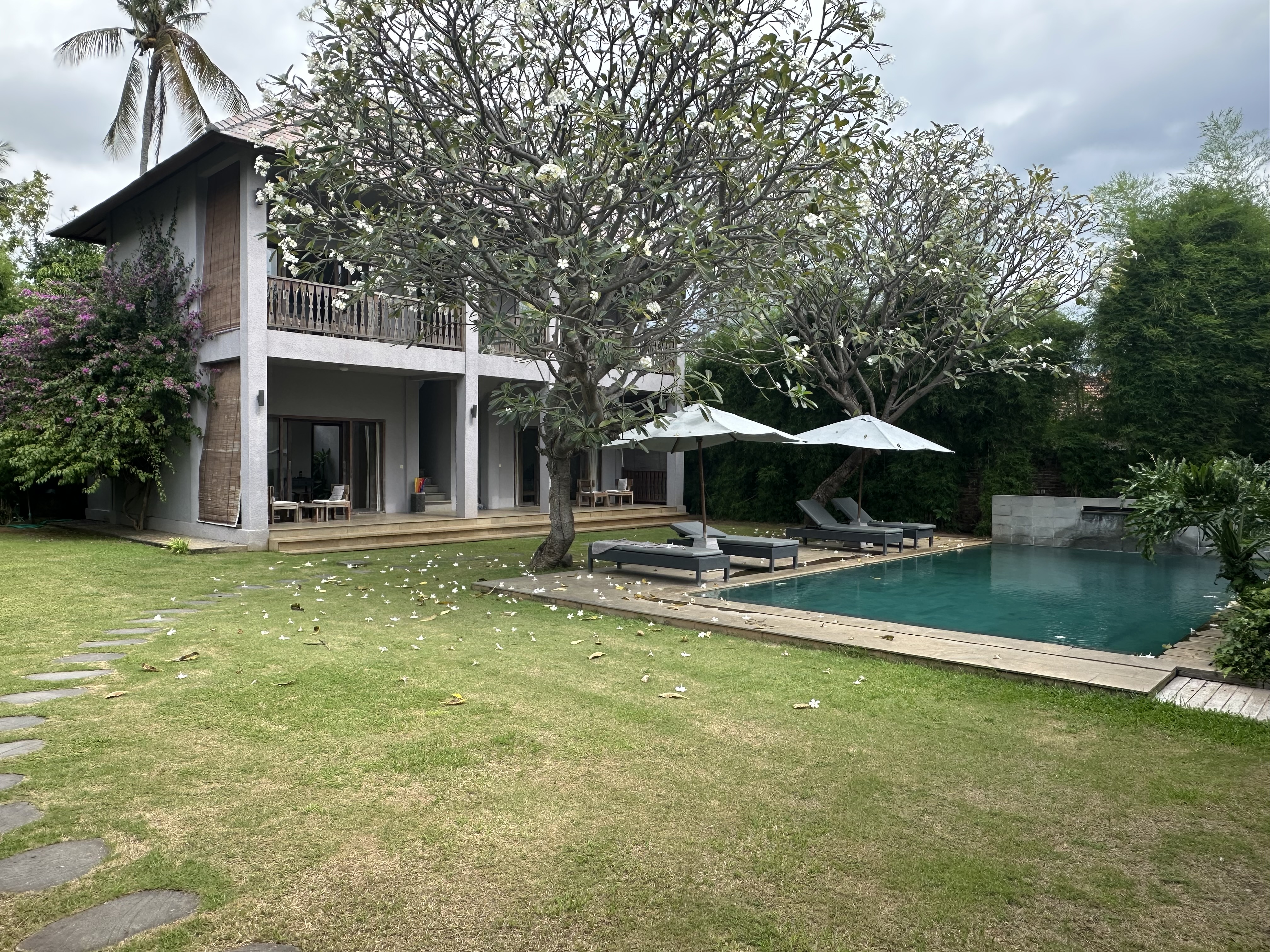


After a bit of a dull day in the saddle, the accommodation at the end of the day was definitely a mood lifter. Offering great ‘bang for the buck’ the oasis of J’Blu Hotel was lovely. Just off one of the main backstreets in Lovina, this four-room hotel was modern, clean and peaceful. And the pool was welcome after a long hot ride. I can also recommend a random find: beside the hotel driveway was a new crêperie (it doesn’t appear on google maps yet) run by a French expat. It certainly offered something different from Balinese food!
Day 6: Lovina – Munduk

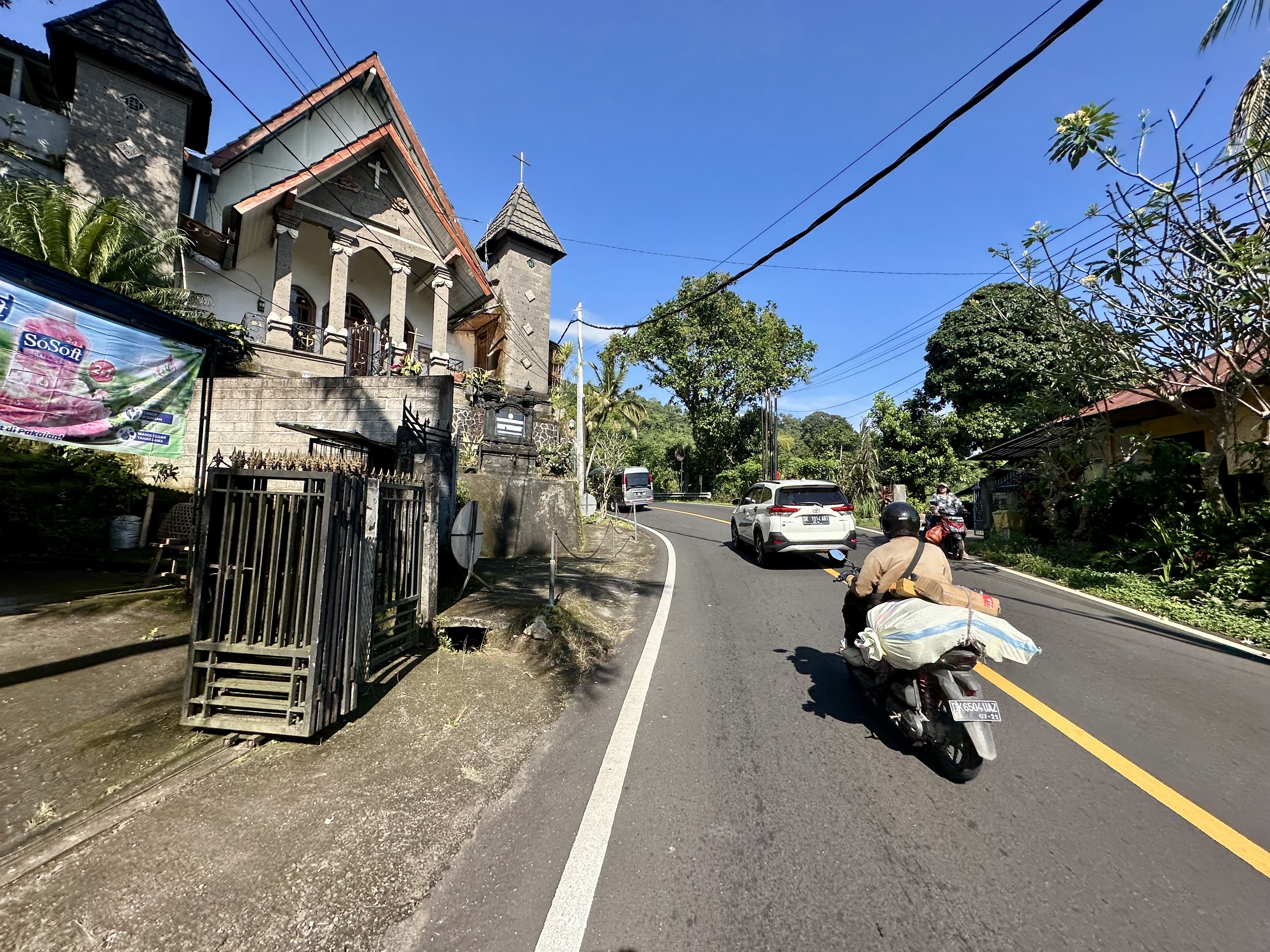
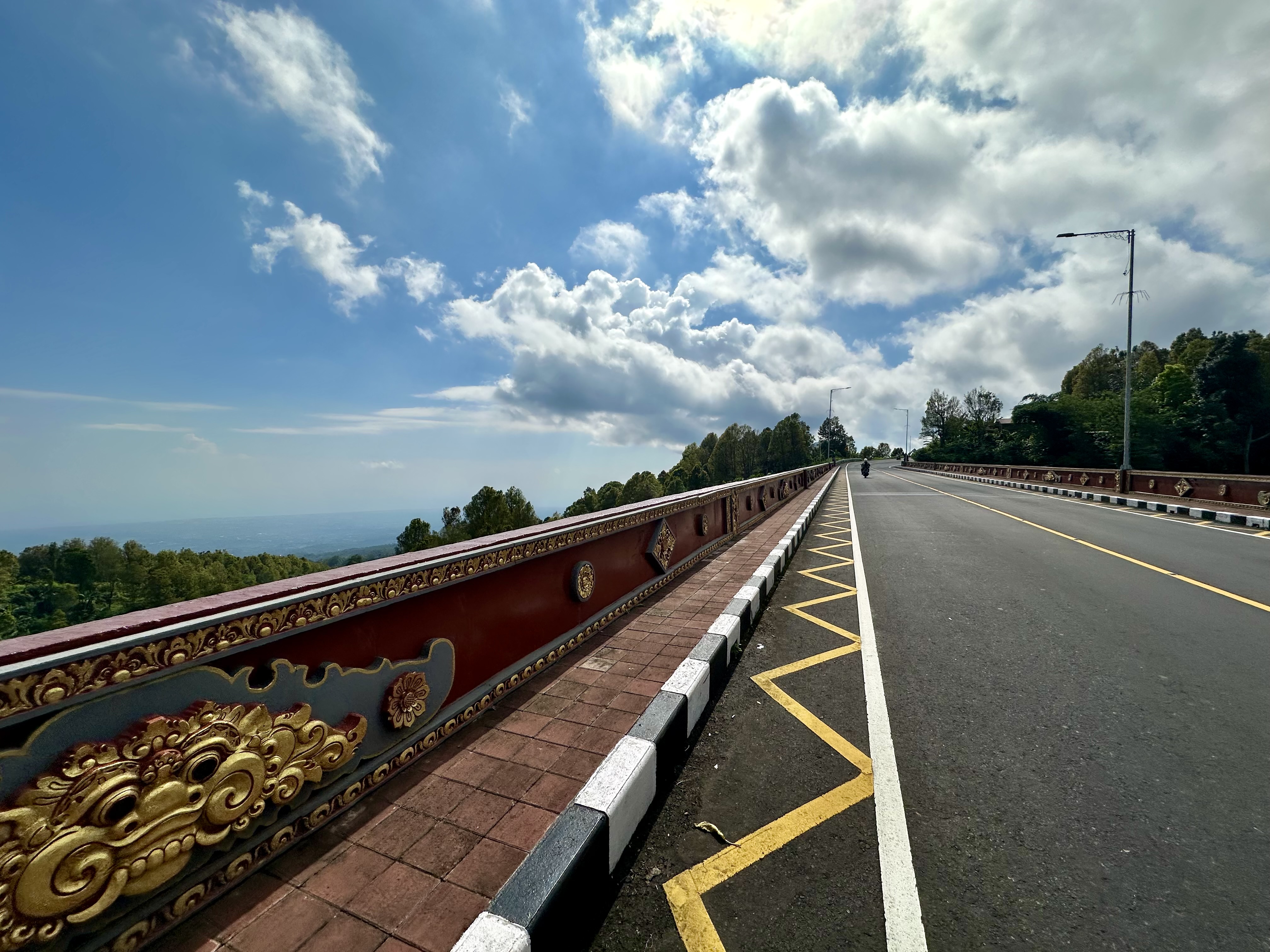
I was really pleased to be heading back into the hills after the preceding day. Having said that the climb was on a major road with more frequent traffic and quite a few large buses. For the first half the road was not super wide, but towards the top there were new bridges and wider roads that made for a very pleasant part of the ride.


Instead of heading straight to Munduk, I took a detour via Lake Beratan and the Bali Botanical Gardens. Skipping the tourist zoo that was the Ulan Danu Baratan Temple, I wouldn’t say that the gardens are a ‘must do’, but it was a nice place to cycle around. As I headed back up from the lake towards Munduk the heavens opened and things got rather wet…


Tips and recommendations
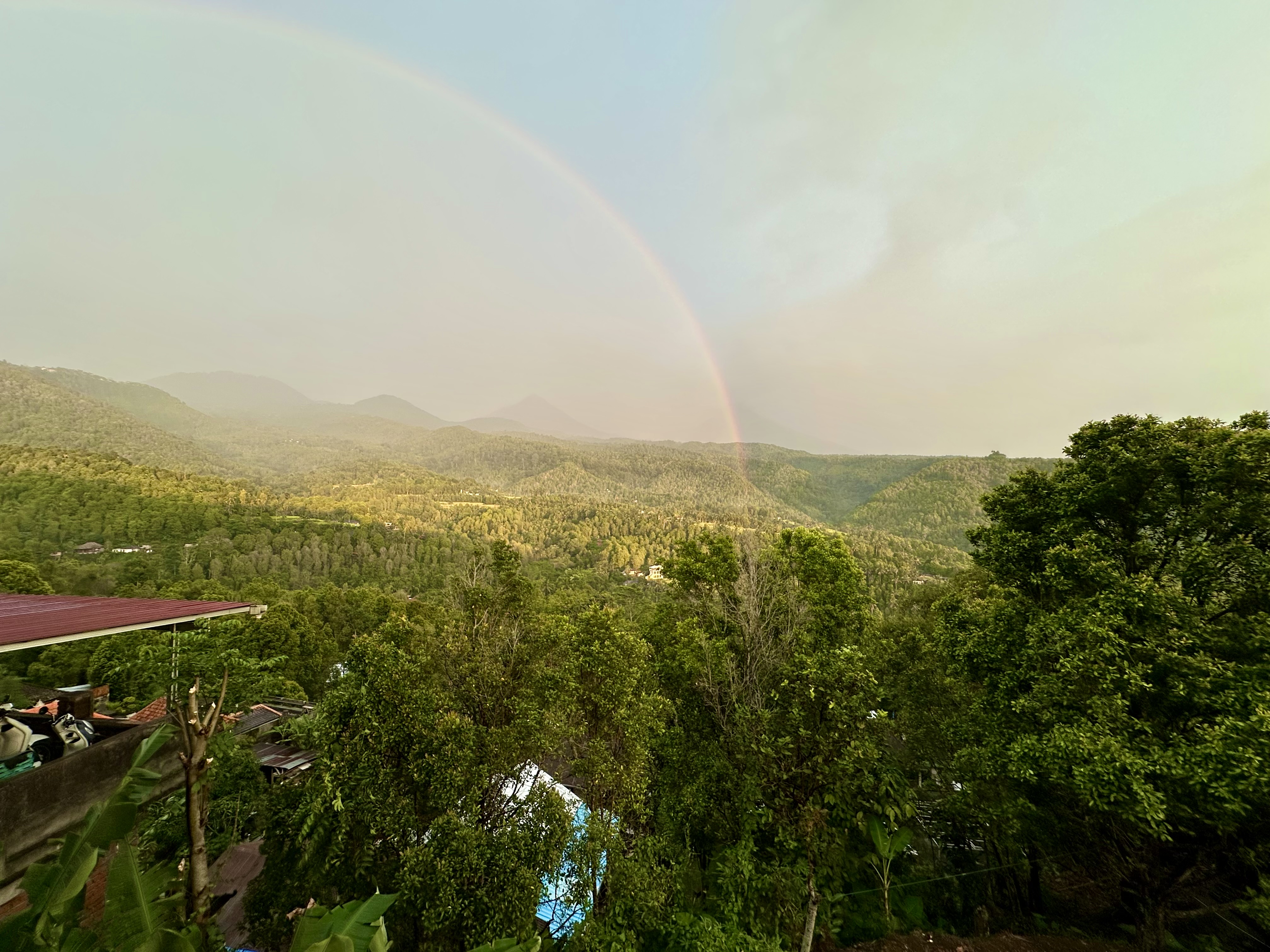

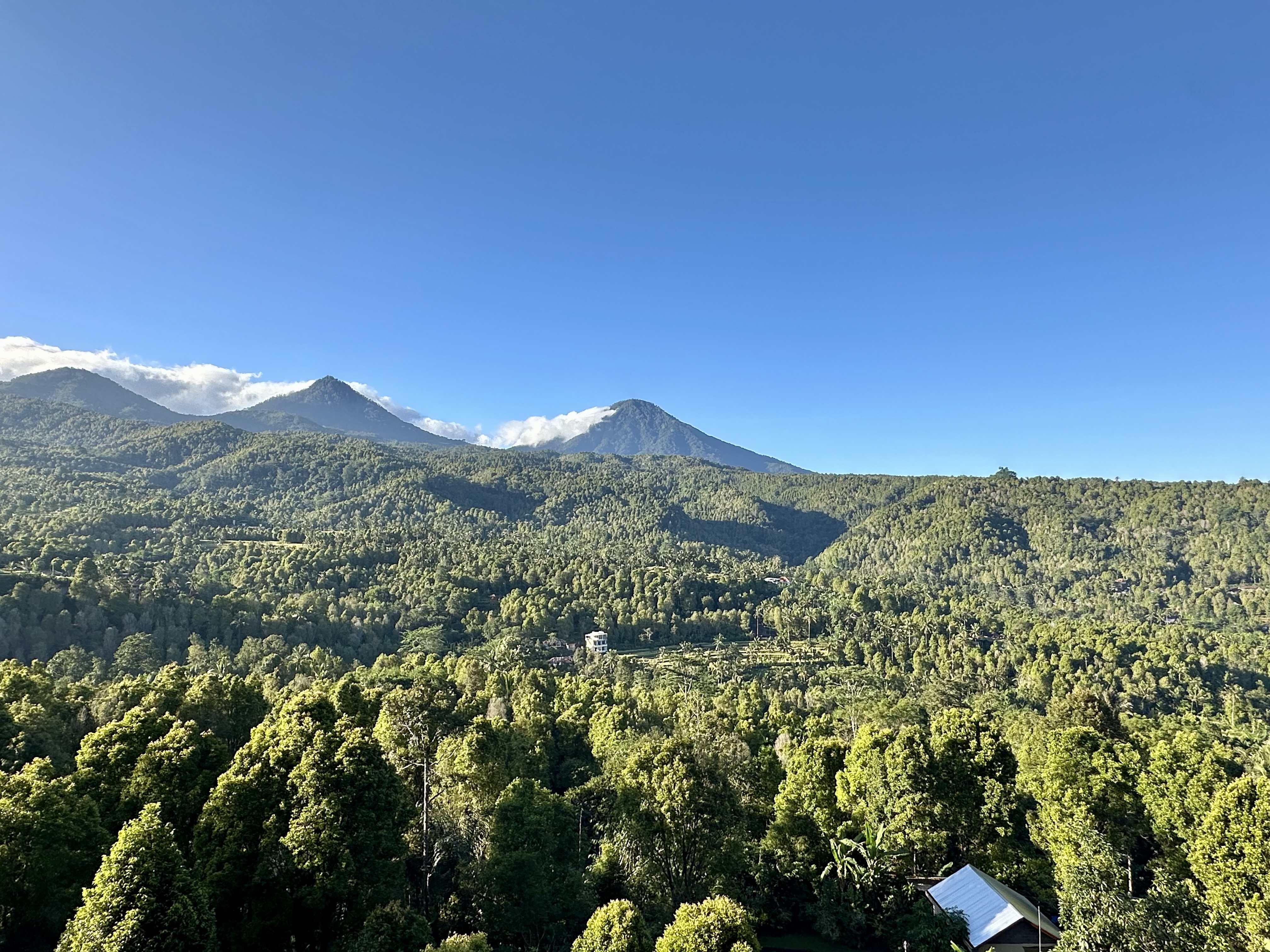
Munduk offers a whole range of accommodation options, many with fantastic views. I met hikers, but also folk who just wanted to sit by the pool and take in the vistas. It was particularly spectacular when the afternoon rain came through. I enjoyed whiling away time at the restaurants with views to the south on Jl. Pura Puseh (for example Warung Classic). Eco Cafe (on the main road, up the hill from central Munduk) has similar views.
Day 7: Munduk – Pemuteran


The descent back down from Munduk was a great way to start the day, offering farm, mountain and distant sea views. They are a real contrast to what ensues at the bottom as once you reach Seririt the traffic is a bit ordinary for a while.


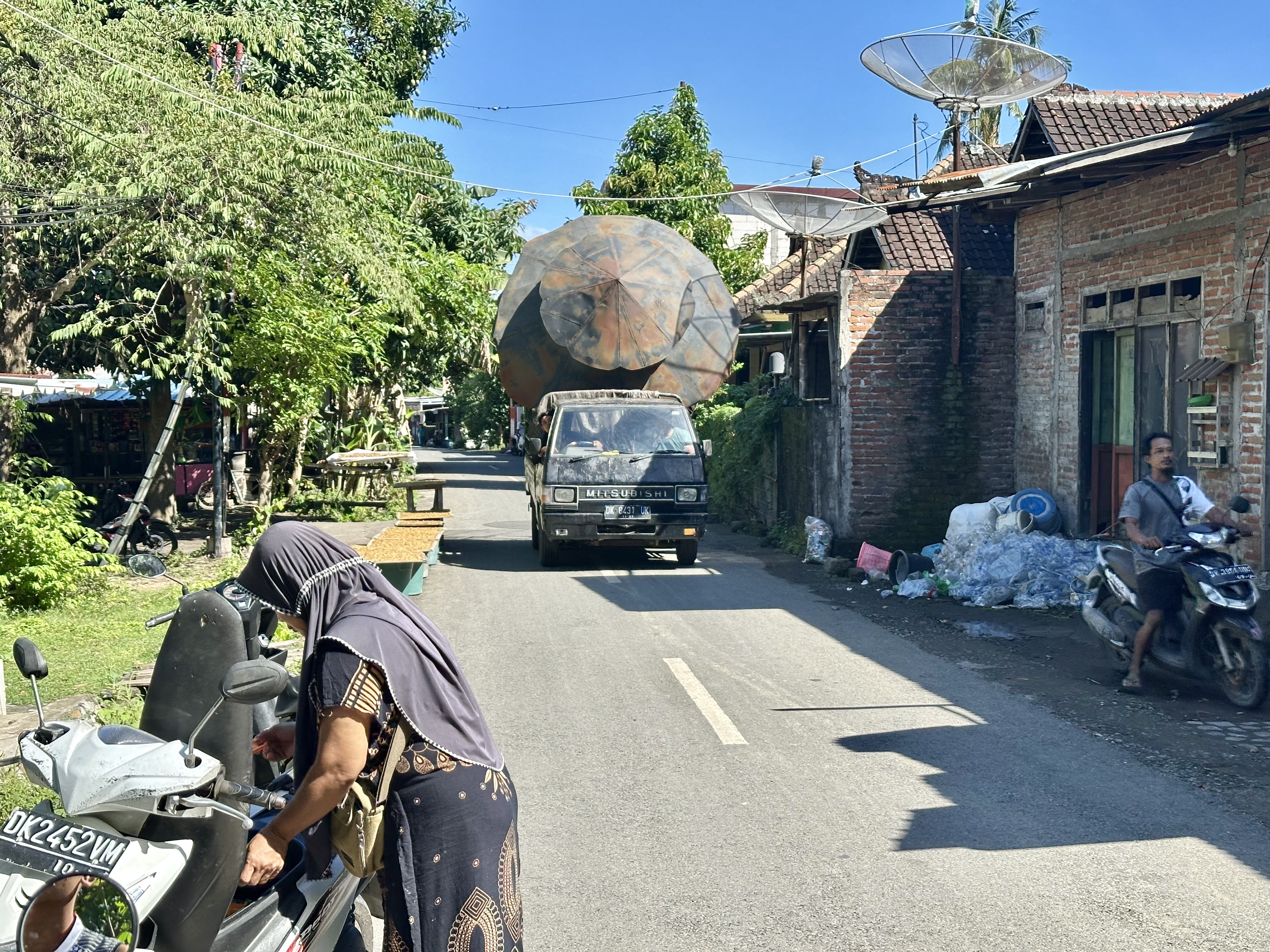
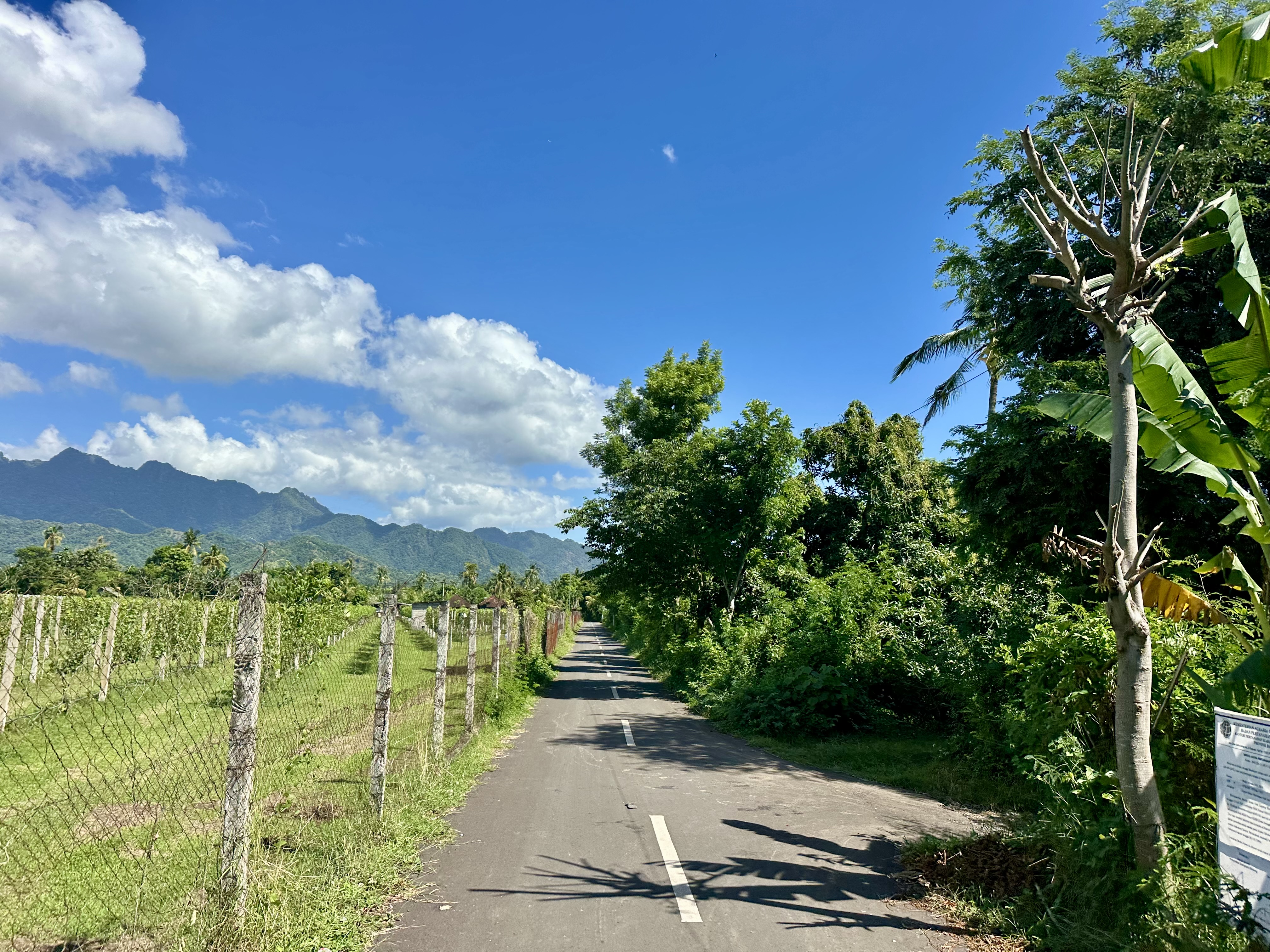
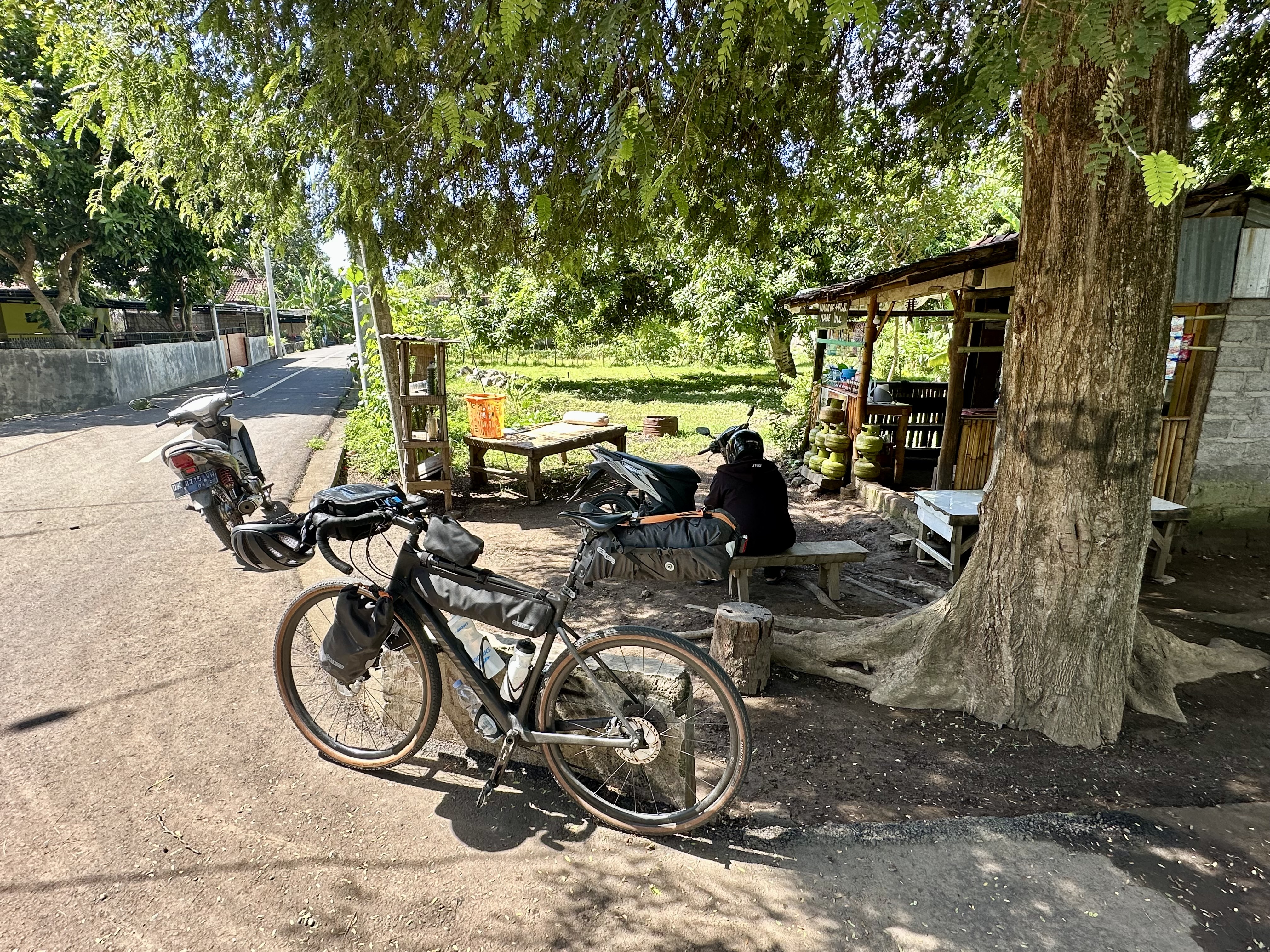
Returning to the main round island road was, however, much more enjoyable than the Amed – Lovina leg. In part, this was because this part of the coast provided the opportunity to get off the main road and do some back road exploring. This added a few kilometres but meant I could spend more time looking at what was going on (rather than focusing on the cycling between scooters and other traffic). And there was often a lot going on: rural life, village activity, random items being moved by truck, and the unexpected: one of the backroads had vineyards. A stop at a backroad store for a drink and snack was memorable – the store owner indicating they needed fresh ice for my Teh Botol and running off to get some, after which it was plain that my cycling there was a source of some amusement. Fair enough too.
Tips and recommendations
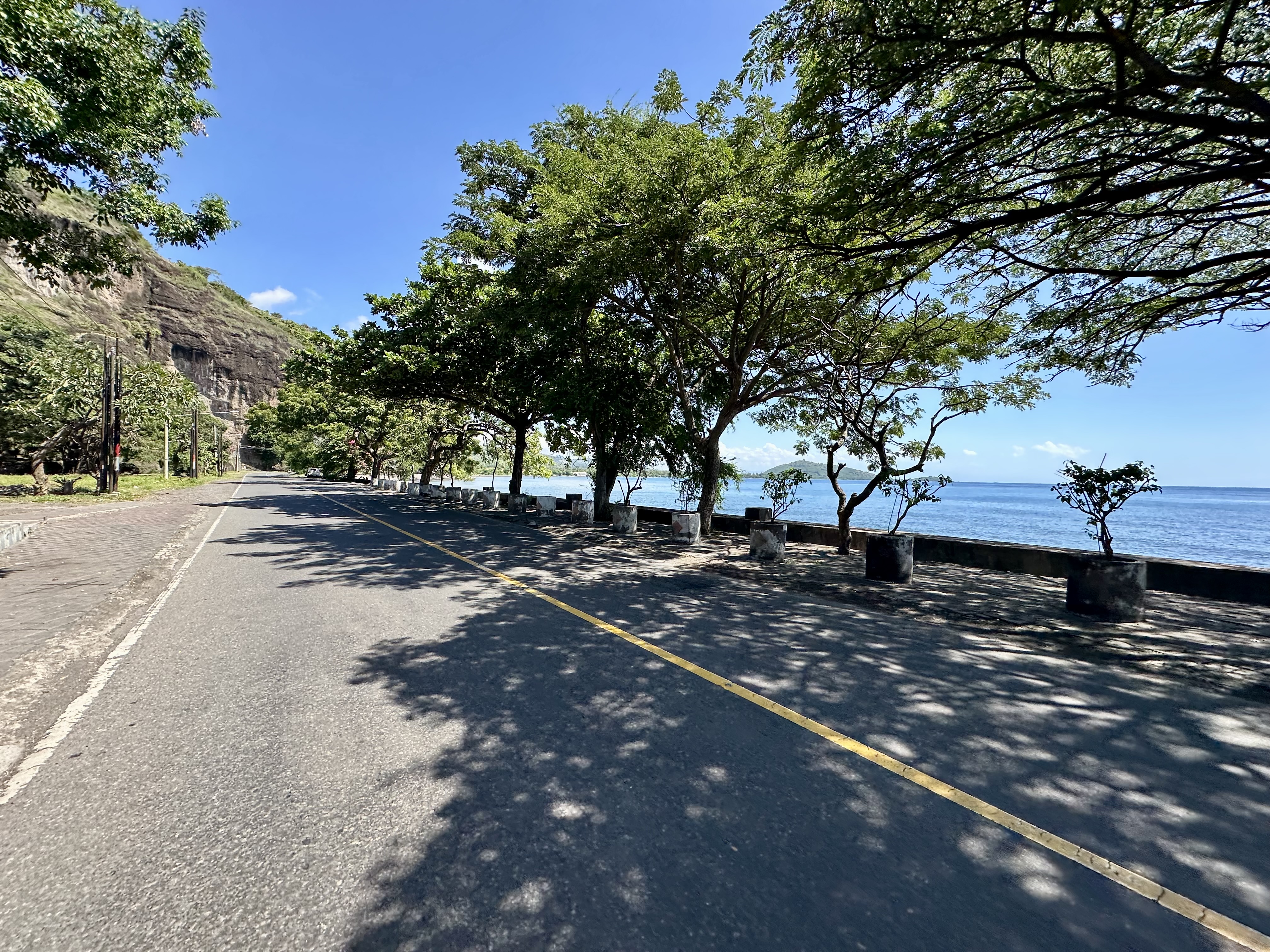

Pemuteran was a lovely Bali beach location. While it clearly had the facilities and focus upon tourists (including upmarket coffee and beach-side restaurants), it lacked the tourist touting and general busy-ness of Amed. I guess that is because fewer tourists come as it is a long way from Denpasar: when I was checking in to my hotel a family with young kids had just arrived from the airport and it had taken a 5 hour transfer to get there. Pretty brutal trip to add to flights from France….


Day 8: Pemuteran – Medewi


Day 8 was the longest day of the trip, but was one of my favourites. I was a little concerned about the main road travelling that would be required, but from Pemuteran to Gilimanuk the route had limited traffic. The most common sight was of scooters loaded with crop cuttings. Also on the route were great views over towards the mountains of Java.
I took the opportunity to head into Gilimanuk for a rest stop, which also was the start of increased traffic – ferries from Java reliably delivering trucks that were then heading towards Denpasar. Given this the opportunity to take a significant portion of the trip on back roads was great, noting that it did add some kilometres.

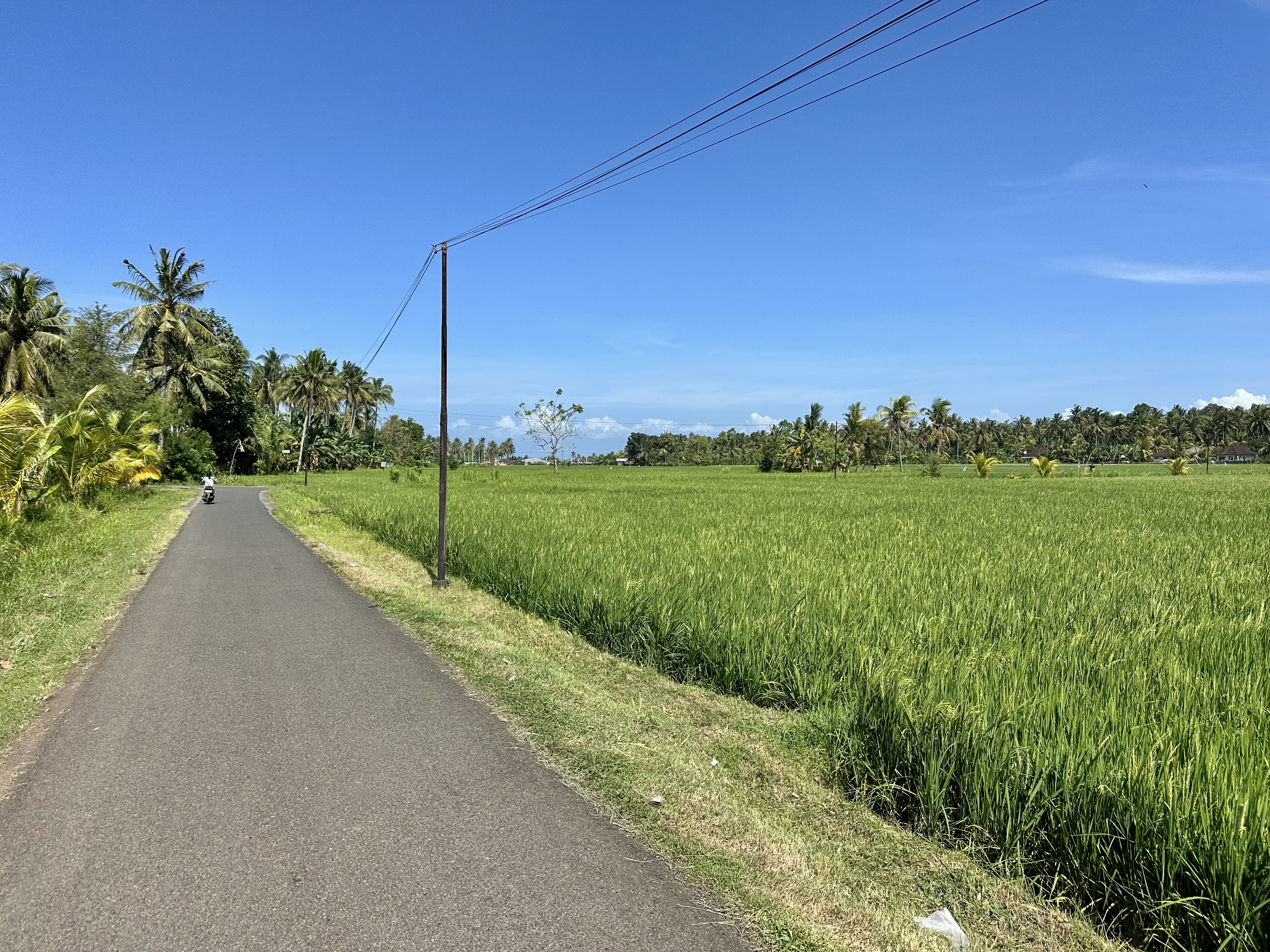
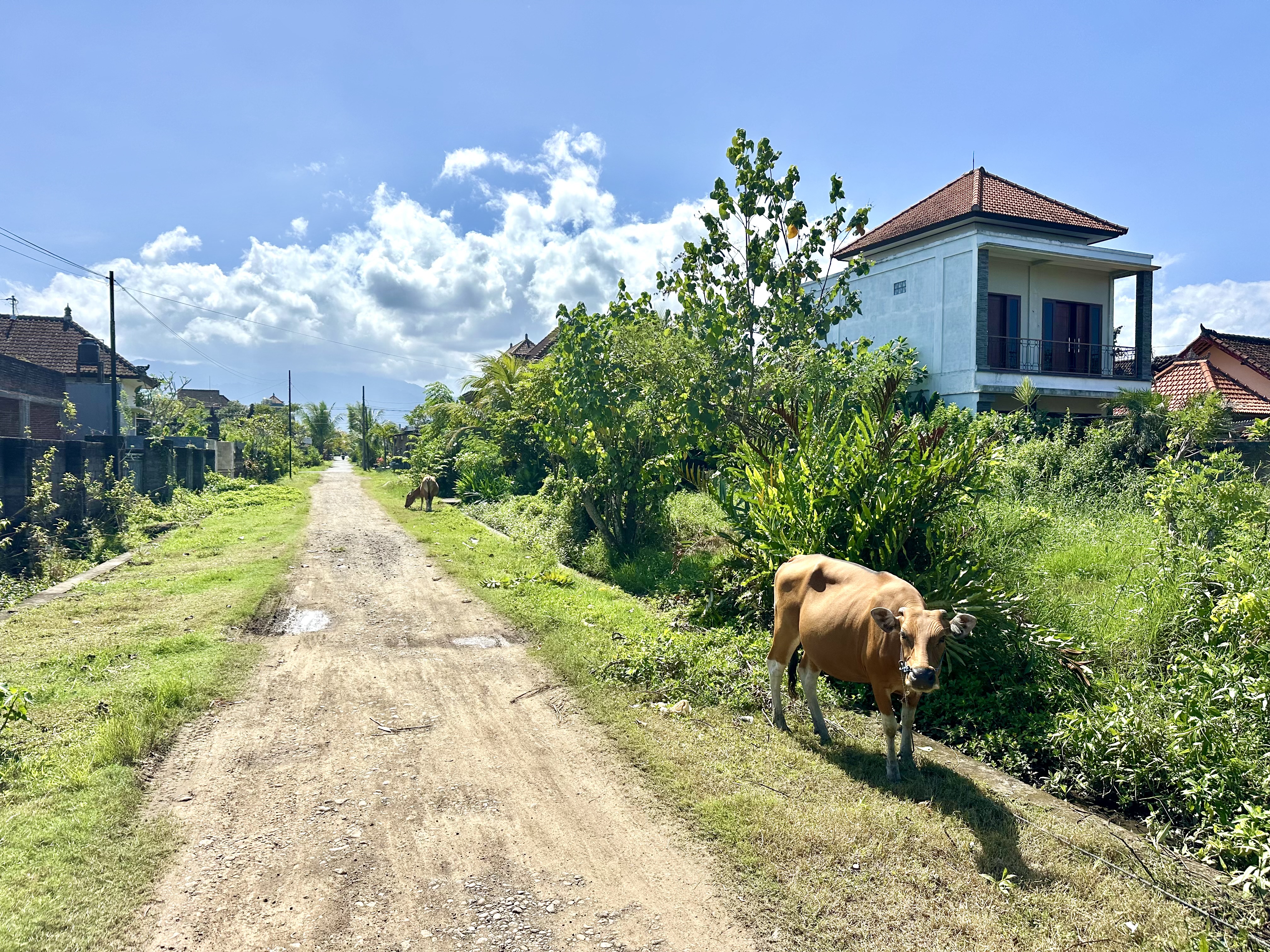
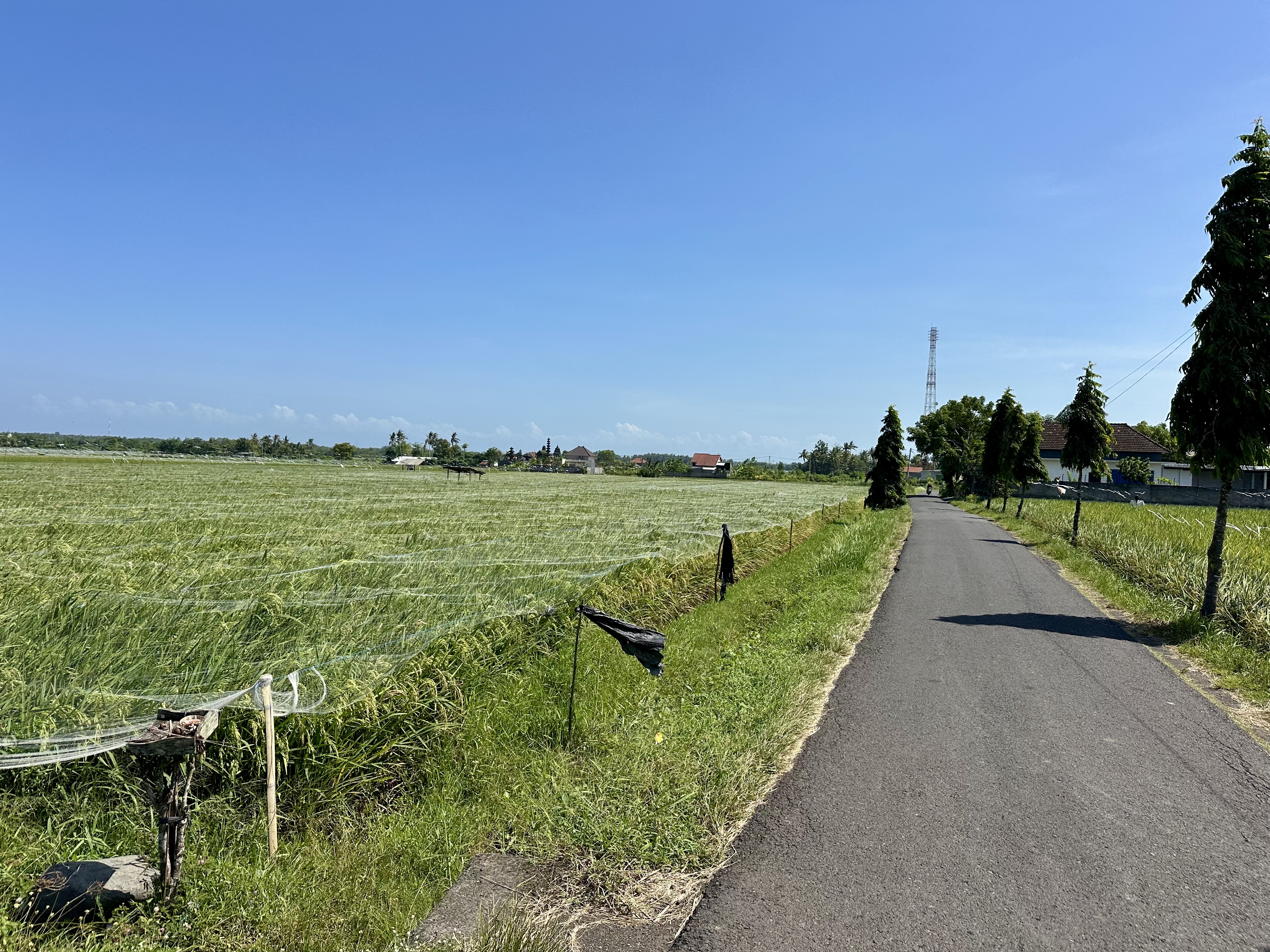
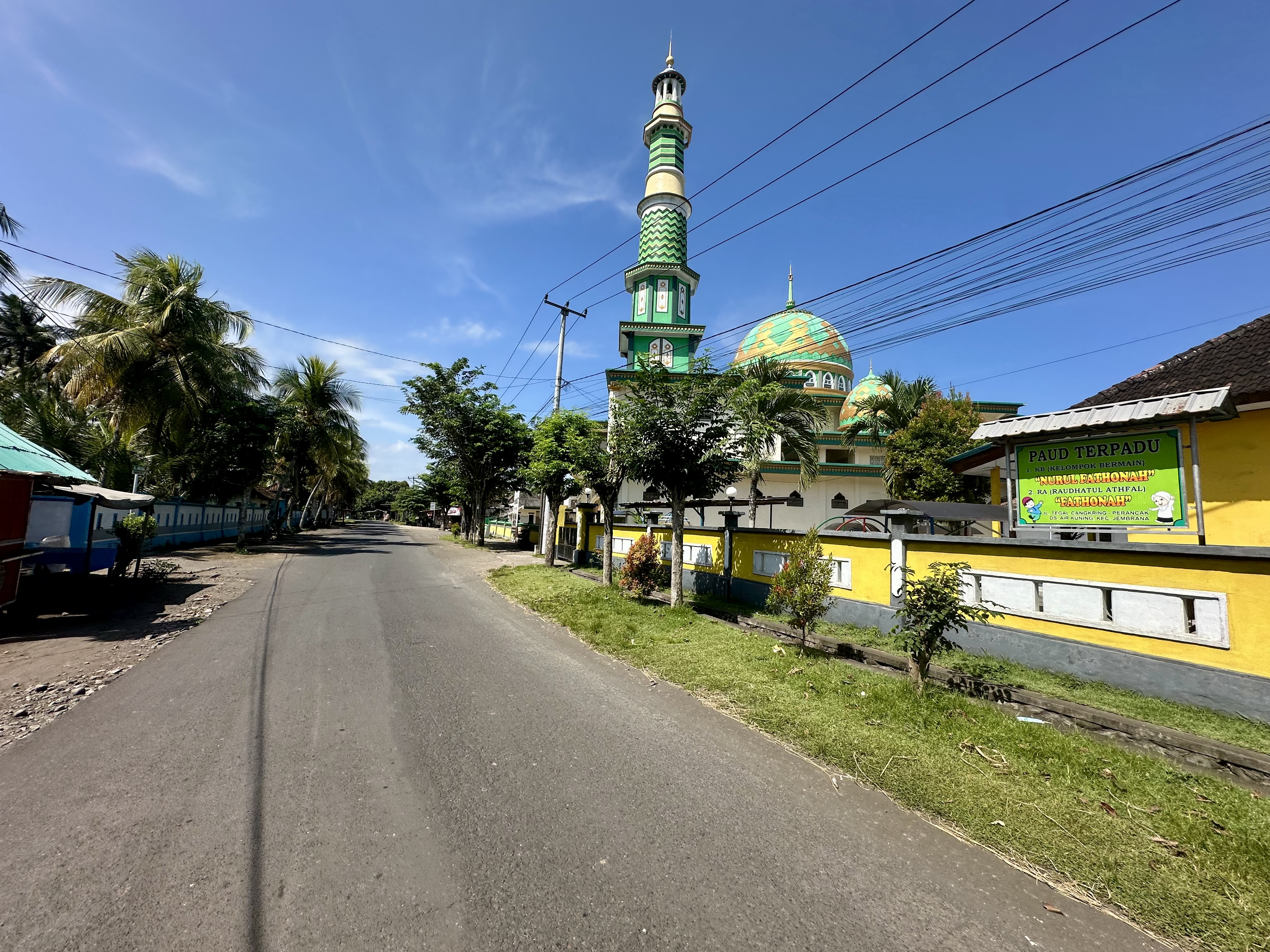
In fact, after about 7.5km from Gilimanuk it would be possible to use backroads to avoid Negara entirely by continuing on the south side of town if you choose. The main limitation to the backroad options across the island is bridges over rivers – sometimes these exist but other times (particularly when getting closer to Medewi) it was necessary to return to the main road. In this section the road was mostly wide and, despite increased traffic, made for comfortable cycling.

Tips and recommendations
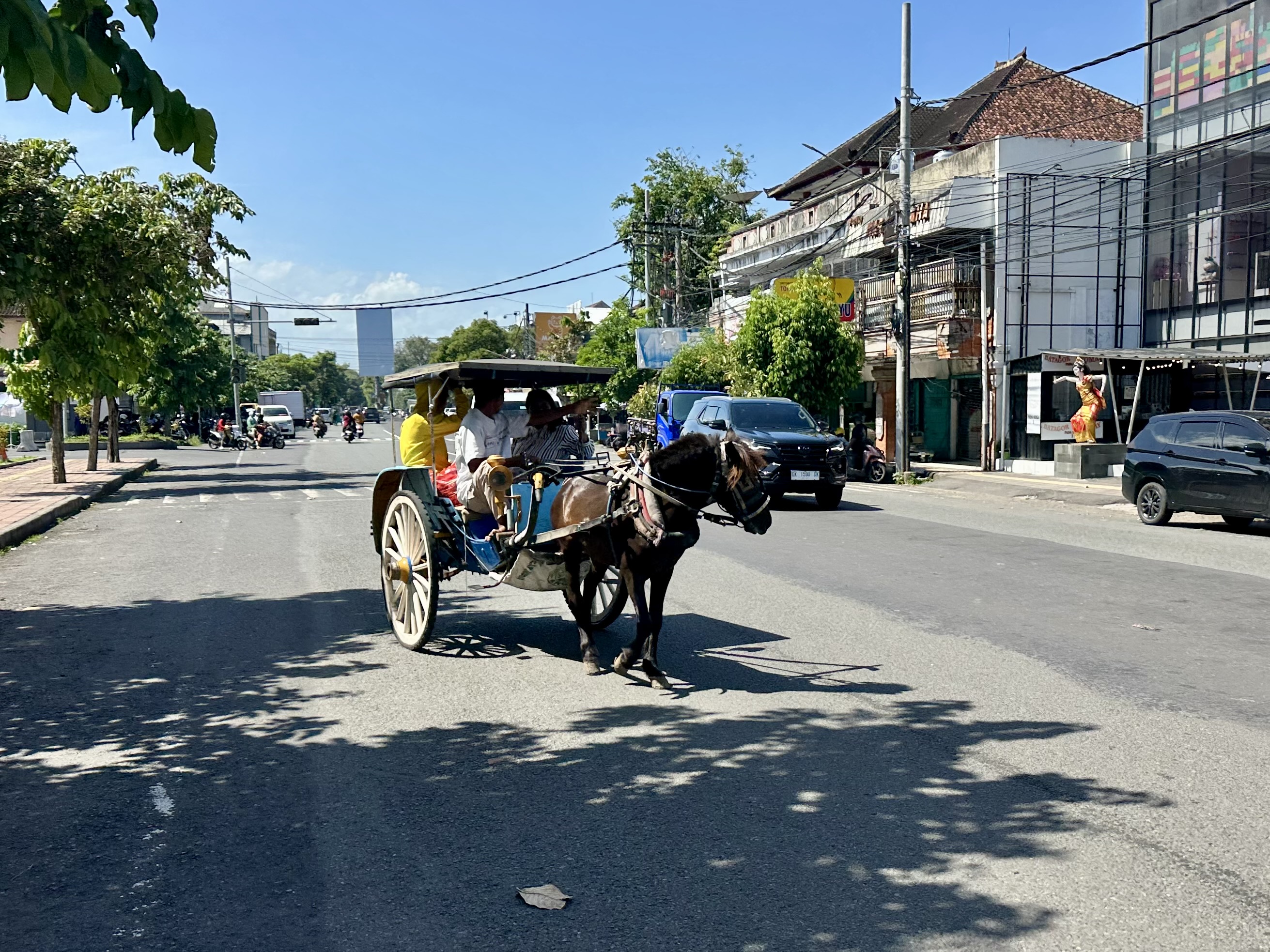
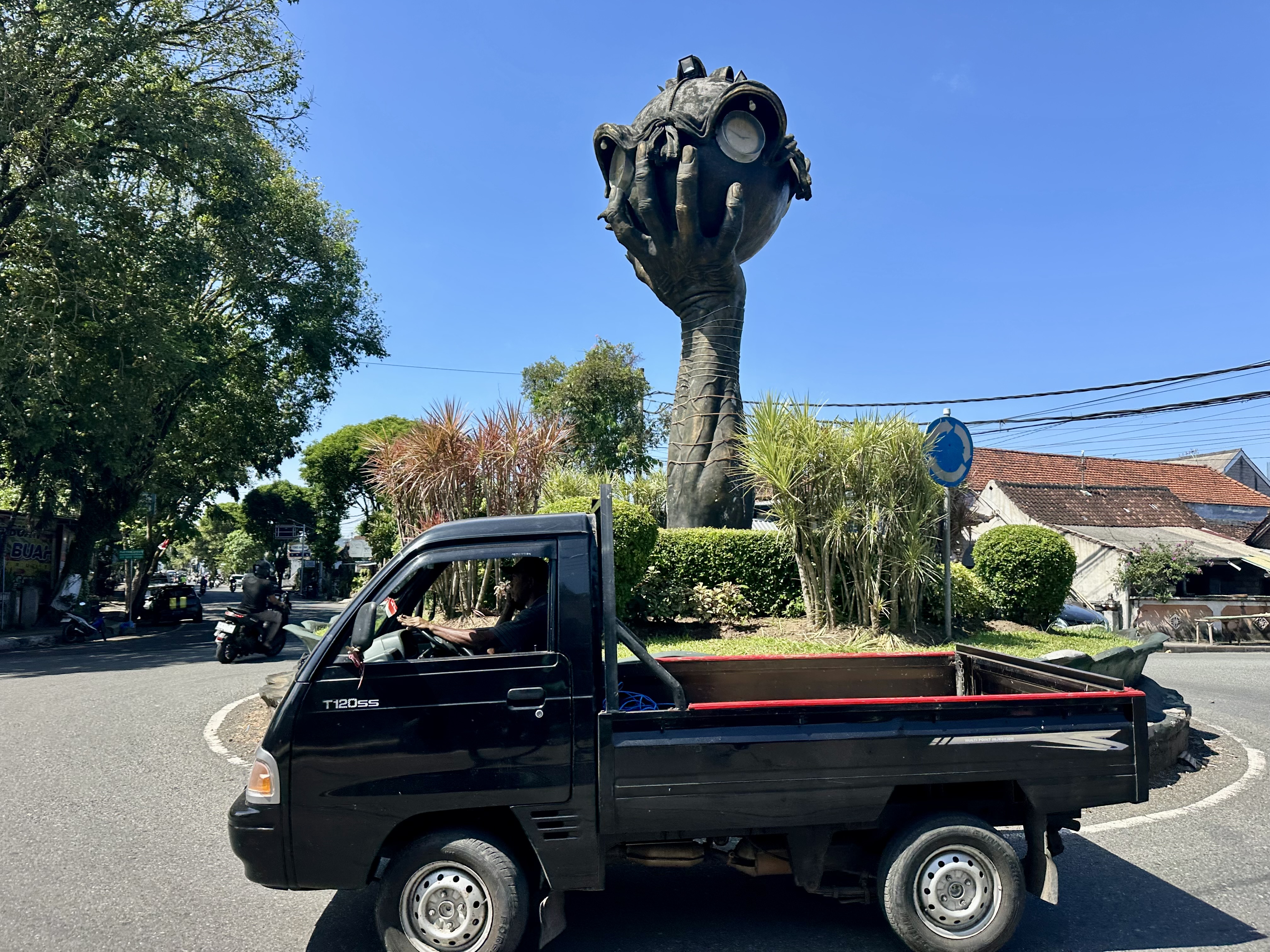
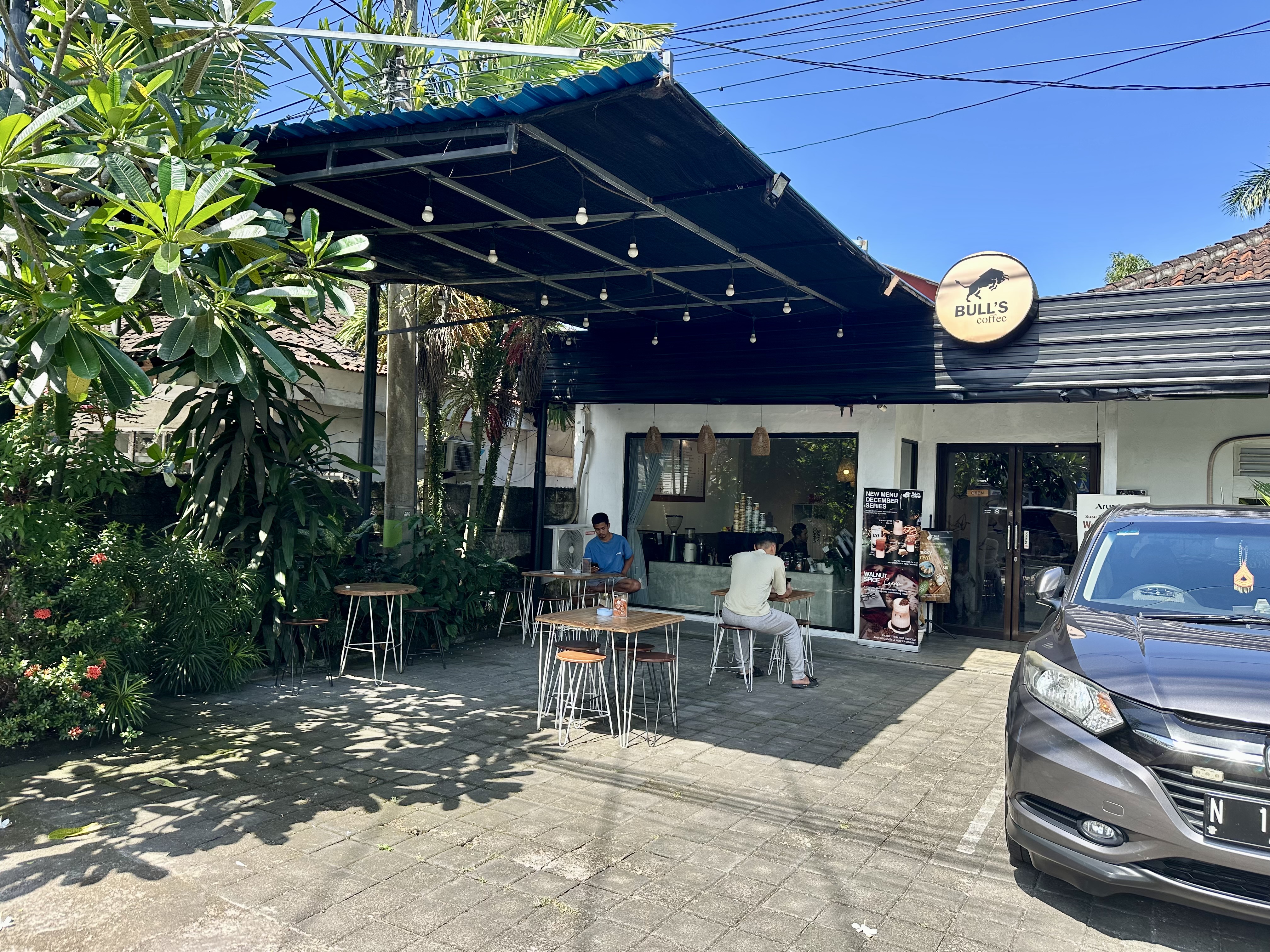
It is worthwhile to stop in Negara. I particularly enjoyed a stop at Bull’s coffee – a place that was full of expats as well as locals. There is also something about this city that just seemed a little different to the others I’d been through, with interesting things to see as I cycled through.

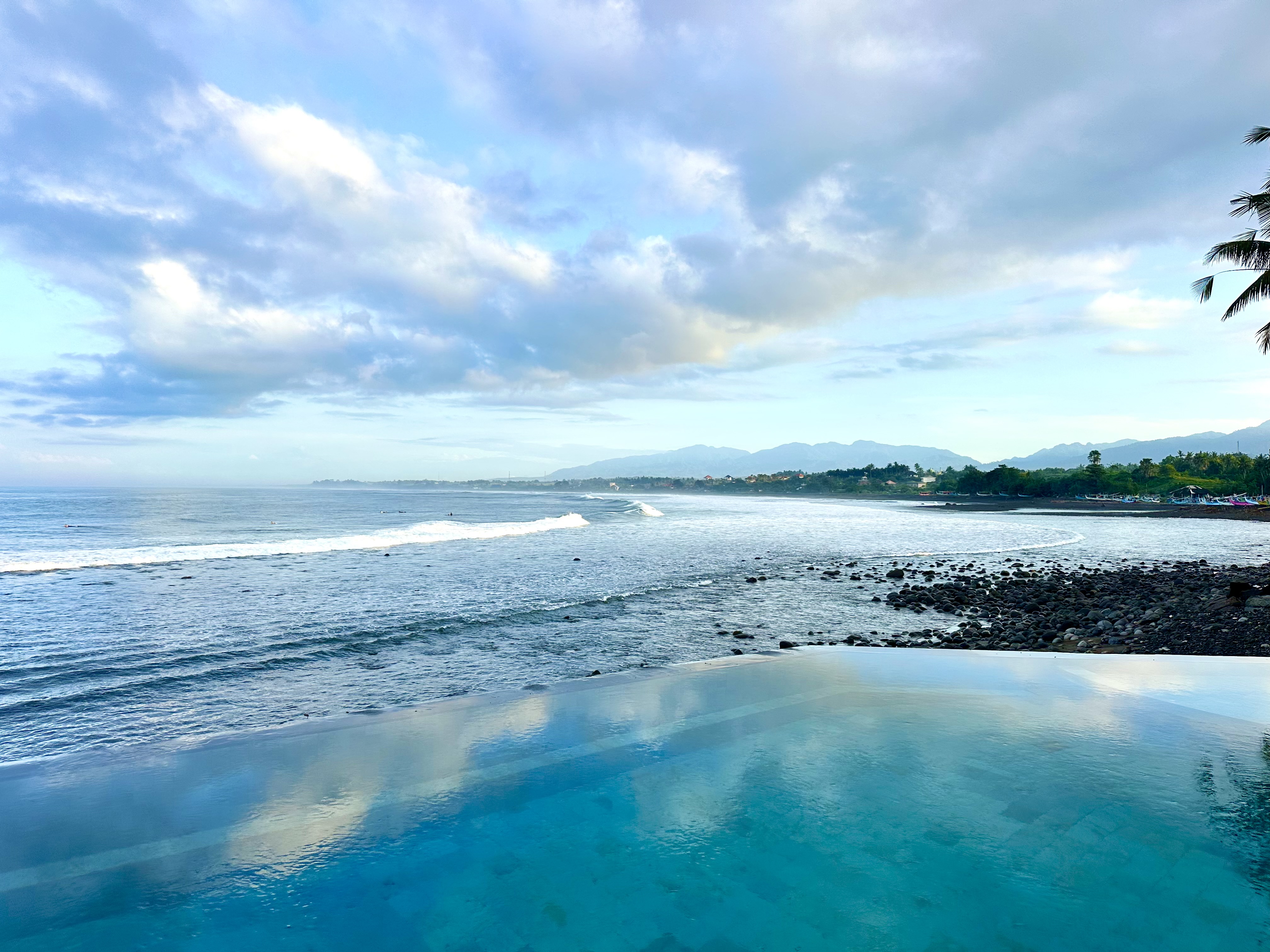

From here I carried on to the amazing surf break of Medewi where I stayed a couple of days. I splurged on a stay at Bombora (1.5m IDR per night is still not super expensive) which did not disappoint with its views overlooking the left hand break. I whiled away a lot of time watching the surfing activity and just generally taking in the view over the pool. Just up the road were inexpensive warungs and stores (if you don’t want to pay resort prices) and the epic Wakey Wakey coffee bar also offered stunning roof-top views to while away a morning.


Day 9: Medewi – Jatiluwih
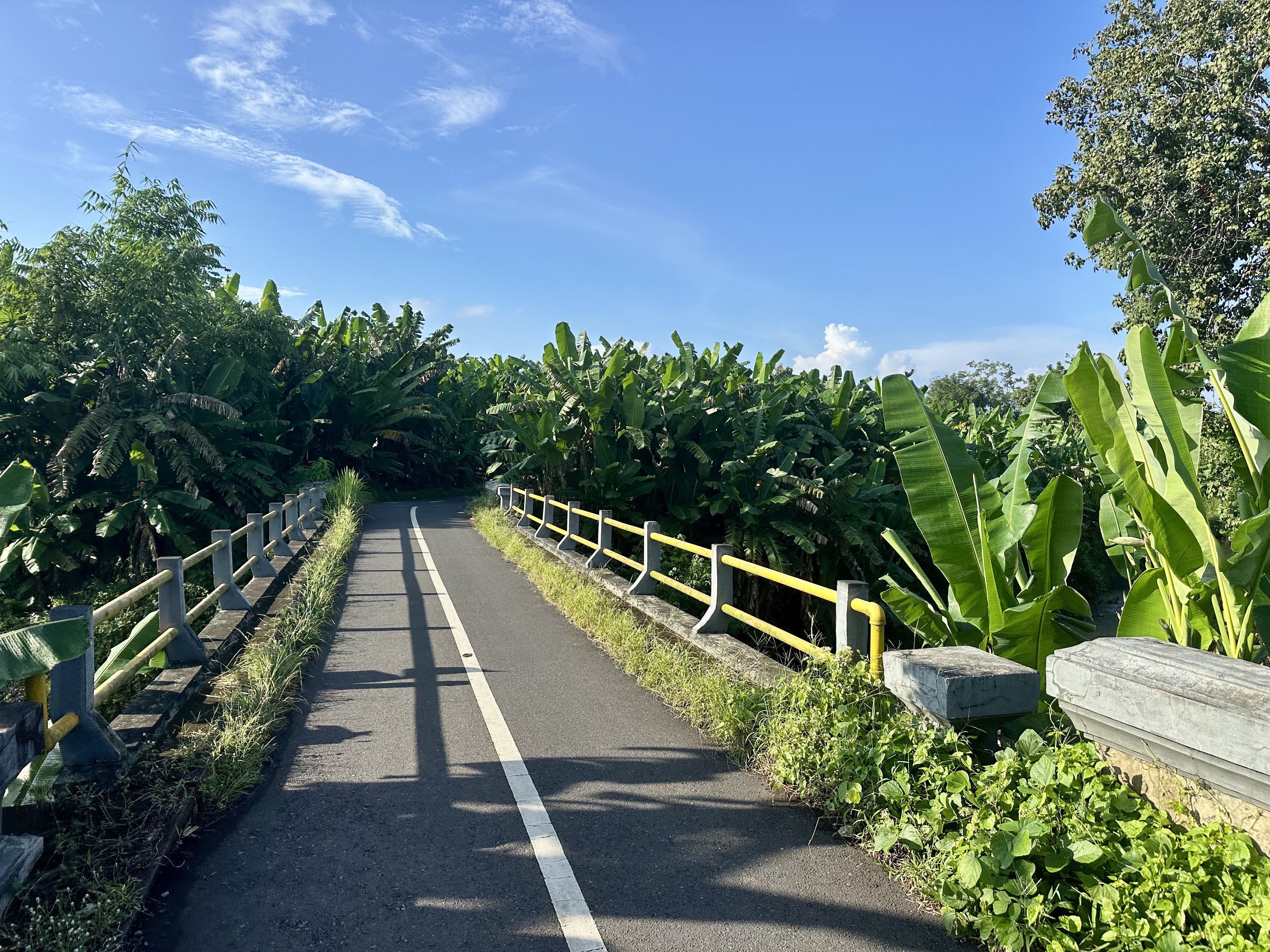
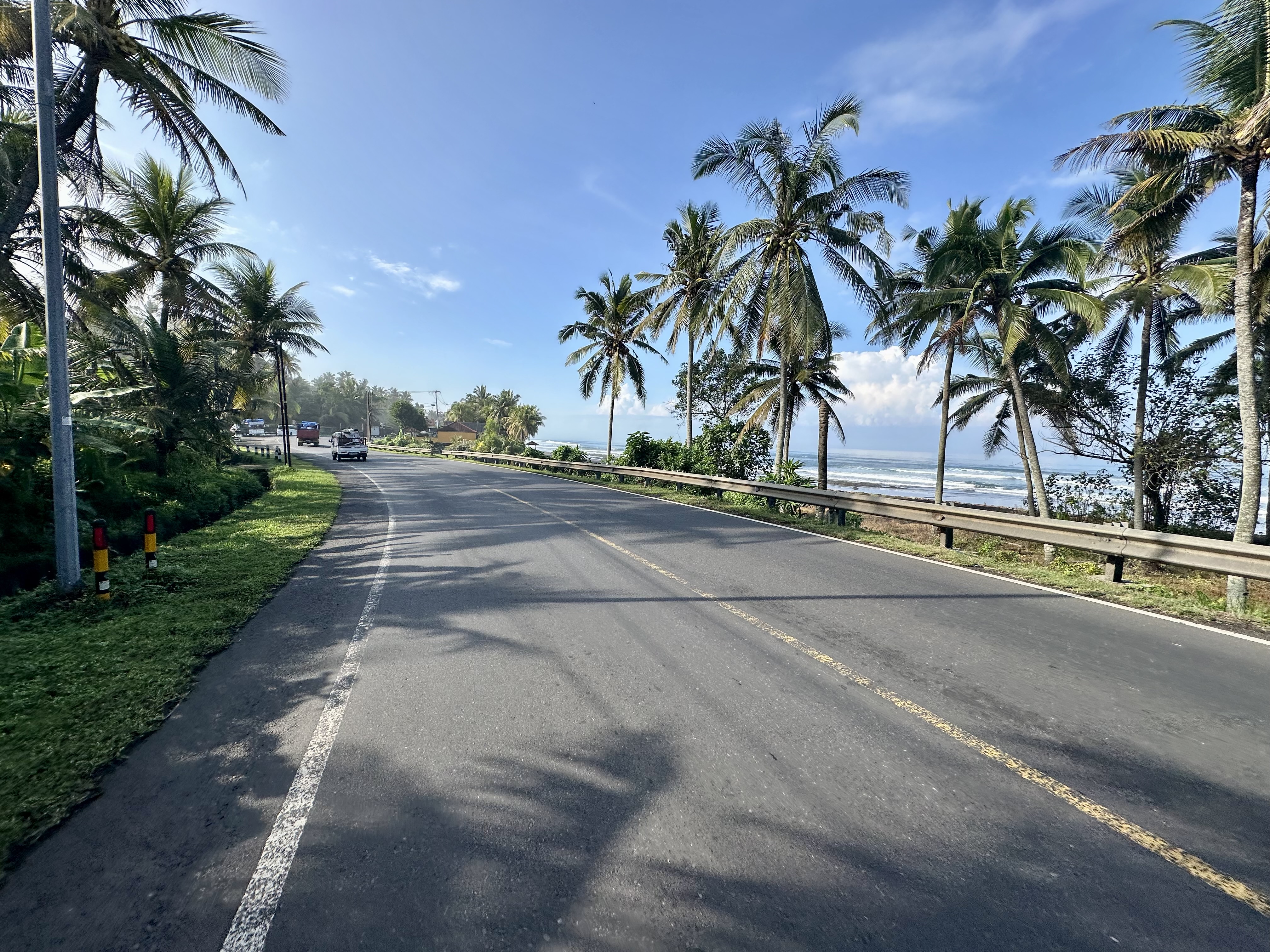
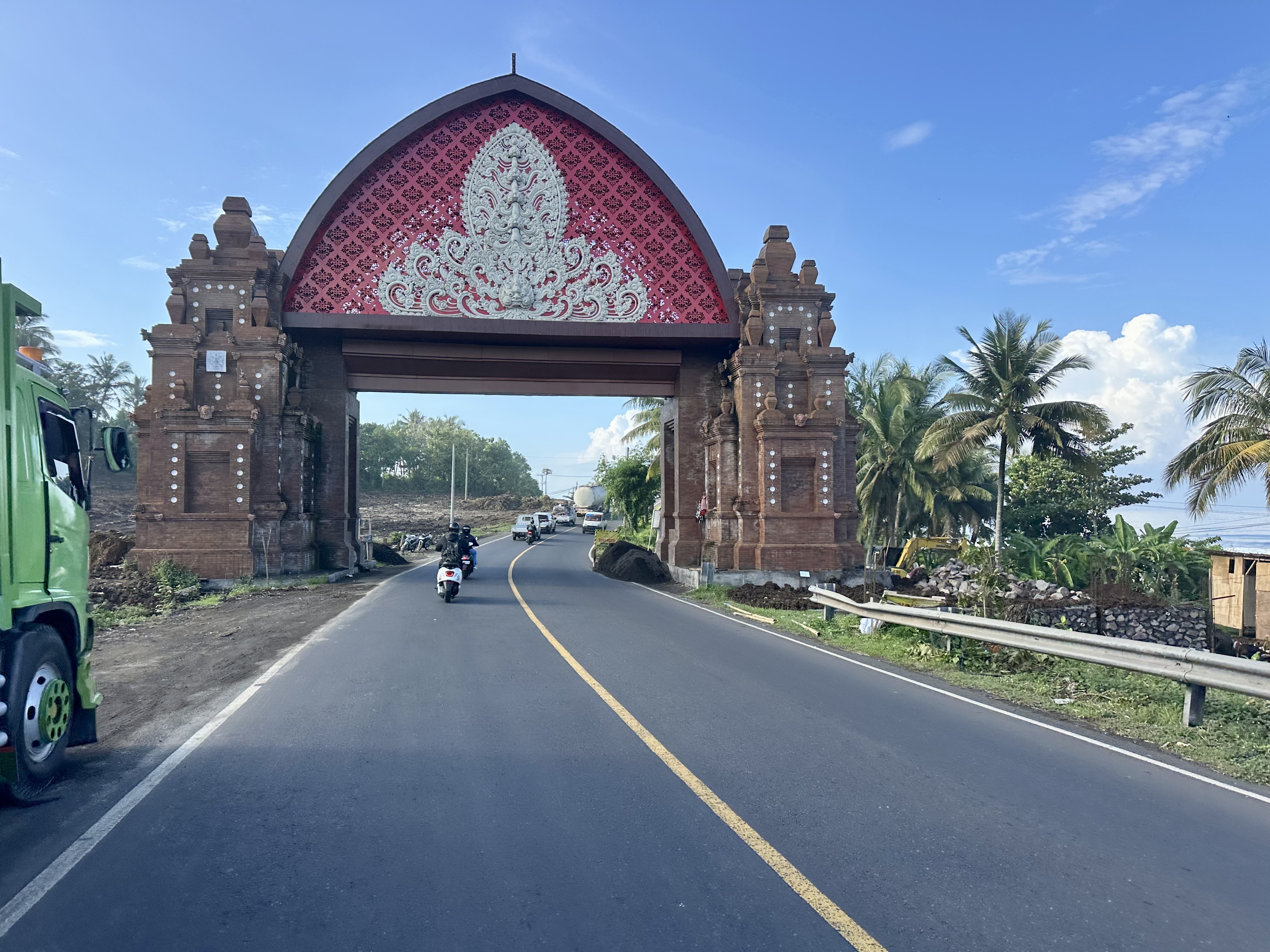
The first 41km of ride after Medewi were regrettably back on the main coastal road between Gilimanuk and Denpasar. Thankfully the first 25km were not too bad, but things got busier as the day wore on.

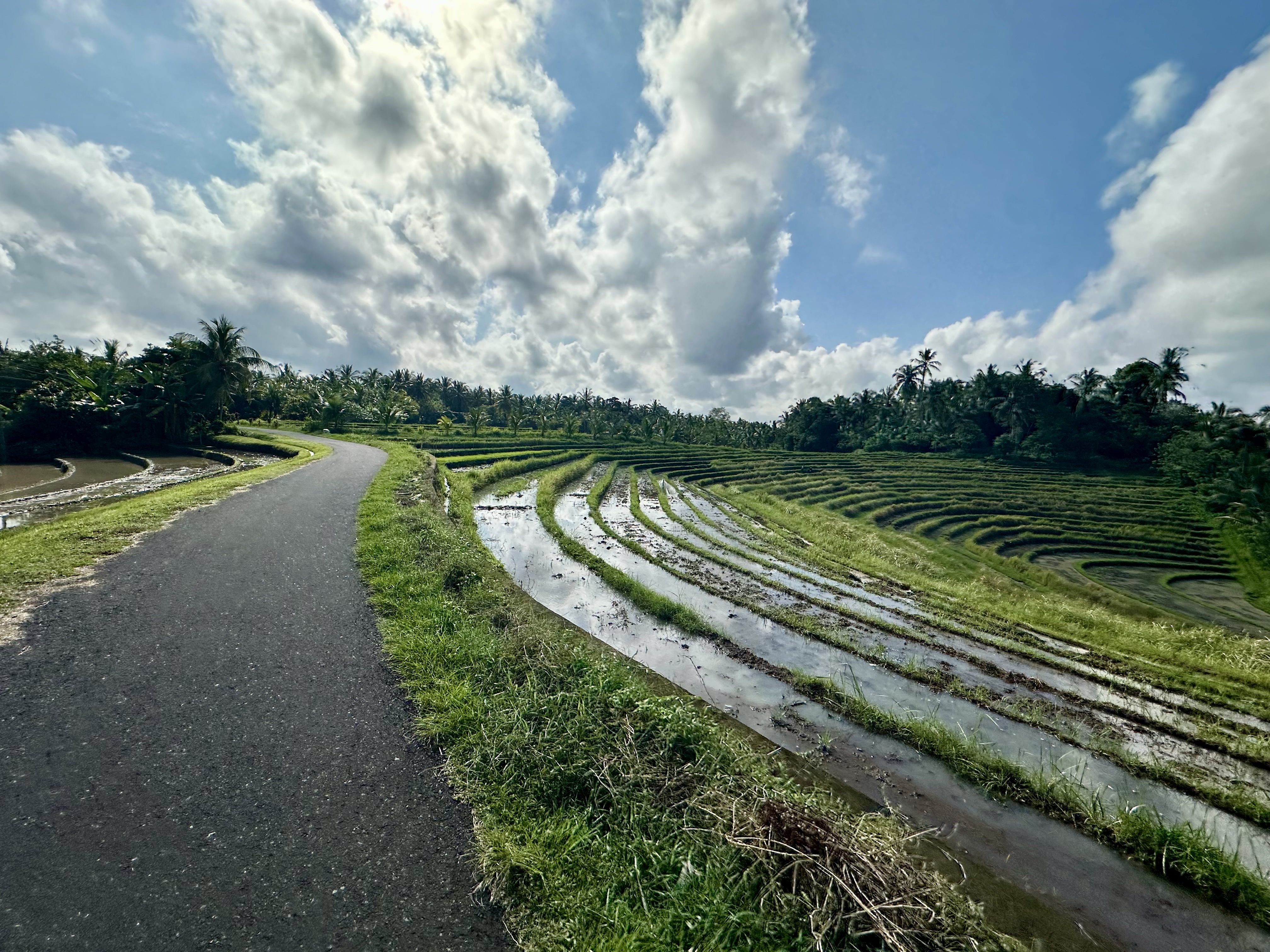
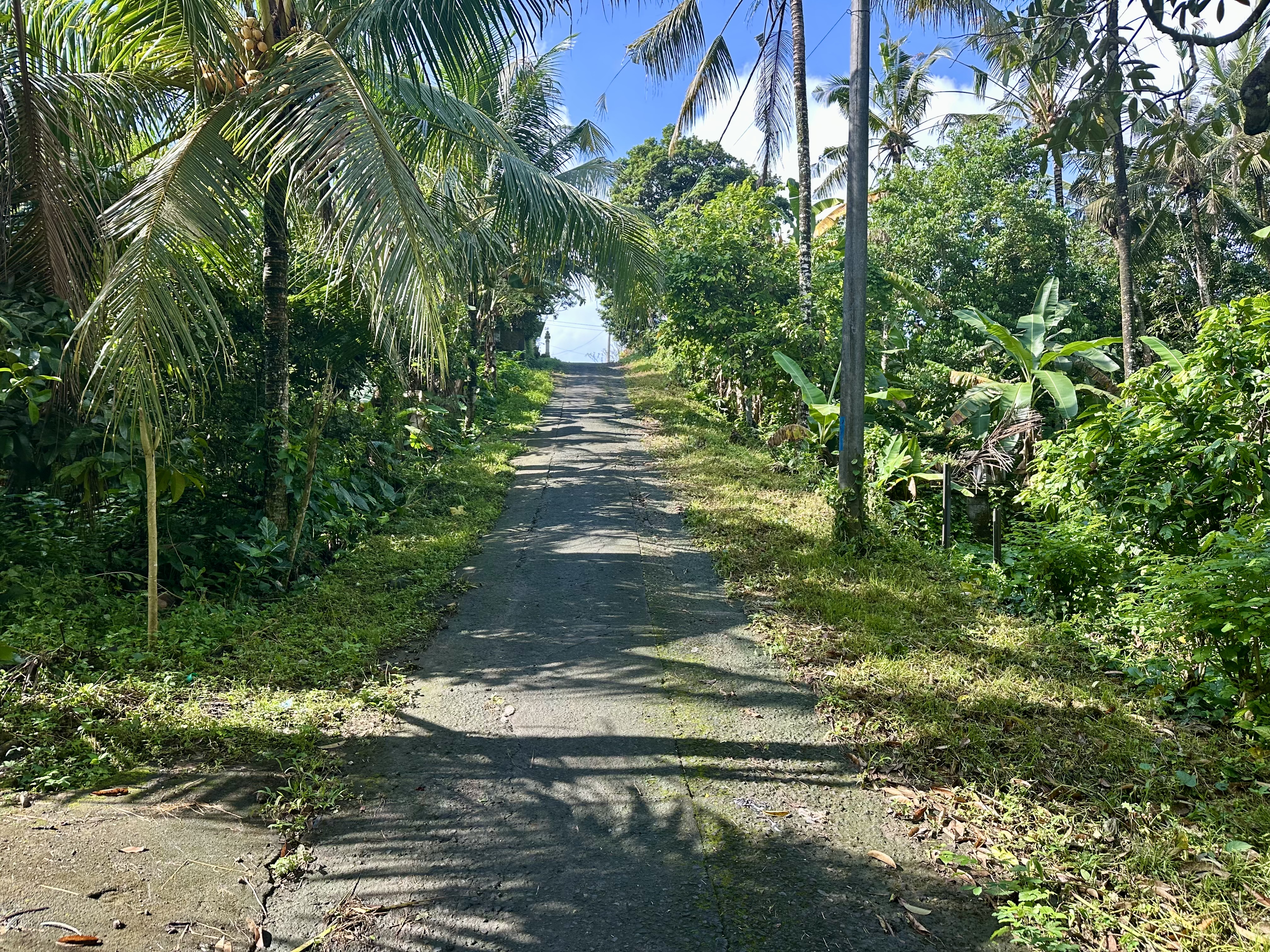
I did find some back road sections, some of which offered epic rice paddy views. It did, however, come at a cost – short and extremely steep up and down sections, some of which necessitated pushing the bike up the hill. I’m not sure what was worse – main road traffic or the hike-a-bike. Actually, it was the traffic.


Thankfully after turning up the hill towards Jatiluwih the trip transformed – quieter roads, nice vistas, and the opportunity to take it in. Nothing, however, quite prepares for the views at Jatiluwih. Take the time to explore this area as it is fantastic. I particularly liked that there is an entry fee to this UNESCO listed site to help sustain it and local livelihoods. It costs 50k IDR – make sure you keep your ticket as it will be checked and it also works over two days if you stay the night in the village.

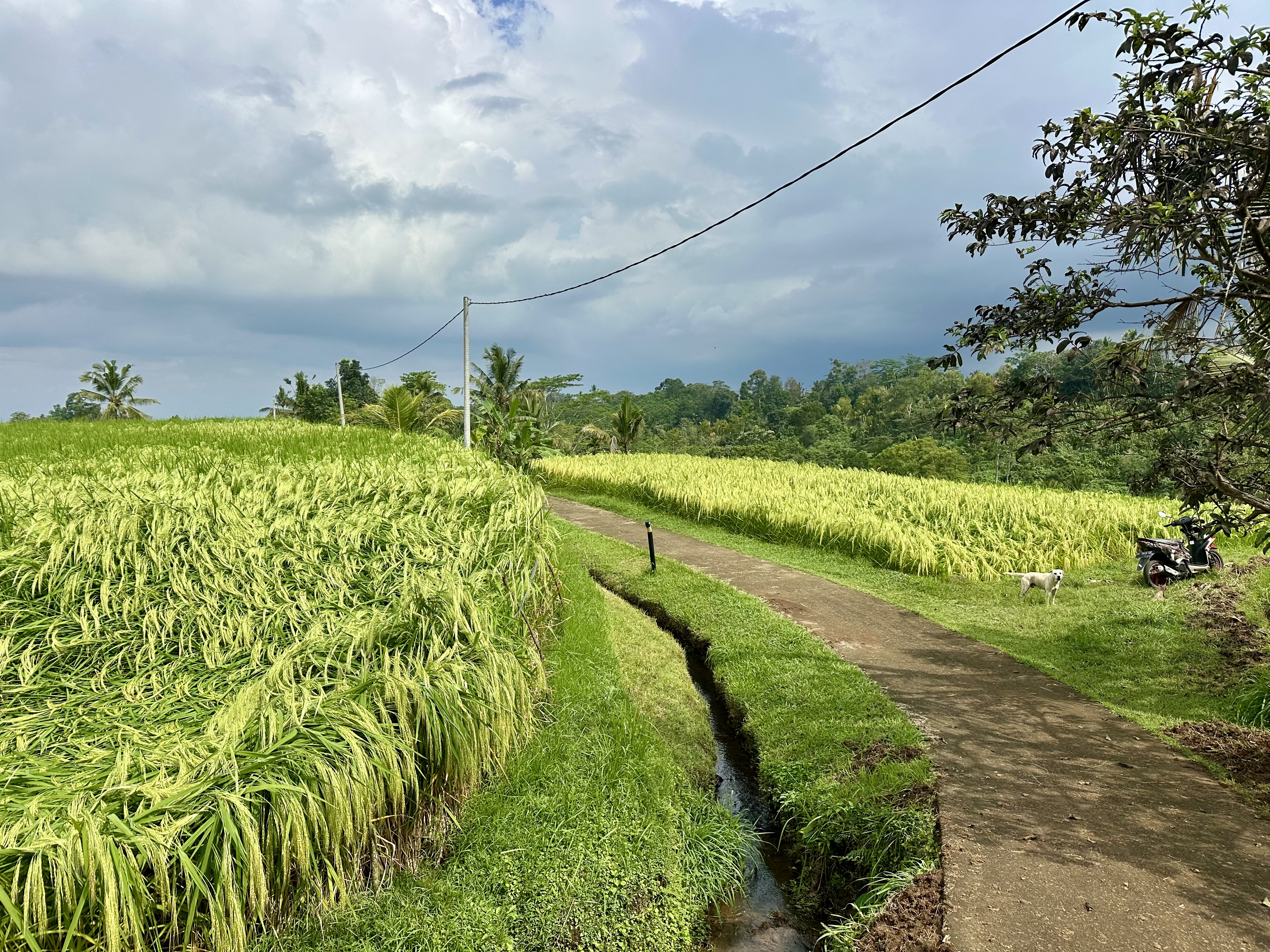
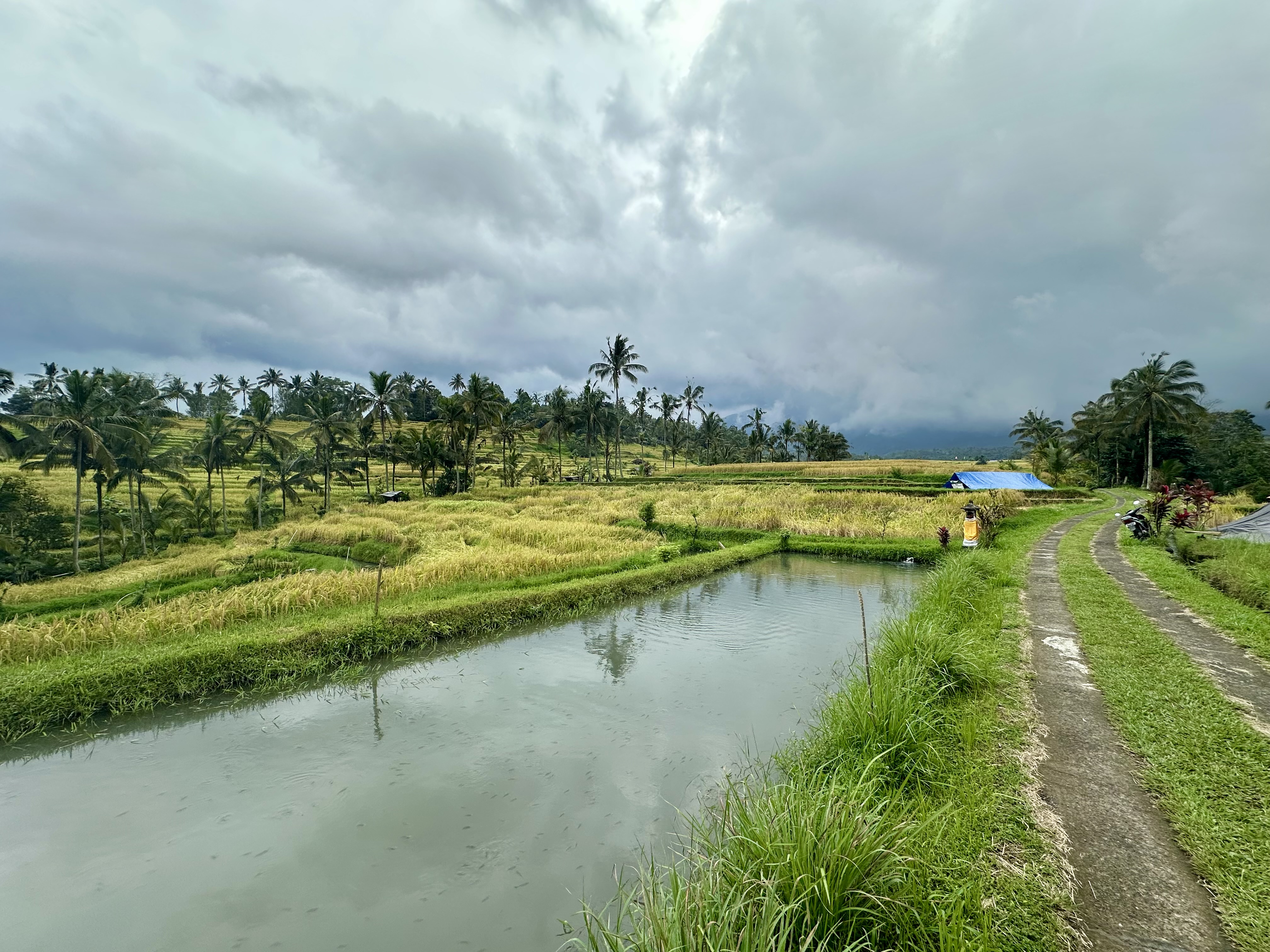
Tips and recommendations


The truly awesome Santya Loka Lodge is inside Jatiluwih, but away from the main village. Offering epic views, quiet accommodation and fantastic breakfast I very much enjoyed this place. It is a short walk to the twin waterfall (where a swim is possible), and the owners can recommend a local warung for dinner (a short walk away). Just be aware that the road in has a part that (whilst paved) is hike-a-bike steep.


Day 10: Jatiluwih – Ubud


One of the great opportunities that arises from staying in Jatiluwih is that you can explore the fields in the morning before most of the tourists arrive. I didn’t find it super busy overall but being able to explore in the morning was stunning.
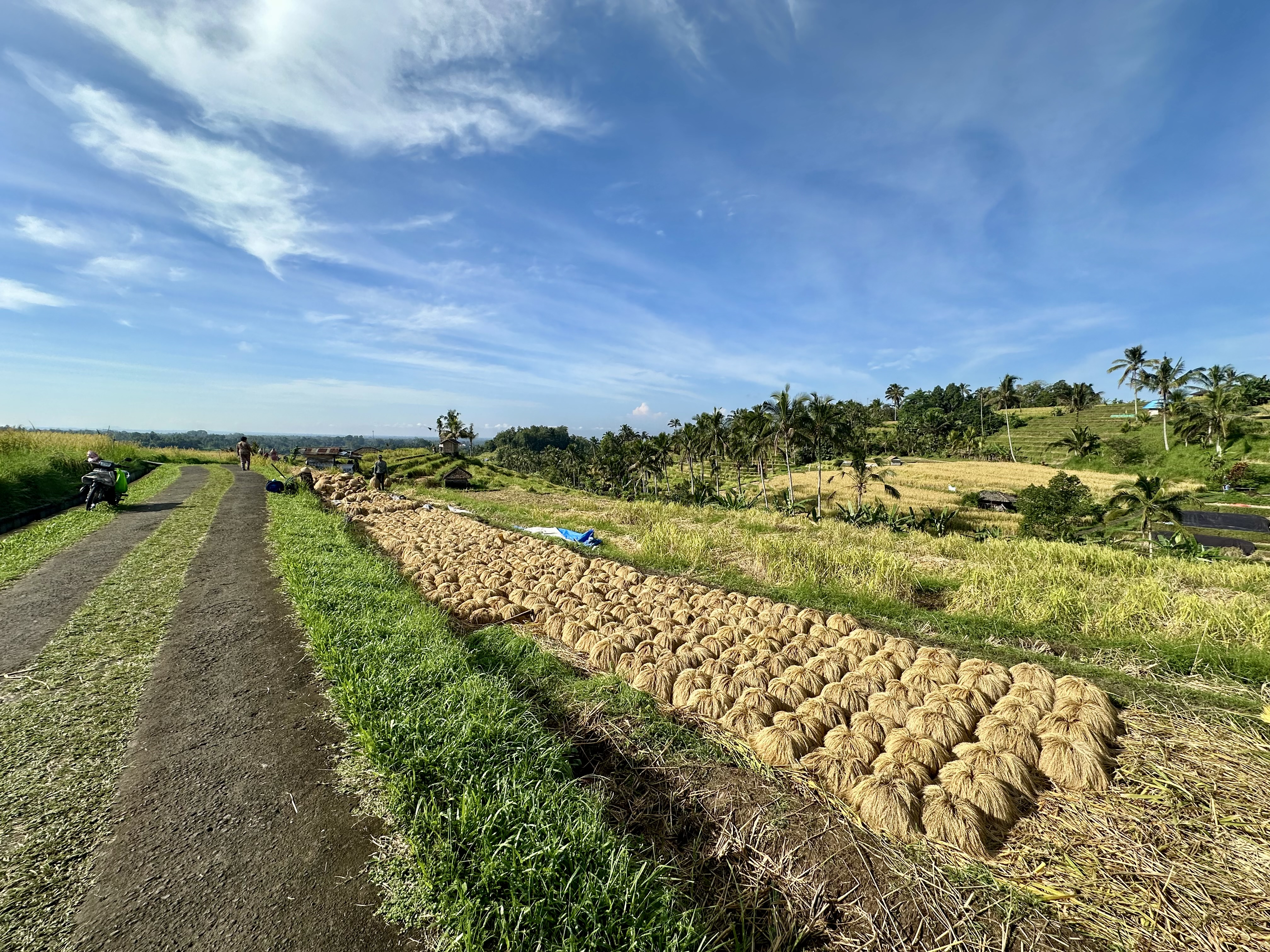
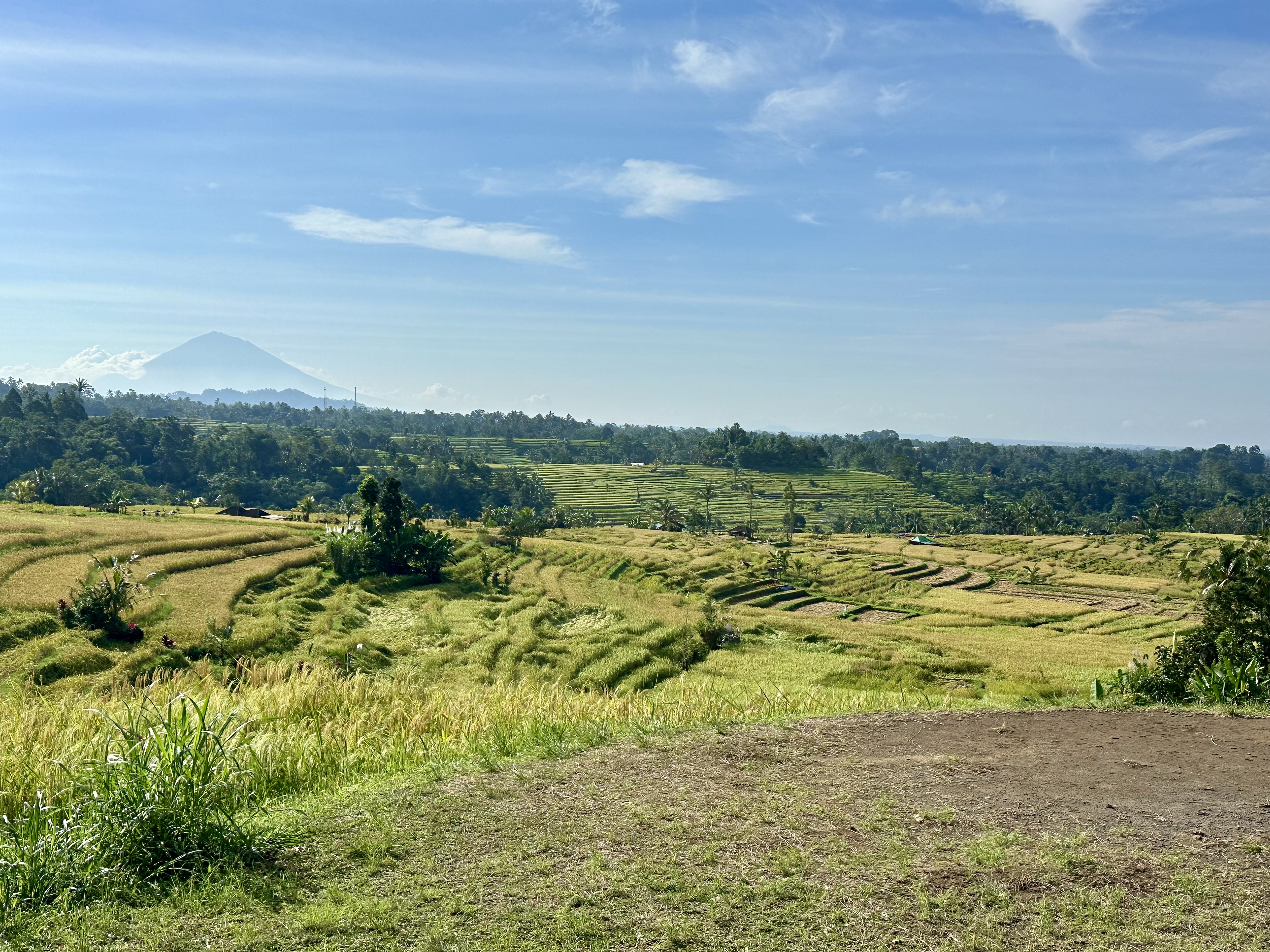
Having said that, once heading out of Jatiluwih there remain great countryside routes to explore. Occasionally a highlight is finding rice paddies being cleaned by ducks. Again part of the secret to this is being prepared to take double track routes and being prepared to take it slowly.

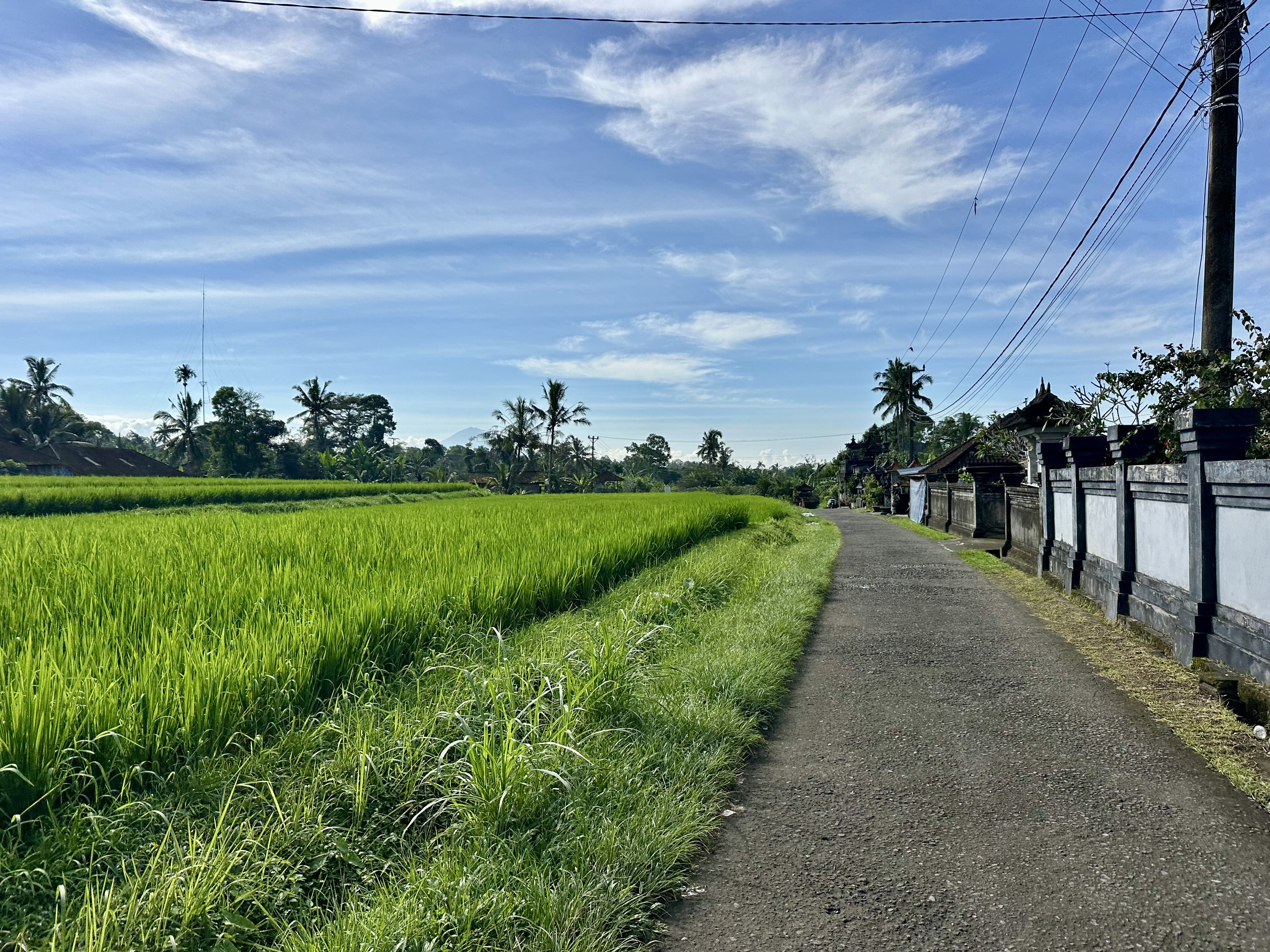

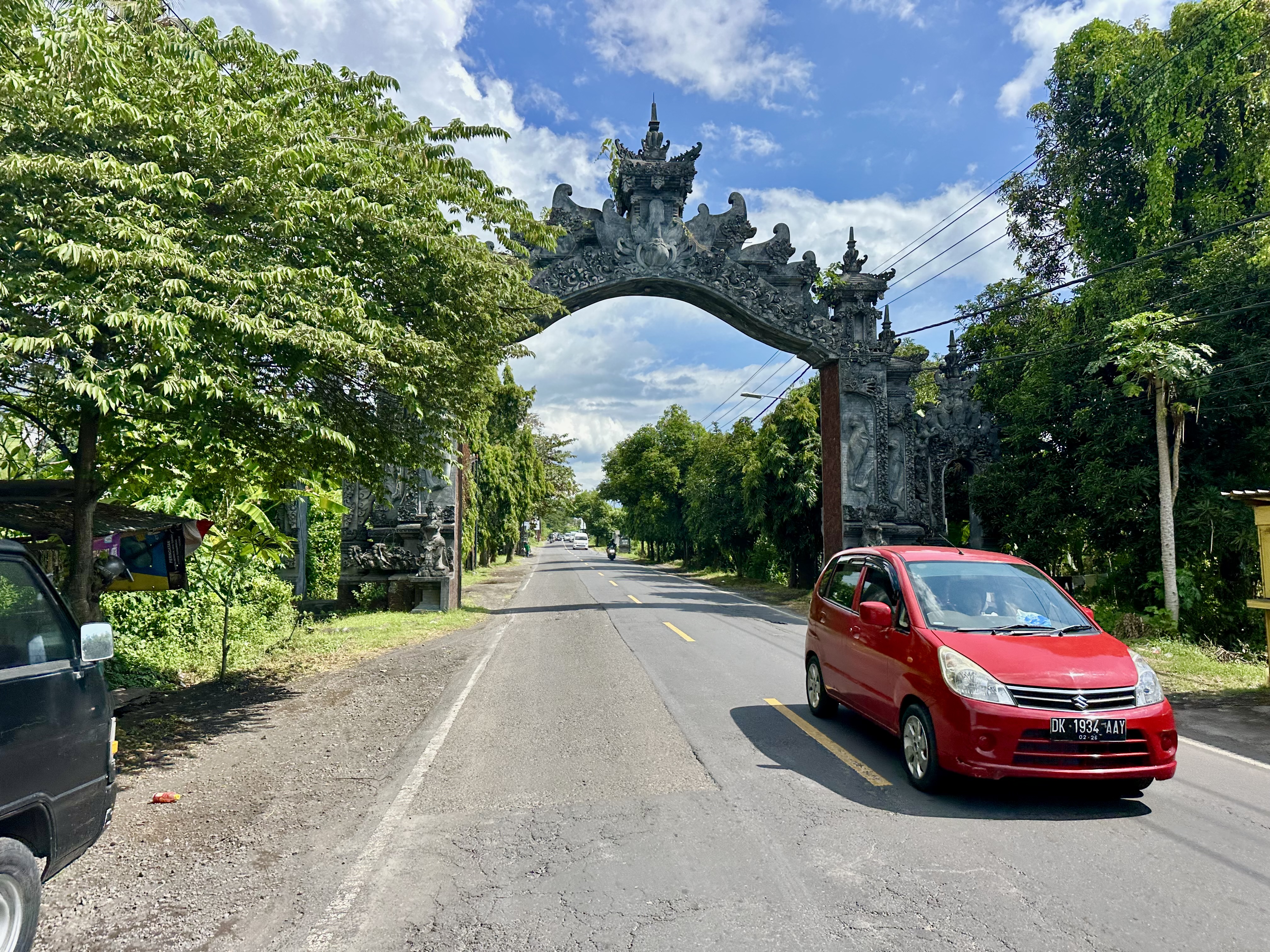
Having said that, I also enjoyed many of the villages, of which this day included cycling through some beautiful ones. Pretty walls, small temples, and Hindu deity statues at intersections.

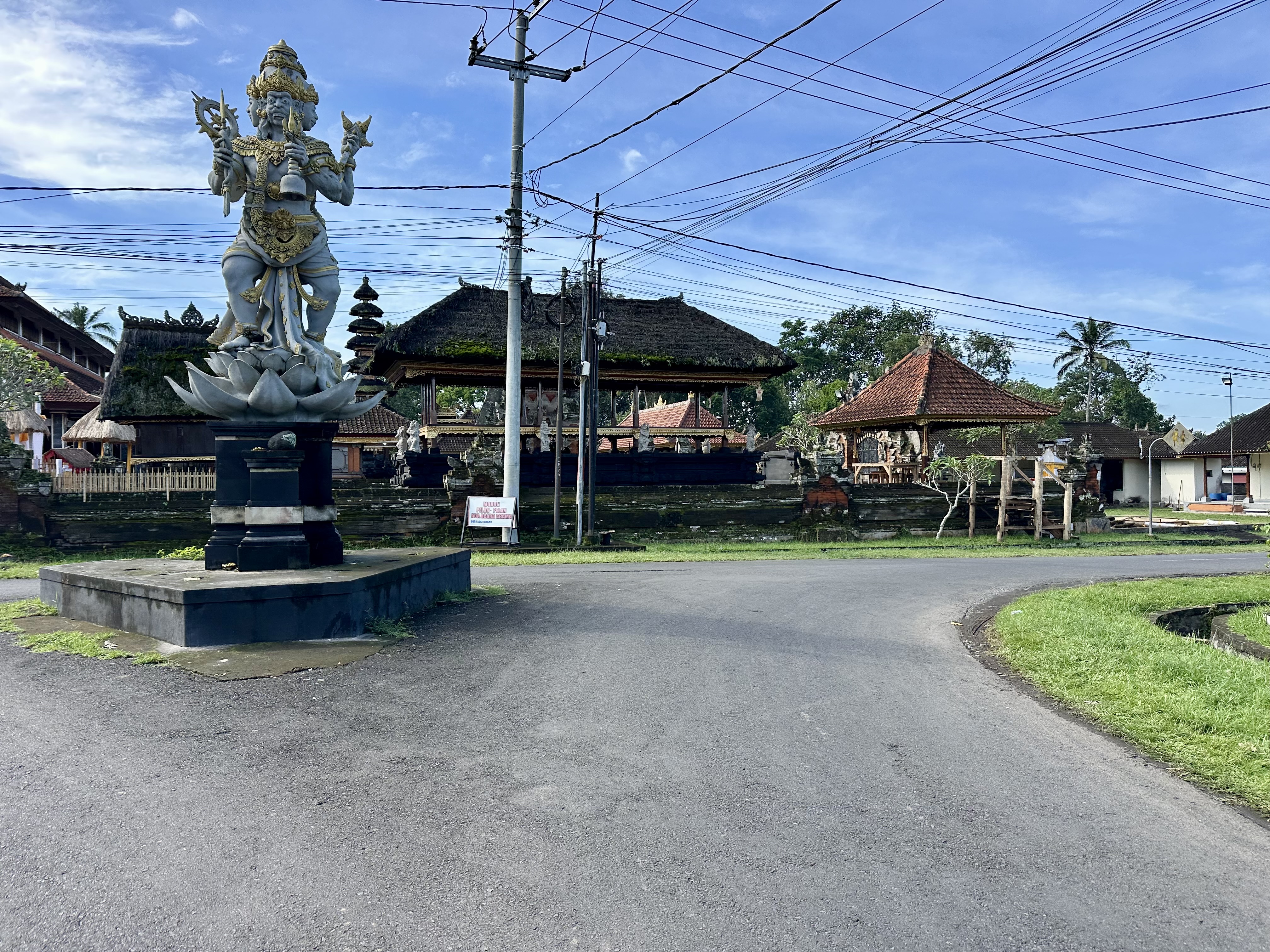
Tips and recommendations

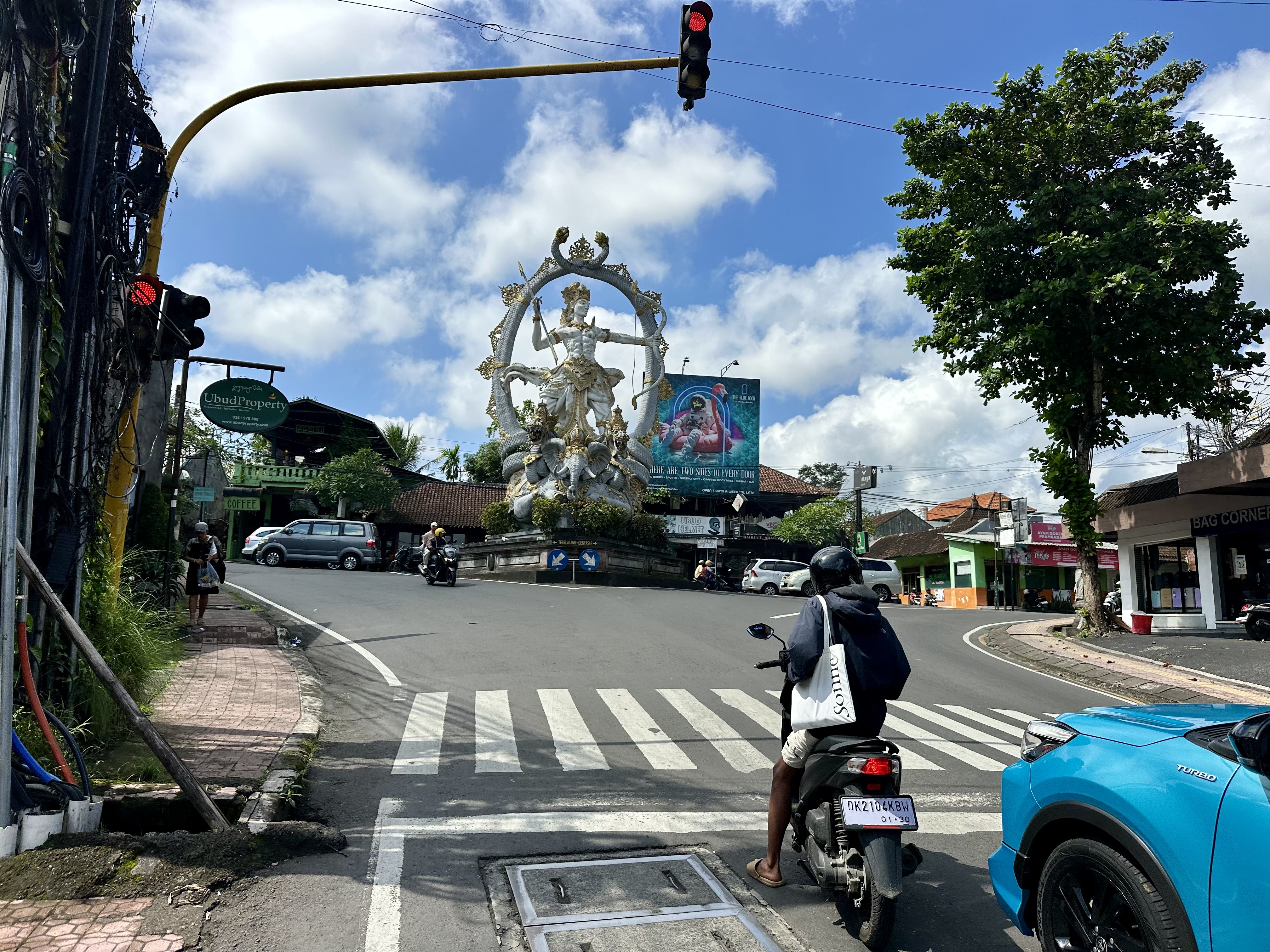
Finally, it was necessary to return to Ubud. It is busy, and worth planning how best to get back while avoiding the busiest roads as much as possible. Strava heatmaps really helped here, including finding some single track connections.
Final thoughts


I enjoyed my trip to Bali so much I’m already thinking about a potential next trip to Indonesia – possibly Lombok or Flores. If you are thinking yourself that cycling in Bali sounds great but that some of the main road cycling is not for you, I saw folks doing cycling tours around Ubud and Jatiluwih (and I’m sure there are other options too).
For the more adventurous, there were some specific challenges I had on this trip that I recommend you keep in mind:
- When cycling in traffic, particularly when things are busy, it is challenging to understand what is going on behind you. There are massive advantages of not having to turn your head. I have been using a small rear view mirror from Spurcycle (specifically the R50). It is a game-changer when cycling in traffic, and so easy to take in and out of the end of the handlebars. I was extremely grateful to have it, and wouldn’t go on a long cycling trip without it.
- With the humidity a small travel towel was invaluable to dry off hands and face. I have a tiny one I keep in my top-tube bag.
- Be prepared for a downpour. This was particularly the case in the mountains in the mid-afternoon – even in the “dry” season of June! Be prepared to find some cover, but also be ready for outstanding sunsets!



 CyclingGravel