

The route: Seoul – Chuncheon – Odaesan – Gangneung – Donghae – Yeongdeok – Geongju – Ulsan – Daegu – Andong – Chungju – Seoul
Inspired by travel articles extolling the virtues of the Four Rivers Path, I jumped on a cheap return airfare to Seoul and figured I’d work the rest out later. After much online research and reading about the entire country (and deciding what I was keen to see) I planned a route that explored beyond the cycle paths. Then I packed the bike, boarded the plane, and headed off for my first unsupported overseas cycling trip.
Planning a bikepacking trip to Korea
In planning for and doing this trip there were a lot of things I learnt that would have been useful to know, sometimes took me a while to figure out, or are hard to know without going. They are definitely things I would now use in planning another trip, so I hope you find them useful!
Route planning
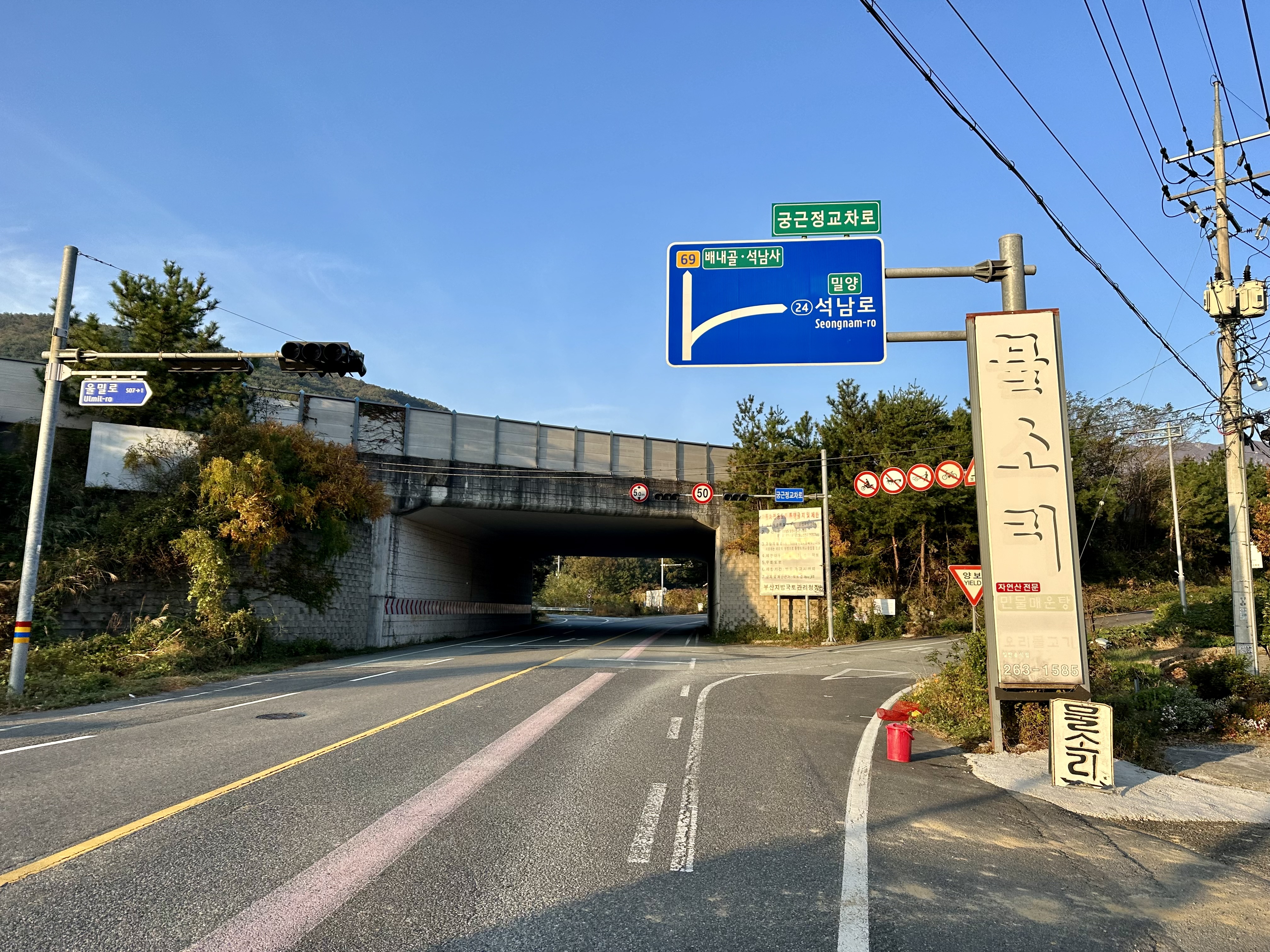

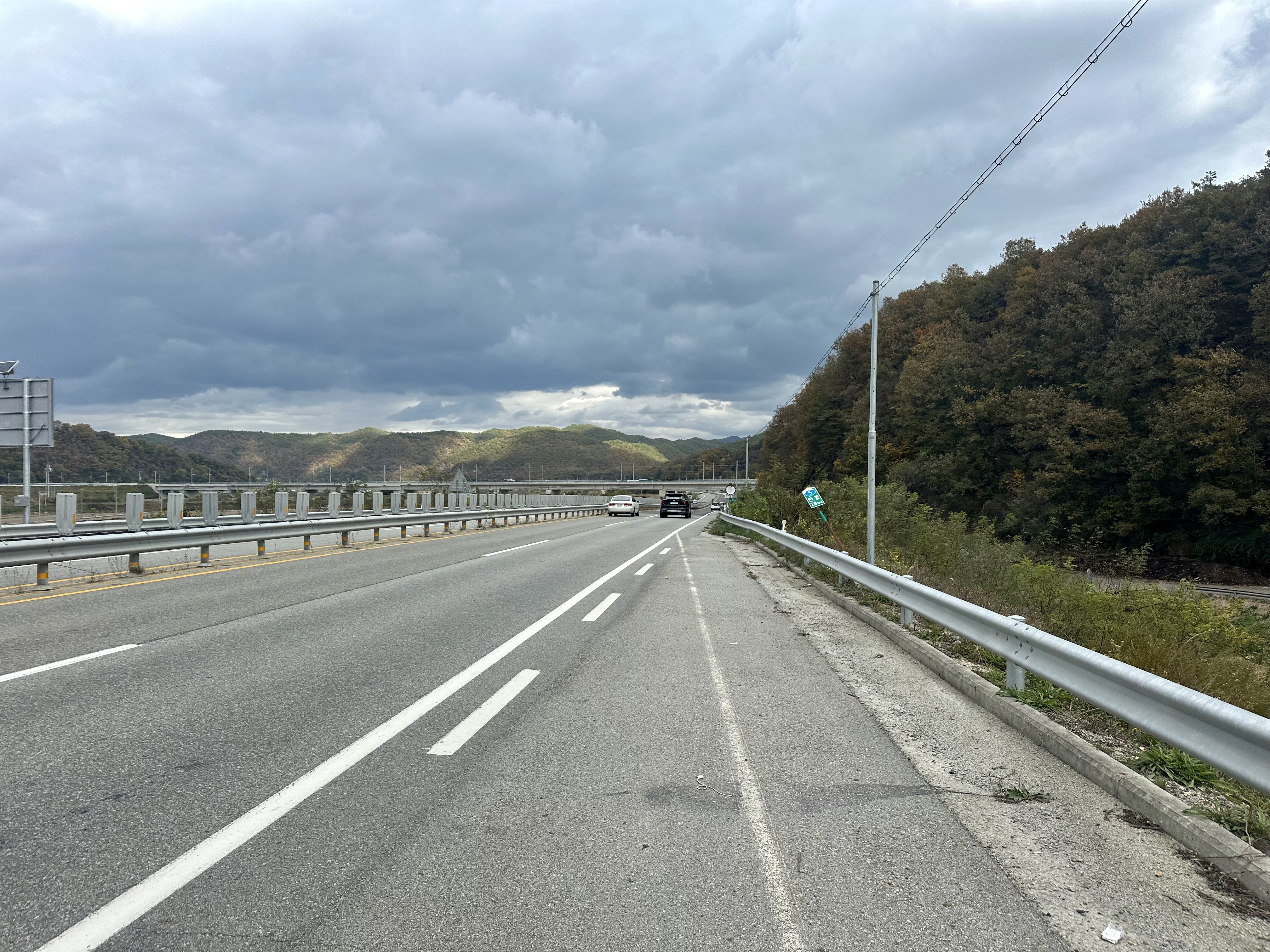
Don’t stick to the cycle routes, but do some planning and pick the better roads. I really wanted to visit places like Odaesan, Gyeongju and Daegu, as well as some other out of the way places (highlights included Unmunsa and a number of breweries). So I planned routes that included roads. You aren’t allowed to cycle on an expressway, but beyond that what are the roads like? My experience was that if a road has no number, or is numbered with a yellow circle (a local highway), it is almost certainly quiet with limited traffic, and speed limits were a maximum of 60 km/h. In fact, to call these routes a highway is extremely generous. Numbered roads with blue circles (national highways) are busier and can have higher speed limits (e.g. 80 km/h), but only when multi-lane and typically they had significant verge. Fine for cycling if you need / want to (I did), but worth considering as you plan.
Use Naver maps – Google maps is pretty useless. On the topic of route planning, I typically use Google maps to explore and broadly consider where to go, Strava heat maps to check where people are (and are not) cycling, Komoot to plot out and store the detailed route I plan to take, and Pocket Earth when en-route and also to tag locations for offline reference (e.g. Airbnbs, cafes etc). Google street view is a key tool at times – such as a quick confirmation of where a hotel or Airbnb is, and most importantly what a road looks like. Google proved useless for this purpose in Korea. Thankfully Naver map was excellent for street view and basic route planning – recommended.
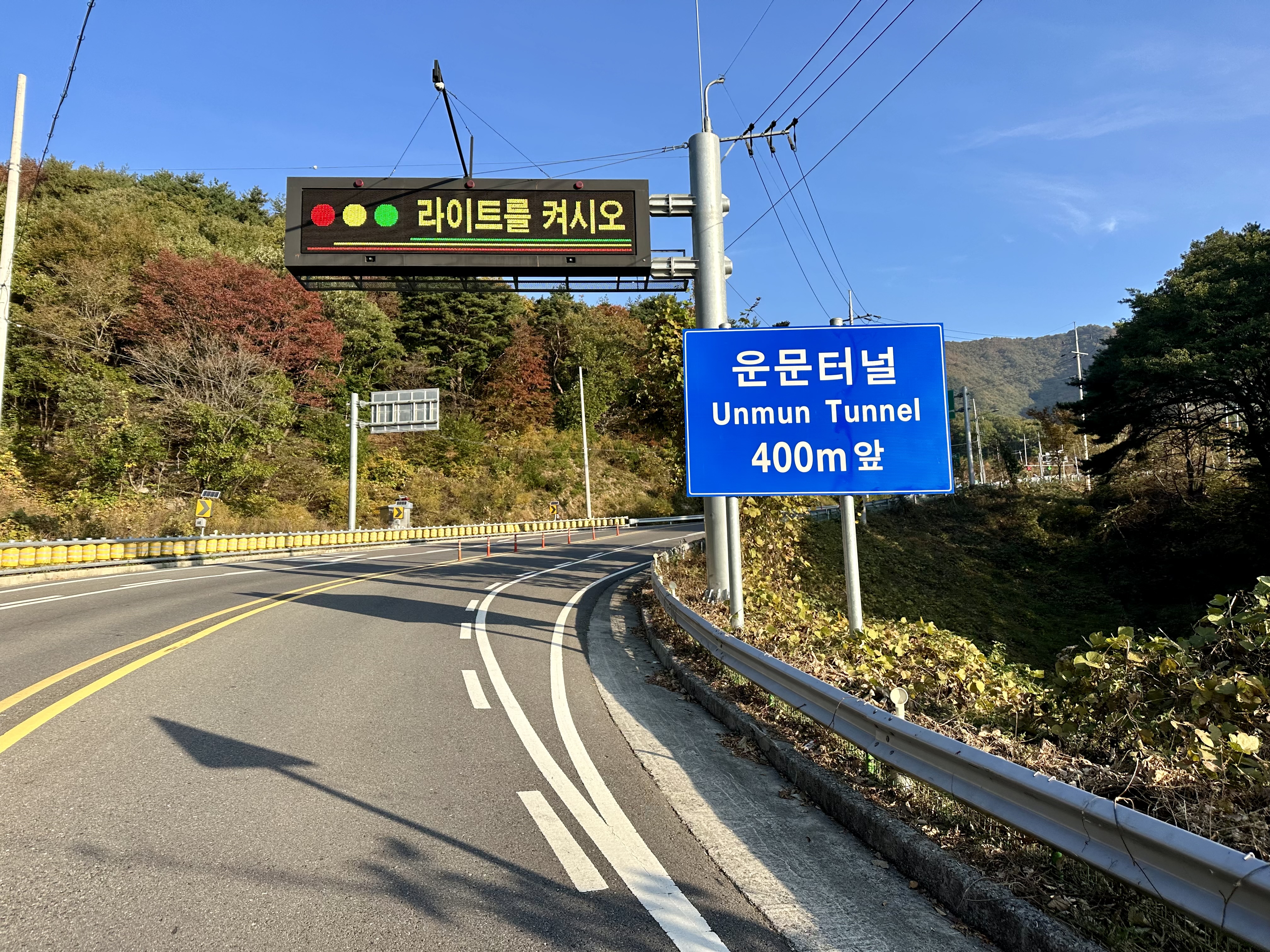
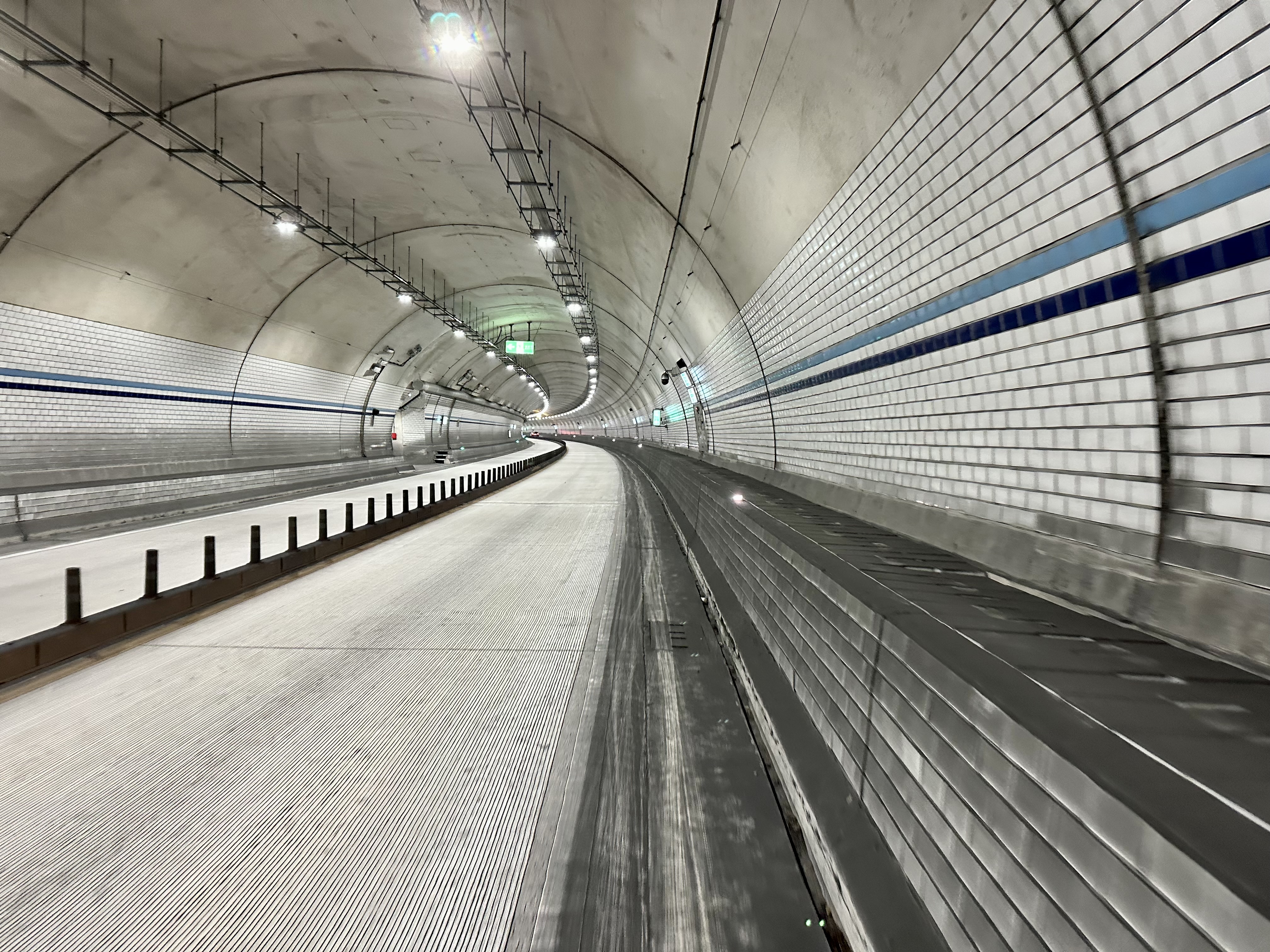
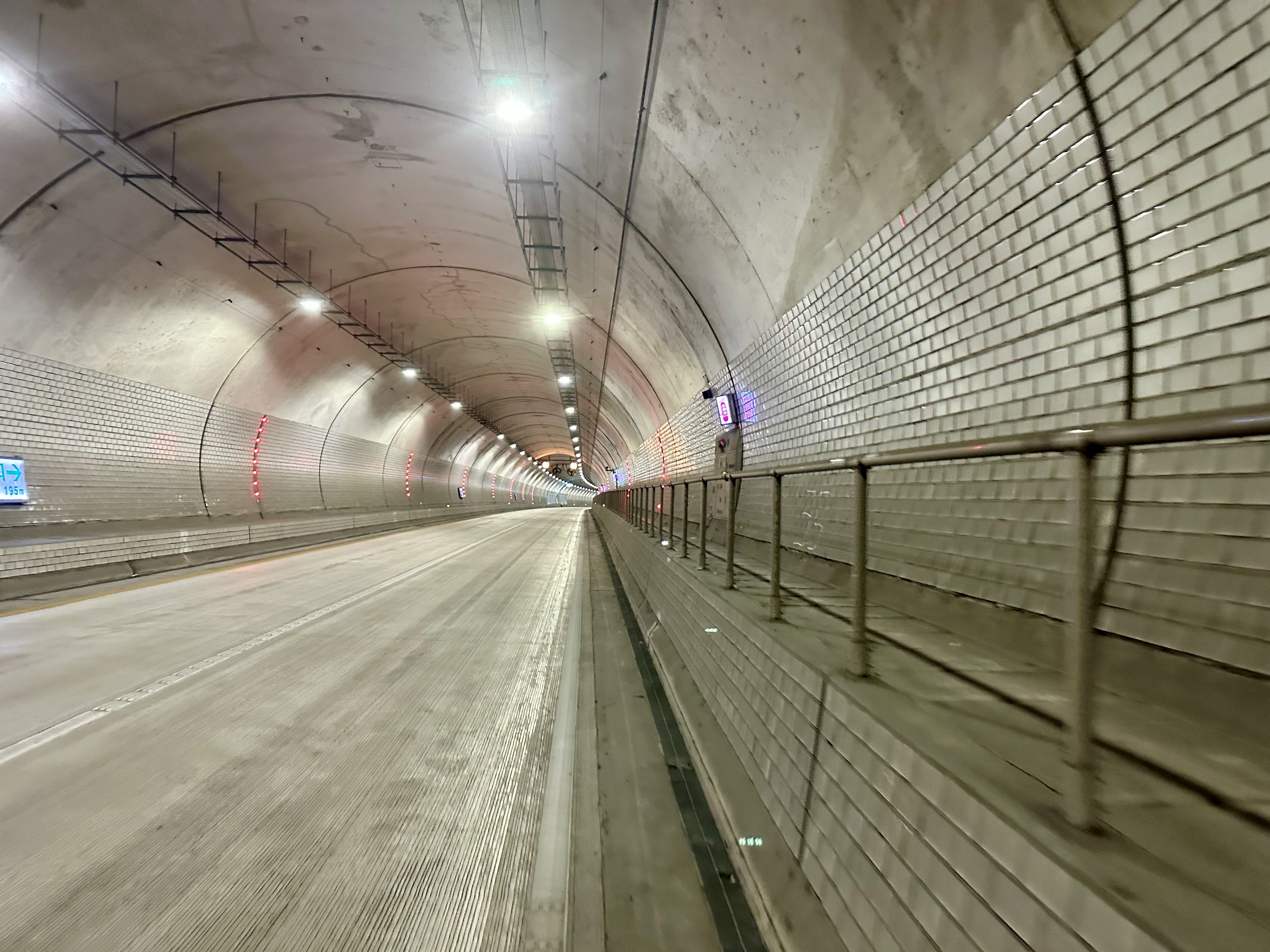
Do not worry about a tunnel. I was really nervous about what cycling through a tunnel would be like, and there are quite a few of them if you cycle through the hills. They can be long (one was over 3.5km!), but all the ones I used were safe – wide and plenty of space. In a number of cases (such as the ones pictured above) there was even a raised pedestrian platform that some had chosen to cycle instead of taking the traffic lane.

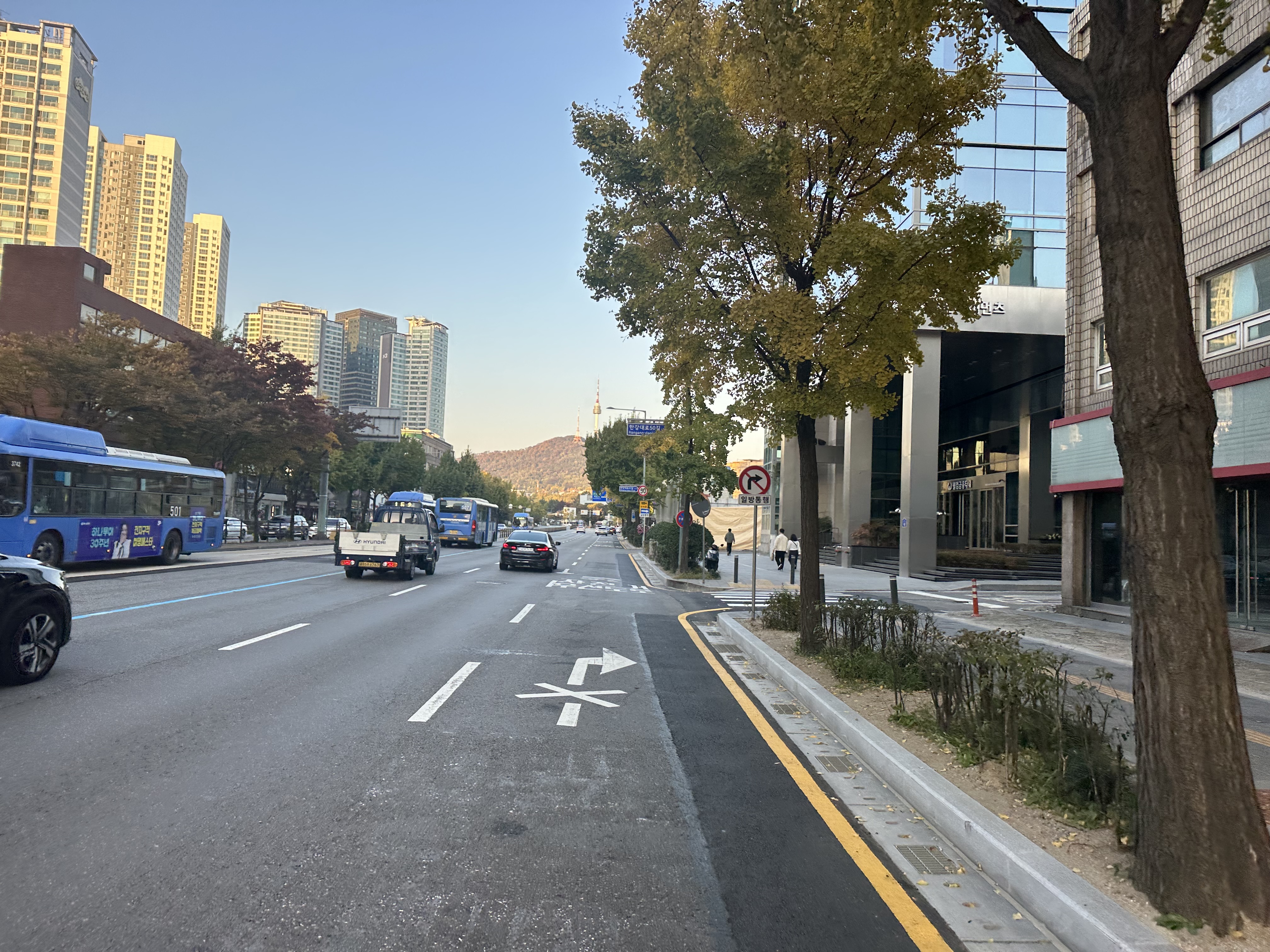
Do not stress about city cycling. I realise that for some on-road cycling in a big city is a daunting prospect. In my experience a little planning in every city helps a lot, and it can be great when you get it right: Sydney, New York, Los Angeles, and Kyoto are some that come to mind. Korea was no different, and in the big cities I felt a lot safer than in an Australian city – the traffic was slower, there were often other cyclists and if you really feel the need you can hop onto the sidewalk – Korean cyclists do! Not to mention the extensive cycleways and lanes marked for cyclists.
Have a route plan stored for reference as you go. At times, even the Four Rivers path (and certainly the East Coast route) is hard to follow. Generally there are painted route markings or a blue line to follow, but this becomes confusing or hard to follow on a not too in-frequent basis. It is definitely worth having a route downloaded to refer to or follow when in doubt.
Food, coffee and beer
Morning coffee person? Good luck. Getting a decent coffee is problematic, particularly if you are a morning person. Cafes rarely were open before 0900 (sometimes only later), so convenience stores are your best option. Unfortunately most of this coffee isn’t great – the best option I found was regrettably Starbucks (desperate times call for desperate measures). Most cafes weren’t brilliant either to be honest. My recommendation is to branch out a little (I tried all sorts of random things), and worst case? Most places I stayed had a kettle and black tea…

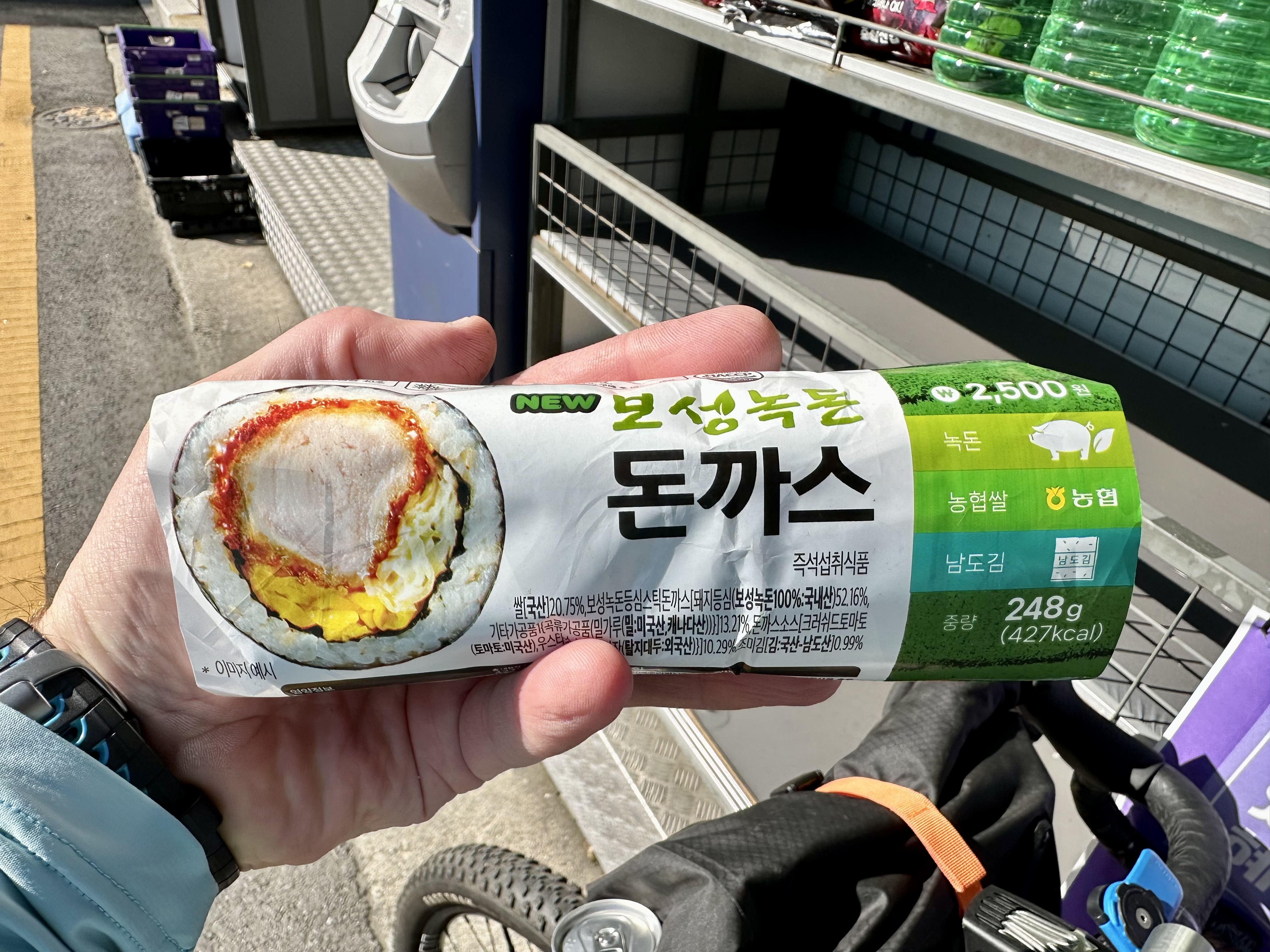

Convenience stores are great. Much like Japan, the convenience stores in Korea are great places for food and drink. A GS25, CU, or 7-11 is never too far away, and provide inexpensive but healthy (as well as unhealthy!) food options. They also offer a clean and dry place to eat/drink, plus the only reliable trash disposal.
Hotel breakfast hours are not cycle touring friendly. Somewhat related to the morning coffee issue, hotel breakfasts often did not become available until 0730 or 0800. I mostly chose to skip the hotel breakfast so I could get cycling, and used convenience stores for a breakfast including items like boiled egg, pastry, fruit and coffee.
It is worth seeking out a brewery. I very much enjoyed the breweries I visited, and the beers on tap. More detail on these is below, and this is a good thing as the big-name local beers (e.g. Cass, Hite) are pretty terrible. The one mass produced beer I found that was not too bad was Hanmac – a rice based lager – made better by the fact it costs less than 3000won for a 500ml can….
Accommodation
I realise that for many people travelling freely and organising accommodation as you go is a great option. I do this myself sometimes, but increasingly I find myself planning stays in advance. I do this for a few reasons. The primary one is that finding a stay as you go can end up taking time – time you otherwise can spend cycling, relaxing or sightseeing. It can at times also be challenging (in places with limited options), stressful (when the first few options are unavailable), and uncertain (you may end up paying more). There is an advantage in knowing for sure that there is a bed and shower waiting. With this in mind….
Airbnbs are a tremendous option. I used four fantastic Airbnbs on this trip. From a hanok village, to petite apartments and a backyard flat they proved to be a great option where available. I also met some lovely locals this way. Recommended.
Airbnbs and hotels are not expensive. I found places to stay for $80 – $100 (AUD) per night in most places, and even in the large cities of Seoul ($200) or Daegu ($150) decent options were available at a very reasonable price.
Booking hotels online initially proved surprisingly difficult. Many hotels did not have their own booking site – most offered a Korea-based service (Yanolja) but you need a Korean payment option for this. I used booking.com once, but often found online sites didn’t cover many options. Surprisingly, I found Qantas hotels an excellent alternative – I don’t know what they use as the back-end reservation system but it had by far the most comprehensive selection and I experienced no issues at all.
Getting around
Google translate is your friend. If you are nervous about language, you really don’t need to be any more with Google translate. With Korean downloaded to a phone it just works – brilliantly. Not a substitute for learning a few words, but super helpful.
You rarely need cash. Almost everywhere takes credit card, but note that Apple Pay is not commonly accepted – you’ll need a physical card.
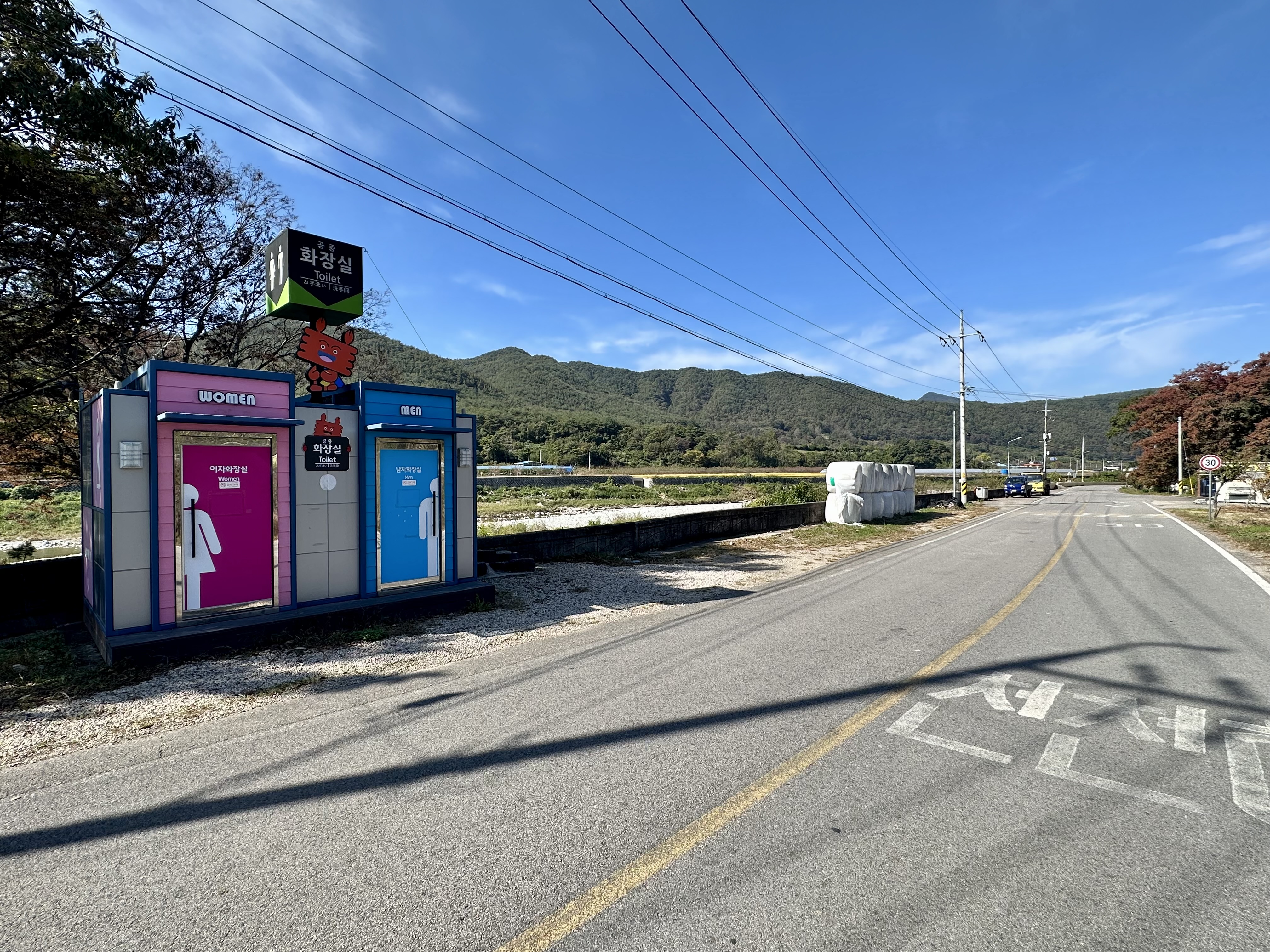

Toilets are not that hard to find. In fact, on local highways, you pass them frequently.
Making it all work
This trip was planned as a roundtrip, sticking to the bicycle (rather than using bus or train). After a late night arrival, and making the way to my hotel, Day 1 started the next morning after putting the bike together. On return I had a day’s sight-seeing before my late night flight home.


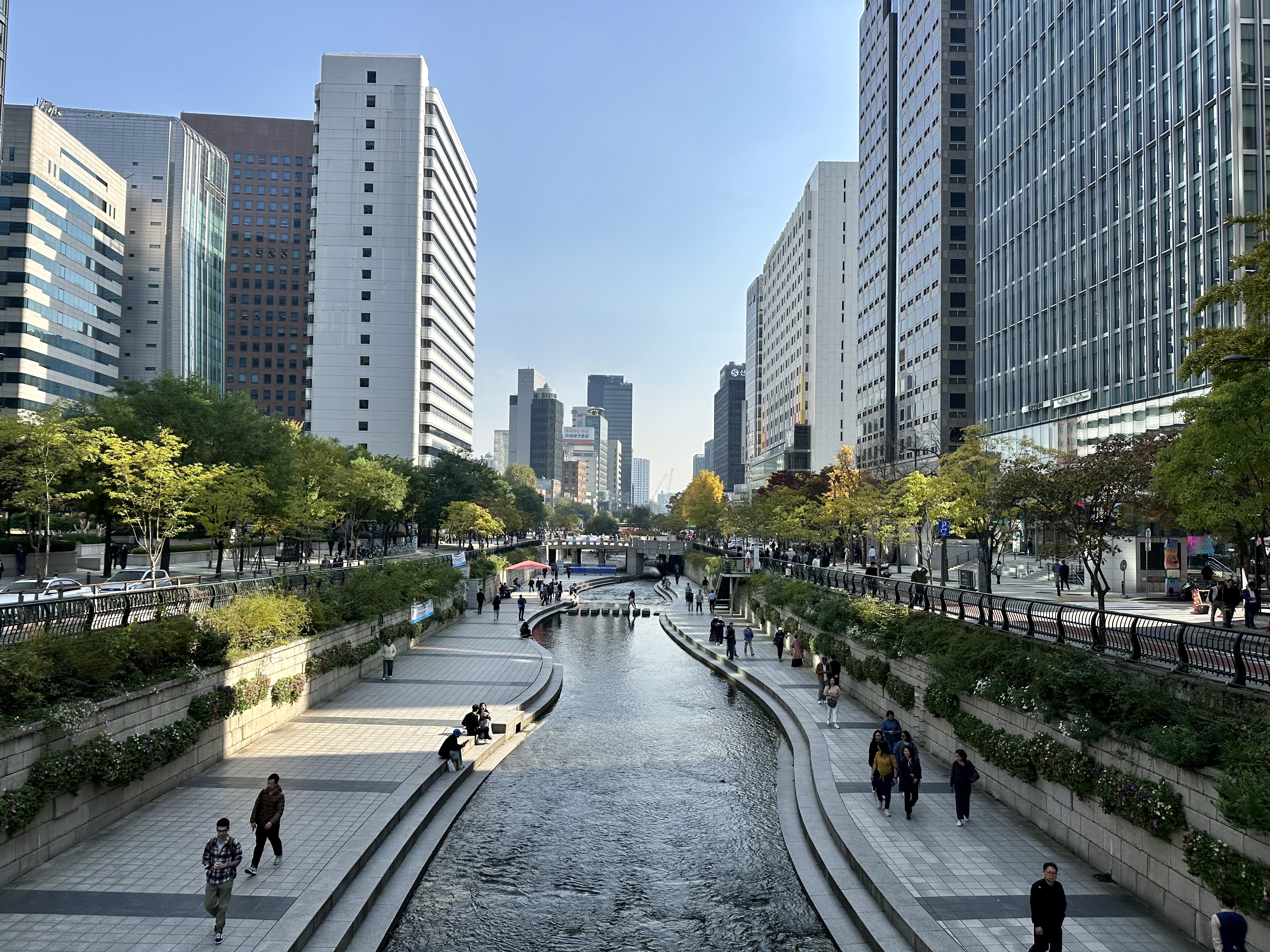
What made this work was staying at the same hotel at the start and end of the trip close to Seoul Station. To do this:
- I caught the express (A’Rex) train from Incheon to Seoul Station. The fare is a bargain (11,000w) and you can fit a bike bag or box on the train no problem.
- I stayed at the Four Points Sheraton Josun, Seoul Station. This hotel provides a 46 step guide (including photos) of how to walk from the train to the hotel foyer. Gold.
- I stored my excess luggage (including bike bag) at the hotel whilst I cycled. The hotel happily did this – I’ve actually done this a few times on trips now where I’ve started and ended at the same location.

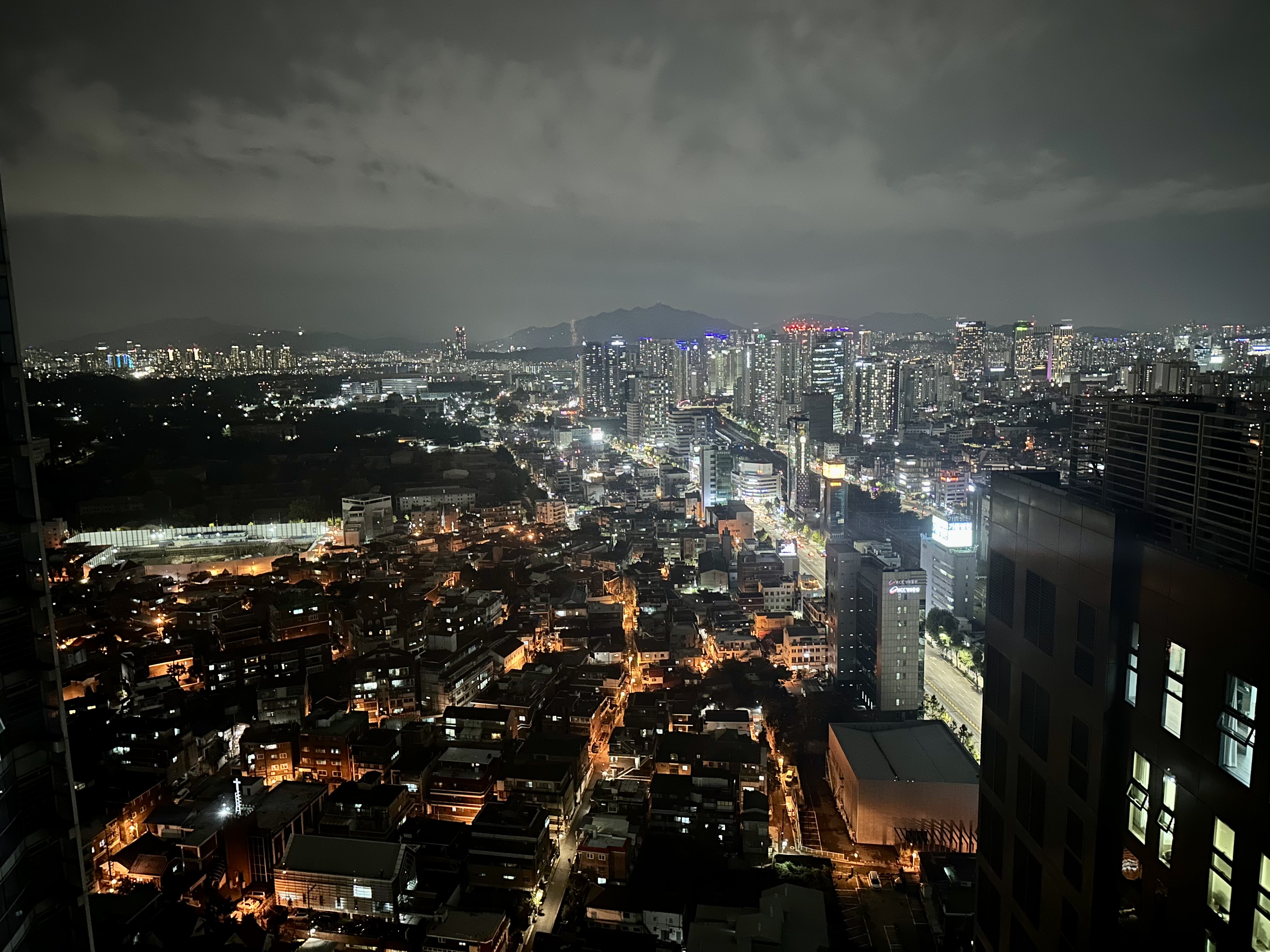

All that was left to do was the cycling!
Day 1: Seoul – Chuncheon
I always find the first day in a new country slightly daunting. No different here, but particularly when I was about to launch into navigating 130km by bike – through a major city to somewhere I didn’t speak the language and it is not reasonable to expect lots of English. I needn’t have worried…
Highlights

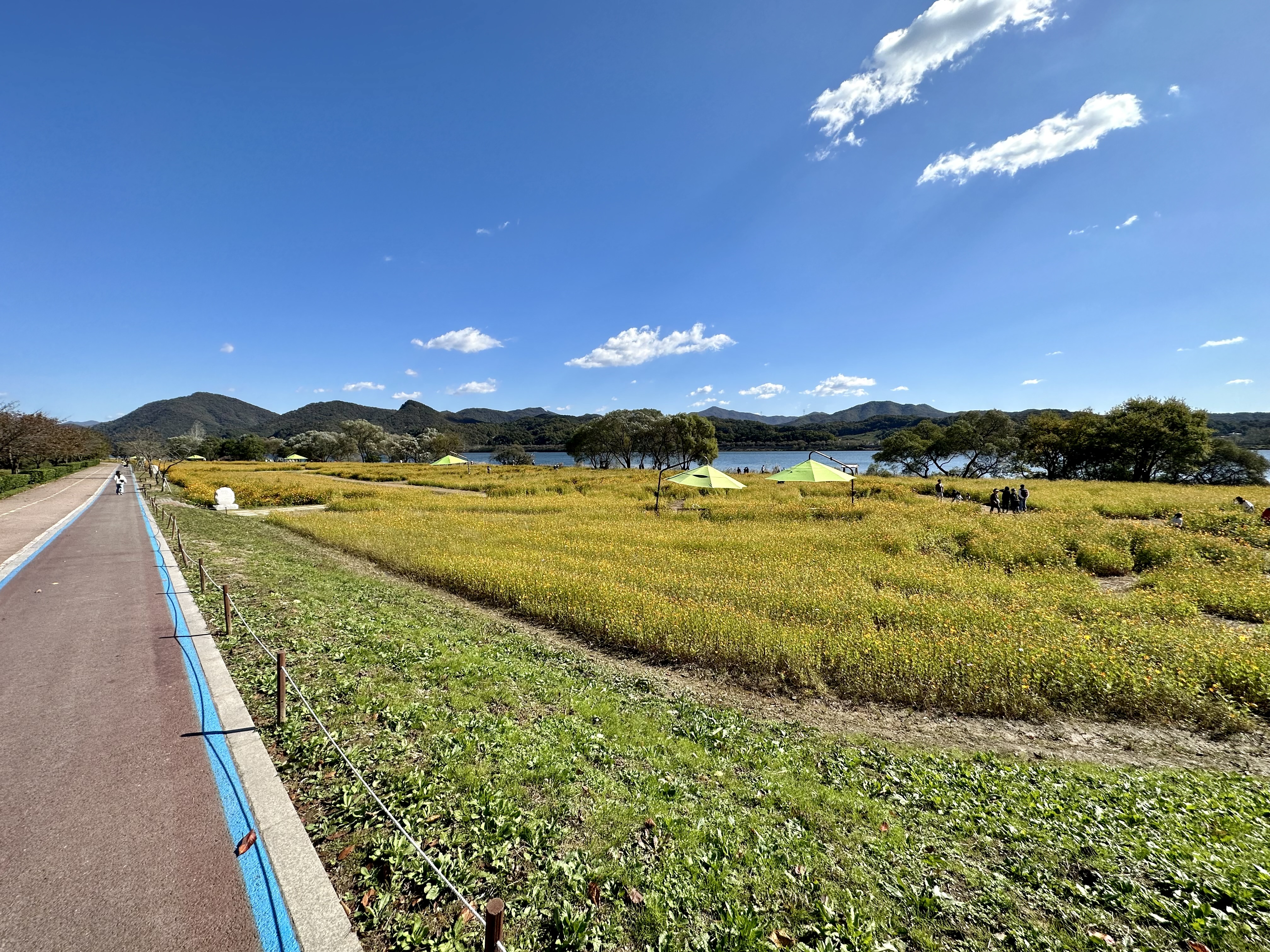

There is no doubt that the cycleway infrastructure in Seoul, and then the cross-country cycle routes that follow, is incredibly impressive. After a short 4km on-road ride from Seoul Station I reached the Han River and from here there is no need to cycle anything other than paths and backroads until you reach Chuncheon.


Early on it is clear that former railway lines have been reused to make the cycleways (particularly in the first part outside Seoul) but this is not always the case. Specific infrastructure has been built (sometimes aligned with freeways) and quiet backroads are also utilised. And when there is no through traffic why not? A fantastic day of cycling, with cafe and small town stops possible at regular intervals along the way.


Tips and recommendations

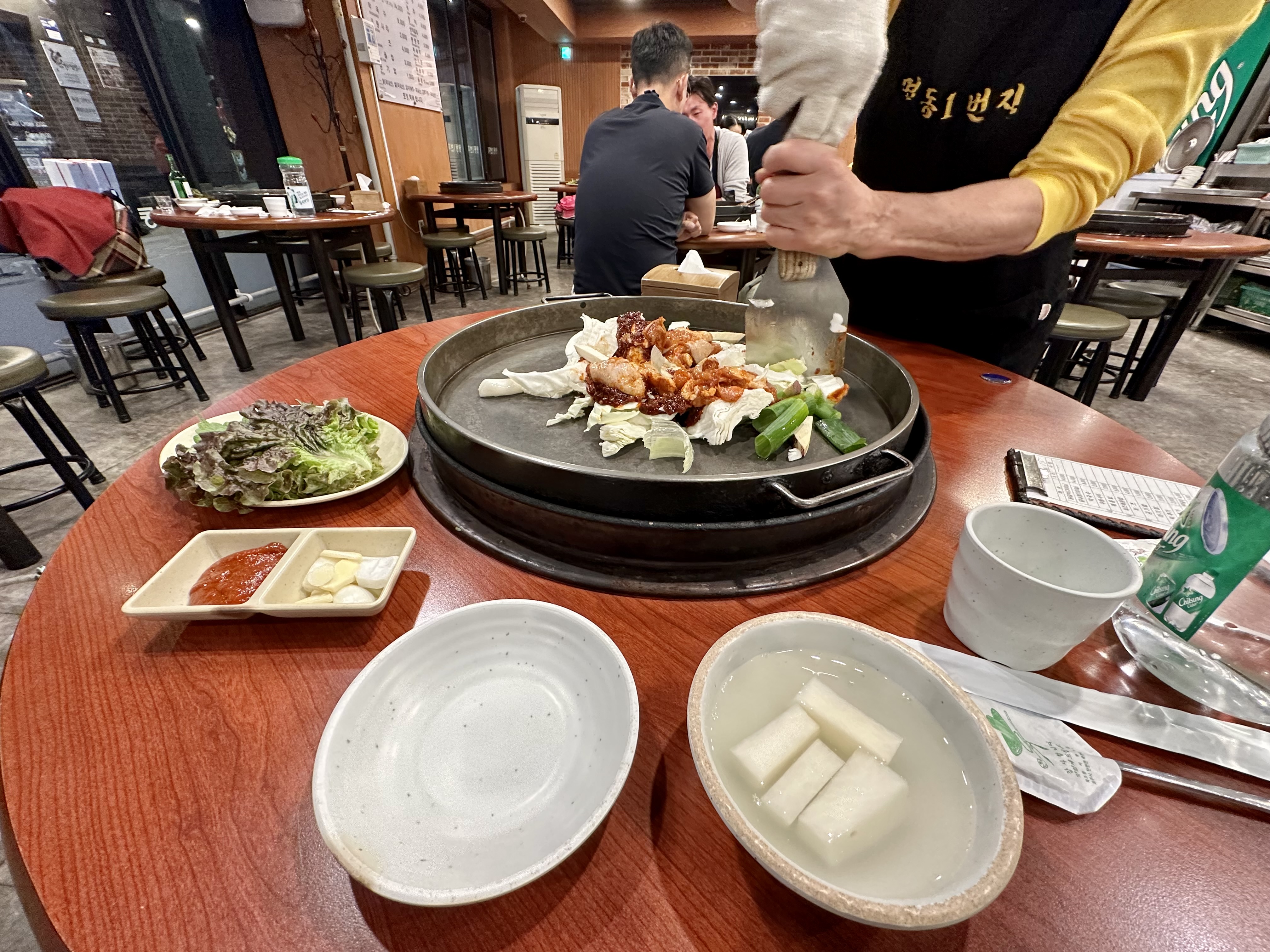
I very much enjoyed a visit to Dakgalbi Street for Chuncheon’s famous spicy chicken. Just jump in – hand signs and a two learnt Korean words (hello, thank you) are all you need (and you could probably cope without these).
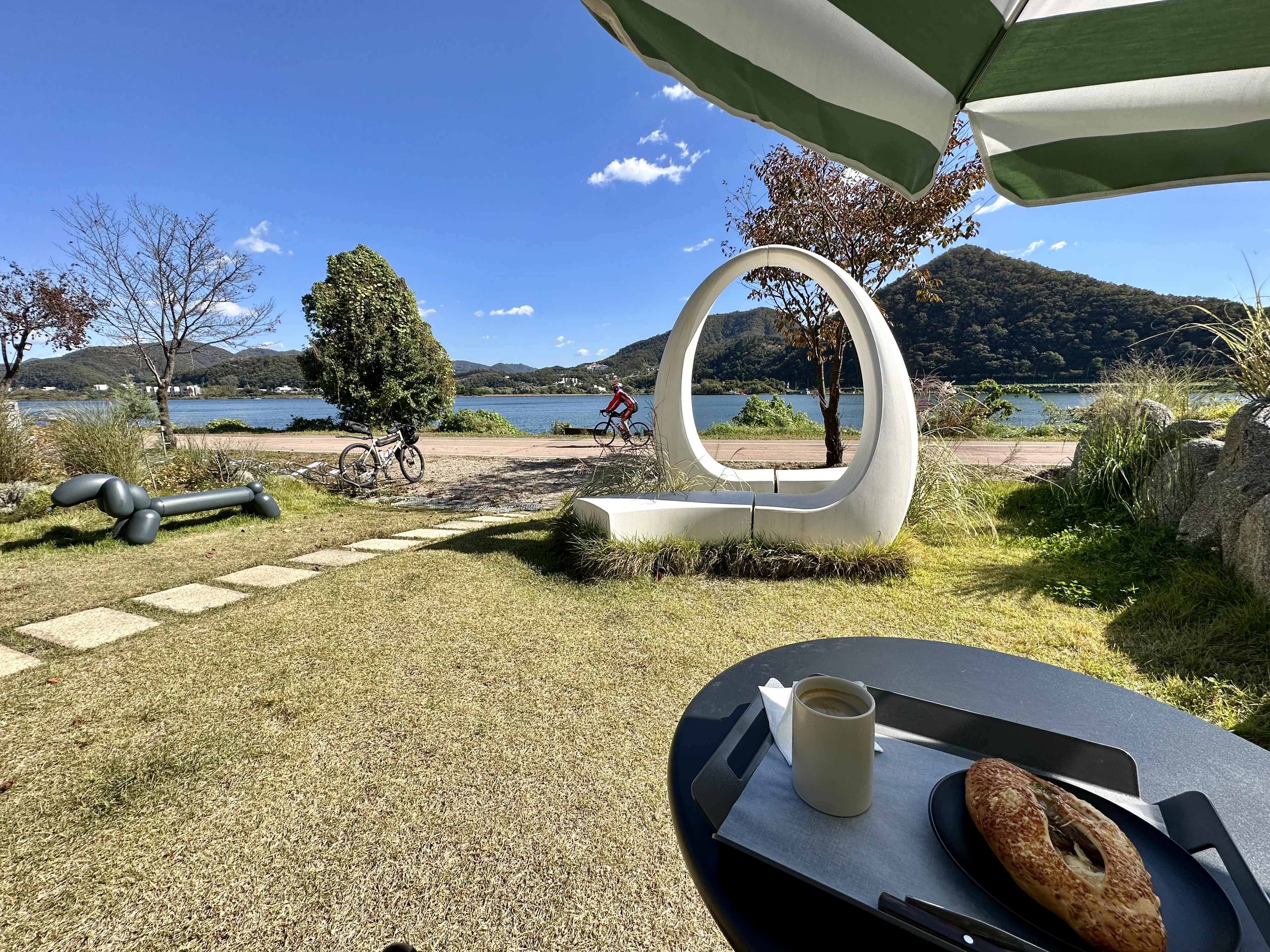

Also en-route I stopped at the river-side Leute Cafe – beautiful river views, passable coffee and nice (albeit expensive) food. Very pleasant – about 56km from Seoul.
Day 2: Chuncheon – Odaesan


Having made it to Chuncheon on cycle path, the question was then where to head in order to make it to the East Coast trail. A lot of online advice recommended taking a bus, and it was certainly true that it would be a hilly on-road cycle. I was really keen, however, to see the highlights of Odaesan National Park, so I planned a route and headed that way. What an epic route!
Highlights

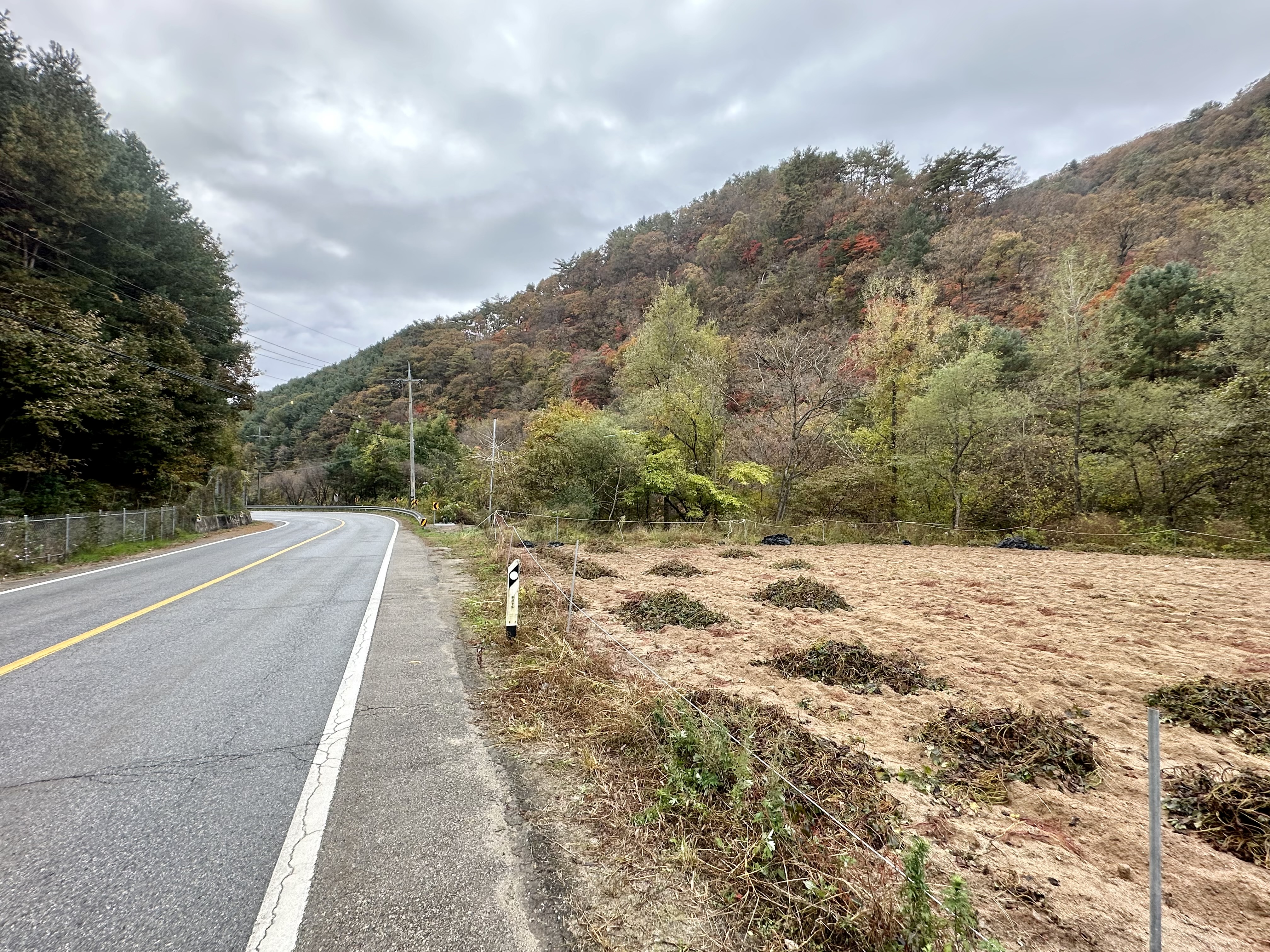

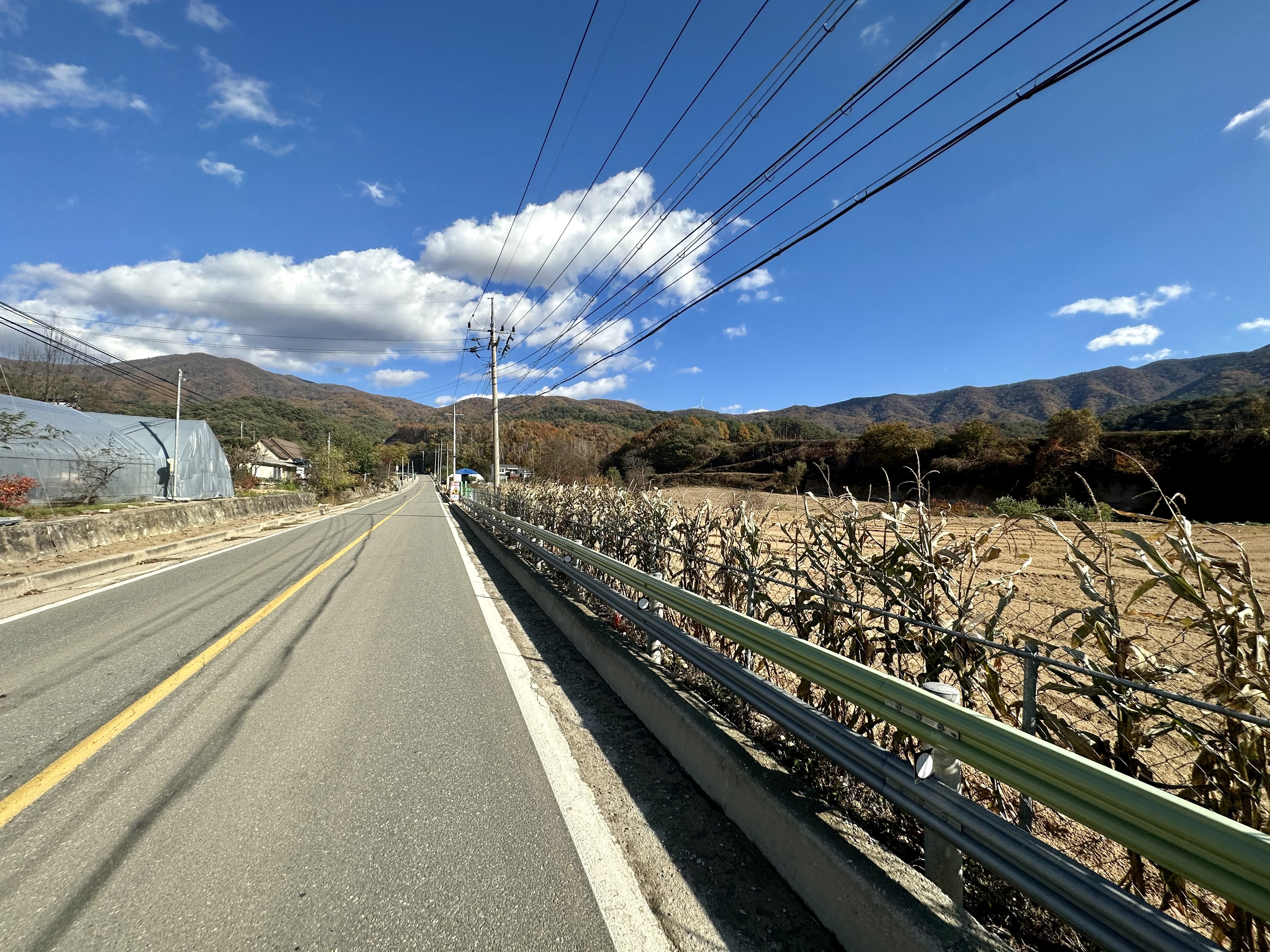
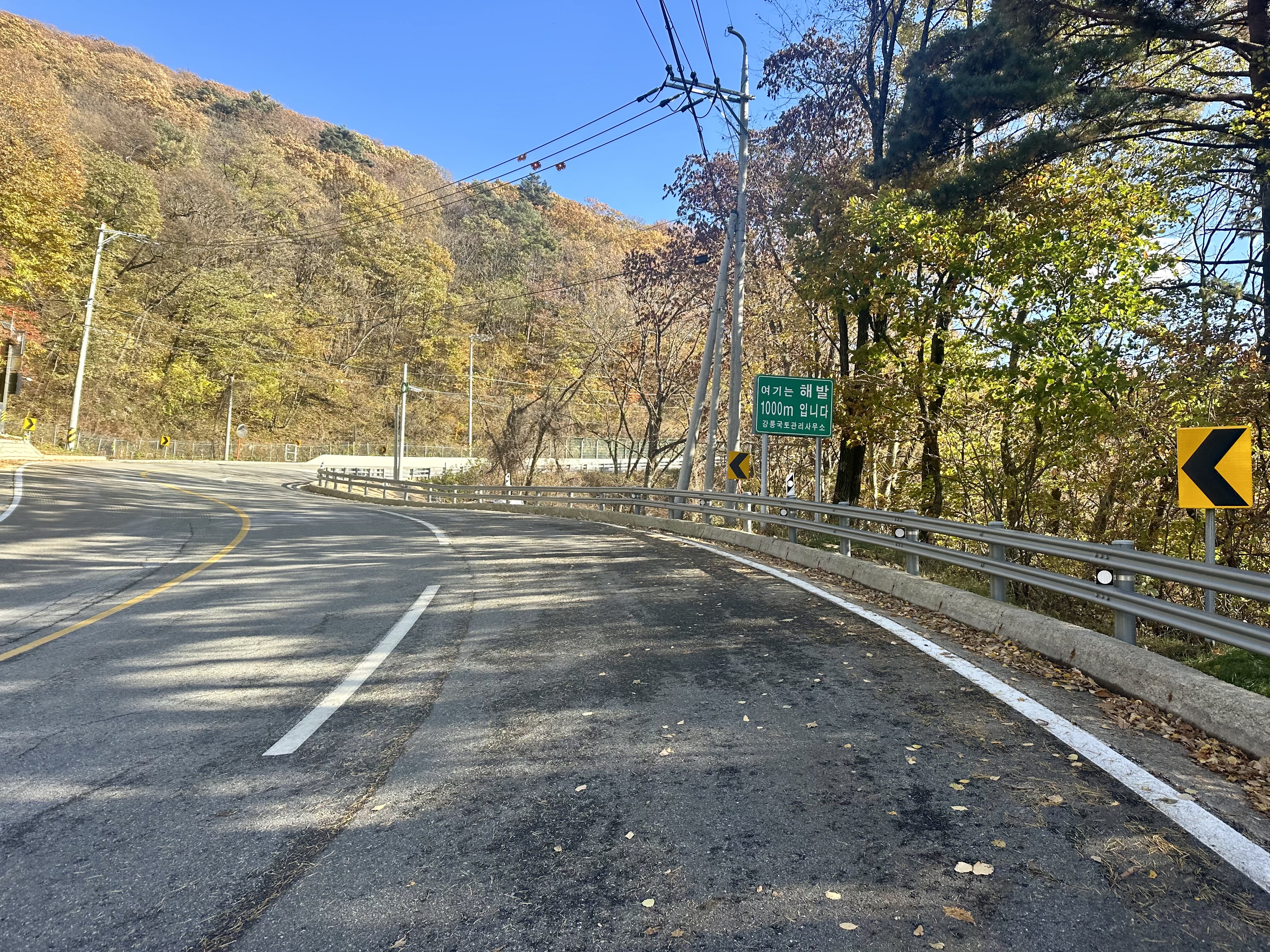
This day was hard work but really scenic. The climbs were followed by some lovely descents, and both offered rural, mountain and valley views. I experienced my first road tunnels, and realised that if this was what they were like there would be no issues, and also found that most roads had very limited traffic. This day put my mind at ease as to what it would be like cycling on-road in Korea – everyone was polite, gave plenty of space and were not travelling at really high speed. You’ll see there is often very limited verge, but it just wasn’t ever an issue.

Lowlight
Traffic got a bit heavier on approach to Odaesan – particularly after Soksa-ri and the Soksa tunnel. I suspect in part this was because it was a Saturday. Nothing particularly concerning, but it was just busier.
Tips and recommendations
I stopped at a small cafe (called 1199) in Nae-Myeon (corner of routes 31 and 56) where my extremely limited Korean met even less English. Even the usually successful request for an “Americano” didn’t work, but a bit of google translate led to a warm coffee, snack and a complimentary cookie! Just one example of how friendly Korea was.
Day 3: Odaesan – Donghae


This day started in the cool mountains of Odaesan before an epic descent to the East Coast route. I was in Odaesan on a Sunday, and I was extremely grateful that despite the temperature being zero degrees celsius I started early – I started around 0600 but the traffic built quickly. In fact, by the time I was leaving Sangwonsa around 0815 the car park was full, and by the time I left the national park at 0900 the queue to get in was kilometres long – so it is very popular! Significant vehicle traffic in the park would make the cycling less fun, so an early start is best.
Highlights


Sangwonsa and Woljeongsa were well worth the visit. Sangwonsa (about 11km from the park entrance) is spectacular and the pick of the two for scenery, so it is worth getting to before the crowds really start to build. At 0745 I didn’t have it to myself, but it was close enough.
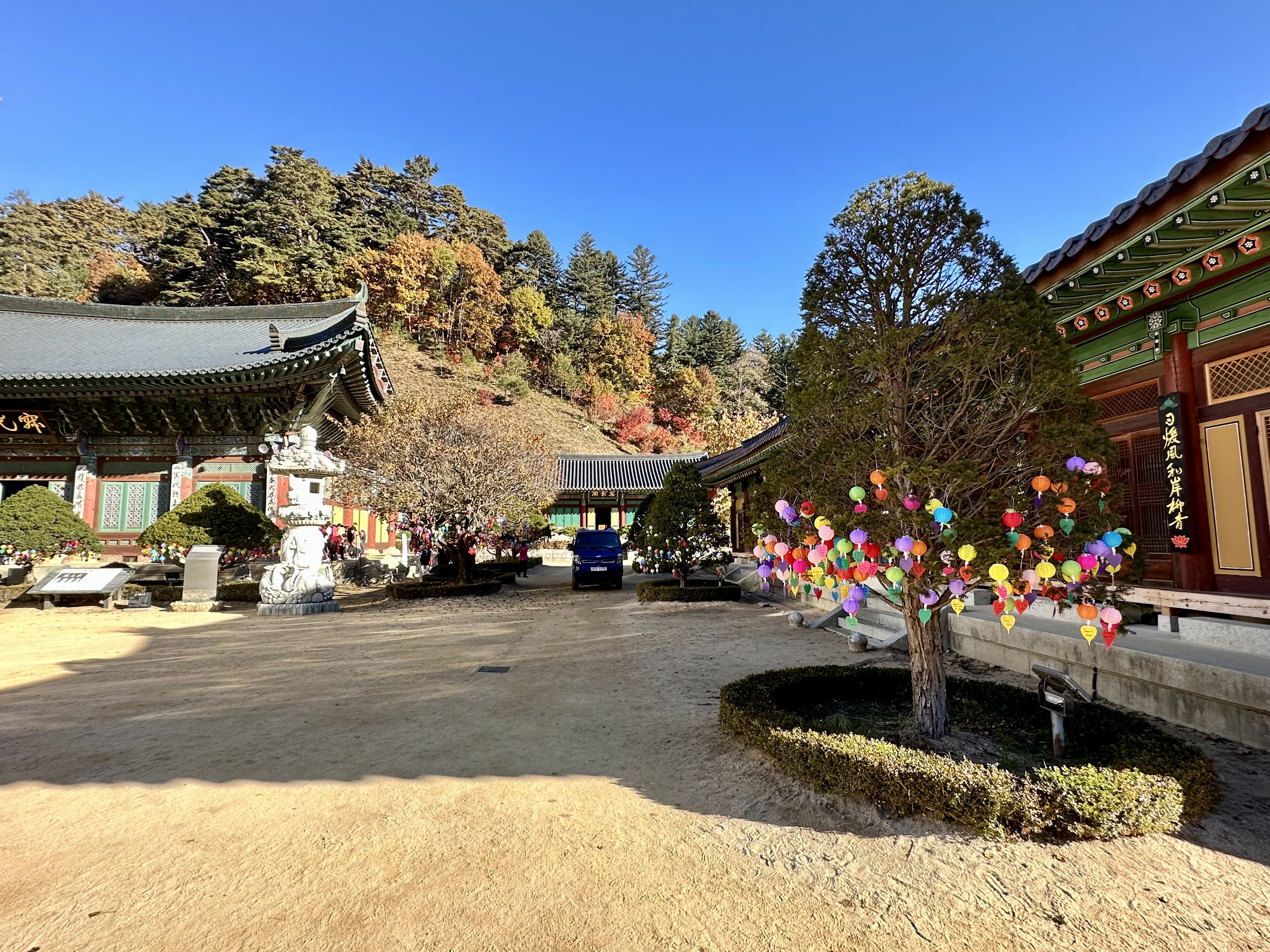

After the temples, the other highlight of the day was the 800m descent down to Gangneung. Curvy and well maintained, you are easily able to travel with the traffic on the way down to the coast. Make sure you stop at some of the lookouts for the views!


Lowlight
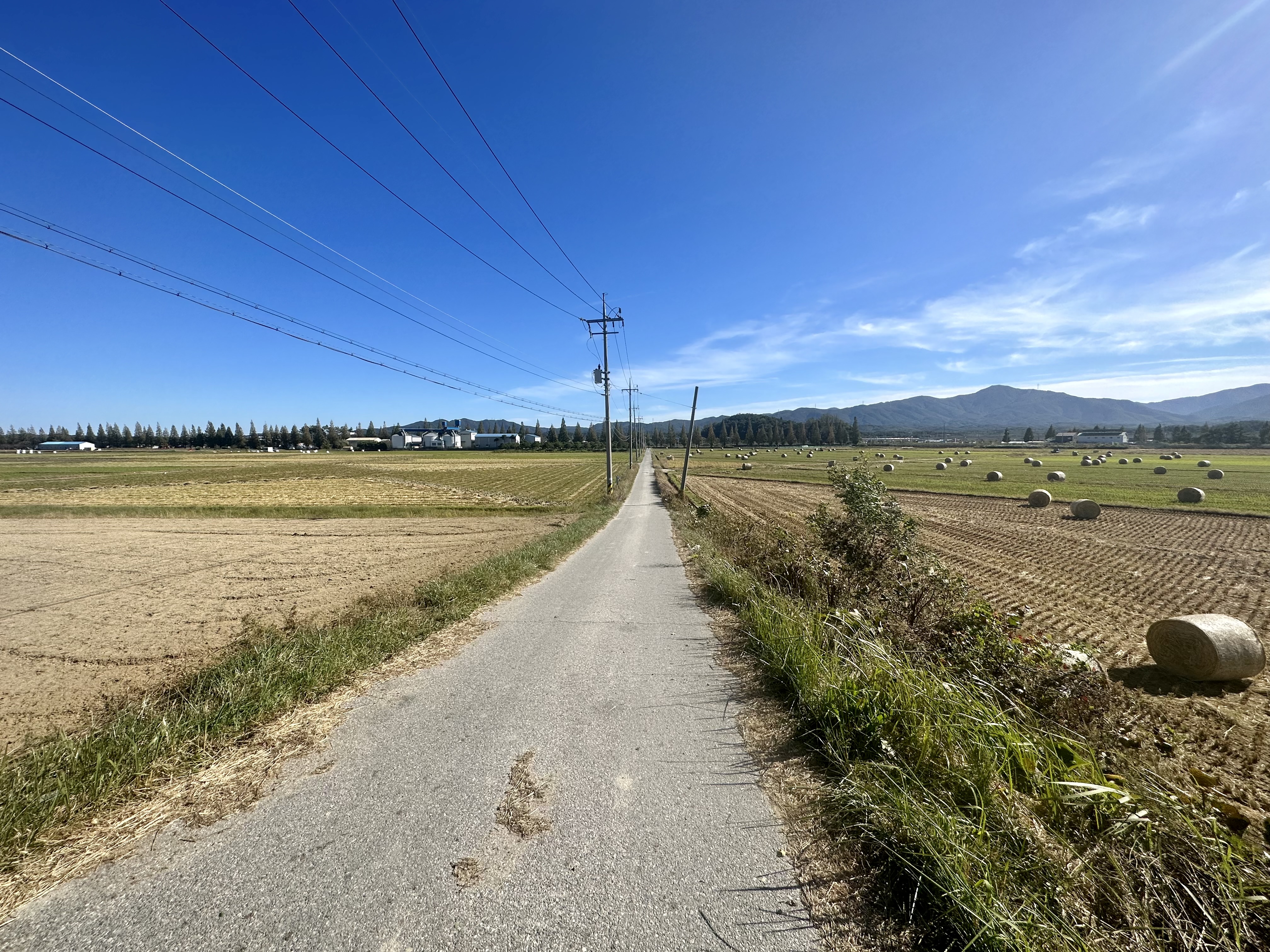

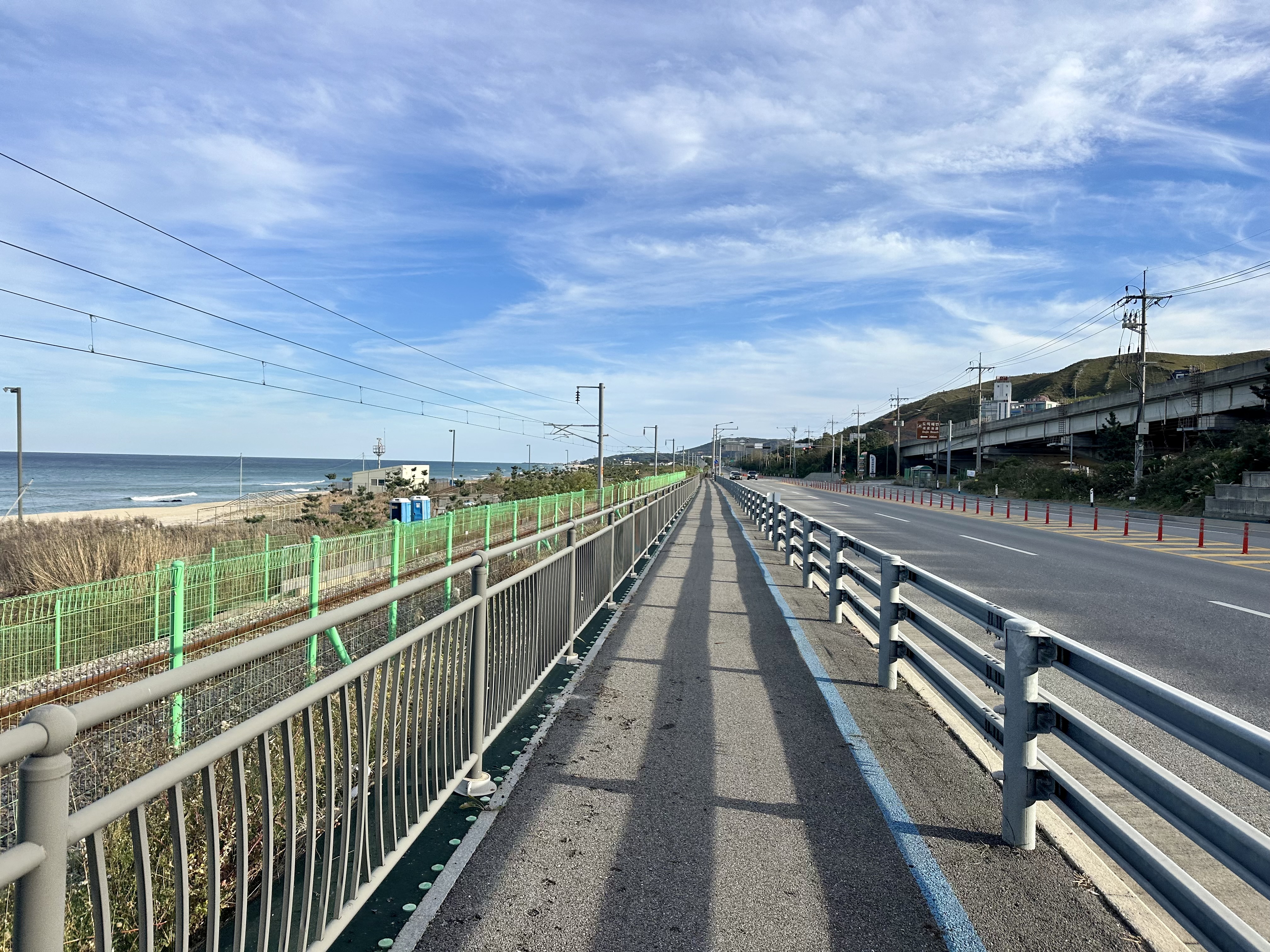
It is really picky to be selecting part of the East Coast route as a lowlight, but the final stretch into Donghae (between railroad and dual carriageway) is not the most scenic. Safe, separated, but compared to the earlier farm and seaside views after leaving Gangneung it isn’t the same. But as I said, really picky.
Tips and recommendations
Contrary to what I read online, I was charged no fee to enter Odaesan National Park. It seemed that this fee is by car – I was waved straight through on my bike. When I left the park, the vehicle queue to pay and enter was crazy….

I visited the very excellent Budnamu Brewery in Gangneung. Highly recommended. It can seem a little hard to find based upon maps, but the main entrance is right on the main road.
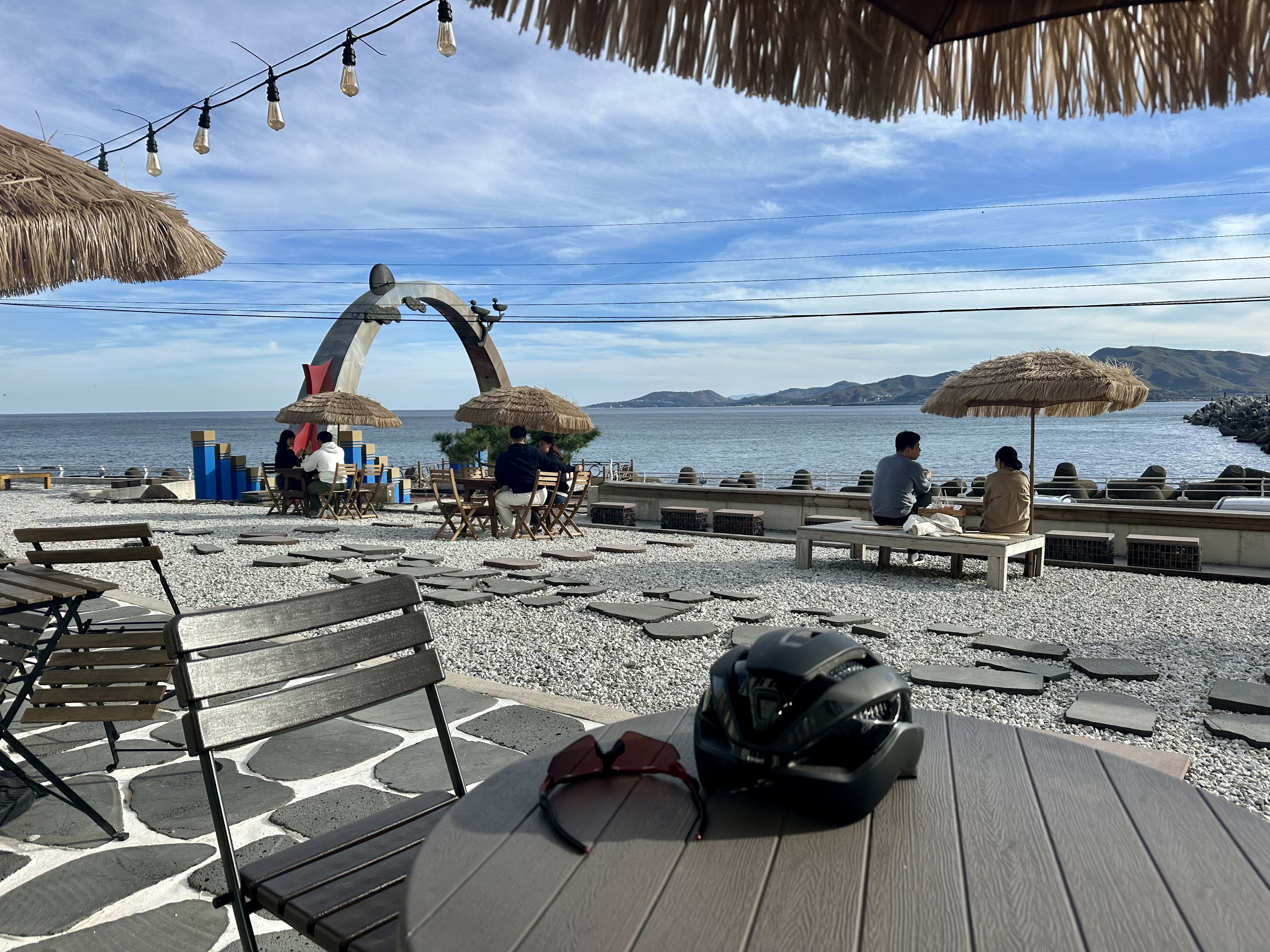
I also stopped beach-side at a cafe called Cream Breeze. There are not heaps of beach-side cafes on the East Coast trail – so when you see one that takes your fancy (as this one did mine) I recommend you stop, have a coffee, and take in the view.
Day 4: Donghae – Yeongdeok

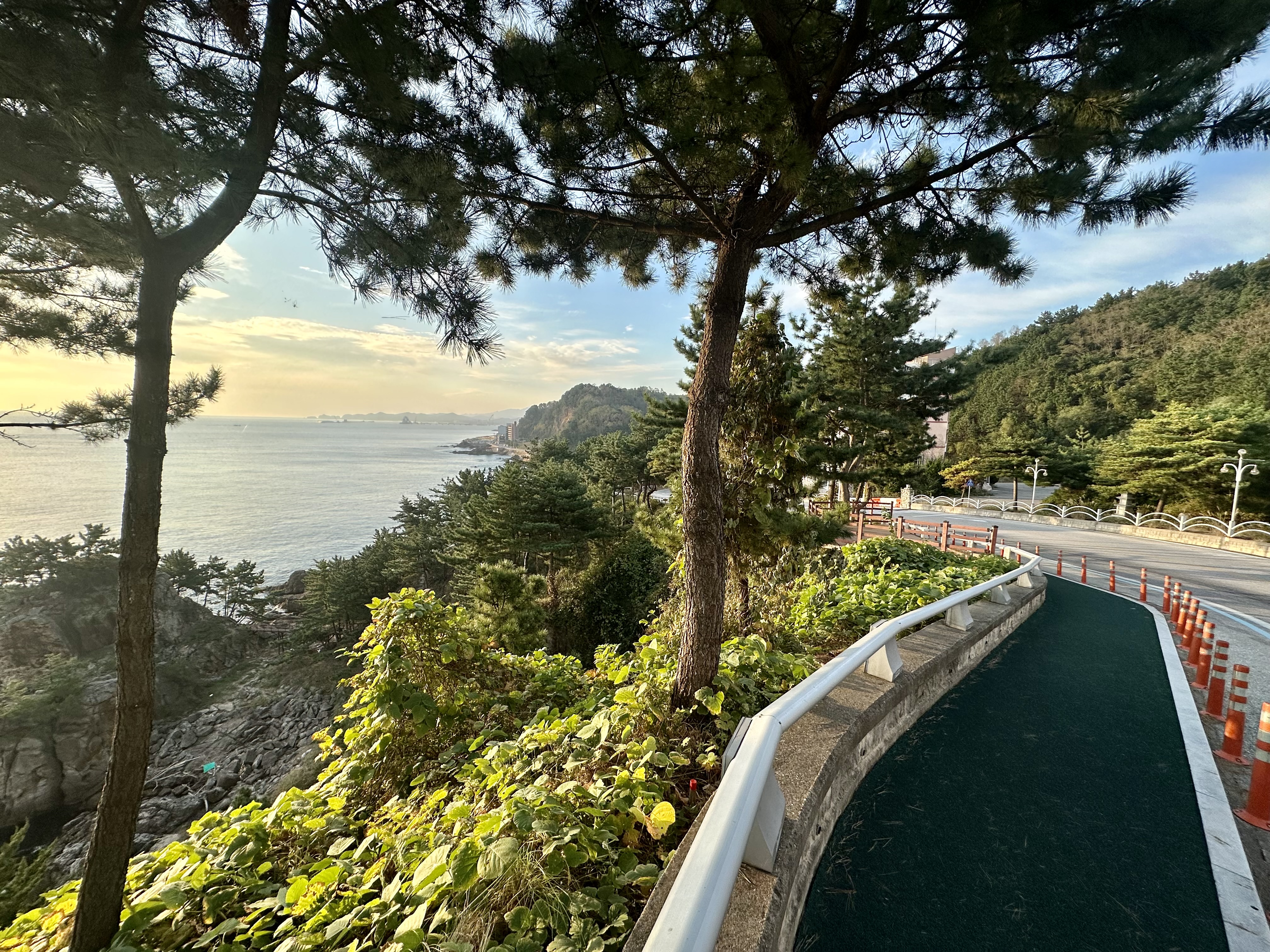
The East Coast route closely follows the coastline, at times dropping down beachside and travelling through many different villages – each with their own subtle differences. This is not a flat route, but there is a lot to see.

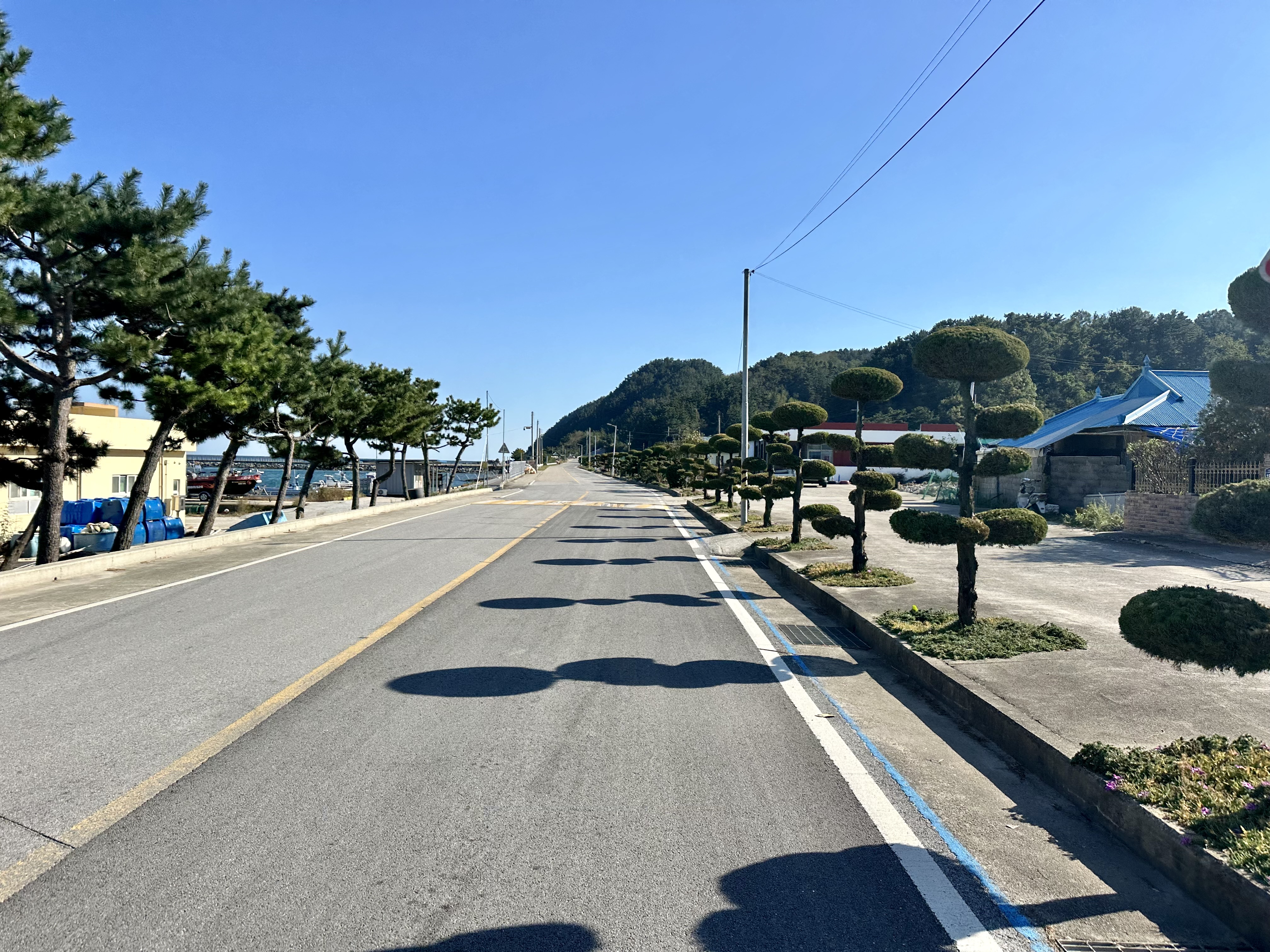
Highlights
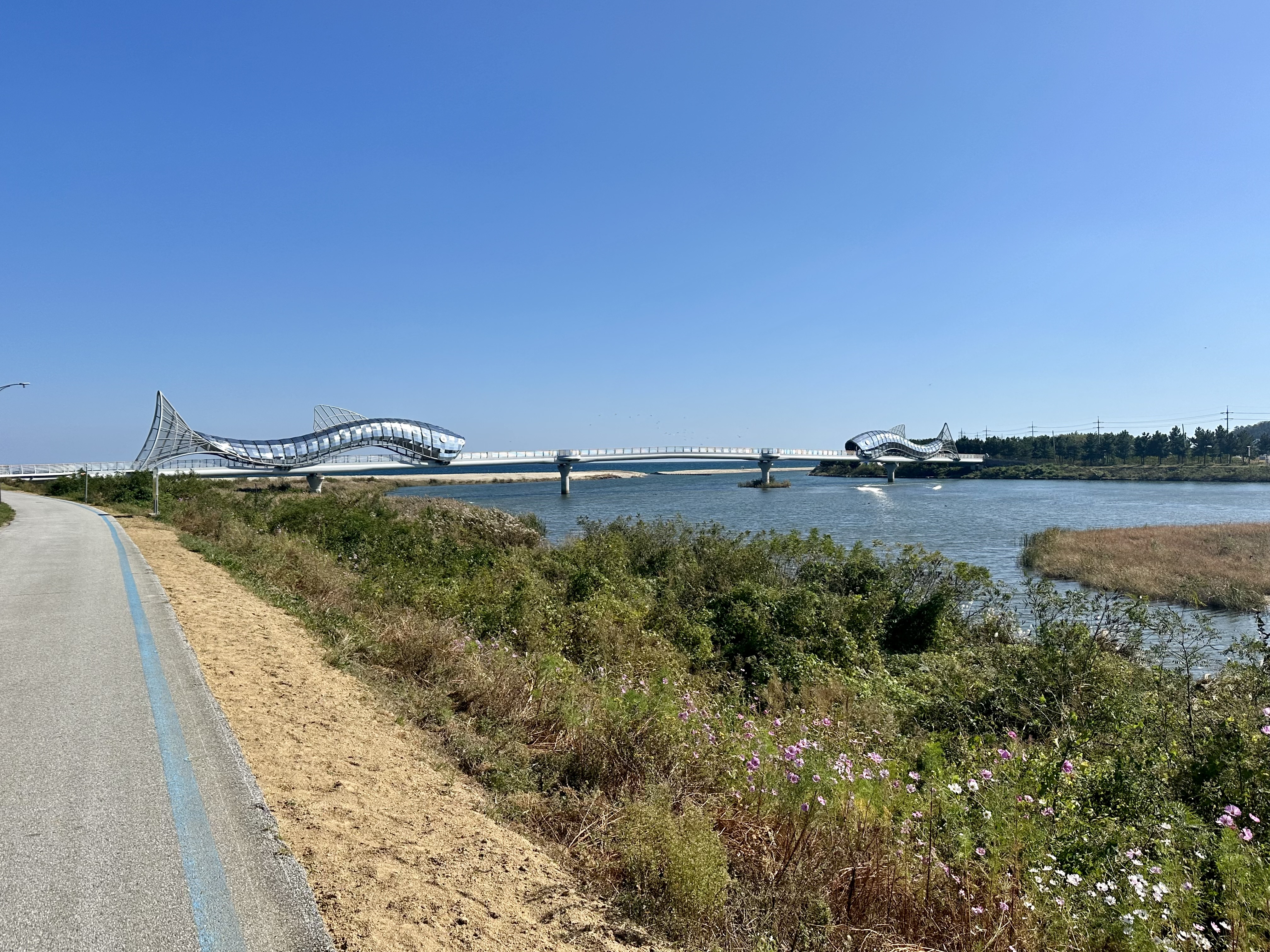


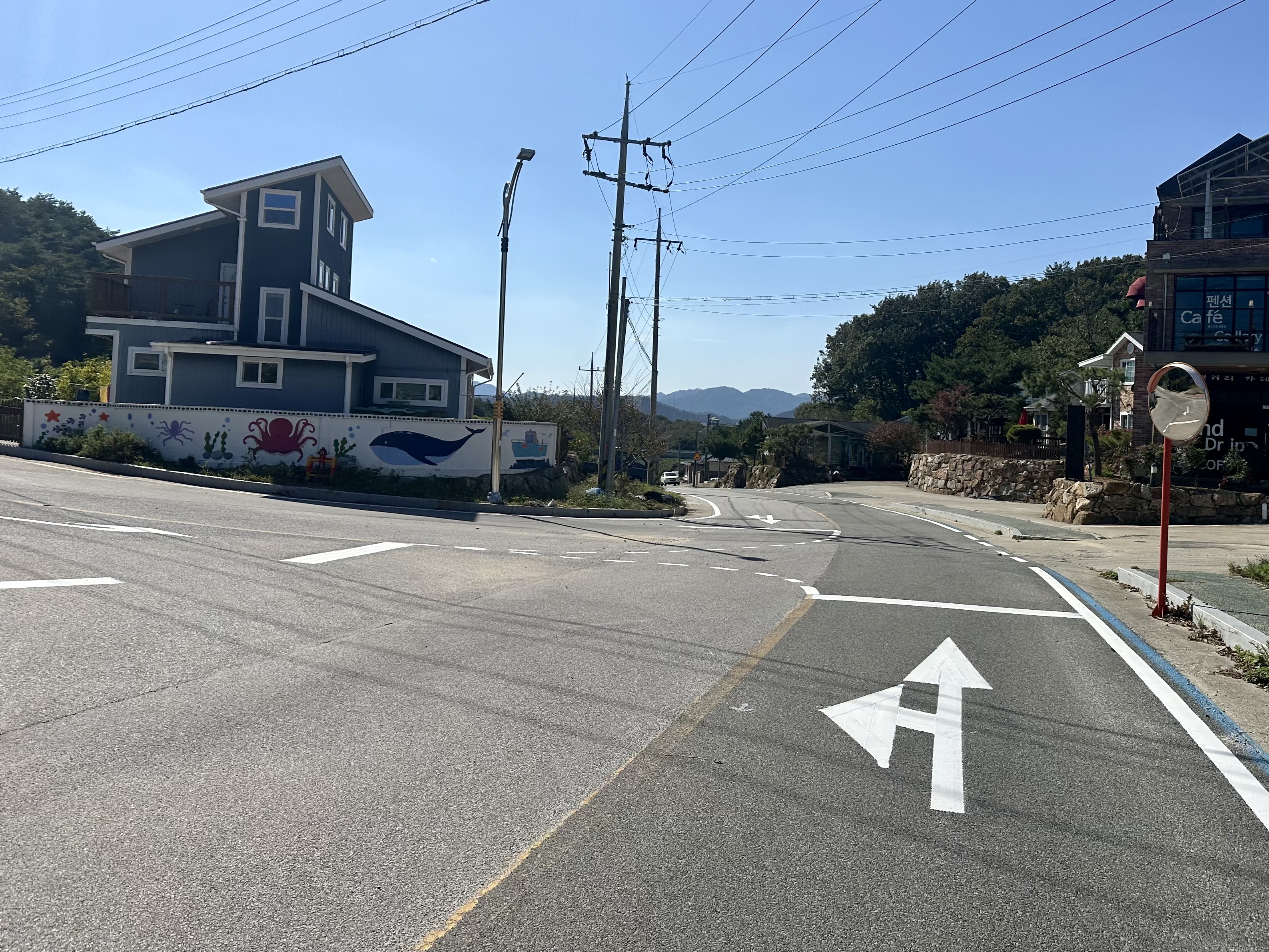
Whilst a long day, there was a lot of variety on the route. One of the highlights was the art painted on houses – certainly not all but enough to notice.

Lowlights
At times, the East Coast route is extremely steep. Whilst you are cycling on the coast, regular headlands and short in-land runs often coincided with repeated short, sharp and slow climbs. Day 4 and 5 were full of them, and in fact a couple ended up being hike-a-bike – perhaps possible unloaded but well over 15% gradient. Be prepared for the route to be slower than you might think from the elevation total – lots of sharp climbs from sea level to 80-100m add up. Particularly when you also have a headwind.
Tips and recommendations


I stayed in a great value Airbnb in the Hanok village just outside Yeongdeok. Built in the late 1700s, accommodation here was like traditional stays in Japan (e.g. floor mat sleeping, but modern bathroom). It was great to meet the retired host, see this house up close and explore the village in the early morning. Nothing at all fancy, but a real highlight of the trip.
Day 5: Yeongdeok – Gyeongju
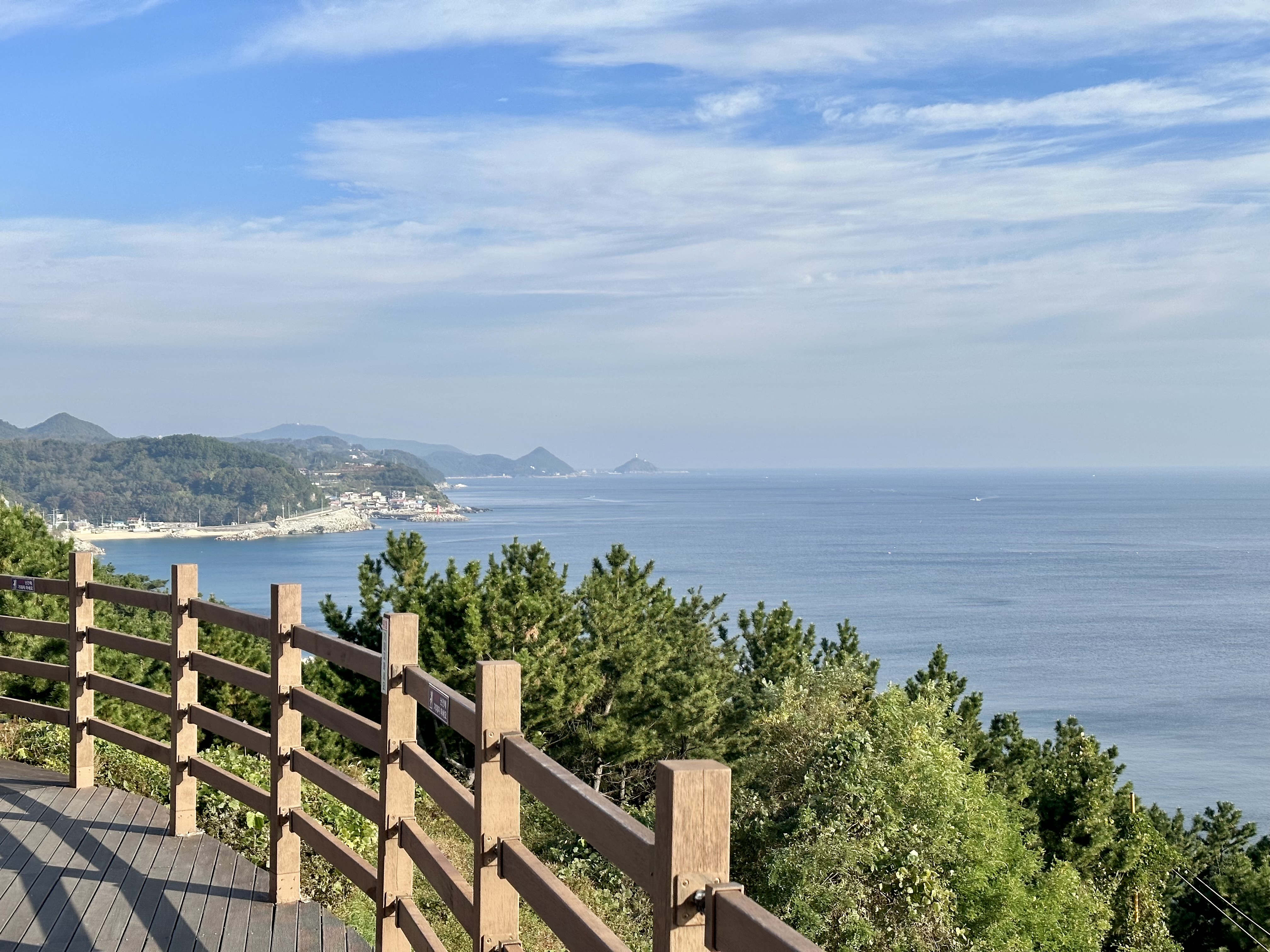
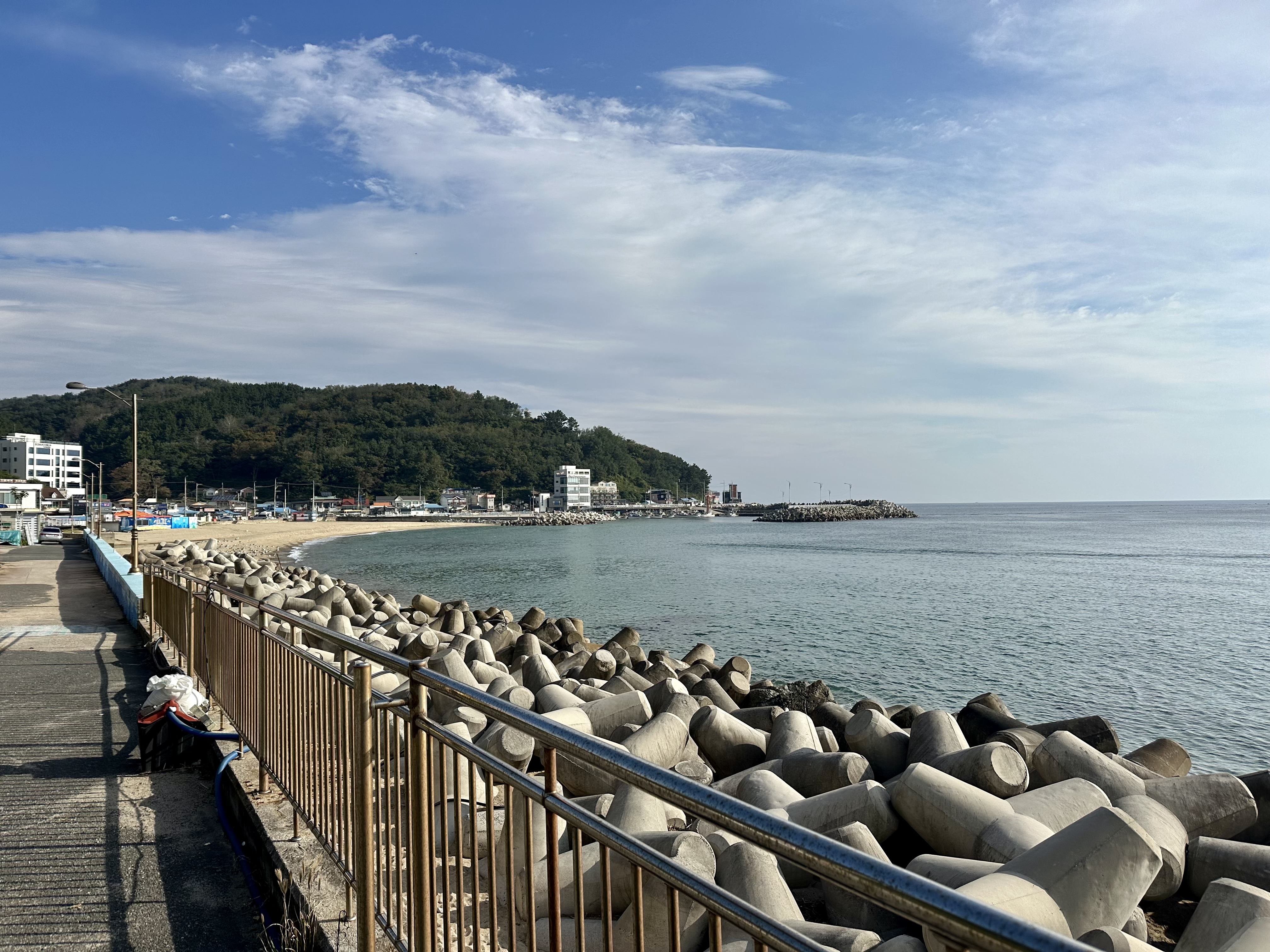
Highlights

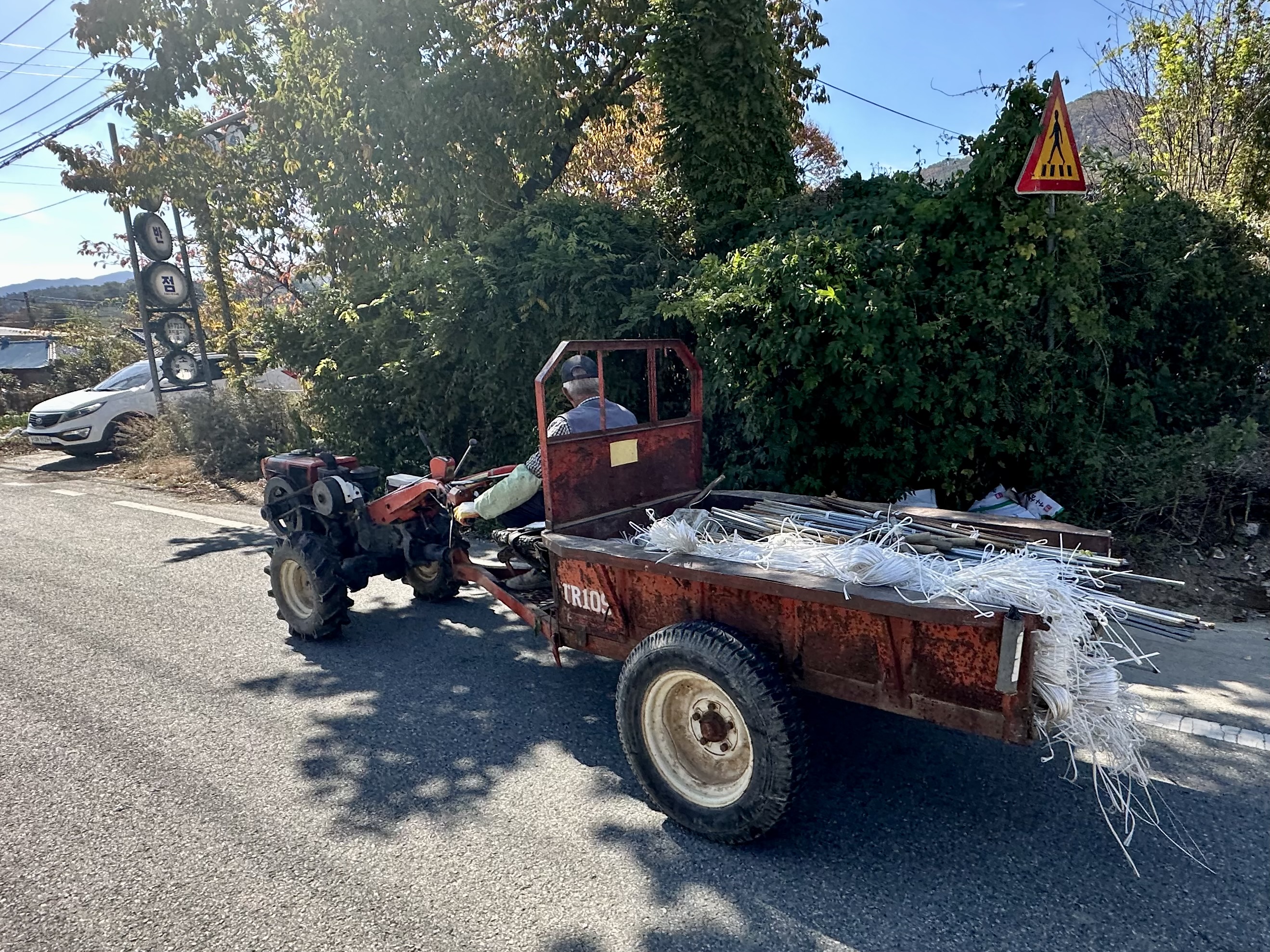

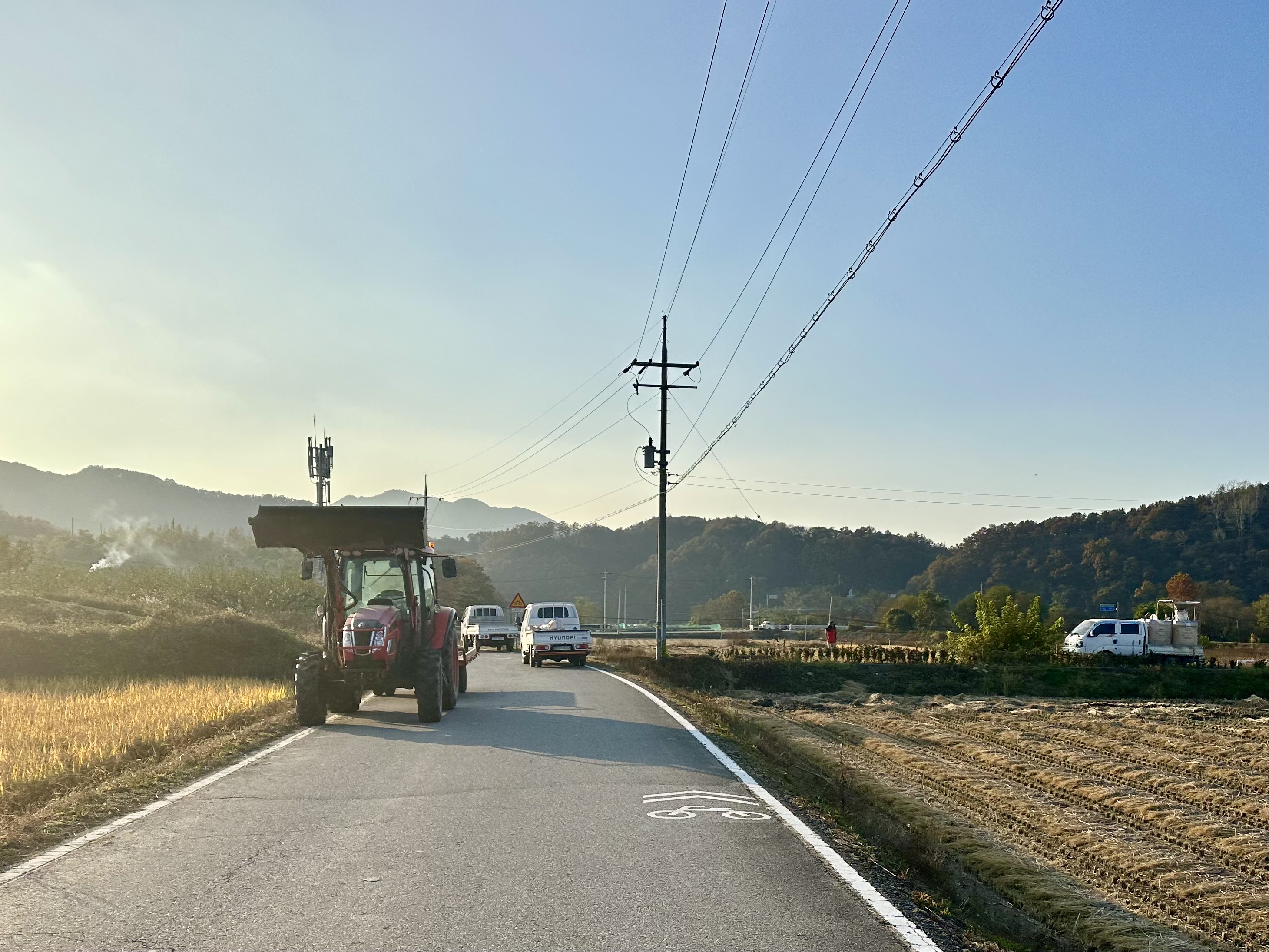
Want to cycle backroads? This trip’s experience was that this means lots of mountains and valleys, and beautiful rural scenes. At times the best short-cut or quiet route was literally between fields on unclassified roads. Don’t worry about taking these – the only downside is that you might have to pass a tractor or two.

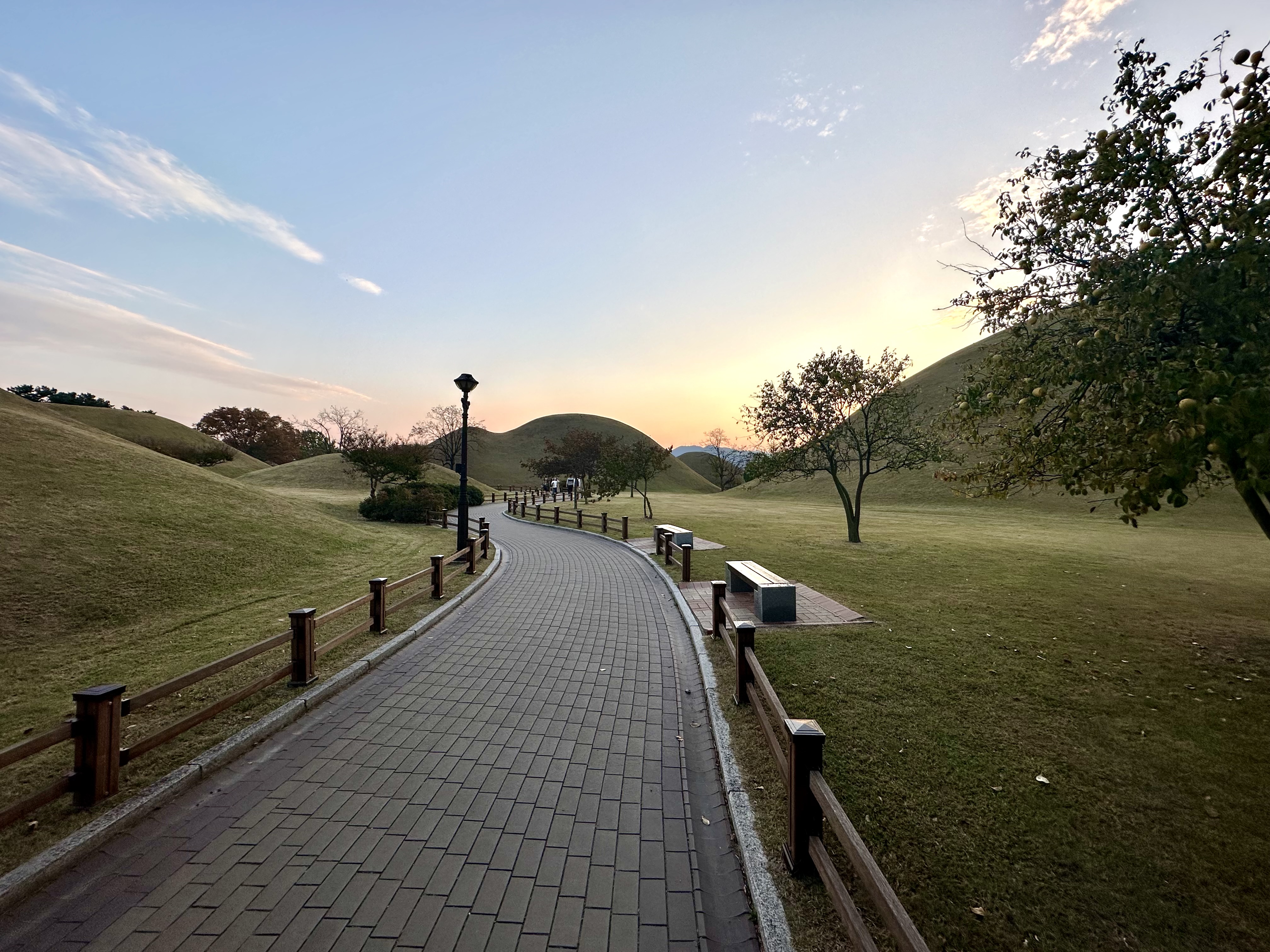

After the cycling, Gyeongju was one of the highlights of the entire trip: something I had planned to experience the heritage of the Silla Kingdom. There are ancient tombs in the middle of the city that astound – the sheer number of them throughout has to be seen. I was very glad I’d planned to arrive at my hotel in the afternoon so I could then wander around these amazing sights. For a small fee (3,000w) you can also go inside one that has been excavated and see how the burials were placed and the mounds constructed. Well worth it.

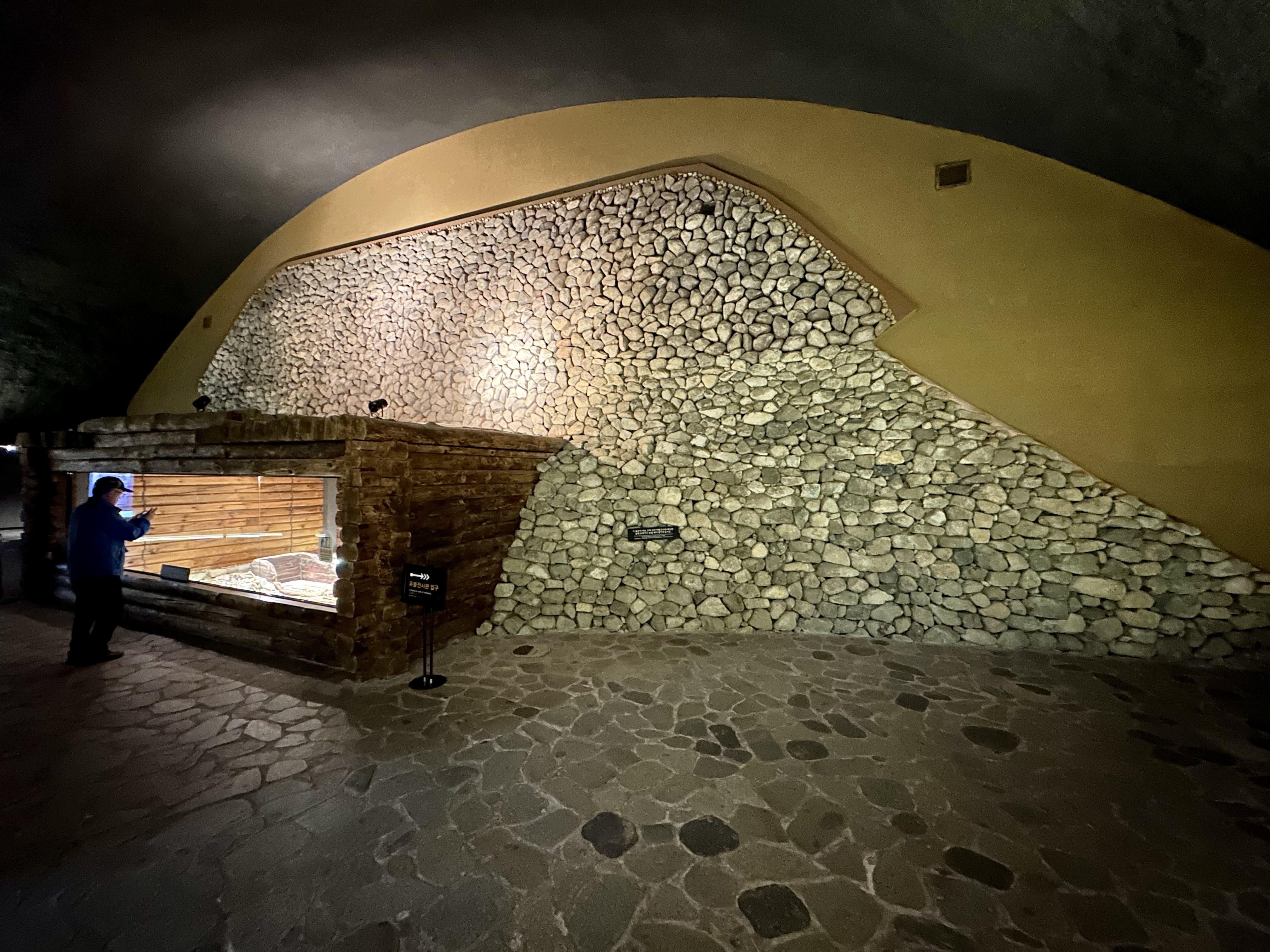
Route alert


Be aware that Jukjang-ro has a rough gravel section and some very narrow stretches. When I was first cycling along it I really questioned whether I was heading the right direction, but after the poorly maintained section it smoothed out into a lovely ride that follows a river through a valley. It is almost traffic-less, although more than half of it is a bus route!
Tips and recommendations


Ganggu is clearly known for crab, or at least takes great pride in catching and selling it. You can’t miss it!
Day 6: Gyeongju – Ulsan
Having done some significant days in the saddle, Days 6 to 8 of the trip were designed to be a bit slower paced and involve less distance. Day 6’s plan was heavily influenced by a desire to linger in Gyeongju in the morning and see some sights in the surrounding areas, and then set things up to visit Unmunsa on the way to Daegu the next day. A way of saving a day would be to head direct to Daegu from Gyeongju.
Highlights


I spent some more time in Gyeongju before heading off on the bike – partly to stay long enough for hotel breakfast to be available! Gyeongju exploration is worth it – the 7th century Cheomseongdae observatory and palace excavations are interesting, and the views tremendous.
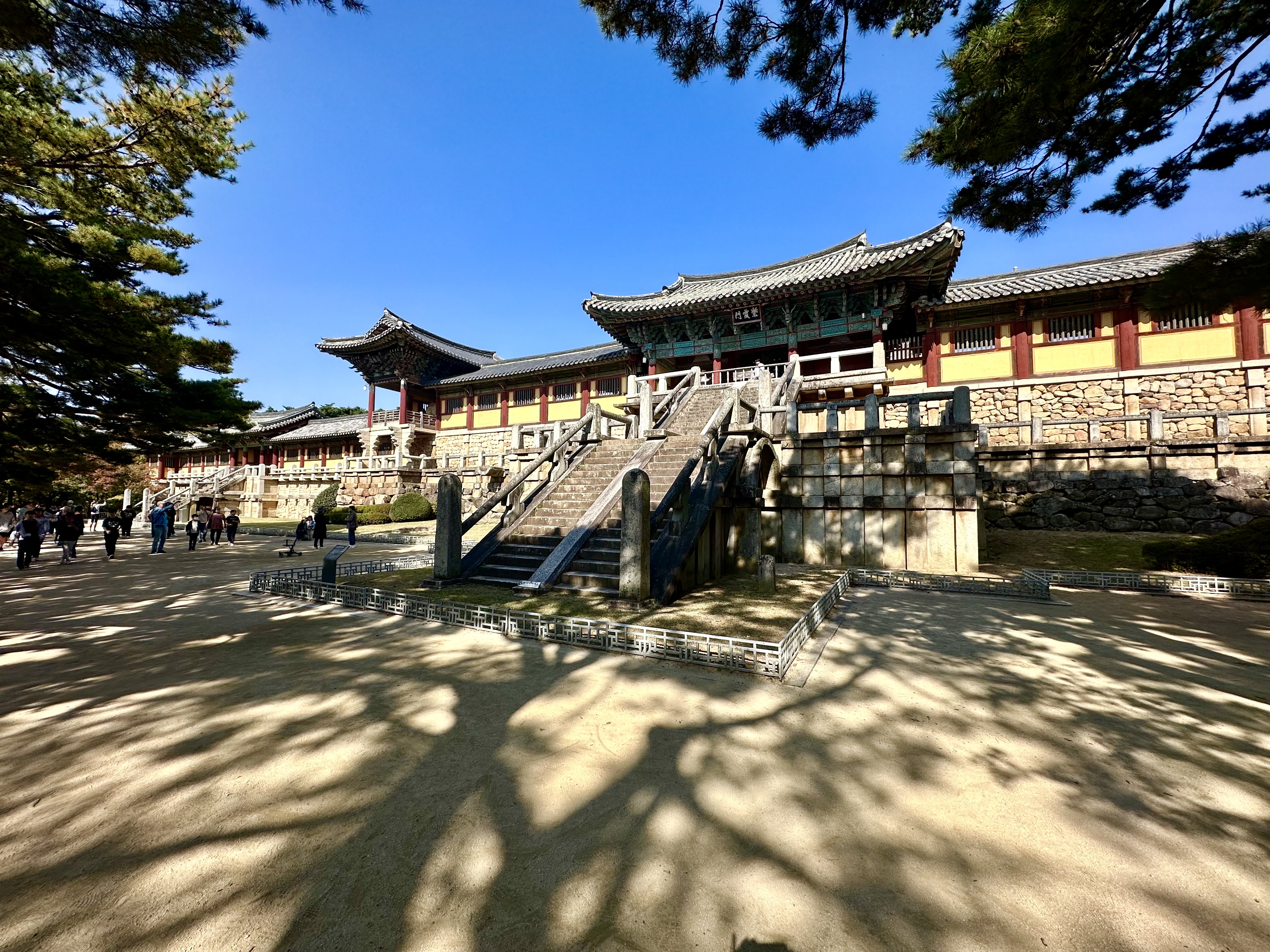

From here I headed out of town to the huge temple complex at Bulguksa. This was very busy – so if you want to get a place like this to yourself you will have to head there very early. Impressive.
Lowlights


Getting out of Gyeongju involved cycling along a busy multi-lane road. Thankfully for the entire route there was a path for pedestrians and cyclists – although in parts it wasn’t brilliant. My best advice is to ride on the left (facing the oncoming traffic) as it is much safer to cross the side road entrances along the way – you can see the turning traffic ahead of you.
Tips and recommendations

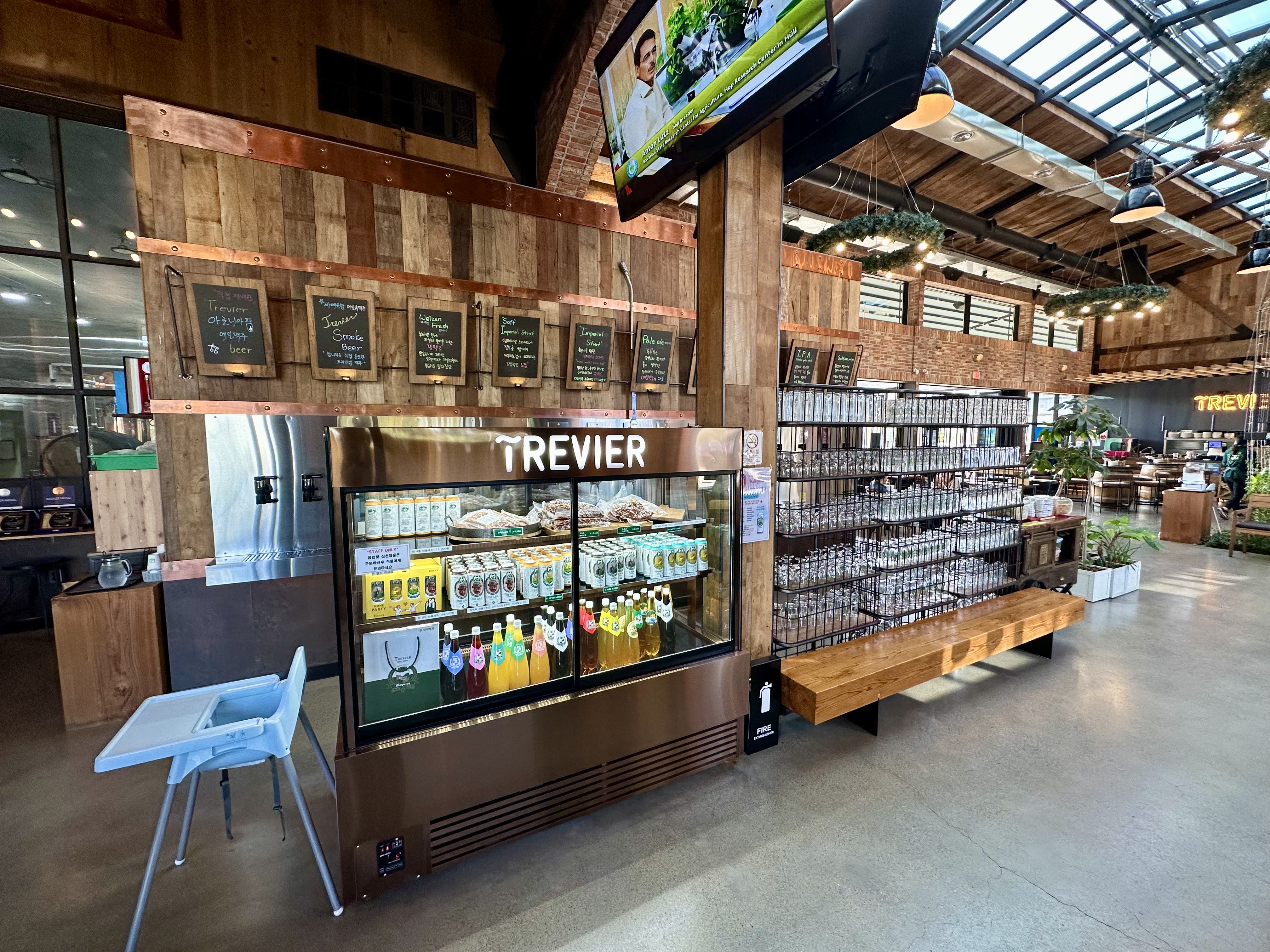
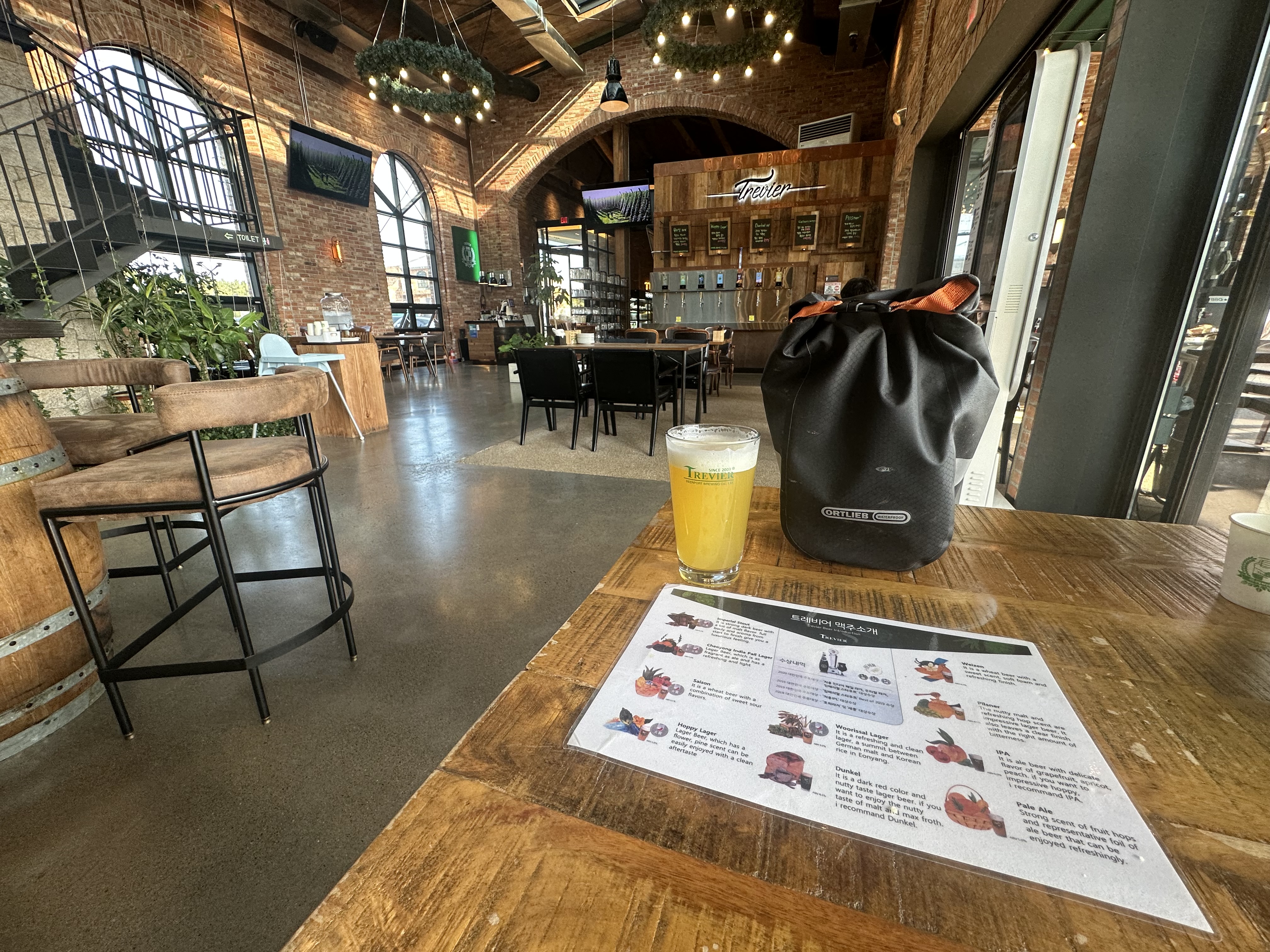
Trevier Brewing is worth a detour. This provided my first experience of “serve yourself and pay by the ml”. The helpful English-speaking staff will provide you a wristband and explain how it works – grab a glass, scan, and pour. Cool, but also super dangerous when there are so many beers to choose from.
Day 7: Ulsan – Daegu
Highlights

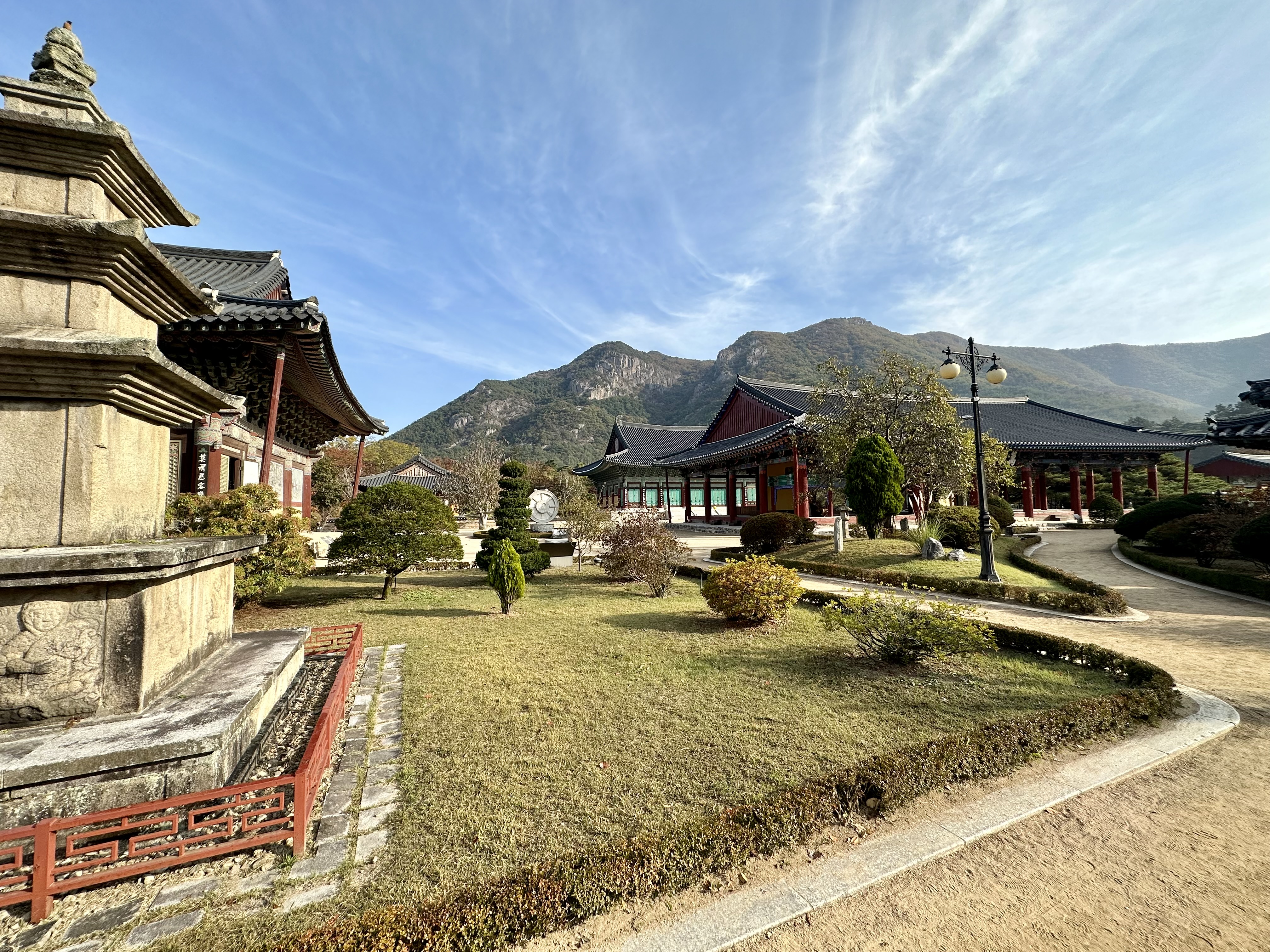

Unmunsa was the most stunning temple visit of the trip and, whilst out of the way, I highly recommend it for its stunning location and significant (over 1450 years) history. Apparently the largest Buddhist nunnery in Korea, I pretty much had the place to myself to wander around.
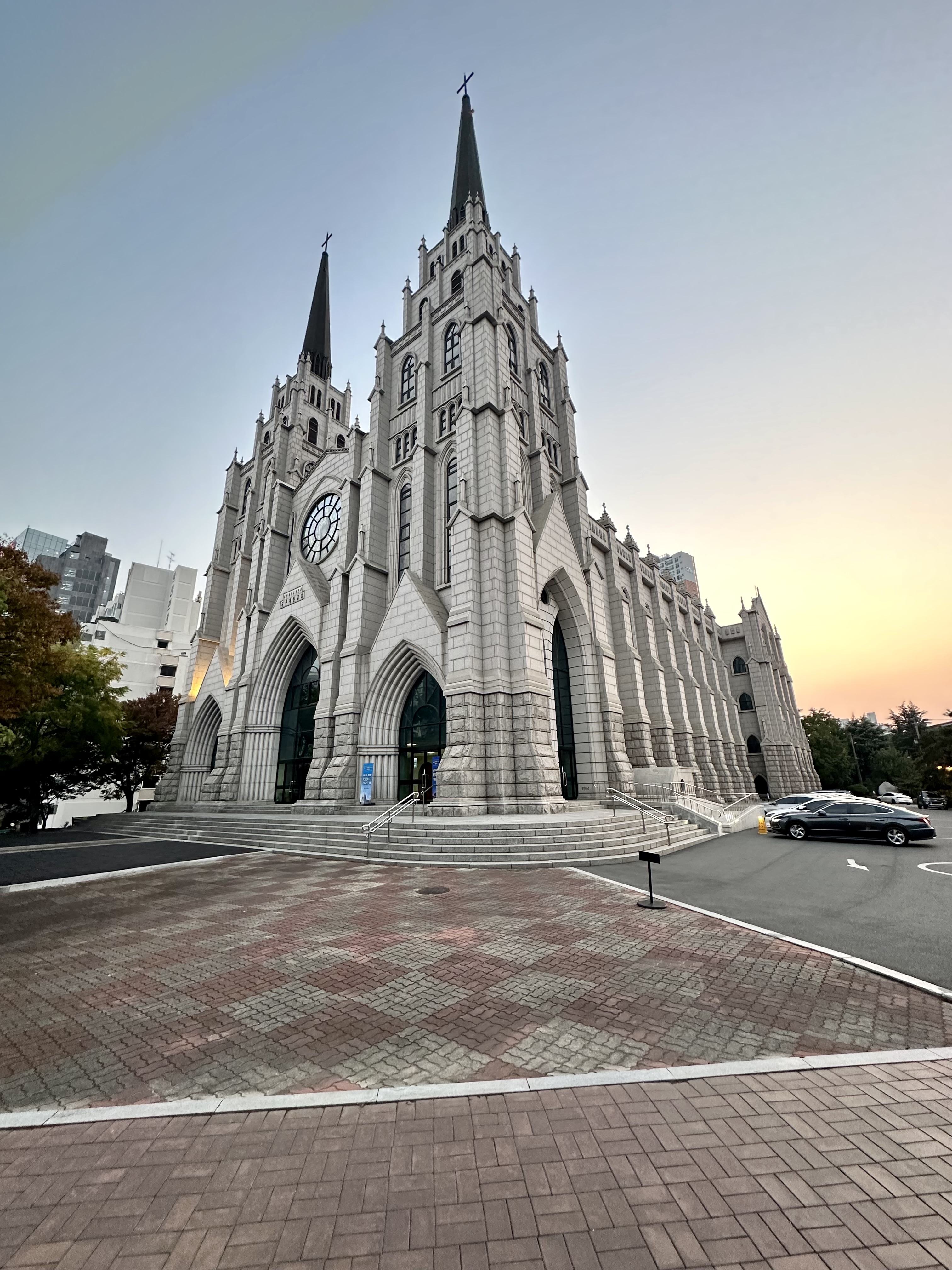

Talking of religious architecture, Daegu is worth exploring to see its Christian churches – including the modern hill-top Presbyterian church. After this, a must visit is the Hyundai Department store food hall – a huge variety of high quality food at not outrageous prices.
Lowlights


After Unmunsa, there is a lovely road that winds around a large reservoir. Unmun-ro seems perfectly cycleable, but there are signs saying “no bikes” – you are supposed to cycle on the side path. This is woeful – a mat-based surface that is slow, and ultimately ends in some stairs.
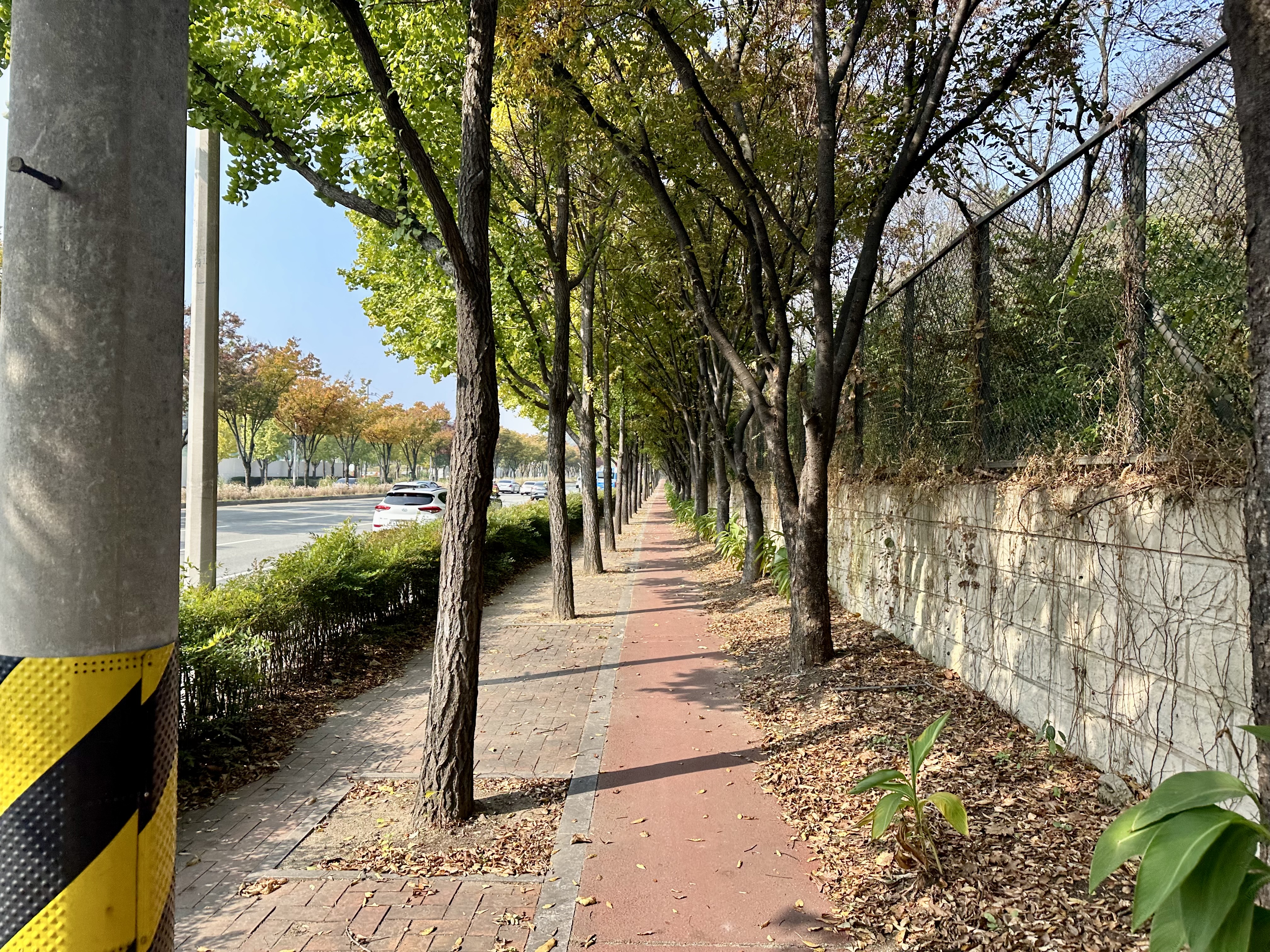

Much better were the paths on the Daegu outskirts that permitted cyclists – useful through to downtown. These were generally fine and much more preferable to on-road.
Tips and recommendations
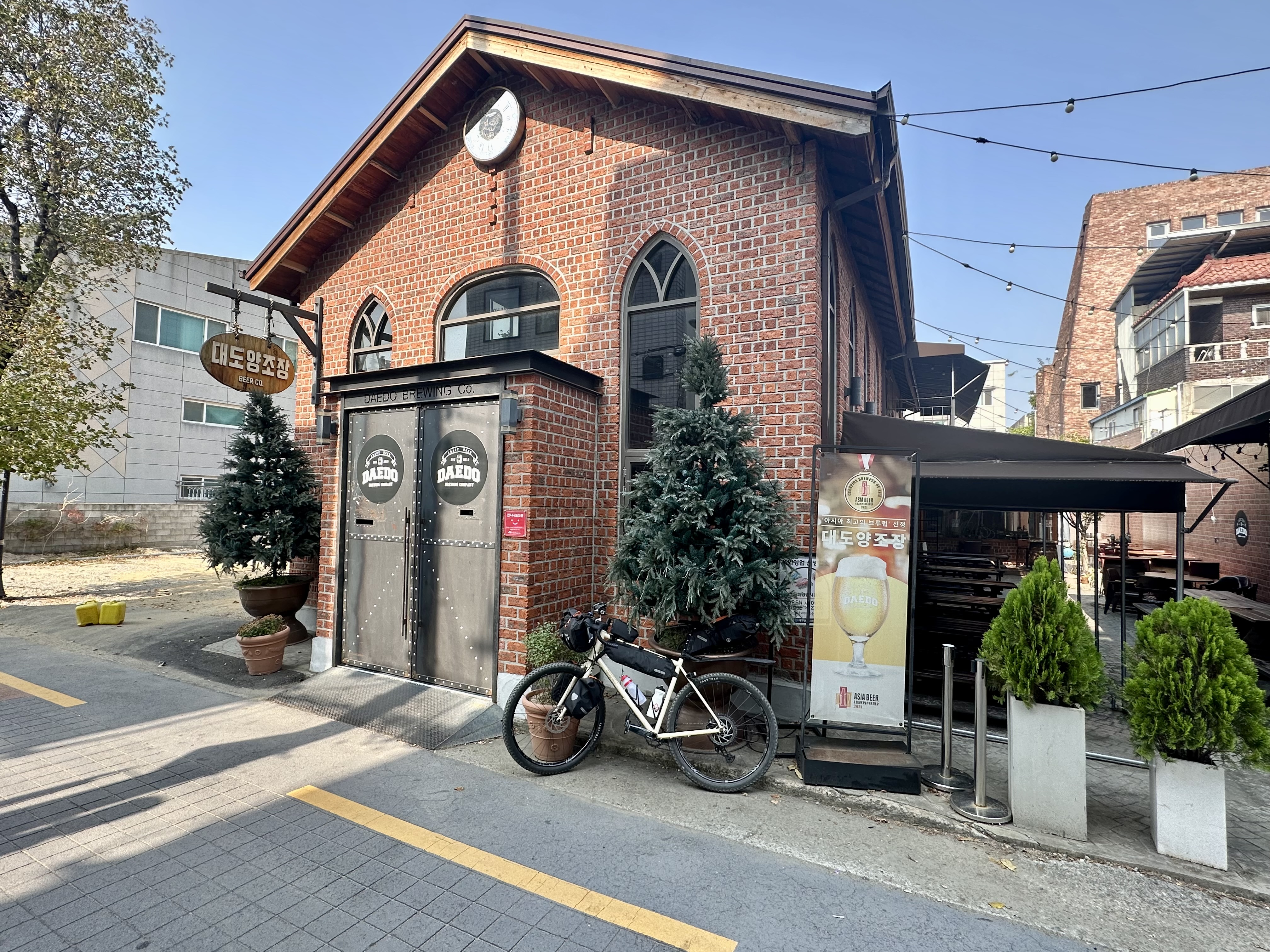

Daedo Brewing had some tremendous hazys, topped off with complimentary but to-die-for wasabi pretzels. Delicious.
Day 8: Daegu – Andong
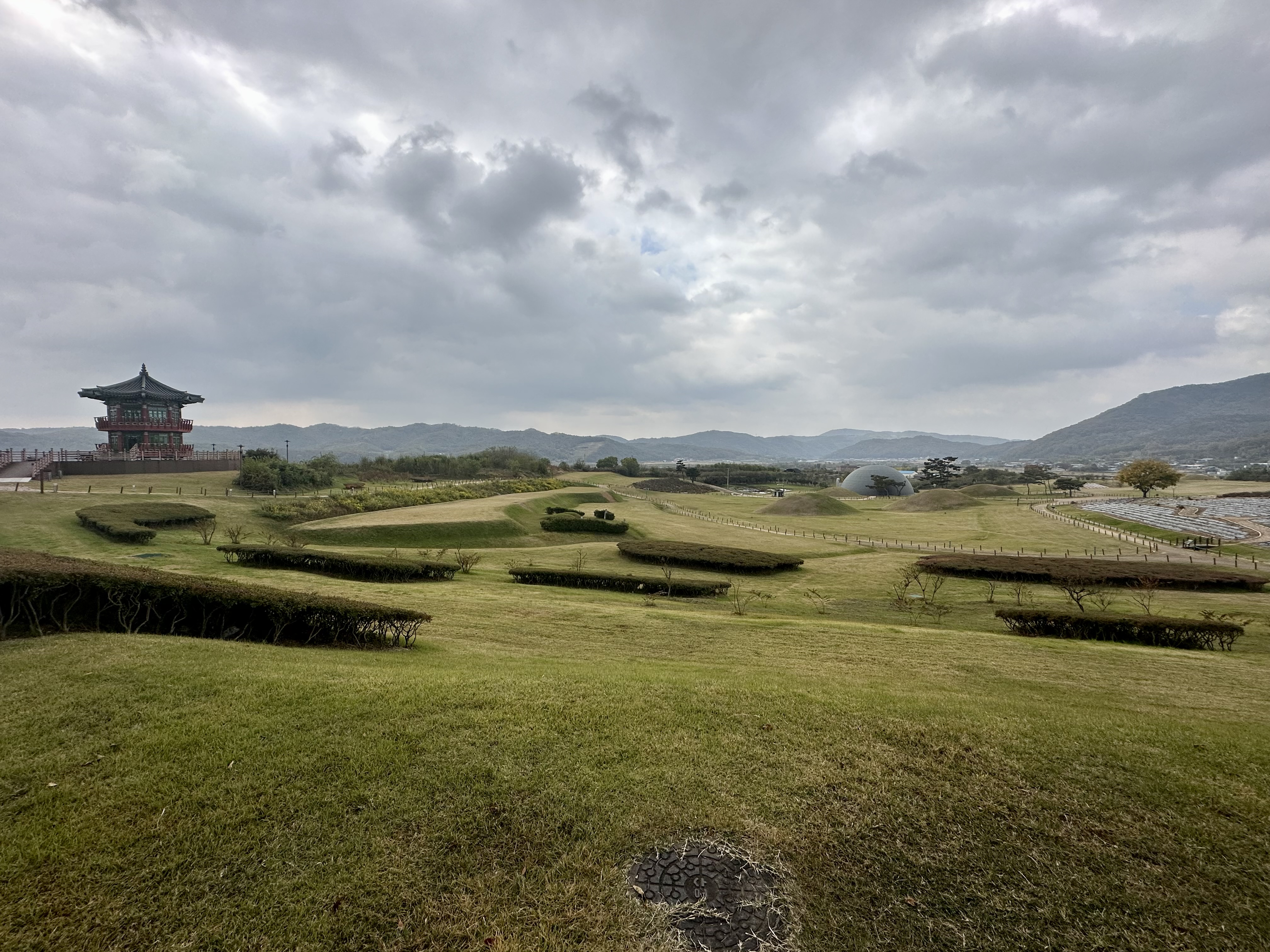
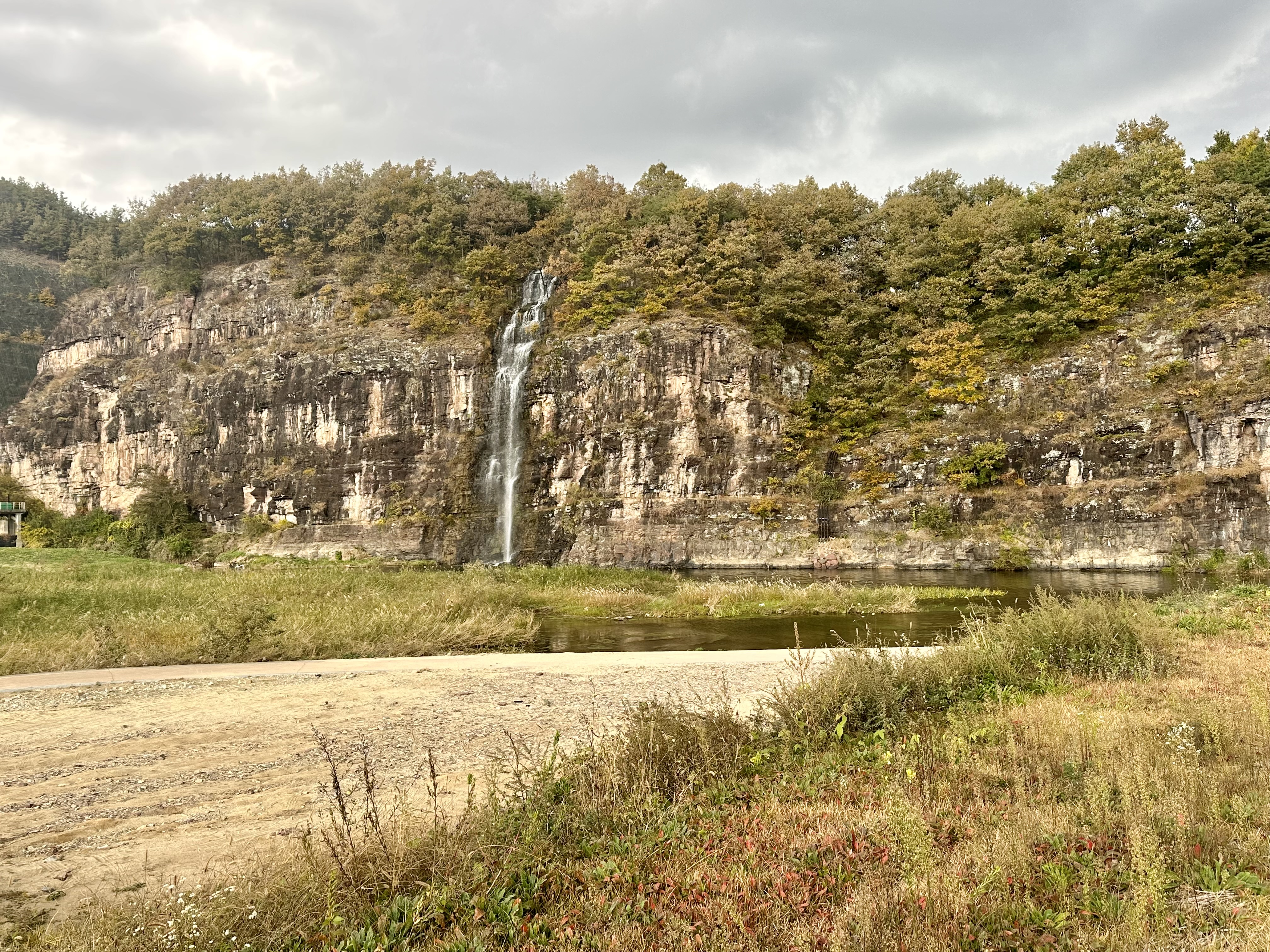
It is possible to join the Four Rivers path in Daegu and cycle to Andong. It is, however, a much longer ride than what is possible on-road. This is not a quiet back-road route – some of it is on national highway. There are some nice sights along the way – more Silla tombs included!
Highlights

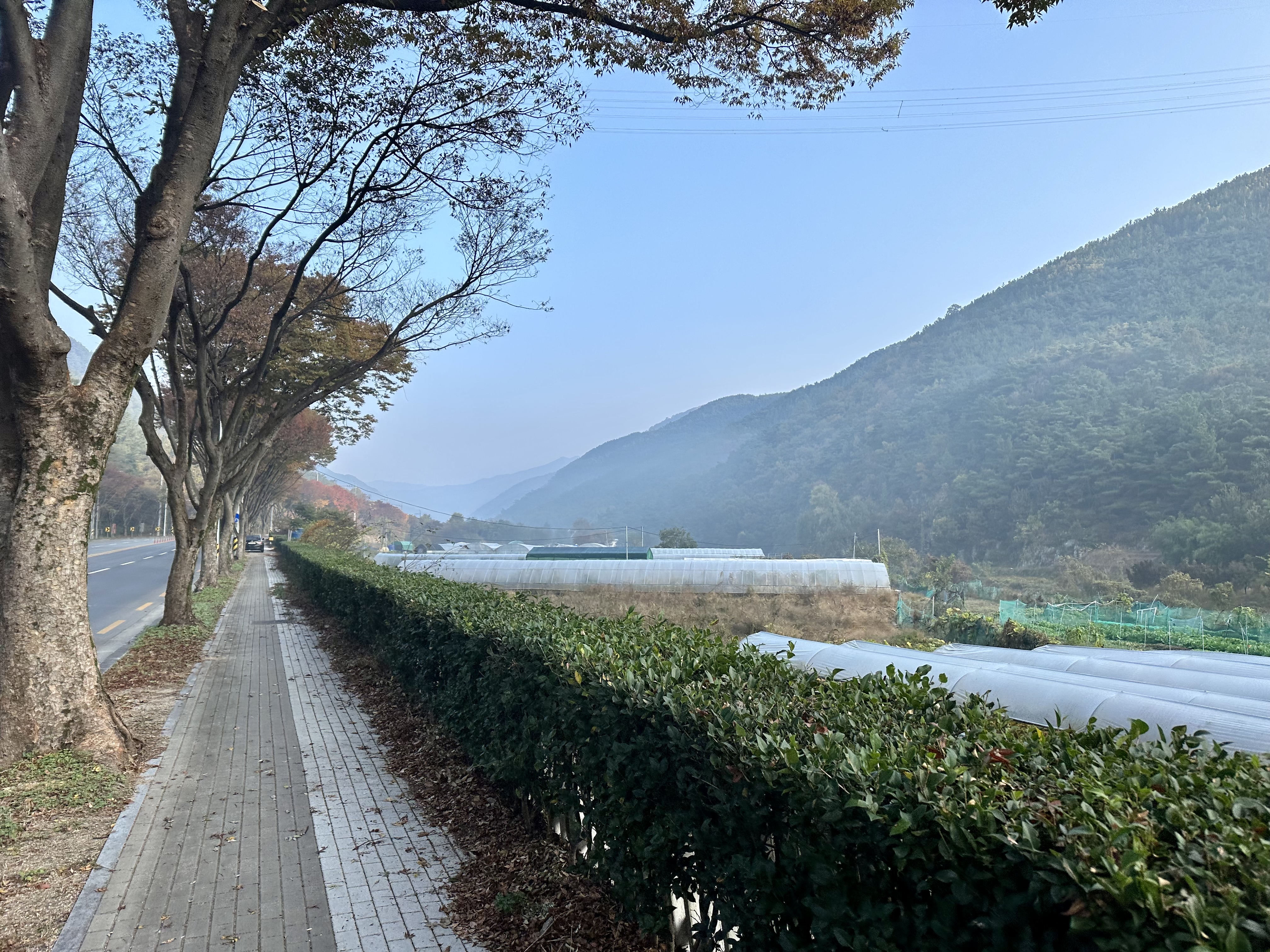
Heading out of Daegu, there was really good cycle-ready paths. This is useful until you get sufficiently away from the city traffic, and climb up and through Palgongsan tunnel.


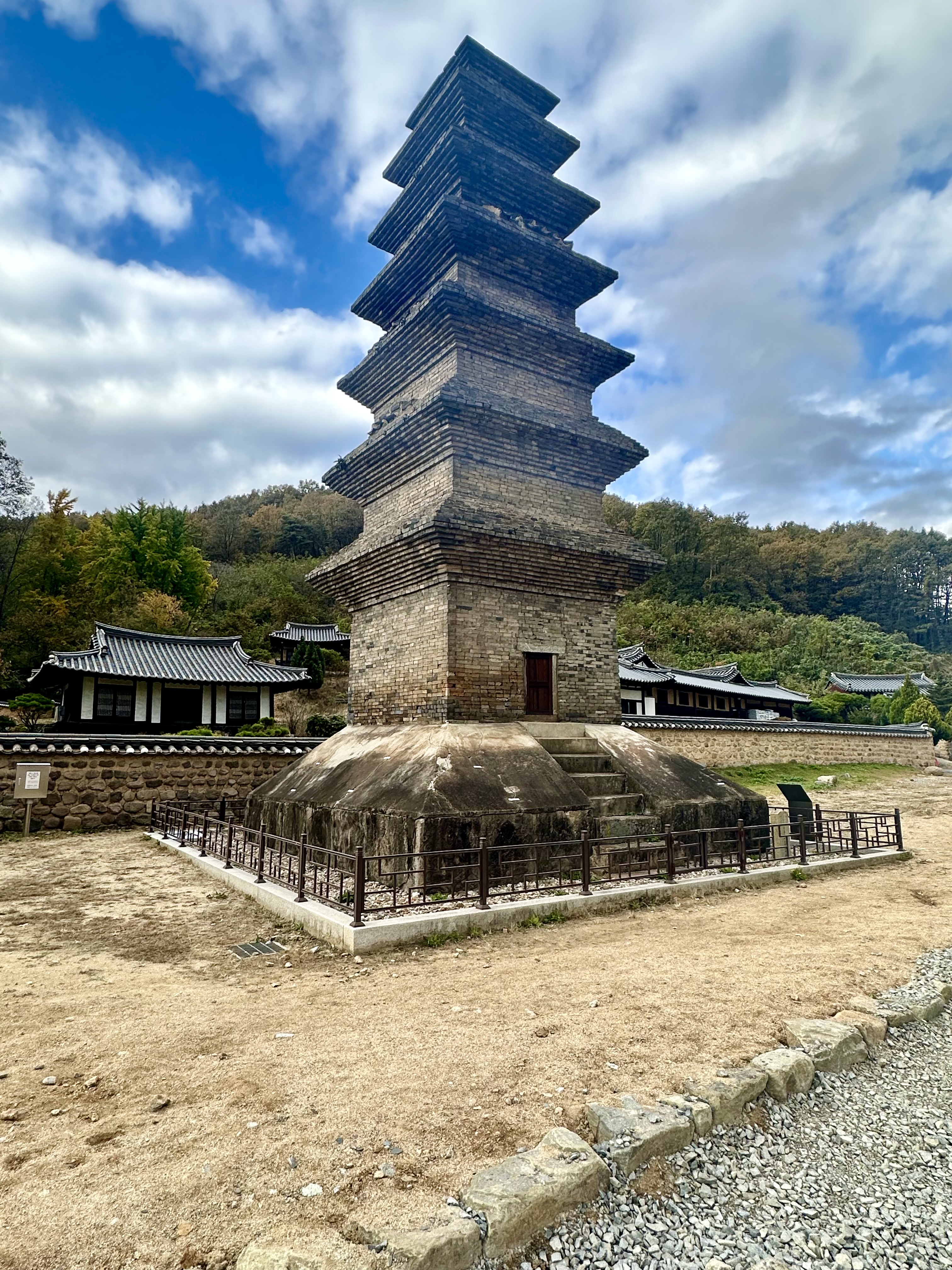
On the other side of the tunnel, the views and scenery are stunning, and there are some lovely descents. Closer to Andong the route travels river side which also is very pleasant. When arriving in Andong, a recommended diversion on the outskirts is the millennia old stone pagoda – checkout the weather-worn carvings on the base.
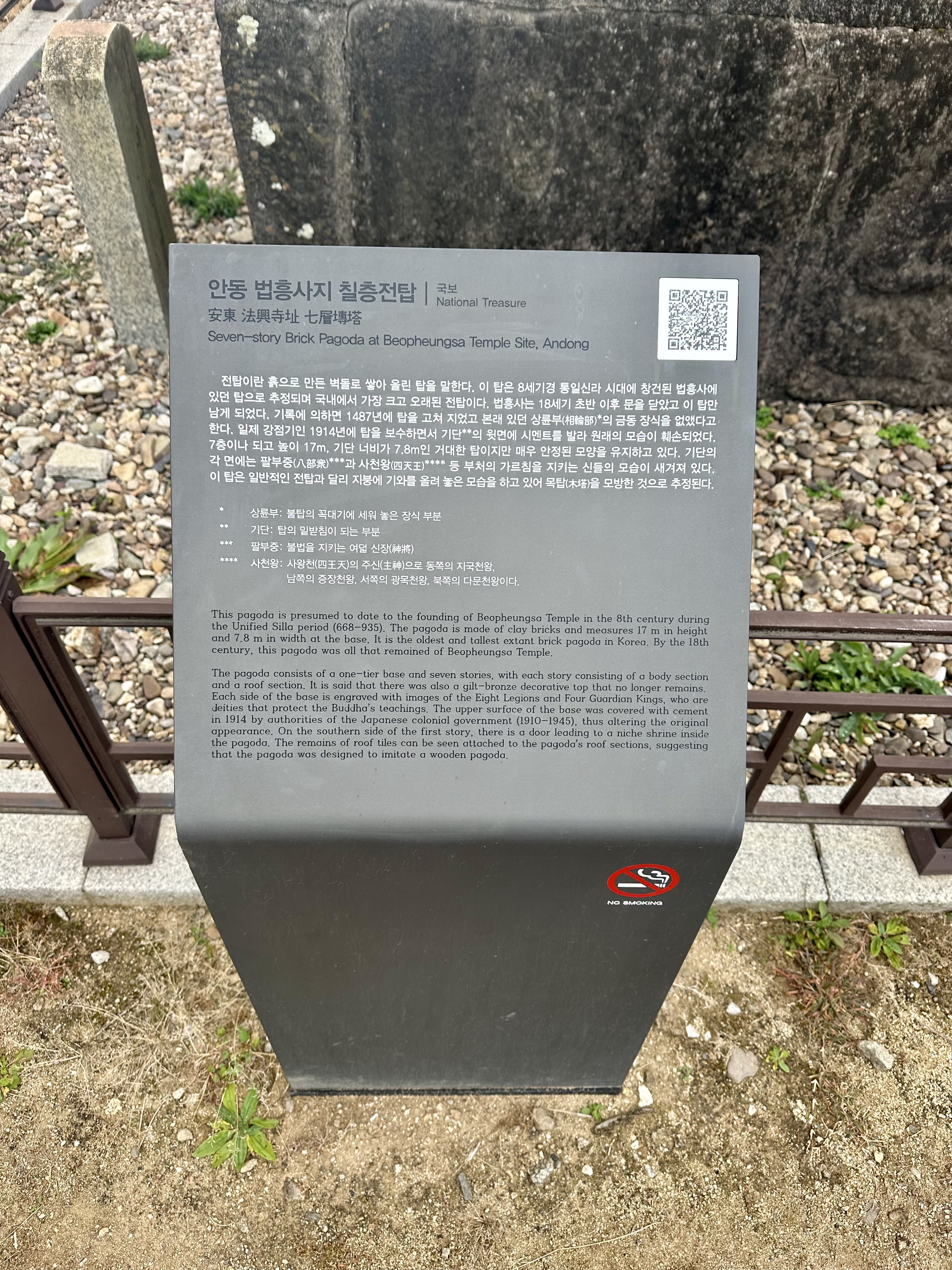
Lowlights
As previously mentioned, there are parts of this route on National Highway. This is not terrible, and typically has good verge.
Tips and recommendations
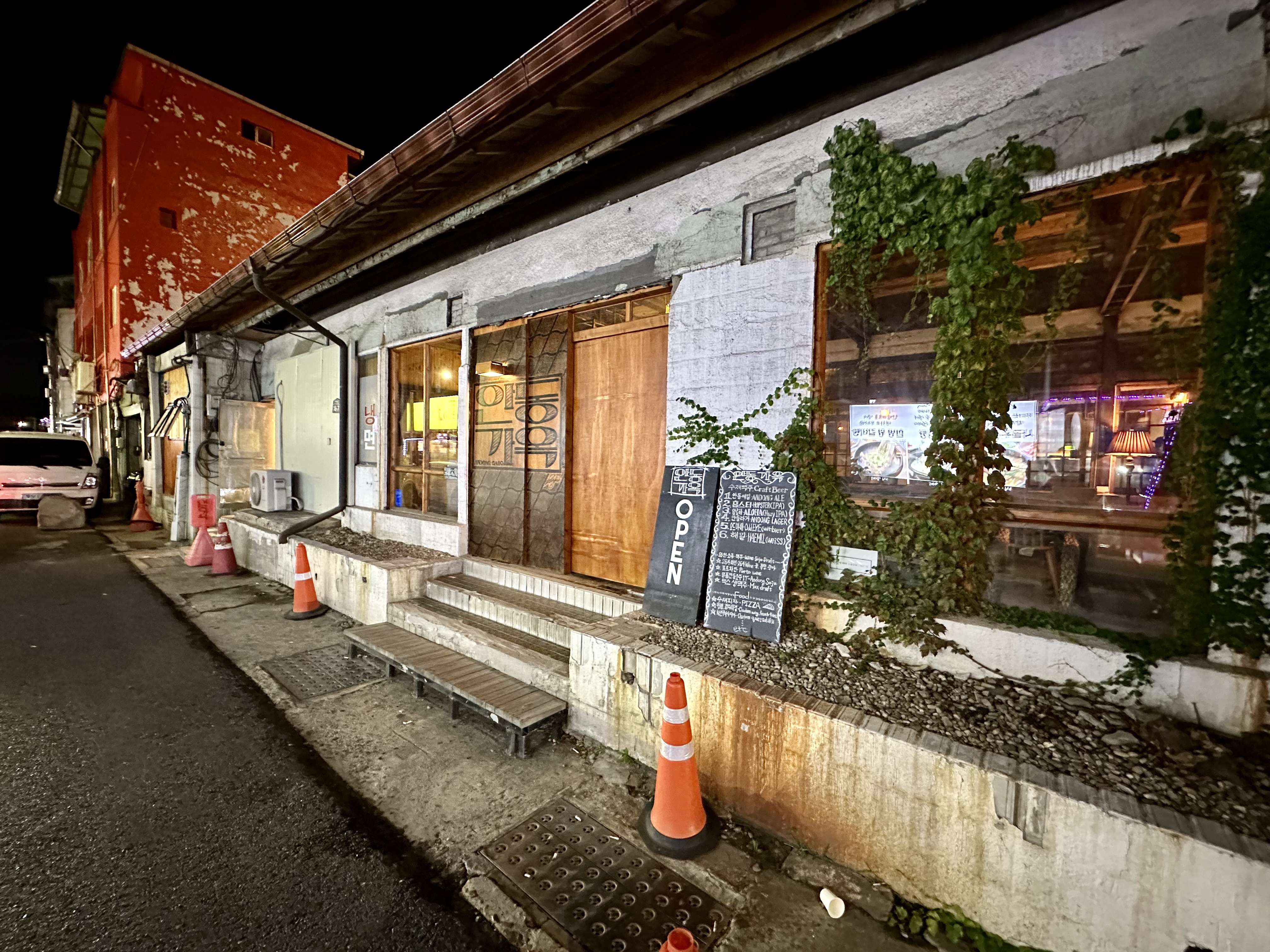
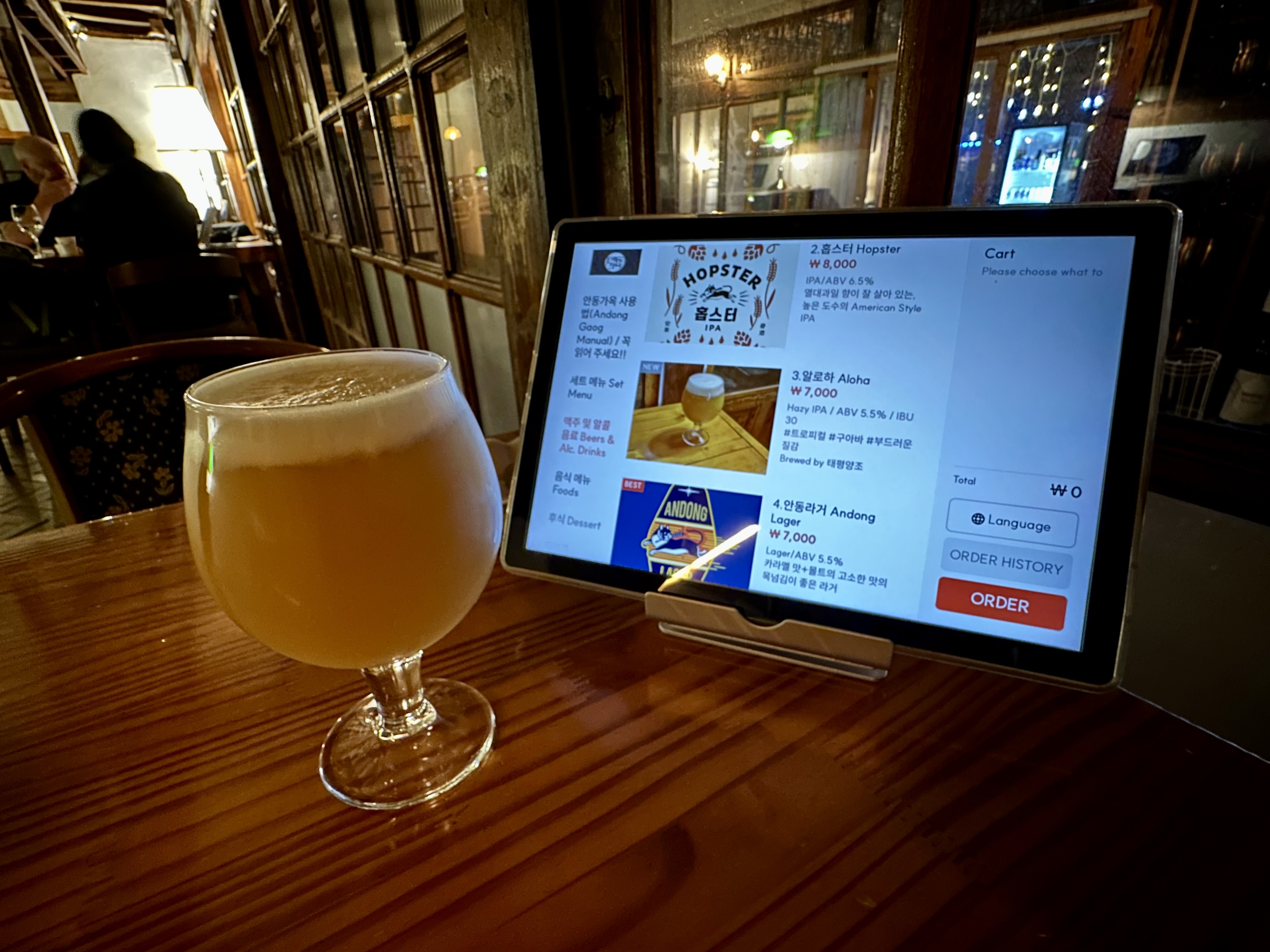
I had a lovely meal and nice brews at Andong Brewing. Super easy with iPad ordering.

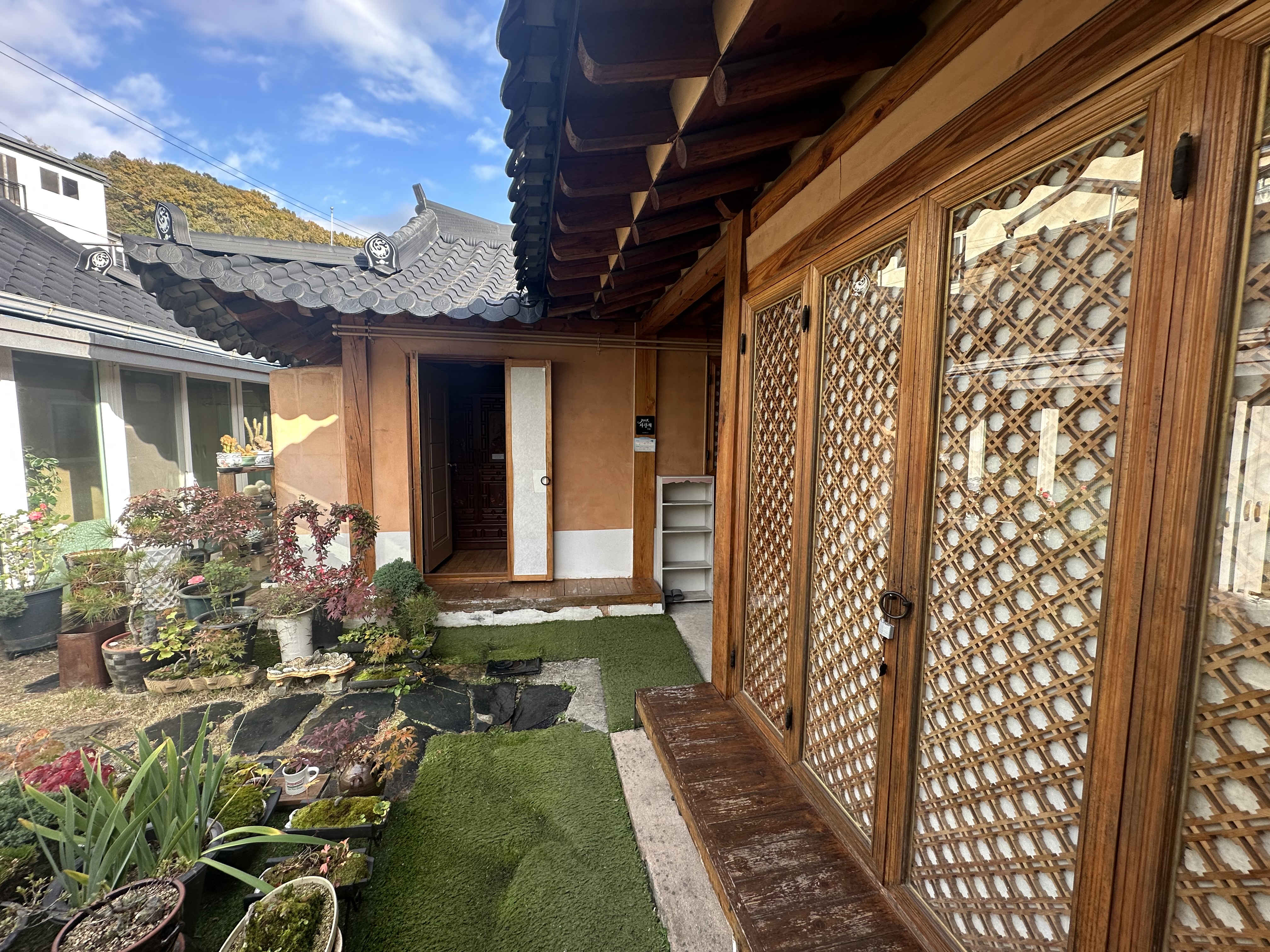
Also great in Andong was Sean’s Place – a quiet back-street Airbnb on the edge of town.
Day 9: Andong – Chungju
Highlights

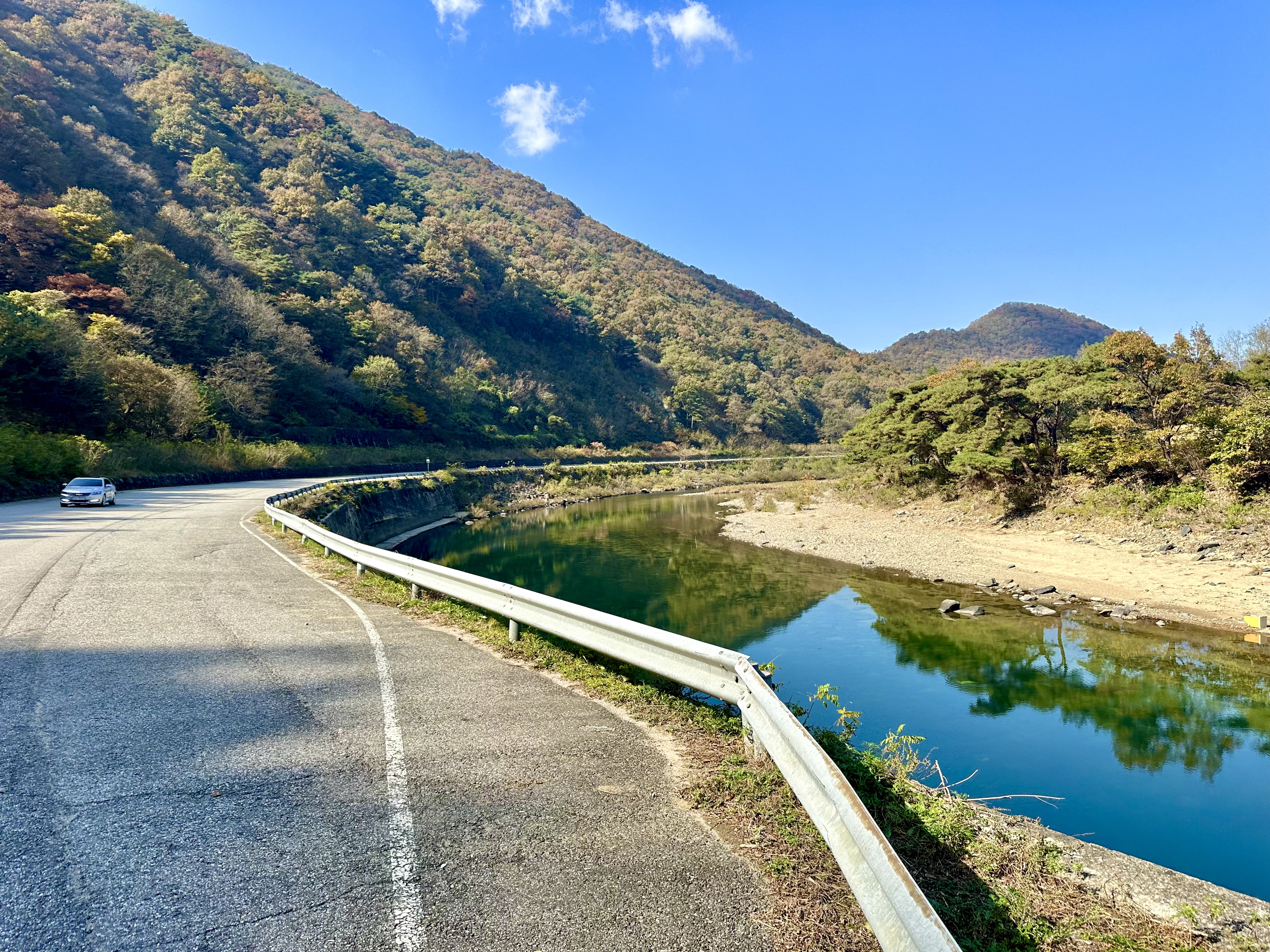

Without doubt the highlight of the day is the climb and then descent on the Four Rivers trail after Mungyeong. Mostly on backroads that initially follow the river, the top of the climb offers some epic views down the valley. These are then nicely matched by the views offered on the other side on the descent. Again, mostly on road until close to Chungju, it is a pretty nice part of the trail.


Lowlights

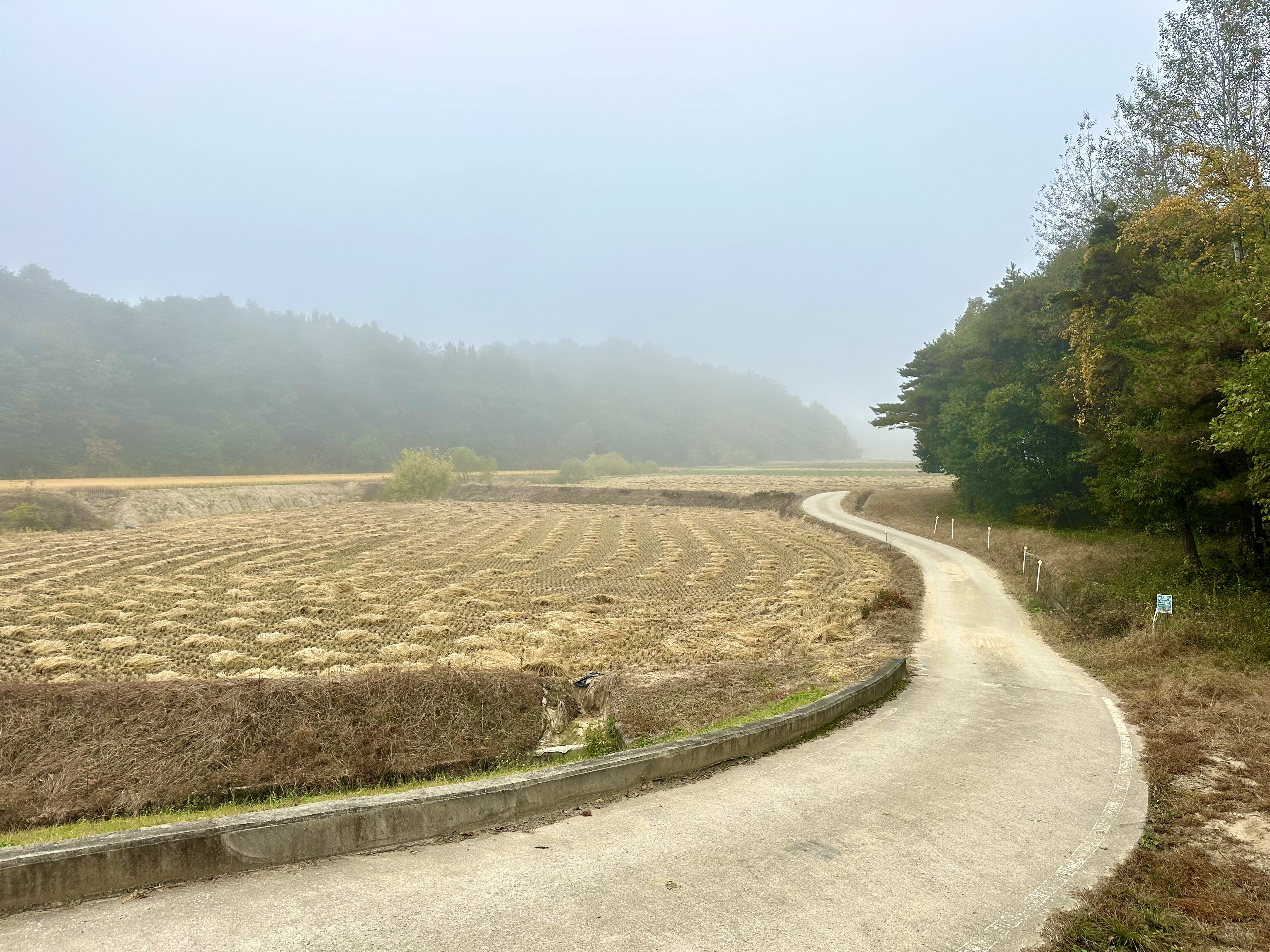
The least interesting part of the ride is between Andong and Mungyeong. I expect that the first 50km or so would actually be really hot and oppressive in summer – it is flat and pretty exposed. When I cycled it was foggy so quite atmospheric.
Closer to Mungyeong-si there are some backroads worth taking with much more scenic farmland and valley views. Lovely.


Tips and recommendations
It is worth diverting off the trail and into Mungyeong-si – there are cafes and convenience stores here. Alternatively there is a convenience store path-side just a bit further on at Gyontan-ri – all about mid-point of the day’s ride.
Day 10: Chungju – Seoul


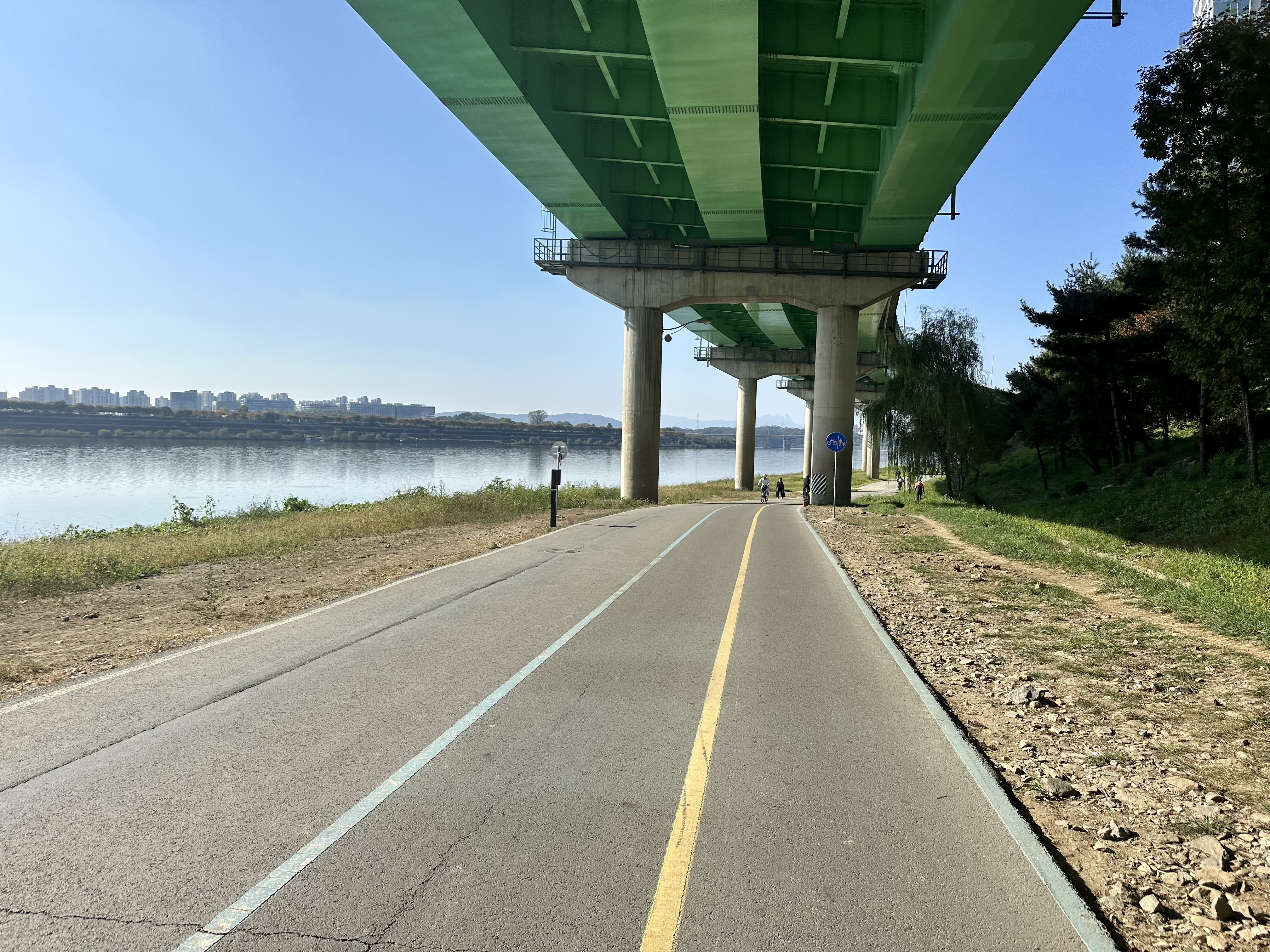
On returning towards Seoul, I re-covered around 23km of route from Day 1 (around Paldang-ri). This would have been longer if instead of taking the north of the river, I returned south. North or south, the cycleway is just as good and if you are doing a route like this one is worth bearing in mind.
Highlights
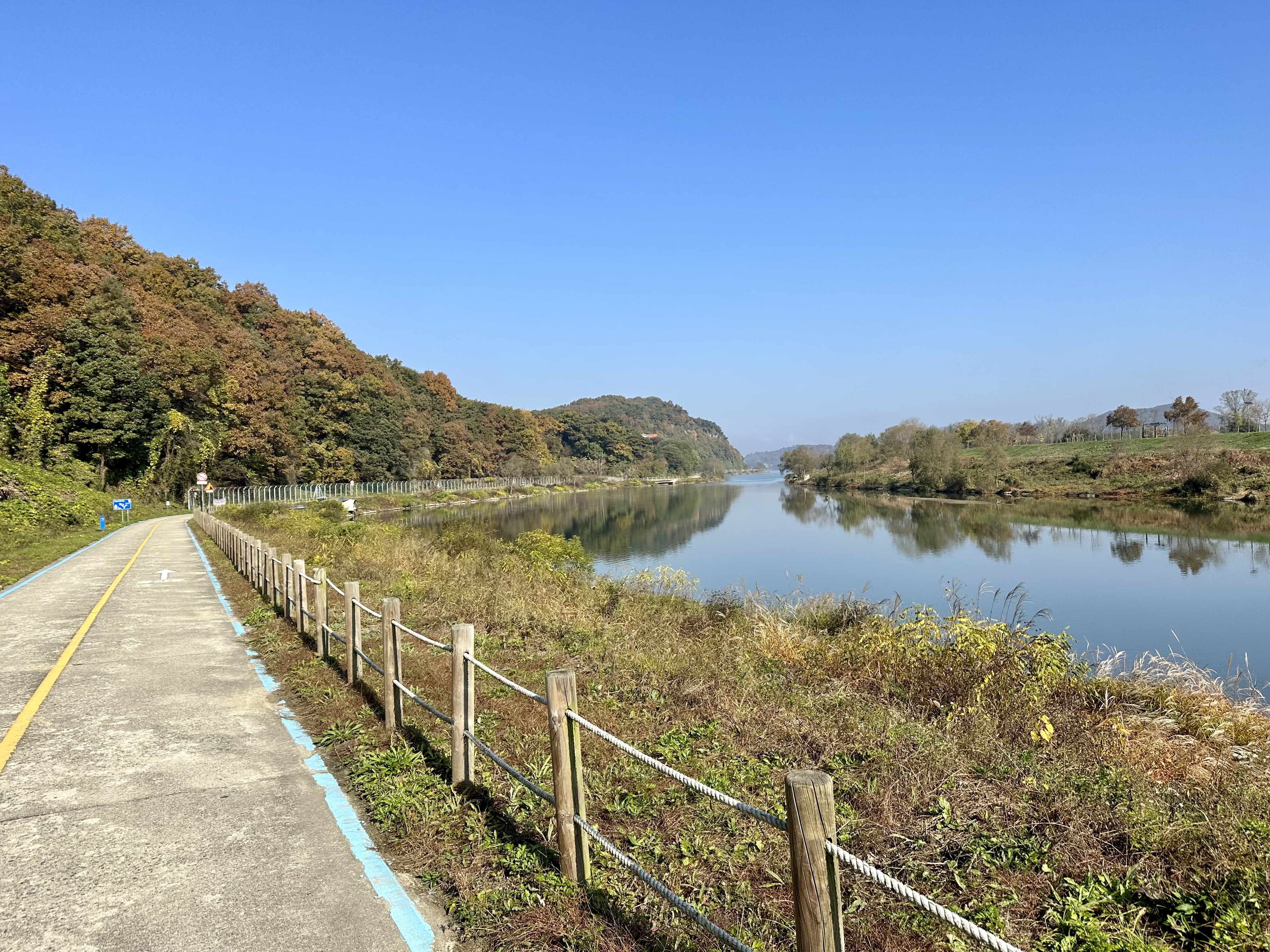
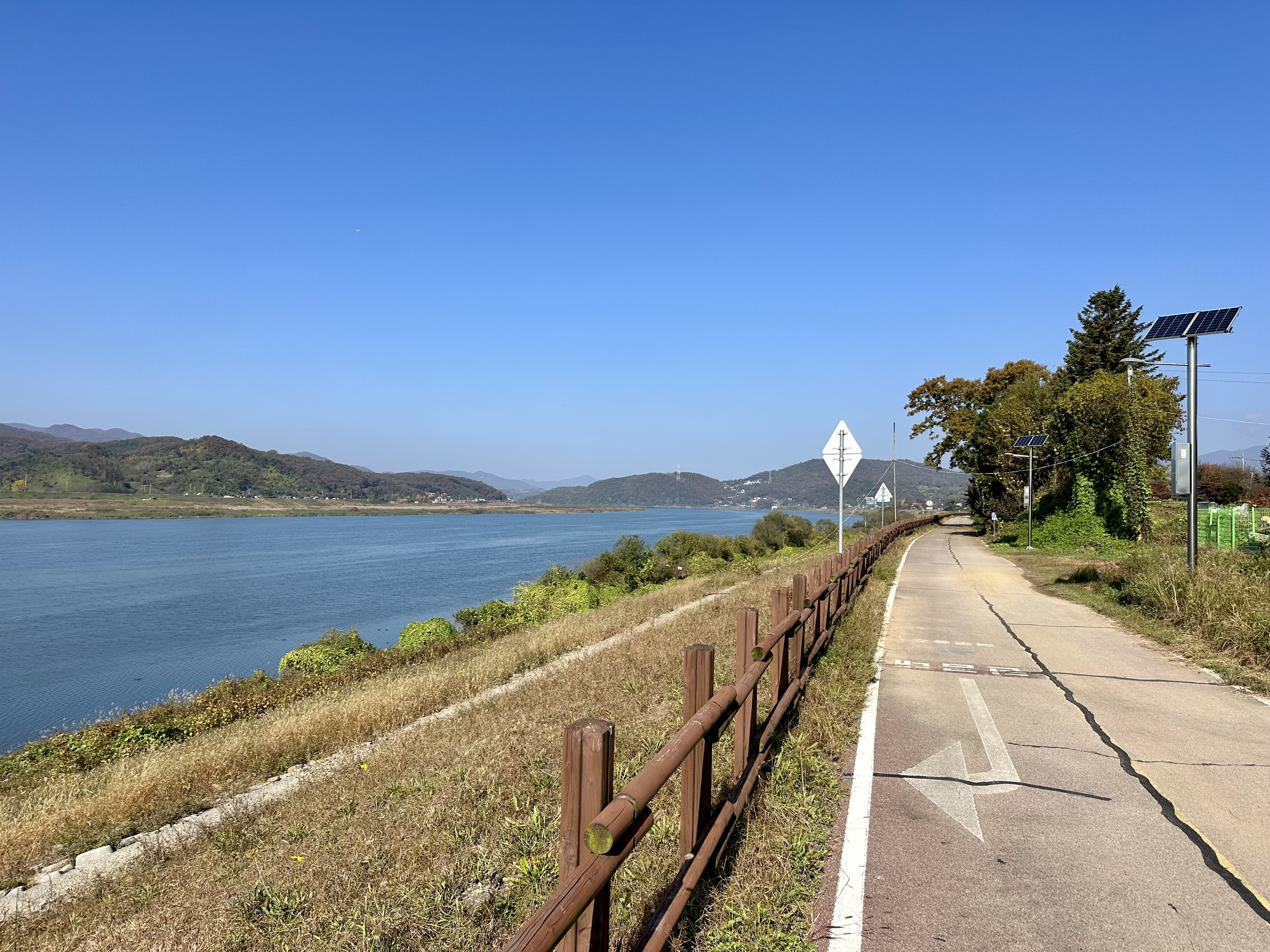
Before getting to Seoul, the path follows the river, occasionally crossing from one side to another. At times, it is clear the path is sailing past a town or village, but doesn’t divert in. I strongly recommend a diversion – I enjoyed the options available in Yangpyeong, including street food vendors.


Tips and recommendations
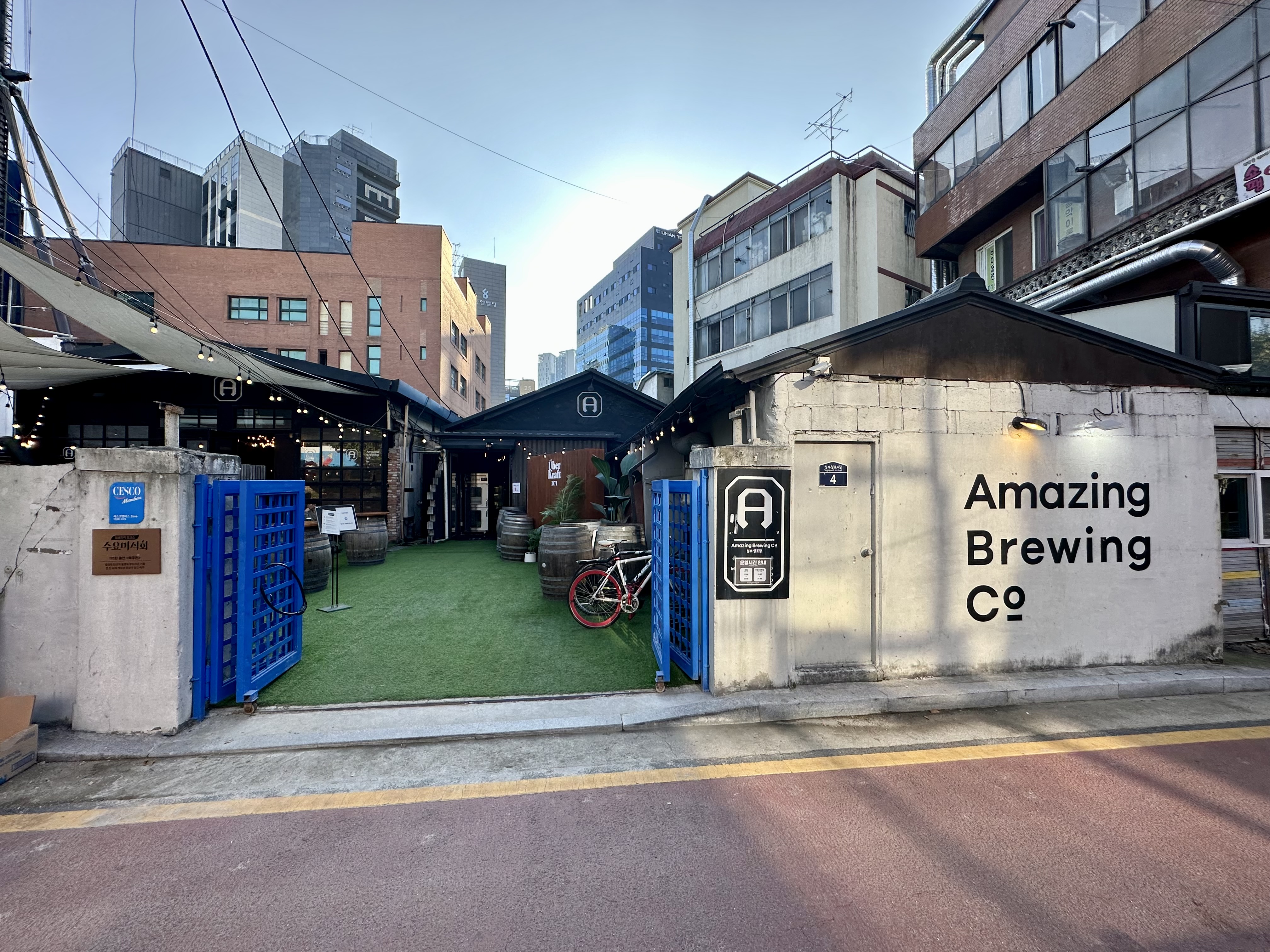
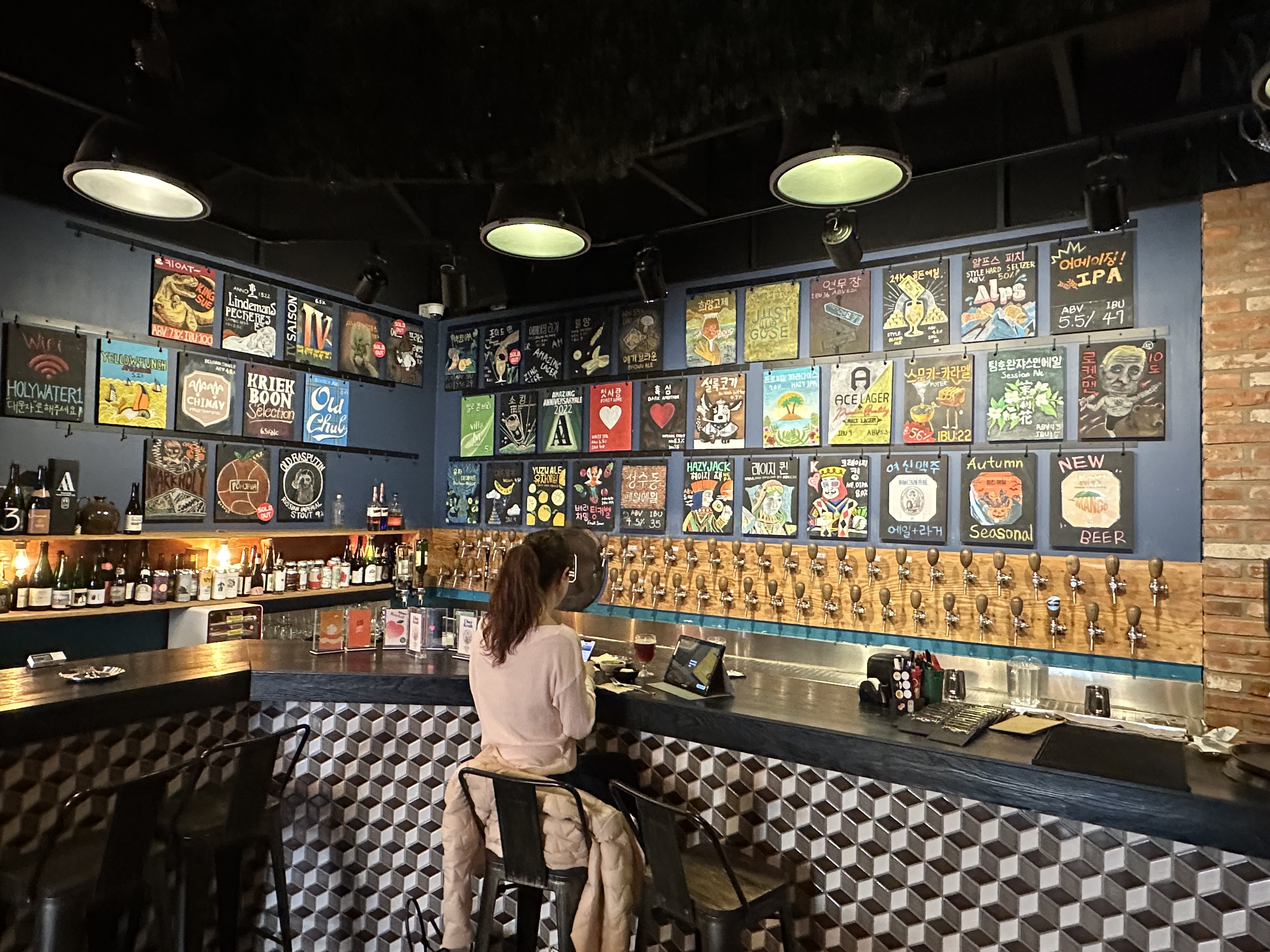
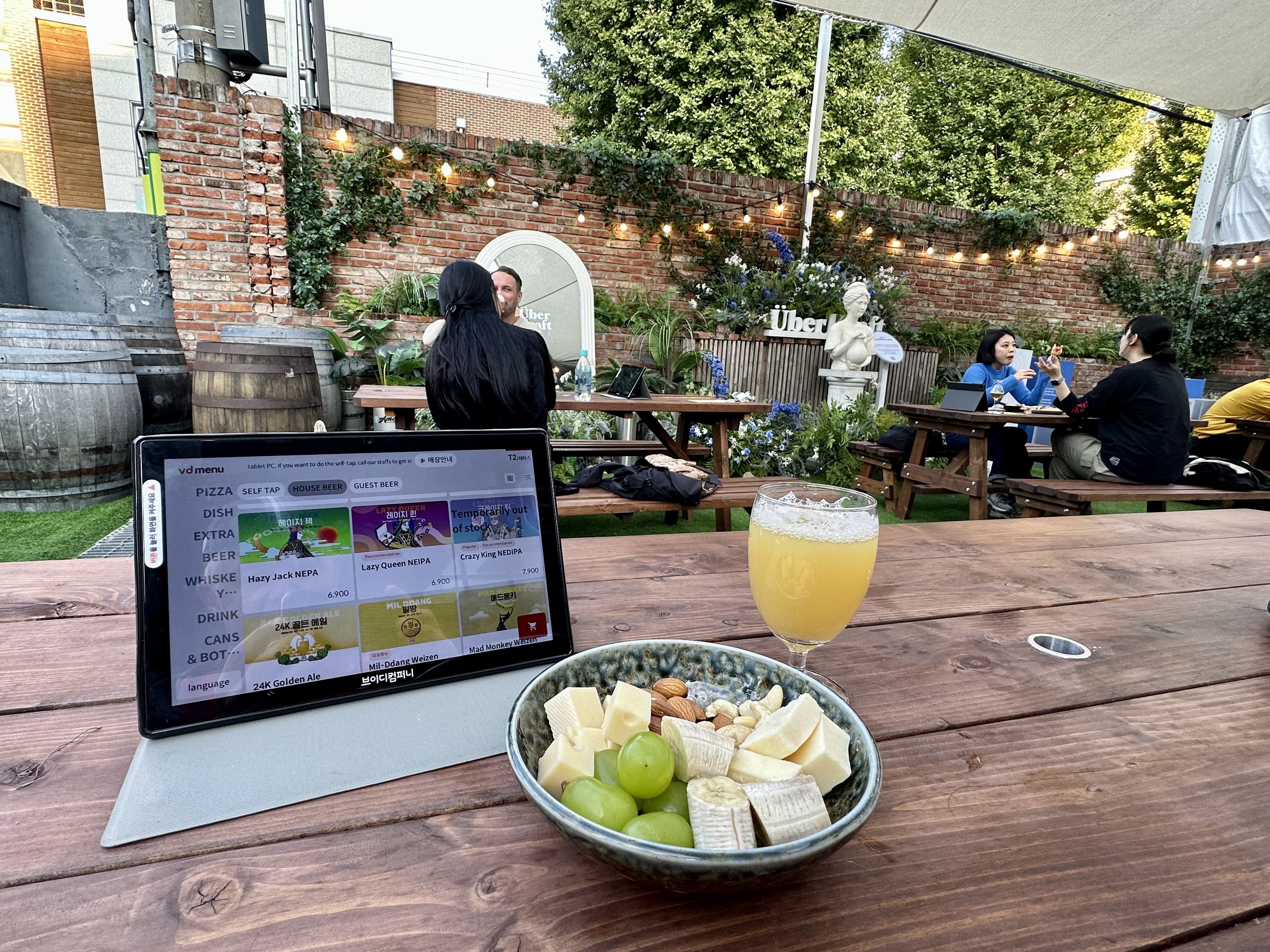
The pretty amazing Amazing Brewing Co is a great place to drop in before heading to downtown Seoul. You need to divert into the city, but don’t be intimidated – quiet neighbourhood streets can deliver you to this great place.
Prior to this, if you want to do some roadie cyclist spotting, pick one of the cafes (many cycling-themed) near Yangsu station – on a weekend it is roughly the place people seem to turn around and head back to the big smoke….
You’ll love Korea. These things will likely make you love it more….
It is hard to over-state the many benefits of cycling as a way of seeing a country. You can stop, observe, sometimes wonder, and then cycle on.


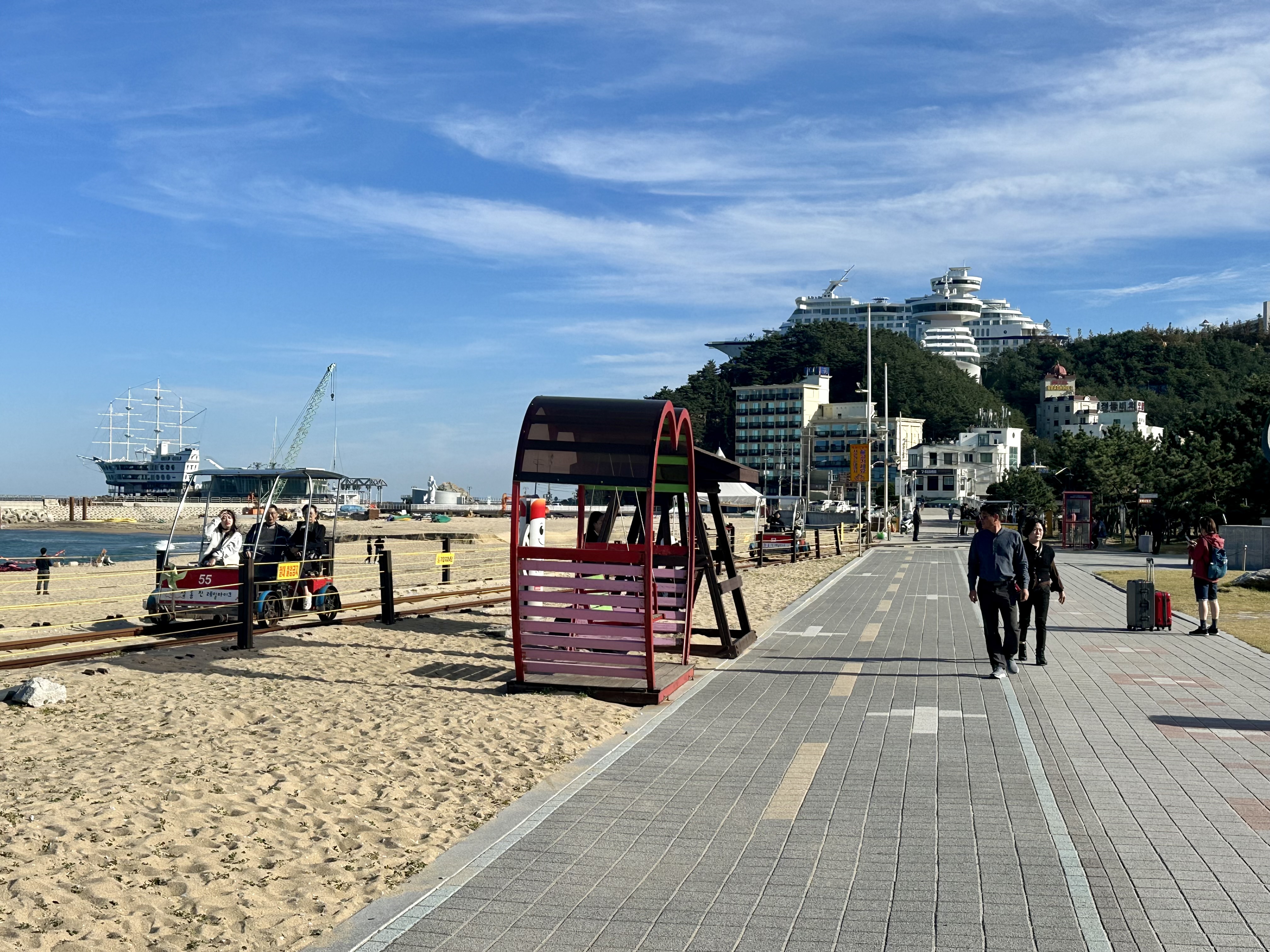
For example, I saw quite a few ‘odd’ things – a hotel looking like a cruise ship but built on top of a cliff (and sailing ship restaurant) and a faux Eiffel tower. My favourite was the sculptures for sale, just in case you were keen on a large metallic object in your front yard. I think that the sign even suggests they offer consulting services….
There is a cycling culture around Seoul – if you want to see the latest roadie fashion you don’t have to wait long for some great looking peletons to zoom past. I did have to do a bit of a double-take when I saw a bunch path-side taking a cigarette break….
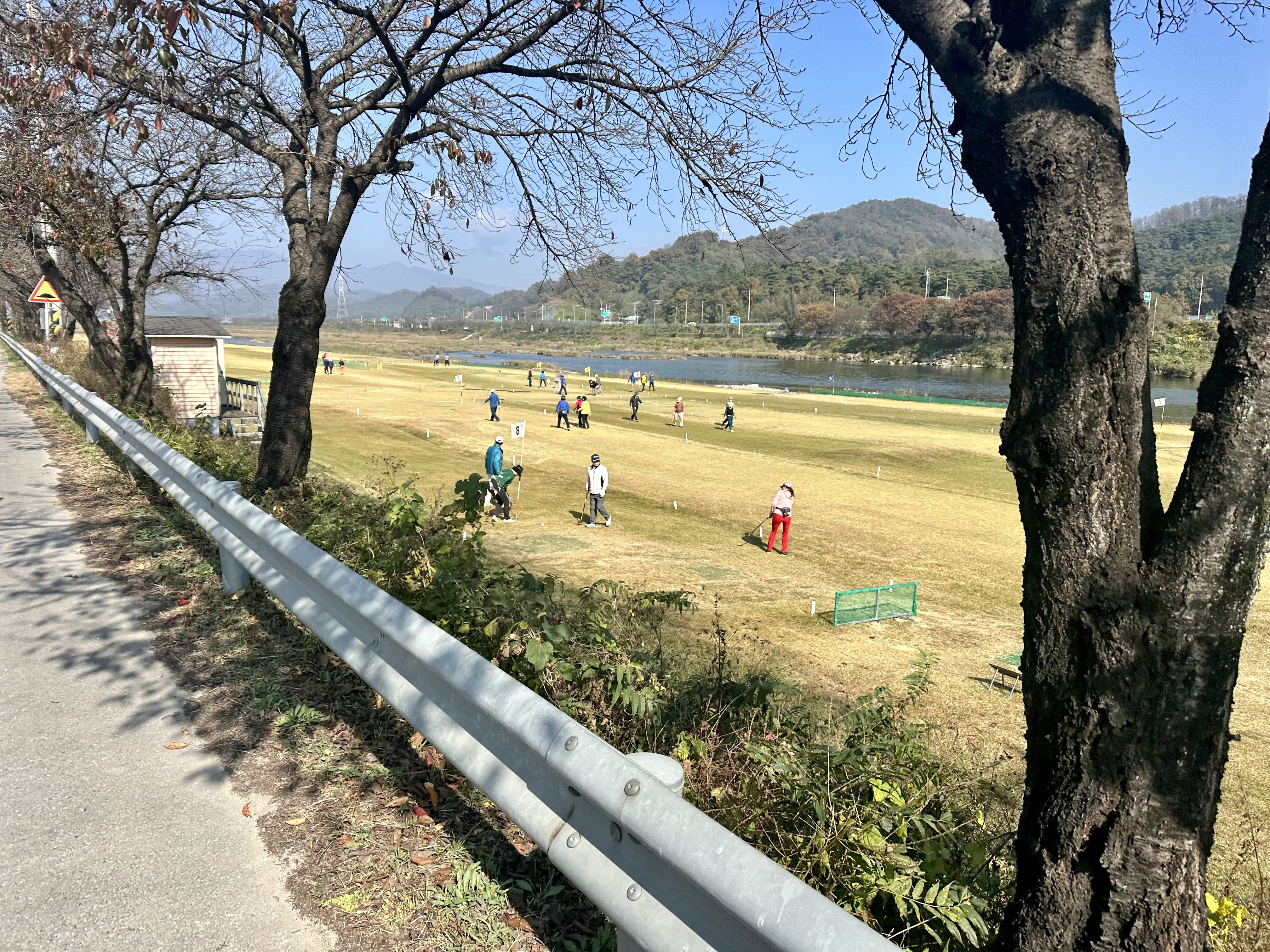
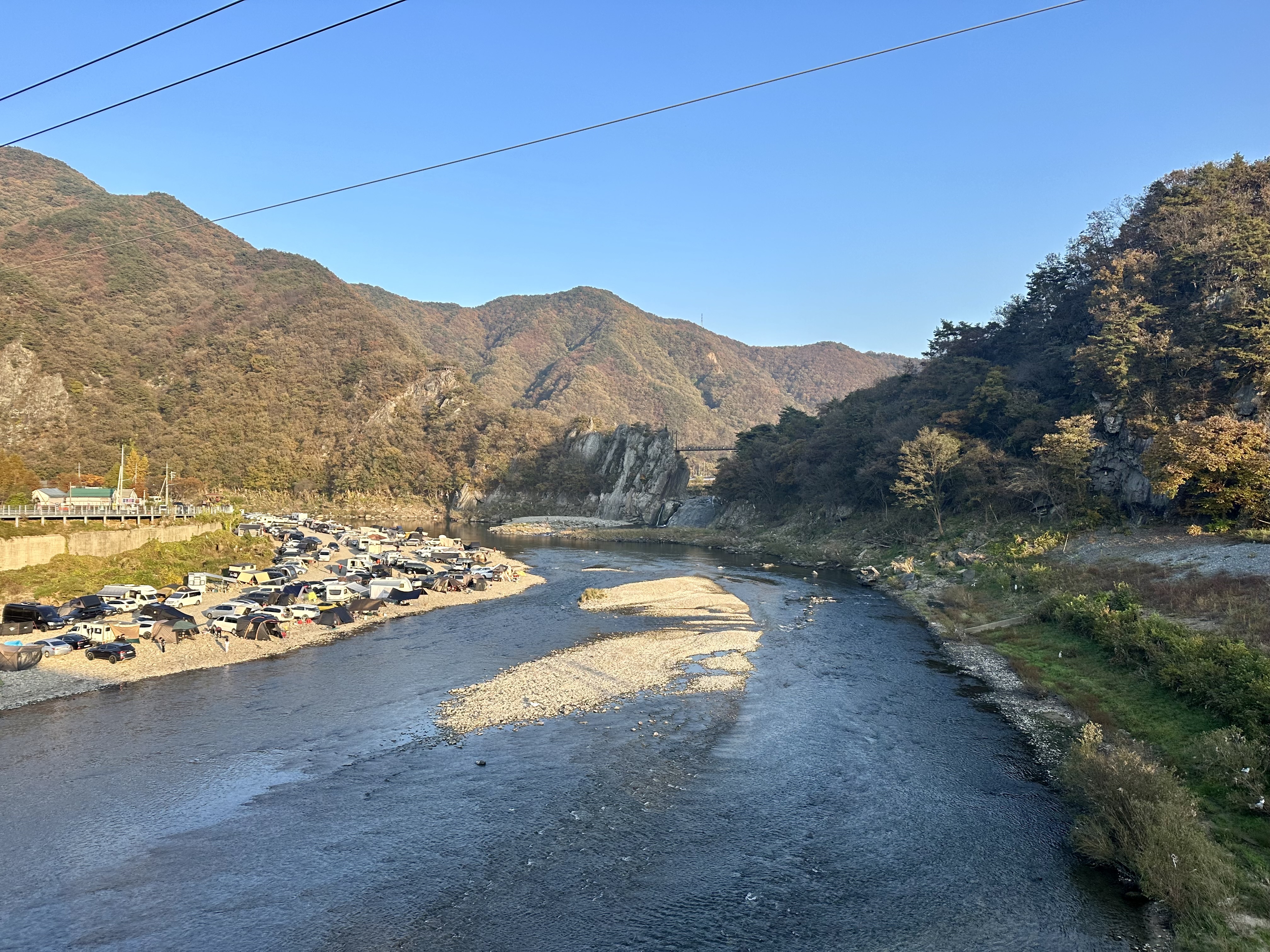
Talking of sport, there are lots of ‘golf courses’ that seemed very popular, particularly with retirees of both genders. Players use a mallet like club on short holes, and also seem keen to dress the latest golf gear. Camping is also very popular, but can get crowded (see above!).

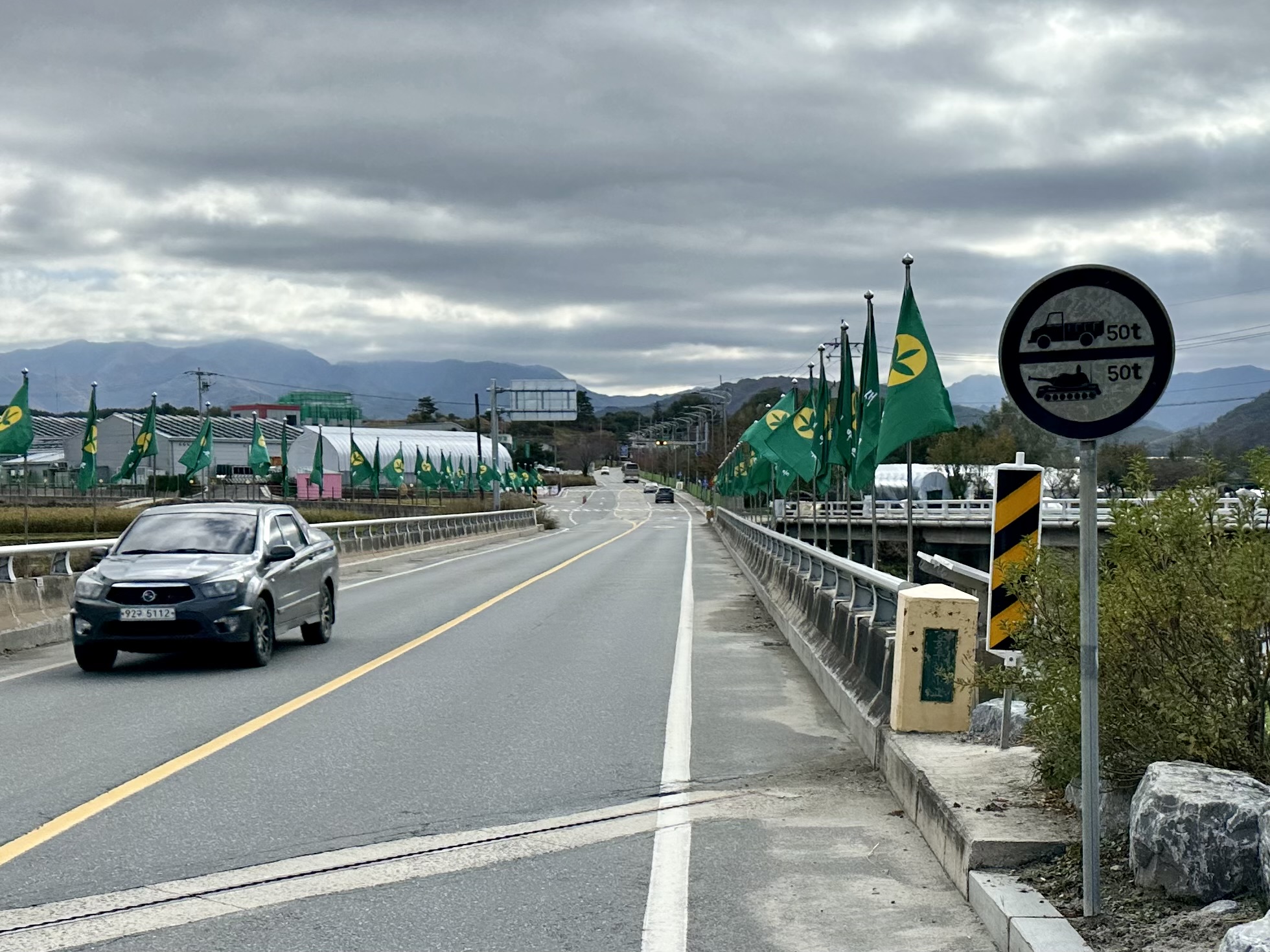
Finally, there is nothing like a road sign to remind you that you are travelling somewhere different. Whether it is a mannequin at roadworks, a weight limit for your tank, or somewhat confusing warnings about not driving (or cycling) into the river – you can come to love seeing things Korean-style.


Further inspiration
I found a few online sources to be inspiring and useful:
- Cycloscope, with their clear reasoning as to why you should not stick to the Four Rivers paths.
- Peaks and Penguins convinced me that it would be no problem cycling over Korean mountain passes (although I didn’t do Seoraksan).
- Lonely Planet! I decided to visit some places because I was super interested in them from reading about them – like Odaesan, Gyeongju and Andong. Don’t be a slave to a cycleway – work out a route that takes you where you want to see.
- Online maps. I highly recommend searching Google and Naver maps for things of interest to you, and plan around that. It would come as no surprise that some routing was influenced by a desire to visit a brewery that I found from a map search!


 CyclingGravel